The One Thing Texas Gardeners Must Do Before December Arrives
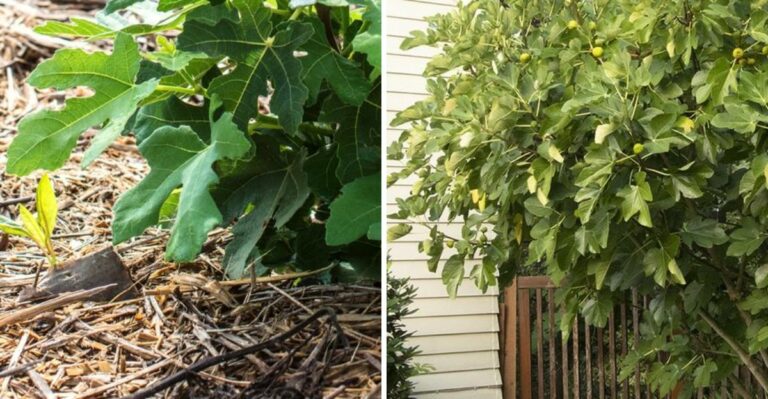
Dallas once swung from 80 degrees to below freezing in about a day, and my garden has the scars to prove it. Wild swings like that are normal here, not rare flukes.
Believe it or not, the biggest threat often hits below the soil line. Bare ground loses warmth fast on clear nights, and roots sitting in that chilly dirt take the hit first. I used to blame the cold snap itself, until I noticed which beds bounced back and which ones sulked all spring.
To my surprise, the fix costs almost nothing. You might even have the raw material piled up in your yard right now, waiting for the trash bags.
My hands are already itching to get started this weekend. So what would you do if your yard was quietly holding your garden’s best winter protection?
1. The Bare Soil In Your Flower Beds Is The Real Weak Spot
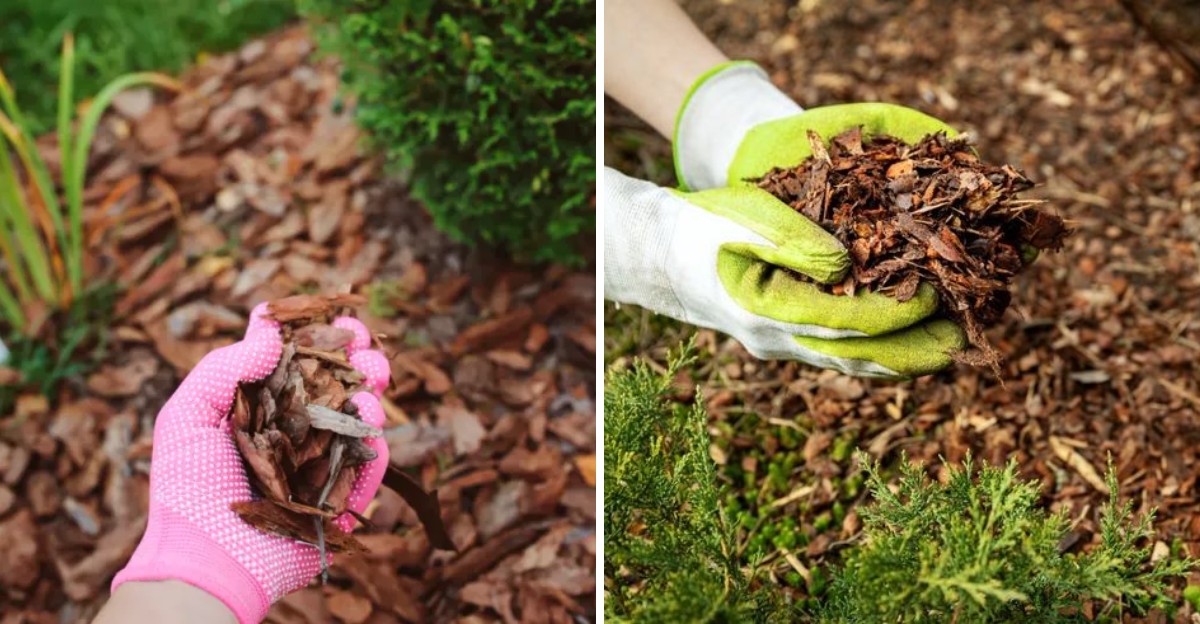
Frost on the leaves gets all the attention, but the quiet trouble starts lower down. Bare dirt acts like an open window on a cold night, letting stored warmth slip away into the sky.
Texas soil stays fairly warm into late fall. That warmth is a gift to roots, as long as something holds it in place. When nothing covers the ground, a single clear, still night can chill the top few inches fast.
Then the sun comes back, the soil warms, and the cycle repeats. Experts at Texas A&M AgriLife Extension point out that these ups and downs can stress plants more than one steady cold spell.
Roots of perennials, young shrubs, and fall transplants feel it most because they sit close to the surface.
I learned this the hard way with a row of salvias. The ones by a bare path struggled for months, while the ones tucked near leaf litter barely noticed the cold.
So the problem is not just the weather. It is how exposed your soil is when the weather turns.
Take a quick walk around your yard today. Every patch of naked ground near a plant you love is a spot worth fixing before December.
2. A Fresh Layer Of Mulch Is Your Garden’s Winter Coat
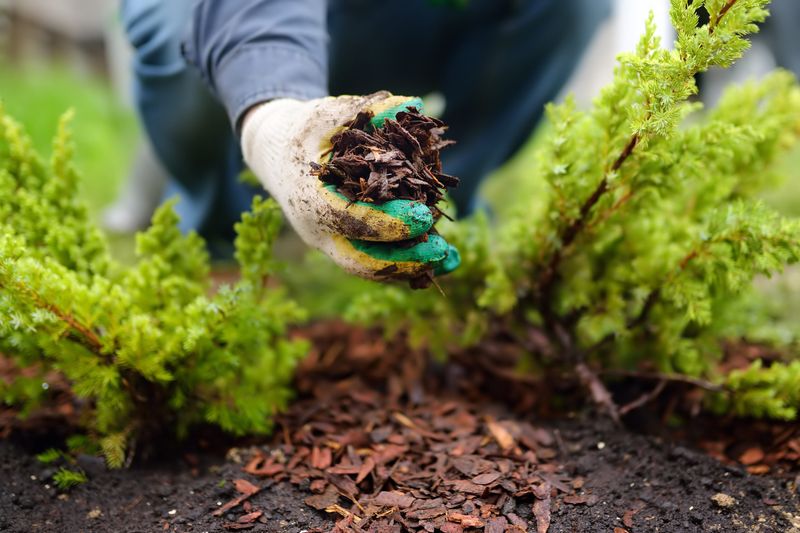
Mulch. That is the whole secret, and honestly, it felt almost too simple the first time I heard it.
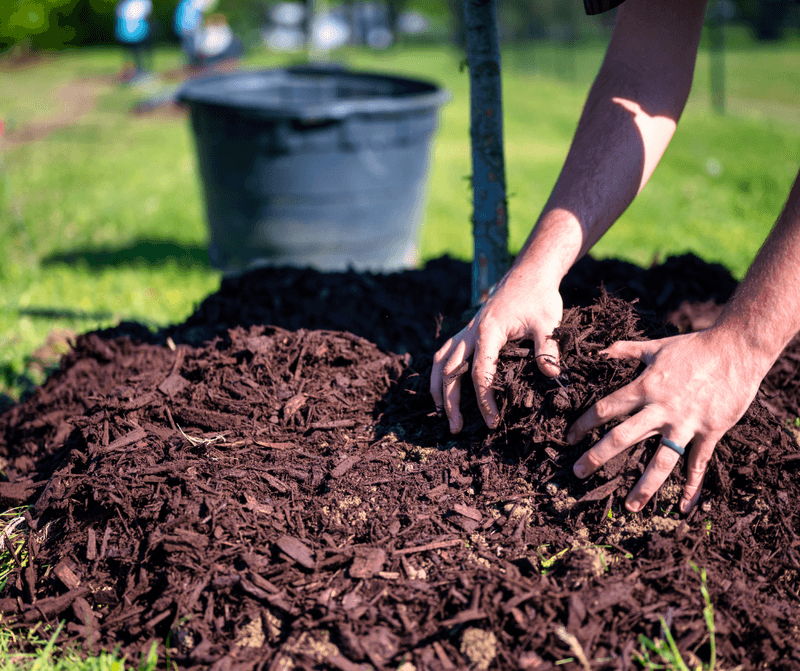
Spreading a layer of organic material over your beds before December works like a thick blanket on a guest bed. It slows heat loss from the soil at night and keeps the ground from swinging wildly between warm afternoons and frosty mornings.
Texas A&M AgriLife Extension recommends mulch as one of the easiest ways to protect plants through winter.
It helps roots of perennials, roses, shrubs, and young trees stay steady while the air above does its usual rollercoaster ride.
Why before December? Across much of the state, the first real freezes often show up in late November or December.
North Texas and the Panhandle tend to get them earlier, while the coast and Rio Grande Valley see them later or barely at all.
Getting the layer down early traps the heat the soil still holds from autumn. Wait until after a hard freeze, and you are tucking in ground that has already gone cold.
Personally, I treat Thanksgiving weekend as my deadline. A few bags or a pickup load, one afternoon of work, and my beds are ready for whatever blows in.
3. Two To Four Inches Of Mulch Hits The Sweet Spot
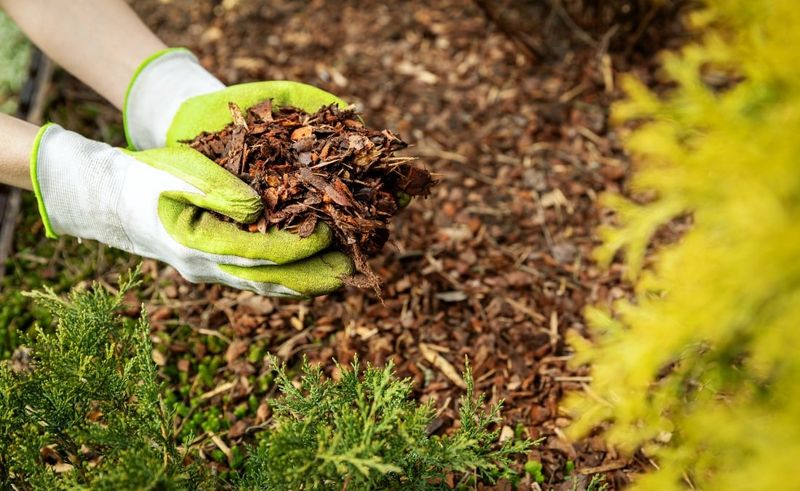
More is not better here, and that surprised me. Most Texas extension guides suggest a layer about two to four inches deep for landscape beds.
Thinner than two inches, and weeds and cold slip right through. Pile it much deeper, and the soil can stay soggy, roots may run short on air, and critters like voles might set up camp.
Fluffy materials like pine straw can go a little thicker because they settle over time. Dense ones, such as fine shredded bark, work best on the lower end of that range.
One rule matters more than the rest. Keep mulch a few inches away from stems and tree trunks.
Those big “mulch volcanoes” you see around trees trap moisture against the bark. That invites rot, insects, and disease, which is the opposite of what you want.
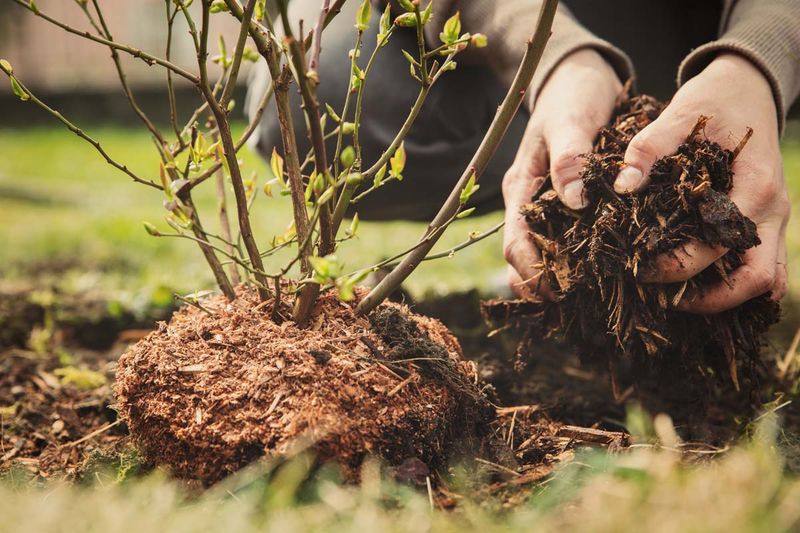
My trick is to shape a little donut around each plant. The center stays open, and the thick ring protects the root zone where it counts.
If last year’s mulch is still hanging around, rake it to loosen it up. Then add just enough fresh material to bring it back to the right depth.
4. Those Fallen Oak And Pecan Leaves Make Free Mulch
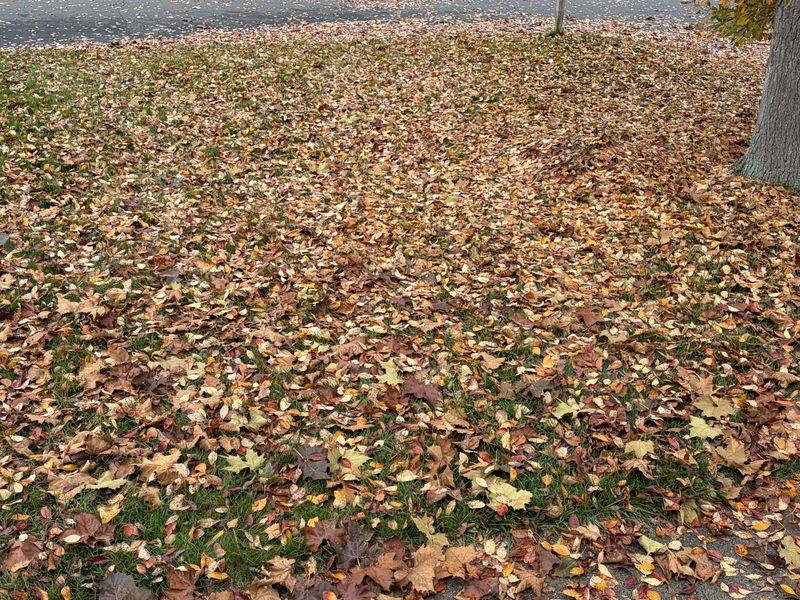
Every November, I watch neighbors stuff perfectly good mulch into plastic bags. It hurts a little.
Fallen leaves from oaks, pecans, maples, and other trees are some of the best winter covers around. They are free, easy to find, and they break down into rich organic matter that soil microbes and earthworms adore.
Shredding is the key step. Whole leaves can mat together into a soggy layer that sheds water, while shredded ones stay loose and let air and rain through.
You do not need fancy gear. Running a mower with a bagger over a leafy lawn does the job in minutes.
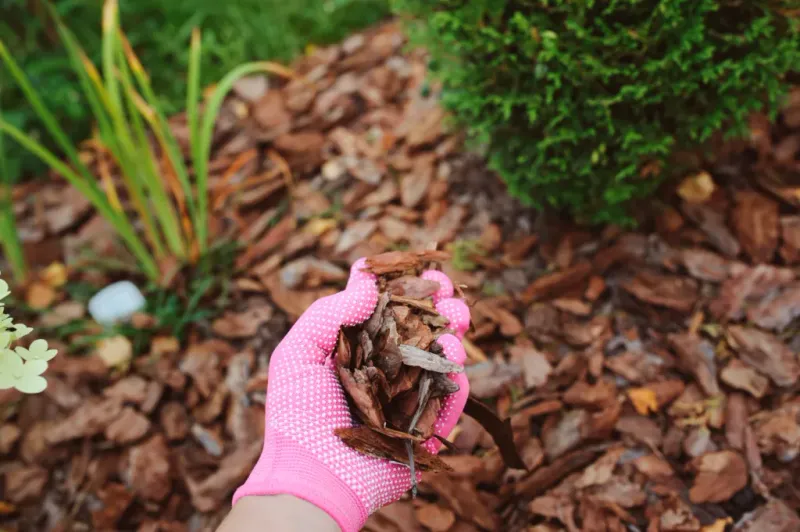
Other solid choices include pine straw, shredded hardwood bark, cedar mulch, and wood chips from local tree crews.
Many Texas cities also offer free or cheap mulch made from yard waste, so check your city’s website before you buy.
Fun fact: pine straw is a favorite in East Texas, where pine forests drop it by the ton. It knits together nicely and stays put on slopes.
Skip rubber mulch and dyed products with unknown sources. Natural materials feed your soil as they age, and that is half the reward.
5. Mulched Soil Holds Moisture Through Dry Winter Winds
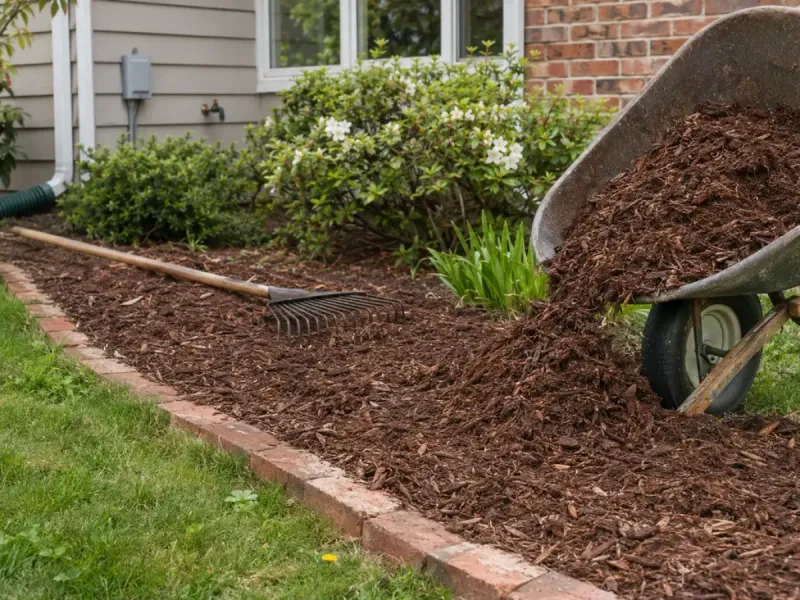
Winter in Texas can be surprisingly thirsty. Cold fronts often roll in with dry, gusty winds that pull moisture out of bare ground fast.
A good mulch layer slows that evaporation. The soil underneath stays damp longer, so you water less and your plants stay calmer.
There is a bonus here that I find fascinating. Moist soil holds and releases heat better than dry soil, which is why extension experts often advise watering before a hard freeze.
So mulch and moisture work as a team. The water stores warmth, and the mulch keeps that warmth from escaping overnight.
Here is how I handle it. If the forecast calls for a freeze and the ground is dry, I water my beds a day or two ahead.
Then I check under the mulch with my finger instead of guessing. If it still feels damp a couple of inches down, I leave the hose alone.
Evergreen shrubs need this attention most, since their leaves keep losing water all winter. A dry evergreen heading into a cold snap is far more likely to show brown, crispy damage come January.
6. Cool-Season Weeds Like Henbit Hate A Thick Mulch Layer
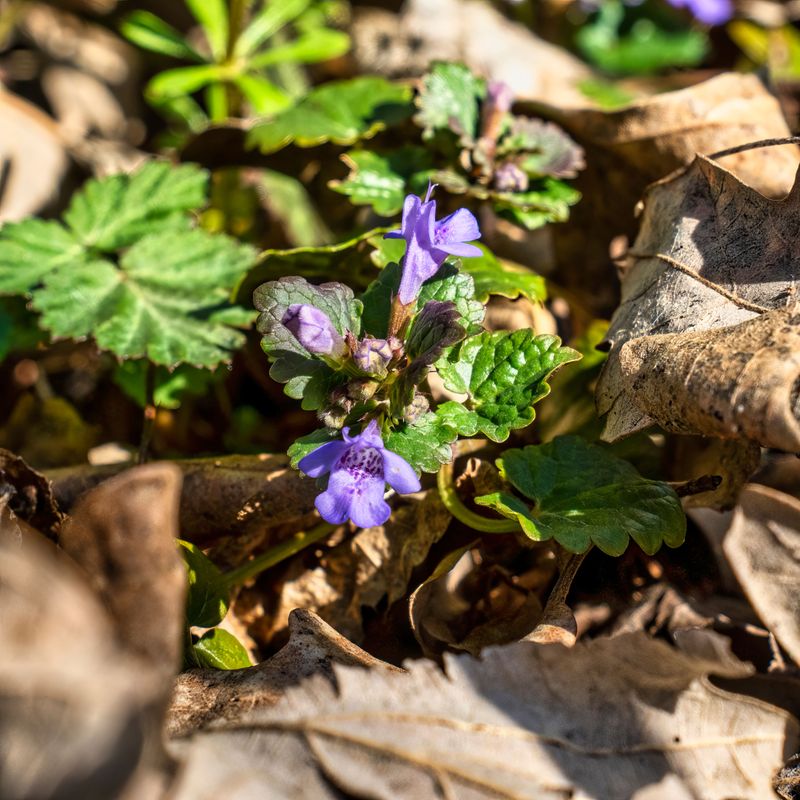
Ever notice those little purple-flowered weeds popping up in February? That is often henbit, a cool-season weed that sprouts in fall and blooms in late winter.
Chickweed, annual bluegrass, and rescuegrass follow the same plan. They germinate as soil cools in autumn, grow quietly through winter, then explode in early spring.
Mulch blocks the light many weed seeds need to sprout. A solid layer laid down before December stops a big chunk of them before they ever get going.
I used to spend my first warm March weekend on my knees yanking weeds. After I started mulching in November, that chore shrank to a quick ten-minute stroll.
Timing helps a lot. If weeds have already sprouted, pull them first, then add mulch on top.
Trying to bury tall, established weeds rarely works. Many will simply push through, especially tough perennials like nutsedge or Bermudagrass.
For stubborn spots, a layer of plain cardboard or a few sheets of newspaper under the mulch adds extra smothering power. Wet it down well so it settles and lets water through over time.
7. Panhandle And Gulf Coast Gardens Need Different Mulch Timing
Texas is huge, and its weather proves it. The state spans roughly USDA zones 6 through 10, so one calendar date cannot fit everyone.
In the Panhandle, the first freeze often arrives in late October, while far North Texas usually sees it in November. Panhandle gardeners should mulch by mid October, and North Texas gardeners by late October or early November.
Central Texas, including Austin and San Antonio, usually sees its first freeze from mid November into December. Late November is a smart target for those regions.
Along the Gulf Coast and down in the Rio Grande Valley, freezes are less frequent and arrive later.
Mulch still pays off there, mostly for moisture, weed control, and protection during rare cold blasts like the February 2021 storm.
Your local average first freeze date is easy to look up. Many county AgriLife Extension offices post them online.
I keep that date on my phone calendar with a reminder two weeks earlier. It gives me a buffer if a surprise norther blows in ahead of schedule. Wherever you live, aim to finish before your area’s typical first hard freeze.
8. Healthier Spring Roots Start With A November Mulch Job
Spring is when the real payoff shows up. Beds that spent winter under mulch usually wake up with stronger roots and fewer setbacks.
As the material slowly breaks down, it adds organic matter to your soil. That improves structure, so heavy clay drains better and sandy soil holds more water.
Earthworms and helpful microbes love that steady food supply. They tunnel, mix, and enrich the ground all winter while you sit inside with a cup of cocoa.
Mulch also cuts erosion from heavy winter rains. Your topsoil stays where it belongs instead of washing into the street.
My next steps are simple. Rake leaves this week, shred them, and spread a two to four inch layer over every bed before December.
Pull mulch back from stems and trunks. Check soil moisture before freezes, and top off thin spots in late winter.
In spring, you can gently push mulch aside to plant new seedlings, then tuck it back around them. It keeps working through summer heat too.
One afternoon of effort now buys you months of protection. Grab a rake, and give your garden the coat it needs.