Poison Ivy Is Spreading From Your Neighbor’s Yard in Virginia. Can You Make Them Remove It?
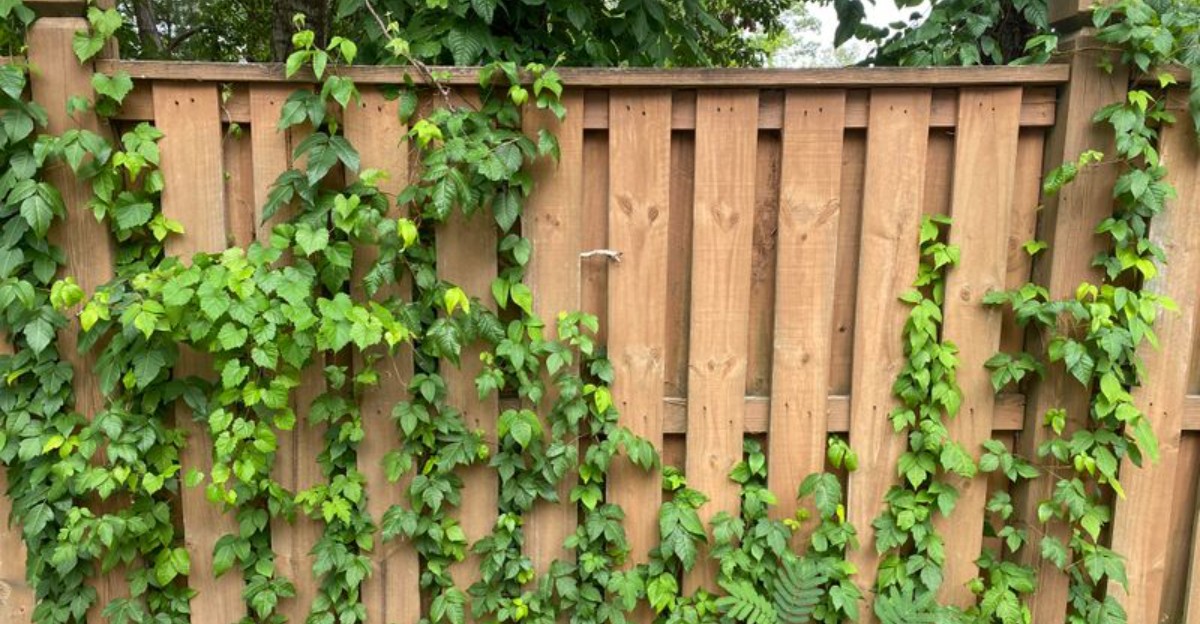
A single fence line in Virginia can carry an itch that lasts for weeks. The oil behind it can stay active on a garden glove for years, too.
Funny thing is, the culprit is a native plant. Birds happily eat its pale berries and drop the seeds wherever they perch, including right along your property line. It climbs, crawls, and roots wherever its stems touch soil.
Take it from someone who has pulled vines off a rose bush with bare wrists. One careless afternoon taught me more about blisters than any field guide could. Looking back, I should have checked who actually owned the plant first.
The law has opinions about leafy trespassers, and they might surprise you. Courts care about real damage, not just bad manners. So who has to deal with the three-leaf intruder, you or the folks next door?
That Poison Ivy Vine Crossing Your Fence Has a Legal Label
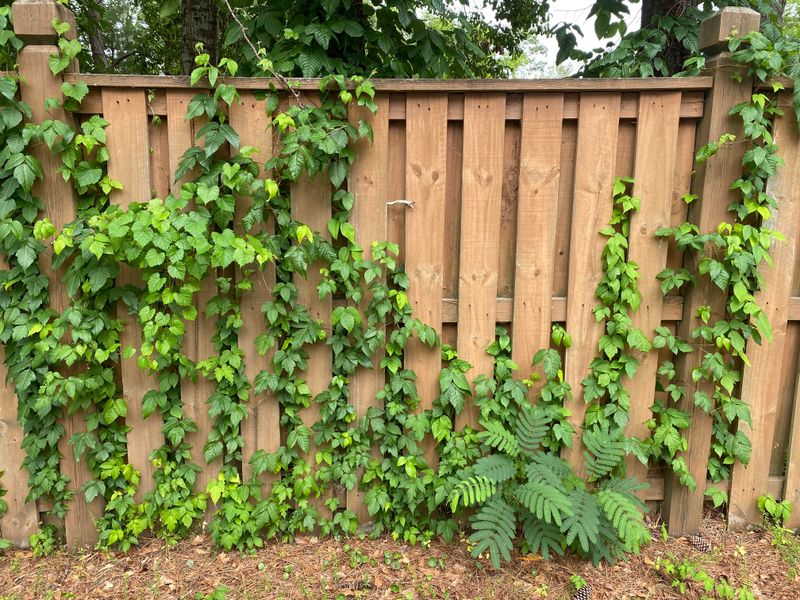
Virginia judges have actually spent time on this exact kind of headache. In 2007, the state Supreme Court decided Fancher v.
Fagella, a case about a neighbor’s tree whose roots and branches were damaging a townhouse.
That ruling set the rule still used today. Encroaching plants can count as a private nuisance when they cause actual harm or pose an imminent danger of actual harm to nearby property.
The court spoke about trees and roots, but lawyers generally apply the same idea to vines and other invading vegetation.
So where does an itchy vine fit? Leaves poking through a chain-link fence usually look like a nuisance in the everyday sense, not the legal one.
A rash from brushing against them is miserable, yet courts focus on damage to land, structures, or the real use of your yard.
Between you and me, that line can feel unfair. Poison ivy is a native plant, and it does not appear on the state noxious weed list, so simply having it is not against the law.
Still, the question is not hopeless. A thick mat of vines swallowing your fence, smothering shrubs, or pushing over a gate starts to look much more like real harm.
Keep notes and photos from the start, because evidence matters if things ever get serious. A dated picture each month can show how fast the vine is moving.
Pruning Shears Are Your First Legal Tool at the Property Line
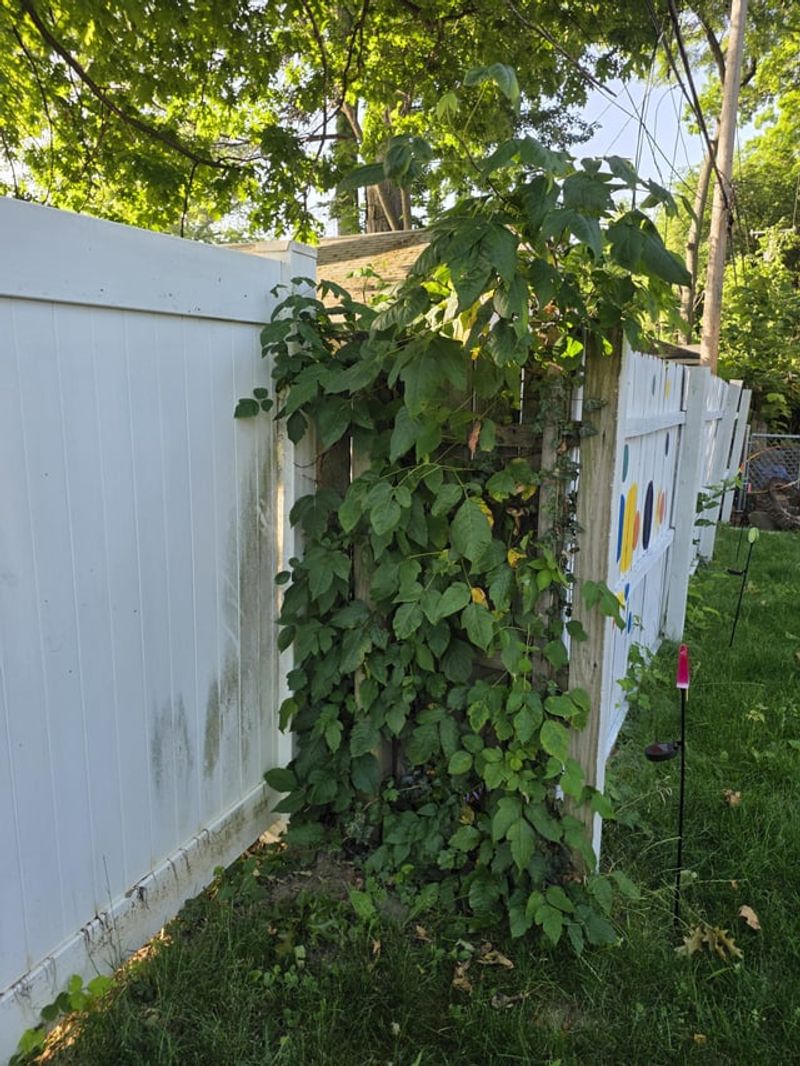
Grab your loppers, because the law hands you a tool before it hands you a courtroom. Virginia follows an old self-help rule.
You may cut back branches, vines, and roots that cross onto your land, right up to the property line, at your own expense.
That right goes back decades. The Fancher decision confirmed it, noting that a neighbor can trim intruding growth without asking permission.
You do not need a letter, a permit, or a lawyer to clip the vine that is sneaking through your boxwoods.
A few limits apply. Stay on your side, and do not cut so deeply that you harm the main plant on their property.
With poison ivy, few neighbors will complain, but a vine climbing their prized oak or wrapped around their fence post is a different story.
For what it’s worth, knowing where the line actually sits saves arguments later. Fences do not necessarily sit on the boundary.
A survey plat from your closing papers, or the county GIS map online, can show you the real edge of your lot.
Once you know the boundary, work along it steadily instead of all at once. Poison ivy resprouts from roots, so expect to revisit the same strip a few times each season.
Treat it as regular maintenance, like edging a lawn.
When Poison Ivy Roots Start Cracking Walls, Your Neighbor May Have to Act
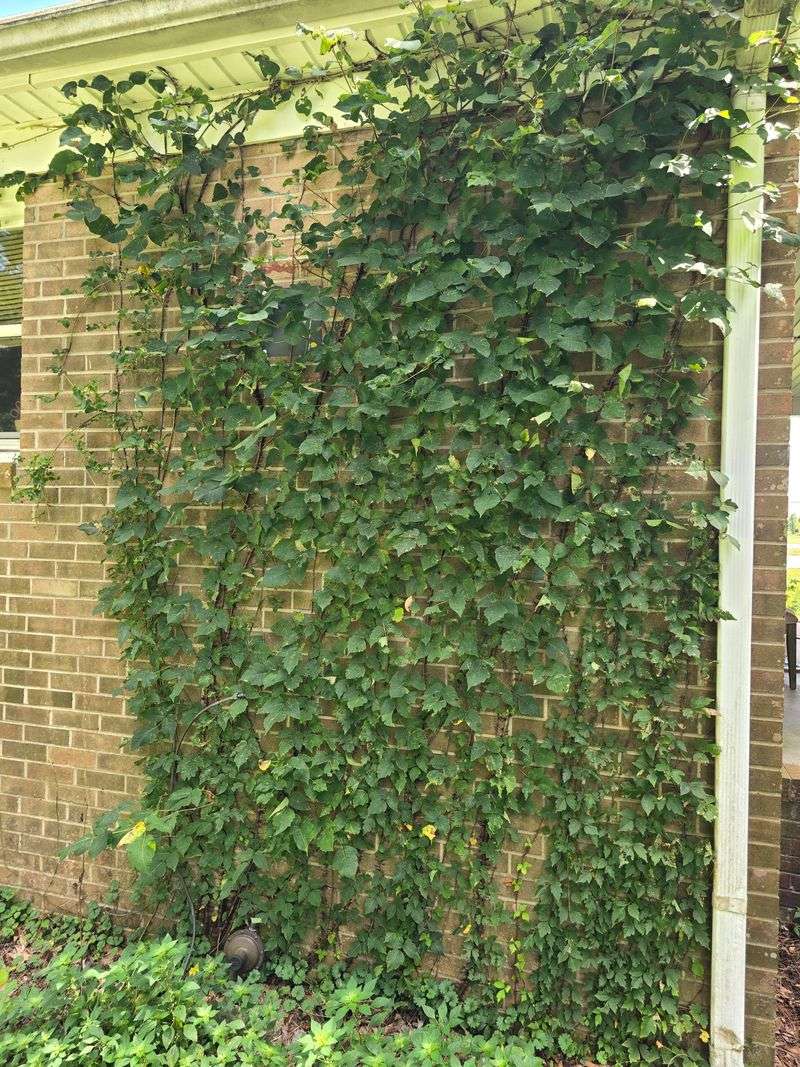
Cracked pavers tell a very different story than an itchy ankle. Once the vines cause real physical damage, your neighbor may carry legal responsibility for the problem.
Under the Fancher rule, a property owner can be held liable when encroaching vegetation causes actual harm or creates an imminent danger of it. A court may order the owner to pay for damage, cut the plant back, or remove it, sometimes through an injunction.
Poison ivy is not usually a wall wrecker the way large tree roots are. Mature vines can still grow thick, hairy trunks several inches wide.
Those woody stems can pry at fence boards, crowd gutters, and hold moisture against siding.
Health matters too, though the law is less clear here. If a vine blocks a gate, walkway, or play area and keeps causing rashes, talk with an attorney about whether that counts as interfering with your use of the yard.
Don’t make my mistake of waiting until a fence panel leans to start gathering proof. Save repair estimates, medical receipts, and photos with dates.
Keep copies of any messages you send to your neighbor about the vine.
Small claims may cover modest damage. In Virginia, the small claims division of general district court hears cases up to $5,000, and you can file without a lawyer.
Bigger cases or injunctions usually need more formal steps.
A Friendly Chat Over the Poison Ivy Fence Often Beats Calling a Lawyer
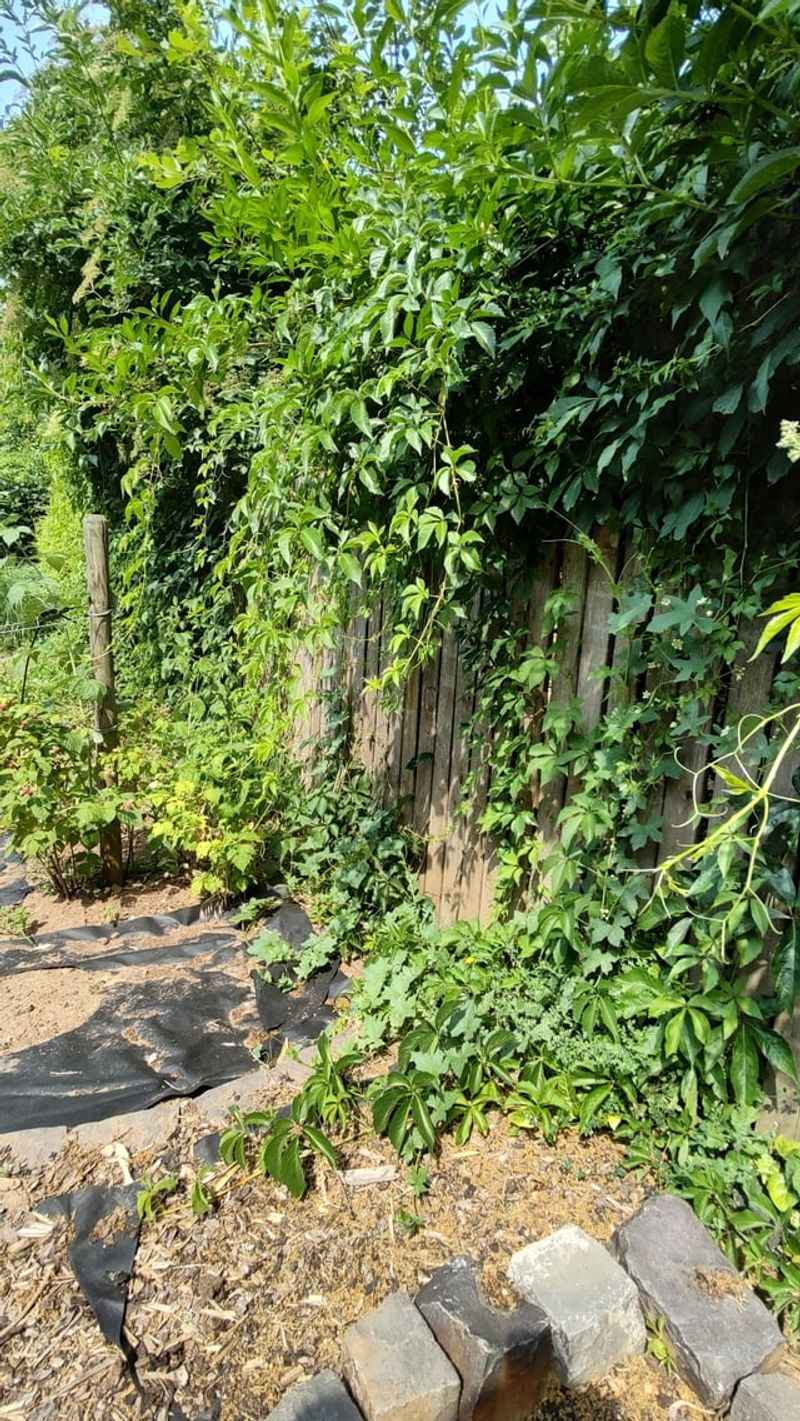
Most neighbors have no idea their back corner is a rash factory. Many people cannot even pick poison ivy out of a tangle of Virginia creeper, which has five leaflets instead of three.
A calm conversation is usually the fastest fix. Point out the vine, mention the rash your kids picked up, and offer to share the work.
Some folks will hire a crew the same week once they understand the risk.
If talking stalls, a short, polite letter helps. Describe where the plant is, what problems it causes, and what you would like done.
That letter also becomes useful evidence later.
Living next to a rental? Reach out to the landlord or property manager instead.
Homeowners associations may also have rules about overgrown lots, so check your HOA covenants if you live in one.
Local codes sometimes help too. State law lets cities and counties require owners to cut tall grass and weeds, and some localities enforce overgrowth rules on vacant or neglected lots.
Call your city or county code enforcement office to ask how its ordinance reads.
Mediation sits between a friendly chat and a lawsuit. Virginia has community dispute resolution centers that help neighbors settle conflicts, often for little or no cost.
Honestly, a neutral person at the table can cool things down fast.
Stepping Onto Their Side With a Herbicide Sprayer Can Backfire
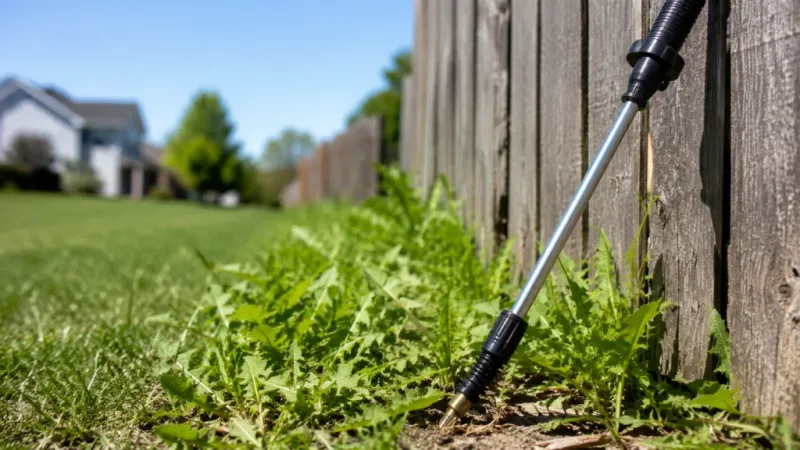
Loading a sprayer and slipping through the gate seems efficient. It can turn a plant problem into a people problem very quickly.
Entering your neighbor’s land without permission is trespass. Cutting or spraying their plants, even weedy ones, could make you responsible for damage to their property.
If herbicide drifts onto their vegetable bed or roses, you might owe them for it.
Products containing triclopyr or glyphosate are effective on poison ivy, yet they do not pick sides. Glyphosate harms almost any green plant it touches.
Triclopyr can injure trees and shrubs, and spraying on a breezy day spreads the trouble further.
Let’s just say a windy afternoon and a fine mist are a bad mix. Spray only on calm days, keep the nozzle low, and shield nearby plants with cardboard.
Read and follow the label, since the label is the law for pesticide use.
Written permission changes everything. If your neighbor says yes to you clearing their side, get it in a text or email that spells out what you will do.
A simple agreement protects both of you if something goes wrong.
Some neighbors simply want someone else to handle it. Offering to split the cost of a professional crew can solve the problem while keeping everyone on friendly terms, and pros carry insurance for accidents.
Gear Up With Long Sleeves and Gloves Before Touching Those Three Leaves
Urushiol is the culprit here, an oily sap found in the leaves, stems, roots, and berries of poison ivy. The American Academy of Dermatology says most people react to it, and a tiny amount can trigger a rash.
Dress like you mean it. Wear long sleeves, long pants, closed-toe shoes, and socks.
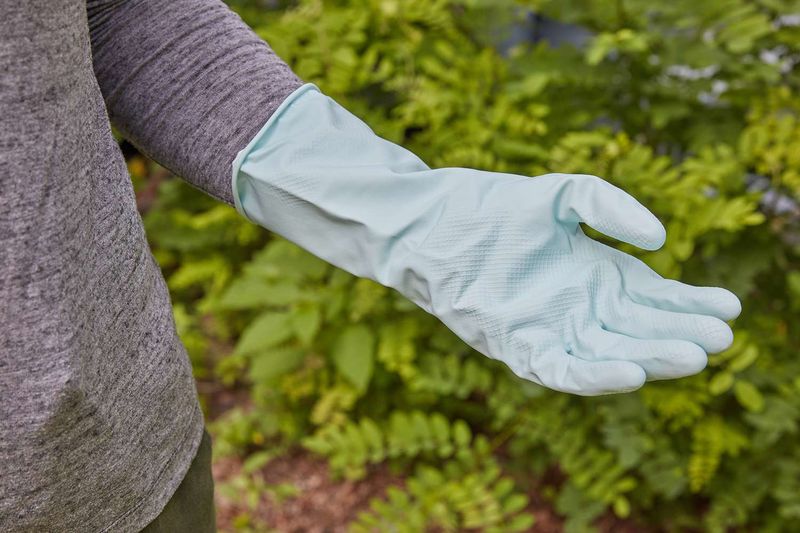
Heavy vinyl or nitrile-coated gloves work better than thin cloth ones, which can let the oil soak through.
Take it from someone who learned the hard way: the gap between glove and sleeve is where trouble starts. A strip of tape around each wrist closes that opening.
Eye protection helps too, since snapping vines can flick sap toward your face.
Winter does not make the plant safe. Bare vines look harmless, but the stems and roots still hold urushiol all year.
Hairy, rope-like vines on tree trunks are easy to grab by accident when you are pulling other weeds.
Barrier creams with bentoquatam can add a layer of protection when applied before work. They do not replace clothing, but they may reduce how much oil reaches your skin.
Pets are sneaky carriers. Dogs rarely react through their fur, yet they can rub urushiol onto your arms after a romp along the fence.
Keep them indoors while you work, and bathe them with pet shampoo if they wander through the patch.
Cut, Spray, or Smother Poison Ivy on Your Side of the Fence
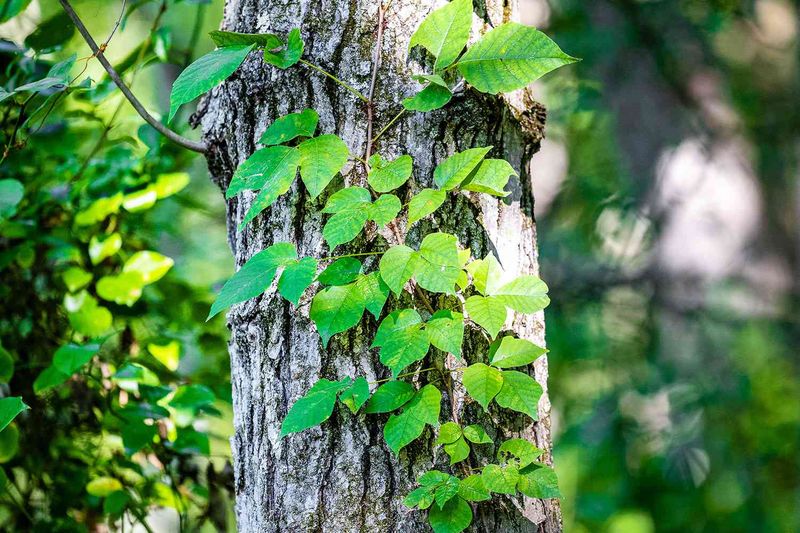
Spring through early fall is prime time for tackling the vine, since actively growing leaves move herbicide down to the roots. Virginia Tech experts and other extension services suggest a few dependable methods.
Hand-pulling works for small seedlings, especially after rain softens the soil. Grab low, pull slowly, and follow the runners to get as much root as possible.
Leftover pieces often resprout, so check back in a few weeks.
Big vines climbing a fence or tree call for the cut-stem method. Sever the vine near the ground, then brush herbicide onto the fresh stump right away.
That approach keeps chemicals off neighboring plants and works even on thick, hairy trunks.
Spot spraying handles low patches mixed into the lawn edge. Triclopyr products labeled for brush are common choices, and glyphosate works where no desirable plants are nearby.
Expect repeat treatments, because established roots store plenty of energy.
Prefer no chemicals? Smothering can help along a stubborn strip.
After cutting the vines to the ground, lay down heavy cardboard or a thick tarp and leave it for a full growing season to starve the roots of light.
Odd as it sounds, birds keep planting more. They eat the whitish berries and spread seeds along fences and under perches.
Walk your property line every few weeks and pull new sprouts while they are tiny.
Bagging Poison Ivy Vines and Washing Tools Keeps the Rash From Following You Inside
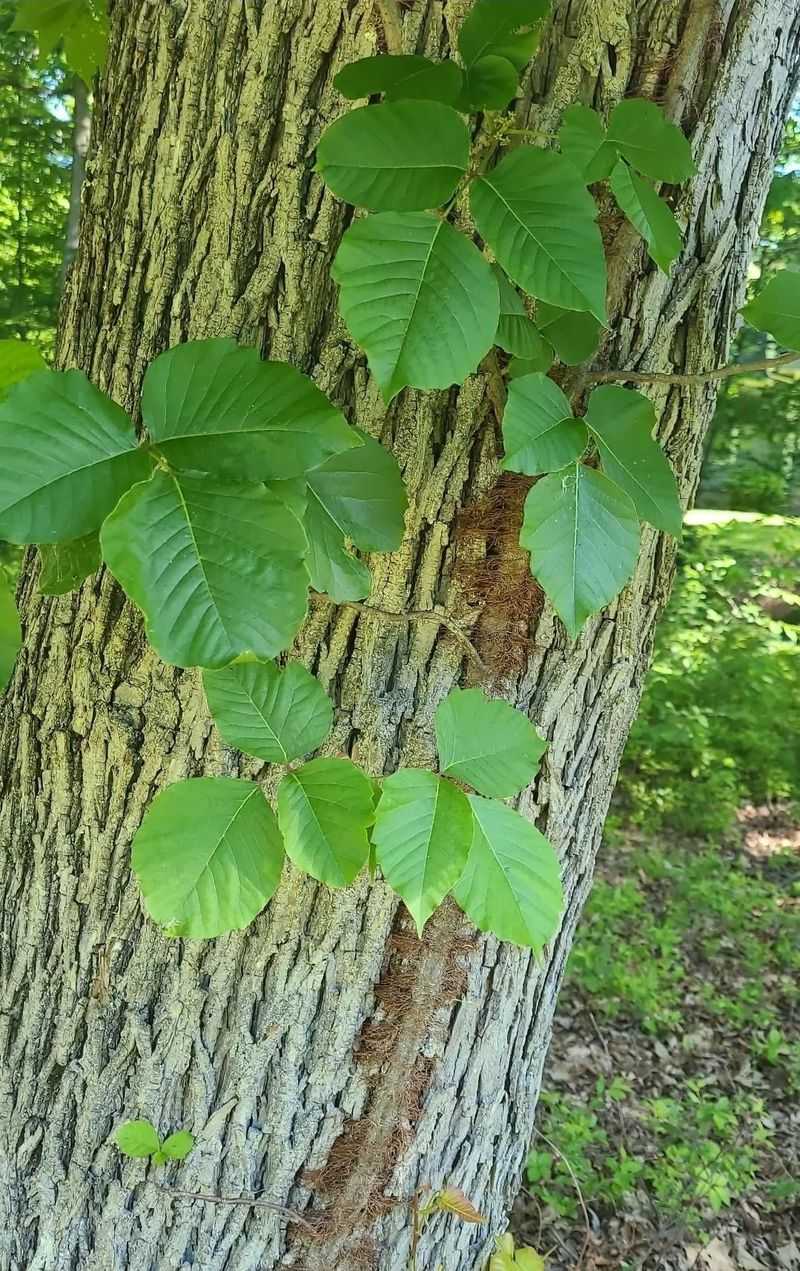
Finishing the job is only half the work with poison ivy. The cleanup afterward decides whether you sleep well tonight or scratch until sunrise.
Bag every leaf, stem, and root in heavy plastic bags, then tie them shut and put them out with the trash. Skip the compost pile, since urushiol can linger in plant debris.
Do not burn it, because smoke carries the oil and can cause serious lung irritation.
Wash your skin with soap and cool water as soon as possible. Quick rinsing within the first several minutes helps remove more oil before it binds.
Scrub under fingernails too, since that is a sneaky hiding spot.
Tools need attention as well. Wipe blades and handles with rubbing alcohol or soapy water while wearing gloves.
Urushiol can stay active on surfaces for a long time, sometimes years, so a dirty pair of pruners can cause a surprise rash next spring.
Wash work clothes separately in hot water with detergent. Wipe down boots, gloves you plan to reuse, and even the steering wheel if you drove after working.
My garden taught me that the vine rarely wins when you stay steady. Know your boundary, trim your side, talk with your neighbor, and save legal steps for real damage.
That simple plan keeps your yard comfortable and your friendships intact.