The Popular Butterfly Plant Florida Now Lists As Invasive And What Gardeners Should Do Before Thanksgiving
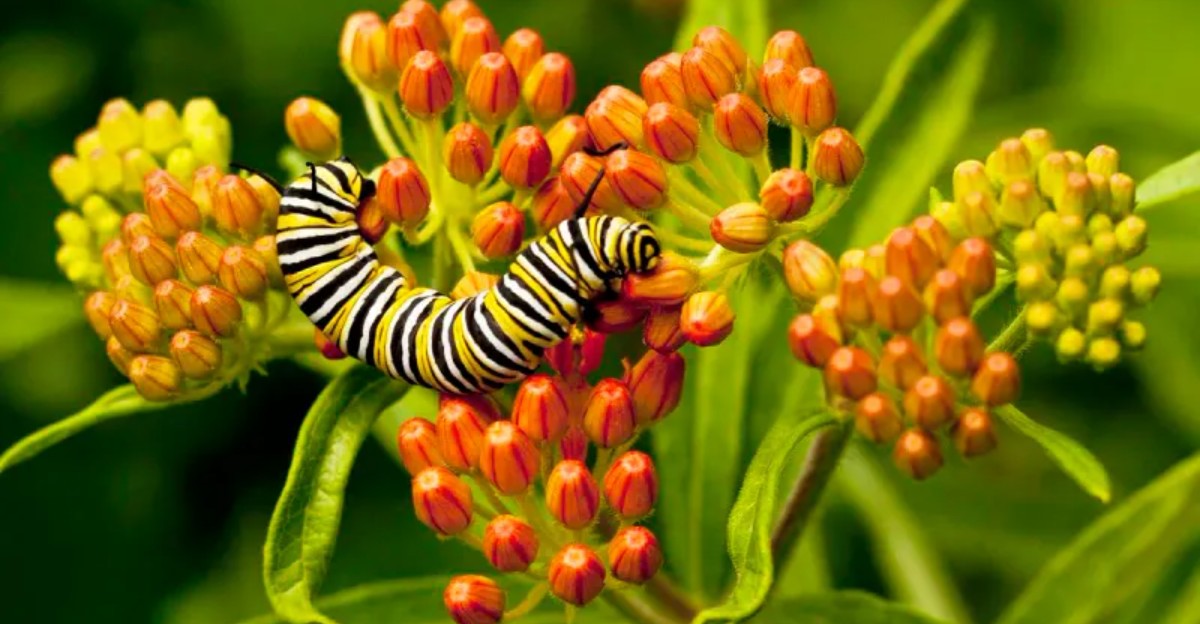
A plant sold for years as monarch food just landed on an official invasive list in Florida. Garden centers have stocked it for decades, and plenty of us have it blooming by the mailbox right now.
The red and yellow flowers look cheerful enough. The trouble hides in its schedule, because it keeps growing through winter while the plants butterflies evolved with take a seasonal rest.
Scientists say that nonstop buffet can change monarch behavior and help a nasty parasite build up.
I’ll admit I planted a few myself and felt proud every time a striped caterpillar showed up. Learning the catch stung a little.
You’re not alone if you feel the same way.
Cooler weeks before Thanksgiving give you a smart window to act. Happily, the fix is much easier than most folks expect.
A few quick moves with your pruners, plus one smart swap, can turn that mailbox bed into a far better stop for passing monarchs.
Those Red And Yellow Milkweed Blooms Just Earned An Unwelcome Label
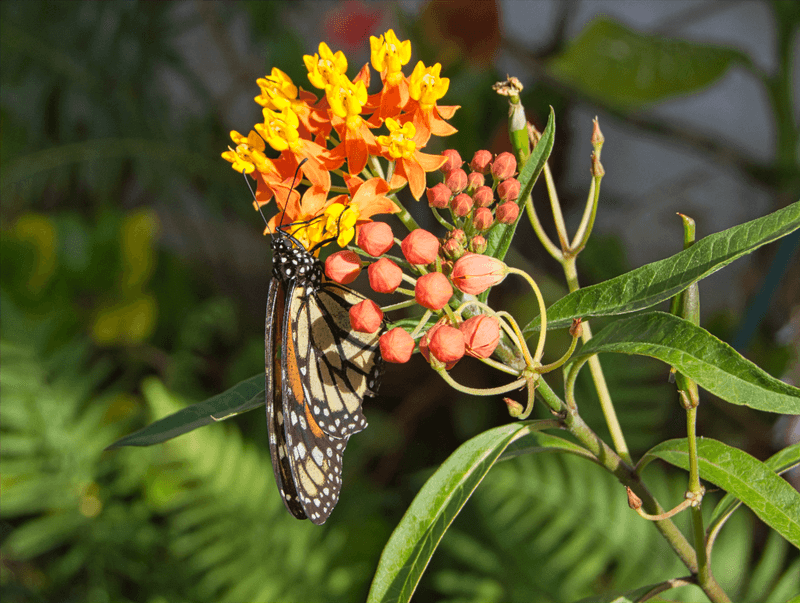
Most of us bought it with the best intentions. Tropical milkweed, known to botanists as Asclepias curassavica, has been the classic butterfly garden plant for years, with flashy red and yellow flower clusters that monarchs adore.
In 2025, the Florida Invasive Species Council added it to its Category II list. That decision followed a review by the UF/IFAS Assessment of Non-Native Plants, which looks at how foreign plants behave once they escape our yards.
Category II means a plant is increasing in natural areas but has not yet changed native plant communities as much as the worst offenders. Think of it as an early warning rather than a final verdict.
Experts would rather catch a problem while it is still small and easy to manage.
The plant comes from tropical parts of the Americas, not the Southeast. It drops fluffy seeds that ride the wind into fields, roadsides, and wild areas, where it can crowd out local plants.
A listing like this is not a law that bans the plant from your yard. It is guidance, though, and some nurseries and counties pay close attention to it.
Many native plant groups now ask gardeners to phase it out.
Cut Tropical Milkweed Down To A Few Inches Before Thanksgiving
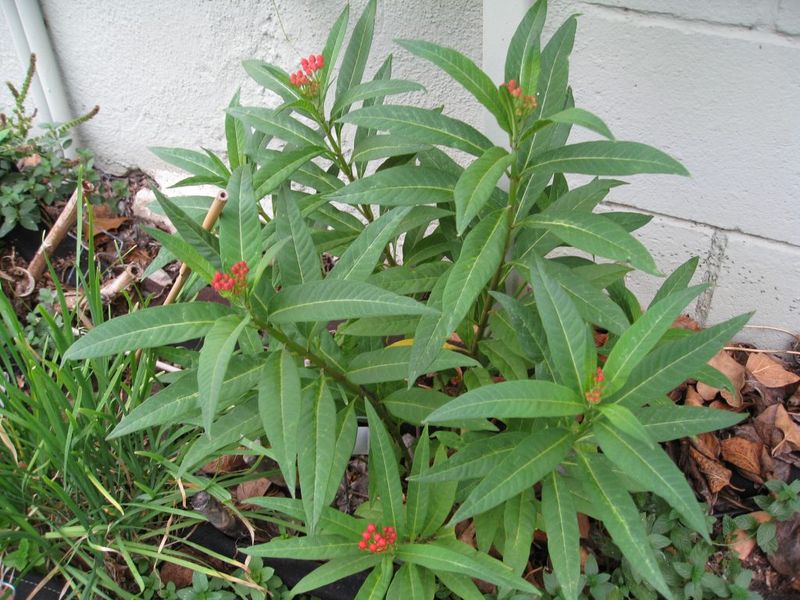
Grab your pruners, because this is the single most useful thing you can do this month. Scientists and extension experts suggest cutting tropical milkweed down to about six inches or less in fall and winter if you are not ready to remove it.
Why so drastic? A hard trim removes the leaves where parasite spores collect.
It also takes away the steady food supply that tempts monarchs to keep breeding instead of moving on.
Late fall fits the plan nicely. Many monarchs are passing through or settling into winter patterns, and the cut gives the plant a break that mimics the natural rest of native milkweeds.
Plan to repeat the trim every few weeks through winter. The plant pushes out fresh growth fast in mild weather, especially in warmer southern counties.
A few quick tips make the job smoother:
Wear gloves, since the milky sap can irritate skin and eyes. Wash your hands afterward and keep the sap away from your face.
Bag the clippings, especially any stems with seed pods. Tossing them in the compost pile can spread seeds and spores right back into your garden.
A simple trash bag works perfectly for the job.
Pulling Milkweed Roots And Seed Pods Is The Strongest Fix
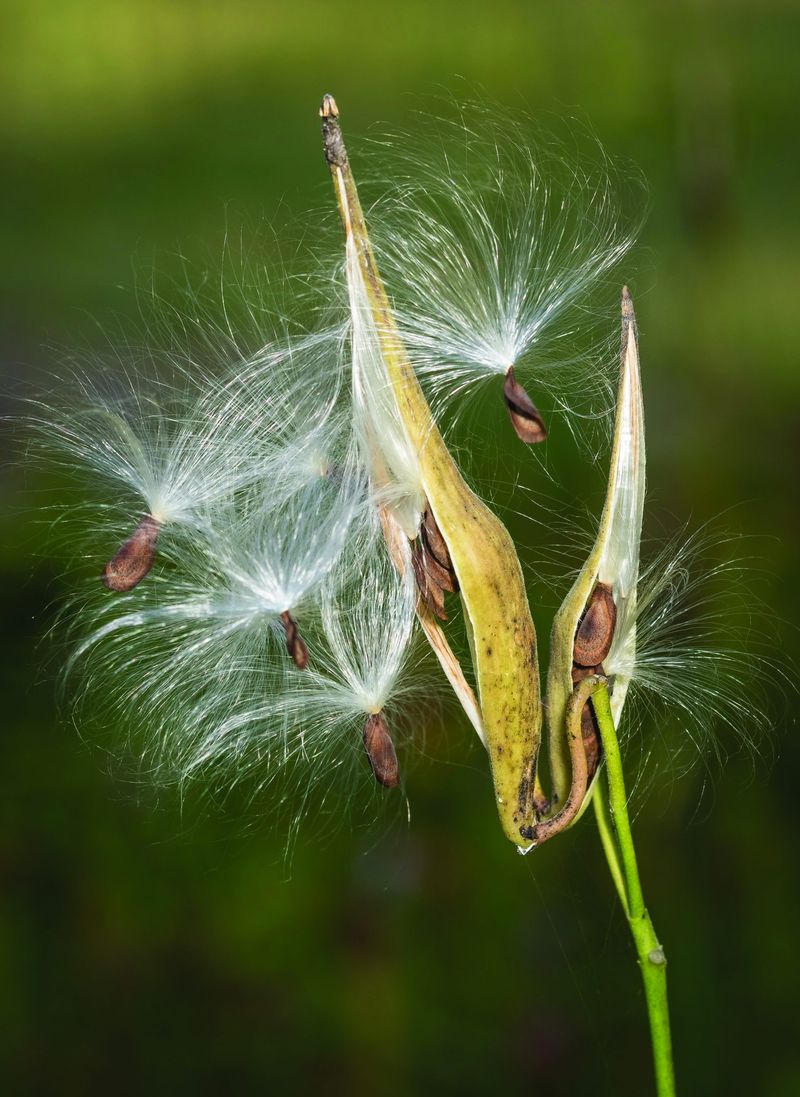
Trimming helps, but removal does even more. If you feel ready, digging out tropical milkweed solves both the parasite issue and the seed problem in one afternoon.
Water the bed the day before. Moist soil lets the roots slide out with less tugging and fewer broken pieces left behind.
Use a hand trowel or garden fork to loosen soil around the base. Lift the whole plant, shake off the dirt, and drop it straight into a bag.
Seed pods deserve special care. Those slender green pods split open as they dry, releasing dozens of silky seeds that can float far beyond your fence.
I learned this the hard way when seedlings popped up in my lawn the next spring.
Snip off any pods before you start digging. Put them in a sealed bag so the fluff stays put.
Afterward, keep an eye on the spot for a few months. Seeds already in the soil can sprout, but young plants pull up easily when they are small.
Removing it now also clears room for something better. That empty space becomes a perfect home for a native replacement this winter.
A Tiny Parasite Hitches A Ride On Monarch Wings And Milkweed Leaves
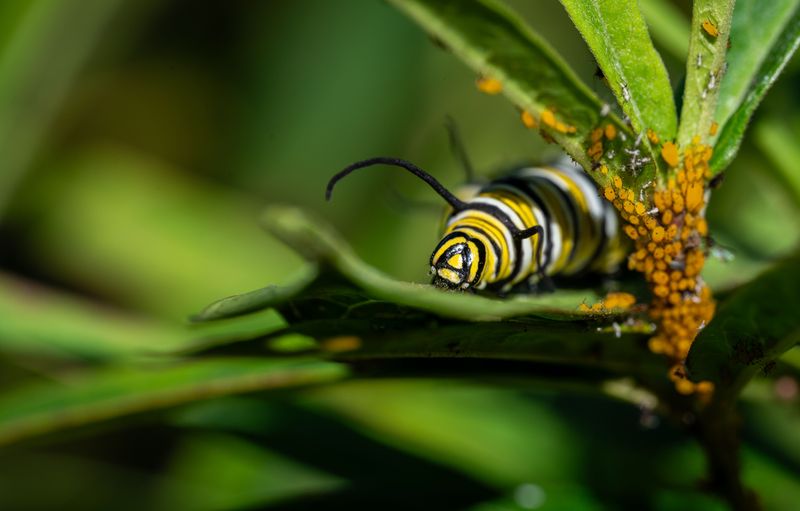
It is smaller than a speck of dust, yet it causes big trouble. The parasite is called Ophryocystis elektroscirrha, and most people shorten it to OE.
Infected monarchs carry spores on their bodies. When a female lays eggs, spores land on the milkweed leaves, and hungry caterpillars swallow them during their first meals.
Heavy infections can lead to weak adults, crumpled wings, and butterflies that struggle to break free from the chrysalis. Lighter infections may simply shorten a butterfly’s lifespan or make long flights harder.
So where does tropical milkweed fit in? Plants that stay green all year can host one generation after another in the same spot.
Research from the University of Georgia and other teams found higher OE rates in monarchs that breed through winter on these plants.
Most native milkweeds go dormant naturally in winter, which wipes the slate clean each season. Fresh leaves in spring start mostly free of spores.
Want to see the issue for yourself? Some citizen science programs, like Project Monarch Health, let volunteers test butterflies with clear tape.
It turns curiosity into real data that helps researchers track the parasite across the country.
Monarchs Linger When Milkweed Keeps Growing Through Winter
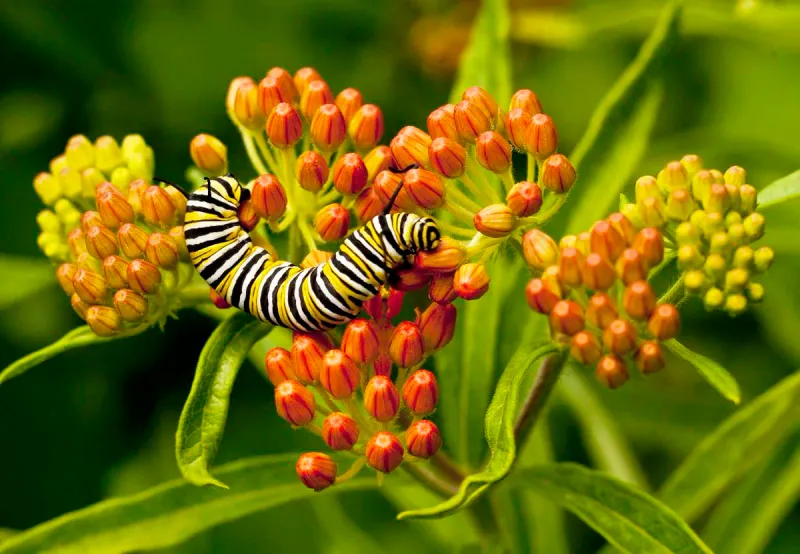
Monarchs read the season the way we read a calendar. Shorter days, cooler air, and fading milkweed tell many eastern monarchs it is time to head toward the mountains of central Mexico.
Tropical milkweed sends a different message. Its leaves stay fresh and its flowers keep blooming through mild winters, which can encourage butterflies to stop, mate, and lay eggs.
Researchers have documented winter breeding populations along the Gulf Coast and in the southern peninsula. Some of these monarchs are local residents, and some are migrants that may have changed course.
Scientists are still studying how much this affects the full migration. What is clear is that these year-round groups tend to carry more OE, and they can share it with migrating monarchs that pass through in spring and fall.
Not every winter monarch is a problem, of course. A small resident population has lived in the far south for a long time, feeding on native plants.
The goal is simply to stop offering a constant breeding station. Letting milkweed rest in winter helps monarchs follow natural cues, and it keeps the parasite from building up in your yard.
Spotted Striped Caterpillars On Your Plants Right Now
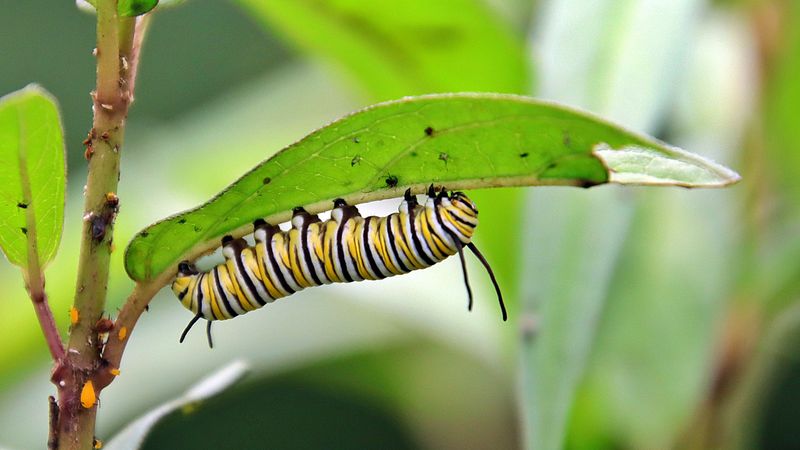
Nobody wants to grab the pruners and find a plump striped caterpillar staring back. It happens often in late fall, so a little planning goes a long way.
Start by checking each plant closely. Look under leaves and along stems for eggs, tiny larvae, and bigger caterpillars.
If you see only a few large caterpillars, you can wait a week or so. Most will wander off to form a chrysalis soon, and then you can cut the plant down.
Small caterpillars need more help. Some gardeners move them onto a native milkweed if one is available nearby, or onto cut tropical milkweed stems placed in a jar of water indoors.
Wash the cut stems gently before using them. A quick rinse with a dilute bleach solution, about one part bleach to nine parts water, followed by clean water, is a common tip for reducing spores.
Check any chrysalis you find on fences or eaves, too. Leave it alone so the butterfly can emerge in its own time.
Once the caterpillars move on, finish your trim or removal. A short delay rarely matters, and it lets your kind heart rest easy.
Butterfly Weed And Swamp Milkweed Make Smarter Swaps
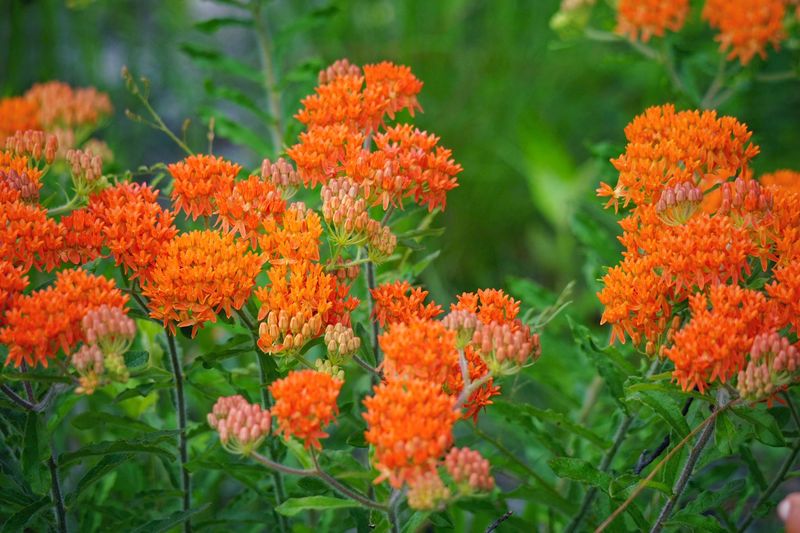
Swapping plants feels so much better than simply pulling them. Several native milkweeds grow well across Florida, and they feed monarch caterpillars without the year-round baggage.
Butterfly weed, Asclepias tuberosa, glows with orange or yellow blooms. It likes full sun and sandy, well-drained soil, and it resents being moved once settled.
Swamp milkweed, Asclepias incarnata, shows off pink flowers in moist spots near ponds or rain gardens. It does best in the northern and central parts of the state.
Aquatic milkweed, Asclepias perennis, handles wet soil and partial shade with small white blooms. Some gardeners in the far south also try white swamp milkweed or other local types suited to their area.
Native milkweeds can be tricky to start, so patience pays off. Buy plants from a native nursery and check the label for the exact species name, since common names get mixed up.
Fall and winter are great times to plant in most regions because cooler weather and steadier moisture help roots settle. Your local extension office or the Florida Native Plant Society can suggest the best match for your soil and neighborhood.
Native Nectar Flowers Keep Your Butterfly Garden Buzzing Next Spring
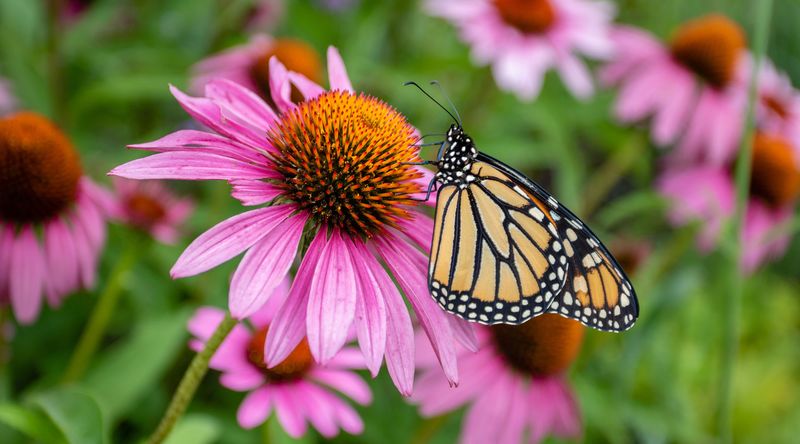
Here’s a happy surprise from all this change. A butterfly garden built around native plants often attracts more types of butterflies, bees, and hummingbirds than a single flashy milkweed ever did.
Adult monarchs need nectar just as much as caterpillars need leaves. Pair your new milkweeds with native bloomers like firebush, tickseed coreopsis, blazing star, goldenrod, and beautyberry.
Mixing bloom times matters. Choose a few plants for spring, summer, and fall so traveling butterflies find a snack whenever they stop by.
Spread the word, too. Many neighbors still have no idea about the new listing, and a friendly chat over the fence can make a real difference across a whole street.
Before Thanksgiving, write a quick to-do list. Trim or remove tropical milkweed, bag the pods, check for caterpillars, and pick one or two native replacements.
Groups like the Florida Wildflower Foundation offer plant lists and seed sources for each region. Local native plant sales pop up in fall and spring, and they are fun places to swap tips.
A little effort now sets the stage for healthier monarchs. Next spring, you might just see your best butterfly season yet.