These 8 Popular Florida Plants Need Acidic Soil – and Florida Yards Often Don’t Give It to Them
A strip of fresh concrete along your driveway can slowly change the chemistry of the soil next to it. Lime leaches out of concrete and stucco, and that nudges the nearby dirt toward alkaline.
In Florida, much of the ground already sits on limestone, shell, and ancient coral. Add a new foundation or a load of lime-rock fill, and some favorite shrubs start acting like they skipped breakfast.
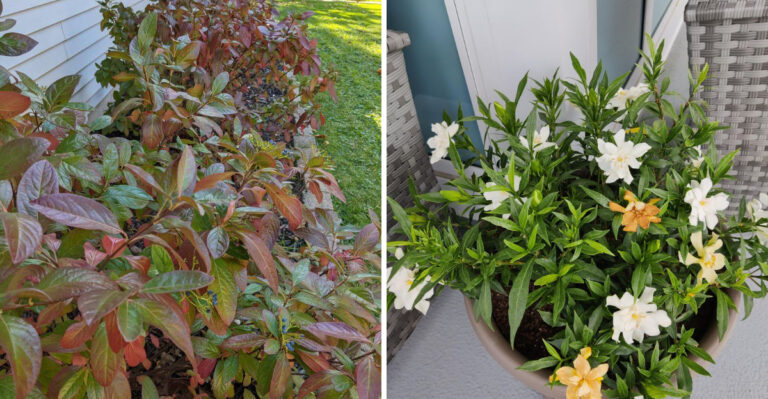
Their leaves turn yellow while the veins stay stubbornly green.
I used to blame bugs, fertilizer, or my own watering habits. You may have done the same thing, standing over a pale shrub with a hose and a frown.
The plant was hungry the whole time, sitting in soil full of iron it could not reach.
Some of your favorite garden darlings might be going hungry in that chalky ground right now, and a few smart moves can bring their color back.
1. Azalea Leaves Turning Yellow Are Sending You a Message
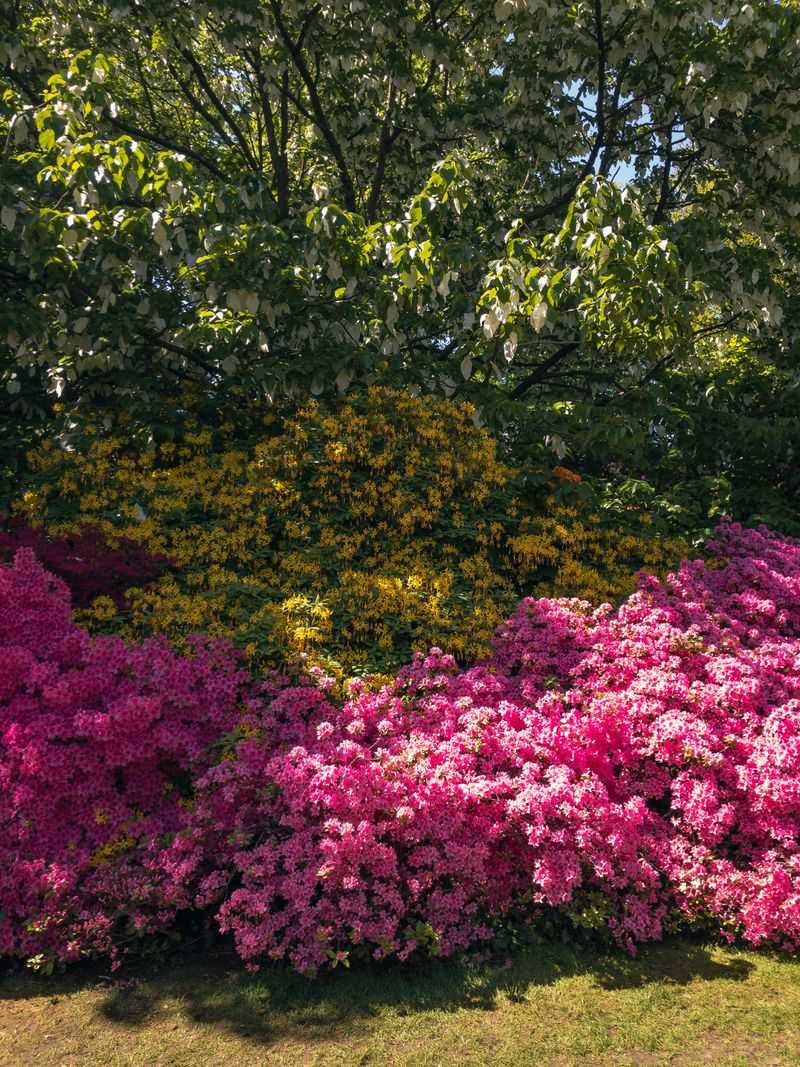
Spring in North and Central Florida often means hedges of pink, red, and white azaleas. Behind those blooms sits a picky root system that wants a soil pH between about 5.0 and 6.0, according to UF/IFAS Extension.
When the soil climbs above that range, azaleas start showing interveinal chlorosis. That means the leaf turns yellow while the veins stay green.
The iron is often right there in the soil, but alkaline conditions lock it into a form the roots cannot absorb.
Planting spots tell the story. Azaleas set against a new stucco wall or beside a sidewalk often struggle first, because lime from building materials raises the pH over time.
Coastal yards with shell fill face the same problem.
Before you buy anything, get a soil test. Your county Extension office can help, and the results take the guesswork out of feeding.
If the pH is only slightly high, mulch with pine straw and use a fertilizer labeled for acid-loving plants. If your soil tests well above 7, choose a different spot or grow azaleas in large containers with an acidic potting mix.
Fighting deep limestone is a long, uphill battle you rarely win.
2. Blueberry Bushes Want Soil That Tastes Sour
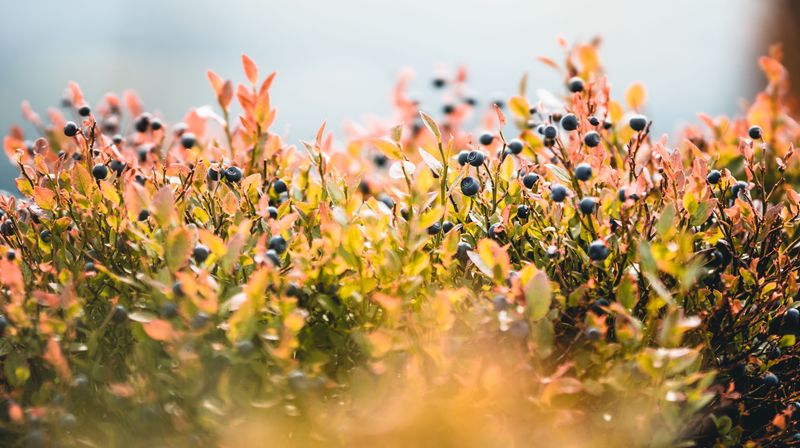
Homegrown blueberries in our state sound like a dream, and plenty of gardeners pull it off. The catch is pH.
UF/IFAS recommends a soil pH between 4.0 and 5.5 for blueberries, which is more acidic than most yards can offer.
Southern highbush varieties bred by the University of Florida, such as Emerald and Jewel, are built for our mild winters. Even these improved types need that sour soil and plenty of organic matter to stay productive.
Outside that range, blueberry plants show weak growth, pale leaves, and skimpy harvests. Their fine, shallow roots have no root hairs, so they depend on easy access to nutrients near the surface.
Here is a smart workaround many Extension agents suggest. Mix pine bark into the planting bed, or build raised beds filled with an acidic blend.
Top them with pine bark mulch a few inches deep.
Fertilize with products made for acid-loving plants, and water with care since blueberries dislike drying out. Test the soil every year or so.
Rainfall, irrigation water high in calcium, and nearby concrete can slowly push the pH back up, and a quick check helps you stay ahead of trouble.
3. Fragrant Gardenia Blooms Fade in Chalky Ground
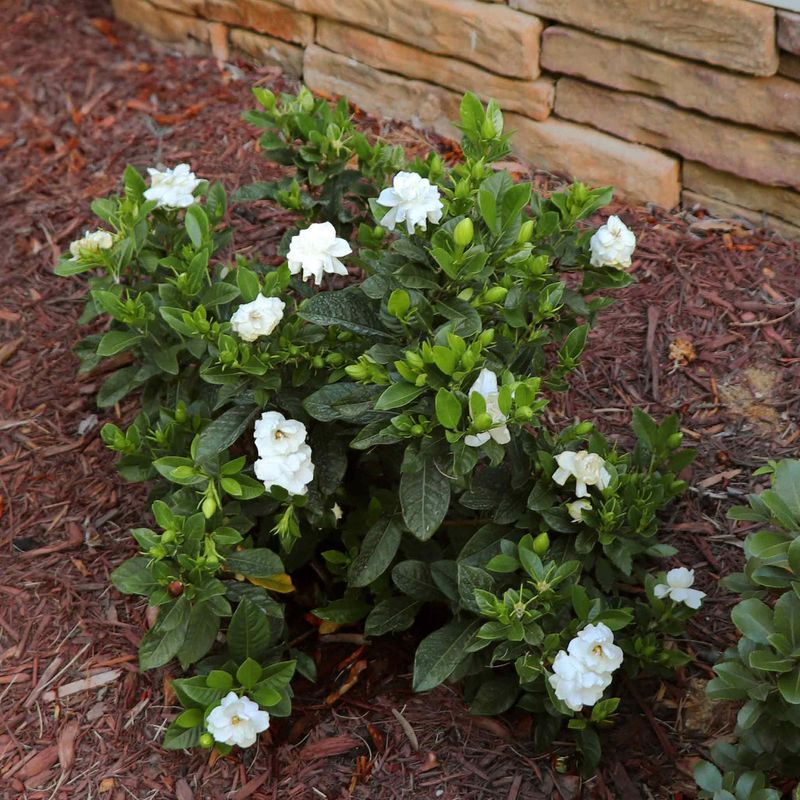
One sniff of a gardenia on a warm May evening and you understand why people keep planting them. Sadly, gardenias rank among the fussiest shrubs in alkaline Florida soil.
UF/IFAS notes that gardenias prefer an acidic soil around pH 5.0 to 6.0. When conditions drift higher, they develop yellow leaves, drop buds, and look tired.
Nematodes in sandy soil add even more stress.
I find the best fix starts at the nursery. Look for gardenias grafted onto Gardenia thunbergia rootstock.
UF/IFAS recommends these because the rootstock handles nematodes and less-than-ideal soils better than plants on their own roots.
Placement matters too. Give gardenias morning sun and a little afternoon shade, away from walls and foundations that leach lime.
If yellowing appears, a soil test will show whether pH or a nutrient shortage is the cause. Chelated iron or manganese sprays can green up leaves quickly while you work on the soil.
Organic mulch, like pine straw or shredded leaves, helps keep roots cool and adds a little acidity as it breaks down. With a bit of planning, those creamy blossoms can keep perfuming your porch every spring.
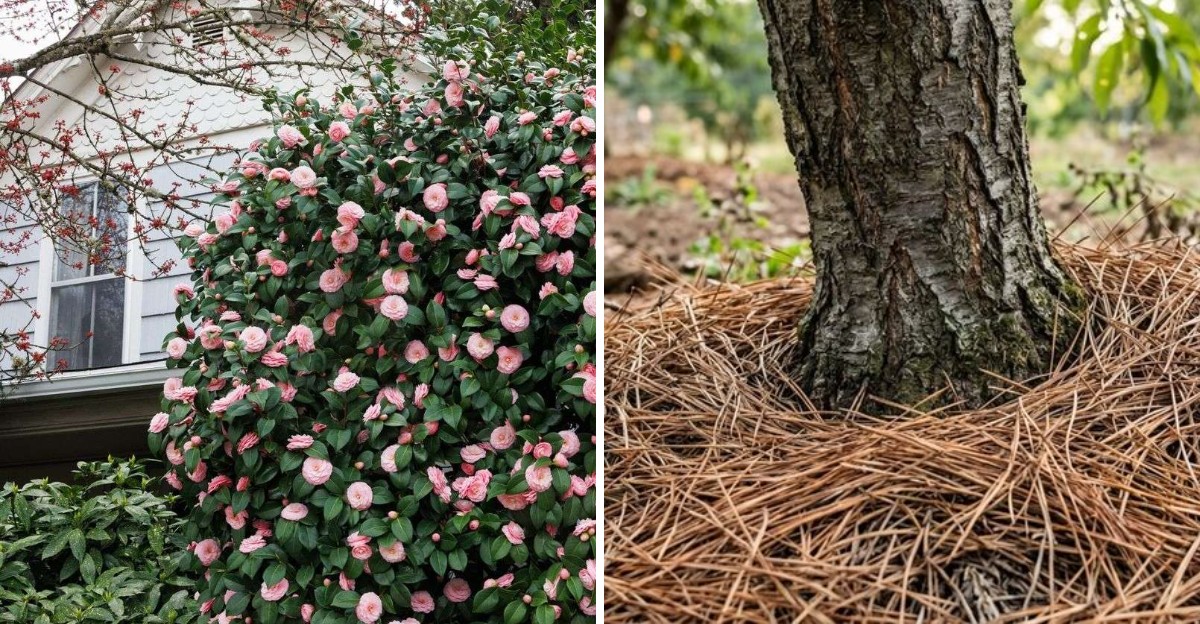
4. Camellia Shrubs Struggle Without Rich, Acidic Roots
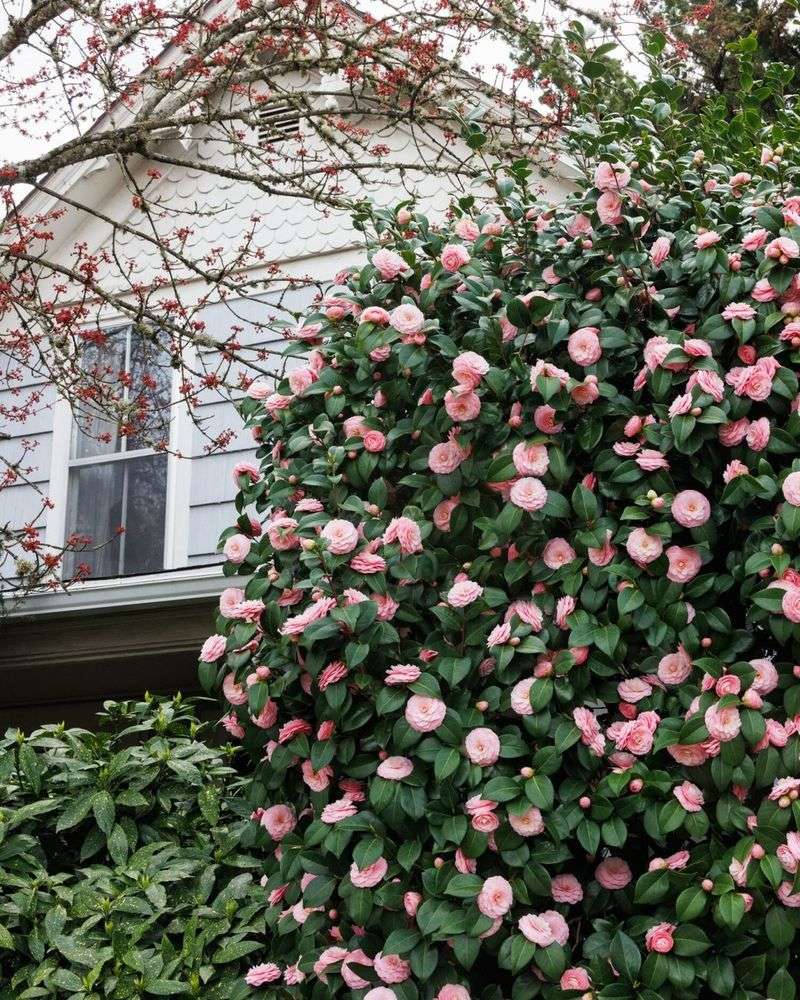
Few things cheer up a gray January in North Florida like a camellia in full bloom. Camellia japonica flowers in late winter, and Camellia sasanqua opens its blooms in fall.
Both share a love for acidic, well-drained soil rich in organic matter. UF/IFAS suggests a pH of roughly 5.5 to 6.5.
That range comes naturally in many Panhandle and North Florida yards, which explains why old camellias thrive in places like Tallahassee.
Further south, the story changes. Sandy, alkaline soils and intense summer heat make camellias much harder to grow, and they rarely flourish below Central Florida.
Watch for pale foliage, small leaves, and fewer buds. Those are clues the roots are not getting what they need.
Plant camellias slightly high, with the top of the root ball just above grade, so water drains away from the trunk. Add compost to the planting area and keep a layer of organic mulch over the roots, pulled back from the stem.
Fertilize lightly after flowering with a product made for acid-loving shrubs. Camellias grow slowly, so patience pays.
A happy one can bloom for decades and outlive the gardener who planted it.
5. Ixora Hedges Lose Their Fiery Red Clusters in High pH
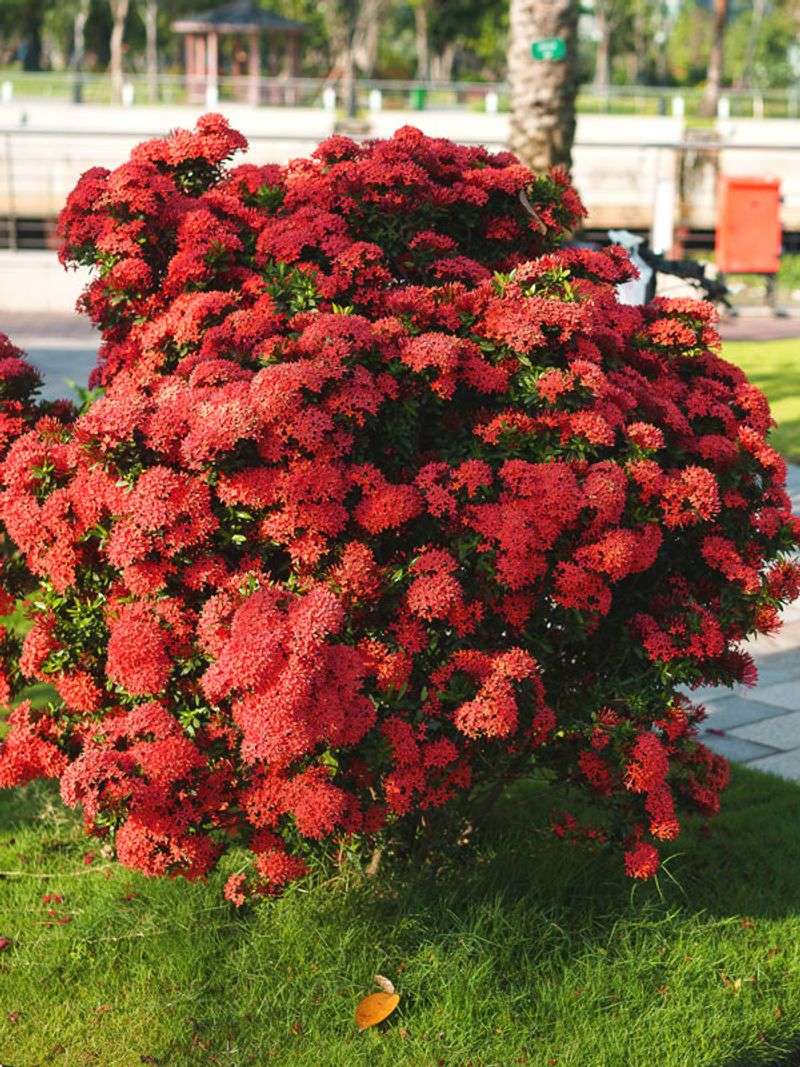
Drive through any South Florida neighborhood and you will spot ixora hedges glowing red, orange, or pink. Ironically, this tropical favorite often struggles in the very region where it grows best.
UF/IFAS describes ixora as a shrub that needs acidic soil. Planted in alkaline South Florida ground, especially near homes and sidewalks, it often develops yellow leaves from manganese and iron deficiency.
Leaves may also show reddish spots or tips.
Many homeowners respond by adding more general fertilizer. That rarely helps, because the problem is availability, not supply.
A better move is a fertilizer containing manganese and iron in forms plants can use, such as manganese sulfate or chelated iron. Foliar sprays can give quick, temporary relief while roots catch up.
If your yard sits on limestone, consider whether ixora is worth the ongoing effort. Popular varieties like Ixora ‘Nora Grant’ are common choices, yet they still need regular care in alkaline soil.
Native alternatives that handle higher pH, such as firebush, can deliver bright color and attract butterflies with fewer headaches. Choosing the right plant for the site sometimes beats fighting the soil every season.
6. Bigleaf Hydrangea Flowers Reveal What’s Hiding in the Soil
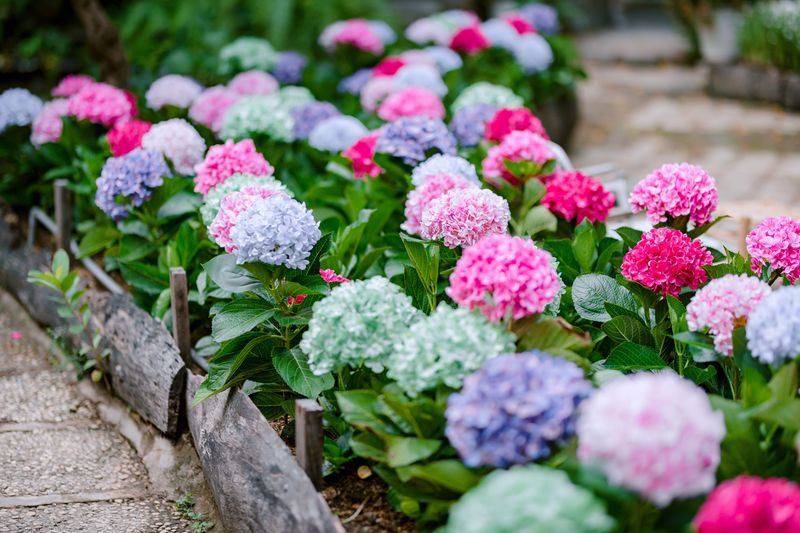
Bigleaf hydrangeas come with a built-in soil report. Blue flowers usually mean acidic soil where aluminum is available, while pink flowers point toward neutral or alkaline conditions.
For gardeners chasing true blue mopheads, that color trick says a lot. Most hydrangeas want a pH below about 5.5 to turn blue.
Many yards in Central and South Florida sit well above that.
Hydrangea macrophylla also prefers North and Central Florida, where winters bring enough chill and summers give a break of afternoon shade. In the far south, they often need extra care.
Want bluer blooms? University sources suggest adding aluminum sulfate or elemental sulfur, applied carefully and based on a soil test.
Too much at once can burn roots.
Fertilizer matters as well. High phosphorus blends can block aluminum uptake, so choose a low phosphorus product.
I love how forgiving this plant is about color, though. Pink hydrangeas are just as pretty, and if your soil leans alkaline, you can simply enjoy them that way.
Growing in large pots with acidic mix gives you more control if blue is your heart’s desire.
7. Native Fetterbush Feels Right at Home in Pine Flatwoods
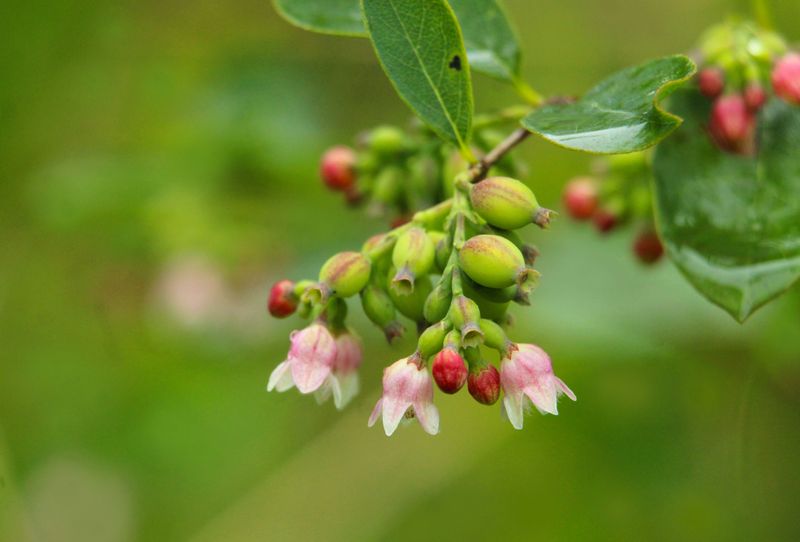
Out in pine flatwoods, a glossy shrub with pink, bell-shaped flowers blooms every spring. Fetterbush, or Lyonia lucida, belongs to the same family as blueberries and azaleas.
That family tie explains its taste for acidic soil. In the wild, fetterbush grows in moist, sandy, acidic ground under pines, often alongside saw palmetto and gallberry.
It makes a lovely native choice for gardeners who already have acidic, damp soil. Pollinators visit the dangling blossoms, and the evergreen leaves offer year-round cover for small birds.
The flip side is simple. Fetterbush is not a good match for limestone yards, shell fill, or beds next to new concrete.
In those spots it tends to sulk and slowly decline.
A quick look around your property can guide you. If you see pine trees, wax myrtle, and saw palmetto thriving nearby, your soil may suit fetterbush well.
Plant it where it gets partial shade and steady moisture. Skip heavy fertilizer, since natives from poor, sandy soils rarely need it.
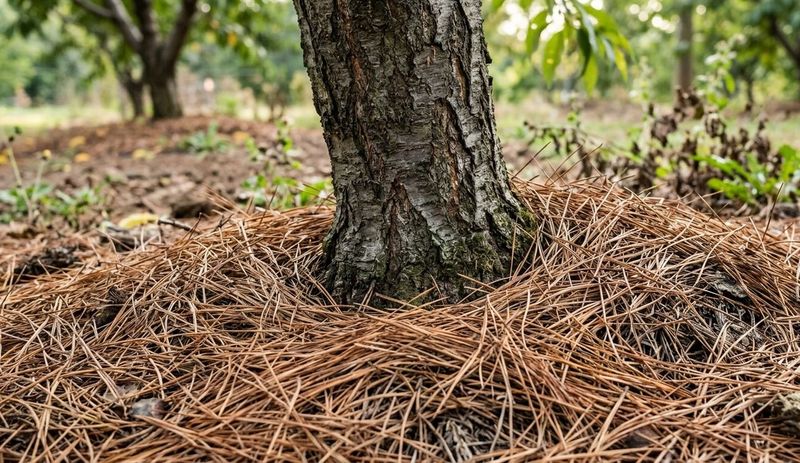
A layer of pine straw mimics its natural forest floor nicely and keeps the roots comfortable.
8. Pine Straw, Sulfur, and a Soil Test Can Turn Things Around
Every fix starts with one small step. Send a soil sample to the UF/IFAS Extension Soil Testing Laboratory or ask your county Extension office for help.
The results show your actual pH, so you are not guessing. You may find one bed is fine while the strip near the driveway is far too alkaline.
If the pH runs only slightly high, elemental sulfur can lower it. Soil microbes slowly convert sulfur into acid, so changes often take several months.
Apply it in small amounts, since heavy doses can burn roots.
Organic matter helps over time. Compost, pine bark, and pine straw mulch improve sandy soil and add mild acidity as they break down.
For quick relief, chelated iron or manganese sprays can green up chlorotic leaves while you work on the bigger picture. Acid-forming fertilizers labeled for azaleas and camellias also help.
Here is the honest truth, though. Over solid limestone, you will rarely change pH for good.
In those yards, containers, raised beds, or plants suited to alkaline soil are the smarter path. Retest every year or two, and let the soil guide your plant choices.