What It Means When Your Virginia Garden Soil Smells Sour After Heavy Rain
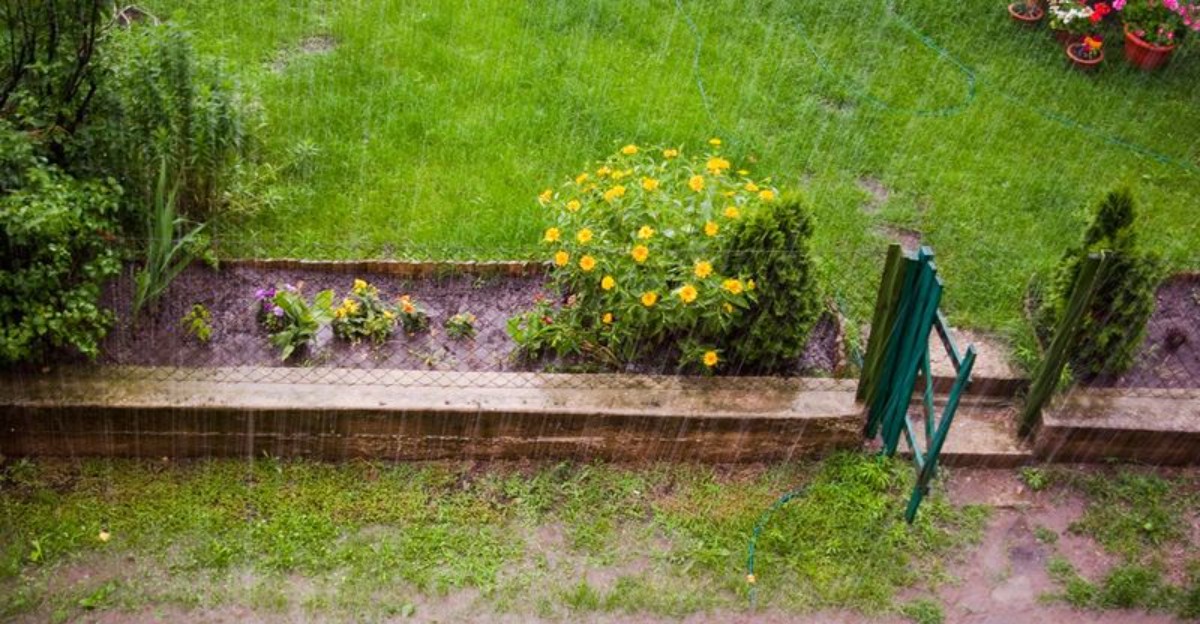
The earthy smell of healthy soil is often associated with geosmin, a compound produced by soil microorganisms. Petrichor refers more broadly to the distinctive scent released when rain falls on dry ground.
When my garden bed smelled like spoiled pickles after a three-day soaker last spring, I froze with the hose in my hand. Sweet and earthy had turned sharp and sour overnight.
If you garden in Virginia, you know how fast a summer storm or a slow spring rain can turn clay into something like cake batter. Your nose often catches trouble before your eyes do.
I believe that sniff test is one of the most underrated tools a gardener owns.
That odd smell is a message from underground. The question is whether your plants can wait for you to read it.
1. That Sour Whiff From Soggy Garden Beds Is a Clue About Air
Soil breathes, and most of us forget that until it stops. Healthy ground is packed with tiny air pockets between crumbs of dirt, and roots plus helpful microbes rely on the oxygen sitting in those gaps.
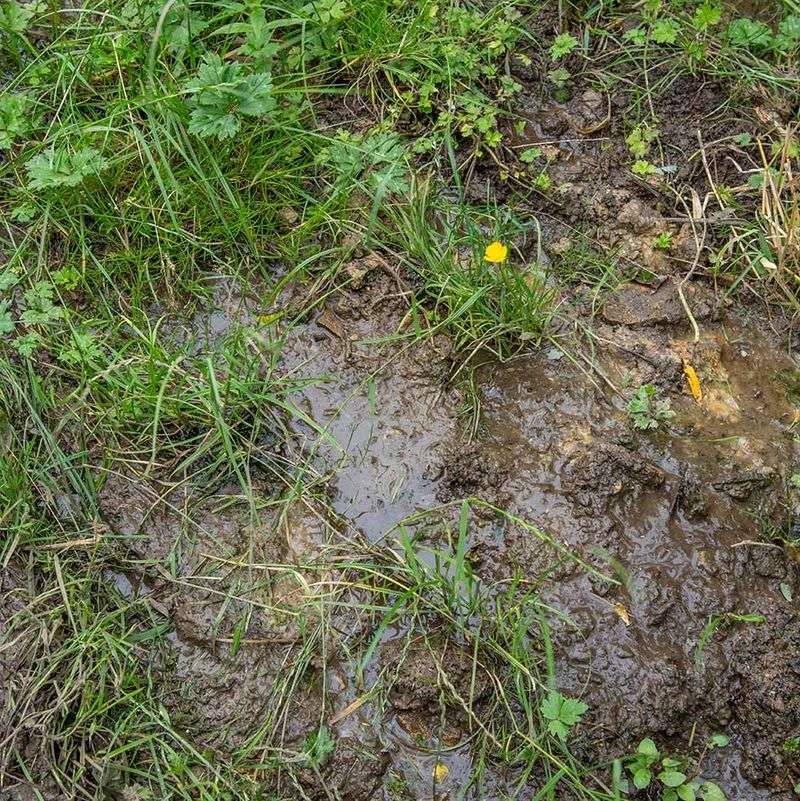
Heavy rain fills those pockets with water. When the water hangs around too long, oxygen runs low, and the soil slips into what scientists call anaerobic conditions, which simply means without oxygen.
The sour smell is your first sign that this shift has happened. Fresh, earthy soil smells pleasant because oxygen-loving bacteria are busy and happy.
A sharp, vinegary or rotten odor tells you a different crew has taken over.
Here is a quick way to check yourself. Grab a handful of soil from about four inches down a day after the rain stops.
If it feels slick, looks gray or bluish, and smells sour, poor air flow is the likely cause.
A faint whiff for a few hours after a storm is not a crisis. Lots of gardens go through brief soggy spells and bounce back once the water drains.
The real concern is a smell that sticks around for days, because that points to soil that stays waterlogged.
2. Oxygen-Hating Soil Microbes Create the Vinegar and Rotten Egg Smells
Blame the microbes, but not all of them. Once oxygen disappears, anaerobic bacteria wake up and start breaking down organic matter by fermenting it instead of cleanly digesting it.
That process releases gases and acids with very distinct smells. Each one hints at what is going on below your boots.
A sour, vinegar-like odor usually comes from volatile fatty acids, such as acetic and butyric acid. A rotten egg or sewer smell points to hydrogen sulfide, which bacteria produce when they use sulfur compounds in place of oxygen.
An ammonia sting can show up when there is a lot of nitrogen-rich material, like fresh manure or piles of grass clippings, breaking down in wet conditions.
Fun fact for the curious. The black streaks you sometimes see in stinky, soggy soil often come from iron sulfide, a mix of iron and that same sulfur gas.
Honestly, I find it fascinating that soil chemistry can be read with your nose. Pay attention to which smell you notice, because it can guide your fix.
Sour usually means too wet, while ammonia often means too much fresh green material piled up in a soggy spot.
3. Your Plant Roots Can Struggle Fast in Waterlogged Ground
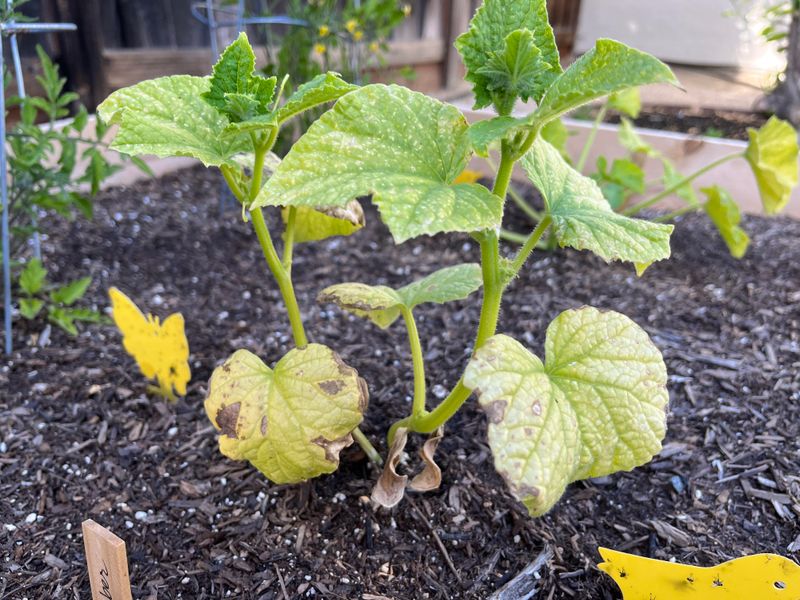
Wilted leaves after a week of rain feel like a cruel joke. Plenty of gardeners grab the watering can, but soggy roots can wilt for the same reason dry ones do.
Roots need oxygen to take in water and nutrients. Without it, root cells weaken and slow down, so the plant above ground droops even while it sits in wet soil.
Watch for these warning signs after a sour-smelling stretch:
Lower leaves turn yellow, new growth looks stunted, and stems may soften near the soil line. Dig gently around a struggling plant, and you may find brown, mushy roots instead of firm white ones.
Soggy soil also invites root rot organisms like Pythium and Phytophthora, which thrive in wet, low-oxygen ground. Tomatoes, peppers, boxwoods, and many herbs like rosemary and lavender are especially touchy about wet feet.
The best first step is simple. Stop watering until the top couple of inches dry out, and avoid fertilizing stressed plants, since damaged roots cannot use it well.
Pull mulch back a little from stems so the soil surface can dry and breathe.
4. Virginia Clay Soil Holds Rainwater Longer Than You Think
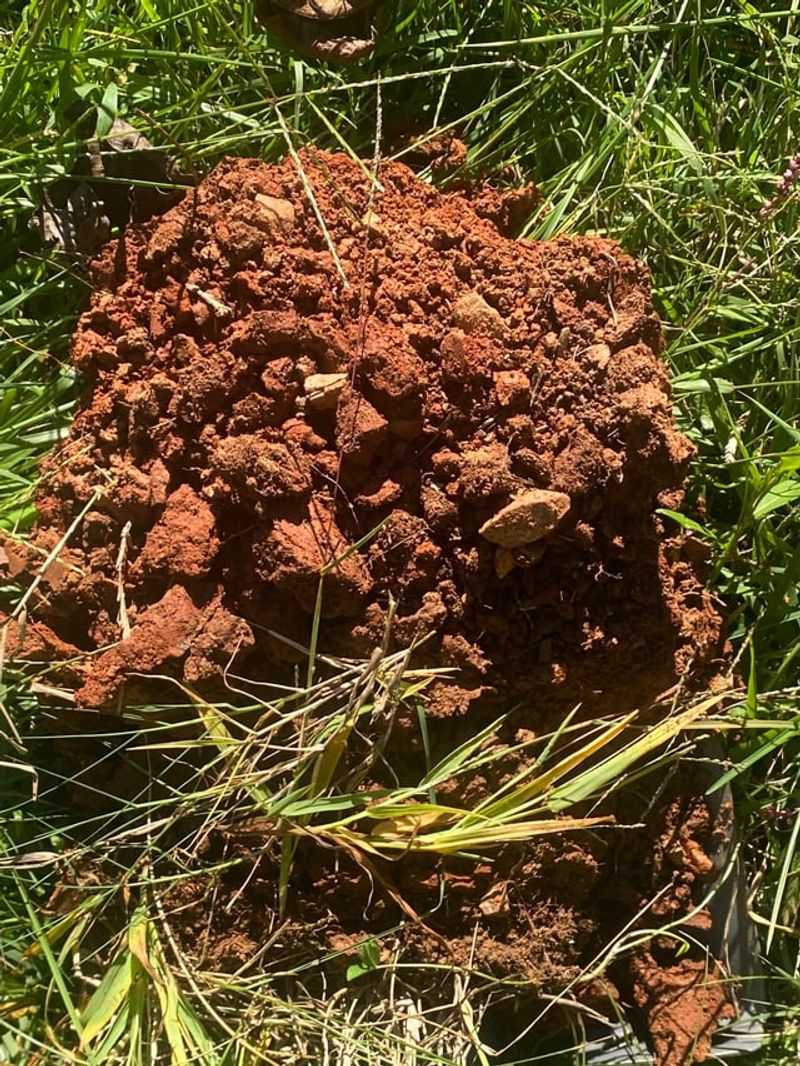
Anyone who has dug a hole in central Virginia knows the feeling of hitting that sticky red clay. It clings to your shovel and your shoes like it has plans for the day.
Clay particles are extremely tiny and pack together tightly. That means fewer large pore spaces for air and much slower drainage after a downpour.
Much of the Piedmont region has these heavy, red clay soils, and parts of the Blue Ridge and Valley areas have dense, clay-rich subsoils too.
Coastal Plain gardens tend to be sandier, but low spots and high water tables near the Tidewater can stay soggy for other reasons.
Compaction makes clay even tougher. Foot traffic, mowers, and construction equipment squeeze out the remaining air spaces, which is why new home lots often have stubborn drainage problems.
Spring and summer storms here can drop several inches of rain in a short time. Hurricane remnants in late summer and fall add even more.
Knowing your soil type helps you set realistic expectations. Clay is not bad soil, since it holds nutrients well, but it does need a little help letting air back in.
5. A Simple Backyard Drainage Hole Test Tells You a Lot
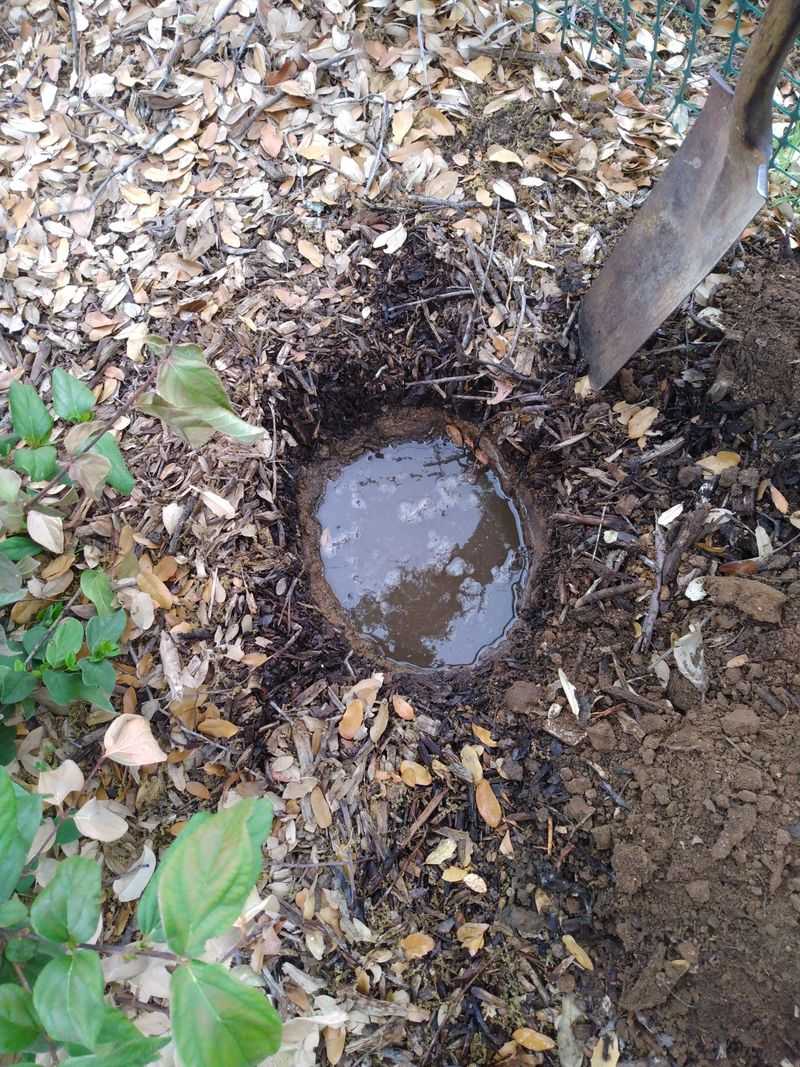
Grab a shovel and a hose, because this test costs nothing. It shows whether your sour soil is a one-time hiccup or a long-term drainage issue.
Dig a hole about 12 inches deep and 12 inches wide. Fill it with water and let it drain completely, which soaks the surrounding soil.
Then fill it again and check the water level each hour with a ruler. Many extension services consider about one inch per hour a healthy drainage rate for most garden plants.
If water is still sitting in the hole many hours later, you have a real drainage problem.
For additional information about soil fertility, send a sample to the Virginia Tech Soil Testing Laboratory.
Your local Virginia Cooperative Extension office can provide sampling instructions, and routine results include soil pH and nutrient levels, but not organic matter content.
I like doing the hole test in a few spots around the yard. Results often vary a lot between a sunny slope and a low corner by the downspout.
Write down what you find. Those notes will help you decide where to plant, where to amend, and where to build up instead of digging in.
6. Compost Worked Into Heavy Soil Brings Back the Earthy Smell
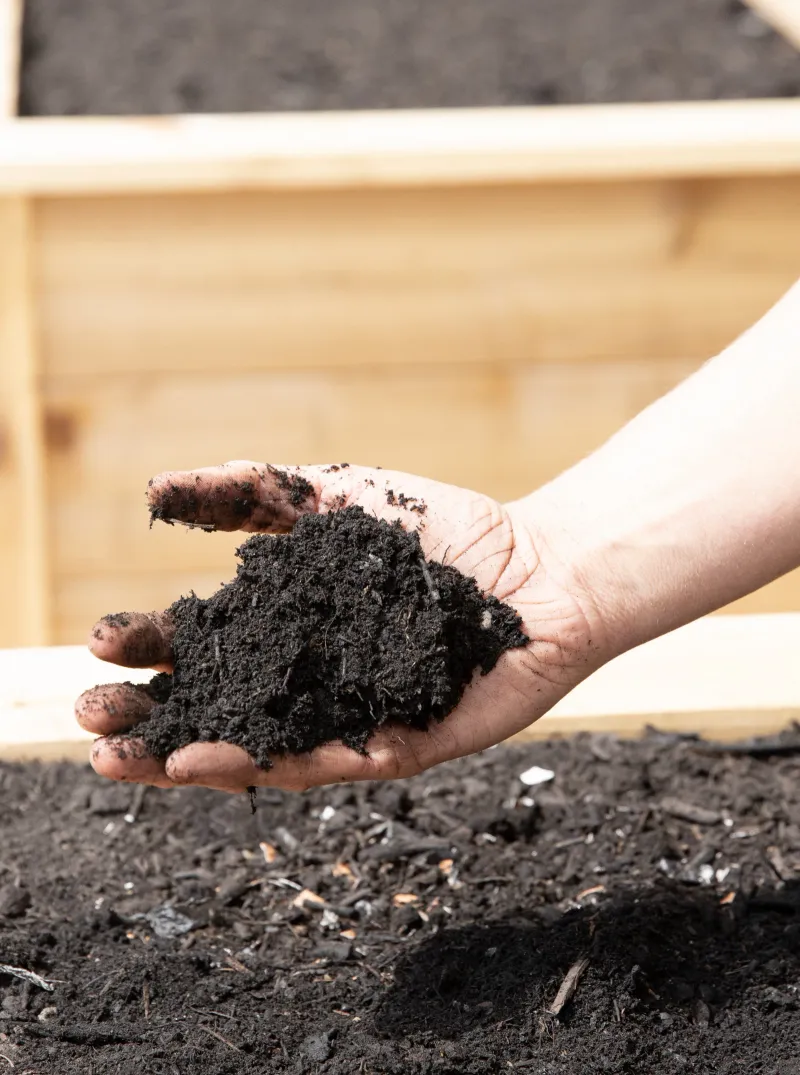
Compost is the closest thing gardeners have to a magic trick for clay. It does not happen overnight, though the change over a few seasons is remarkable.
Organic matter helps tiny clay particles clump into larger crumbs.
Those crumbs leave bigger spaces between them, so water drains and air moves back in.
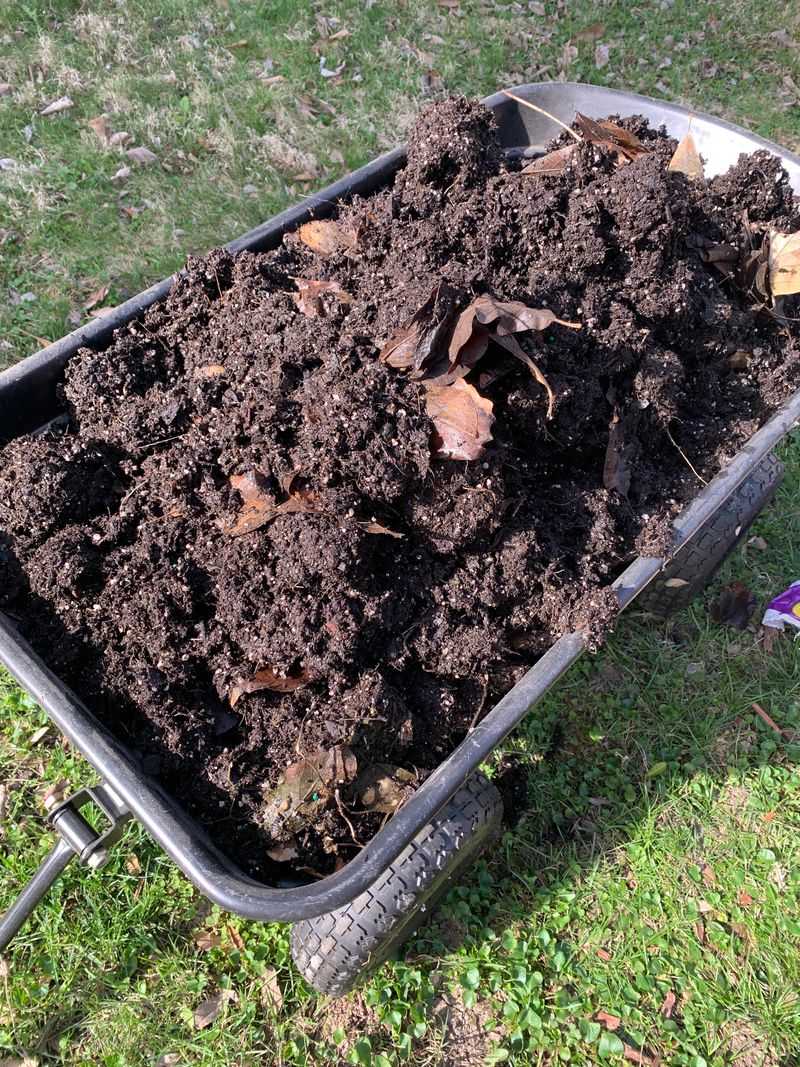
Spread about two to three inches of finished compost, shredded leaves, or well-aged manure over the bed. Work it into the top six to eight inches of soil when the ground is moist but not wet.
Timing matters here. Digging soggy clay squishes it into hard clods, so wait until a handful crumbles instead of forming a sticky ribbon.
Earthworms are a big bonus. They love organic matter, and their tunnels act like little air shafts through your beds.
Skip the old advice about adding sand to clay. Extension experts warn that small amounts of sand mixed with clay can create something closer to concrete.
Personally, I add compost every fall and top beds with shredded leaves. Each year the soil smells sweeter after storms, and that earthy scent is a welcome sign of oxygen-loving life returning.
7. Raised Beds and Smart Downspout Fixes Keep Future Storms in Check
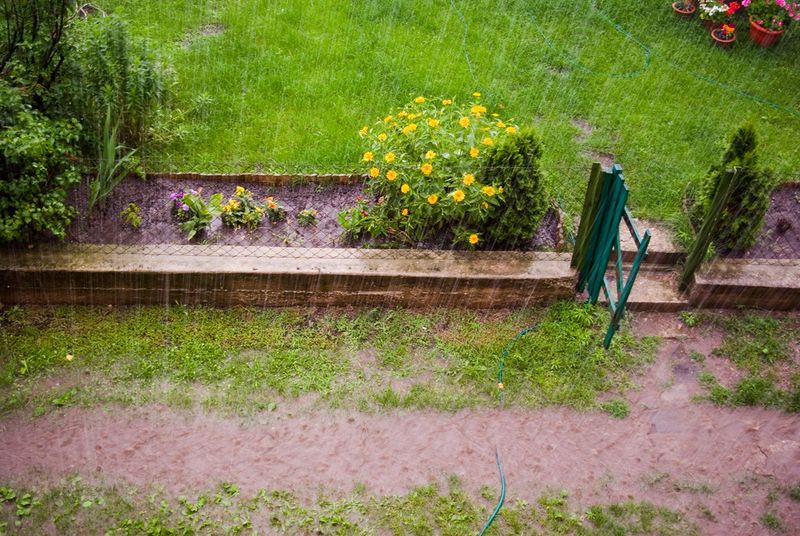
Some spots just collect water, no matter how much compost you add.
For those stubborn areas, working with the landscape beats fighting it.
Raised beds lift roots above soggy native soil. Even eight to twelve inches of height can make a huge difference for vegetables and herbs in heavy clay.
Check where your roof water goes too.
Downspouts dumping right next to a flower bed can soak it every storm, so extend them or connect a rain barrel.
A rain garden is a lovely option for low areas. Virginia Cooperative Extension and the state Department of Conservation and Recreation share guides for building these shallow planted basins with natives like swamp milkweed, blue flag iris, and switchgrass.
Keep off wet beds, since every step compacts the soil. Stepping stones or boards spread your weight when you must walk in.
When planting shrubs in clay, set the top of the root ball an inch or two above the surrounding grade. That small trick helps water move away from the crown.
Your nose will keep you posted. Once those post-storm whiffs smell fresh and earthy again, your soil is breathing just fine.