8 Christmas Tree Varieties That Hold Needles Longest In California Homes
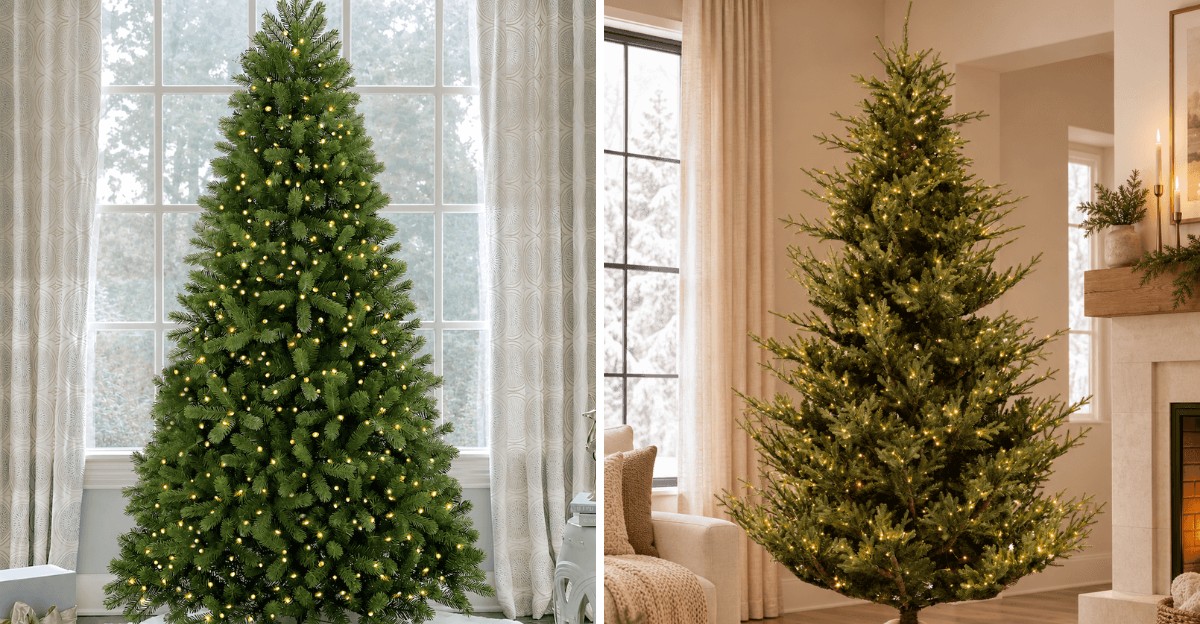
A well-watered fresh cut evergreen can stay green indoors for five weeks or even longer in many homes. That surprised me the first time, because my old trees shed onto the rug within ten days.
The secret starts with the species you choose, long before any water touches the stand. Some evergreens carry waxy needle coatings and stiff stems that help them hold moisture far better than others.
I have to admit my early holiday seasons involved plenty of vacuuming and a few muttered complaints. You might notice the same frustration in California, where dry Santa Ana winds and warm living rooms speed up shedding.
Certain trees shrug off that warmth surprisingly well, and a few grow right here in California mountain farms. Which ones deserve a spot in your living room this year, and which handsome favorites need extra attention?
1. Noble Fir
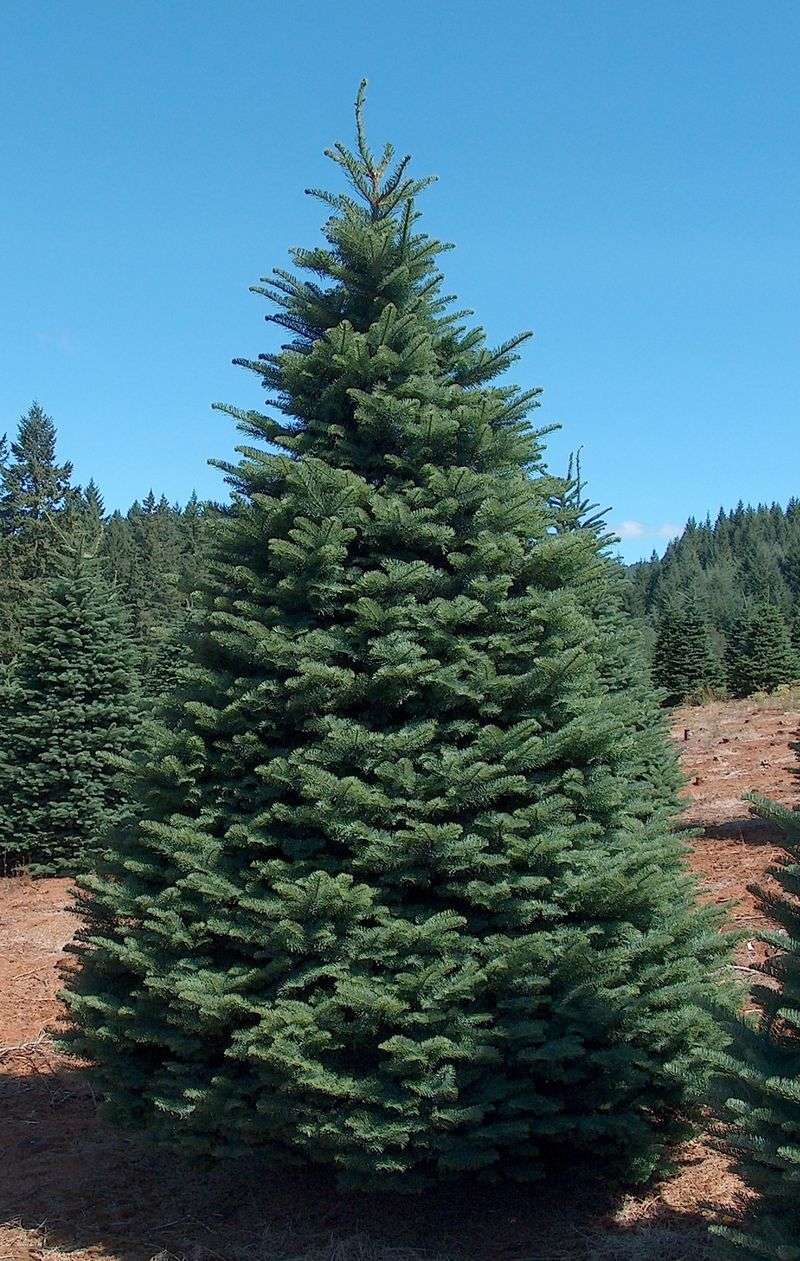
Stiff tiers of blue-green needles make the Noble Fir look like it was built by a careful architect. I love how even heavy glass ornaments hang straight down without the branches sagging toward the floor.
Known to botanists as Abies procera, this fir grows naturally in the Cascade Mountains of Washington and Oregon. Most Noble Firs sold in California lots arrive from Pacific Northwest farms, with some grown in northern California too.
Each needle curves upward like a tiny hockey stick, showing off a silvery underside that catches light nicely. Growers and extension experts consistently rank this species among the best for holding needles after cutting.
Personally, I set mine up early in December, and it still looks crisp when the new year rolls around. You need a fresh half-inch cut from the trunk base before placing it in water, which reopens clogged channels.
A Noble Fir can drink a surprising amount during its first week indoors, so check the stand each morning. A simple rule many growers share calls for about one quart of water per inch of trunk diameter daily.
Keep your tree away from heater vents and sunny windows, since warm dry air pulls moisture from the needles. Branches also make lovely wreaths, so save any trimmed lower limbs for a festive door decoration.
2. Nordmann Fir
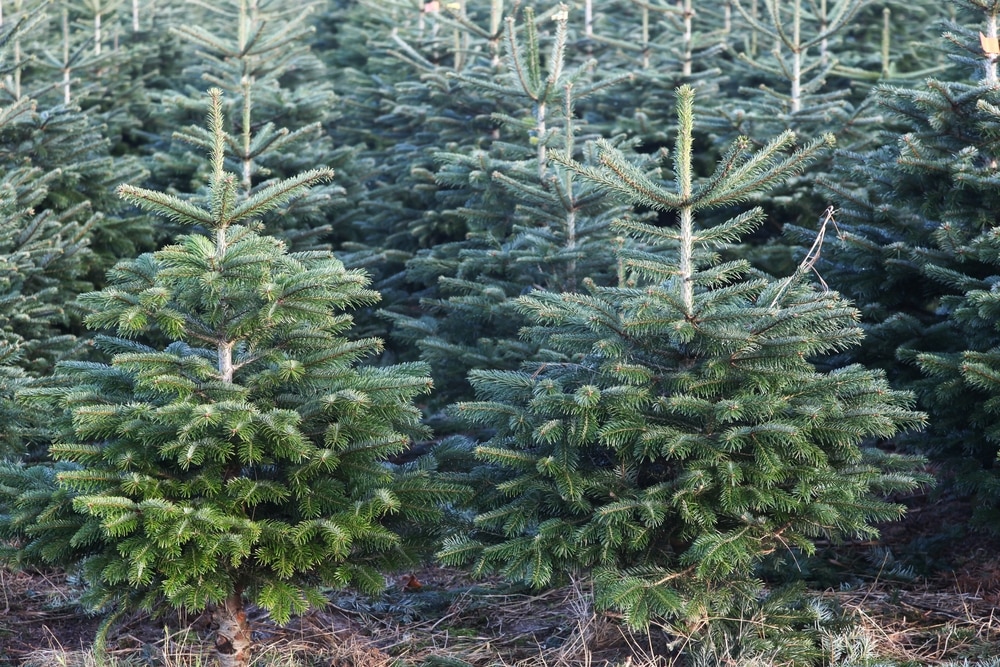
European families have treasured the Nordmann Fir for decades, and it now earns real fans across the West. Its glossy dark needles look almost polished, as if someone wiped each branch with a soft cloth.
The scientific name is Abies nordmanniana, and the species comes from mountains near the Black Sea and the Caucasus. Those thick needles carry a waxy coating that slows water loss, a handy trait in warm living rooms.
I have to admit I was skeptical about its soft feel until I brushed my hand along the branches. Unlike prickly spruces, these flat needles feel smooth, which makes decorating with little helpers far more pleasant.
Scent stays mild with this fir, so people who find strong pine aromas overwhelming often prefer it. You might miss that classic forest perfume, but a scented candle nearby can easily fill that gap.
Nordmann Firs are widely praised in Europe as a top choice for holding needles through long holiday seasons. Fewer stray needles in the carpet means less time with the vacuum and more time enjoying cocoa by the lights.
Look for this tree at specialty lots or choose-and-cut farms, since availability varies across different regions each year. Give it a fresh trunk cut and a full water reservoir right away, then check levels every single day.
3. White Fir
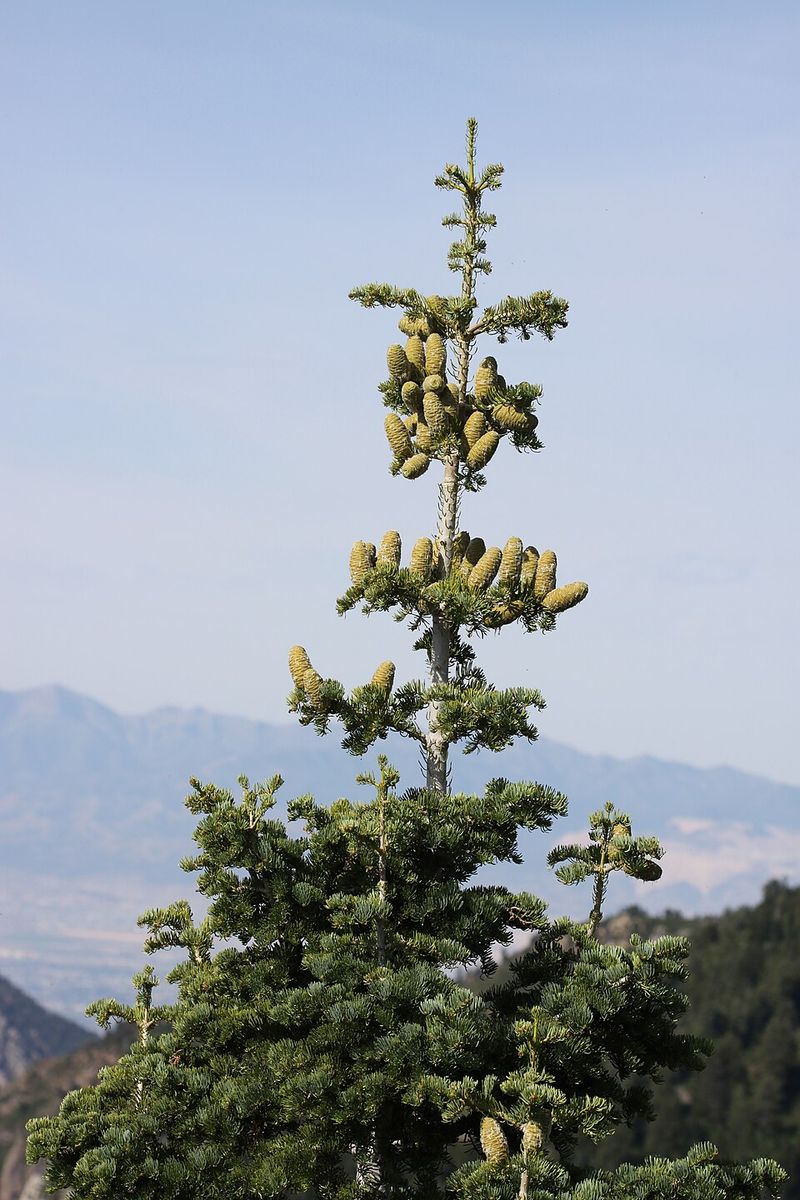
Crush a few needles between your fingers, and you might catch a bright scent that hints of citrus. That cheerful aroma is the calling card of the White Fir, also sold under the name Concolor Fir.
Abies concolor grows wild across western mountains, including forests of the Sierra Nevada and southern California ranges. I like knowing that this tree feels right at home in our part of the country, both outdoors and indoors.
Its needles run longer than many firs, often reaching two inches, with a soft silvery blue-green color. Those soft needles feel gentle on your hands, which turns ornament hanging into a pleasant job rather than a chore.
Extension services commonly rate the White Fir as having good needle retention when kept well watered indoors. It may not match the Noble Fir in that department, yet it performs nicely for a typical holiday season.
Branches tend to be a bit more flexible, so save your heaviest ornaments for the sturdiest inner limbs. You can hang lighter glass balls and paper crafts toward the tips without worrying about drooping branches.
Personally, I think this fir deserves more attention from families who love a softer, lighter-colored holiday look. Ask your local lot manager about freshness, then give the trunk a clean cut before it meets water.
4. Fraser Fir
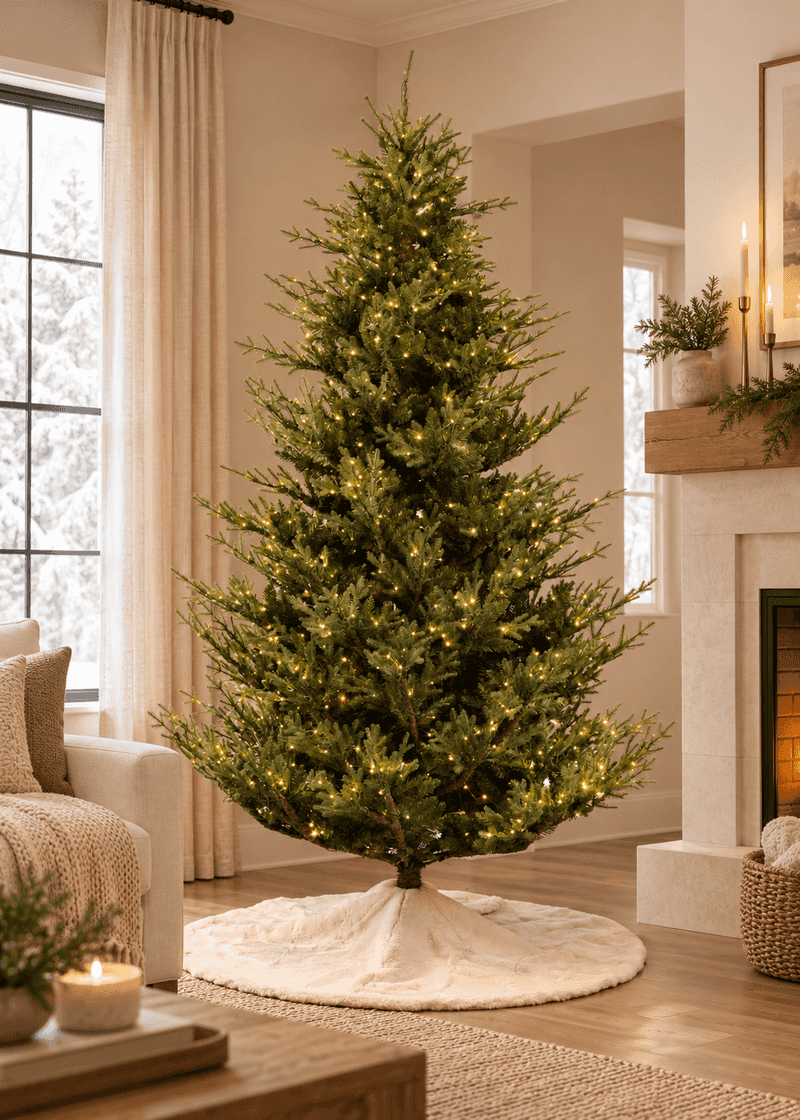
More Fraser Firs have visited the White House than any other species, according to national grower associations. That presidential track record tells you something about the reliable shape and staying power of this tree.
Abies fraseri grows naturally only in the high Appalachian Mountains of North Carolina, Virginia, and Tennessee. Most trees sold out West travel a long way, so freshness depends heavily on when the lot received them.
Short needles about one inch long show dark green tops and silvery undersides, giving the tree a pleasant two-toned shimmer. I love how the branches angle slightly upward, which makes spacing out your ornaments easier than you might expect.
Needle retention ranks among the best of all cut trees, which explains why so many growers call it a favorite. You still need to give it steady water, because a long trip can leave the trunk thirsty on arrival.
Ask the lot staff when their Fraser shipment came in, and choose a tree from the newest delivery. Give a gentle tug on a branch, and only a few loose needles should drop into your hand.
Once home, make a fresh cut and place the tree in water within a few hours. Keeping the room slightly cool helps too, so consider turning the thermostat down a degree or two at night.
5. Red Fir
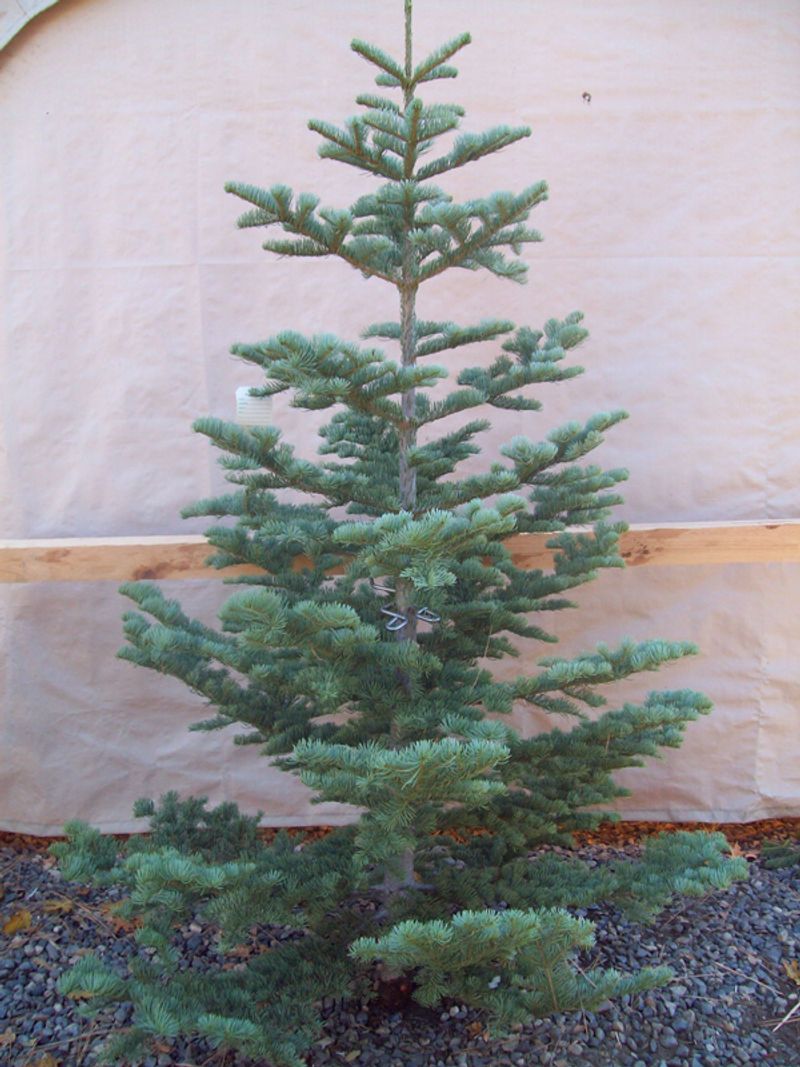
California growers often sell this beauty as the Silvertip, and many families consider it a true West Coast treasure. Open, layered branches leave plenty of room for ornaments to dangle freely, almost like jewels in a display case.
The botanical name is Abies magnifica, and it grows naturally at high elevations in the Sierra Nevada and southern Cascades. I find it delightful that this tree comes from mountains just a few hours away from many homes.
Needles show a silvery blue-green tint that gives the whole tree a frosty glow under twinkling lights. Branches are stiff and widely spaced, so heavier keepsake ornaments rest comfortably without bending the tips downward.
Many Silvertips are harvested from mountain stands rather than tidy farm rows, giving each tree a slightly wild character. Local sellers praise its needle retention, especially when the tree arrives fresh and gets plenty of water.
Supplies can vary from year to year, so you might need to shop early to find one. Wildfires and weather in the Sierra have affected some harvests, so check with local lots before heading out.
You need a sturdy stand, because these trees often have thick trunks and a heavier build. A fresh cut plus daily watering keeps that silvery color looking bright for several weeks in your living room.
6. Grand Fir
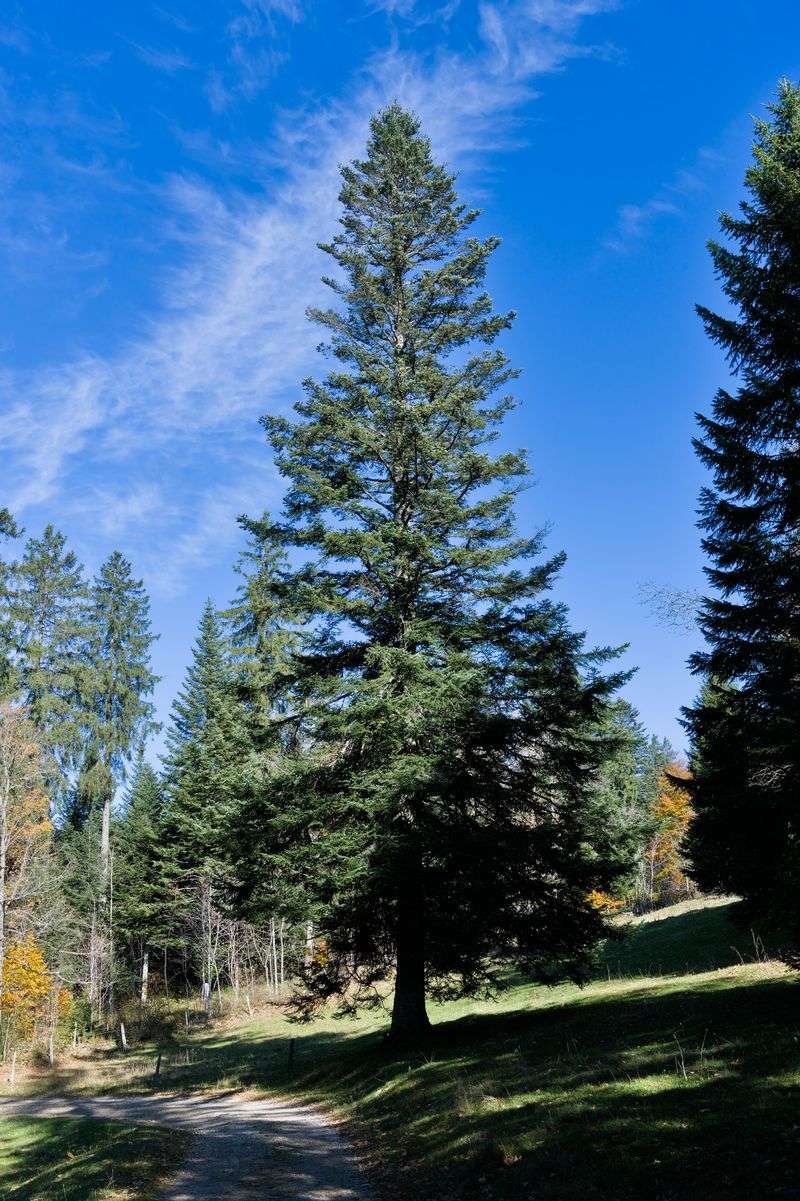
Walk into a room with a fresh Grand Fir, and the bright, citrusy scent greets you before the lights do. Some folks describe it as a mix of evergreen forest and a hint of tangerine peel.
Abies grandis grows naturally from British Columbia south into northwestern California, often in moist lowland and valley forests. It can reach impressive heights in the wild, living up to its grand name in old forests.
Glossy dark green needles lie flat in two neat rows, giving each branch a soft, feathery look. I like flipping a branch over to see the two white stripes on the underside of each needle.
Needle retention is generally rated as fair to good, so this tree rewards owners who stay on top of watering. You might notice faster drying near heater vents, so pick a cooler corner away from warm airflow.
Branches can be a bit soft, which means lighter ornaments look best on this graceful, open tree. Save your heavier treasures for the trunk area, where thicker limbs offer stronger support for the extra weight.
Personally, I recommend this fir to anyone who cares about fragrance more than anything else at the lot. Combine it with daily water checks, and you can enjoy that zesty scent for much of the season.
7. Douglas Fir
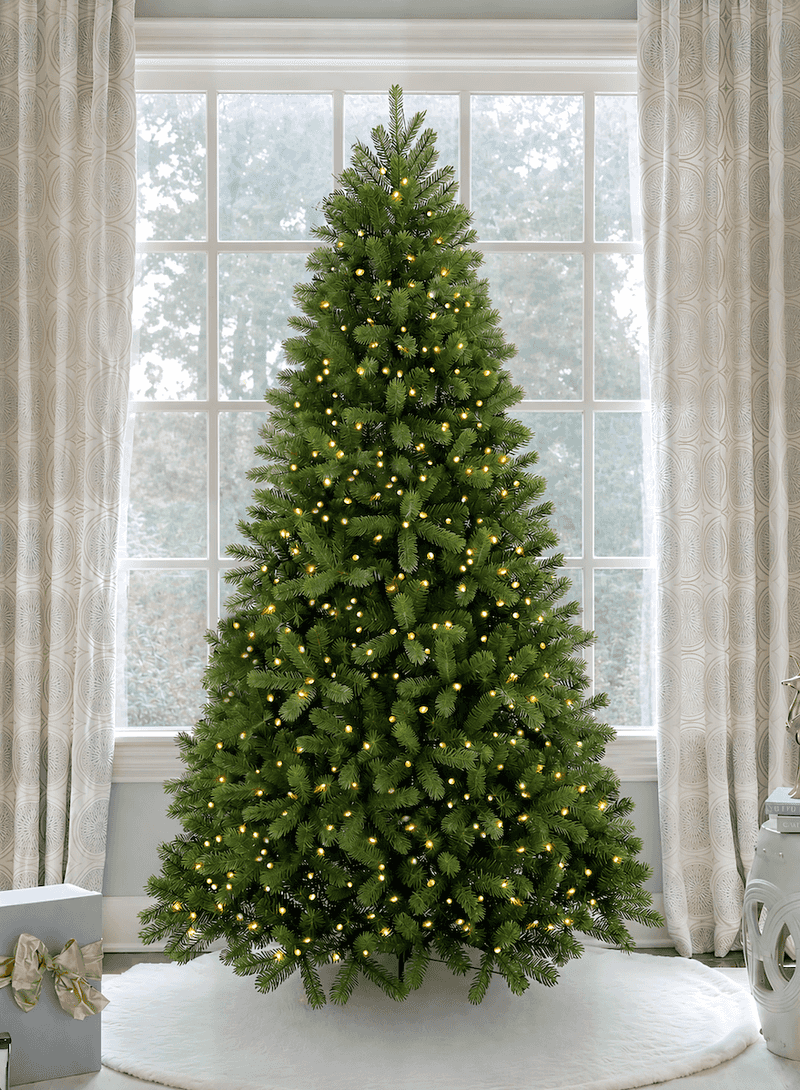
Despite its famous name, the Douglas Fir is not a true fir at all, which surprises plenty of shoppers. Botanists place it in the genus Pseudotsuga, a name meaning false hemlock, which sounds funny for such a popular tree.
Pseudotsuga menziesii grows widely across the West, including coastal and mountain forests throughout northern California. It ranks among the most common holiday trees on the West Coast, so you will spot it at nearly every lot.
Soft needles radiate in all directions around each twig, creating a full, bushy shape that feels cozy and classic. I have to admit the sweet aroma when you crush a needle gets me feeling festive every single time.
Needle retention is rated as good, though it trails behind Noble and Nordmann Firs in most grower comparisons. You need to keep the stand full, since letting it run dry even once can speed up needle drop.
Branches are somewhat flexible, so lighter ornaments and ribbon garlands suit this tree better than heavy glass pieces. Wrap lights close to the trunk first, then work outward to give the tree a warm inner glow.
Many choose-and-cut farms grow Douglas Firs, so you can often harvest one yourself on a weekend trip. A tree cut that very day gives you a fresher start than one shipped from far away.
8. Canaan Fir
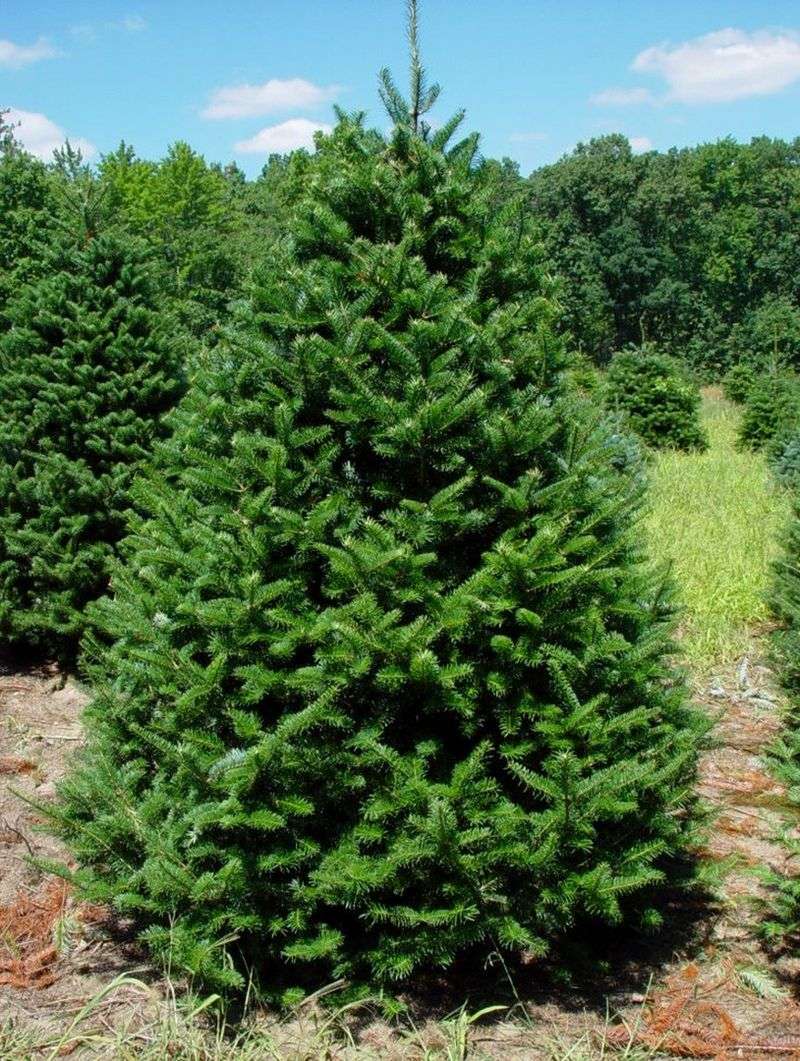
Growers sometimes call the Canaan Fir a happy middle ground between two famous eastern cousins. It looks a lot like a Fraser Fir, yet it carries a scent that reminds many people of Balsam Fir.
Botanists usually treat it as Abies balsamea variety phanerolepis, named for the Canaan Valley region of West Virginia. Farmers like it because it handles heavier soils better than Fraser Firs, which can struggle with root problems.
Needles are soft and fairly short, with a dark green top and a silvery stripe beneath each one. I love how dense the branches look, giving you a full tree without many awkward gaps in the shape.
Needle retention is often described as good to very good, especially when the tree is cut fresh. You might have trouble finding Canaan Firs out West, since most are grown on farms in eastern and midwestern states.
Ask specialty lots or online growers whether they carry this variety, and check shipping dates for freshness. A tree that sat in a warm truck for days will need extra care once it reaches your home.
Make a fresh cut, fill the stand right away, and keep checking the water each morning. With steady care, this lesser-known fir can be a delightful conversation starter at your holiday gatherings this season.