8 Native North Carolina Grasses That Stand Up To Coastal Winds
Coastal North Carolina presents a unique challenge for landscaping, with strong, salt-laden winds that can damage or stunt many typical garden plants.
Native grasses, however, have evolved alongside these exact conditions, developing flexible blades and deep, anchoring root systems that let them bend rather than break in heavy wind.
Many of these grasses also tolerate the sandy, well-draining soil common along the coast, along with occasional salt spray that would harm less adapted plants.
Beyond their toughness, these grasses often provide valuable habitat and food for local wildlife, fitting naturally into coastal ecosystems in a way ornamental alternatives typically don’t.
For coastal North Carolina gardeners looking for resilience without constant replanting, these native grasses offer a proven, low-maintenance solution.
1. Sea Oats
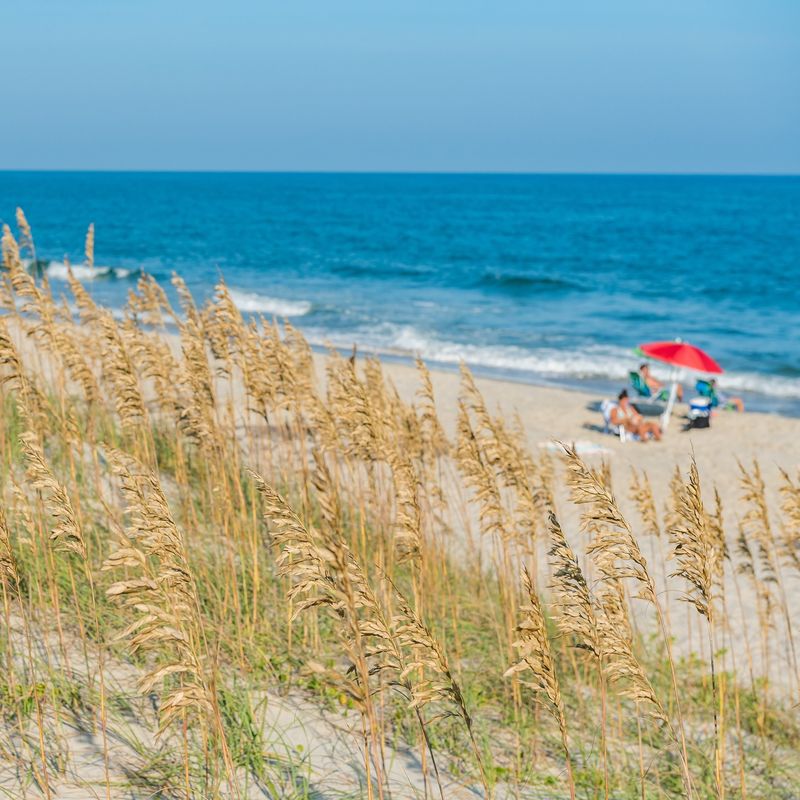
Walk along any beach in North Carolina and you will likely spot tall golden plumes swaying in the breeze. Those are sea oats, one of the most recognized plants on the entire coast. They have become a true symbol of Southern shorelines.
What makes them so special is their root system. Sea oats send roots deep into the sand, sometimes reaching many feet below the surface.
These roots grab hold of shifting sand and lock the dunes in place, which protects homes and beaches from washing away during storms.
Salt spray, blazing sun, and constant wind do not bother them one bit. In fact, blowing sand actually helps them grow taller because the plant keeps pushing new growth upward as sand piles around it. That clever trick lets them build dunes higher over time.
Their seed heads turn a warm golden color in late summer and fall, catching sunlight in the most lovely way. Birds and small creatures enjoy the seeds, so these grasses feed local wildlife too.
One important thing to know is that sea oats are protected by law in North Carolina. You cannot pick or dig them from the wild, and doing so can bring a heavy fine. If you want them in your yard, buy nursery grown plants instead.
For anyone living close to the ocean, planting sea oats is a smart and beautiful choice. They ask for very little and give back plenty of protection and charm.
2. Bitter Panicum
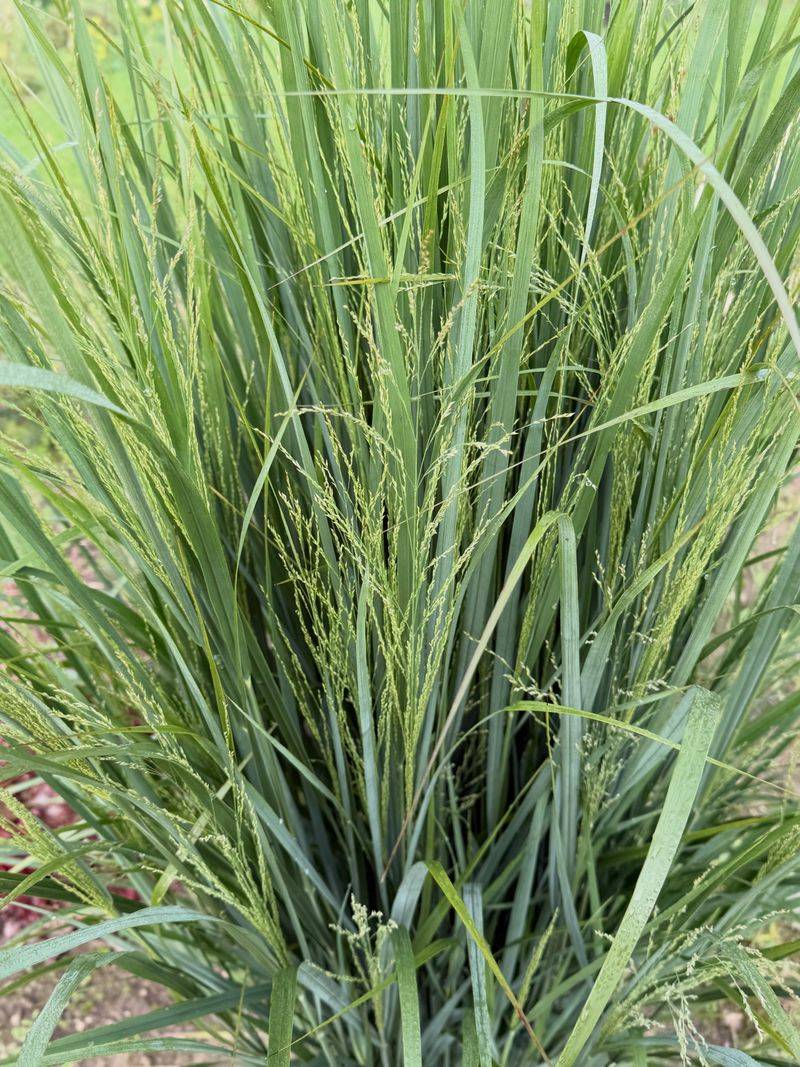
Meet a quiet hero of the dunes that rarely gets the spotlight. Bitter panicum may not be famous, but it does some of the hardest work along the North Carolina coast. This grass thrives where few others can settle in.
Its secret weapon is the way it spreads. Bitter panicum grows long runners both above and below the sand, creating a web of stems that stretches out in every direction. As these runners spread, they knit the sand together and hold it firmly in place.
You will find it living right out in the open, facing full sun and salty gusts without complaint. The blue green blades have a slightly waxy coating that helps the plant hold onto water and shrug off salt spray. That built in armor keeps it healthy in harsh spots.
Because it handles moving sand so well, this grass often teams up with sea oats to build and repair dunes. Together they form a strong front line against wind and waves.
Gardeners who plant near the beach appreciate how little care it needs once it settles in. There is no need for fancy soil or extra watering, since it prefers lean sandy ground.
If your property sits right on the edge of the ocean and other plants struggle there, bitter panicum could be the answer.
It quietly spreads, anchors the sand, and keeps your slice of coastline steady season after season. Reliable and tough, it earns its place in any dune garden.
3. American Beachgrass
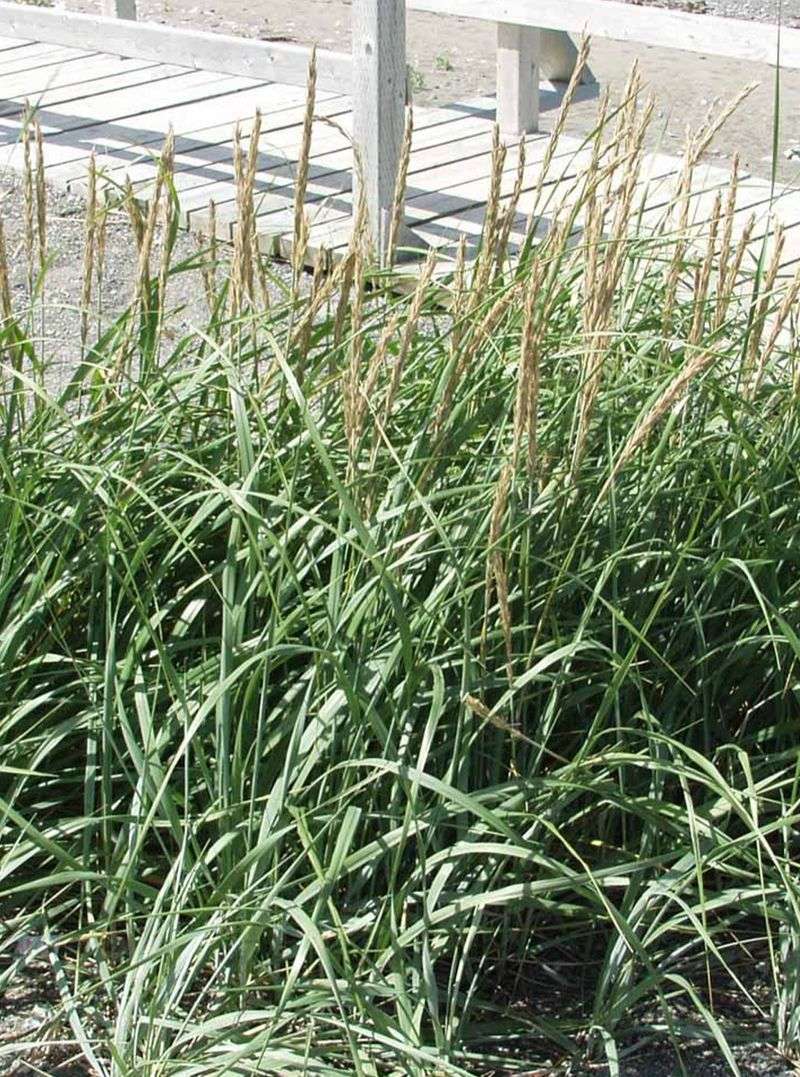
Picture a plant that actually loves getting buried by blowing sand. American beachgrass is exactly that kind of survivor, and it plays a big role in building dunes along the northern part of the North Carolina coast.
This grass grows in thick green clumps that catch sand as the wind carries it. When sand piles up around the stems, the plant simply grows upward and keeps going.
Underground, it sends out spreading rhizomes that shoot out new plants and tie the dune together like a natural net.
Strong winds barely slow it down. The narrow blades bend in the breeze instead of breaking, so it stays standing through rough weather. That flexibility is one reason it is used so often in beach restoration projects.
Here is an interesting detail worth knowing. North Carolina sits at the southern edge of where American beachgrass grows naturally. Farther south the summers get too hot for it, so it does best on the cooler northern beaches of the state.
Because it spreads quickly and holds sand tightly, crews often plant it after storms to rebuild damaged dunes. Rows of it can bring a bare, washed out beach back to life in just a few seasons.
For homeowners in the Outer Banks region, this grass is a dependable pick. It asks for full sun and sandy ground, then handles the rest on its own. Plant it, step back, and watch it get to work protecting your shoreline.
4. Switchgrass
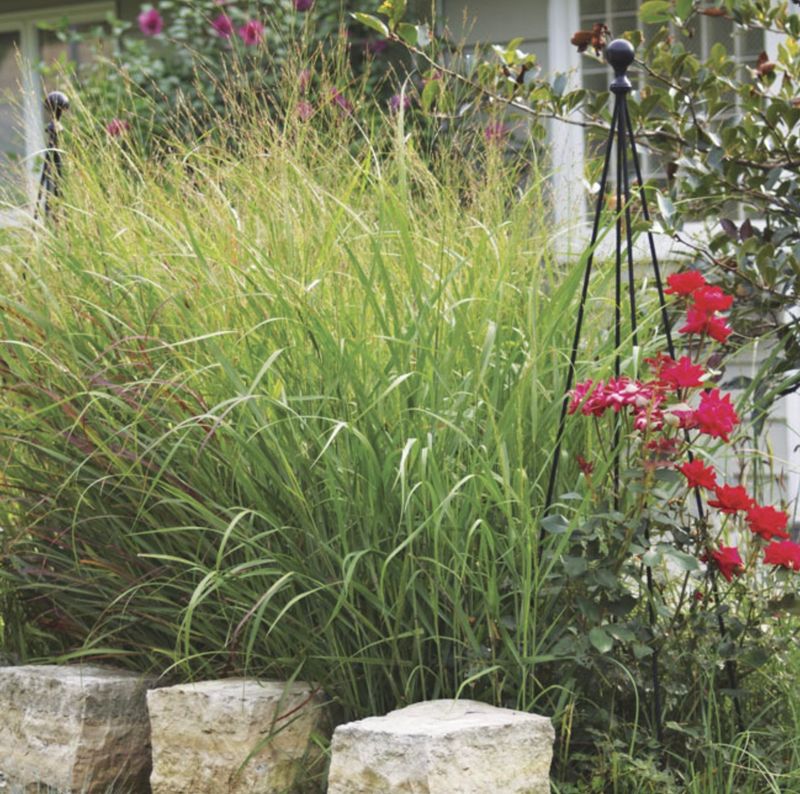
Some plants just refuse to give up, and switchgrass is one of them. This tall native grass has been part of American prairies for ages, and it fits right into coastal landscapes too. Gardeners love how tough and easy it is.
The real strength of switchgrass lies underground. Its roots dig incredibly deep, sometimes reaching many feet below the surface. Those deep roots pull water from far down, which helps the plant handle dry spells, strong winds, and salty air with ease.
Up top, switchgrass puts on a lovely show. Slender stems shoot up tall and hold airy, feathery seed heads that shimmer in the light. In fall the blades often turn shades of gold and red, adding warm color to the yard just as other plants fade.
One thing to keep in mind is where to plant it. Switchgrass does best on stabilized sandy sites rather than active, shifting dunes. It likes ground that stays put, so a backyard or a settled bank near the coast suits it perfectly.
Birds flock to it for cover and seeds, so planting a patch invites more wildlife into your space. The stems also stand tall through winter, giving your garden shape when everything else lies low.
For folks who want a plant that stays low maintenance yet looks striking, this one delivers. Give it sun and room to grow, and switchgrass will reward you with beauty and grit for many years to come.
5. Purple Muhly Grass
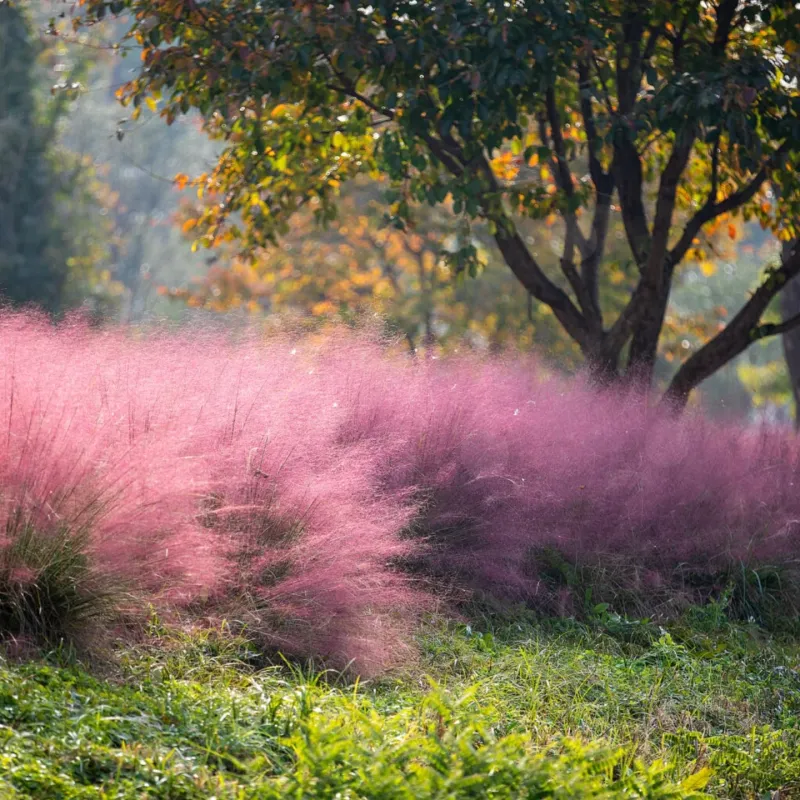
Few grasses can stop people in their tracks the way purple muhly grass does. Come late fall, it explodes into a cloud of pink and purple that looks almost like cotton candy floating in the air. The sight is truly unforgettable.
Beyond the beauty, this grass is a real tough guy. It handles coastal heat like a champ and barely flinches at dry spells. Once its roots settle in, you can practically forget about watering it, since it prefers lean, well drained ground.
Wind is no problem either. The fine, wiry blades sway and dance in the breeze instead of snapping, so gusty coastal days leave it unharmed. That easygoing attitude makes it a favorite for seaside gardens.
Most of the year the plant stays a modest green mound, blending quietly into the background. Then autumn arrives and it steals the show with those glowing plumes that catch the low afternoon sun.
Here is a fun bonus. The pink haze lasts for weeks, so you get a long stretch of color when many other plants have already wound down for the season.
Planting a few in a group makes the effect even more dramatic, turning a corner of the yard into a soft pink glow. Pair them with darker plants and the color pops even harder.
For anyone wanting flash without fuss, purple muhly grass is a dream. It laughs off tough coastal weather and rewards you with one of the prettiest displays nature has to offer.
6. Broomsedge Bluestem
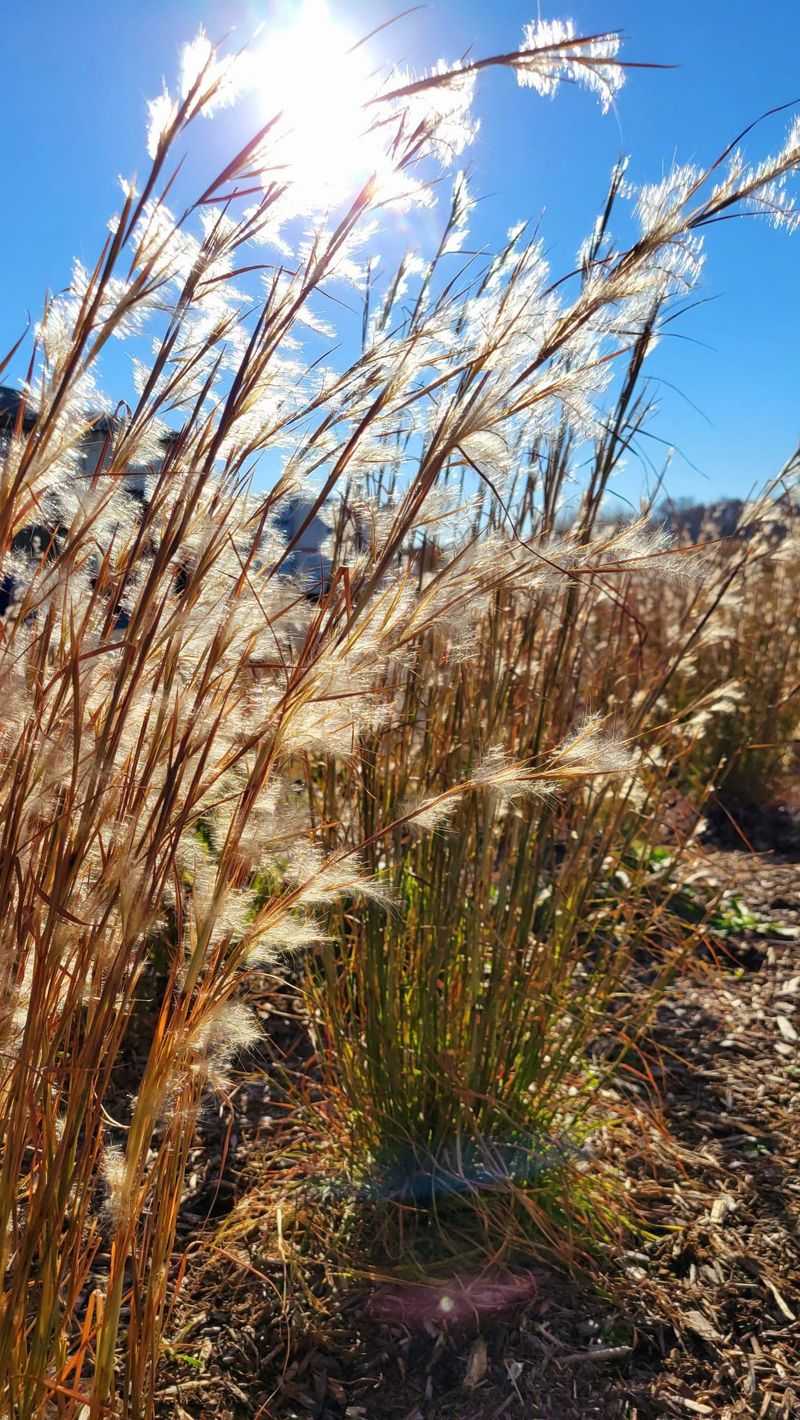
Ever notice those fields that glow warm orange and copper in late fall? Chances are you were looking at broomsedge bluestem, a native grass that shines when the weather turns cool. It brings a cozy, rustic feel to open land.
This grass has a reputation for growing where others give up. Poor, sandy, dry soil that leaves most plants struggling is exactly the kind of spot broomsedge loves. It actually prefers ground that is low on nutrients, which is pretty unusual.
Being a warm season grass, it does most of its growing during the hot summer months. Then as autumn settles in, the blades shift to that famous reddish orange color that lasts right through winter.
The dry stems stand tall against gray skies and add welcome warmth to the view. Exposed, windy spots do not scare it. Its roots hold firm in loose soil, and the upright stems bend with the breeze rather than giving way.
That makes it a solid choice for open coastal areas that take a beating from the wind. Wildlife appreciates it too. Small birds use the clumps for shelter and snack on the seeds, so a stand of broomsedge quietly supports the local critters.
If you have a rough patch of ground where nothing seems happy, this grass might be your answer. It asks for almost nothing, thrives on neglect, and pays you back with glowing fall color that carries the landscape through the coldest months.
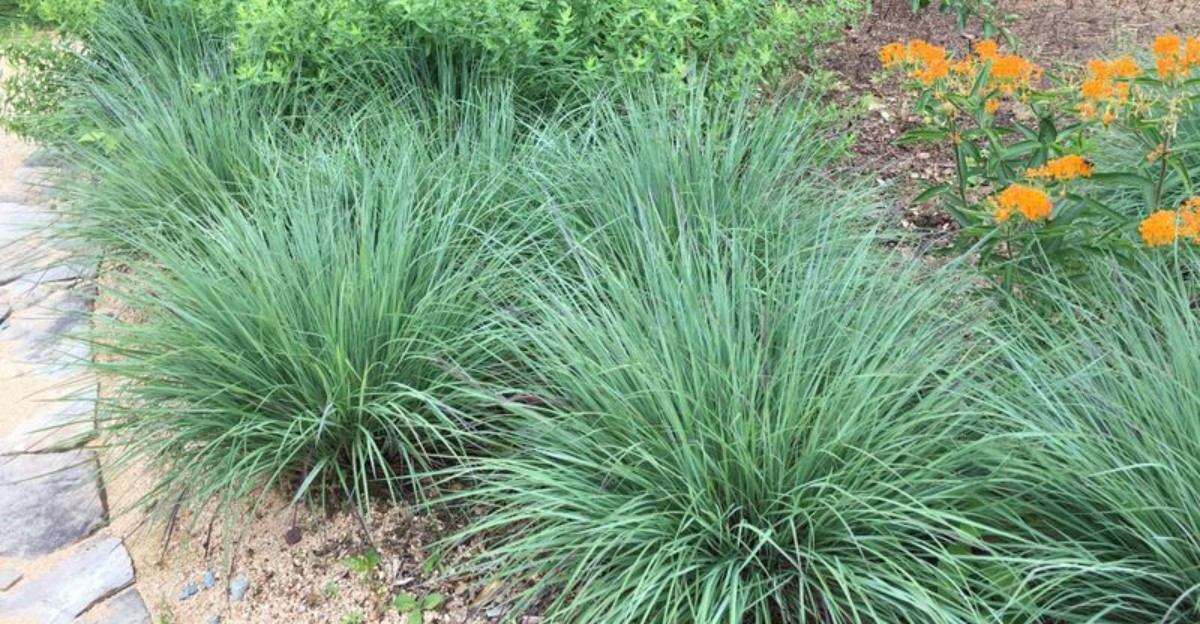
7. Little Bluestem
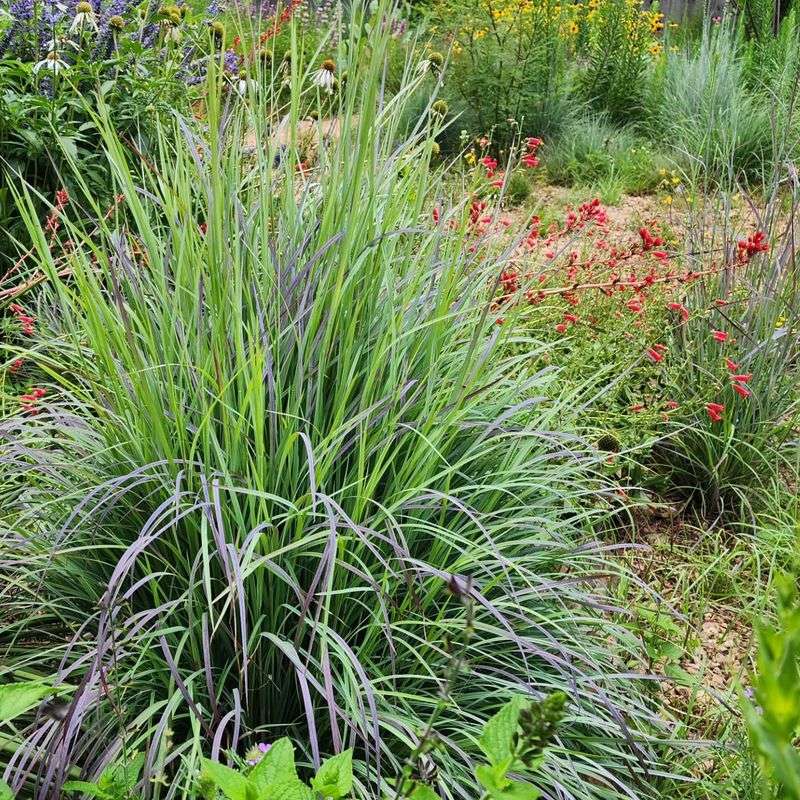
Small but mighty describes little bluestem perfectly. This compact native grass packs a whole year of interest into a neat, tidy clump that fits almost any garden spot. It changes with the seasons in the loveliest way.
During summer the blades wear a soft blue green color that looks cool and calm. Then autumn works its magic, turning the whole plant shades of copper, orange, and even a bit of purple. Fluffy silver seed heads catch the light and make it sparkle.
Drought does not faze this grass at all. Its roots reach deep into sandy soil to find water, so it stays healthy even when rain is scarce. That makes it a smart pick for the dry, well drained ground common near the coast.
Wind only adds to its charm. The upright stems sway gently and hold their shape, so strong coastal gusts leave it looking graceful rather than beaten down.
What really sets it apart is winter interest. While many plants disappear, little bluestem keeps standing tall, its coppery stems glowing against snow or gray skies. That texture keeps a garden feeling alive during the quiet months.
Butterflies and small birds love it, using the clumps for food and shelter through the colder season. Planting a few brings extra life to your yard.
For a grass that looks good in every season and asks for barely any care, little bluestem is hard to beat. Give it sun and sandy soil, and it will shine all year long.
8. Indiangrass
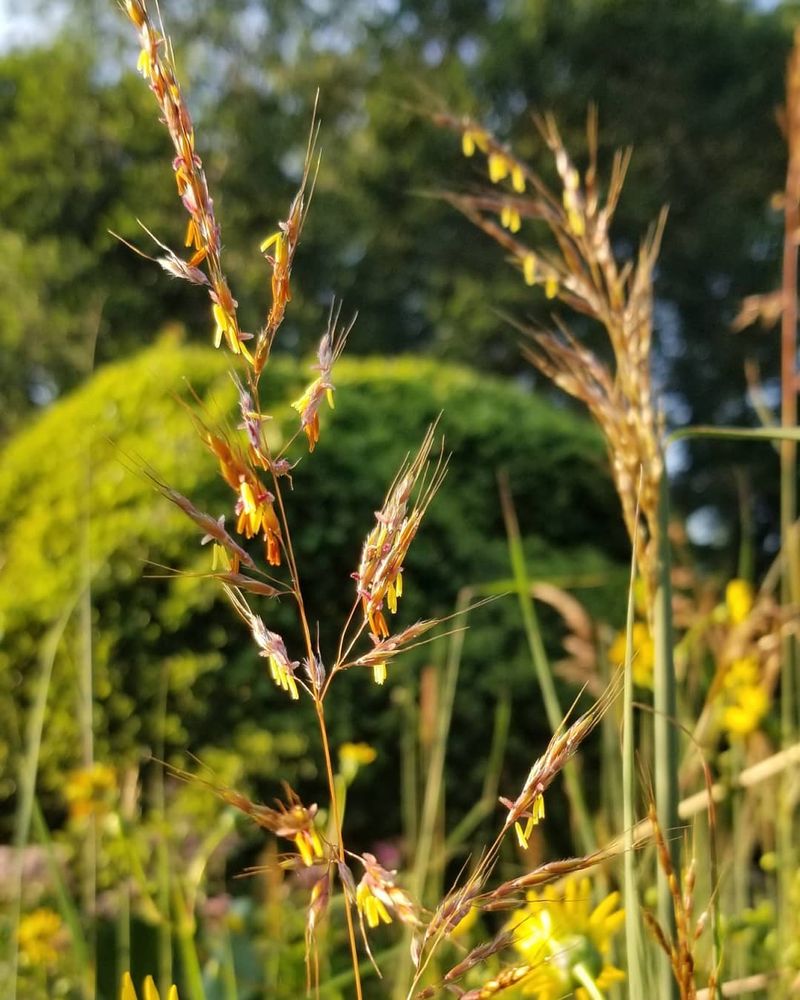
Standing tall and proud, indiangrass adds real drama to a coastal landscape. This native beauty can reach impressive heights, waving golden seed plumes high above the ground. It gives a garden that wild, prairie feel that so many people love.
Sunshine is its best friend. Indiangrass thrives in open, sunny spots where nothing blocks the light, making it perfect for wide, exposed areas near the coast. The more sun it gets, the better it grows.
Underground, it builds a deep and sturdy root system. Those roots reach far down to find water and hold the plant firmly in loose soil, so wind and dry weather barely bother it. This toughness lets it stand strong where lighter plants would struggle.
In late summer, feathery golden plumes rise above the blades, catching sunlight and glowing like honey. As fall arrives the whole plant shifts to warm shades of yellow and orange, lighting up the landscape.
Because it grows so large, indiangrass works best in bigger plantings rather than tiny yards. Mix it with other native grasses and it helps create a natural meadow that supports birds, bees, and butterflies.
Here is a neat fact. Indiangrass was once a major part of the tall grass prairies that stretched across much of America, so planting it brings a piece of that history home.
For anyone with plenty of open, sunny space, this grass is a wonderful choice. It stands up to tough coastal weather and rewards you with height, movement, and golden color.