8 Warning Signs of Raccoons Living Under Your Ohio Deck

A gap barely four inches wide under your deck is enough for a full-grown mother to squeeze through at night. She often picks that hidden spot in early spring, then raises a litter of babies right under your patio chairs.
Ohio wildlife officials list this masked neighbor among the most common furbearers found across every county in the state. Those clever front paws can pry loose lattice panels and lift trash lids with surprising ease.
I’m the first to admit I blamed my creaky old deck boards for those thumps after midnight. Truth is, the clues were scattered around my backyard for weeks, and I simply walked right past them.
You probably have a few of those same hints around your own Ohio yard right now. So how many of these sneaky signs have you already noticed without realizing what they meant?
1. Nighttime Chittering And Thumping Sounds Under The Deck
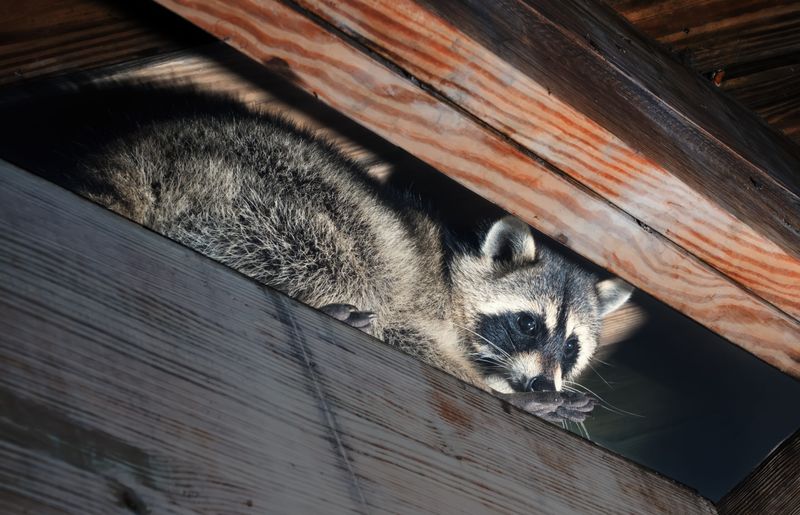
Raccoons have a surprisingly big vocabulary, with researchers noting dozens of distinct calls from purrs to sharp screeches. I first heard a soft chittering under my deck around midnight and honestly thought a bird was trapped.
Those sounds deserve your attention because adults often chatter and growl when they squabble over food or space. Heavy thumps and scraping can mean an animal is dragging leaves or insulation into a cozy den.
Spring brings a different soundtrack, since mothers usually give birth to their kits between March and May. Baby raccoons make high, twittering cries that sound a lot like birds, especially when mom leaves at dusk.
Timing is your best clue, because raccoons are mostly nocturnal and stir right around sunset and sunrise. Squirrels make lighter, quicker sounds during daylight, while raccoons shuffle with a heavier, more deliberate weight.
Grab a flashlight and sit quietly on the deck for twenty minutes after dark one evening. Listen for repeated noises from the same corner, then note the time so you can spot a pattern.
Fair warning, sealing a hole the moment you hear crying can trap babies away from their mother. A hungry mother may then tear new openings, and the kits could suffer badly without her care.
Instead, keep a simple written log of the noises for a few nights before deciding your next step. Those notes will help a wildlife pro figure out whether you have one visitor or a whole family.
2. Fresh Holes Dug Along The Deck Edge
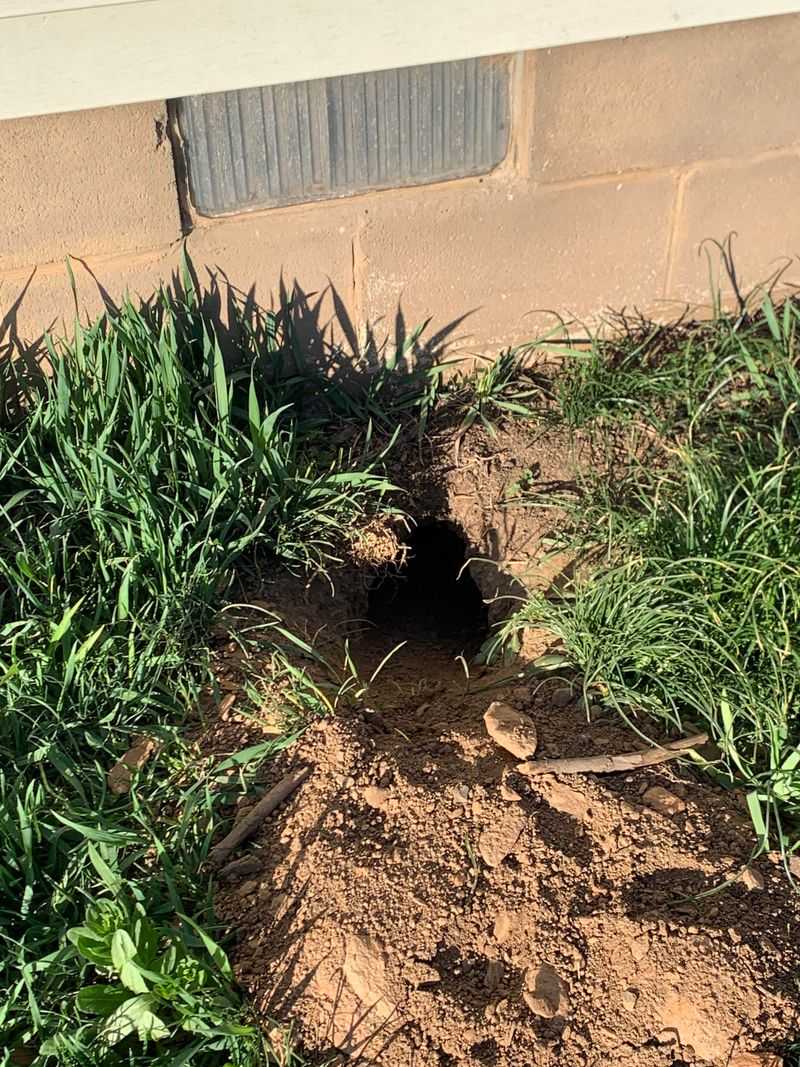
Don’t laugh, but I once blamed ambitious earthworms for the loose soil piled beside my deck stairs. Raccoons dig with nimble front paws that work almost like small hands, scooping dirt aside with ease.
Look for fresh, crumbly soil and gaps along the bottom edge of the deck skirting or posts. A smooth, worn path leading into the opening suggests an animal uses that doorway every single night.
Raccoons are not the only diggers, so take a moment to compare the clues you find. Groundhogs usually leave big mounds of excavated dirt, while skunks often dig neat, shallow holes in lawns.
Raccoons more often widen existing gaps rather than tunnel deep burrows of their own under the deck. That habit means a small space beneath loose boards or skirting can turn into a den quickly.
Ohio clay soils hold moisture after rain, which makes fresh paw marks and scrapes easier to read. Check the perimeter the morning after a wet night, when disturbed dirt stands out against settled ground.
Once the den is empty, an L-shaped barrier of galvanized hardware cloth stops future digging. Bury it about a foot deep and bend the bottom outward roughly a foot, away from the deck.
I’m a sucker for quick fixes, but rushing this step can trap animals inside by mistake. Confirm nobody is home before installing any barrier, and your deck stays guest free for years to come.
3. Torn Lattice And Bent Skirting Panels

Raccoon paws look delicate, yet they can rip thin vinyl lattice apart like it’s wrapping paper. I found a corner of my skirting peeled back one morning, with splinters scattered across the mulch.
Damage usually shows up near ground level, where an animal can grab an edge and pull hard. Look for bent panels and fresh scratches along the wood framing hidden right behind the lattice.
Raccoons can squeeze through openings around four inches wide, so a small tear matters more than you’d think. Plastic lattice is especially vulnerable, since it cracks easily once it turns brittle after a few winters.
Muddy smudges and stray fur caught on splintered edges are helpful extra clues worth checking up close. Raccoon fur is grayish with darker tips, which helps separate it from the reddish coat of a fox.
Trust me on this one, patching the hole with more plastic lattice only buys you a few weeks. Sturdy galvanized hardware cloth behind the lattice holds up far better against strong, determined paws.
Fasten the mesh with screws and washers instead of staples, since raccoons can pry staples loose. Extend the mesh down into the soil too, so the animal cannot simply dig underneath the repair.
Repairs should wait until you are certain the space is empty, especially during spring kit season. A quick inspection now saves you from much bigger carpentry bills and a smellier situation later on.
4. Hand-Shaped Raccoon Tracks In The Mud
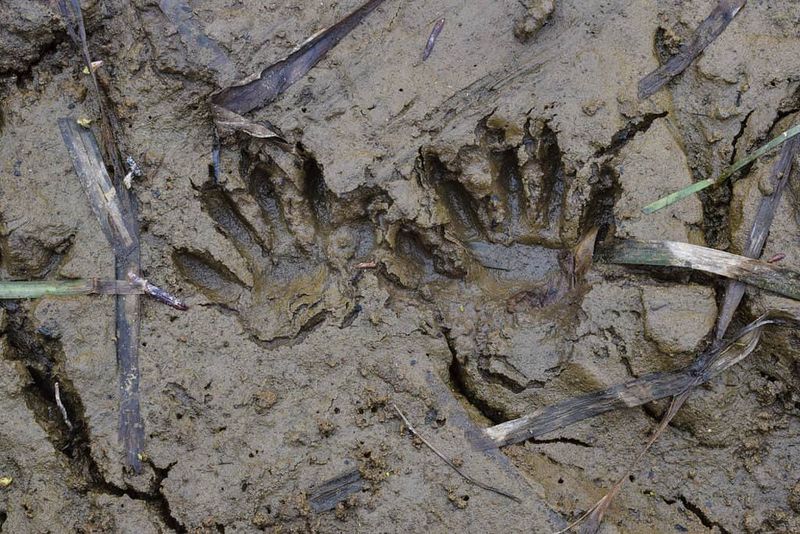
Raccoon tracks look eerily like tiny human handprints, with five long toes spread wide across the mud. The first time I spotted them near my birdbath, I honestly thought a toddler had wandered through overnight.
Front prints usually measure around two to three inches long, with toes that look like slender fingers. Hind prints run longer, closer to four inches, because the heel presses flat like a person’s foot.
Raccoons walk with a pattern where each hind foot lands beside the opposite front foot. That paired, side by side look helps separate their trail from the neat single line of a cat.
Muddy spots near downspouts and garden beds are the best places to search after a soaking rain. Tracks pointing toward the deck and back again suggest an animal is coming and going regularly.
For solid proof, sprinkle a thin layer of flour or fine sand across any suspicious opening at dusk. By morning, crisp prints will show exactly who visited and which direction they were heading at night.
Snap a photo with a coin beside the prints, since that makes size comparisons much easier later. Opossum tracks look different, with a thumb-like hind toe that angles sharply away from the other toes.
I’ll say this much, reading tracks turns a frustrating mystery into a surprisingly fun backyard detective game. Kids love helping with the flour test, as long as they wash their hands well afterward.
5. Raccoon Latrines Piled Near The Deck
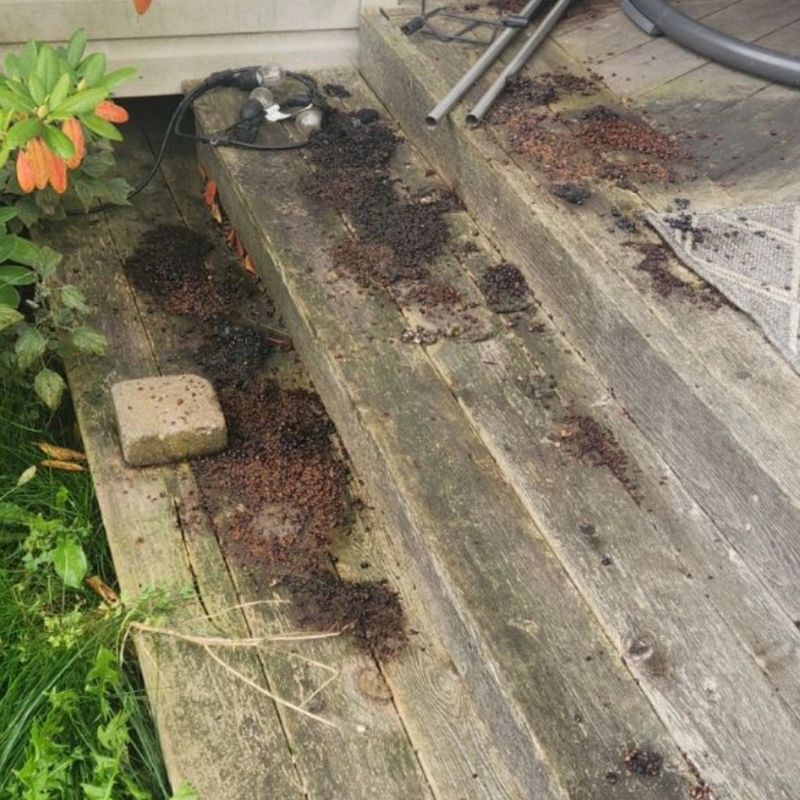
Raccoons are oddly tidy about one habit, choosing shared bathroom spots that wildlife experts call latrines. Several animals may return to the same flat surface for weeks, building up surprisingly large piles.
Common latrine spots include flat deck boards and the bases of large trees near a den site. Droppings are dark and tubular, often two to three inches long, with blunt ends and visible seeds.
Truth is, I mistook my first latrine for something left behind by a careless neighbor’s dog. Up close, the berry seeds and bits of corn gave away the true owner right away.
Raccoon latrines can carry eggs of raccoon roundworm, a parasite scientists call Baylisascaris procyonis, according to the CDC. Those microscopic eggs can survive in soil for years and may cause serious illness if swallowed.
Young children and pets face the most risk, since they often touch the ground and then their mouths. Keep kids and dogs away from any latrine area until it has been cleaned up properly.
If you clean it yourself, wear disposable gloves and a fitted N95 mask, then bag droppings carefully. Avoid sweeping dry droppings, and treat hard surfaces with boiling water afterward, as CDC guidance suggests.
Large or messy latrines are worth handing to a professional cleanup crew with proper safety gear. Your family’s health matters far more than saving a few dollars on this unpleasant weekend chore.
6. A Musky Smell Rising From Beneath The Deck Boards
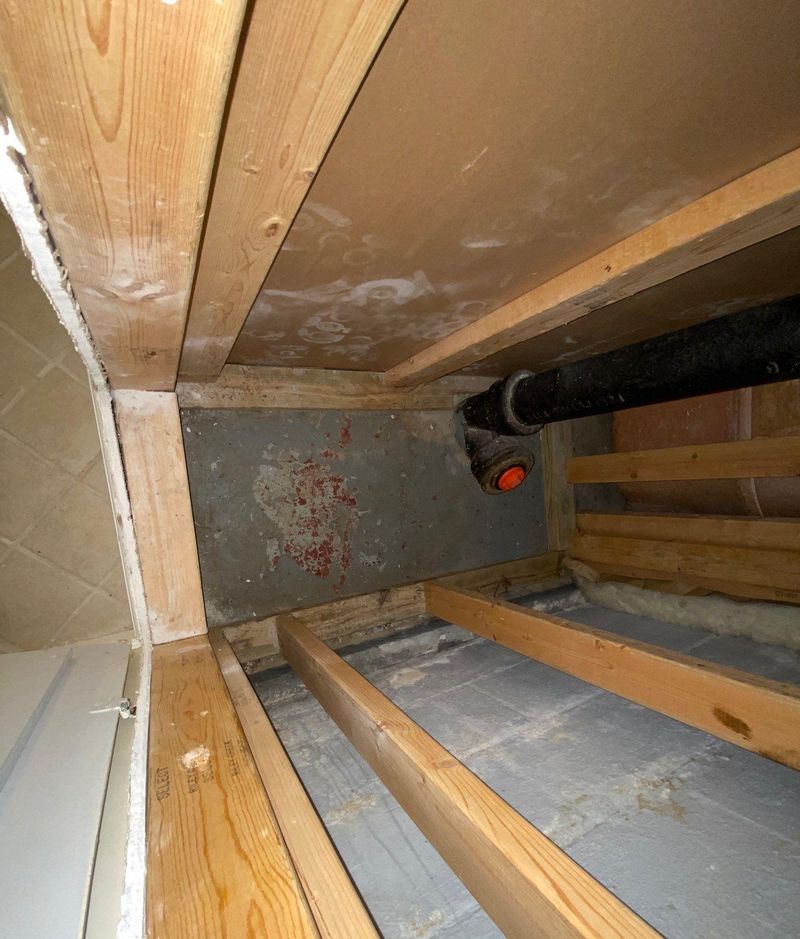
What gets me is that your nose sometimes notices raccoons long before your eyes spot one. A sour, musky smell drifting up through the deck boards on warm mornings is a big hint.
That odor usually comes from urine and droppings collecting in one hidden corner over several weeks. Ammonia notes get stronger after summer rain, when moisture lifts trapped smells into the air around you.
I used to blame damp leaves for the funk, but leaves smell earthy rather than sharp. Raccoon odor tends to linger in one spot, while rotting mulch smells spread more evenly across beds.
A sudden, sweeter and far nastier smell can signal an animal that crawled under there and passed away. Injured or sick wildlife sometimes hides in dark spaces, so that smell deserves quick and careful attention.
Ohio summers can be hot and humid, which makes any odor problem build faster than you’d expect. Shade under a low deck traps the stink, especially when skirting blocks the breeze on every side.
Removing the source matters most, because sprays only mask the smell for a little while. Once droppings or remains are gone, an enzyme cleaner breaks down lingering odor in the wood and soil.
Do not crawl under the deck to sniff around, since cornered raccoons can bite and scratch hard. A wildlife professional can check the space safely and tell you exactly what is causing the smell.
7. Tipped Trash Cans And Raided Pet Bowls

Guilty as charged, I once left the dog’s dinner bowl outside overnight and found it licked spotless. Scattered trash and an empty pet dish beside the deck often point to a neighbor living very close.
Raccoons have remarkably sensitive front paws, packed with nerve endings that help them feel and grab food. That sense of touch lets them pop loose lids and untie bags with impressive patience.
Torn bags and muddy paw smears on lids are classic evidence after a busy night of raiding. If raids happen night after night, the culprit is likely sleeping somewhere nearby, possibly under your deck.
Bird feeders also count, since raccoons happily climb poles and empty seed trays in minutes. Fallen apples and greasy grill drippings add even more temptation to a yard that already smells delicious.
Store trash cans in a garage or shed overnight, or use cans with locking lids. Strap-on latches or heavy-duty bungee cords work well when indoor storage simply is not an option.
Feed pets indoors whenever possible, and bring outdoor bowls inside before the sun goes down. Bring feeders in at night, or switch to baffles that stop climbing raccoons from reaching the seed.
Raccoons that lose easy meals often move on to search for better options elsewhere. Cutting off the buffet is one of the simplest ways to make your deck feel far less homey.
8. Masked Raccoon Faces Peeking Out At Dusk
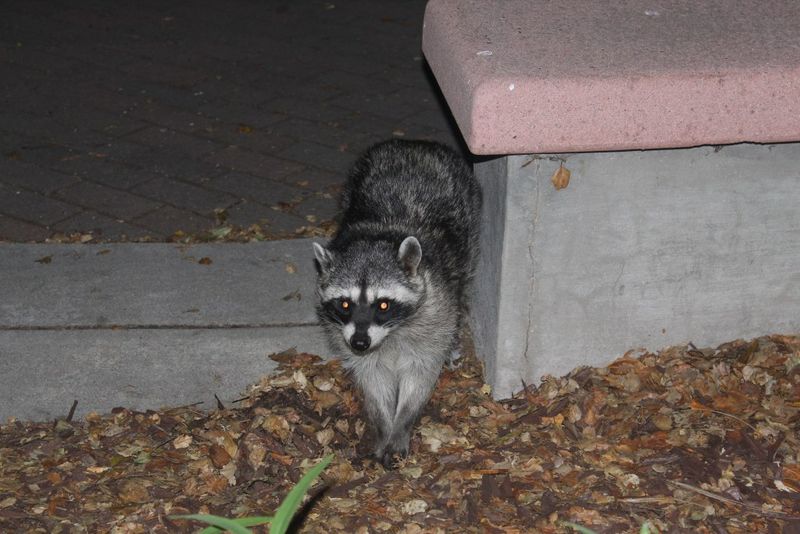
Few backyard moments feel stranger than locking eyes with a bandit mask poking out from under the deck. I didn’t expect a raccoon to stare back at me so calmly, as if I were the trespasser.
Raccoons usually head out around dusk and slip back home before dawn after a night of foraging. Watching the deck edge from a window during those hours is the easiest way to confirm a resident.
Daytime sightings are not automatically a red flag, since nursing mothers sometimes forage during daylight in spring. Odd behavior like stumbling or unusual tameness is a different story and deserves a call to local authorities.
Rabies and canine distemper can both affect raccoons in Ohio, so keep a respectful distance from them. Your local health department can advise you if an animal seems sick or acts aggressive.
For stronger proof, loosely stuff crumpled newspaper into the suspected opening during the middle of the day. If the paper is pushed aside by morning, something is clearly using that doorway at night.
Ohio rules limit relocating trapped raccoons, so hiring a professional wildlife control operator often makes sense. Those pros know humane eviction methods, like bright lights and noise, that encourage families to leave.
Seal the opening only after the paper test stays undisturbed for two or three nights. That patience protects any kits from getting separated, and it keeps your conscience clear too.