Why Foxes Start Screaming at Night in Ohio This Time of Year
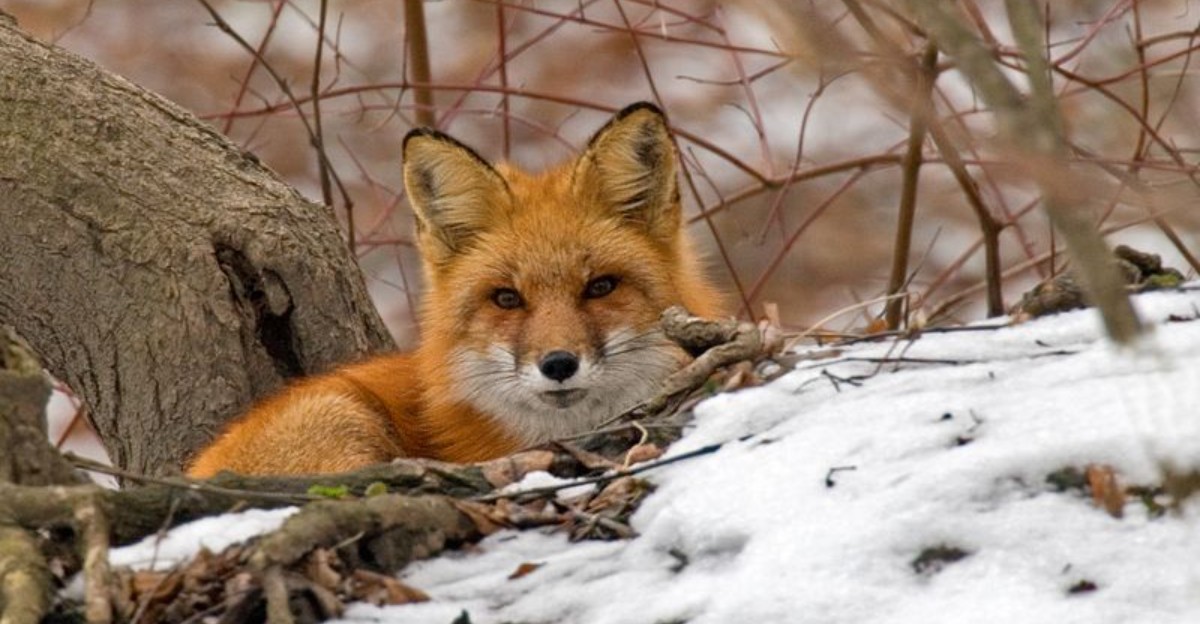
Some wild animals can shriek so much like a person that people have called the police over it. Wildlife experts hear about this every winter.
The sound is raw, high, and shaky, like someone yelling once in the dark and then going quiet. I still jump when I hear it near my compost pile, even though I know the culprit.
I find that a little funny.
Across Ohio, late fall into winter is prime time for these spooky solos. The noise peaks when the nights are longest and the garden is mostly asleep.
You might hear it for weeks, then suddenly it stops.
The animal behind those unsettling nighttime cries might be closer to your home than you realize. And there’s a fascinating reason its calls seem to come just as you’re drifting off to sleep.
1. That Backyard Shriek Has a Furry Red Source
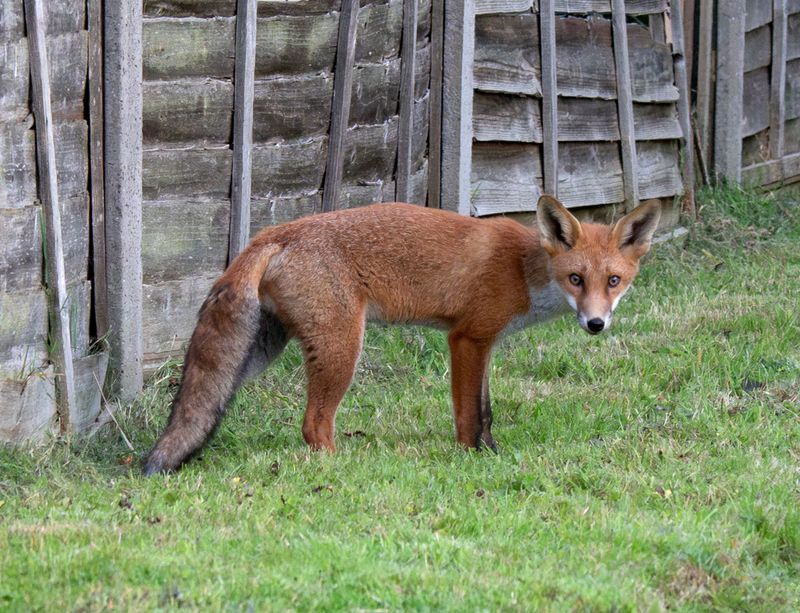
Most of those midnight screams come from red foxes, and they are not hurt or in trouble. The call is a normal part of how they talk to each other across the dark.
Biologists describe it as a loud, single, high-pitched yell that can sound eerily like a person in distress. Vixens, the female foxes, are famous for it, though males scream too.
The sound carries a long way on cold, still air, which is why it seems to fill the whole street.
I remember the first time I heard one behind my raised beds. My heart raced, and I grabbed a flashlight expecting the worst.
What I found was a slim red fox trotting along the fence line, looking calm and a bit annoyed at my light.
Gray foxes also live here, but they are quieter and stick closer to woods. In most neighborhoods, the red fox is the likely performer.
It thrives near farms, parks, cemeteries, and suburban edges.
Here is a helpful rule of thumb. A single loud scream, followed by silence or answering barks, usually points to a fox.
A long series of yips and howls from a group often points to coyotes instead. Learning that difference saves a lot of worry.
2. Fox Courtship Season Turns Up the Volume in Winter
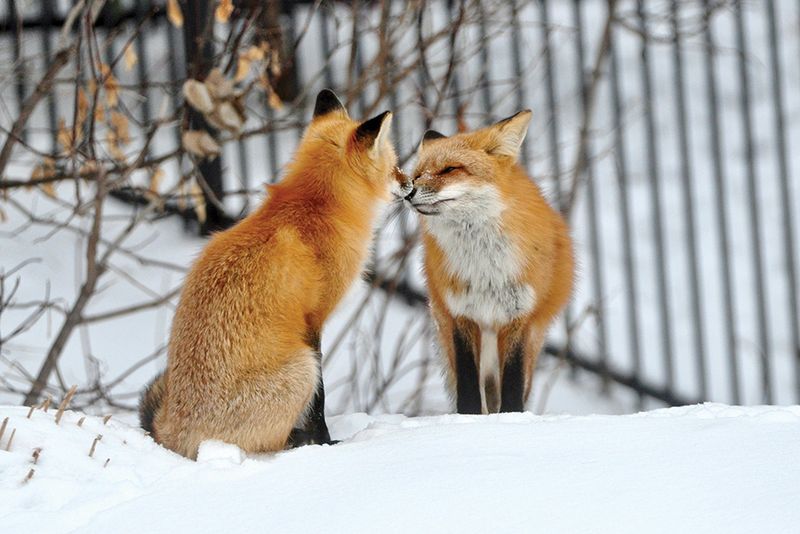
Love is the main reason for all this noise. Red foxes in Ohio breed mostly in January and February, and the courtship chatter starts building in late fall.
According to the Ohio Department of Natural Resources, kits are usually born in March or April after a pregnancy of about 52 days. So the screaming you hear in the coldest weeks lines up neatly with that calendar.
Gray foxes run a little later, often breeding from late winter into early spring.
During this stretch, a vixen uses screams to let males know where she is. Males answer with barks and their own calls as they track her down.
Pairs that formed earlier may call to stay in touch across their home range.
Think of it as a very loud dating app with no mute button. Once breeding wraps up, things get much quieter.
Families then settle into dens to raise kits.
For gardeners, this timing matters. If you hear screams in December or January, you are likely hearing courtship rather than conflict.
By late March, a quiet yard might mean a den is nearby, so give brushy corners and woodpiles some space for a while.
3. Those Fox Calls Also Draw Property Lines in the Dark
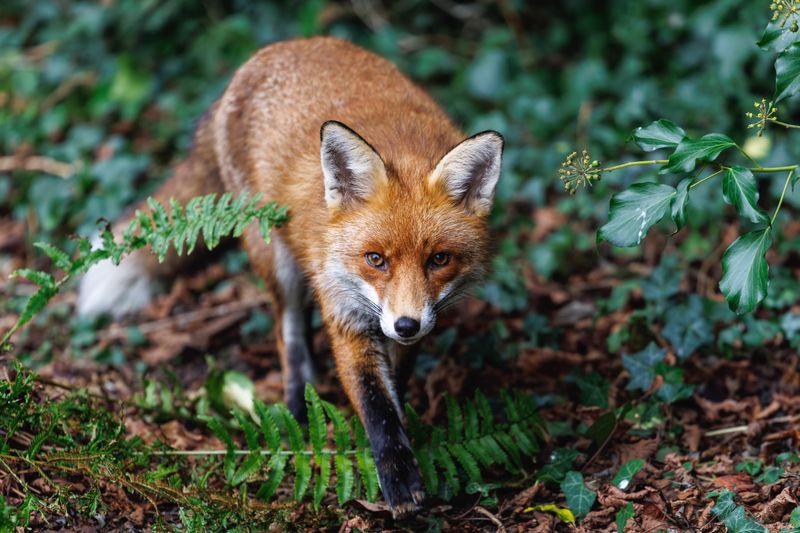
Romance is only half the story. Foxes also use loud calls to say, in plain fox terms, this patch is taken.
Red foxes hold home ranges that they defend from outsiders. A scream or long bark announces that a resident is around.
Rivals can hear the message from far away and choose to steer clear, which helps avoid a real scuffle.
Fall adds extra pressure. Young foxes born the previous spring leave home in autumn to find their own turf.
Some travel many miles, and they often bump into adults who already own a neighborhood. More travelers usually means more calls.
I like to think of it as foxes yelling across the fence instead of fighting over it. Honestly, that seems pretty smart.
Foxes back up their calls with scent marking too. You may notice a sharp, musky odor near fence posts, rocks, or garden edges in winter.
That smell is part of the same boundary system.
So if your yard sits between open fields, a creek, or a wooded strip, it may land right on a border. That location helps explain why some homes hear screams night after night while others nearby hear almost nothing.
4. Barks, Gekkers, and Other Strange Fox Sounds You Might Hear
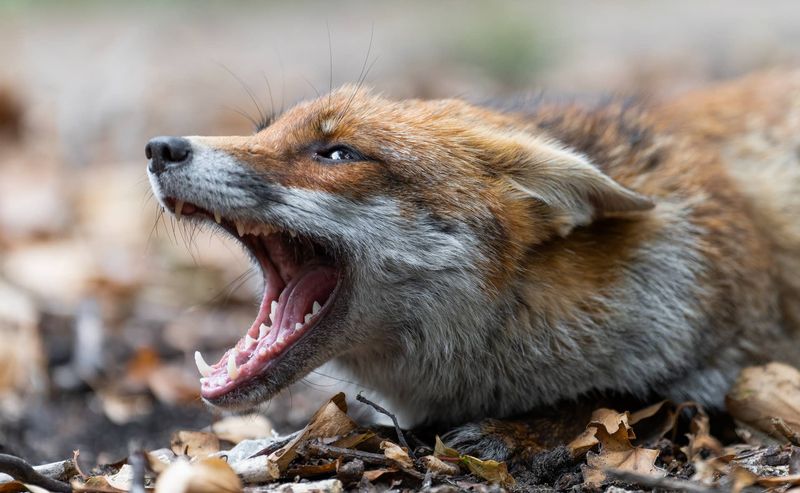
Screams get the headlines, but foxes have a surprisingly big vocabulary. Researchers have described many distinct fox calls, each with its own job.
The bark is a short, sharp yap, often given in a series. Foxes use it to keep track of each other or to flag something odd, like a dog or a person nearby.
It can sound a bit like a small, hoarse dog.
Gekkering is my favorite to hear. It is a rapid, stuttering chatter that sounds almost like a machine clicking.
Foxes make it during close face-offs, playful wrestling among kits, or tense moments between rivals.
There is also a wavering call some people describe as a wow or ow sound. It travels well and helps foxes check in or warn others.
In spring, you may catch soft whines and whimpers near a den as a mother talks to her kits.
Fun fact: kits start making simple sounds within weeks of birth, and they practice play-fighting noises early.
Try recording sounds on your phone when you hear them. Comparing your clip with recordings from wildlife groups or nature apps can help you tell a fox from an owl, a coyote, or a neighbor’s cat.
5. Gray Foxes Climb Trees and Keep Quieter in Wooded Ohio

Ohio actually has two native foxes, and only one of them is a regular screamer. Meet the gray fox’s surprising talent first.
It can climb trees, which is rare for a member of the dog family.
Gray foxes have curved claws and flexible wrists that let them scramble up trunks to escape danger or grab a snack. They prefer thick woods, brushy ravines, and rugged hill country.
Southeastern and eastern Ohio, with more forest cover, suit them well.
You can spot the difference by color. A red fox has a rusty coat, dark legs that look like socks, and a white tail tip.
A gray fox looks salt-and-pepper with reddish sides and a black stripe down the tail ending in a black tip.
Gray foxes do vocalize, mostly with barks and growls, but their screams are less famous. Wildlife officials have noted that gray foxes are less common in Ohio than red foxes.
So if you live near deep woods, a night call could come from either species. In open suburbs and farm edges, the red fox is the safer bet.
Either way, both are normal residents and part of a healthy local ecosystem.
6. A Screaming Fox Is Rarely a Sick Fox
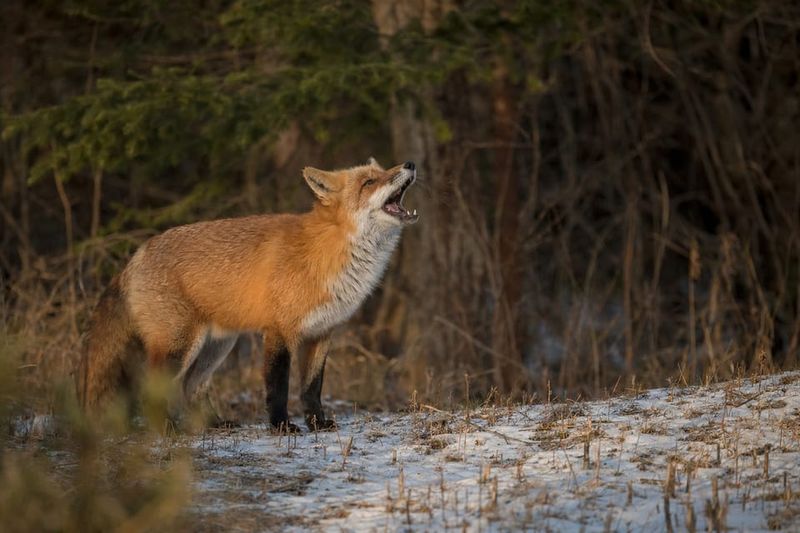
A lot of people worry that a screaming fox must have rabies. In reality, the scream alone is not a warning sign of illness.
Healthy foxes call loudly during breeding season, and that is the main reason you hear them. Seeing a fox during daylight is also normal.
They sometimes hunt by day, especially when feeding kits in spring.
What matters more is behavior. Watch for a fox that stumbles, circles, seems confused, acts unusually tame, or approaches people and pets without fear.
Mange is another issue to watch, showing up as patchy hair loss and crusty skin, which can be severe in cold weather.
If a fox acts strangely, keep your distance and bring pets inside. Contact your county health department or the Ohio Department of Natural Resources Division of Wildlife for guidance.
Avoid trying to catch or treat a wild animal yourself.
Make sure your dogs and cats stay current on rabies shots, which is wise for any pet owner. That one step gives you much more peace of mind than any sound in the night.
Most of the time, though, the fox you hear is simply busy, healthy, and very loud.
7. Your Garden Snacks Might Be Inviting Night Visitors
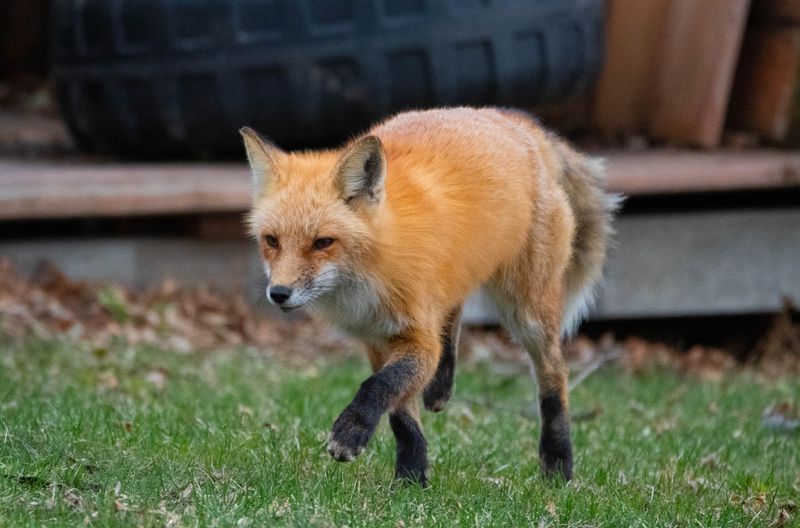
Foxes go where the food is, and gardens can be a buffet. Spilled bird seed draws mice and voles, and those rodents draw foxes.
Honestly, that rodent control is a perk. A single fox can eat a lot of mice over a year, which helps protect bulbs, roots, and stored seed.
I am happy to let a fox patrol my vegetable beds in exchange for fewer chewed tulip bulbs.
Still, you can avoid trouble by tidying a few things. Use compost bins with lids, and skip tossing meat or dairy into open piles.
Bring pet food inside at night, and secure trash cans with tight lids or straps.
Chickens need a sturdy coop with hardware cloth, not chicken wire, plus a buried apron to block digging. Close the coop every evening before dark.
That step does more than any scare tactic.
Feeding foxes on purpose is a bad idea. It teaches them to lose their fear of people and can lead to bold behavior around pets.
A clean yard does not mean zero foxes. It just keeps visits short, natural, and less noisy right outside your bedroom window.
8. Living Peacefully With Your Neighborhood Foxes This Winter
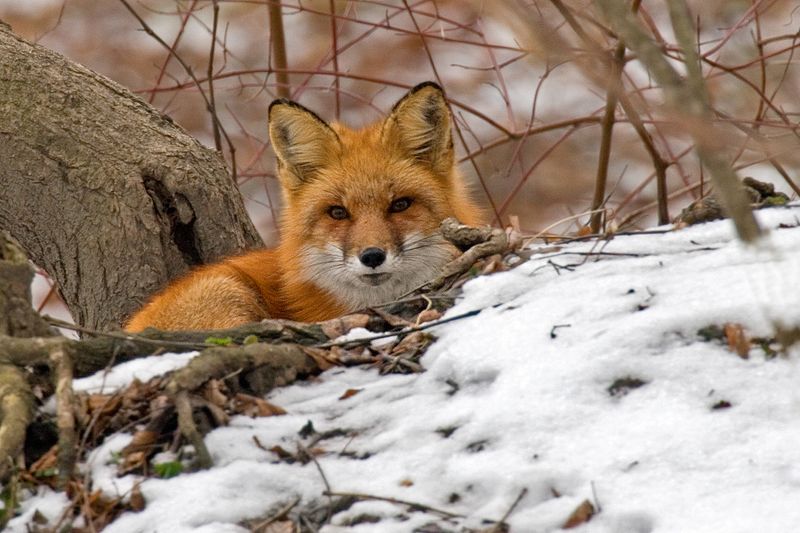
Earplugs help, but understanding helps more. Once you know the screams mean courtship and boundaries, the nights feel a lot less creepy.
Foxes are a protected game species in Ohio, with regulated hunting and trapping seasons. Homeowners dealing with real damage should check ODNR rules or call a licensed wildlife control operator.
Moving foxes yourself is not allowed without the proper permissions, and relocating wildlife often causes more problems.
For noise, gentle steps work best. Motion lights, closed sheds, and blocked gaps under decks reduce reasons to linger close to the house.
If a den shows up in spring, mild harassment like noise or scent may encourage a move once kits are old enough to travel.
Most screaming fades by early spring when breeding ends. A quiet March usually means the family is busy raising kits.
I have come to enjoy that wild soundtrack as a sign my yard supports real wildlife. It means there are rodents, cover, and space enough for a predator to thrive nearby.
Next time a shriek cuts through the cold air, smile, roll over, and maybe jot the date in your garden journal. You are hearing one of winter’s oldest love songs.