5 Fig Pruning Cuts Virginia Gardeners Rely On for More Fruit (and 4 Mistakes to Avoid)
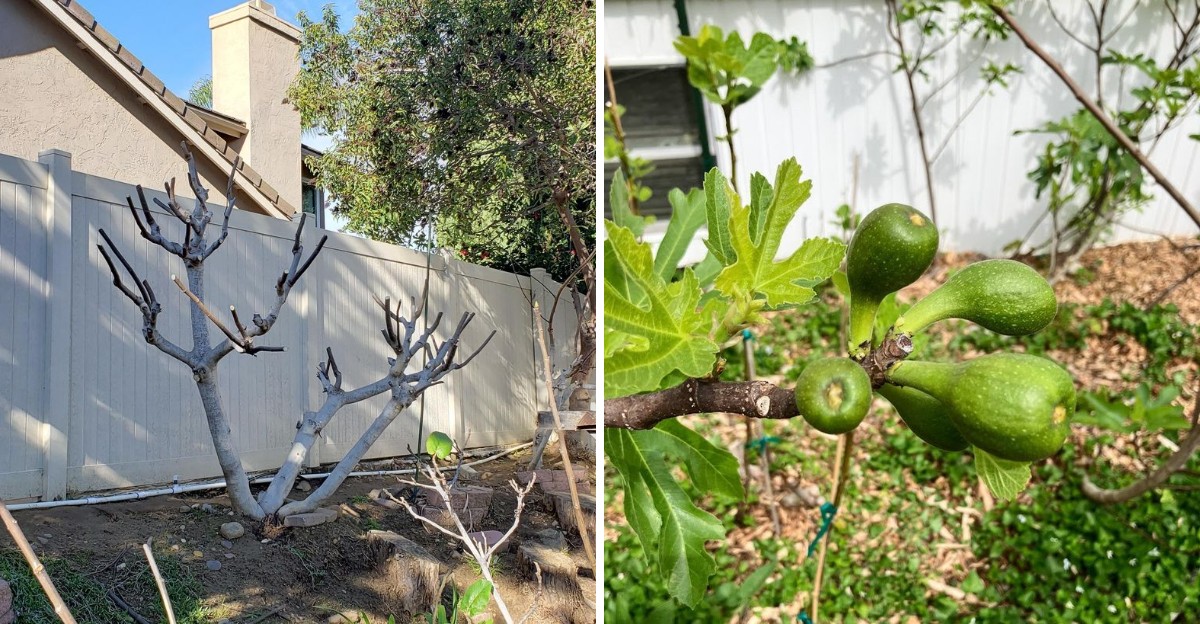
One careless snip in late winter can quietly erase an entire early summer harvest before a single leaf appears. These trees carry their first crop on last year’s wood, so every branch you remove holds hidden promise.
The sap is another surprise, since cut stems ooze a milky latex that can irritate bare skin on sunny days.
Across Virginia, gardeners also juggle cold winters that can nip tender tips back to the ground some years.
I have to admit my first pruning season looked more like a haircut gone wrong than careful gardening. You might notice the same thing I did, where bold cuts brought tons of leaves and very little fruit.
Smart cuts I learned from experienced growers turned my leafy jungle into a tree that feeds the whole family each summer.
The right pruning choices can protect your sweetest harvest, while a few common mistakes could cost you an entire early crop.
1. Thinning Cuts Open Up A Crowded Fig Canopy
Sunlight is the secret ingredient in every sweet fig, and crowded branches hog it like teenagers hogging a mirror.
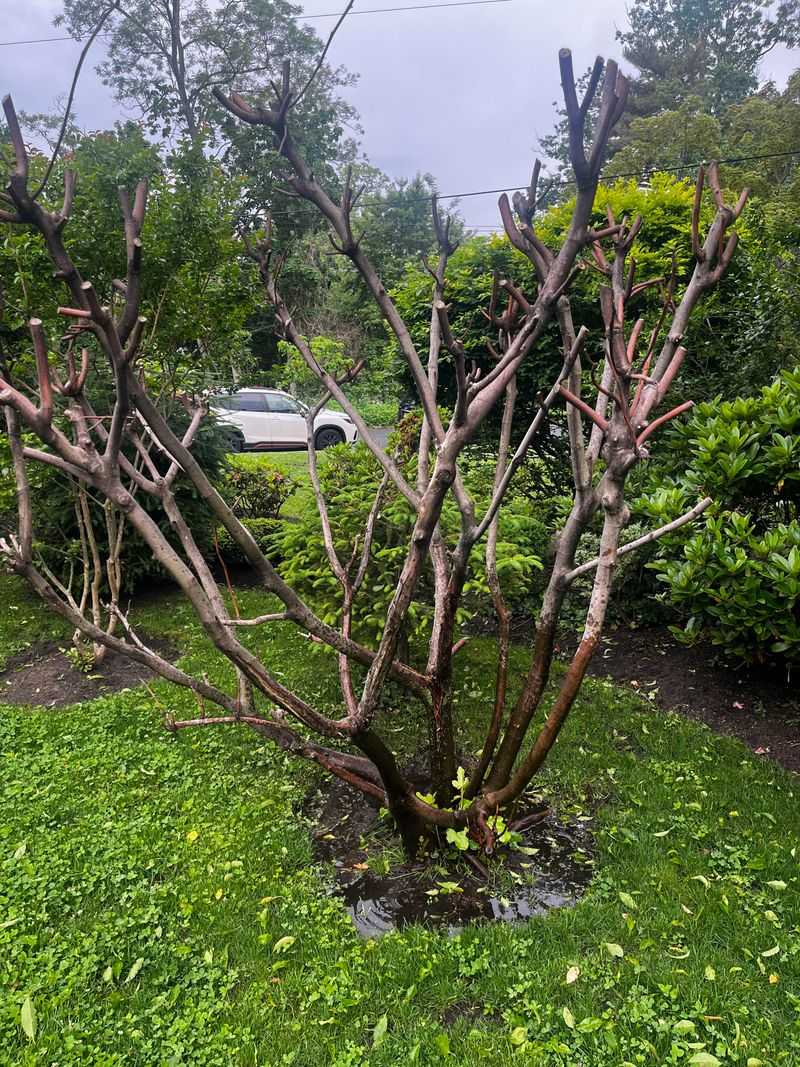
A thinning cut removes a whole branch back to its starting point, which opens the canopy without sparking regrowth.
I love how one or two thinning cuts change the whole feel of a tree in minutes. Suddenly you can see through the middle, and light reaches fruit that once hid in shade.
Start with branches that cross each other or rub together, since rubbing bark creates wounds for pests and rot. Next, look for shoots growing inward toward the center, because they mostly shade the better branches around them.
Better airflow matters in humid Virginia summers, when fig rust can spot leaves and drop them early.
Leaves that dry quickly after a thunderstorm give that fungus fewer chances to settle in and spread.
Make each cut just outside the slight bulge where the branch meets its parent limb or the main trunk. Sharp pruners handle thin stems, and a small saw works better on anything thicker than your thumb.
Personally, I step back after every few cuts and walk around the tree before deciding on the next one. Patience keeps you from removing a branch that looked messy but carried plenty of fruit buds.
2. Snip Away Fig Suckers At The Base
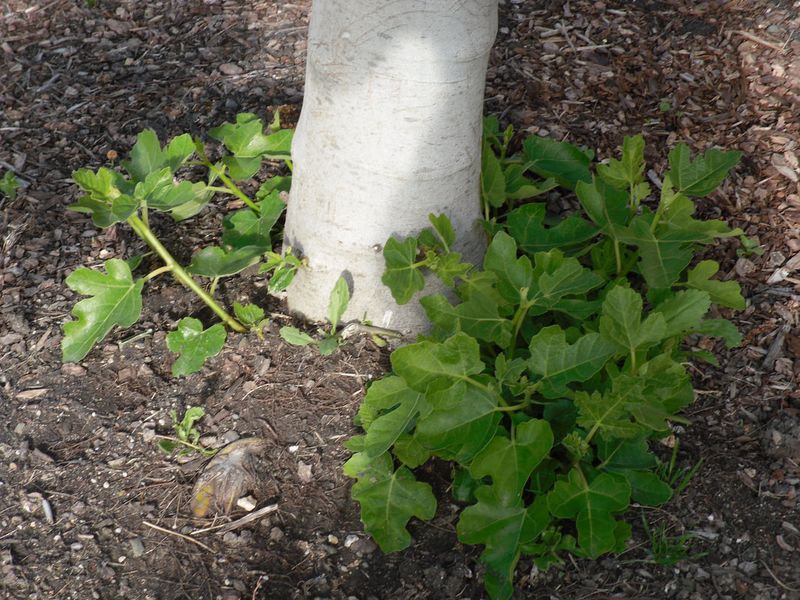
Fig trees love to send up surprise shoots from the roots, almost like they are planning a backup tree. Those eager sprouts, called suckers, pull water and energy away from the branches that actually carry your fruit.
In colder parts of Virginia, a few suckers can be handy insurance if winter knocks the top back hard.
Many growers keep two or three strong ones and remove the rest, which balances safety with good fruiting.
Most of the time, though, extra suckers just turn a tidy tree into a crowded thicket of skinny stems. Crowded stems compete for light, so you end up with lots of leaves and fewer ripe figs.
I like to check the base of my tree every few weeks from late spring through summer. Young suckers are soft and green then, so a quick snip with clean pruners handles them in seconds.
Cut each one as close to its starting point as you can, pulling back soil gently if needed. Leaving short stubs often invites a fresh cluster of shoots, which means more work for you later.
Wear gloves and long sleeves for this job, since the milky sap can irritate skin for some people. Rinse any sap away with soap and water, especially before you spend time out in bright sunshine.
Those removed suckers make easy rooting projects if you want extra trees for friends or neighbors.
3. Cut Winter Damaged Fig Branches Back To Green Wood
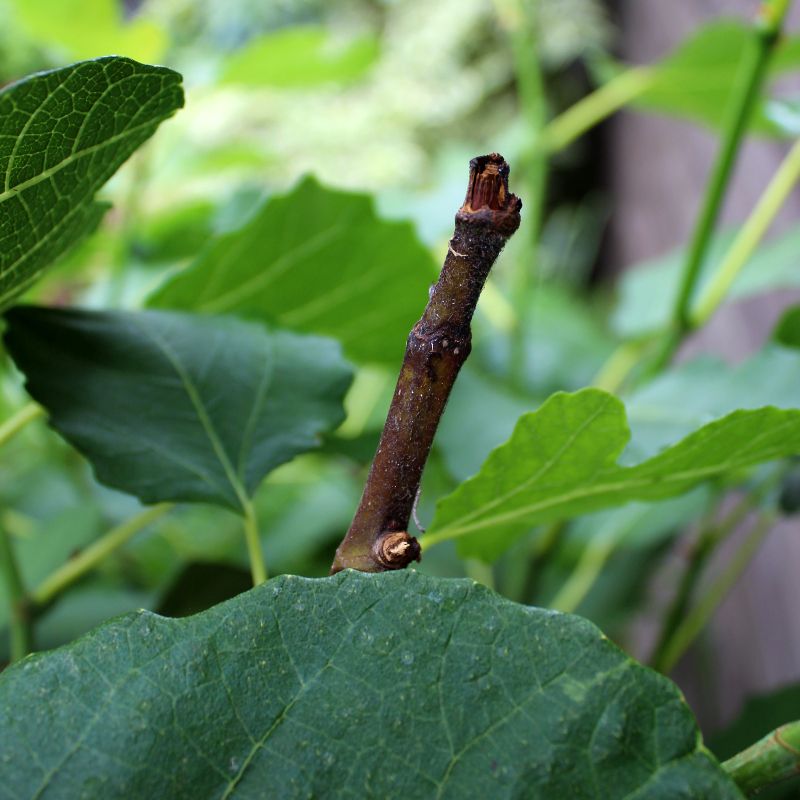
Late winter can reveal a sad sight, with gray branch tips that snap like old pretzel sticks.
Fig wood often suffers when temperatures plunge into single digits, and the damage shows up once spring arrives.
You need to wait before cutting, because buds can push out lower on stems that look rough at first. I usually hold off until new growth starts in spring, which makes the healthy wood easy to spot.
A quick scratch test helps when you are unsure about a branch and want a clear answer. Scrape a tiny bit of bark with your thumbnail, and green tissue underneath means that section is still alive.
Brown, dry tissue means the stem has given up, so trace it downward until you find green again. Make your cut just above a healthy bud or side branch, angled slightly so rain runs off.
Sometimes a harsh winter knocks a fig back to the ground, which feels heartbreaking for any gardener. Roots often survive, though, and they can send up vigorous new shoots that fruit on the main crop.
Varieties like Celeste and Chicago Hardy have earned fans for bouncing back after rough winters in colder spots. Those types still produce a main crop on new wood, so a short tree can still feed you.
Wipe your blades with a disinfectant between trees, since damaged wood sometimes carries fungi you do not want spreading.
4. Pinch Fig Shoot Tips In Early Summer
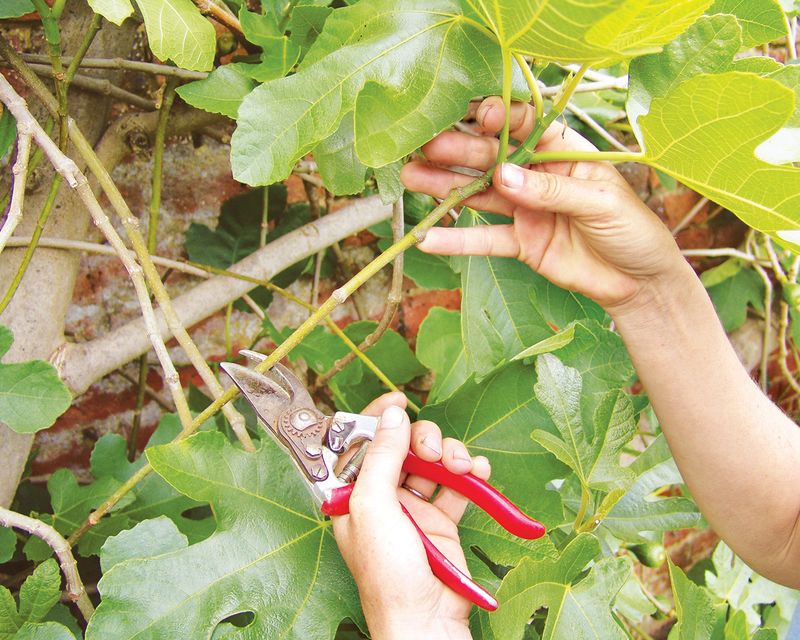
Your thumb and finger might be the most underrated pruning tools in the whole garden shed. Pinching means nipping off the soft tip of a growing shoot, and it takes about two seconds per stem.
Growers often pinch in early summer, once new shoots have stretched out and grown about five or six leaves.
Removing that tip slows upward growth and nudges the branch to push energy into side shoots and fruit.
Figs grow their main crop on new wood, so more side branches can mean more spots for fruit. I believe this tiny move gives the best reward for the least effort of any job on the list.
Pinching also helps keep a vigorous tree at a reachable height, which saves your back at harvest time. You can enjoy figs from the ground instead of balancing on a wobbly ladder in July heat.
Some gardeners in shorter-season areas pinch to help figs ripen before cooler fall weather slows everything down. That timing matters in mountain valleys, where frost can arrive while green fruit still hangs on the branches.
Avoid pinching late in summer, because fresh growth needs time to harden before the first cold snap.
Soft shoots that form in September rarely toughen up enough to handle a frosty night in late fall.
5. Heading Cuts Shape A Young Fig Bush
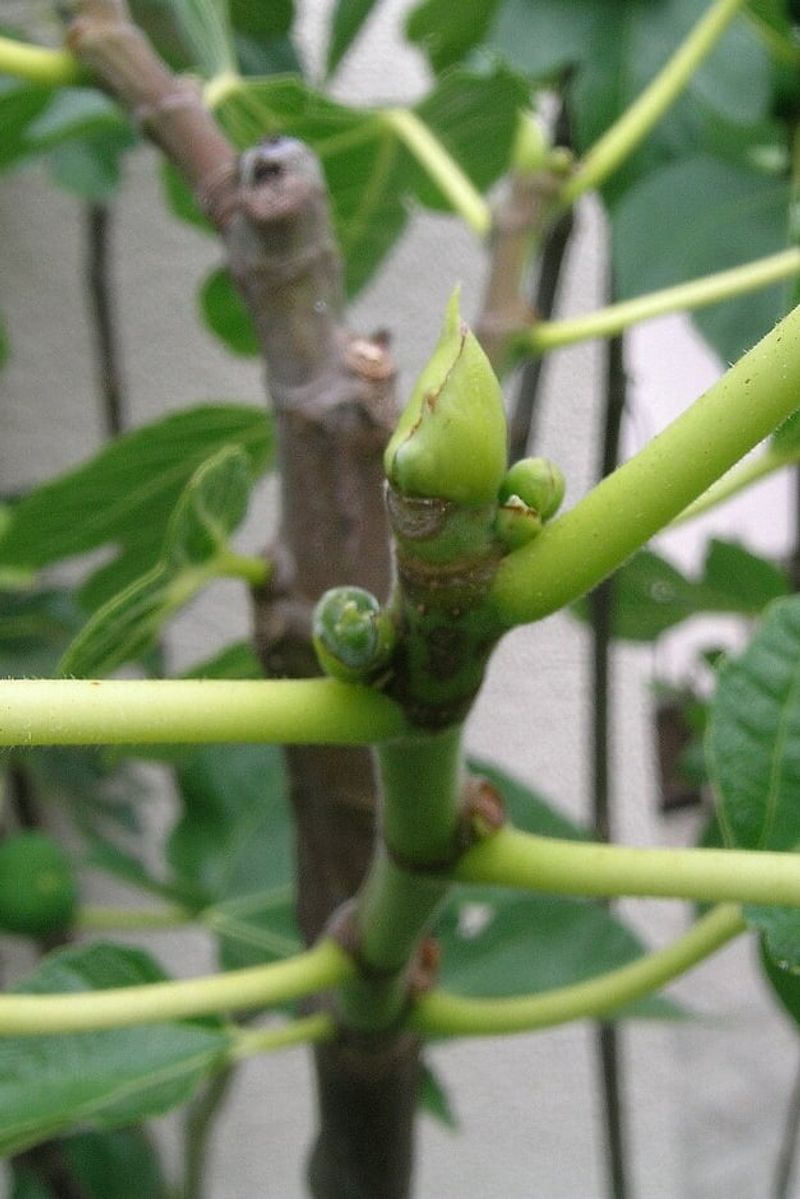
A young fig tree with one skinny stem looks a bit like a broom handle waiting for instructions. Heading cuts give those instructions by shortening a stem, which wakes up buds just below the cut.
Many growers in Virginia prefer a bushy fig with several trunks, since one frozen stem does not ruin everything.
A heading cut on a first-year plant, about knee high, often encourages several sturdy shoots.
Choose the spot carefully, cutting about a quarter inch above an outward-facing bud whenever possible. New growth follows the direction of that bud, so you steer branches away from the crowded center.
I have to admit heading cuts feel powerful, and that power can tempt you into overusing them. On mature trees, heavy heading often triggers a forest of tall shoots that fruit poorly for a while.
Use them mostly in the first two or three years while you build the basic framework. After that, thinning cuts do most of the work, and heading cuts become occasional touch-ups for height.
Lowering a tall branch to a strong side shoot is a gentle middle ground many gardeners appreciate. That move controls height without leaving a stubby end that sprouts a messy cluster of water sprouts.
Time these cuts for late winter, just before buds swell, so the tree responds with energy in spring.
6. Stripping Every Old Fig Branch Steals The Breba Crop
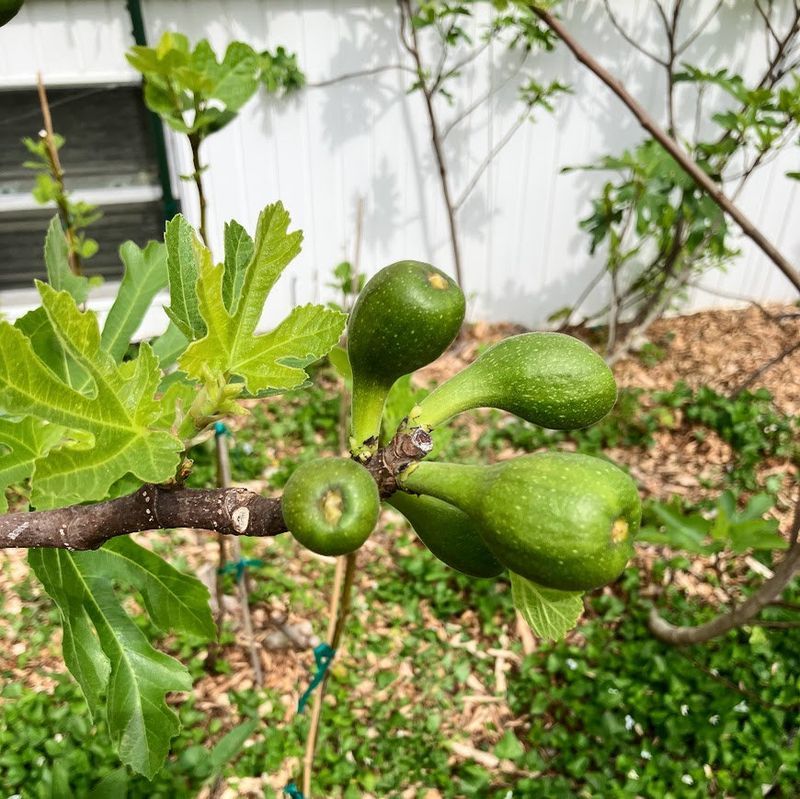
Many fig trees produce two harvests, and the first one hides on branches you might be tempted to remove. That early crop, called the breba crop, grows from buds that formed on last summer’s wood.
Strip every older branch during winter, and you can wave goodbye to those June figs before they even start.
Brebas usually ripen in early summer, weeks before the main crop arrives on new growth later on.
Not every variety makes a big breba crop, so check what you grow before planning your cuts. Varieties such as Brown Turkey often set brebas, while others put most effort into the later harvest.
Cold winters in parts of Virginia can freeze breba buds anyway, which makes protecting those branches even trickier. Still, mild winters along the coast often let them survive, and that early treat feels like a bonus.
Personally, I treat older wood like a savings account that I only spend from in small amounts. Thin out crowded or damaged branches, but leave plenty of healthy ones spread around the tree.
Look for small green nubs near branch tips in late winter, because those are often future breba figs. Cutting just above them, or skipping those branches, keeps that early crop safe for summer picking.
Balance is the goal, with enough old wood for brebas and enough room for strong new shoots.
7. Flush Cuts Remove The Fig Branch Collar
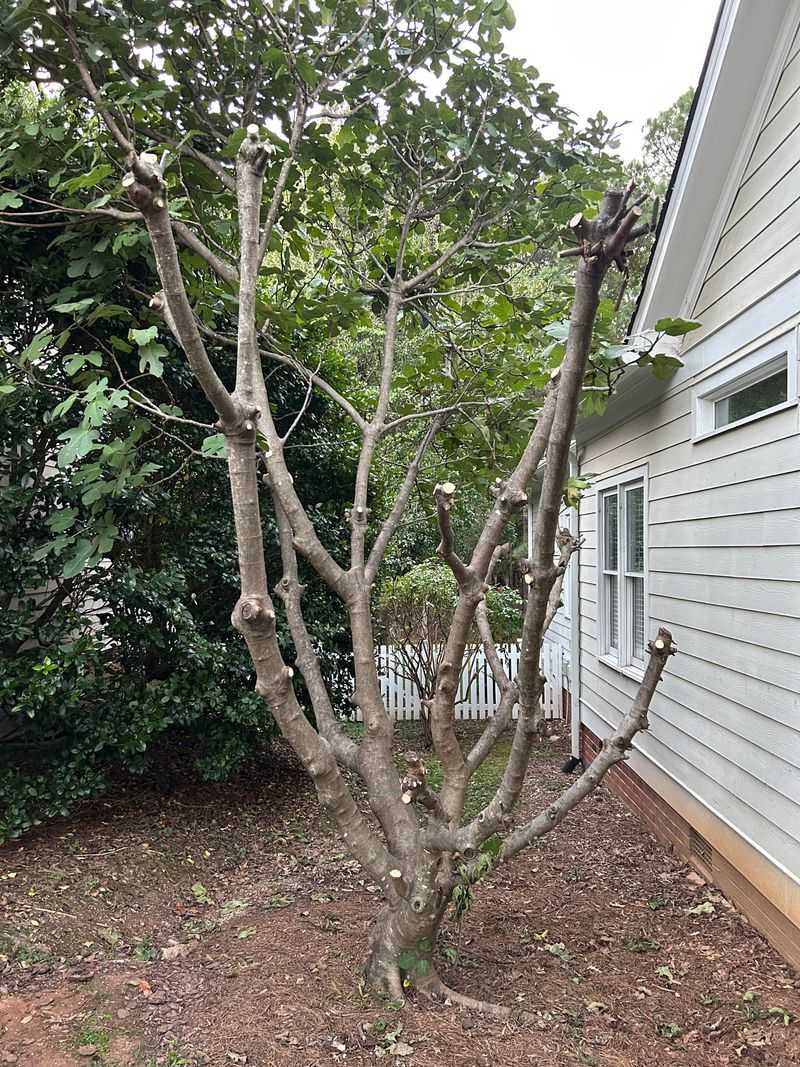
Slicing a branch flat against the trunk looks tidy, yet trees heal best with a tiny ridge left behind. That swollen ring at the base of each branch is called the branch collar, and it matters a lot.
Cells inside the collar help the tree seal off a wound and grow fresh tissue over the cut.
Remove that collar with a flush cut, and the wound often stays open longer and invites decay.
Long stubs cause trouble too, since they cannot heal over and often rot back toward the trunk. The sweet spot sits just outside the collar, where the bark ridge and swelling end on the branch.
For branches thicker than an inch or two, I rely on a three-cut method to prevent tearing. Make a small undercut first, then remove most of the branch with a top cut a bit farther out.
Finish with a final clean cut just outside the collar, holding the stub so it does not rip loose. Torn bark peels down the trunk and creates a much larger wound than the one you planned.
Skip the wound paint or sealer, since extension experts say trees usually seal cuts better on their own. Covering a wound can trap moisture underneath, which may actually help decay organisms get a head start.
Sharp tools make all the difference, because ragged edges heal slower than smooth ones on any tree.
8. Pruning Figs At The Wrong Time Of Year
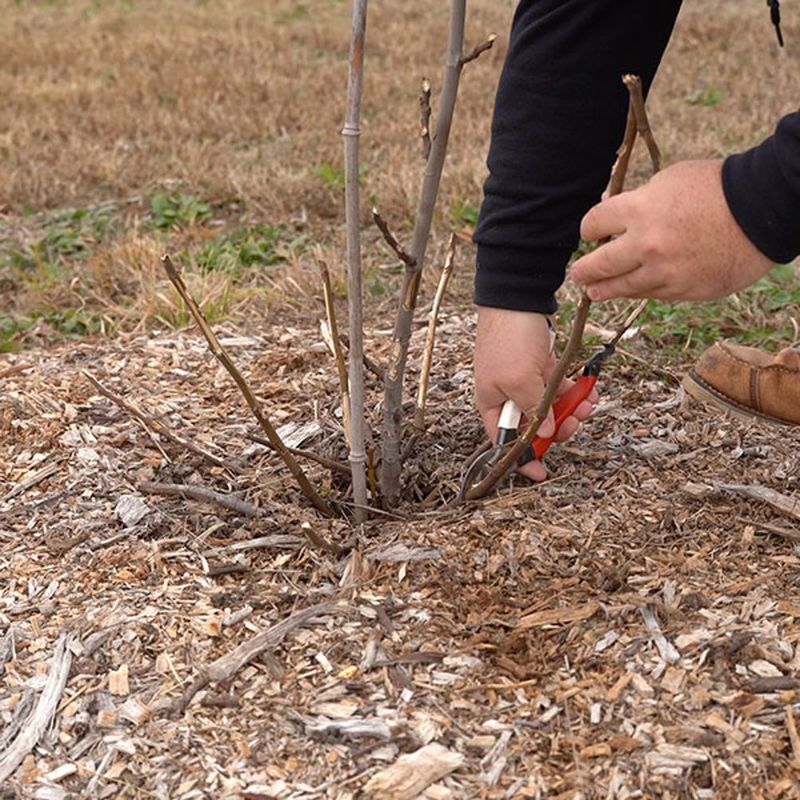
Prune at the wrong moment, and that milky sap can run like a leaky faucet from every fresh cut. Fig trees break dormancy late in spring, which gives gardeners a handy window for safe pruning.
Late fall pruning is a common slip, since cuts can spark new growth right before freezing weather arrives.
Those tender shoots have no time to harden, so winter often damages them along with nearby wood.
Fresh cuts in fall also leave open wounds through the coldest months, which can stress an already chilly tree. Waiting lets the tree show you exactly what survived, so you skip guessing and wasting good branches.
For most of Virginia, late February through March works well for main pruning, before buds begin to swell. Colder western valleys may need to wait a few extra weeks until the hardest freezes have passed.
Pruning after leaves fully open is not a disaster, but the tree loses stored energy it already spent. Big cuts in late spring can also bleed more sap and slow down the season’s fruit set.
Summer is fine for light work, like pinching tips or removing a broken branch after a storm. Save heavy shaping for the dormant season, when you can clearly see every branch without leaves blocking the view.
I mark my calendar each year with a reminder to check the forecast before pulling out my pruners.
9. Taking Too Much Off A Fig Tree At Once
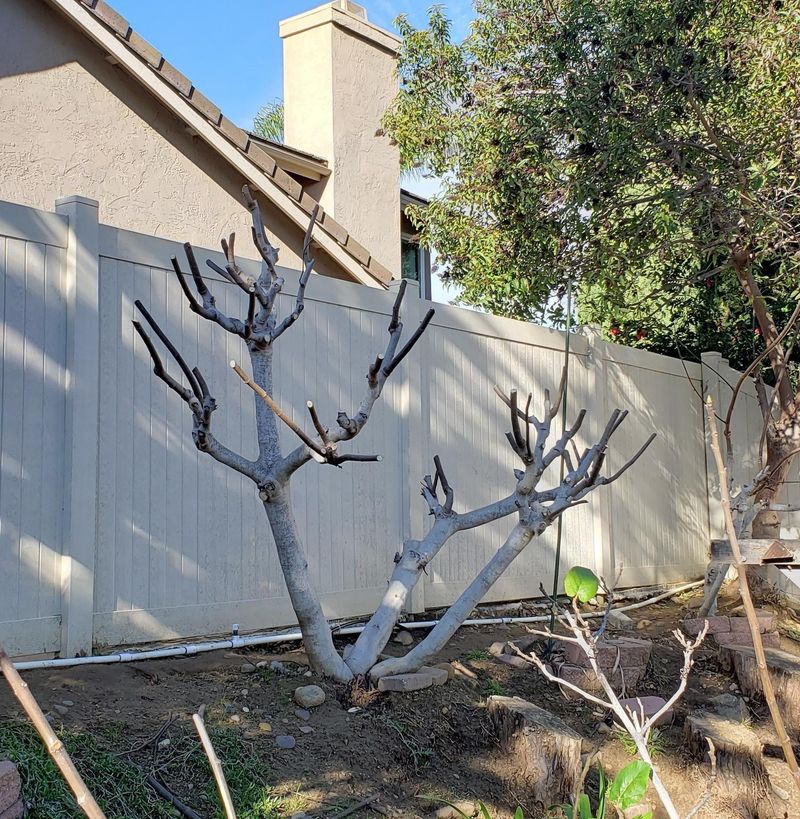
Grabbing the loppers and hacking a fig tree in half feels satisfying for about five minutes, then regret arrives. Removing more than about one third of the canopy in one season often sends the tree into a panic.
Heavy cuts throw off the balance between roots and branches, so the tree rushes to replace lost leaves.
That rush shows up as tall, leafy water sprouts that rarely carry much fruit the first year.
You might notice the tree looks lush by midsummer, yet the harvest comes up short and late. Energy that should have gone into ripening figs went into rebuilding branches you removed back in winter.
My favorite approach spreads big changes over two or three years, trimming a little more each winter. An overgrown fig slowly shrinks to a friendly size while still giving you a solid crop each summer.
Start each session with the most obvious problems, like broken or crossing branches, then pause and look again. Often the tree already looks much better, and you can stop well before reaching that one third limit.
Renovating a badly neglected fig sometimes requires harder cuts, and that choice is okay when done on purpose. Just expect a lighter harvest that year, and keep watering steady so new growth stays strong and healthy.
Moderate yearly pruning keeps the tree calm and productive, which makes your job easier every single season.