7 Winter Birds Likely To Visit California Feeders This Season
A sparrow that nests in Alaska spends its winters hopping under backyard shrubs along the California coast. Its wistful three-note whistle sounds a lot like someone sighing, and birders hear it steadily all season long.
Out West, the colder months often bring more feeder visitors than summer does. Northern travelers pour south into our milder valleys, while hardy locals stay put and get a little hungrier.
Few things beat watching a quiet yard come to life the moment the seed tray gets refilled each morning. A clean feeder and a shallow dish of fresh water can turn your patio into a busy winter diner.
Seven regulars deserve a spot on your California watch list, and a couple might surprise you. Which feathered guest will find your feeder first when the weather turns chilly?
1. Dark-Eyed Juncos Hopping Under The Feeder
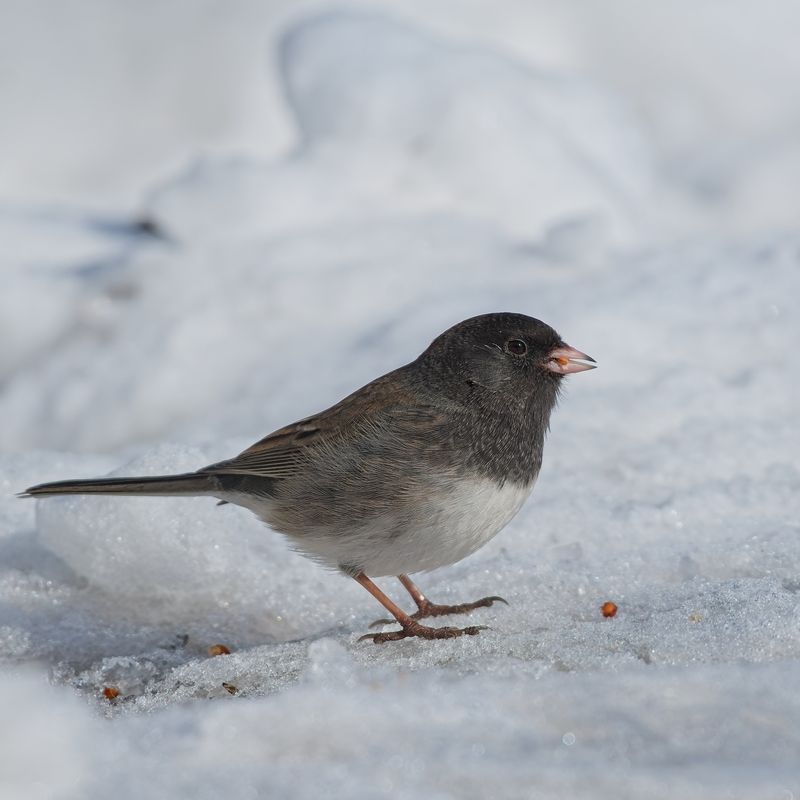
Flashes of white tail feathers zipping low across the lawn usually mean the juncos have returned for winter. Their dark hoods and pink bills make them look like tiny monks in neat little gray robes.
Most local juncos belong to the Oregon form, showing a blackish hood above warm, rusty brown sides. Many breed up in mountain forests, then drift downslope when snow starts covering their usual food.
You will rarely catch them hanging from a tube feeder, because juncos much prefer eating on the ground. They hop around beneath feeders, picking up fallen seed that messier birds knock loose from above.
I like scattering white proso millet on a low platform tray set a few feet from shrubs. That nearby cover gives them a quick escape route when a hawk or neighborhood cat wanders by.
Watch closely and you may notice their funny double-scratch, a quick hop that kicks back both feet together. The move flips leaf litter aside and uncovers seeds hiding underneath, so leave some fallen leaves alone.
Juncos usually travel in small winter flocks, and each bird seems to know its place in the pecking order. Dominant birds chase others off the best spots, which creates surprisingly entertaining drama around the tray each morning.
Leaving native bunchgrasses and spent sunflower heads standing gives juncos natural seed to pick through all winter. When spring arrives, many will head back uphill, so enjoy these cheerful little visitors while they linger.
2. Golden-Crowned Sparrows Back From Alaska
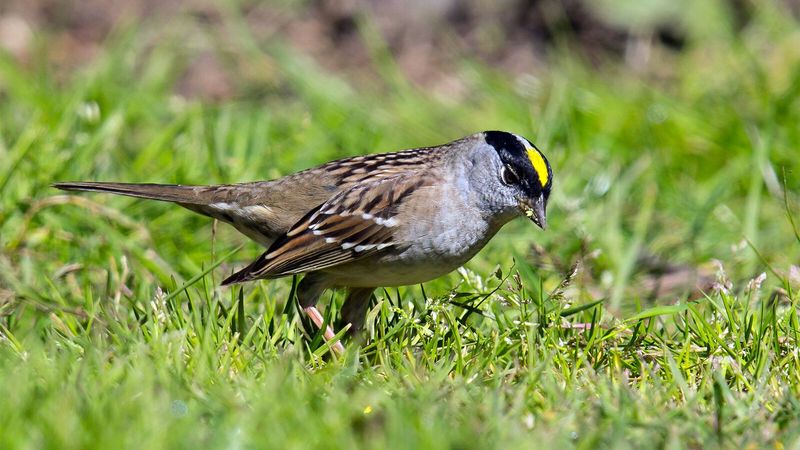
Every fall, a chunky sparrow with a yellow forehead stripe arrives from Alaska and western Canada to spend the winter. Its mournful song, often remembered as oh dear me, drifts out of the shrubs on gray mornings.
Golden-crowned Sparrows nest in high-latitude scrub and spend the cold months mostly along the Pacific Coast. Gardens in California sit right in the heart of their winter range, which makes them a familiar sight.
What I find interesting is how loyal they are, since banded birds often return to the same yard each winter. So the sparrow under your bush this season could easily be last year’s guest coming back.
These birds feed mostly on the ground, where they gobble seeds and nibble tender buds and green sprouts. Gardeners sometimes catch them snacking on young lettuce, so a little netting over seedlings can help.
At the feeder, millet and black oil sunflower seed scattered on a ground tray work beautifully. They also share space with White-crowned Sparrows and juncos, forming mixed flocks that move through yards together.
In winter plumage, the gold patch can look a bit faded, bordered by dull brownish stripes on each side. By April, many show bold black eyebrows framing that bright crown just before heading north again.
Dense native shrubs such as toyon or coffeeberry give them cover close to the food you offer. I could be wrong, but their sighing song sounds a lot like winter itself settling into the garden.
3. White-Crowned Sparrows With Striped Helmets
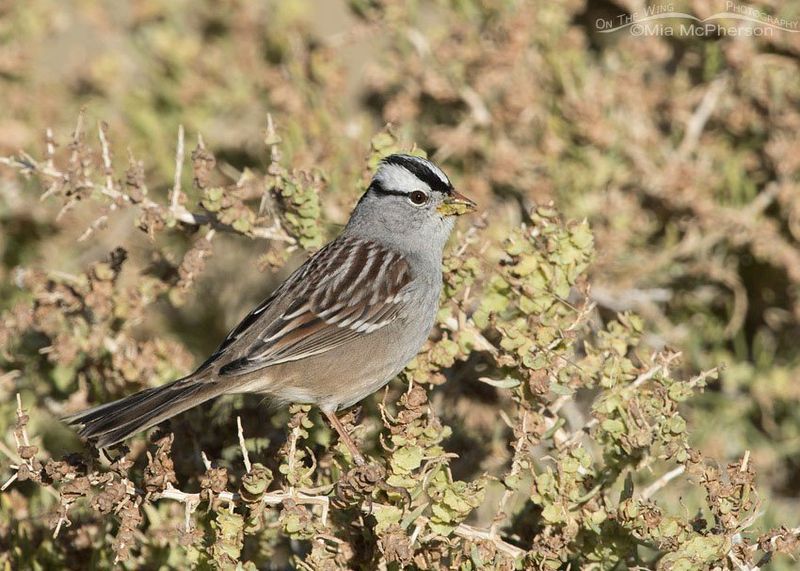
Bold black and white stripes across the head make this sparrow look like it borrowed a tiny racing helmet. Add a pinkish or yellowish bill, and you have one of the sharpest dressers at any feeder.
You might be surprised to learn that two very different groups visit gardens across the state. Coastal Nuttall’s birds stay year-round, while Gambel’s birds fly in from the far north each fall.
Researchers at Cornell note that migrating White-crowned Sparrows can cover about 300 miles in one night. That stamina is hard to believe once you see one calmly pecking millet under your bird bath.
Young birds show brown and tan head stripes instead of black and white, which confuses plenty of beginners. Look for the same overall pattern and that clean gray neck, and the puzzle solves itself quickly.
Ground feeding is their style, so sprinkle millet or cracked sunflower chips on a low tray. They also pick at weed seeds in lawn edges, which gives you a great reason to mow less often.
Song is another fun detail, because young males learn local dialects from adult neighbors during their first months. Scientists have studied these regional accents for decades, and the San Francisco Bay populations are some of the best-known examples.
Keep a brush pile or low hedge nearby, since these sparrows dash for cover at the first alarm. With that setup, you may enjoy their crisp whistled songs drifting across the yard until spring.
4. Yellow-Rumped Warblers Flashing Butter-Yellow Tails
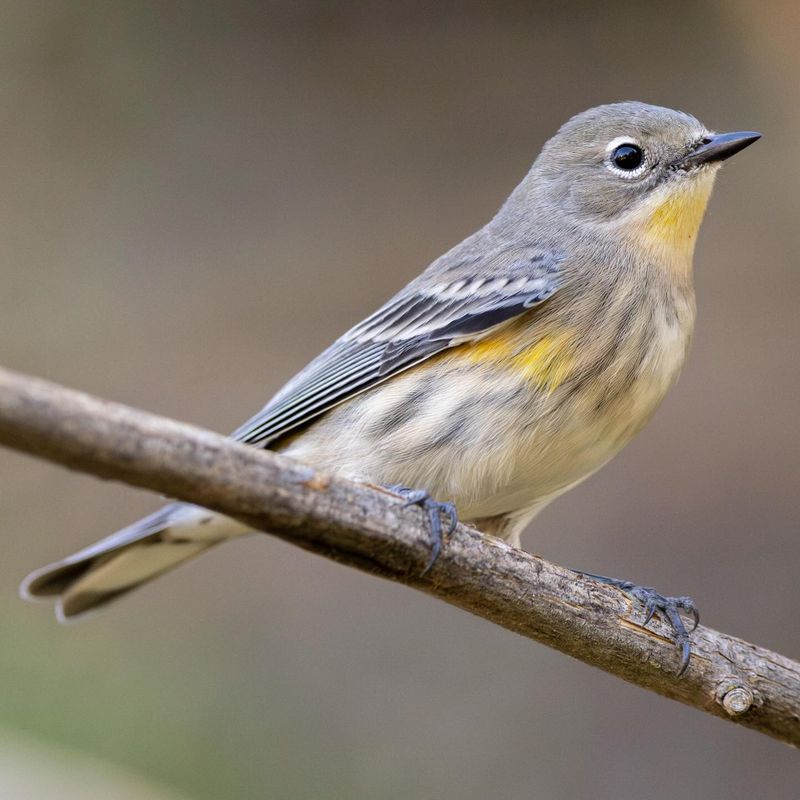
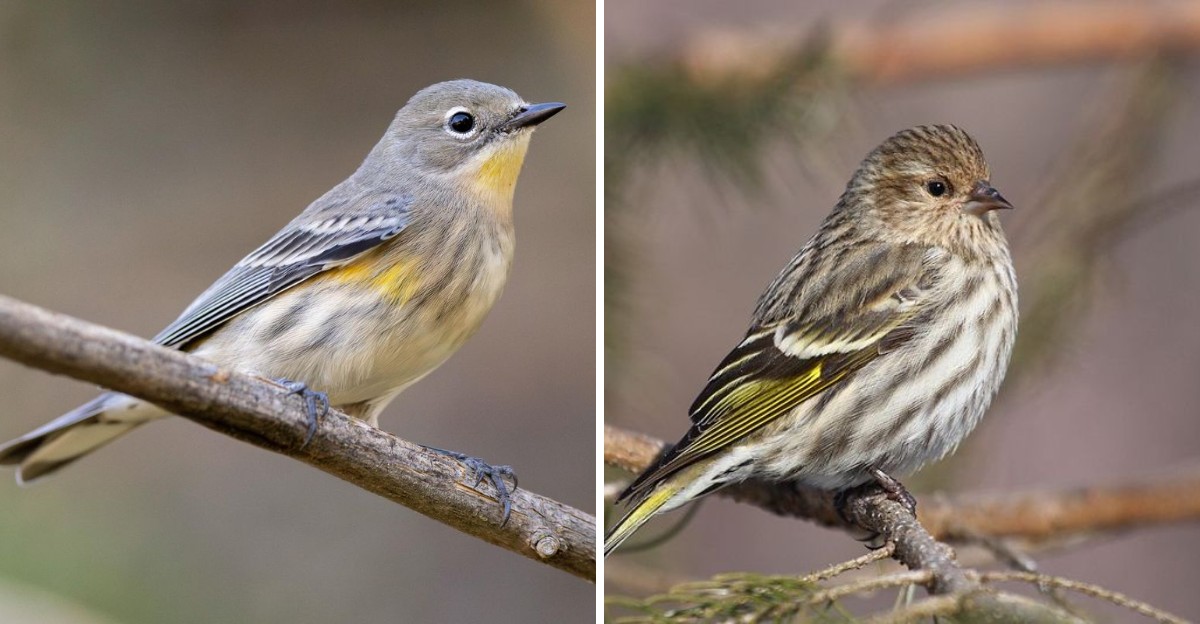
Birders lovingly call this warbler butter-butt, thanks to the bright yellow patch that flashes above its tail. Once you spot that sunny rump, you’ll see it darting between your trees and shrubs all winter long.
Most warblers head to the tropics for winter, but this one stays farther north than nearly any relative. Huge numbers spend the cold season in California lowlands, including coastal parks and Central Valley orchards.
Their secret is a flexible diet, since they switch from insects to berries when bugs get scarce. Myrtle forms can even digest the waxy coating on bayberries, a trick few other songbirds manage.
Two forms show up in western yards, and telling them apart turns into a fun little winter puzzle. Audubon’s birds usually have a yellow throat, while Myrtle birds show a white throat and darker cheek.
Suet is the best way to lure them in, and I like no-melt suet cakes for warmer days. They’ll also nibble mealworms or peanut bits offered in a small dish near a shrubby perch.
Watch for their flycatching habit, as they sally out from branches to snatch insects in midair. Even on cool afternoons, a sunny patio can stir up enough gnats to keep them busy.
Planting native berry producers like toyon or Pacific wax myrtle gives them natural food through the colder months. Their sharp check call will soon become one of your favorite backyard sounds before spring migration begins.
5. Anna’s Hummingbirds Sipping Through Chilly Mornings
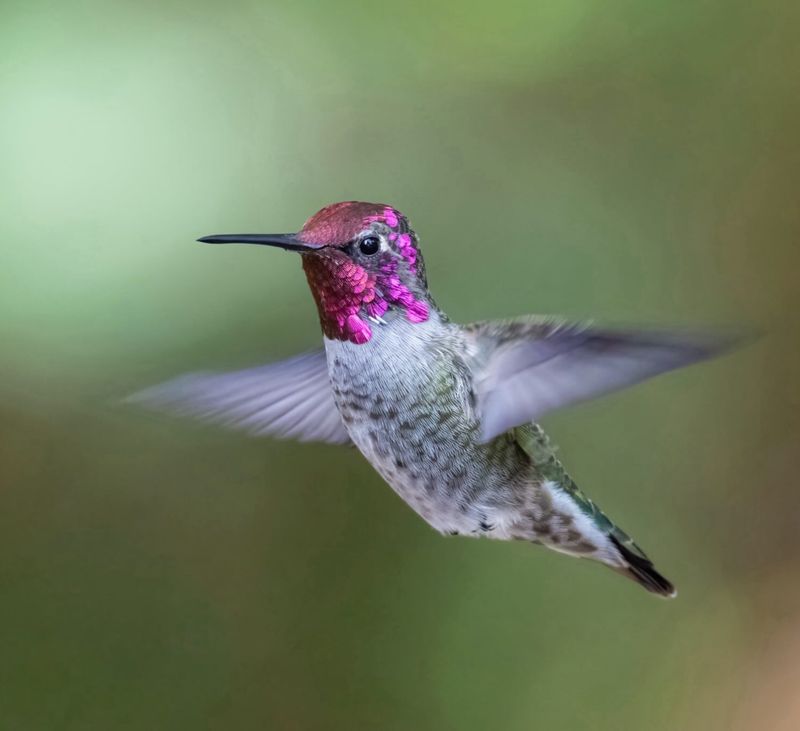
Weighing less than a nickel, this hummingbird still sings and sparkles through chilly mornings that send other species south. The male’s rosy pink head glows like a tiny lantern whenever sunlight hits it just right.
Anna’s Hummingbirds live year-round along the West Coast, and many begin nesting as early as December. Females build cup nests from plant down and spider silk, which stretches as the chicks grow.
On cold nights, they can slip into torpor, a deep rest that drops body temperature and heart rate. I find it fascinating that a bird this small can save so much energy before sunrise.
Mix one part white sugar with four parts water, and leave out honey and red dye. Change the nectar every few days in mild weather, and clean the feeder each time you refill.
Frosty nights can occasionally freeze nectar in colder inland spots, so bring feeders indoors overnight and rehang them early. Hungry birds come looking at first light, since they need fuel right after their long nightly rest.
Insects matter just as much as sugar, because tiny gnats and spiders supply the protein these birds need. Cutting back on pesticides keeps that buffet stocked, especially for busy mothers feeding hungry nestlings this time of year.
Native manzanita and flowering currant bloom in late winter, offering nectar right when many nests are already busy. Keep an eye out for the male’s steep courtship dive, which ends with a chirp made by his tail feathers.
6. Lesser Goldfinches Crowding The Nyjer Feeder
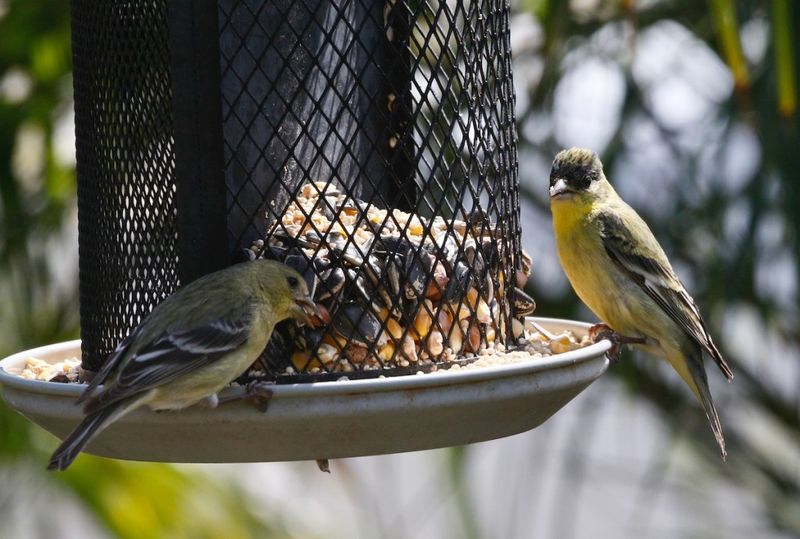
A flock of tiny yellow birds can strip a sunflower head faster than you can grab your camera. Lesser Goldfinches are some of the smallest finches in North America, yet their energy seems endless from dawn until dusk.
Western males usually wear a black cap with a greenish back, while females show softer olive and yellow tones. Both sexes flash white wing patches in flight, which helps you pick them out quickly from a distance.
Unlike the migrants on this list, these finches stick around much of their western range throughout the year. Winter flocks tend to grow larger, though, and they often visit feeders more when wild seed runs low.
Nyjer seed in a mesh or tube feeder with tiny ports is their favorite treat in my yard. Hulled sunflower chips work well too, and they leave less mess under the feeder than whole seeds.
Here’s what caught my attention about their song, which often includes snippets borrowed from other bird species. You might hear one imitate an Ash-throated Flycatcher or a scrub-jay while perched high on a wire.
Leave native sunflowers and California buckwheat to go to seed, since goldfinches love picking at dried flower heads. Those untidy garden corners in winter often feed more birds than neatly trimmed beds ever could.
Clean finch feeders every couple of weeks, because damp seed can clump and grow mold quickly. A shallow bird bath nearby earns bonus points, since these little finches drink often throughout the day.
7. Streaky Pine Siskins Arriving In Surprise Flocks
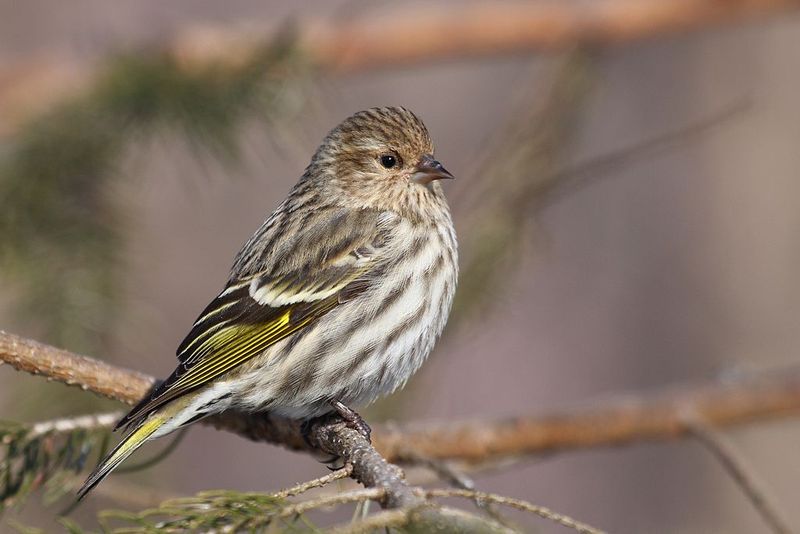
Streaky brown and easy to overlook, this little finch hides a flash of yellow in its wings. Pine Siskins are famous for showing up in huge numbers one winter, then barely appearing the next.
Birders call these unpredictable movements irruptions, and they usually follow poor seed crops in northern conifer forests. So your feeder might host dozens this season or none at all, depending on cone harvests far away.
Their thin, pointed bills are made for prying seeds from conifer cones and alder catkins with surprising speed. At feeders, they head straight for nyjer and sunflower chips, often squabbling loudly with goldfinches over perches.
You might find it hard to believe, but siskins can raise their metabolism about 40 percent above typical songbirds. They can also tuck extra seeds into a throat pouch called the crop, saving fuel for chilly nights.
Sadly, big crowds at feeders can spread salmonella, a bacterial illness that hits siskins especially hard. Wildlife officials in California have asked residents to take feeders down during some recent outbreak years.
If you spot a fluffed-up, sluggish siskin sitting on the feeder, remove the feeders for a few weeks. Scrub them with a mild bleach solution and let them dry thoroughly in the sun before rehanging them.
Spreading seed across several feeders also keeps crowds smaller and gives every bird more elbow room. Their buzzy, rising zreeee call is the clue to listen for if a flock drops into your trees.