This Common Myth About Painting Pruning Cuts Could Be Harming Georgia Trees
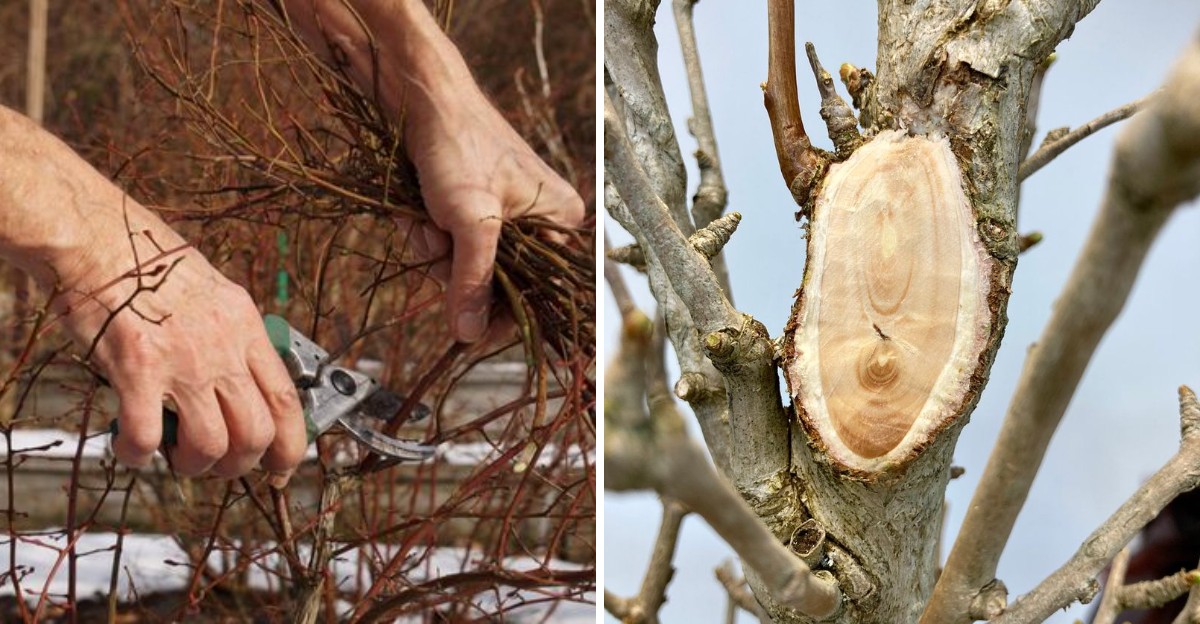
That black goo grandpa brushed on every sawed-off limb may have done his trees zero favors. Research going back decades shows those thick tar coatings often slow the natural sealing process instead of speeding it up.
I still remember watching neighbors dab it on like frosting. It looked so responsible and so caring.
Trees, it turns out, handle injuries in a way that surprised me. They do not heal like a scraped knee.
They wall off the damage from the inside, building chemical and woody barriers around the wound.
In Georgia, our warm and humid weather adds another twist. A sticky coating can trap moisture right where fungi love to settle in.
You might be holding a can of trouble in your garage right now.
The best thing to do after pruning might be the exact opposite of what generations of gardeners were taught. And it could save you both money and unnecessary trouble.
1. That Can Of Black Pruning Sealer Isn’t The Helper It Seems
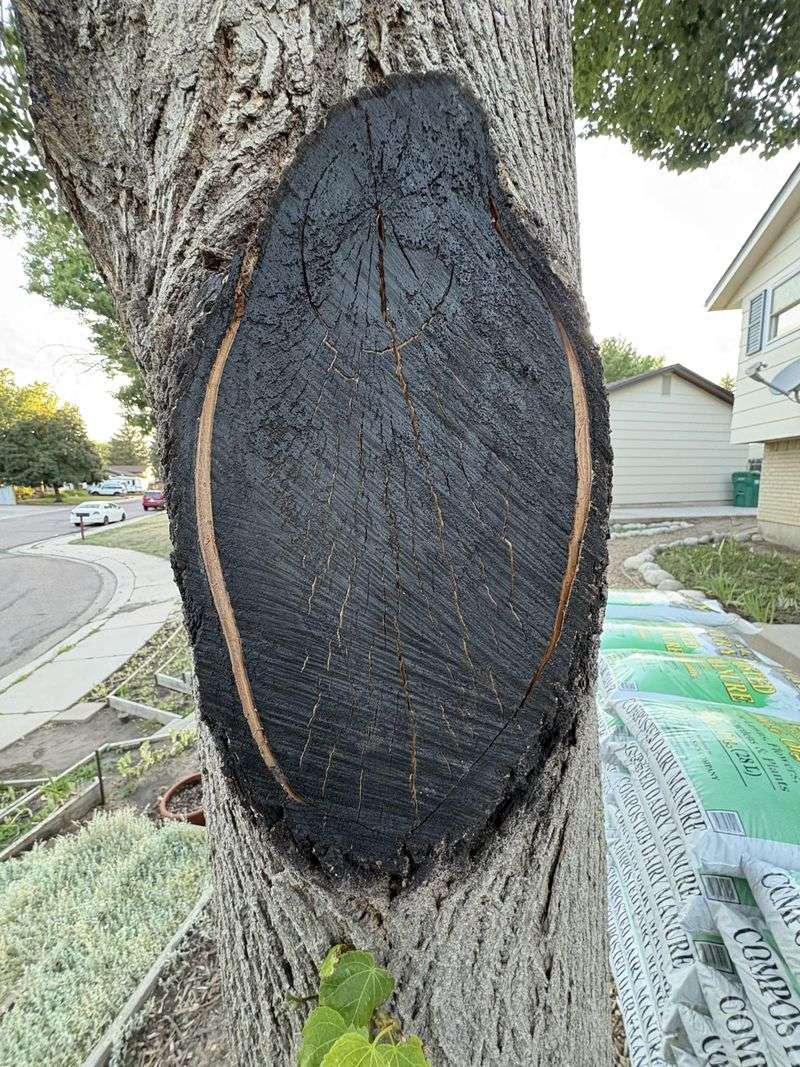
Old habits are sticky, and so is pruning paint. For generations, gardeners believed a fresh cut was an open door for rot, so they covered it like a bandage.
Studies from university extension programs, including Penn State and Mississippi State, tell a different story. Asphalt and petroleum-based dressings often slow wound closure and can hold moisture against the exposed wood.
That damp, dark pocket is a cozy spot for decay fungi and bacteria.
Worse, the problem stays hidden. Paint cracks as the tree grows, letting water slip underneath while the coating blocks air and sunlight.
Decay can quietly spread behind a surface that looks neat and protected.
I find it funny that the product sold as protection may invite the very trouble it promises to stop. The shiny black patch gives us peace of mind, but the tree gains little from it.
Arborists have mostly moved away from routine wound dressings for this reason. The International Society of Arboriculture and many extension services now recommend leaving most cuts open to the air.
So if a half-used can is sitting on your garage shelf, you can probably let it stay there. Your trees have a better plan already built in.
2. Trees Seal Their Own Wounds With A Clever Trick Called CODIT
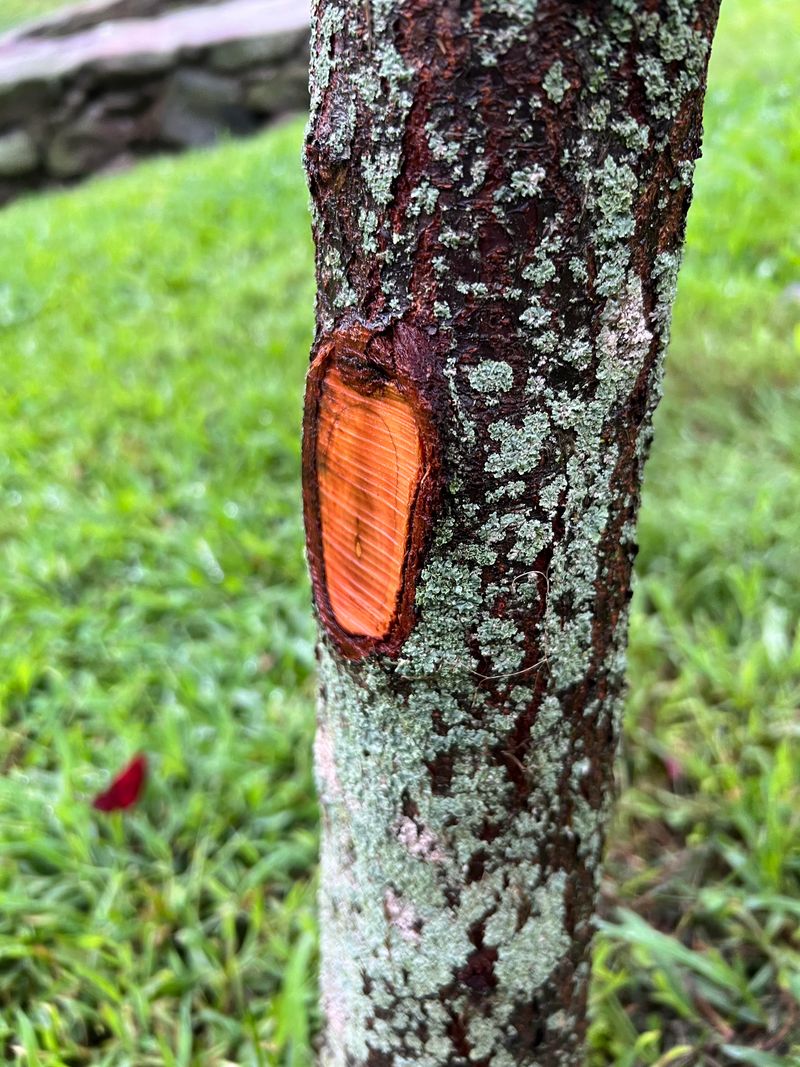
Back in the 1970s, a U.S. Forest Service scientist named Alex Shigo changed how we see tree injuries.
He cut open thousands of trees and noticed something amazing about how they respond to wounds.
Trees do not repair damaged wood. Instead, they wall it off.
Shigo called this Compartmentalization Of Decay In Trees, or CODIT for short.
When a branch is cut, the tree builds chemical and physical barriers around the injury. These walls work like closed doors in a building, keeping decay from moving into healthy wood.
Over time, a ring of new tissue called woundwood rolls over the cut from the edges.
That rolling ring is the doughnut shape you sometimes see on old pruning scars. It is the tree’s own version of closing the door behind a guest.
Air plays a role here too. Exposed wood can go through natural reactions that help form these defenses, and a heavy coating may interfere.
Personally, I think this is one of the coolest facts in gardening. A tree has no doctor, yet it has handled injuries for millions of years.
Our job is mostly to give it a clean, well-placed cut.
3. Find The Branch Collar Before Your Saw Touches Bark
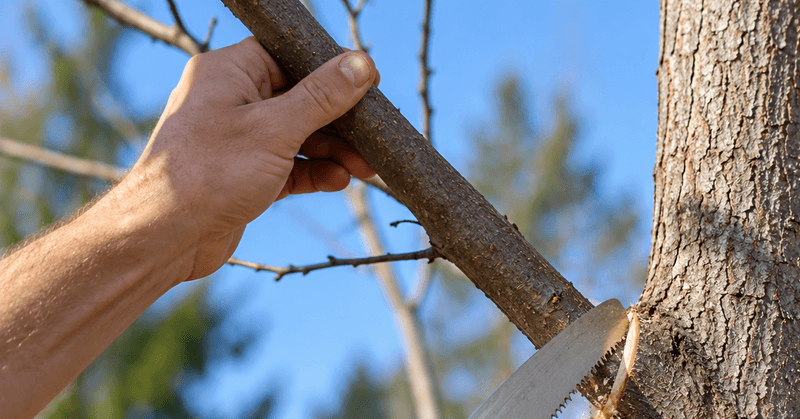
A good cut matters far more than any paint. The secret spot is the branch collar, that slightly swollen ring where a branch meets the trunk or a larger limb.
Look closely and you will usually see a raised ridge of bark above the branch and a puffy base below it. That collar holds special tissue that drives the sealing process.
Cut just outside it, and the tree can close the wound efficiently.
Two mistakes cause most trouble. Flush cuts slice right against the trunk and remove the collar, making it harder for the tree to seal the area.
Stubs leave a short piece of branch that often decays and gives fungi an easy entry.
Aim for the sweet spot in between. Angle your saw so it follows the outer edge of the collar without nicking it.
I like to step back and study the branch for a moment before cutting. It feels slow, but that pause saves a lot of headaches later.
Sharp tools help too. Clean bypass pruners and a fine-toothed pruning saw leave smooth surfaces instead of torn, ragged wood.
Ragged edges take longer to close and offer more space for problems.
4. Heavy Limbs Need The Three-Cut Method To Avoid Torn Bark
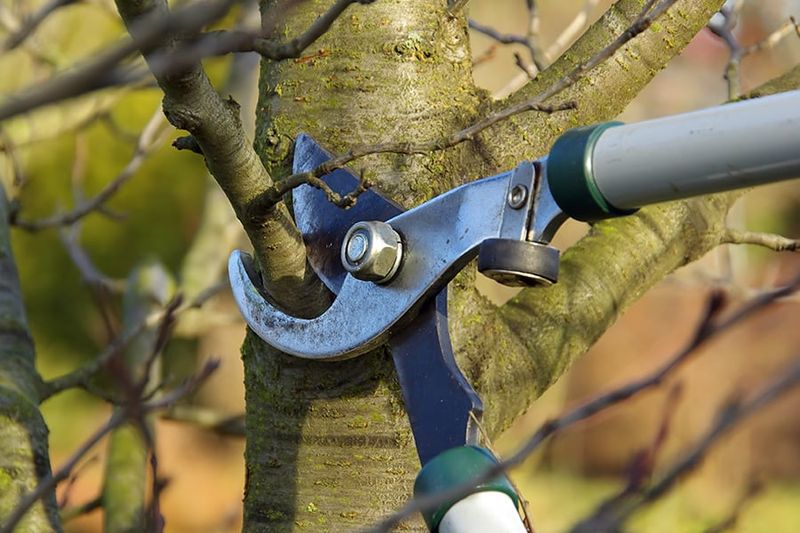
Ever seen a long strip of bark peeled down a trunk after a limb dropped? That ugly tear happens when a heavy branch snaps before the cut is finished.
The three-cut method prevents it, and it is easier than it sounds. First, make an undercut on the bottom of the branch about a foot or two out from the trunk.
Go roughly a third of the way through.
Second, move a little farther out and cut from the top until the limb falls. The undercut stops the bark from ripping back toward the trunk.
Third, remove the leftover stub with a clean cut just outside the branch collar. Now you have a tidy wound the tree can seal on its own.
This approach works best for branches thicker than about two inches. Smaller twigs can usually be handled with one careful cut.
Safety deserves a mention here. If a limb hangs over a roof, driveway, or power line, or requires a ladder and a chainsaw, call a certified arborist.
Georgia Power and other utilities handle lines, and no branch is worth a trip to the emergency room.
5. Late Winter Pruning Gives Georgia Trees A Head Start
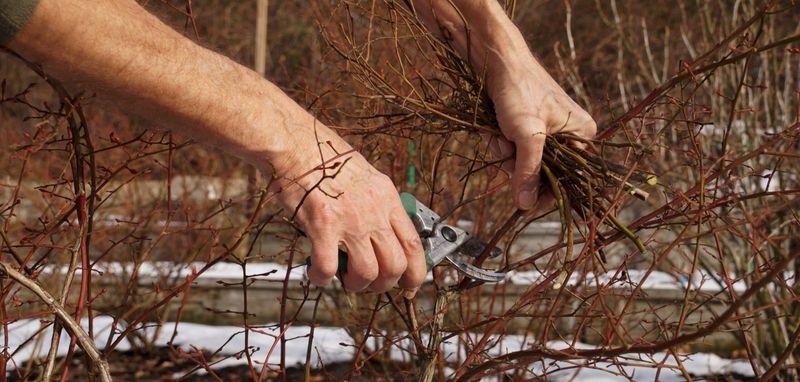
Timing can help a tree more than any coating. For most deciduous trees in Georgia, the late dormant season is a favorite window for structural pruning, roughly December through February or early March.
Bare branches make it easy to spot crossing limbs and weak angles. Fewer insects and disease spores are active in cold weather, so fresh cuts face less pressure.
When spring growth kicks in, the tree is ready to start producing woundwood quickly.
Spring bloomers are a different story. Dogwoods, redbuds, and azaleas set flower buds the year before, so pruning them in winter means trimming off your spring show.
Wait until right after they finish flowering.
Summer brings a long, hot season across most of the state, from the mountains down to the coastal plain. Light trimming is fine, but heavy cuts during scorching weather can add stress.
Broken or storm-damaged branches are the exception. Remove those whenever they appear, since hanging limbs are a safety risk.
Fall pruning sits in a gray area. Cuts made then may close more slowly as growth winds down, so many gardeners save big jobs for winter instead.
6. Oak Trees Raise One Tricky Question About Sealants
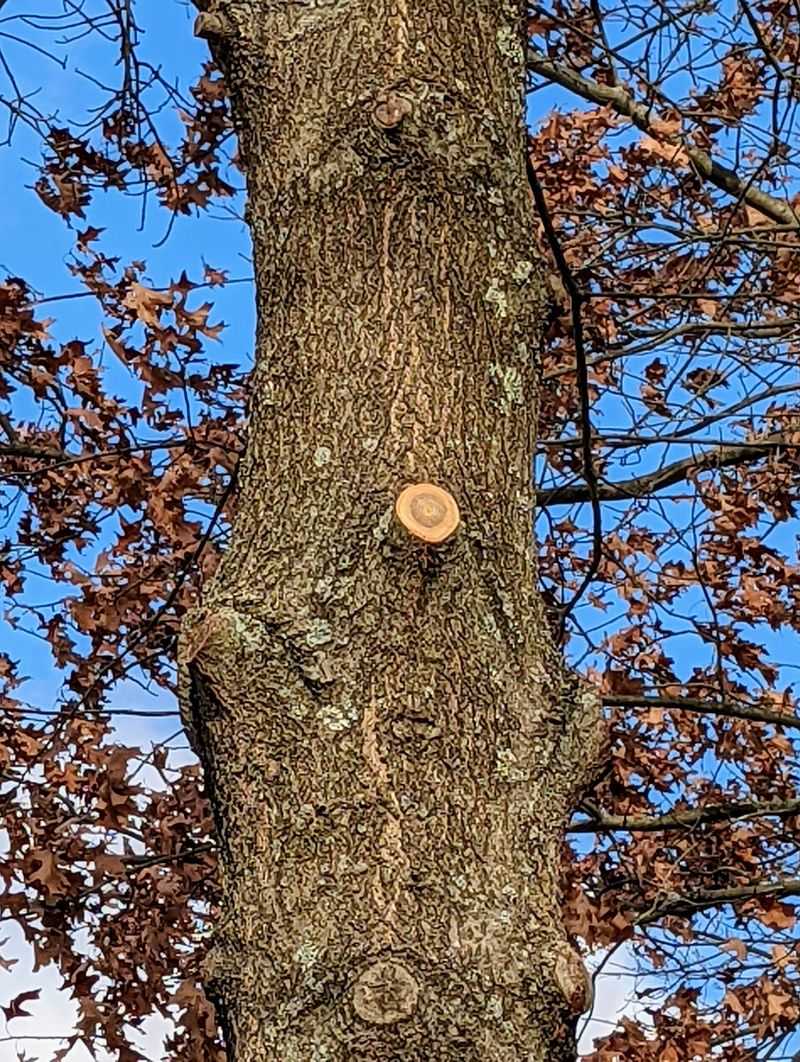
Here comes the twist every curious gardener asks about. Oak wilt is a serious fungal disease of oaks, and sap beetles can carry its spores to fresh wounds in spring.
In states where oak wilt is well established, such as Texas, Minnesota, and Wisconsin, experts often suggest painting oak cuts made during beetle season. The goal is not healing.
A light coat of latex paint simply hides the sap scent that attracts those beetles.
Georgia sits in a different spot on the map. Oak wilt has not been a widespread problem here, and UGA Extension guidance generally treats wound dressings as unnecessary for routine home pruning.
A smarter move for oaks is timing. Prune them in the dormant months when beetles are inactive, and you sidestep most of the worry.
If you must cut an oak in spring and feel uneasy, a thin layer of ordinary latex paint is a low-risk choice. Skip the thick tar products.
When in doubt, check with your county Extension office or a certified arborist. Local experts track disease reports and can tell you whether any special precautions apply where you live.
7. Dirty Pruning Shears Can Spread More Trouble Than Paint Prevents
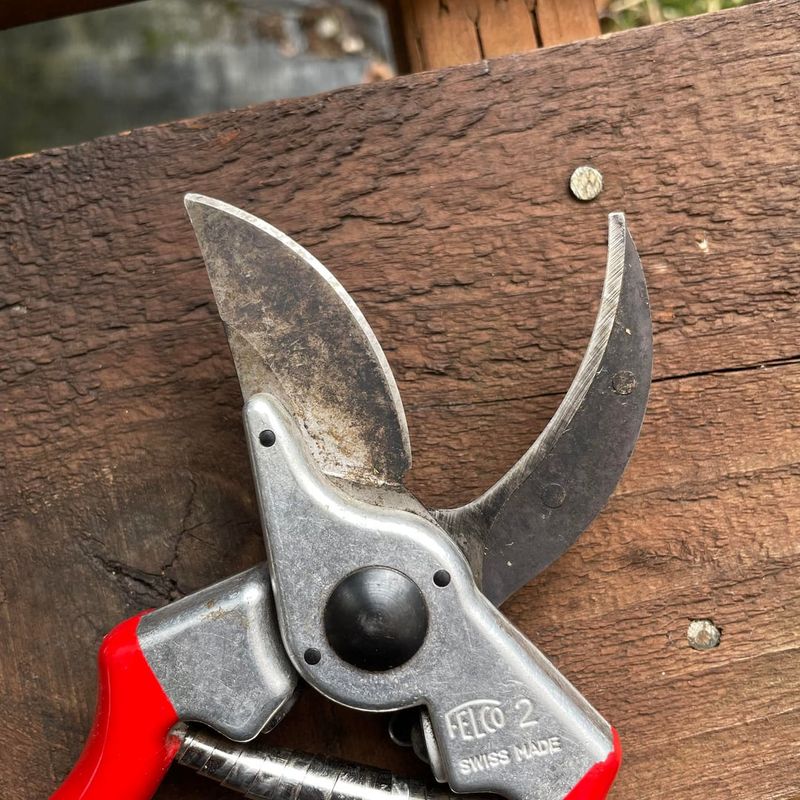
My favorite pruners once spent a whole summer caked in sap. Looking back, they were probably moving germs from shrub to shrub like a tiny delivery truck.
Clean tools matter, especially when you cut diseased wood. Fungi and bacteria can ride along on blades and land in the next fresh wound you make.
A simple fix works well. Clean blades with a disinfecting wipe between cuts on sick plants and before moving to a new tree.
This helps limit the spread of disease.
Sharpness counts just as much. Dull blades crush and tear tissue, leaving rough surfaces that close slowly.
A quick pass with a sharpening file keeps cuts smooth and neat.
Oil your tools after cleaning to prevent rust. Store them somewhere dry, not leaning against a damp shed wall.
Gloves and eye protection belong in the kit too. Flying chips and springy branches can surprise you.
Honestly, a five-minute tool routine does more for tree health than any can of sealer. It costs little, takes almost no effort, and gives every cut a fair shot at closing well.
8. Let That Fresh Cut Breathe And Watch Your Tree Do The Work
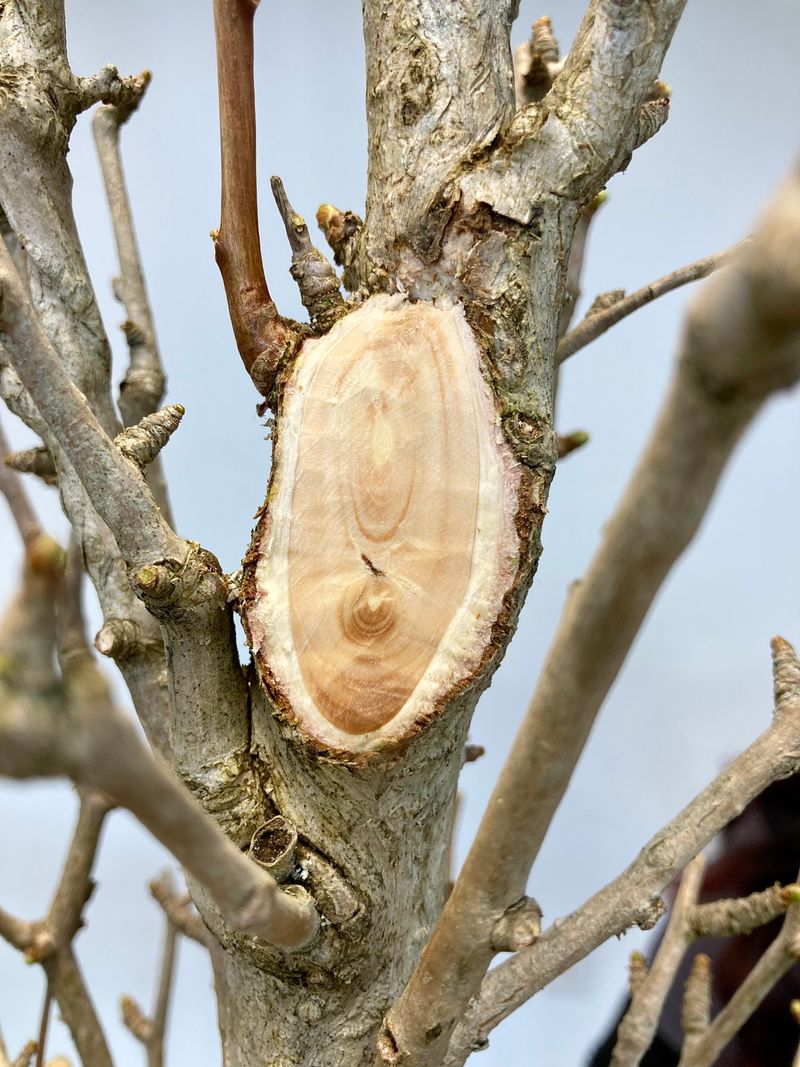
After all the sawing and cleanup, the best next step is wonderfully lazy. Walk away and let the tree take over.
A clean cut outside the branch collar, made at a smart time with sharp tools, gives your tree everything it needs. No bandage required.
You can still support it in simple ways. Water deeply during dry spells, especially in a Georgia summer drought.
Spread two to three inches of mulch over the root zone, keeping it a few inches away from the trunk.
Skip heavy fertilizer right after pruning. Extra nitrogen can push leafy growth that a stressed tree does not need.
Keep an eye on the wound over the next year or two. A healthy one develops a rounded ring of woundwood creeping inward.
Oozing, mushrooms, or soft bark nearby are signs worth showing to an arborist.
Avoid removing more than about a quarter of the canopy in one season. Big cuts mean big wounds, and smaller ones close much faster.
I find this part oddly satisfying. Watching a tree seal itself year after year is a quiet reminder that good care often means knowing when to step back.