8 Clever Ways to Use Fallen Pinecones in Your New York Garden
A white pine spends roughly two growing seasons building each of its seed packages before letting them drop. Those scaly brown packages also open and close with the weather, flaring wide when dry and tightening when damp.
Across New York, white pines and red pines shed plenty of them each fall, often carpeting lawns and paths. Most of us rake them into bags without a second thought, and honestly, I did the same for years.
Funny thing is, my garden kept asking for free materials that were sitting right under my own trees. Once I started saving that woody litter, my New York beds looked tidier and my wallet felt heavier.
Not every trick online holds up, though, so I sorted the useful ideas from the wishful thinking. So which of these spiky little treasures deserves a second life in your yard this season?
1. Whole Pinecones Make A Chunky Mulch Around Shrubs
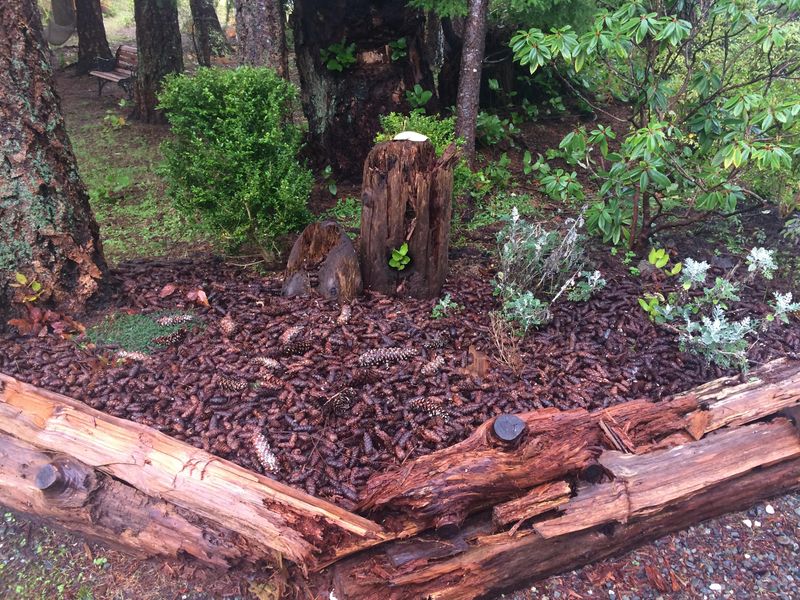
Whole pinecones crunch underfoot like breakfast cereal, and that chunky texture is exactly why they work as mulch. Spread around shrubs, they shade the soil and slow down evaporation during those hot July afternoons.
Because the cones are bulky, air moves freely between them, so roots underneath rarely sit in stagnant, soggy conditions. Weeds also struggle to push through a thick layer, although a few determined dandelions will still find gaps.
In my own yard, I aim for a layer about two to three inches deep around azaleas and hollies. Keep the cones a few inches away from trunks and stems so bark stays dry and healthy.
Many people worry that pinecones will turn their soil sour, but extension research suggests that effect is usually quite minor. Pine needles and cones break down slowly, so any change in soil acidity is typically small and gradual.
Whole cones can roll around on windy days, so they behave best in flat beds rather than steep spots. Crushing them with a lawn mower creates smaller pieces that knit together and stay put much better.
Resin inside the scales makes dry pinecones catch fire easily, a detail worth remembering near grills or fire pits. Leave a cone-free buffer around any outdoor flame, and use stone or gravel mulch in those spots instead.
Their slow breakdown means you rarely need to top them up, which saves both money and weekend effort. Between you and me, a shrub bed dressed in pinecones looks like a tidy forest floor all year.
2. Pinecones Fill The Bottom Of Big Patio Planters
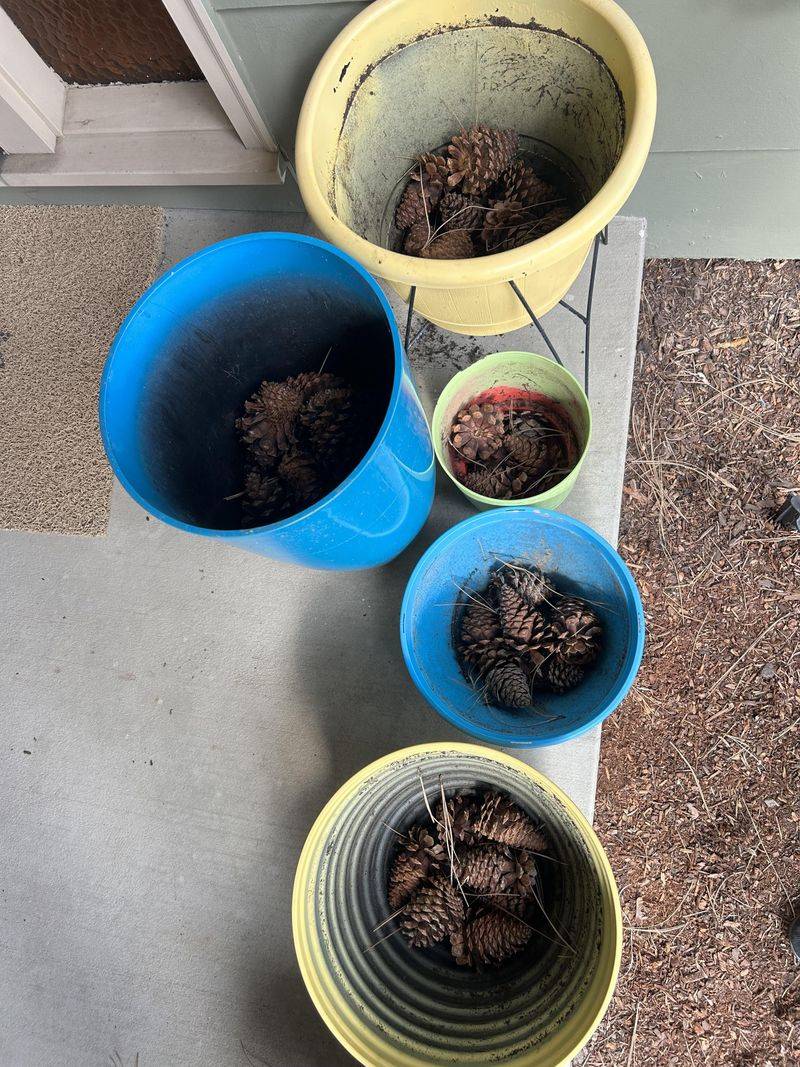
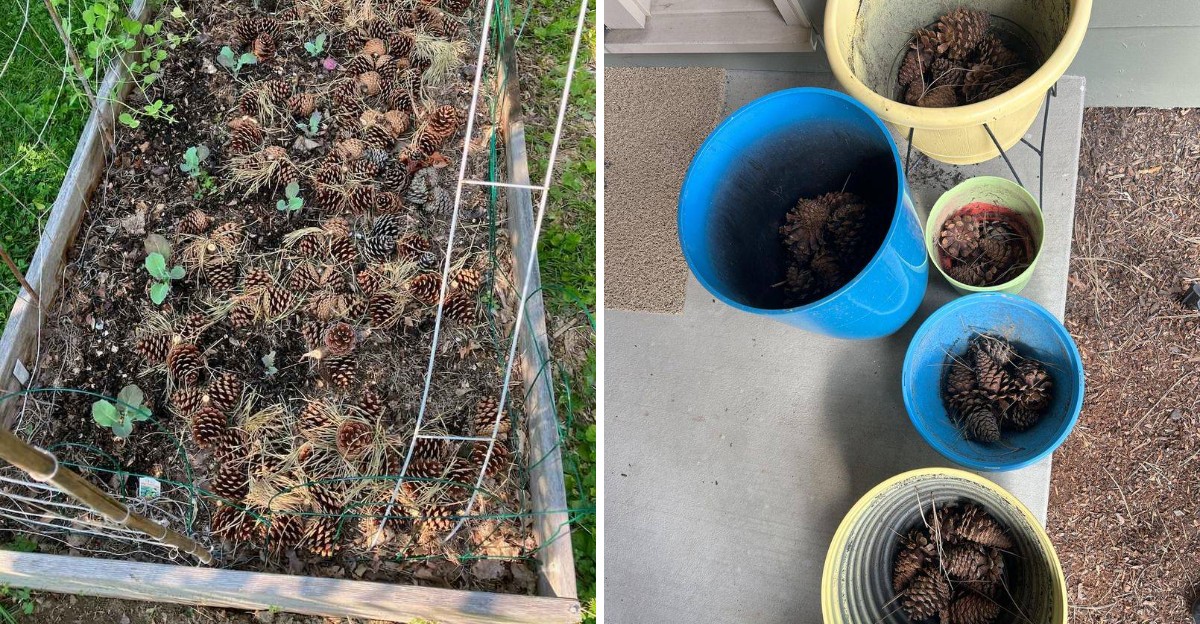
Hauling a huge ceramic pot across the patio taught me a painful lesson about how much wet soil weighs. A layer of pinecones at the bottom of deep containers takes up space that would otherwise need pricey potting mix.
Big planters often hold more soil than shallow-rooted annuals like petunias or herbs can actually use. Filling the lower third with dry cones lightens the load and keeps the cost of each container down.
Plenty of online tips claim this layer improves drainage, but university research tells a different and more surprising story. Water tends to linger in fine soil above a coarse layer, creating a soggy zone higher in the pot.
So think of pinecones as a weight-saving filler, not a drainage fix, and keep the pot’s holes open. A drainage hole that lets water escape freely does far more for healthy roots than any material underneath.
For best results, lay a piece of landscape fabric or burlap over the cones before adding potting mix. That barrier keeps soil from trickling down into the gaps and makes cleanup at season’s end much easier.
Leave at least twelve inches of real soil for tomatoes and other deep-rooted vegetables growing in summer containers. Shallow-rooted flowers and lettuce can manage with less, which leaves more room for the cone filler below.
Over a few seasons the cones soften and slump, so expect to refresh the layer every year or two. For what it’s worth, my back thanks me every spring when I move those lighter pots back outside.
3. Prickly Pinecones Keep Cats Out Of Seed Beds
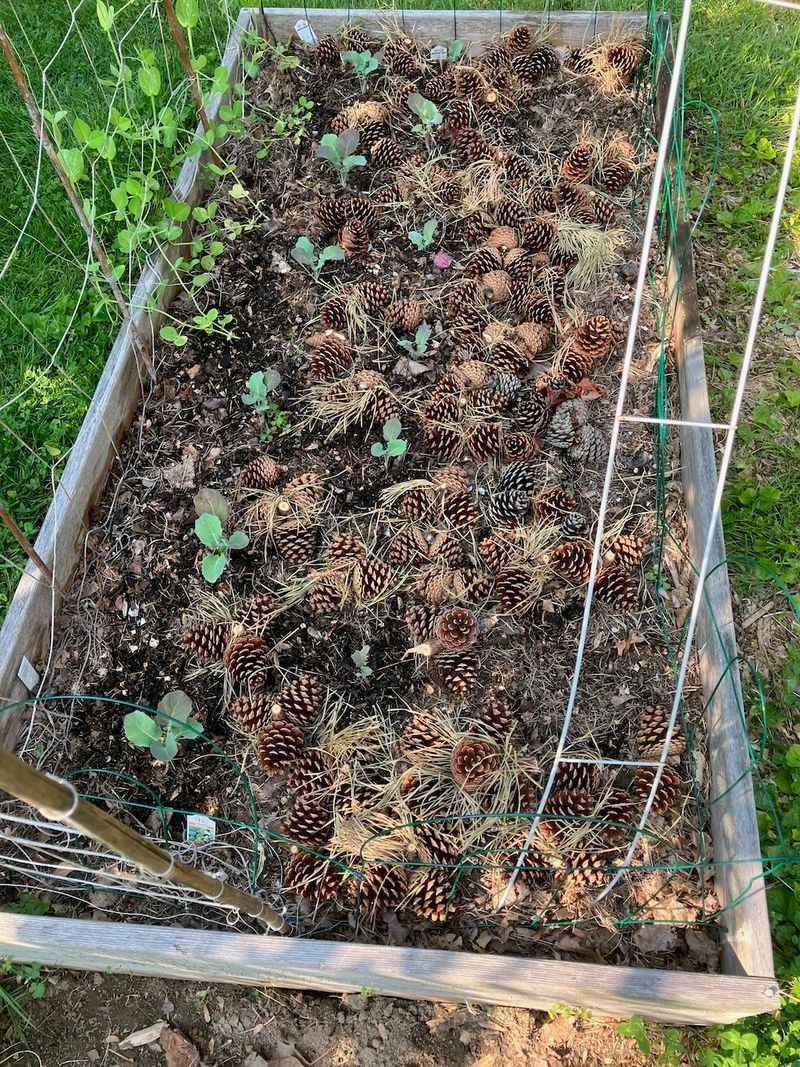
Nothing ruins a freshly raked seed bed faster than a neighborhood cat deciding it looks like a giant litter box. Pinecones scattered across the soil make that soft surface lumpy and uncomfortable, so many cats simply go elsewhere.
Squirrels digging for freshly planted tulip bulbs can also be discouraged by a prickly layer covering the planting area. The method is not a guarantee, and a hungry squirrel may still dig, but it adds a helpful obstacle.
Lay the cones close together so there are few bare patches where paws can land comfortably between them. Pointy cones from red pine or pitch pine feel especially rough, while softer white pine cones work less well.
Once your seedlings sprout, gently move the cones aside a little so tender stems get light and air. You can push them back around the plants after they grow sturdy enough to handle a bit of crowding.
Let’s just say I tried plastic spikes first, and they looked awful while pinecones blended right into the garden. They also cost nothing, which feels pretty great when you are protecting a bed of fifty-cent bulbs.
Some sources suggest pinecones stop slugs and snails, but I found little solid evidence supporting that popular claim. Handpicking slugs at dusk or setting out shallow traps tends to give more reliable results in damp weather.
Pair the pinecone barrier with chicken wire laid just under the soil for bulbs that squirrels find irresistible. That combination gave my crocus patch a real chance, and spring finally arrived with flowers instead of craters.
4. Crushed Pinecones Add Carbon To The Compost Pile
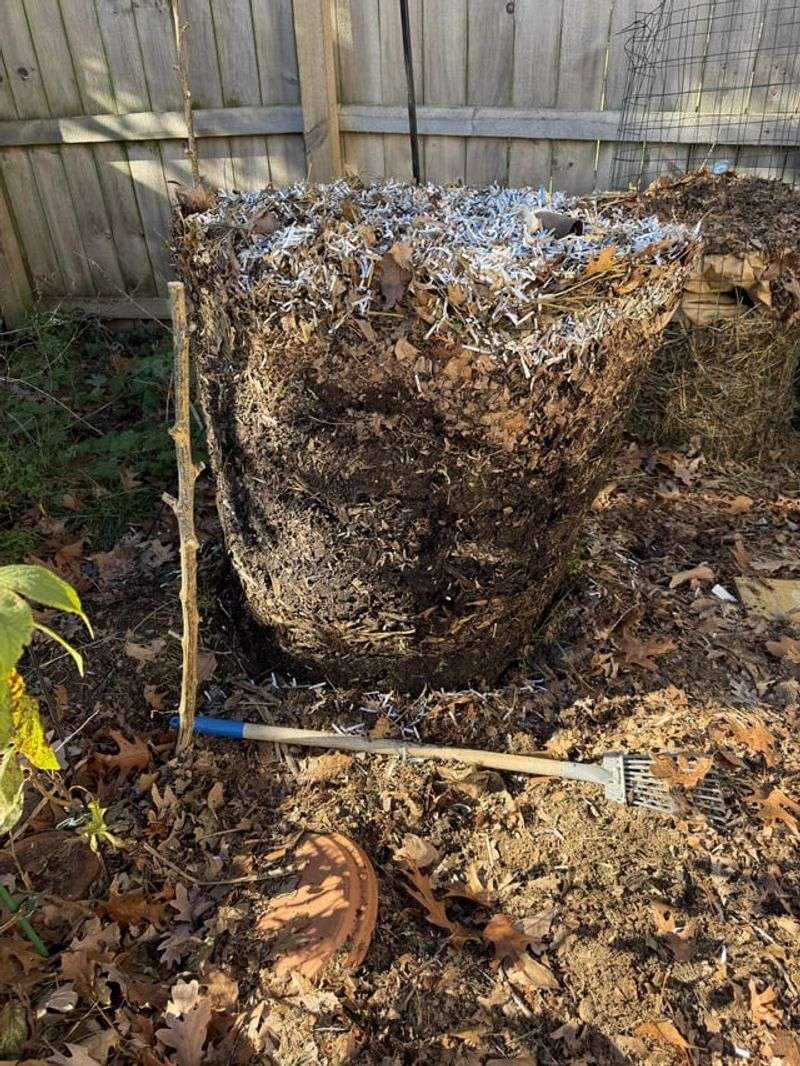
Compost piles crave balance, and a heap stuffed with grass clippings can start smelling like a forgotten gym bag. Pinecones count as carbon-rich browns, which help offset all those soggy, nitrogen-heavy greens from kitchen scraps and mowing.
Whole cones break down slowly, sometimes taking more than a year to soften inside an average backyard bin. Smashing them with a shovel or running them over with a mower exposes more surface area for hungry microbes.
Their stiff structure also creates small air pockets, and oxygen keeps the composting microbes busy and working efficiently. A pile with good airflow heats up faster and rarely develops that sour, swampy odor nobody wants nearby.
Many gardeners aim for roughly two or three parts browns to one part greens by volume in their piles. Pinecones can cover part of that brown share alongside shredded leaves, which New York yards produce in huge amounts.
Mix the cone pieces throughout the pile instead of dumping them in one thick layer at the top. Turning the heap every week or two helps everything break down more evenly and speeds up the final product.
If you find stubborn cones at the bottom when harvesting compost, toss them back into the next batch. They act like a little starter, carrying helpful fungi and bacteria straight into the fresh material you just added.
My garden taught me that patience pays off, because finished compost tucked around plants makes them noticeably happier. Those humble cones become part of that dark, crumbly soil, giving back what the pine tree originally gathered.
5. Pinecones And Branches Fill A Tall Raised Garden Bed
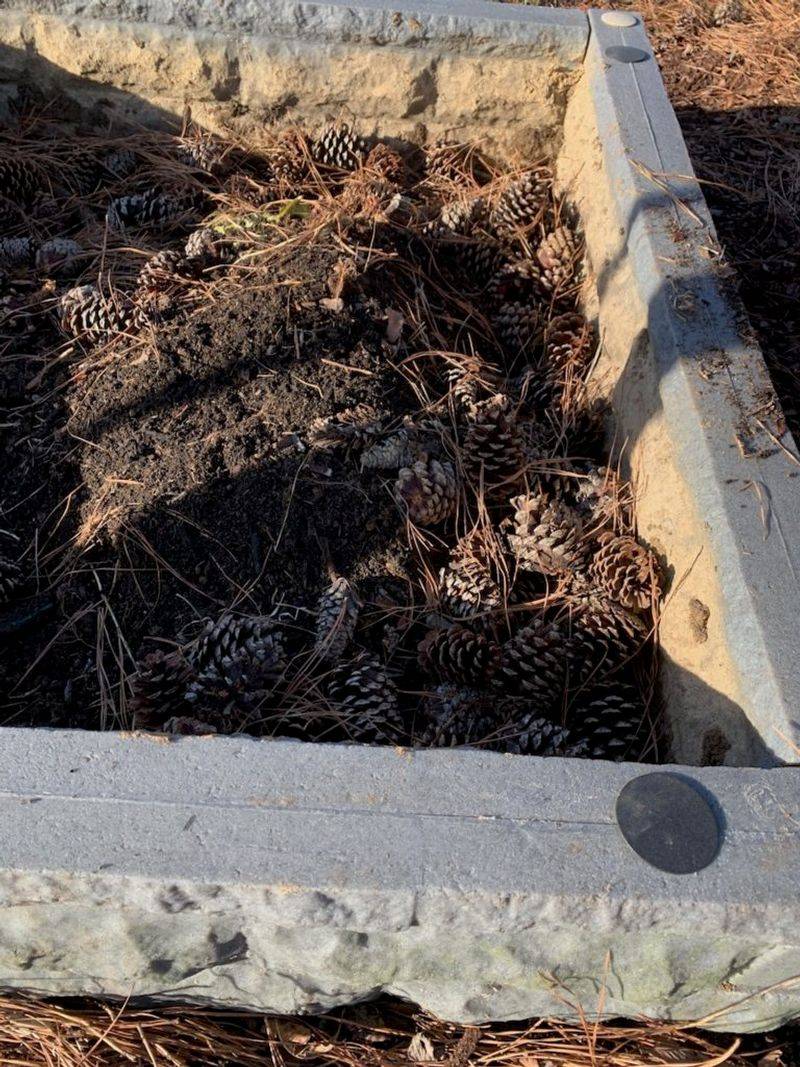
Filling a tall raised bed with bagged soil can cost a small fortune, as I discovered at the checkout counter. Woody material like pinecones and old branches can take up space in the bottom layers instead, saving serious money.
This approach borrows from hugelkultur, a European method that buries logs and woody debris beneath mounded garden soil. As the wood slowly breaks down, it holds moisture like a sponge and feeds soil life for several years.
Pinecones fit nicely into gaps between larger branches, so the base settles more evenly than with logs alone. Aim to keep this woody layer in the bottom third of a bed that stands at least eighteen inches tall.
Top it with a layer of leaves or grass clippings, then add at least a foot of quality soil. Vegetable roots need that loose upper zone, while the cones below quietly break down out of the way.
Woody materials can borrow nitrogen from the soil as they decompose, which may slow plant growth the first year. A little extra compost or an organic fertilizer early on helps balance that temporary dip in available nutrients.
Expect the soil level to sink a few inches over time as the cones and branches gradually shrink down. Adding fresh compost each spring keeps the bed full and gives your crops a welcome boost at planting.
Fall is a smart time to build these beds in New York, since winter freezes help settle the layers. By spring planting season, the bed feels firmer and ready for seedlings, with far fewer surprise sinkholes.
6. Ladybugs Shelter In A Pinecone Bug Hotel
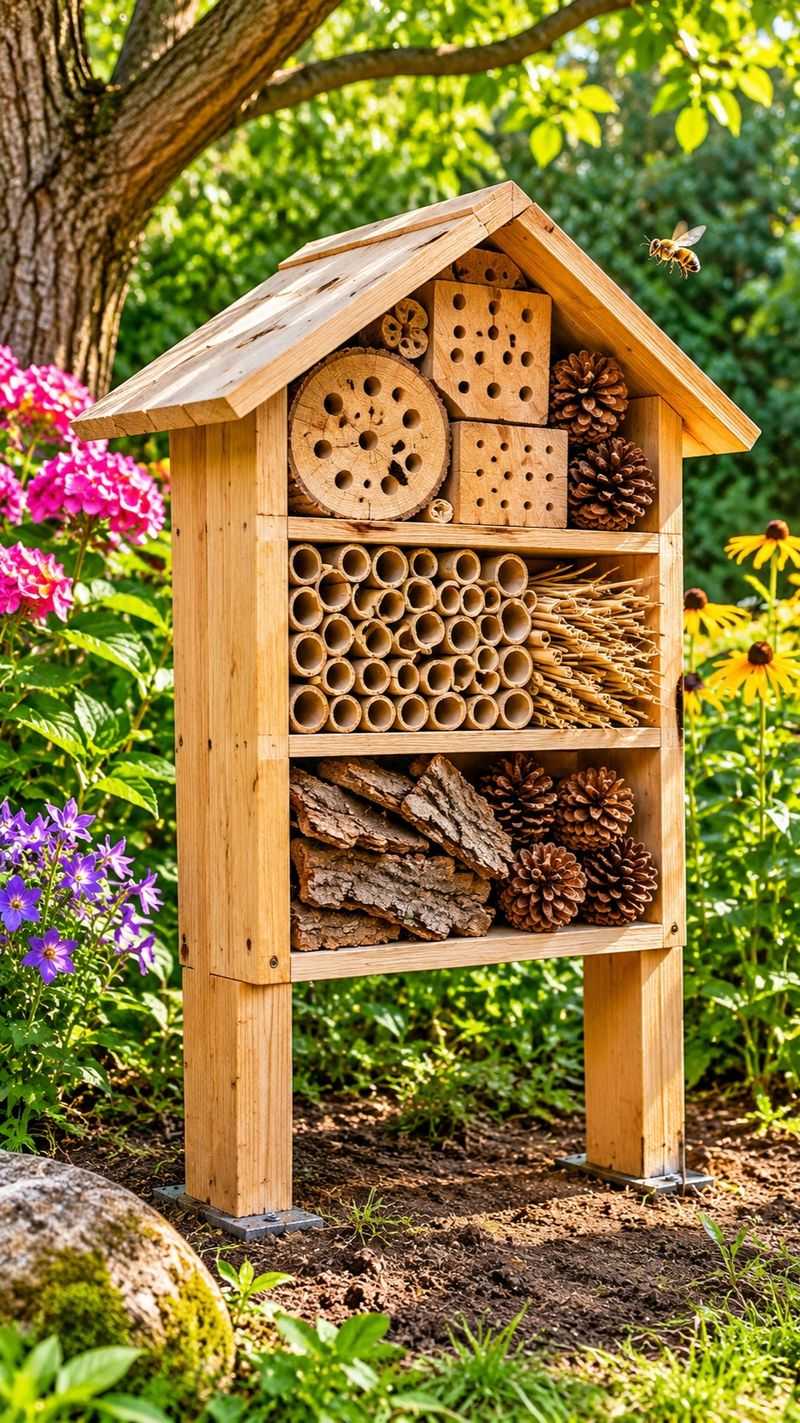
Ladybugs hunting for a winter hideout appreciate tight, sheltered spaces, and the gaps between pinecone scales fit that description nicely. Plenty of helpful insects spend the cold months tucked into bark and leaf litter scattered around our yards.
A simple bug hotel gives those tiny garden helpers a dry spot to rest until temperatures warm again. Packing pinecones into a wooden box or old crate creates loads of nooks with very little effort.
Mix in some hollow plant stems and bark pieces, since different insects prefer different hiding places and sizes. Solitary bees often favor hollow stems, while ladybugs and spiders tend to tuck themselves into rougher crevices.
Place the hotel somewhere sheltered from heavy rain, ideally facing south or southeast to catch warming morning sun. Setting it a foot or so off the ground helps keep the contents from getting soggy and moldy.
Take it from someone who once bought boxes of ladybugs, only to watch most of them fly away. Encouraging local insects to stay put costs nothing and feels far more rewarding than buying temporary helpers.
Leaving a few pinecones and leaves scattered under shrubs works too, offering similar shelter without building anything fancy. A slightly messy corner of the garden often supports more beneficial insects than a perfectly tidy yard.
Refresh the hotel every couple of years by replacing moldy or crumbling material with clean, freshly gathered cones. Come spring, those overwintering guests wake up hungry and ready to munch on aphids around your roses.
7. Chickadees Flock To Peanut Butter Pinecone Feeders
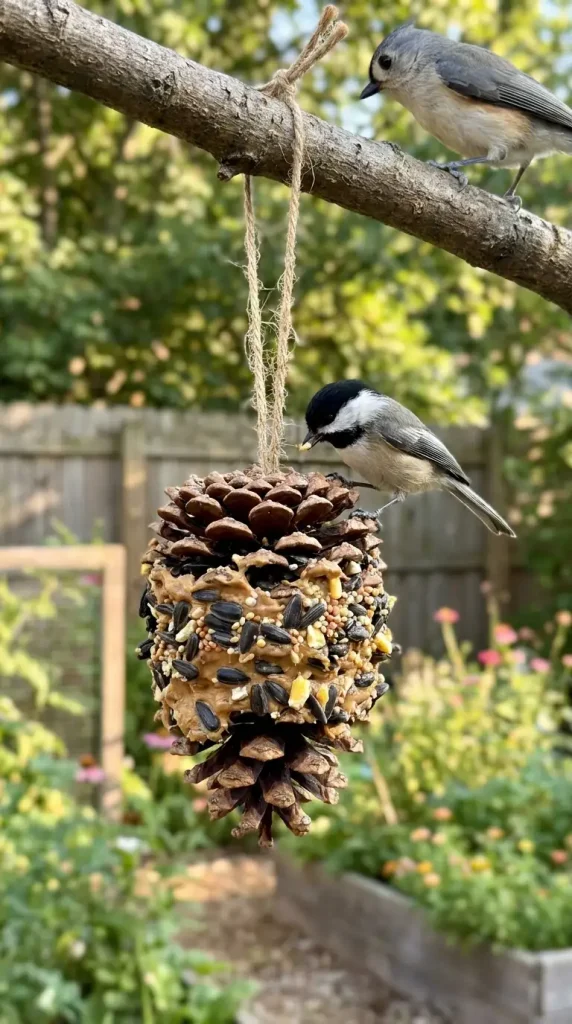
Black-capped chickadees will snatch a seed from a smeared pinecone, zip to a nearby branch, and hammer it open. Watching that tiny acrobat from the kitchen window turned this childhood craft into a winter favorite of mine.
Start by tying a sturdy string around the top scales of a large, open pinecone before adding anything sticky. Spread peanut butter or softened suet into the gaps, then roll the cone in a tray of birdseed.
Black oil sunflower seeds attract many backyard visitors, including chickadees and nuthatches that stay around through the Northeast winter. Cardinals also love sunflower seeds, though they prefer to feed from a sturdy perch rather than a swinging cone.
Hang the feeders near shrubs or trees so birds have quick cover from hawks, but away from easy cat ambushes. A spot within view of a window lets you enjoy the show while sipping something warm indoors.
Peanut butter is generally fine for birds, despite an old myth claiming it sticks dangerously in their throats. Mixing it with cornmeal or oats stretches your supply and makes the coating less greasy on mild days.
Be aware that black bears roam much of New York, and feeders can attract them in warmer months. The state’s wildlife agency recommends taking feeders down from early spring through late fall in bear country.
Birds that visit in winter often stick around to nest, and many parents feed caterpillars to their growing chicks. That natural pest patrol makes a sticky afternoon with the kids feel like a smart garden investment.
8. Pinecone Borders Line A Shady Woodland Path
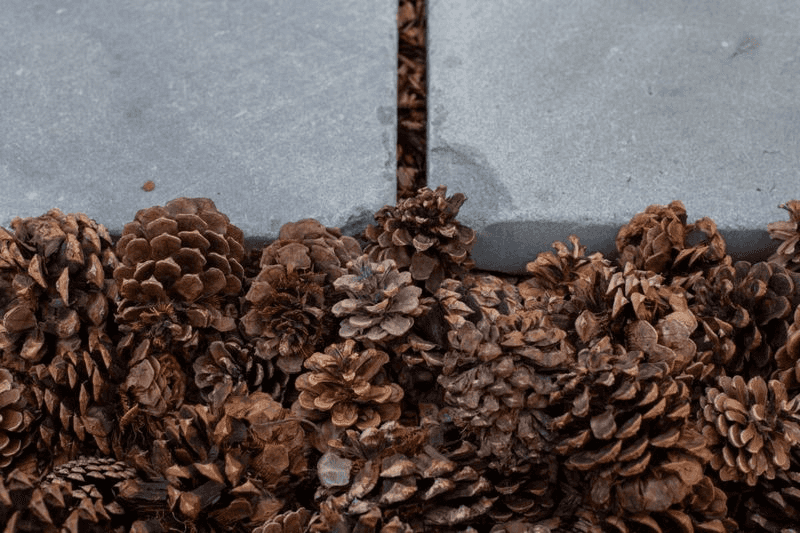
A winding path lined with pinecones looks like something straight out of a storybook trail in the Adirondacks. This might be the easiest garden upgrade I have made, and it cost me exactly zero dollars.
Gather cones of similar size so the border looks intentional rather than like a pile left behind by squirrels. Large white pine cones make bold, elegant lines, while smaller cones from spruce or hemlock suit delicate edges.
Dig a shallow trench along the path edge, about two inches deep, and nestle the cones snugly inside. Setting them partly into the soil keeps them from rolling away during heavy rain or busy lawn mowing.
For a sturdier look, place the pinecones just inside a row of stones or bricks along the bed border. The mix of rough wood and smooth stone gives shady woodland gardens a charming, natural kind of personality.
Pinecone edging works especially well around hostas and ferns, which thrive in the dappled shade beneath tall pines. Native woodland plants like foamflower and wild ginger also pair beautifully with this rustic, forest-inspired border.
Expect the cones to weather and fade over a couple of years, gradually turning soft and grayish in color. Simply pull the tired ones out and add them to the compost pile, then swap in fresh cones.
If you ask me, gardens feel more personal when they use materials from the land right around them. Your pine tree keeps supplying new edging every year, so this border practically maintains itself with a smile.