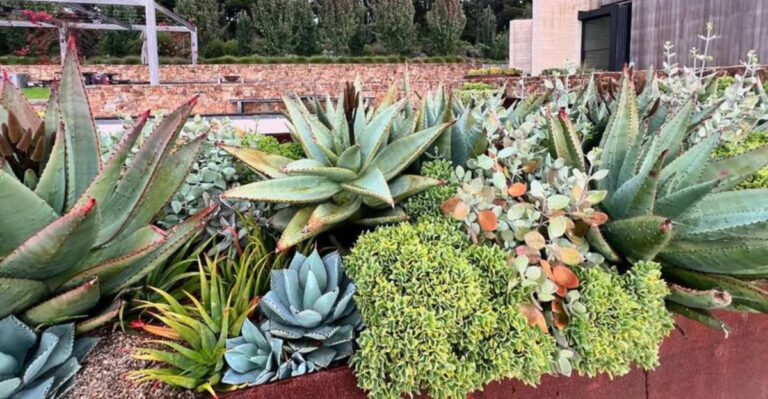
How To Encourage An Aloe Vera To Produce More Pups In A California Home
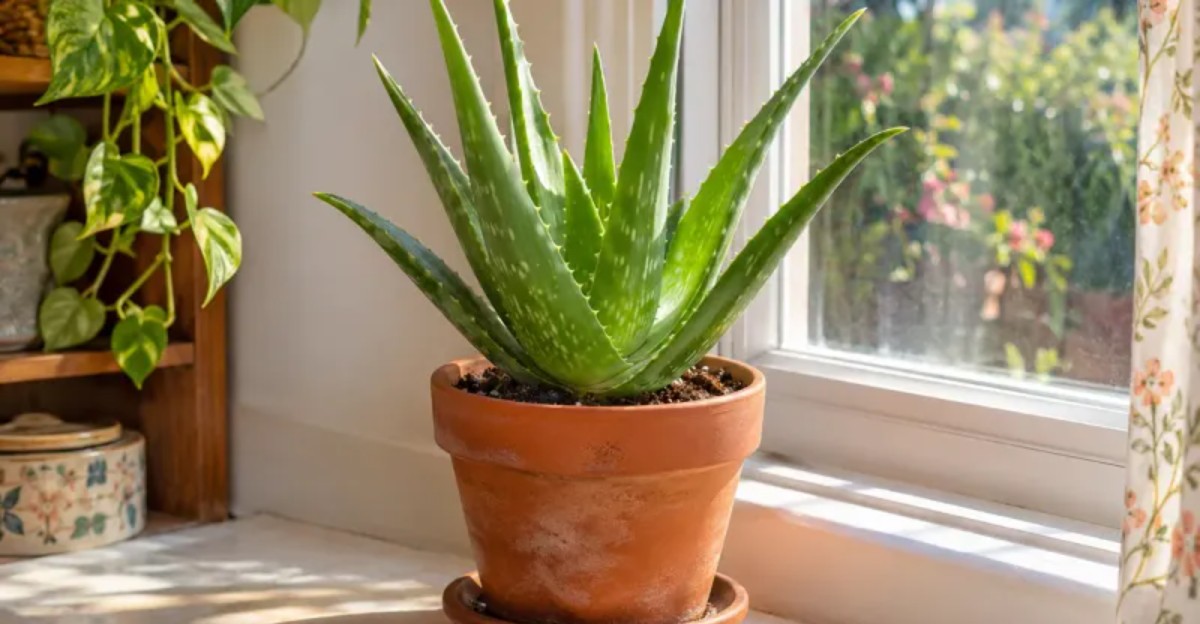
A slight reddish or orange blush on thick, spiky succulent leaves means the plant is soaking up plenty of sun and feeling some stress. That mild pressure, plus snug roots and dry spells between drinks, often nudges the plant toward producing babies.
Most plants wait until they’re a few years old with solid root systems before sending up offsets from underground runners. Babies three to six inches tall usually have roots of their own and separate easily.
I tried it all, and nothing worked until I moved my lonely plant into a smaller clay pot by the sunniest window. You might notice the first offsets peeking up during warm California spring days.
Plenty of well-meaning owners pamper their plants with extra water and roomy pots, which tends to backfire. A few small changes with light, grit, and patience could turn one spiky windowsill plant into a shelf of babies.
A Lonely Aloe Plant Usually Needs Maturity Before Babies
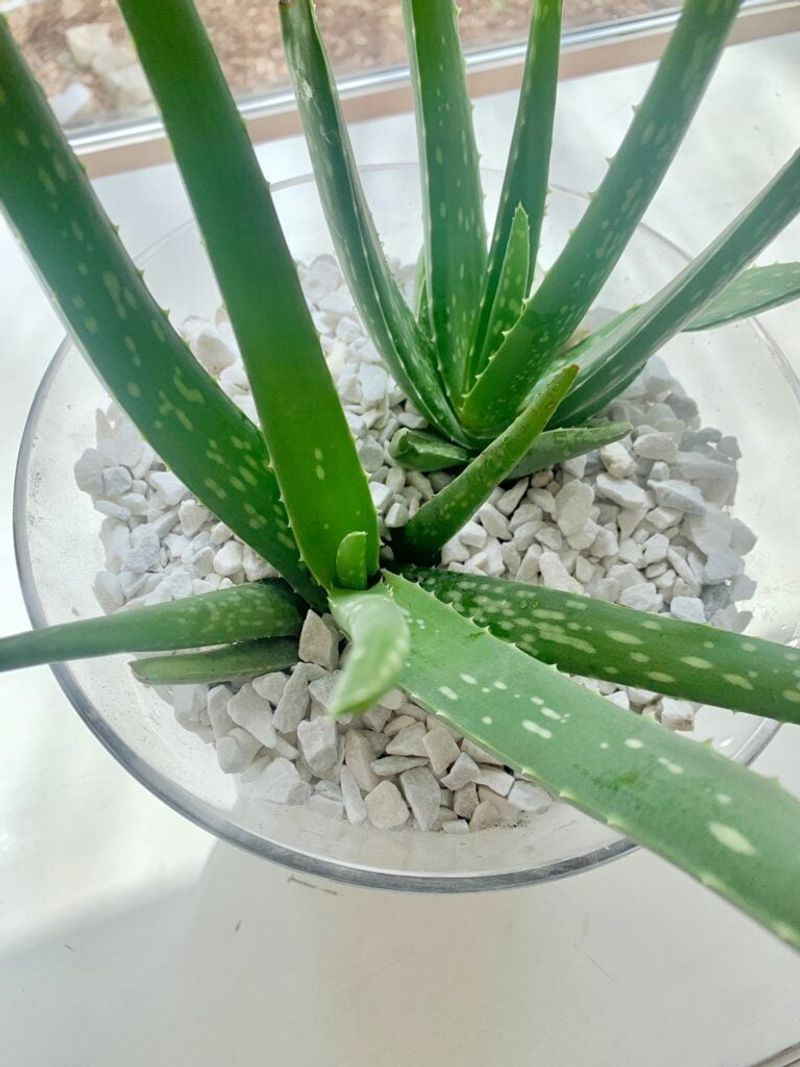
Patience comes first, and that surprises plenty of new aloe owners. Most aloe vera plants start sending up pups only after they reach a few years of age and build a solid root system. A tiny plant from the grocery store is still busy growing itself.
Offsets grow from underground stems called stolons or from buds near the base. The mother plant needs stored energy in those thick leaves to fuel that work. A plump, firm, blue-green plant is often a plant that is close to ready.
So the real secret is not a magic trick. Steady, healthy growth sets the stage, and mild stress from a snug pot or dry spells nudges the plant to spread. Think of it as giving the aloe a reason and the resources to multiply.
Check your plant honestly before changing anything. Thin, pale, or floppy leaves point to a light or water problem that needs fixing first. Fat leaves standing upright tell you the plant is strong enough to start a family.
Many California gardeners notice the first pups during spring and summer. Warm days and long sunlight hours line up with the active growing season, so that is when to watch closely.
Bright Window Light Fuels Aloe Pup Production
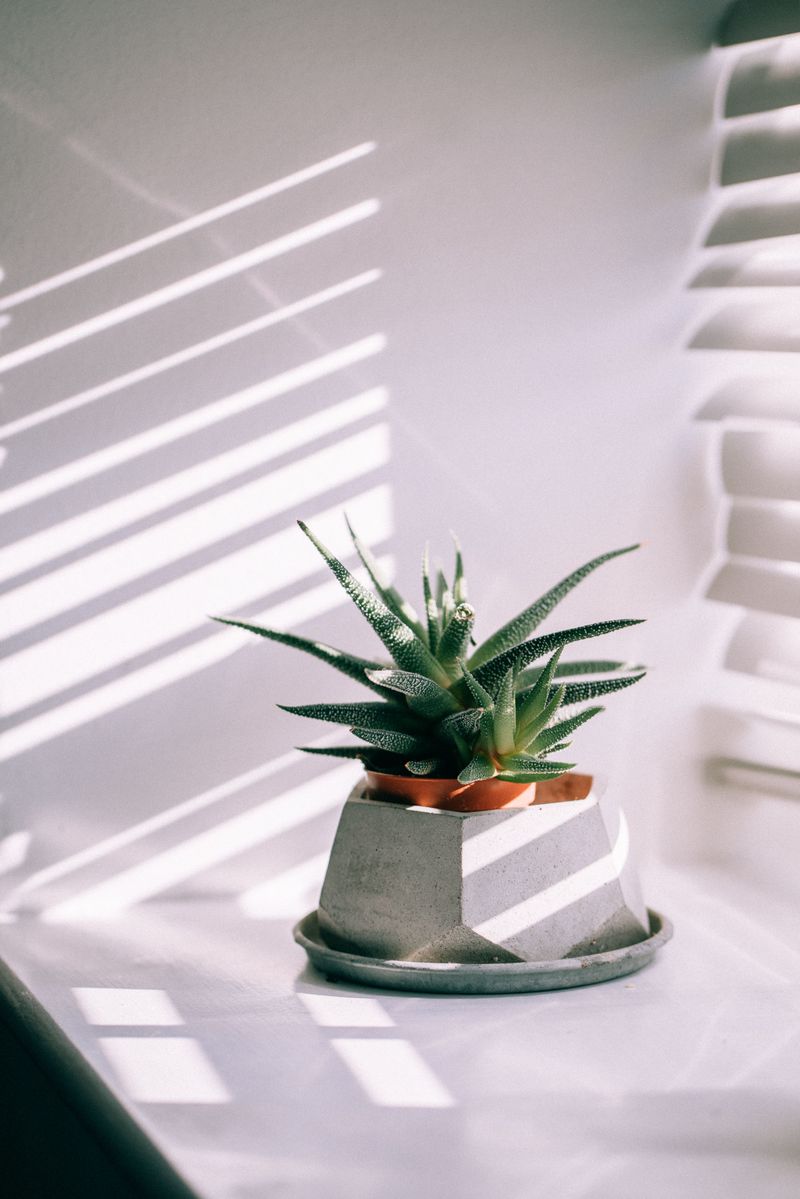
Sunshine is the fuel tank for every new pup. Aloe vera wants at least six hours of bright light each day, and a south or west window usually works best indoors.
Low light leads to stretched, pale leaves that bend outward. A plant in that state rarely has extra energy for babies. Moving it a few feet closer to the glass can make a big difference within one season.
A little gentle direct sun helps too. Morning rays from an east window are easy on the leaves and give a strong boost. Hot afternoon sun through glass can be harsher, especially in inland spots like the Central Valley or Inland Empire.
Watch the leaf color for clues. A slight reddish or orange blush means the plant is getting a lot of sun and feeling some stress. Brown, crispy patches mean it went too far, so pull it back a bit.
Coastal homes in San Diego or the Bay Area often have softer light from marine layer mornings. In those areas, the sunniest window you have is probably the right call. Rotating the pot every couple of weeks keeps growth even on all sides.
A Snug Terracotta Pot Can Nudge New Offsets
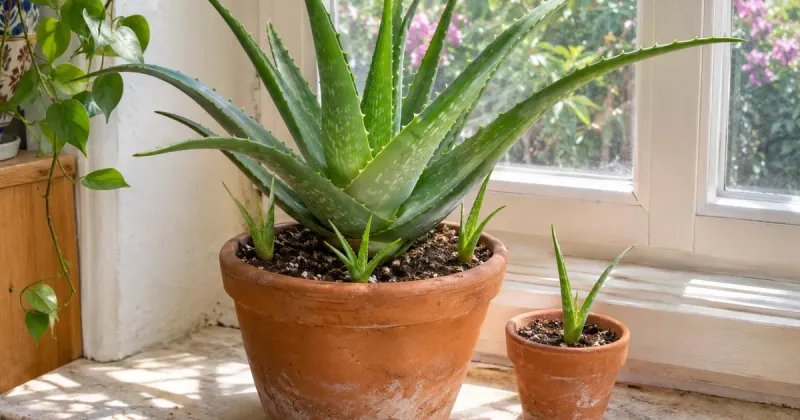
Here is a fun bit of plant psychology. Many growers find that aloes produce more pups when their pot is just a little bigger than the root ball.
Extra roomy containers invite the plant to spend energy filling soil with roots. They also hold more water, which raises the risk of rot. A cozy pot, about an inch or two wider than the plant, keeps things in balance.
Avoid going to the extreme, though. A badly root-bound aloe with roots circling out the drainage hole can stall. When roots pack the pot so tightly that water runs straight through, move up just one size.
Terracotta is my favorite pick here. Unglazed clay breathes, so the soil dries faster after watering. It is also heavy, which helps keep a top-heavy aloe from tipping over.
Wide, shallow pots deserve a mention too. Aloe roots spread sideways more than they dig deep, so a bowl-style container gives offsets space to pop up around the mother. Drainage holes are a must in any pot you pick, with no exceptions worth risking.
Gritty Cactus Mix Keeps Aloe Roots Ready To Spread
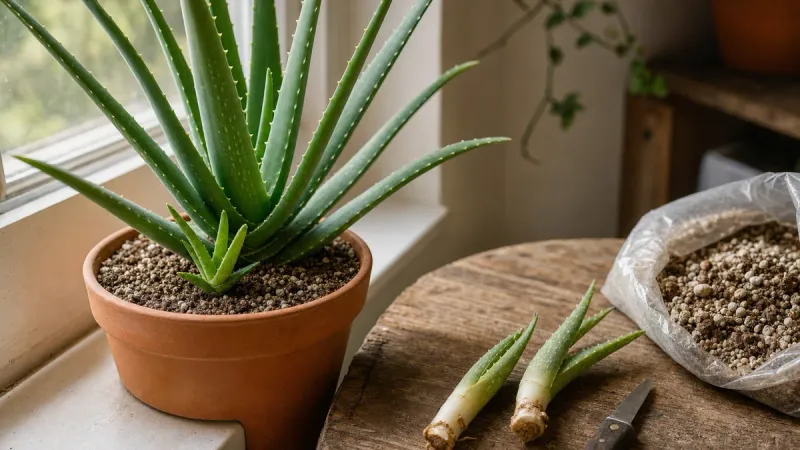
Soil might sound boring, but it decides how happy those roots feel. Regular potting soil holds moisture for days, and aloe roots dislike sitting wet.
A cactus and succulent mix is a great starting point. I like to stretch it further by adding perlite or pumice, roughly one part grit to two parts mix. Coarse sand can work as well, as long as it is not fine play sand.
Why does this matter for pups? Healthy roots that get plenty of air can grow stolons, those underground runners that pop up as new plants. Soggy soil leads to root rot, and a plant fighting rot is not thinking about babies.
Give the mix a quick test. After watering, the excess should drain out within seconds, and the top inch should dry within a few days in warm weather.
Pumice is easy to find at many California nurseries because so many people grow succulents here. It does not break down over time the way some organic materials do. That means your aloe can stay in the same mix for two or three years before needing fresh soil.
Deep Drinks And Dry Spells Make A Prolific Aloe
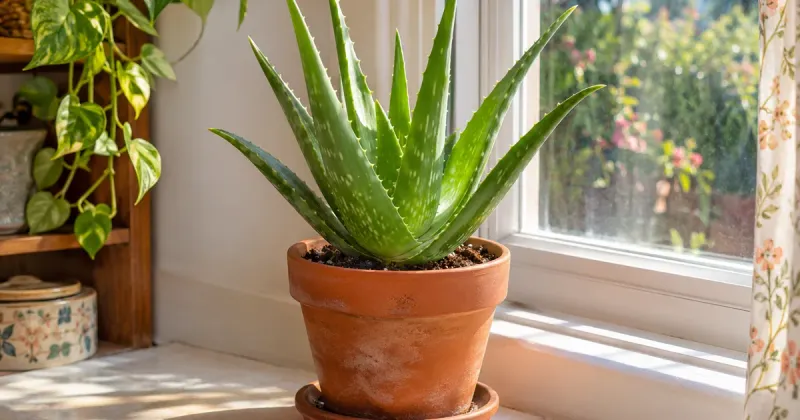
Desert rain inspires the best watering style for aloe. Soak the soil deeply, let the extra drain away, then wait until the mix is dry before the next drink.
Indoors, that usually means every two to four weeks during spring and summer. In winter, many plants need water only once a month or even less. Push a finger two inches into the soil, and if it feels damp, wait.
Overwatering is the most common reason aloes struggle. Mushy, translucent, or yellow leaves are warning signs. Underwatered plants look thin and slightly curled, and they bounce back quickly after a good soak.
That gap between drinks is part of the pup recipe. Short dry periods add mild stress, which can push the plant toward making offsets. Constant moisture tends to keep it lazy and at risk.
Dump any water collecting in saucers after about fifteen minutes. In humid coastal kitchens or bathrooms, the soil dries slower, so stretch the schedule. Dry inland homes with air conditioning may need water a bit sooner, so let the soil test guide you instead of the calendar.
Spring And Summer Patio Time Gives Aloe A Real Boost
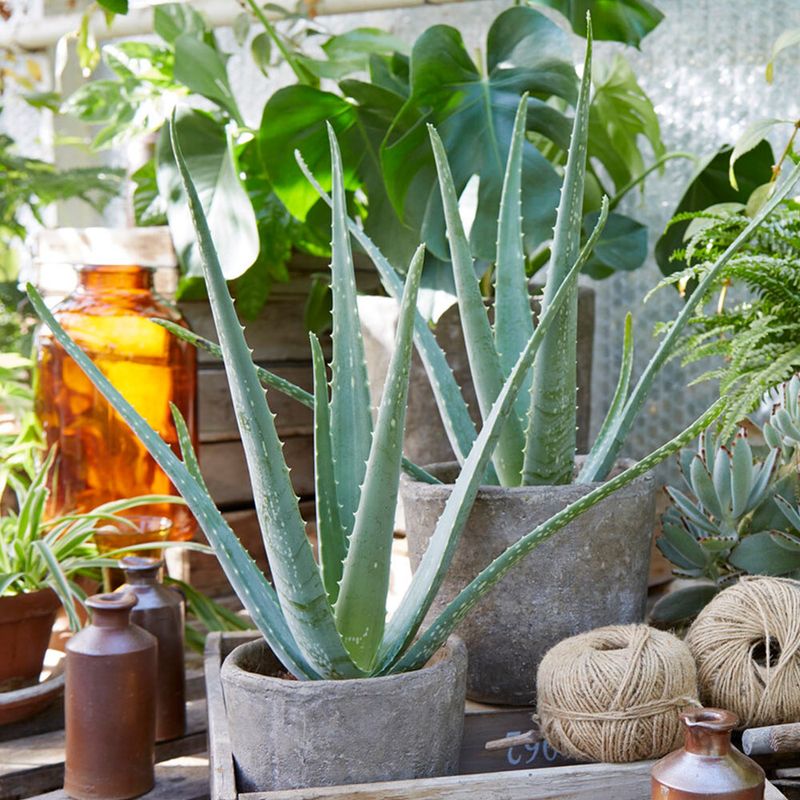
Some of the happiest aloes I have seen spend summer outdoors. Fresh air, brighter light, and warm nights can spark a burst of new growth and pups.
Much of coastal and Southern California sits in USDA zones 9 and 10, where aloe can stay outside much of the year. Frost is the limit, since temperatures near freezing can damage leaves. In colder mountain or high desert areas, bring pots indoors well before winter.
Move plants outside slowly. A plant used to a window can sunburn fast under open sky. Start with a shady patio corner for a week, then shift it into brighter spots over two or three weeks.
Fertilizer can help a little too. A diluted, balanced or succulent fertilizer once or twice during the warm season is plenty. Too much feeding leads to soft, weak leaves rather than more offsets.
Keep an eye on rain. Winter storms can soak outdoor pots for days, so place them under an overhang or tip them to drain. A dry, warm summer patio, on the other hand, feels like home to this tough succulent.
Aloe Pups Are Ready To Separate At A Few Inches Tall
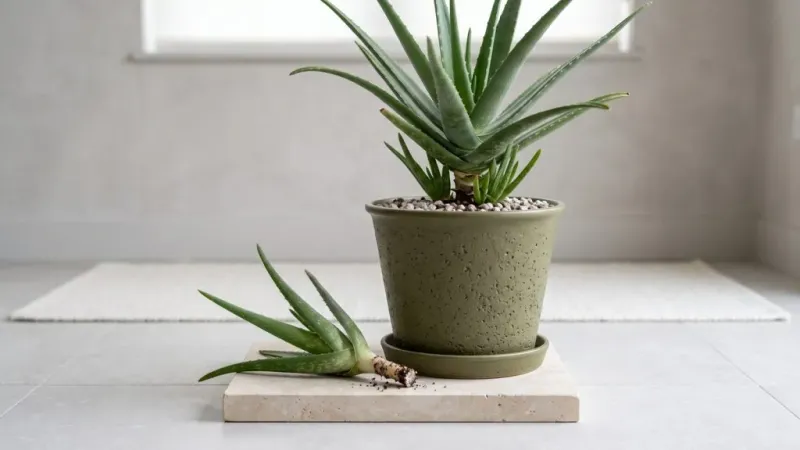
Removing pups actually helps the mother plant keep producing. Crowded pots compete for water and nutrients, so thinning the family gives everyone room.
Wait until a pup is around three to six inches tall with several leaves. By then, it often has its own small roots. Tiny pups without roots struggle to settle in after separation.
Spring and early summer are ideal times for the job. Slide the whole plant out of its pot and brush away soil to find where the pup connects. Gently pull it free or use a clean, sharp knife to cut the link.
Try to keep as many roots on the pup as possible. Wear gloves if your aloe has sharp edges, since some leaves have small teeth.
Let each pup rest in a shady, dry spot for a day or two. The cut end forms a callus, which helps prevent rot once it goes into soil. Put the mother back into her pot with fresh mix, and she will often send up another round of babies in the coming months.
Fresh Little Aloe Pups Deserve A Gentle First Home
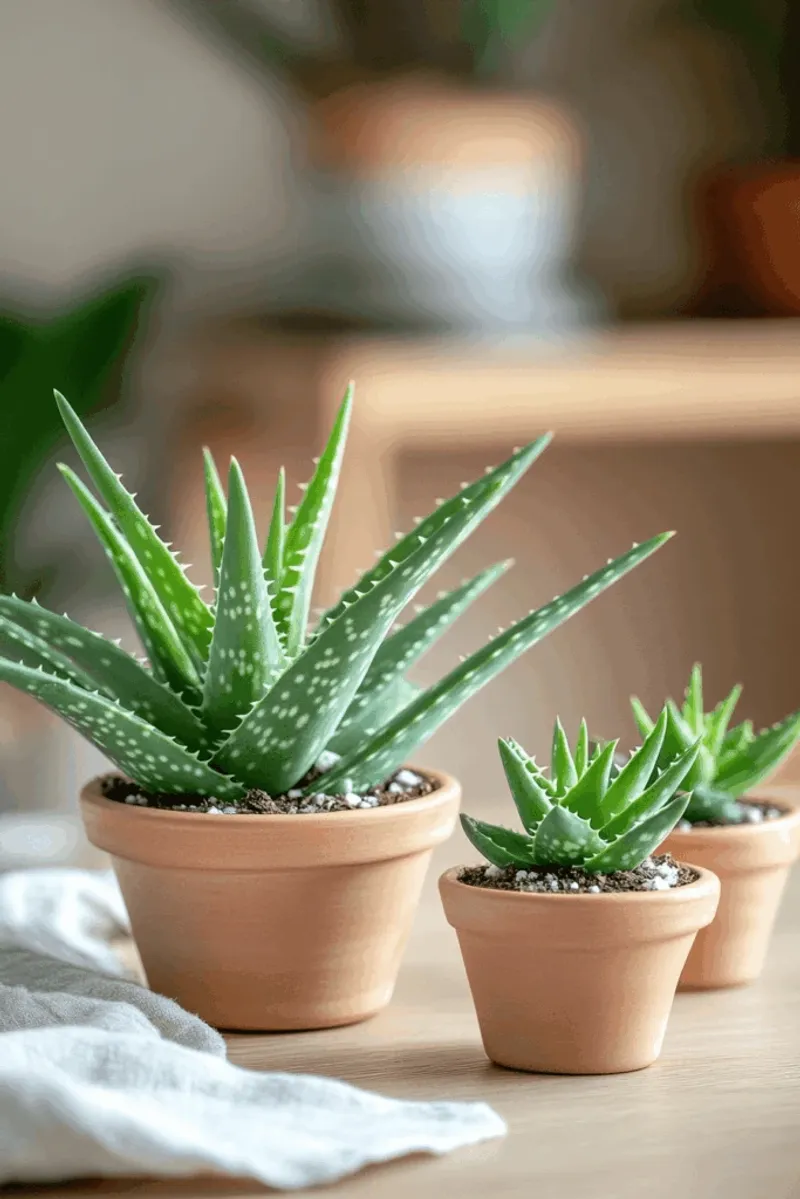
Watching a baby aloe root in its own pot feels like a small victory. A little care in the first few weeks makes success much more likely.
Use small pots about four inches wide with drainage holes. Fill them with dry cactus mix and set each pup so its base sits just at the soil line. Firm the mix lightly so the plant stands upright.
Hold off on water for about a week. That pause lets tiny root wounds heal. After that, water lightly and let the soil dry before the next drink.
Bright, indirect light suits newly potted pups best at first. After a couple of weeks, move them into the same bright spot the mother loves. New leaves from the center tell you roots are taking hold.
Extra plants make wonderful gifts for friends and neighbors. Aloe gel has long been used on minor skin irritations, so a kitchen windowsill plant is a handy present. Before long, your first lonely aloe can become a whole shelf of healthy green babies, each ready to start its own family someday.