Why Arizona Gardeners Shouldn’t Pour Turkey Grease Anywhere Near the Yard
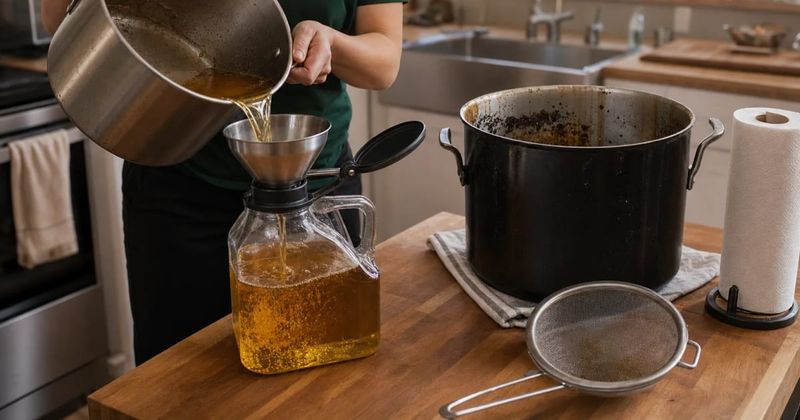
A single holiday turkey can leave you with a pan full of fat that looks harmless. Once it cools, it turns into a thick, waxy mess.
In Arizona, a quick toss in the yard may seem easy after a big meal. Here is a calmer plan that keeps your yard, your pipes, and your compost pile happy.
Keep Grease Off the Ground, Especially Near Runoff
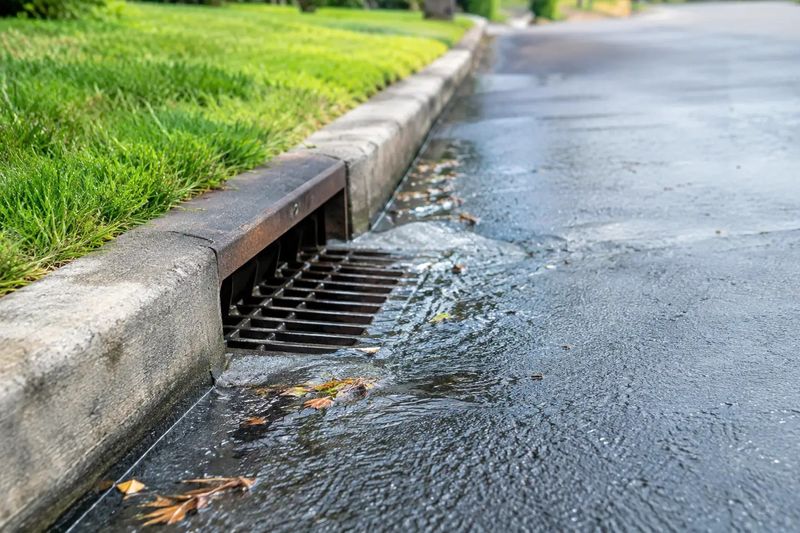
Rain in the desert often arrives hard and fast, and water has to go somewhere. Phoenix explains that stormwater can carry oil and grease to storm drains, then on untreated to rivers, washes, and retention basins.
That is the real reason to keep grease off driveways, patios, gutters, and bare dirt where runoff can pick it up. Scottsdale gives the same advice in its stormwater guidance, which says not to pour fats, oils, or grease on the ground or into storm drains.
Let’s keep this in proportion. A small drip on garden soil is not proof of measurable damage, and nobody is saying one spill ruins a yard.
The goal is simply to stop grease from heading down a runoff path.
Also, keeping grease off the ground does not mean you cannot hold onto it. A sealed container on the counter or in the garage, waiting for trash day, is exactly what the cities recommend.
Keep Turkey Fat Out of the Compost
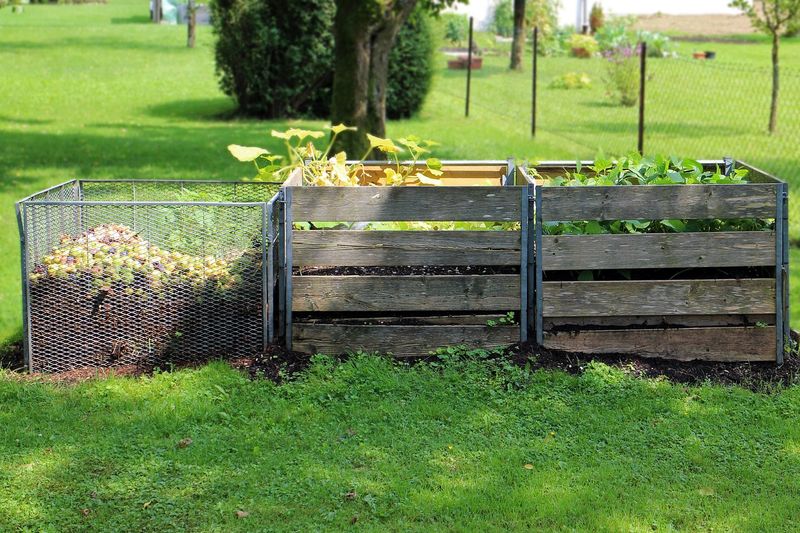
Compost piles love vegetable scraps, leaves, and coffee grounds, but fat is a different story. University of Arizona Cooperative Extension notes in its low desert composting guide that oily products break down slowly and should stay out of the pile.
The same guide says animal fats can smell and attract flies and other vermin. That is a compost-specific warning, so it makes sense to skip drippings, skin fat, and leftover pan oil.
Nothing here says turkey fat harms particular garden plants, and no source ties it to named Arizona pests. The point is that a pile that stays sweet-smelling and breaks down steadily is easier to manage.
If you have a bowl of drippings after dinner, do not scrape it toward the bin out of habit. Pour it into a container instead and let the compost keep to plant scraps.
Do Not Send Grease Through Drains or Septic Systems
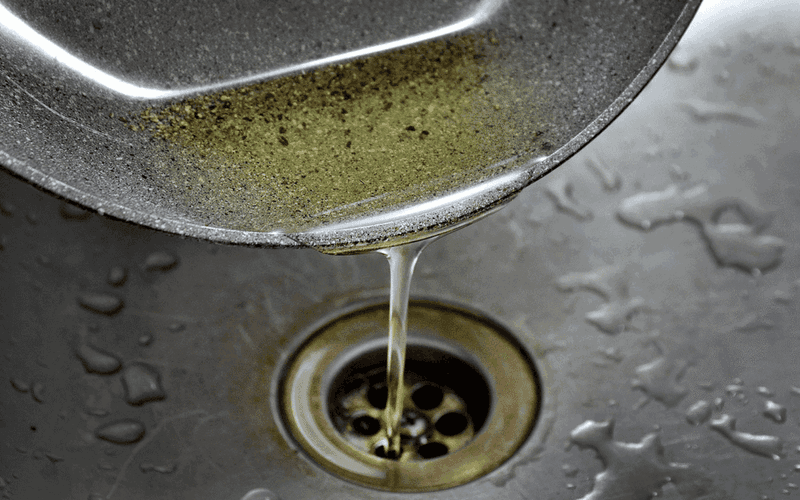
After a big cook, the sink can look like the easy answer. Hot grease runs down smoothly, then cools inside the pipe and sticks.
Mesa warns that fats, oils, and grease should not go down the drain because they can contribute to sewer clogs and backups.
Washing it away with hot water or dish soap does not fix the problem. The grease is still in the plumbing, just out of sight.
Homes with septic tanks have a separate reason to be careful. EPA says in its septic care guidance that fats and grease can interfere with how a septic system operates.
Toilets are no better than sinks. Both lead to the same pipes, and neither is a place for leftover turkey fat.
Cool, Contain, and Put It in the Trash
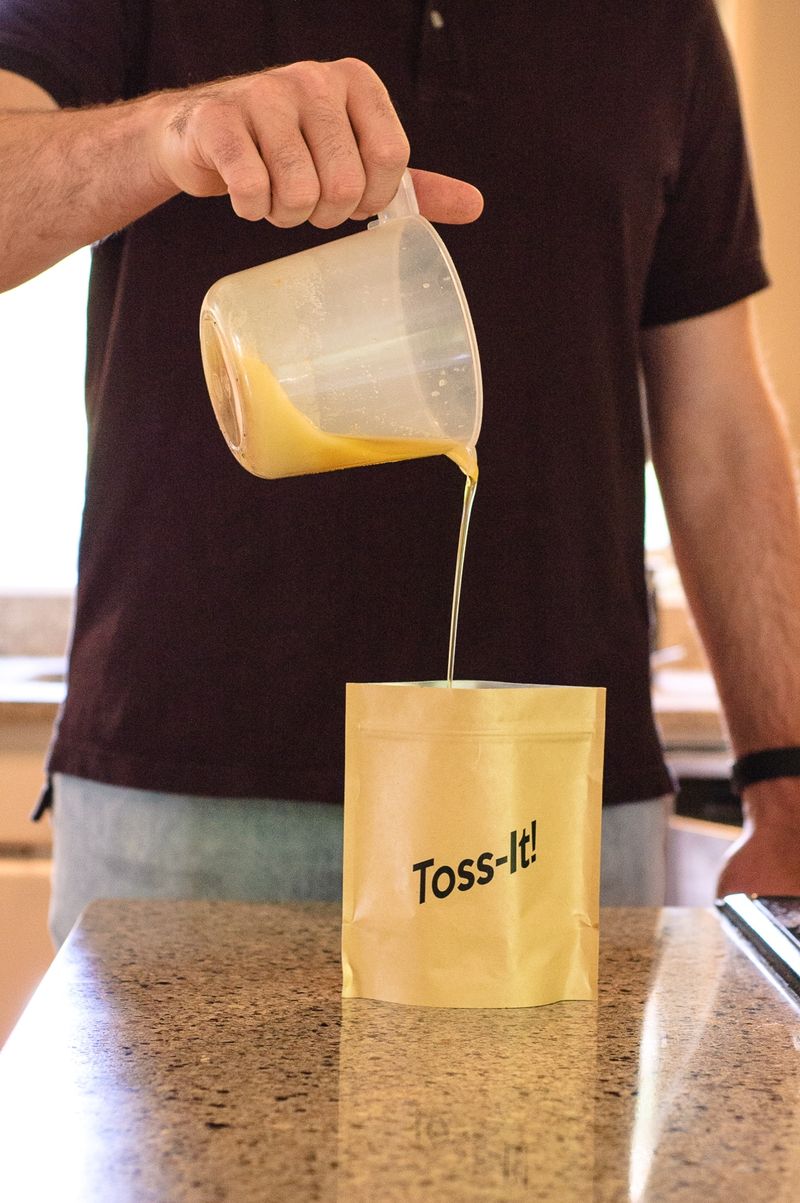
Here is the routine that works for most households. Let the roasting pan sit until the fat cools and firms up.
Then you can handle it without a splash.
For small amounts, Phoenix recommends scraping cooled grease into the trash. A rubber spatula or a paper towel makes this easy.
For larger amounts, Mesa suggests a jar, coffee can, or similar container, as described in its grease disposal advice. Pour the cooled grease in, close the lid, and set it aside.
Keeping a container in the kitchen is not the same as dumping grease outside. Once it is full, put the whole container in the trash.
Absorb an Accidental Outdoor Spill
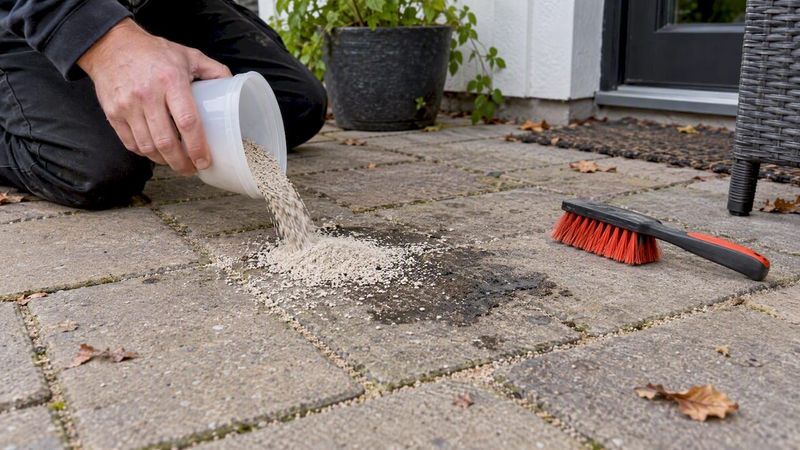
Spills happen, especially when you carry a hot pan across the patio. If grease lands on the ground, skip the hose.
Washing it off just sends it along the surface toward a drain.
EPA’s stormwater tip sheet recommends soaking up grease with absorbent material and putting the cleanup waste in a garbage can.
Cat litter, sawdust, or paper towels can do the job. Spread it over the spot, let it soak, then sweep it up.
This is a simple preventive step, not a sign of harm. A quick cleanup just keeps grease from traveling, and then you can get back to the leftovers.
Check Local Guidance Before Recycling
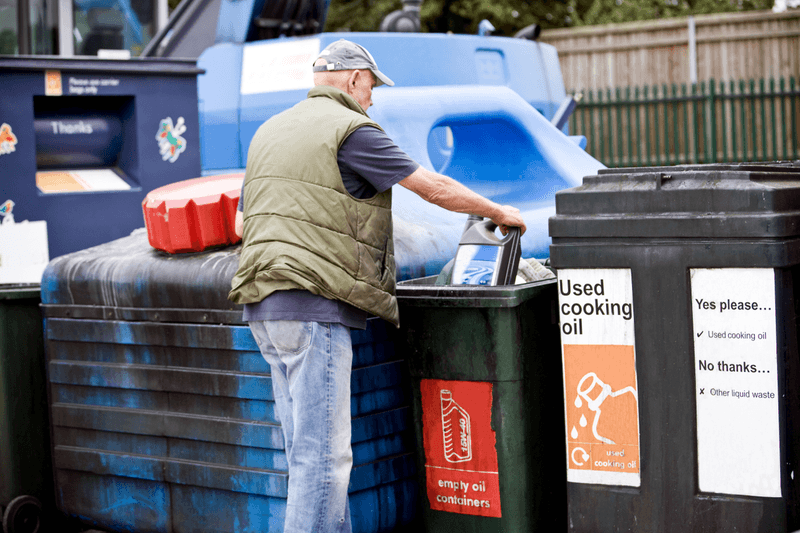
Some communities offer another path for used cooking oil. Mesa, for example, points to a cooking-oil recycling facility on its grease disposal page.
Arizona’s environmental agency also lists community resources, and its recycling toolkit describes local fats, oils, and grease collection events. These options vary by city and by season.
Before you drive anywhere, check the current rules. Look for whether turkey grease or poultry fat is accepted, what container to use, and when the site is open.
If you cannot confirm it, the trash routine still works. A little phone call beats a wasted trip, and a sealed jar in the bin is always a fine fallback.