11 Fig Pruning Cuts Pennsylvania Gardeners Make Before Wrapping Trees For Winter (And 3 That Hurt)
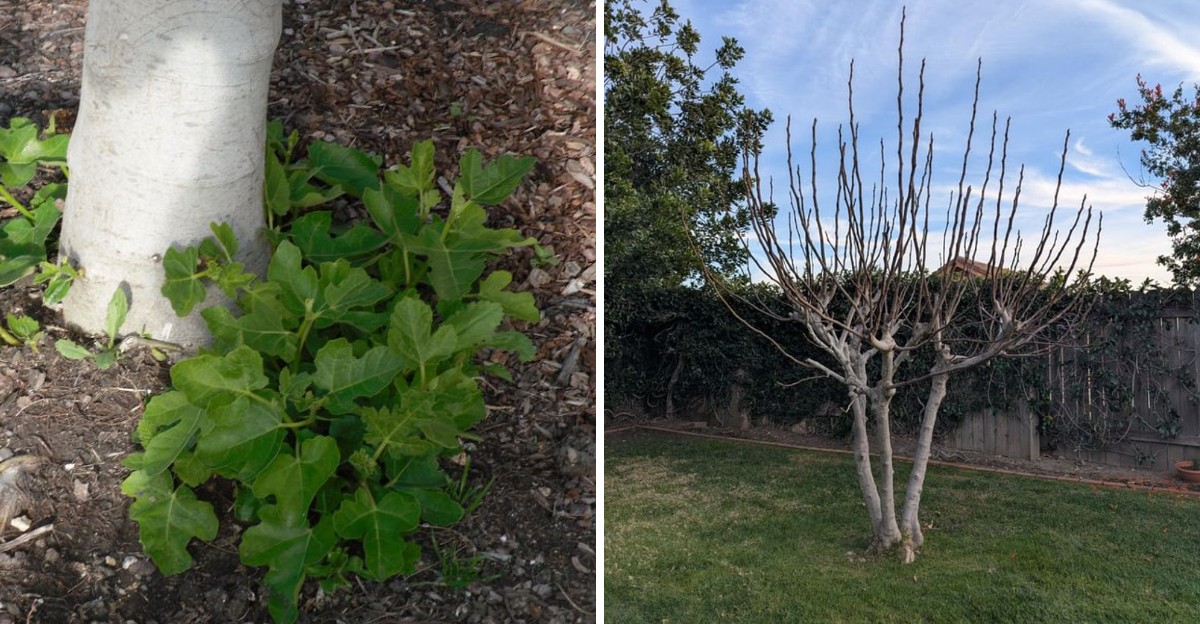
Italian immigrant families in South Philadelphia once wrapped their backyard fruit trees in old carpet and buckets each fall. Some of those same trees, or their rooted cuttings, still produce sweet fruit along narrow city rowhouse yards.
Those bundled shapes looked odd to passing neighbors, yet the trick worked surprisingly well in Pennsylvania backyards.
Shorter branches made the wrapping job easier, and smart cuts kept next summer’s harvest safe from careless loppers.
I learned the hard way that one eager afternoon with pruners can erase an early summer crop. You might notice your own tree looks shaggy and oversized right before the cold weather finally settles in.
A few smart cuts help a Pennsylvania tree rest soundly under its winter blanket until spring days return. A few careless ones quietly rob you of fruit, so which kind hides in your pruning habits?
Snip Brittle Gray Fig Wood Back To Green
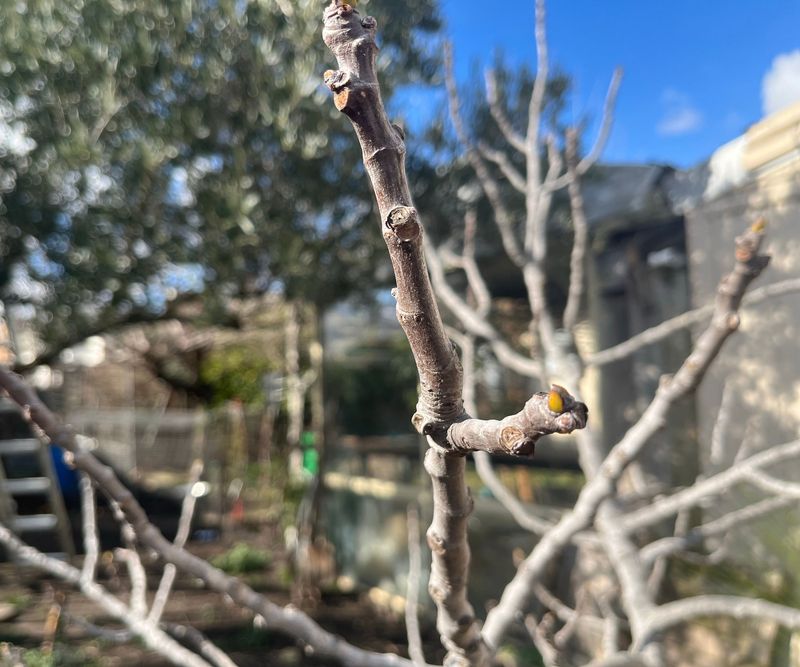
A quick fingernail scratch tells you a lot, because healthy fig bark hides a bright green layer underneath. Brittle gray twigs show only brown or tan tissue, and they snap with a dry little crack.
I like doing this check after the first hard frost knocks the big leaves to the ground. Bare branches reveal their secrets clearly, so lifeless tips become easy to spot from across the yard.
Cut each brittle stem back to living wood, just above a healthy bud or side branch. Those lifeless pieces offer nothing to the tree and can become a doorway for decay over winter.
Clean pruners matter here, so wipe the blades with a household disinfectant between cuts on questionable wood. Your tree goes into its wrap lighter and tidier, with fewer weak spots for trouble to start.
Remove Cankered And Storm Broken Fig Limbs
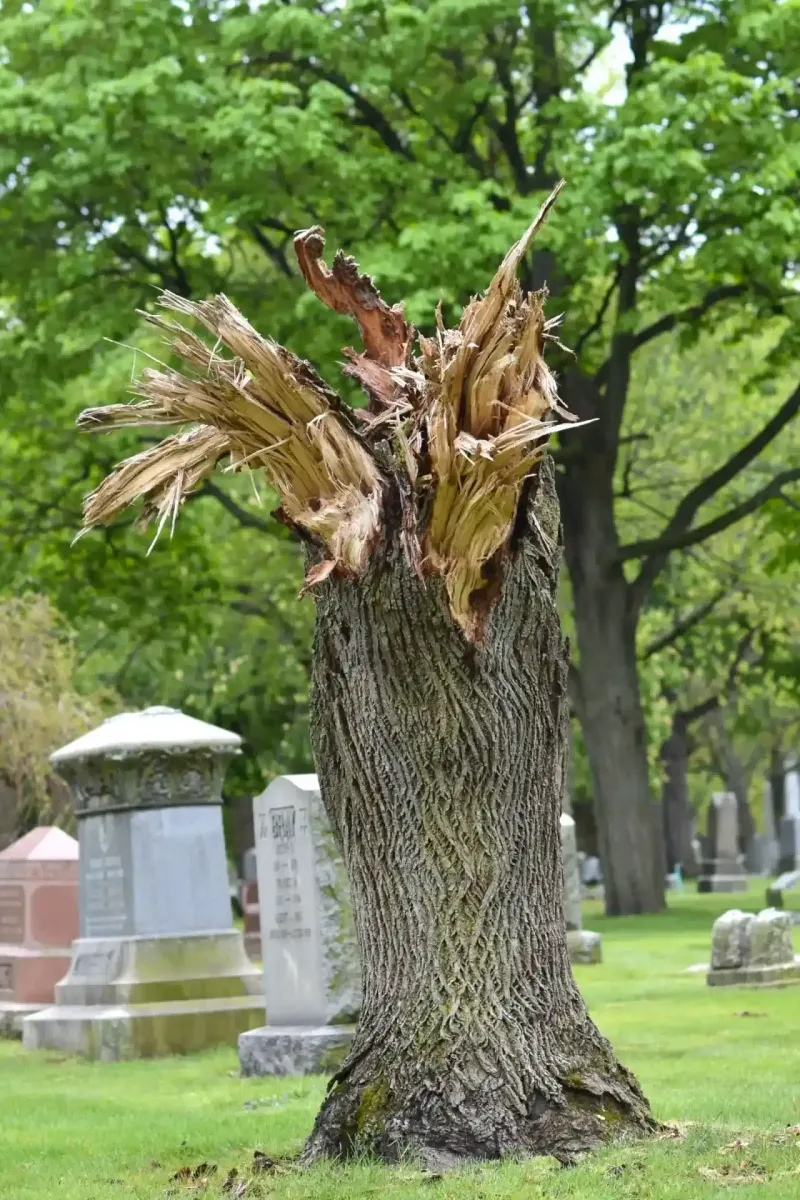
Summer storms in Pennsylvania leave souvenirs, and a torn fig limb dangling by a strip of bark is a common one. Sunken, discolored patches on the bark can also signal canker trouble that deserves your attention before wrapping.
Ragged breaks heal poorly because the torn edges hold moisture and give fungi a comfortable place to settle. A clean cut just above a healthy side branch or bud gives the tree a much better chance.
For cankered wood, cut several inches below the discolored area into clean, healthy tissue with no staining. Bag those pieces and toss them in the trash rather than leaving them in your compost pile.
I find broken limbs easier to judge once leaves drop, since the damage stands out against bare wood. Handling these repairs now means your wrapped tree carries fewer weak points into a Pennsylvania snow and ice season.
Pull Away Fig Suckers Sprouting From The Base
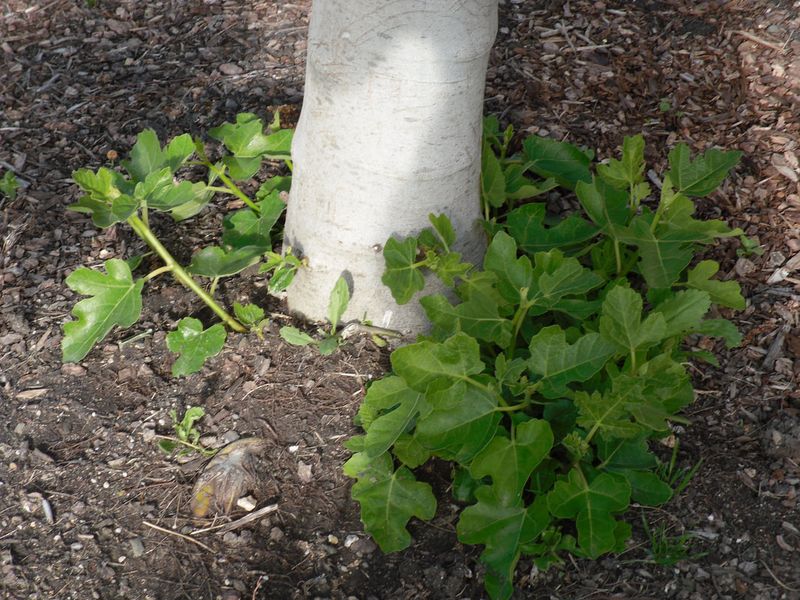
Figs love to send up surprise shoots from the roots, almost like the tree is planning a backup copy. Those suckers grow fast and straight, often popping up a foot or more away from the main trunk.
Left alone, they crowd the base and pull water and nutrients away from the branches you want fruiting. They also make wrapping awkward, since you end up bundling a messy thicket instead of a tidy trunk.
Cut each sucker flush where it emerges, digging back a little soil if needed to reach the origin. Hand pruners work for thin ones, while thicker suckers may need loppers or a small pruning saw.
A rooted sucker can become a free new plant, so friends often ask me to dig one up. Pot it up in spring instead of fall, since young starts struggle through their first cold season outside.
Snip Upright Water Sprouts Off Fig Branches
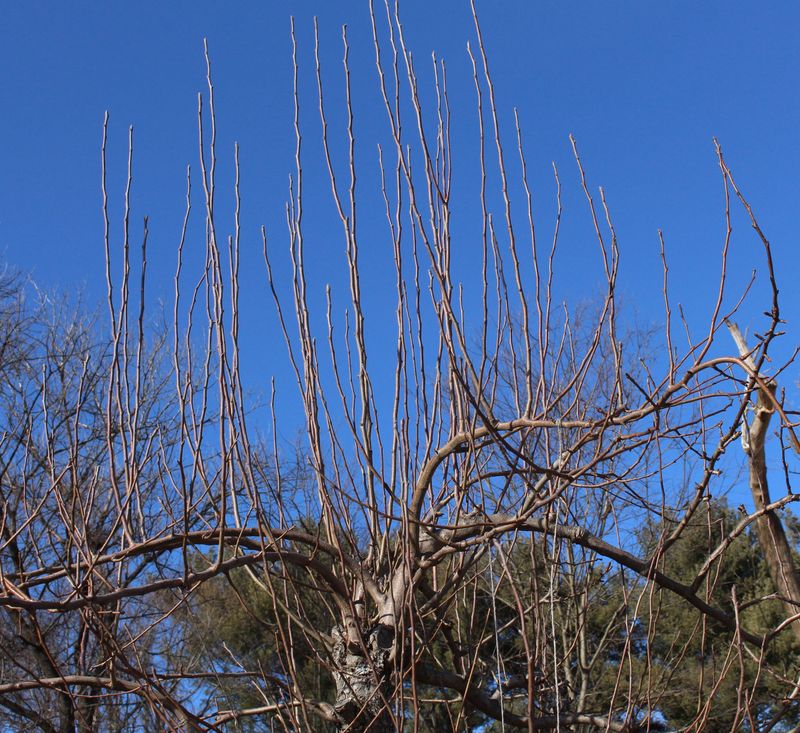
Water sprouts shoot straight up like green antennae, and they can stretch several feet in one summer. They usually pop out from the trunk or main limbs, especially after heavy pruning the year before.
Most sprouts bring more leaves than fruit, and they clog the center of the canopy with tangled growth. I treat them like party crashers, polite enough to look at but not invited to stay.
Remove each sprout at its base, leaving no stub behind for new shoots to sprout from again. If one sits in a helpful spot to fill a gap, keep it and shorten it slightly instead.
Fewer upright shoots also make your wrapping job far simpler, since tall whips poke through burlap and blankets. A tidy, open framework keeps the protective layers snug against the main branches where warmth matters most.
Thin Fig Branches That Grow Toward The Center
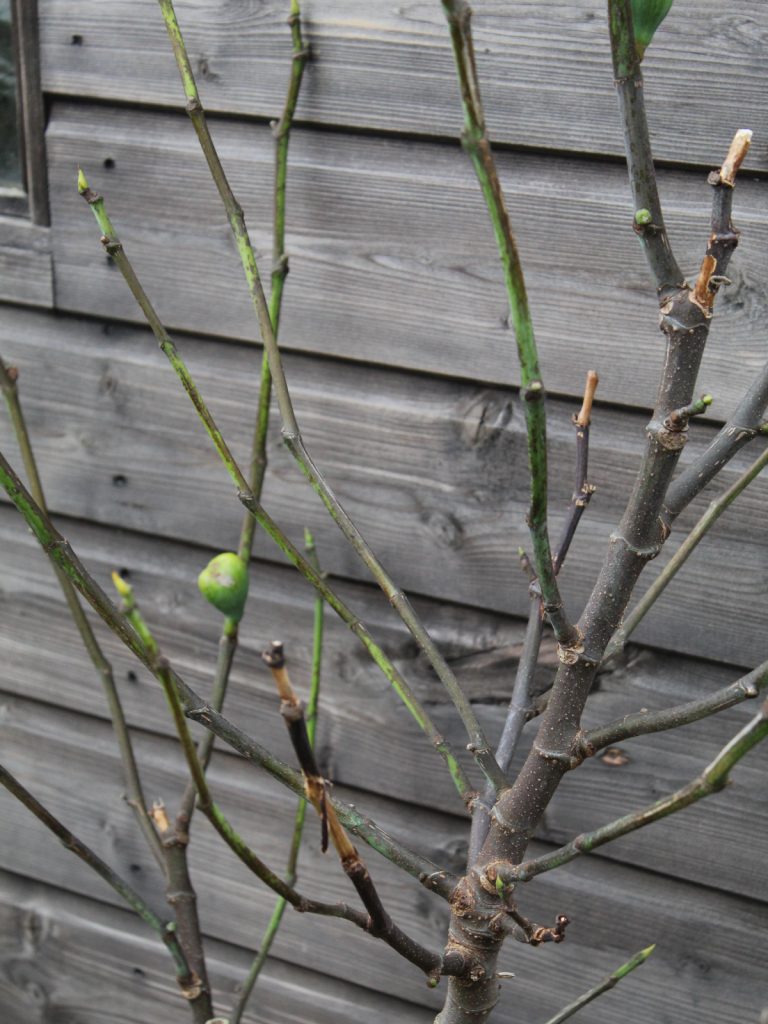
Fig leaves are huge, sometimes wider than a dinner plate, so a crowded center turns shady and damp quickly. Branches aiming inward add to the clutter and rarely ripen much fruit in that shadowy middle space.
Cut inward growers back to an outward-facing bud or right to the branch they spring from. Each removal opens a small window that lets light and breezes travel through the tree again.
Better airflow matters before wrapping, because trapped moisture under covers can encourage mold and rot on bark. An open canopy dries faster after rain, so your tree heads into storage in cleaner condition.
I step back after every few cuts and look at the overall shape before snipping again. That habit saves me from overdoing it, and it helps the tree keep a pleasant vase-like form.
Separate Crossing Fig Branches Before They Rub
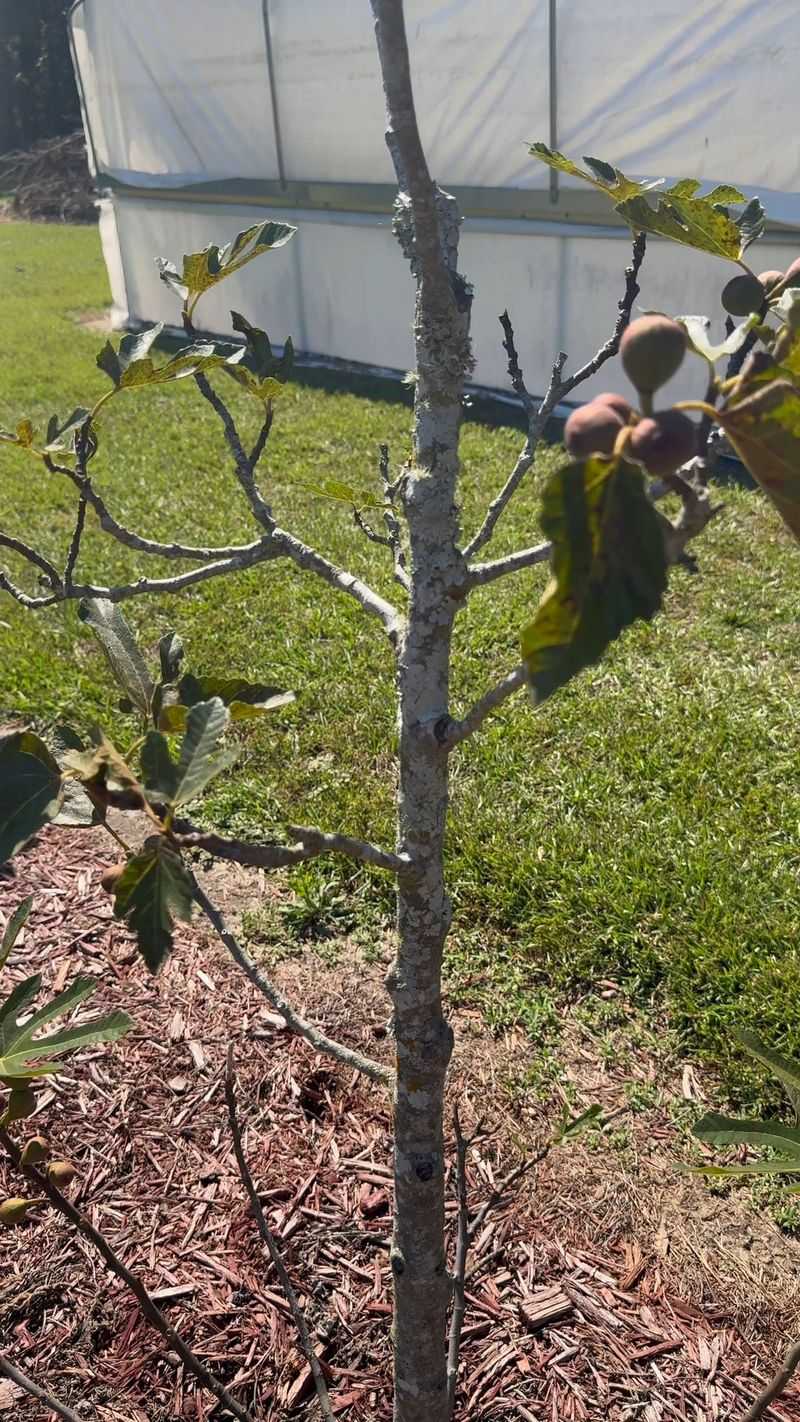
Two branches rubbing together sound harmless, but wind turns them into slow-motion sandpaper on each other’s bark. Over a few seasons, that friction wears open wounds where insects and fungal spores can settle in.
Look for spots where bark appears scuffed or flattened where two limbs meet inside the canopy. Pick the weaker or poorly placed branch, then remove it back to its point of origin.
Wrapping adds a twist here, since bundling limbs together can press branches against each other for months. A branch that only brushes lightly in summer may rub hard once burlap pulls everything snug.
I like to gently gather the branches by hand first to preview how they will sit when wrapped. That quick test shows me which crossing limb needs to go before it causes trouble under the covers.
Shorten Tall Fig Branches To Fit The Wrap
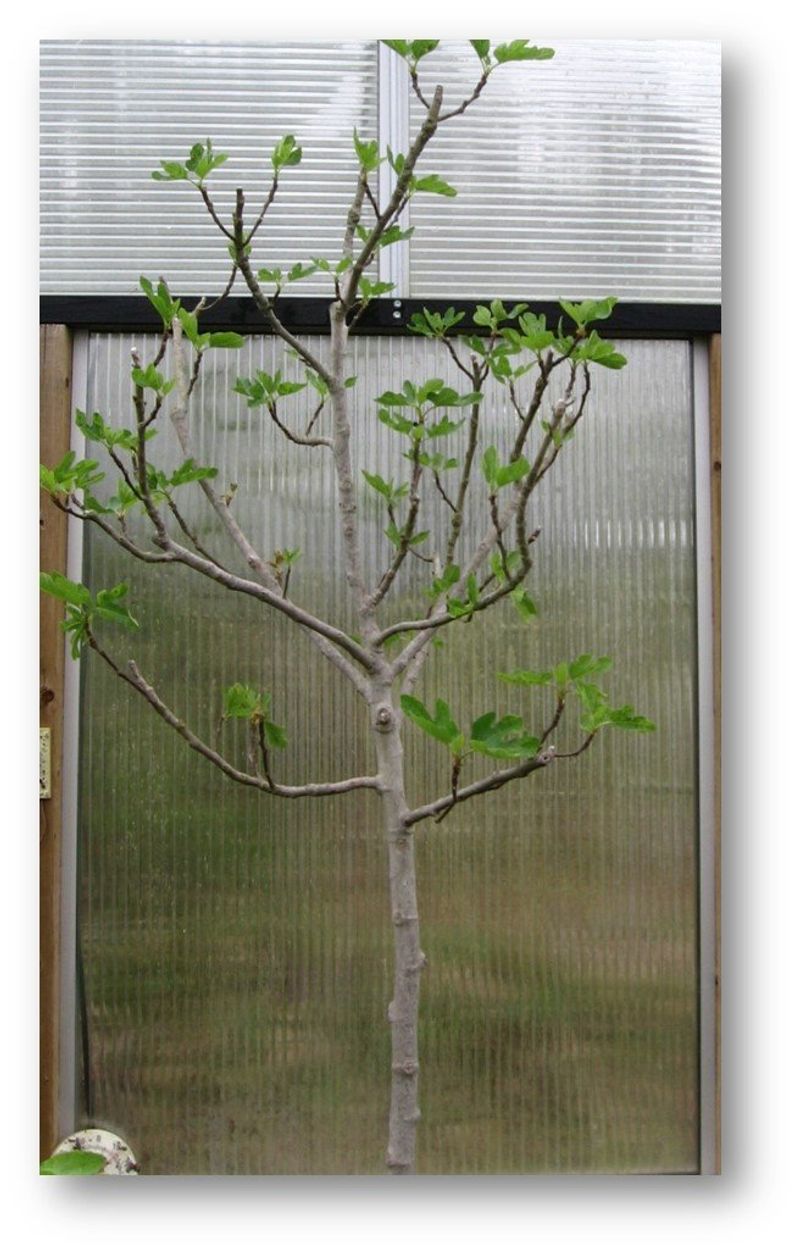
A fig that towers over the fence in August becomes a real puzzle when you try to wrap it. Reducing height before winter turns that wrestling match into a manageable job you can finish in an afternoon.
Many experienced Pennsylvania growers trim their trees to a practical size before covering them for cold weather. Shorten tall branches with heading cuts just above an outward-facing bud, usually to roughly shoulder height.
Plan for the materials you actually own, since burlap and old blankets only stretch so far around branches. Measuring your cage or fabric first keeps you from guessing and cutting more wood than necessary.
I tie branches loosely together with soft twine after these cuts, which creates a narrow column for wrapping. The bundle sheds snow better and fits snugly inside insulation, giving buds a much better shot at spring.
Trim Long Bare Fig Limbs Back To Fresh Buds
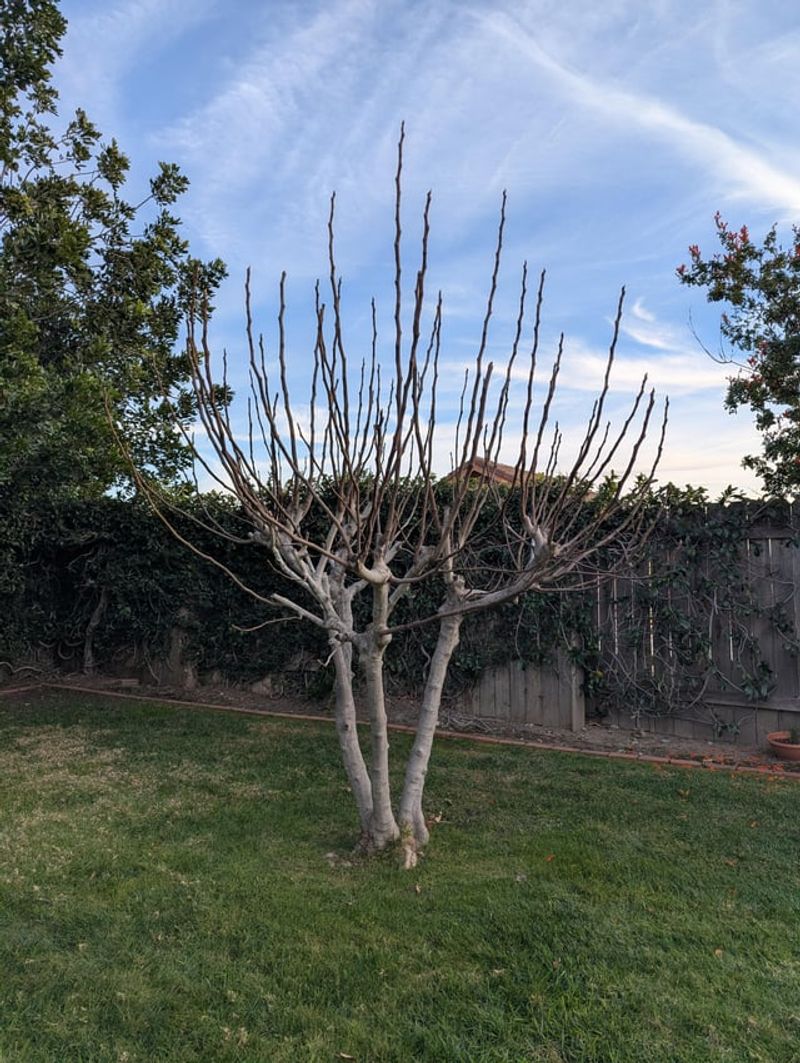
Some fig branches grow like skinny fishing poles, long and leafless with all the action crowded at the tip. Those bare stretches waste space inside your wrap and rarely produce much fruit along their naked length.
Cutting them back encourages fresh shoots closer to the trunk, where fruit stays easier to reach and protect. Choose a healthy bud or side branch, and make your cut about a quarter inch above it.
Angle each cut slightly so rain and melting snow slide away from the bud instead of pooling there. I use sharp bypass pruners for these, since crushed stems from dull blades heal slowly and unevenly.
Shorter, fuller limbs also hold up better against heavy snow loads that can bend long branches out of shape. Next summer, you may notice a bushier tree with figs tucked right where your hands naturally reach.
Clear Out Thin Spindly Fig Shoots
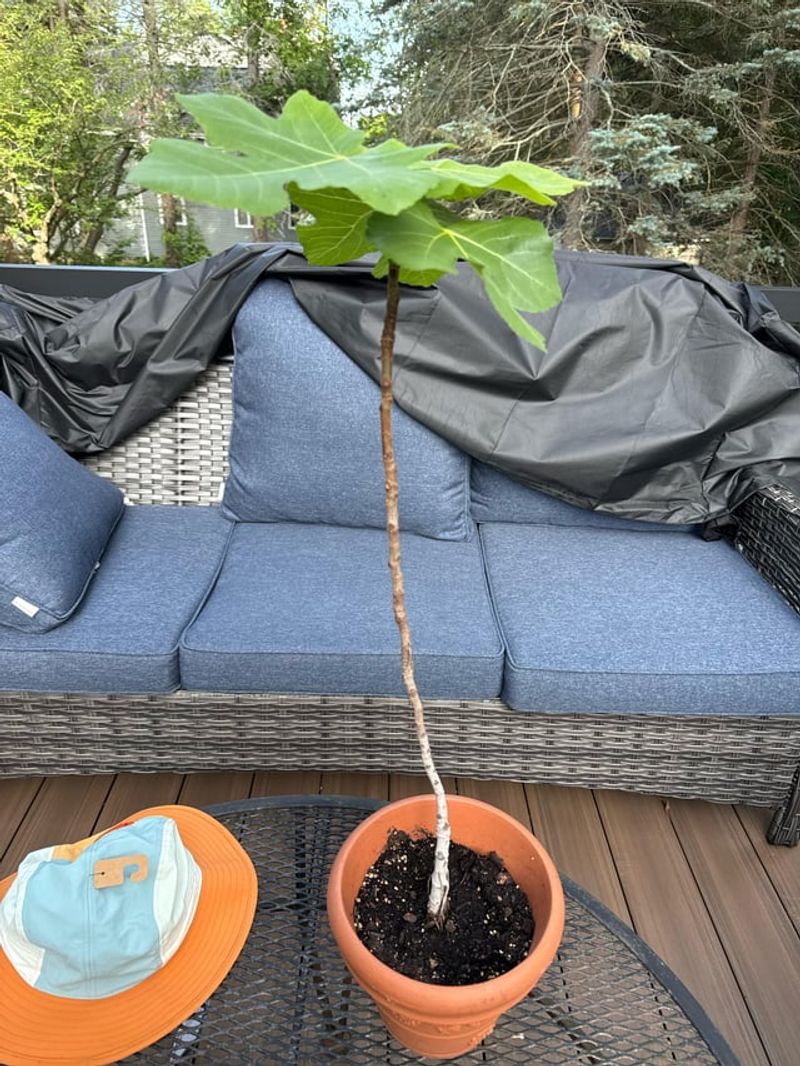
Pencil-thin fig shoots look sweet in summer, but winter weather treats them like brittle little breadsticks waiting to snap. Ice and wet snow bend these weak stems easily, and the breaks often leave jagged wounds behind.
Spindly growth also tends to sit low or shaded, where it struggles to ripen fruit before frost arrives. Removing it sends the tree’s stored energy toward sturdier wood that actually earns its place in the canopy.
Cut thin shoots back to their base or to a strong parent branch, leaving a neat collar. I tackle these last, after the bigger decisions, so I can see which small stems truly matter.
Keep an eye on young trees, though, since every shoot might be precious while the framework develops. In that case, thin only the weakest few and let the rest gain strength through another season.
Remove Fig Branches With Tight V Shaped Crotches
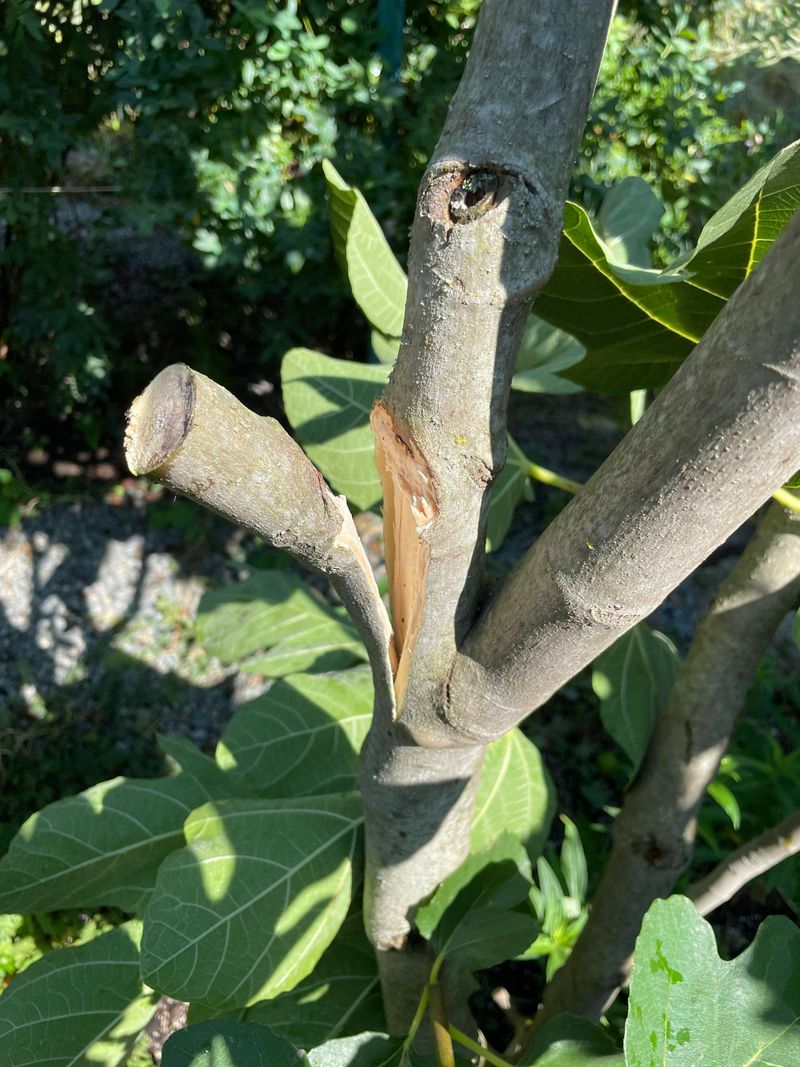
Branches that join the trunk at a tight V look strong, yet they often hide a weak seam inside. Bark gets trapped between the two stems, so the wood fuses less firmly than it would at a wider joint.
Under the weight of snow or ice, those narrow crotches can split and tear a long strip of bark. A split like that lets cold air and decay reach deep into the trunk over winter.
Look for branch angles narrower than roughly forty-five degrees, especially on main limbs heading upward together. Remove the weaker stem or the one growing in the less useful direction, cutting just outside its collar.
On bushy, multi-stem figs, I sometimes leave a tight pair alone and simply shorten one to reduce strain. That gentler approach keeps fruiting wood while lowering the risk of a heavy branch peeling apart under snow.
Renew The Oldest Fig Trunks For Fresh Growth
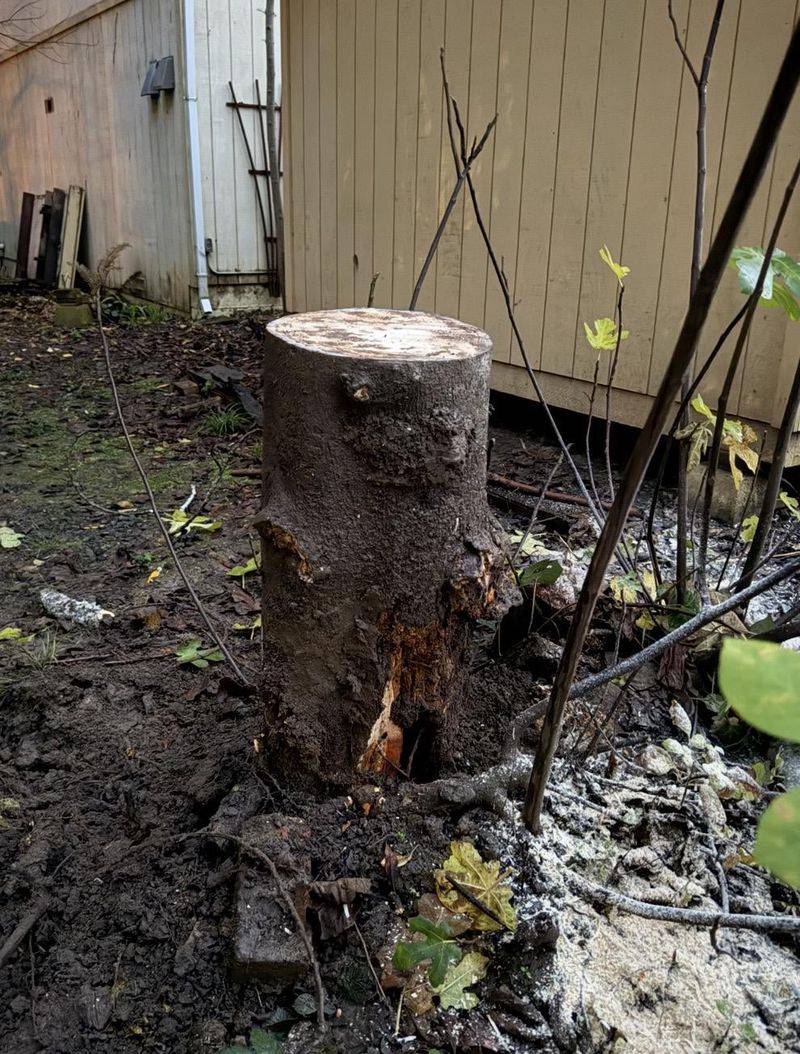
Older fig stems slowly get gnarly and less productive, a bit like a favorite sweater that has stretched too far. Renewal pruning swaps one tired trunk for younger wood, keeping the tree lively without starting from scratch.
Choose one or two of the oldest, least vigorous main stems, and only every few years, not every fall. Cut them back to a strong side branch or low stub where fresh shoots can emerge next spring.
Bush-style figs with several trunks handle this well, since the remaining stems carry the harvest while replacements grow. Single-trunk trees need more caution, so focus on aging side limbs rather than the main trunk itself.
Saving big renewal cuts for late winter makes sense if your tree already looks compact enough to wrap. I like to mark candidates with a ribbon in fall, then decide once the coldest weeks have passed.
Stripping All Last Year’s Fig Wood Costs Your Breba Crop
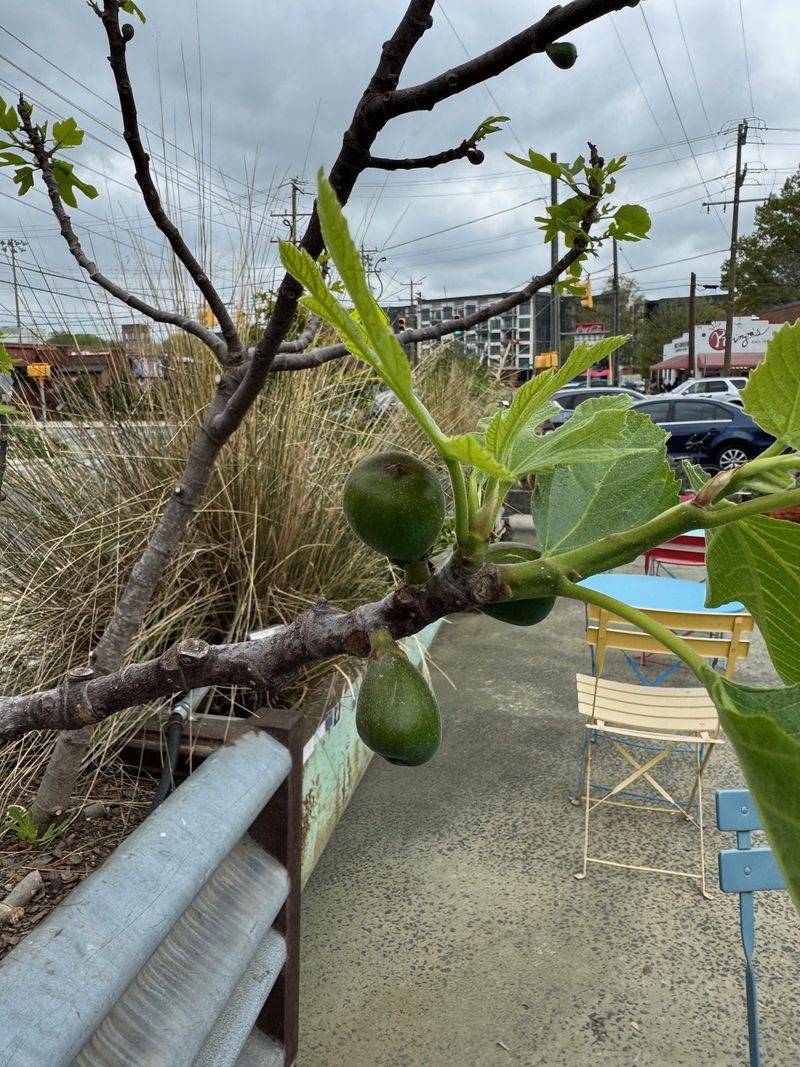
Figs can fruit twice, and the early summer batch, called the breba crop, forms on last year’s wood. Shear off every one-year-old branch before wrapping, and that early treat disappears before you ever see it.
Main crop figs grow on new shoots later in summer, so the tree can still produce something afterward. Still, losing brebas feels painful, especially with varieties like Brown Turkey that often set a decent early crop.
In Pennsylvania, brebas sometimes get nipped by cold anyway, which is one more reason to protect the wood you keep. Wrapped branches give those tiny overwintering buds a better chance of surviving until warm weather returns.
I leave a healthy share of smooth, young branches in place each fall for this reason. Thin them selectively instead of shearing, and next June might reward you with a surprise early harvest.
Flush Cuts Against The Fig Trunk Slow Healing
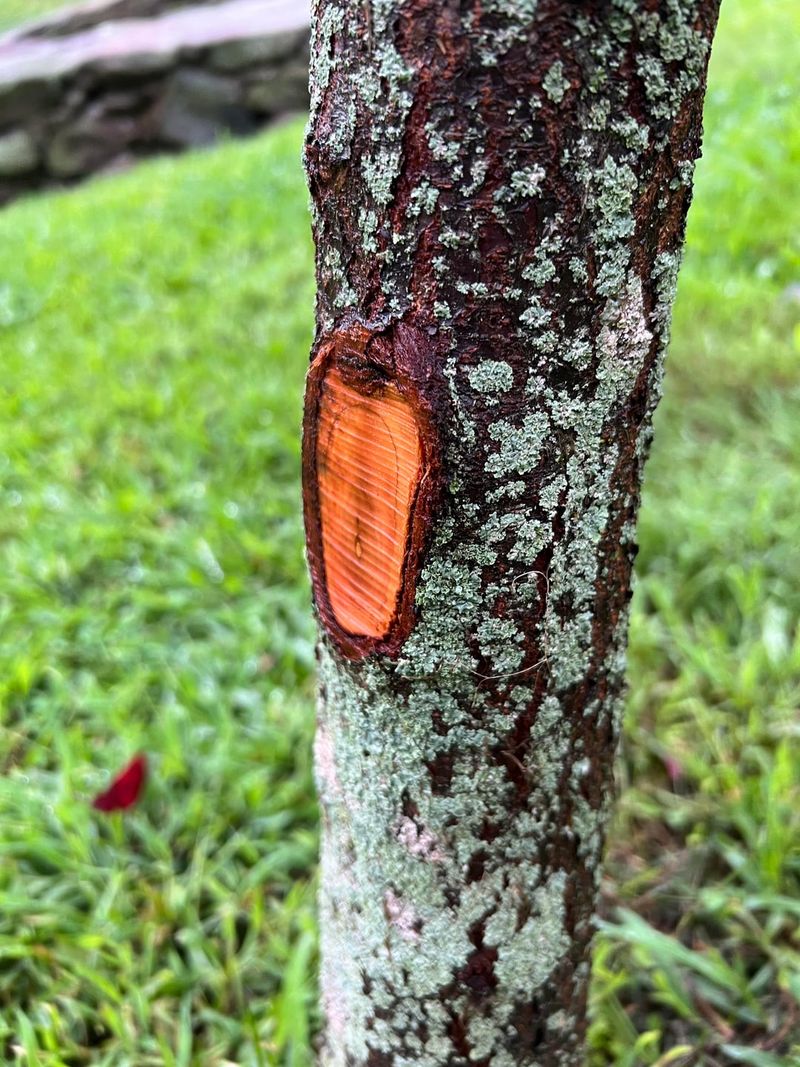
A perfectly flush cut looks neat and professional, which is exactly why so many gardeners fall for it. Slicing right against the trunk removes the branch collar, that slightly swollen ring where the branch begins.
The collar holds special tissue that helps the tree seal off wounds and wall off decay naturally. Shave it away, and the wound grows larger while closing much more slowly than a proper cut would.
Cut just outside the collar instead, leaving that subtle bump intact without leaving a long stub behind. For heavier limbs, use the three-cut method so the branch weight does not tear bark down the trunk.
Skip wound paint too, since research shows sealants usually do little to help and can trap moisture. I learned to trust the tree’s own healing system once I saw how cleanly proper cuts closed.
Cutting More Than A Third Of The Fig Canopy Backfires
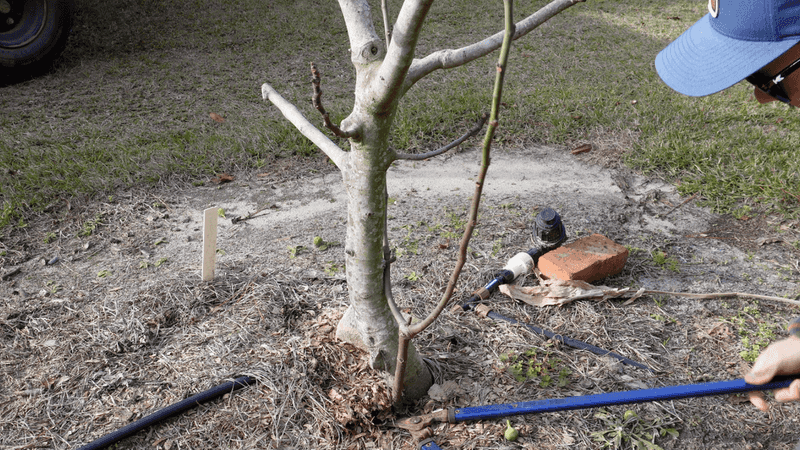
Big, dramatic pruning feels satisfying in the moment, but figs often answer with a frantic burst of sprouts. Removing more than about one-third of the canopy at once stresses the tree and drains stored energy.
That stress can mean fewer figs next year, plus a thicket of upright shoots you must tame later. Heavy cuts in early fall also expose fresh wounds to cold before the tree fully settles into dormancy.
If your fig has outgrown its space, spread the reduction across two or three dormant seasons instead. Each year, trim a reasonable portion and let the tree adjust before taking the next step down.
I keep a rough tally while working, and I stop once the pile looks like a third of the tree. Patience pays off with a healthier fig that still fits snugly inside its Pennsylvania winter wrap.