7 Mistakes Arizona Gardeners Make When Planting Bare-Root Trees
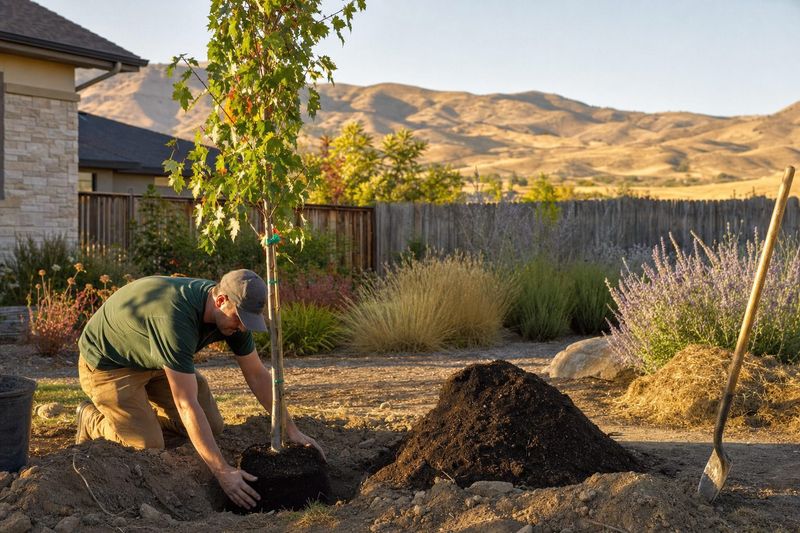
A bare-root tree arrives with naked roots and zero soil, yet it can leaf out happily within weeks. That little bundle of sticks is often cheaper than a potted tree and frequently establishes faster in native ground.
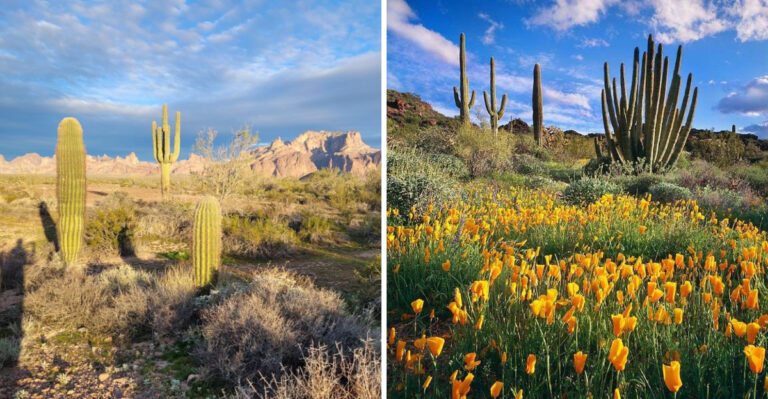
Desert soil can push its pH above 8, which locks away iron and turns new leaves yellow. Hard caliche layers hide below the surface too, trapping water like a bathtub with the plug in.
I have to admit my first bare-root peach taught me more through struggle than success. You might notice that most problems trace back to small choices made in the first hour of planting.
Arizona rewards careful planters with shade, fruit, and birds nesting in sturdy branches. So which simple slip-ups are quietly holding your future Arizona trees back?
1. Planting Bare-Root Trees During The Wrong Season
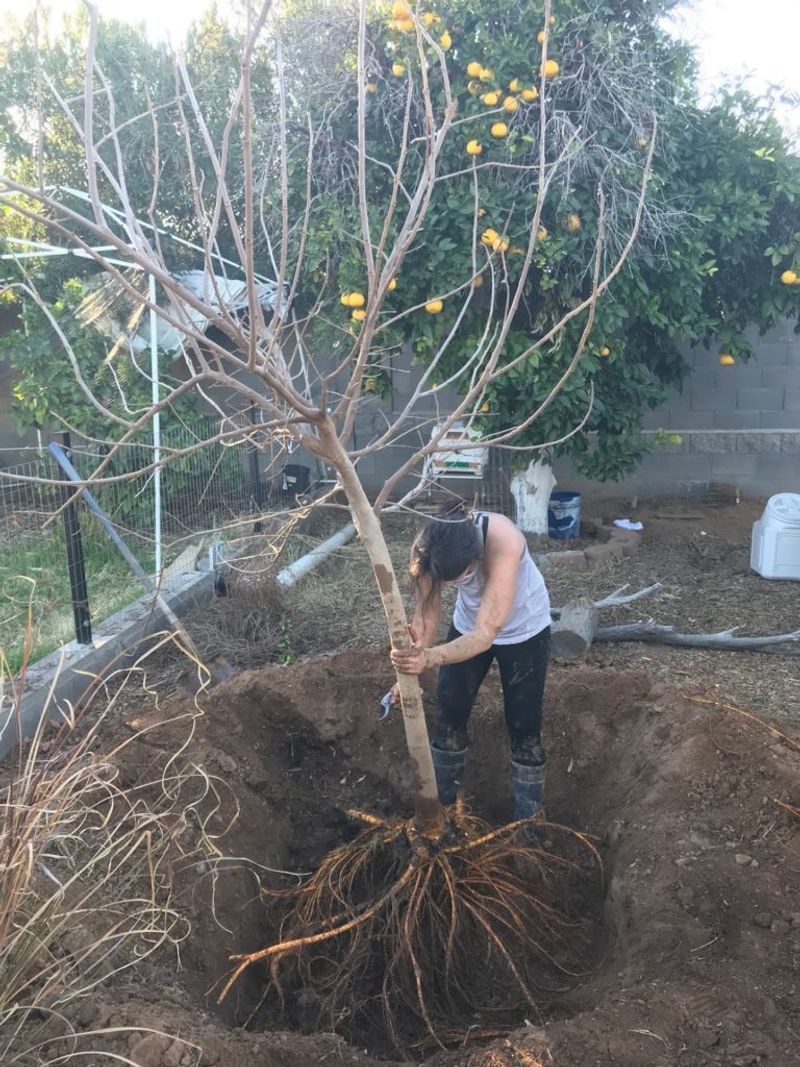
Timing matters more than most of us expect, because a dormant tree needs cool weeks to grow roots before heat arrives. Nurseries in the low desert usually stock bare-root fruit trees in January and February for exactly that reason.
Planting them in late spring often leaves young roots baking before they have spread far enough to find steady moisture. Personally, I mark my calendar each fall so I can order early varieties before the best ones sell out.
October is a smart month for planning, measuring sunny spots, and checking that your chosen variety suits low chill hours. Many Phoenix-area gardeners pick fruit trees needing fewer than 400 chill hours, since warm winters rarely deliver more.
High desert gardeners near Flagstaff or Prescott follow a different rhythm, planting in late winter through spring once soil thaws. Your elevation shapes the calendar, so lean on your county extension office for local planting dates and variety lists.
2. Letting Bare Tree Roots Dry Out In The Sun
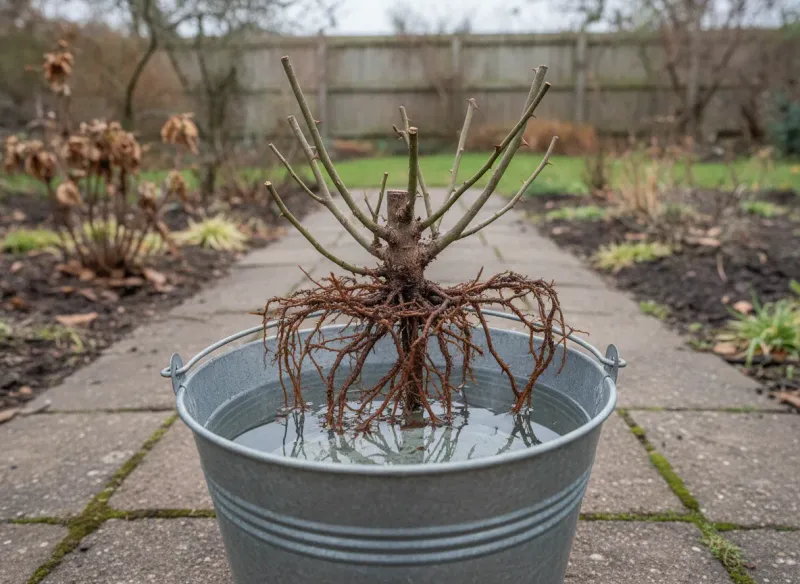
Exposed roots lose moisture shockingly fast in dry desert air, sometimes within an hour on a breezy afternoon. Those fine root hairs do most of the drinking, and they shrivel quickly once they lose their protective damp coating.
I like to keep newly arrived trees wrapped in their packing material inside a cool garage until planting time. Before planting, soak the roots in a bucket of water for two to four hours so they rehydrate fully.
Skip the overnight soak, though, since roots also need oxygen and can suffer when left submerged too long. Keep the bucket in shade while you dig, and carry the tree to the hole only when you are ready.
Sometimes life gets busy and planting day slips by a week or more without warning. In that case, heel the tree into a shallow trench, cover the roots with moist soil, and keep it shaded.
3. Burying The Root Flare Too Deep In The Hole
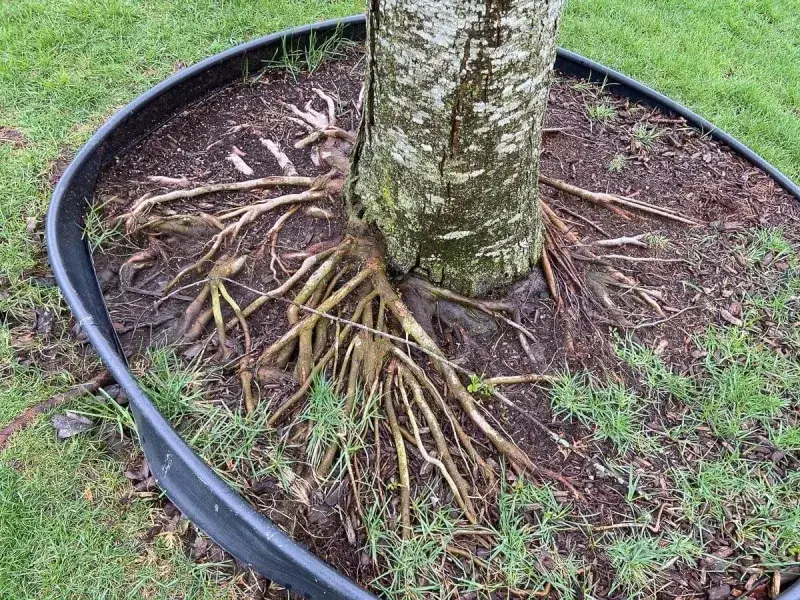
Every tree has a visible root flare, the spot where the trunk widens and begins spreading into roots. Arborists say burying that flare ranks among the most common reasons young trees decline slowly over several years.
Too much soil against the trunk can suffocate roots and invite bark problems that show up much later. You need to set the flare at grade or slightly above, since loose backfill settles a little after watering.
Shallow planting creates its own trouble, leaving upper roots exposed to harsh sun and drying wind in summer. I build a small cone of soil inside the hole, then drape the roots over it like an umbrella.
Laying a shovel handle across the hole gives you a handy guide for checking the final height quickly. If you spot buried bark afterward, gently pull excess soil away until the flare shows clearly again.
4. Digging A Narrow Hole Filled With Rich Compost
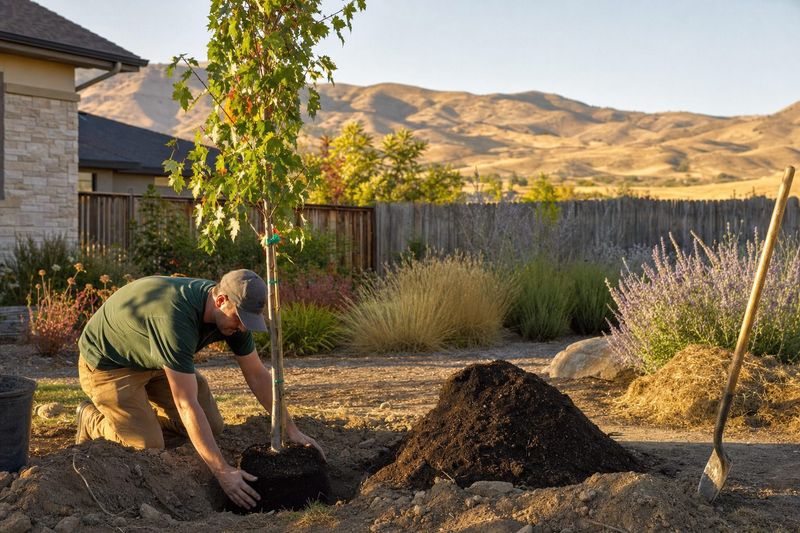
Shoveling bags of fancy compost into a planting hole feels generous, yet it often backfires on desert trees. Roots tend to stay inside that soft, rich pocket instead of venturing out into the tougher surrounding ground.
Experts call this the pot effect, and it leaves trees poorly anchored with limited reach for water. You get a far stronger tree by digging two to three times wider than the root spread instead.
Keep the depth matched to the root system, so the tree sits firmly on undisturbed soil below. Wide and shallow holes let new roots slide sideways into loosened native ground, where they eventually need to live anyway.
Backfill with the same soil you removed, breaking up big clods and firming gently to remove air pockets. If you love compost, spread it as mulch across the wider root zone, where earthworms and microbes welcome it.
5. Watering Young Desert Trees With Quick Light Sprinkles
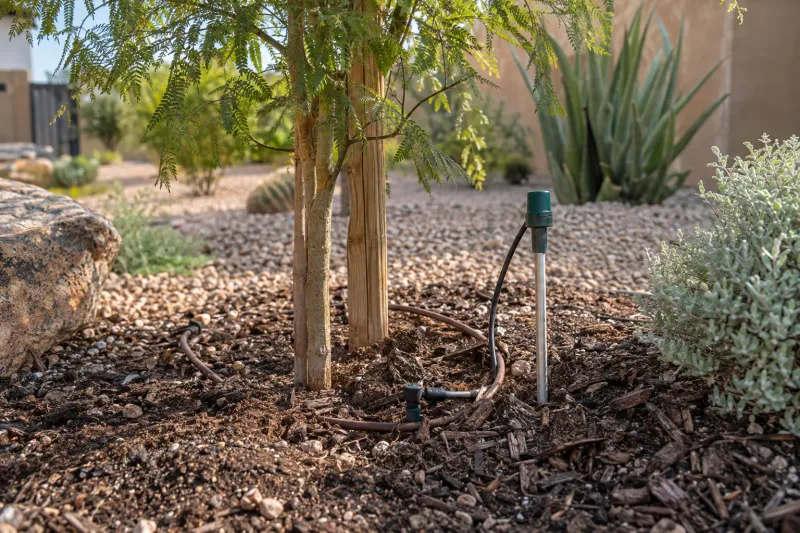
Quick daily sprinkles feel caring, but they train roots to hug the surface where summer heat hits hardest. Shallow roots also sit in the zone where salts from desert water build up over time.
Deep, slow soaks push moisture down roughly 18 to 36 inches, encouraging roots to follow it downward. I check depth with a long screwdriver or soil probe, which slides easily through moist ground and stops at dry layers.
Freshly planted trees usually need water every two to three days at first, depending on weather and soil. Gradually stretch the interval as new leaves expand, letting the top few inches dry between each deep watering.
Heavy clay soils hold water longer, so overwatering there can suffocate roots and lead to rot. A basin around the tree, combined with mulch kept off the trunk, helps every drop soak in where it matters.
6. Overlooking Alkaline Soil And Hidden Caliche Layers
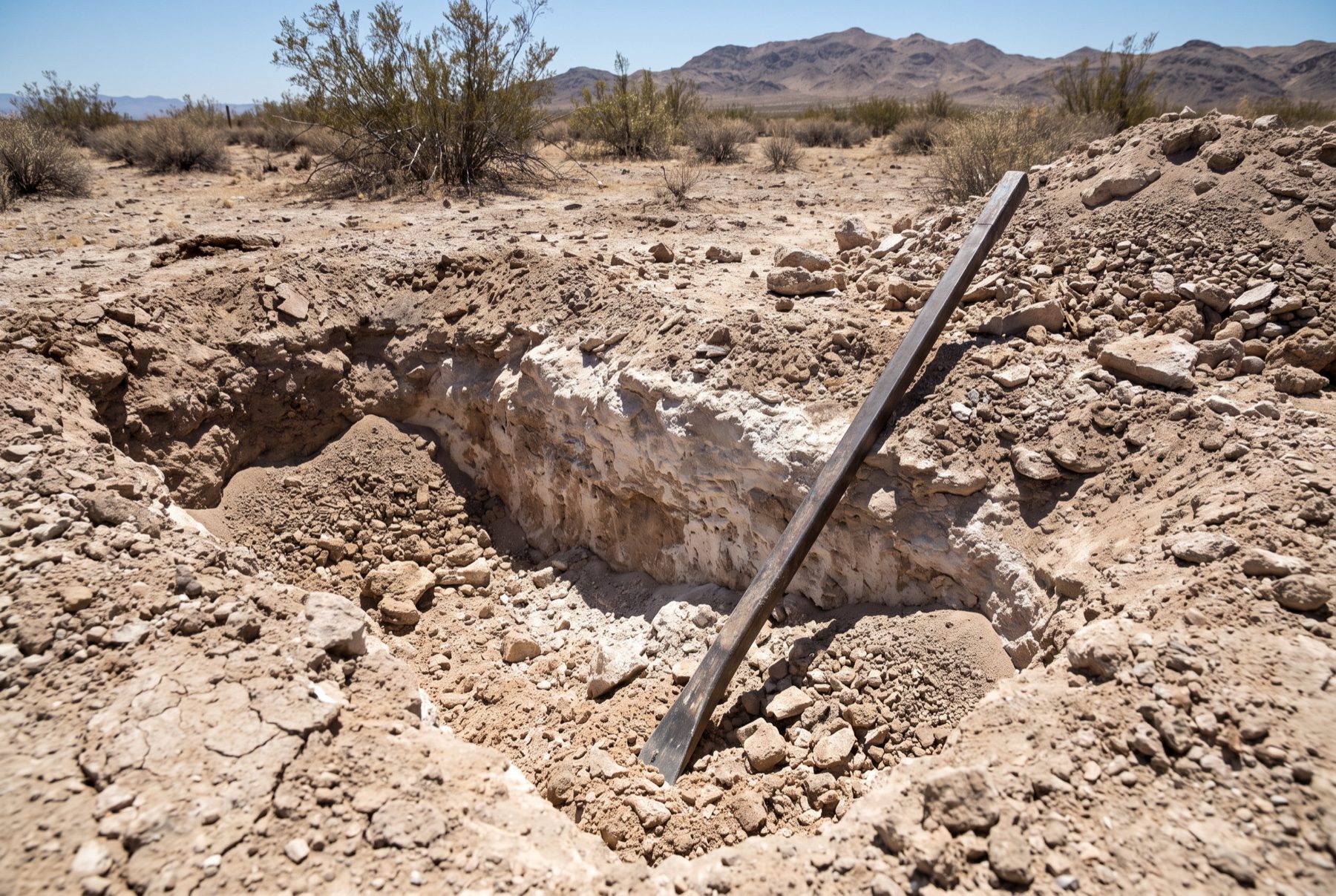
Hitting a white, rock-hard layer while digging is a rite of passage for many desert gardeners. Caliche forms when calcium carbonate cements soil particles together, and it can block drainage like a concrete floor.
Water poured above it may pool around roots, causing rot even while the surface looks perfectly dry. Before planting, fill your hole with water and see whether it drains within a day or so.
If water lingers, try breaking through the layer with a digging bar, or pick another spot entirely. What surprises me most is how often a thin caliche layer gives way after some steady, patient chipping.
Alkaline soil adds another twist, with a pH that often sits between 7.5 and 8.5 in Arizona yards. Iron becomes harder to absorb, so watch for yellow leaves with green veins, and choose well-adapted trees.
7. Skipping Root Pruning And Staking Trees Too Tightly
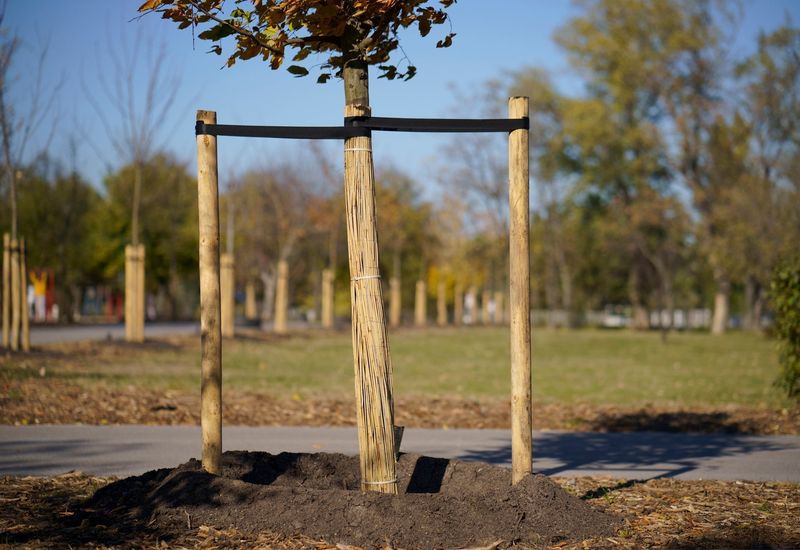
Bare-root trees give you a rare gift, because you can actually see every root before planting. Take a minute to snip broken, damaged, or circling roots cleanly with sharp pruners so fresh growth starts strong.
Many nurseries recommend a light canopy trim at planting to help balance top growth with the root system. Ask your nursery about variety-specific cuts, since fruit trees are often headed back to shape a lower framework.
Hold off on heavy fertilizer during the first year, since it pushes leafy growth before roots can support it. I believe patience pays off here, because a quieter first season often brings much sturdier growth next spring.
Staking deserves restraint too, since trees that sway slightly in wind develop thicker, stronger trunks over time. Only stake when a tree cannot stand alone, and use soft, flexible ties that you remove within a year.