The Backyard Trespasser New Jersey Homeowners Can’t Simply Remove
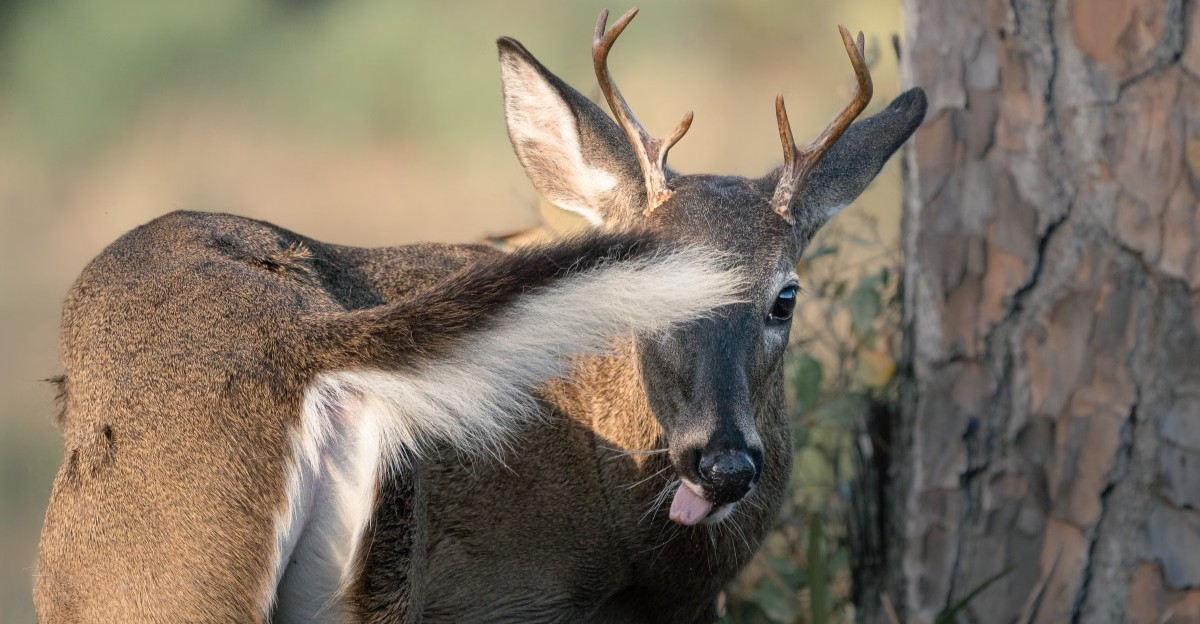
A single hungry visitor can eat around five to eight pounds of plants in one day. I learned that fact after my tulips disappeared in one quiet night.
The clues were sneaky. The stems had ragged, torn tips instead of clean cuts, and small heart-shaped tracks dotted the soft mulch.
Here in New Jersey, this visitor walks right past fences, porches, and garden beds like it pays rent. You can’t trap it, move it, or chase it off for good on your own.
New Jersey wildlife rules protect it, and the reasons surprised me more than the damage did.
So what can a frustrated gardener actually do? After plenty of trial and error, I found that the answer depends on smart barriers, clever plant picks, and a little patience. Stop gambling with your garden and start building one the deer can’t ruin.
That Hoof-Printed Visitor Has Legal Protection on Its Side
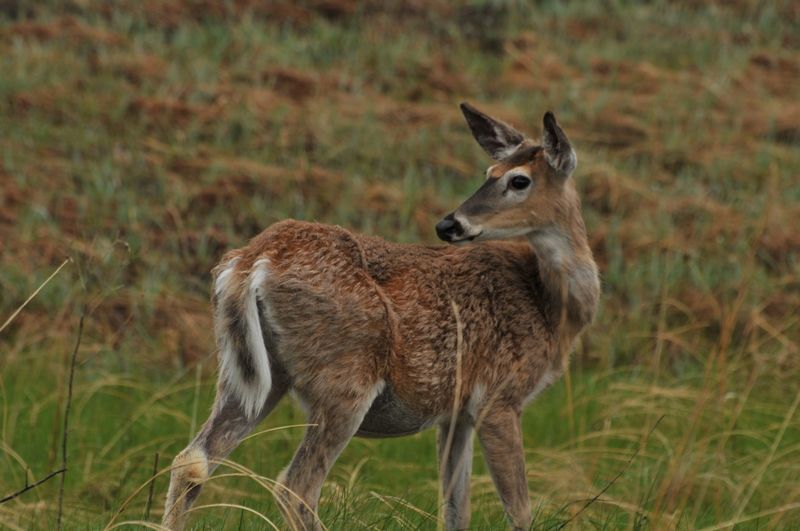
Torn hosta leaves and heart-shaped tracks point to one culprit. A white-tailed deer is the trespasser, and it holds a special legal status in the Garden State.
Deer are classified as game animals under state law. The New Jersey Division of Fish and Wildlife manages them through hunting seasons, deer management zones, and bag limits.
That means a homeowner can’t simply trap, shoot, or harm one outside those rules. Relocation is off the table too. Homeowners can’t trap and move deer to new areas on their own, and the state strongly discourages relocation.
Moving them stresses the animals, raises disease risks such as chronic wasting disease, and just shifts the problem somewhere else.
Local rules add another layer. Many towns ban discharging firearms or bows close to homes, so even licensed hunters face safety zones near buildings.
I find this frustrating some days, but it makes sense. Deer belong to the public as a shared wildlife resource, not to any single landowner.
Your job, then, is protection rather than removal. With the right mix of fencing, plant choices, and repellents, you can make your yard far less inviting. The next sections show how gardeners across the state manage that balance.
A Tall Deer Fence Beats Almost Every Other Fix
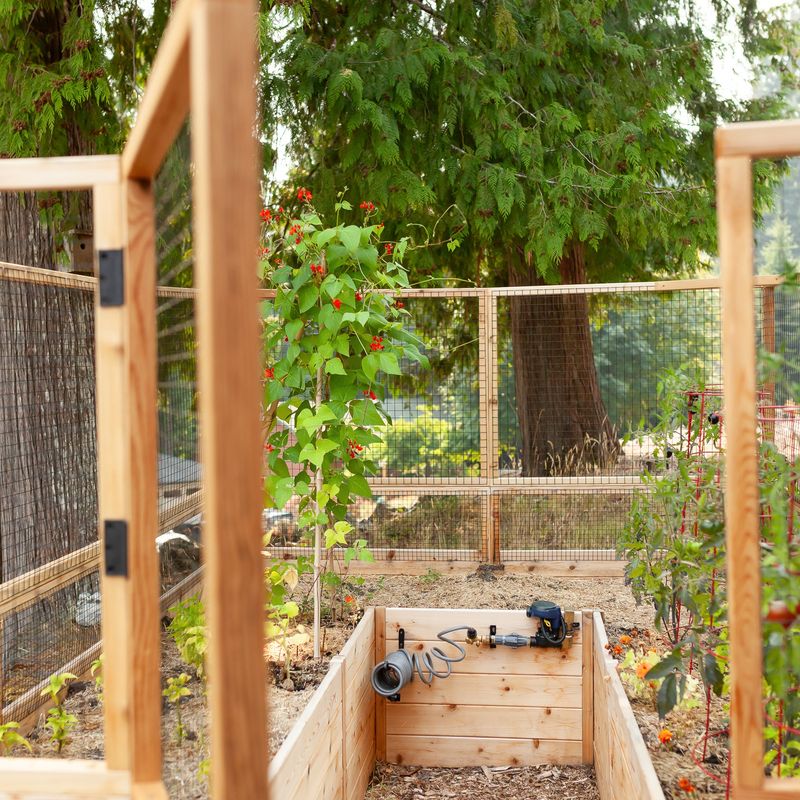
Rutgers researchers agree on one thing. Fencing is the most reliable way to keep deer out of a garden.
Height matters a lot. A healthy deer can clear a fence that stands six feet tall, so aim for about eight feet.
Black polypropylene mesh blends into the background and costs less than metal, though woven wire lasts longer. Short on space or budget? A double fence works by confusing a deer’s depth perception.
Two shorter fences, about four to five feet tall and spaced roughly four to five feet apart, make jumping feel risky.
Pay attention to the bottom edge. Deer often push under loose mesh instead of leaping over it. Stake the base tightly to the ground every few feet.
Electric fencing is another option, especially baited versions that train deer to avoid the area. Check local codes first, since some towns limit electric fences in residential zones.
Speaking of codes, call your township before building. Many New Jersey municipalities cap fence height, yet several allow taller deer fencing around gardens with a permit. A quick phone call saves you from an expensive redo later.
Fuzzy, Fragrant Plants Like Lavender Get Snubbed by Deer
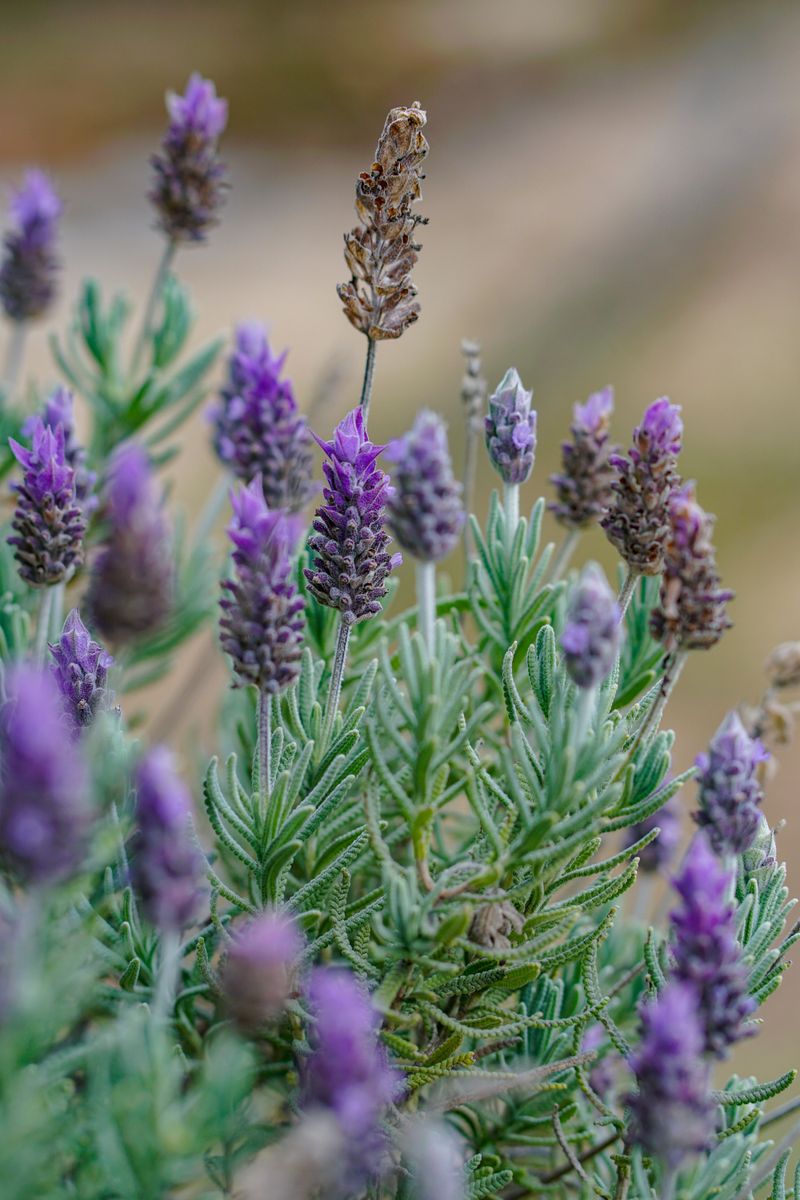
Deer are picky eaters with a sensitive nose. Strong scents, fuzzy leaves, and bitter sap often send them looking elsewhere.
My lavender has stayed untouched for years while nearby daylilies disappeared. Catmint, Russian sage, and lamb’s ear follow the same pattern in many yards. Ornamental grasses and most ferns also rank high on the Rutgers deer resistance list.
For natives, try blue false indigo, mountain mint, bee balm, and American holly. These choices feed pollinators and fit well in USDA zones 6 and 7, which cover most of the state. Keep expectations realistic, though. No plant is deer-proof.
A hungry deer in late winter may sample almost anything, especially when snow buries other food.
Skip invasive options even if deer ignore them. Japanese barberry and burning bush resist browsing, yet New Jersey lists both as invasive. Barberry thickets are even linked to higher tick numbers.
A handy trick is to plant tasty favorites close to the house. Tuck tulips and hostas near doors, then surround them with aromatic plants. That scented border acts like a living hedge of bad smells for curious noses.
Garlic and Hot Pepper Sprays Work Best When You Switch Them Up

Rotten eggs, garlic, and hot pepper sound like a terrible recipe. To a deer, that combo signals trouble and spoils the snack.
Repellents fall into two groups. Odor repellents, such as egg solids or dried blood, scare deer before they bite.
Taste repellents, such as capsaicin, make leaves unpleasant after the first nibble. Rutgers studies found egg-based products among the more effective choices. Still, deer learn fast.
Using one spray for months lets them get used to it. I switch products every few weeks. Rotating between scent and taste types keeps the herd guessing.
Timing makes a big difference too. Spray on dry days when temperatures stay above freezing, then reapply after heavy rain. Fresh growth needs attention because new leaves have no coating yet.
Start before damage begins. Deer build feeding habits, so a yard that tastes bad early in spring often gets skipped later.
Read the label each time. Some products are not approved for edible crops, so keep them off vegetables and herbs unless clearly allowed. A little care protects your harvest and your family.
Autumn Bucks Rub Young Tree Trunks Raw
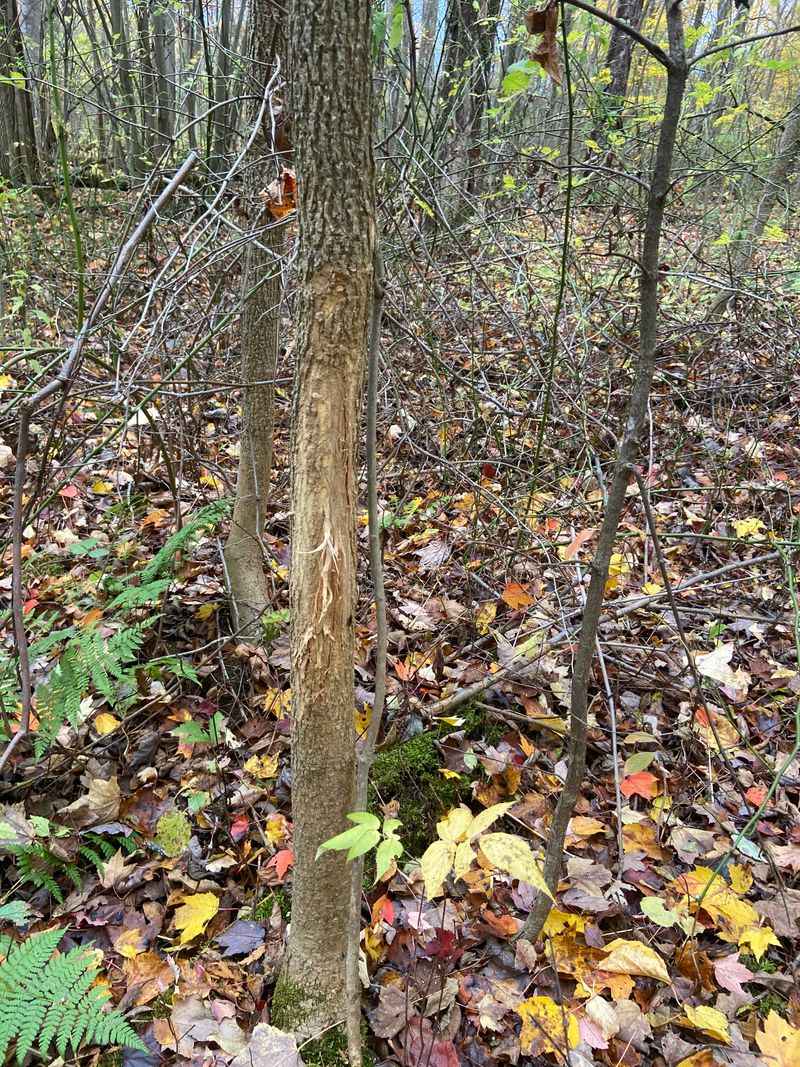
Ever spot shredded bark on a young maple in October? Bucks did that, and hunger had nothing to do with it.
During the fall rut, which peaks in roughly late October through November, bucks rub their antlers on small trees. They mark territory with scent glands and polish their antlers. Saplings about one to four inches wide are favorite targets.
A badly rubbed trunk can lose bark all the way around. That cuts off the flow of water and nutrients, and the tree often struggles or fails to recover.
Protection is cheap and easy. Wrap trunks with plastic tree guards or circle them with a cylinder of wire mesh about four feet tall.
Keep the mesh a few inches from the bark. Install guards in early October, before the rut, and check them monthly so they never trap moisture against the bark.
Fall also brings more deer movement overall. Mating season and the push to store fat for winter send them roaming through neighborhoods, especially at dawn and dusk.
This is also prime time for car collisions across the state. Slow down on wooded roads in the evening. Where you see one deer, more are usually following close behind.
Motion Sprinklers and a Barking Dog Can Startle Browsing Deer
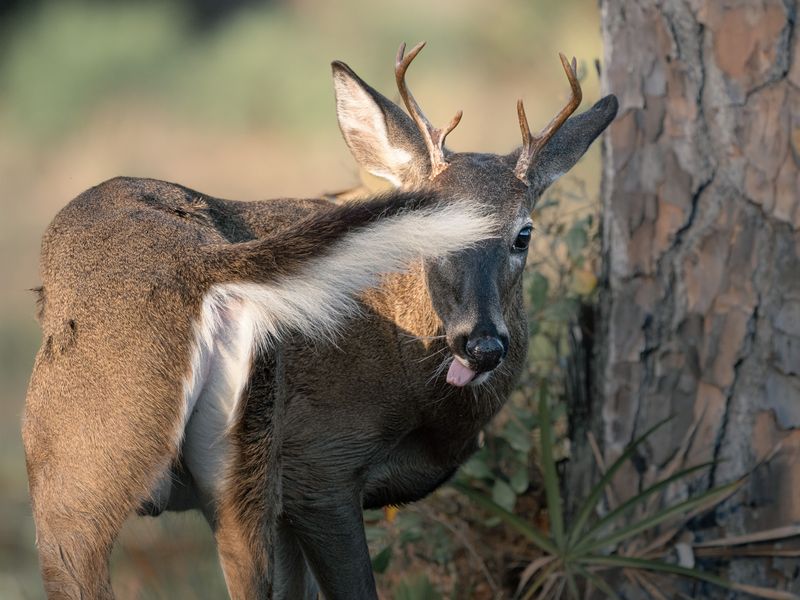
A sudden blast of cold water surprises just about anyone. Deer react the same way, which makes motion-activated sprinklers a fun backyard tool.
These gadgets work well in small spaces like vegetable beds. The catch is that deer adapt. Move the sprinkler every week or two so it stays unpredictable.
Motion lights and noise makers follow the same rule. They help for a while, then deer realize nothing bad happens.
Dogs offer steadier help. A dog that spends time outdoors leaves scent and noise that many deer prefer to skip.
Keep pets safe, though, since bucks and protective does can kick hard. One habit matters more than any gadget. Don’t feed deer, even by accident.
Fallen birdseed, dropped apples, and corn piles teach them your yard is a reliable restaurant.
Many New Jersey towns have ordinances banning deer feeding. Fines are possible, and feeding crowds animals together, raising disease spread.
Clean up fallen fruit in late summer and fall. Use squirrel-proof bird feeders, or bring feeders inside during heavy deer seasons. Small cleanup habits add up quickly.
Your Town Can Tackle the Deer Herd When One Yard Can’t
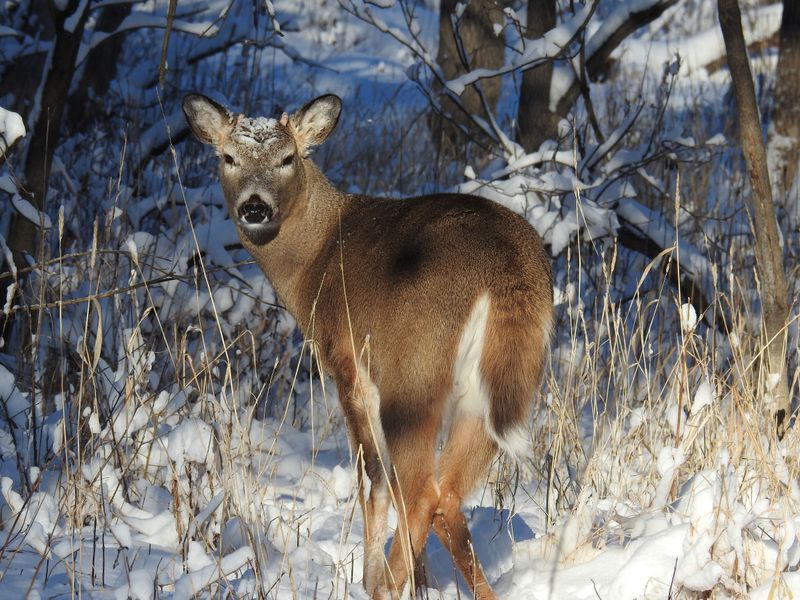
One fenced garden helps one family. A whole neighborhood working together can change the bigger picture.
New Jersey offers Community Based Deer Management Permits. Towns, counties, and other public bodies can apply when deer numbers cause crop losses, car crashes, or ecosystem damage.
These plans may include controlled hunts led by approved professionals or volunteers. Some communities also test fertility control, though results often stay limited and costly for free-roaming herds.
Overbrowsing hurts more than gardens. Forest floors in many parts of the state now lack young trees and wildflowers, which affects songbirds and other wildlife.
Want to get involved? Attend a township meeting and ask whether a deer management plan exists. Share photos of plant damage and note when and where you see deer.
At home, layer your defenses. Combine a sturdy fence, scented plants, rotated repellents, and trunk guards for the strongest results.
I finally made peace with my hoofed neighbors this way. I still enjoy watching them at the forest edge. They just eat somewhere besides my tulip bed now, and that feels like a fair deal.