9 Bird Feeder Foods That Help Virginia Birds Through Cold Snaps
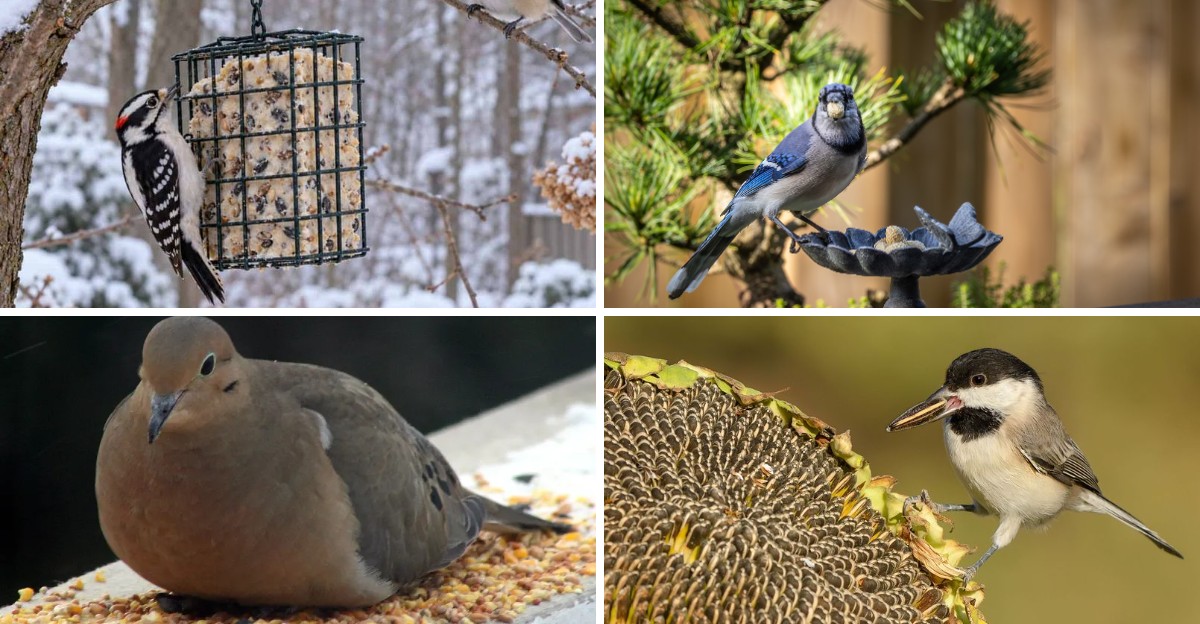
A Carolina chickadee weighs about as much as two quarters, yet it must survive long and freezing winter nights. Each frosty evening, these tiny birds carry extra fat that they burn away before sunrise just to stay warm.
Cold snaps in Virginia can bury wild seeds under snow and send insects deep into hiding for days. Birds then have less time and fewer places to find the calories their bodies badly need.
I once filled feeders with cheap mixed seed and watched most of it hit the dirt. My backyard birds were picky, and honestly, they had good reasons for tossing aside what I offered them.
Some foods give winter birds far more energy per bite, and a few surprised me with their loyal fans. So which treats deserve a spot at your Virginia feeders when the next freezing night rolls in?
1. Black Oil Sunflower Seeds Pull In Cardinals And Chickadees
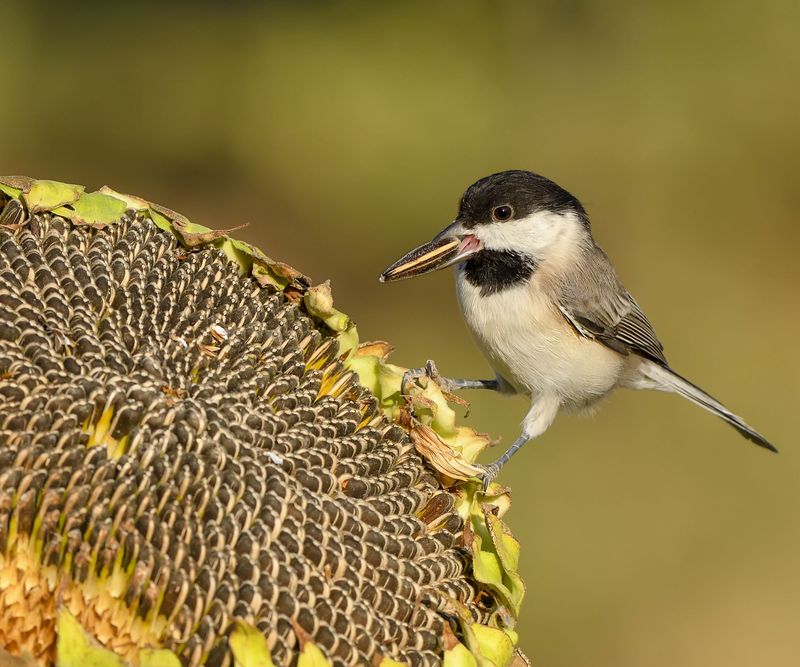
Ask any longtime bird watcher for one seed to buy, and most will point straight at black oil sunflower. Those small, dark seeds have thin shells that even a tiny chickadee can crack with a few quick taps.
Inside each shell sits a kernel packed with oil, which means more fat and energy in every single bite. Striped sunflower seeds look similar, but their thicker shells frustrate many smaller birds that visit winter feeders.
In my own yard, I have noticed cardinals parking themselves on the feeder ledge for long, lazy snack sessions. Tufted titmice prefer to grab one seed, zip off to a branch, and hammer it open in private.
Cornell Lab of Ornithology lists black oil sunflower as a top choice for attracting the widest range of feeder birds. Nuthatches and house finches show up for it too, which keeps the action lively on gray afternoons.
Tube feeders, hopper feeders, and platform trays all work well, so you can use whatever style you already own. Just keep seed dry, because wet sunflower clumps quickly and can grow mold that sickens hungry birds.
For what it is worth, I fill feeders the evening before a predicted freeze so birds find food at dawn. Early morning is when they most need to refuel after burning through fat reserves all night long.
Shells will pile up under the feeder, so rake them away every week or two during busy months. Hulls can smother grass and plants, so placing feeders over mulch or gravel saves your lawn some trouble.
2. Suet Cakes Keep Woodpeckers Fueled On Frosty Mornings
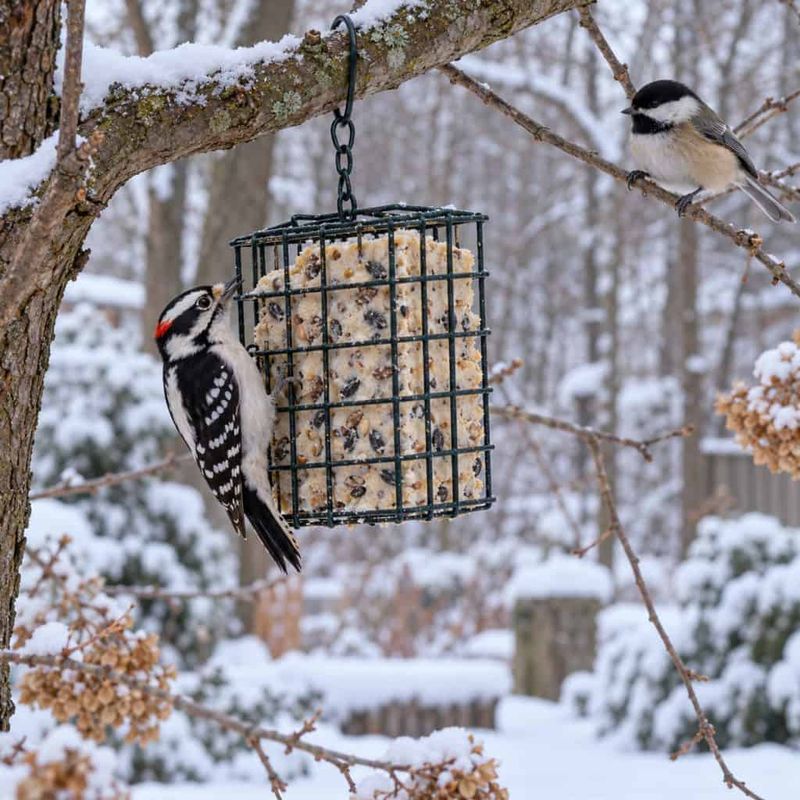
Nothing announces a cold morning quite like a downy woodpecker hammering away at a block of suet. That hard animal fat works like a dense energy bar for birds that usually hunt insects tucked inside bark.
Once winter freezes, many of those bark insects become hard to reach, so woodpeckers welcome an easy fat source. Red-bellied woodpeckers and white-breasted nuthatches also cling to suet cages with surprising acrobatics during chilly weeks.
Between you and me, my first suet cage hung too close to a fence, and squirrels emptied it overnight. Moving it to a smooth pole with a baffle turned the feeder back into a bird buffet.
Store-bought suet cakes often include seeds, peanuts, or dried fruit mixed right into the fat for extra variety. Plain rendered suet works just fine too, and many woodpeckers seem perfectly happy with the simple version.
Cold weather is ideal for offering suet because the fat stays firm and rarely spoils in low temperatures. Raw suet can turn rancid in warm months, and soft fat may smear onto feathers and reduce their insulation.
If you want to keep feeding after spring arrives, look for no-melt suet doughs made for warmer weather. Those blends hold their shape better, although I still check them often and toss anything that smells off.
Wire cages hung near tree trunks feel natural to woodpeckers, since they already spend much of their day there. A tail-prop feeder with a longer bottom panel lets larger woodpeckers brace themselves while they feed in comfort.
3. Unsalted Peanuts Win Over Blue Jays And Titmice
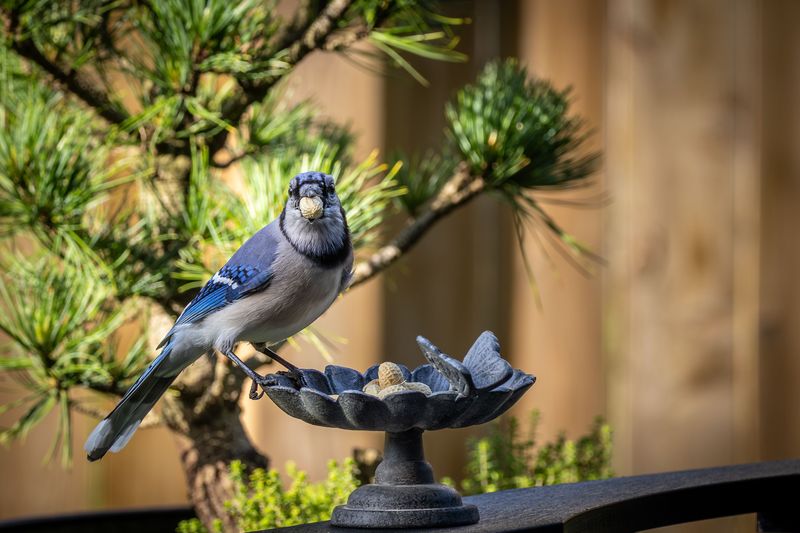
Blue jays have a funny habit of stuffing several peanuts into their throat pouch before flying off to hide them. Watching one jay try to cram a fourth peanut in has become my favorite winter morning entertainment.
Peanuts offer a strong mix of fat and protein, which helps birds handle long stretches of freezing weather. Woodpeckers, titmice, and chickadees all visit peanut feeders, so they attract more variety than many people expect.
Choose raw or dry-roasted peanuts with no salt, seasoning, or sugary coating added during processing at the factory. Salted snack peanuts are meant for people, and birds do much better with plain nuts from a feed store.
Whole peanuts in the shell suit bigger birds like jays, which enjoy cracking them open and caching extras. Shelled peanuts or peanut pieces work better for smaller visitors that struggle with large shells in their beaks.
A sturdy mesh peanut feeder makes birds pick out small bits, which reduces the chance of swallowing a whole nut. That style also keeps peanuts dry, which matters because damp peanuts can develop mold that harms birds.
Let us just say squirrels consider peanuts their personal property, so a baffle or caged feeder helps a lot. In my yard, a dome baffle cut squirrel raids sharply, though one clever gray still finds the occasional gap.
Buy peanuts in amounts your birds can finish within a few weeks, and store them somewhere cool and dry. Fresh nuts smell sweet and nutty, while spoiled ones look dark or fuzzy and belong in the trash.
4. Nyjer Seed Draws Goldfinches To Mesh Sock Feeders
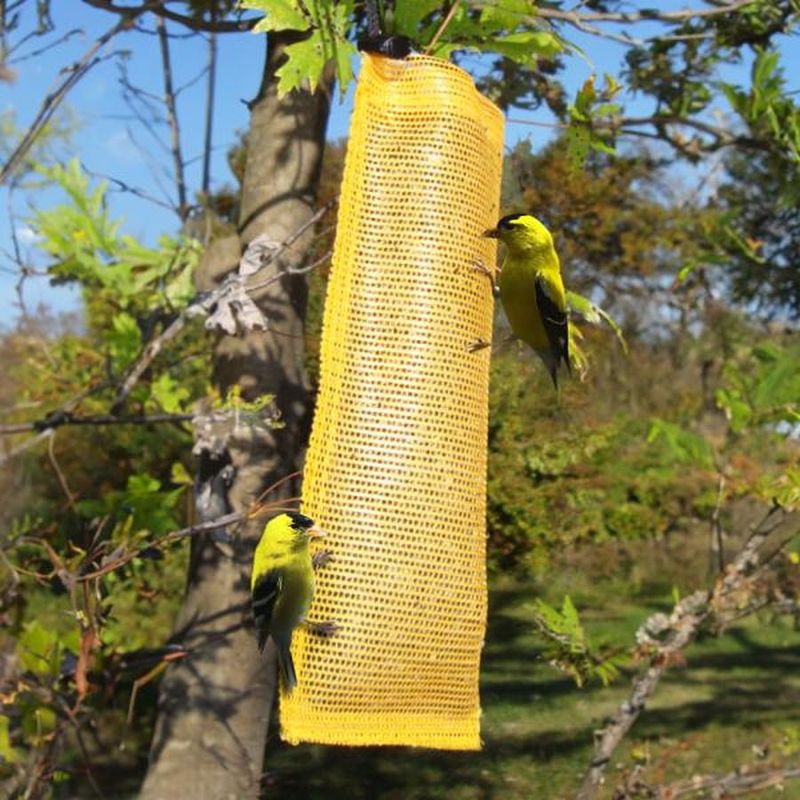
Funny thing about nyjer seed is that people still call it thistle, even though it comes from a different plant. The tiny black seeds come from an African and Asian plant called Guizotia abyssinica, mostly grown overseas for birdseed.
Imported nyjer is heat-treated before sale, so the seed should not sprout into weeds beneath your feeders. That treatment also explains why fresh nyjer matters, since older seed dries out and loses much of its appeal.
American goldfinches are the biggest fans, and they look surprisingly drab in winter compared with their sunny summer colors. Pine siskins sometimes join them during certain winters, though their visits vary a lot from one year to another.
Nyjer is rich in oil, which gives these small finches valuable calories during chilly stretches without many wild seeds. Goldfinches mostly eat seeds year round, so a reliable feeder fits right into their natural diet.
Regular tube feeders with large ports spill nyjer everywhere, so use a special feeder with tiny slits instead. Mesh sock feeders work too, and finches cling to the fabric upside down like little feathered gymnasts.
Looking back, I should have bought smaller bags, because my first giant sack sat around and went stale. Birds ignored it for weeks, and the feeder only got busy again after I switched to a fresh supply.
Shake sock feeders after rain or snow, since wet seed clumps together and can spoil inside the mesh. Replacing damp nyjer quickly keeps your finch crowd healthy and coming back through the coldest days.
5. Safflower Seed Gives Cardinals A Feeder Of Their Own
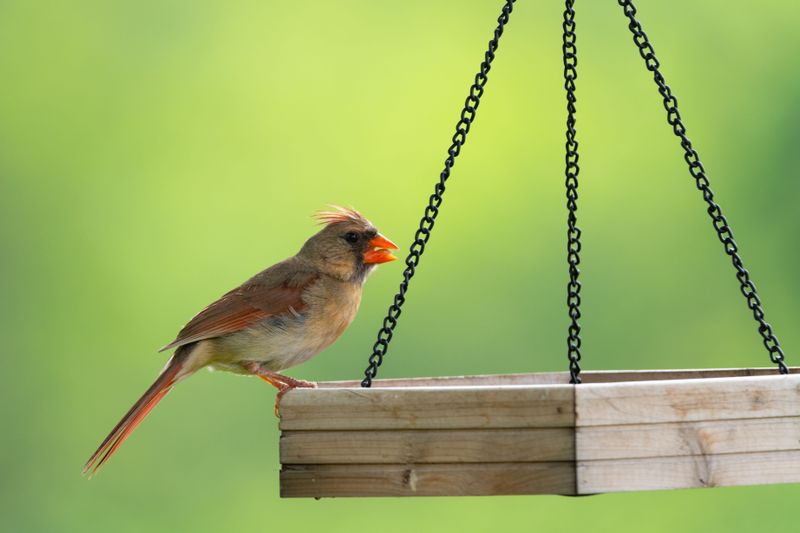
Safflower seeds look like small white teardrops, and they carry a slightly bitter taste that many birds avoid. Northern cardinals do not seem to mind one bit, which makes safflower a clever tool for crowded feeders.
European starlings and house sparrows often show less interest in safflower than in sunflower seeds or mixed blends. Many backyard birders report that squirrels also eat less of it, although hungry squirrels may still give it a try.
If you ask me, safflower works best as a second feeder rather than a full replacement for sunflower seed. My cardinals visit both, while the safflower hopper stays calmer when bossy starling flocks sweep through the neighborhood.
Titmice and chickadees will also eat safflower, and mourning doves happily pick up fallen seeds on the ground. Finches tend to be less excited about it, so expect a different crowd than your nyjer feeder attracts.
Hopper feeders and platform trays suit cardinals well, because these birds like a stable perch with plenty of space. Cardinals do not cling or hang well, so tiny tube perches can leave them looking a little awkward.
Birds sometimes take a week or two to warm up to safflower if they have never seen it before. Mixing a little with sunflower seed at first helps them find it, and then you can slowly reduce the sunflower.
Safflower costs a bit more per bag, yet birds waste less of it than cheap mixes full of filler. That balance feels worth it to me during a hard freeze when cardinals need steady fuel.
6. White Proso Millet Feeds Juncos Scratching In The Snow
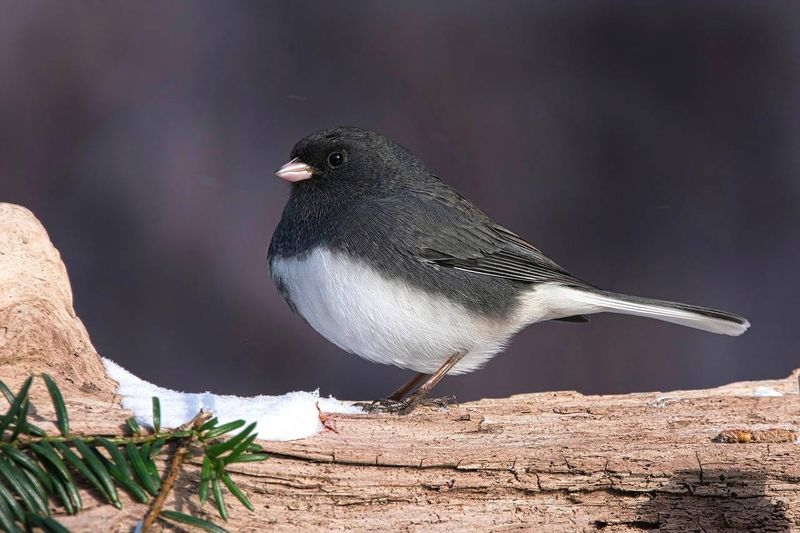
Dark-eyed juncos arrive for winter like tiny gray-hooded guests, and they head straight for the ground beneath feeders. Many people call them snowbirds, because they show up in the colder months and leave again by spring.
White proso millet ranks among their favorite foods, along with many native sparrows that scratch through leaf litter. White-throated sparrows and song sparrows often join the juncos, hopping and kicking at the ground for small seeds.
Millet has less fat than sunflower, yet it still provides useful carbohydrates that ground-feeding birds burn for warmth. Pairing it with richer foods nearby gives the whole flock a more balanced winter menu for chilly days.
Scatter millet on a low platform feeder or a cleared patch of ground rather than in hanging tubes. Ground feeders naturally search low, and a tray just off the ground keeps seed drier than bare soil.
My garden taught me that millet attracts house sparrows too, which can crowd out native birds at busy feeders. Offering smaller amounts that birds finish within a day helps reduce that problem and limits spoiled leftovers.
After snow falls, I sweep a little spot clear under a shrub and toss down a handful of millet. Nearby cover gives juncos a quick escape route from hawks, which makes them feel safer while they eat.
Skip red millet in cheap blends, since many birds leave it untouched while they hunt for white proso. Spending a little more on pure white millet means far less wasted seed piling up under feeders.
7. Shelled Sunflower Hearts Mean No Mess Under The Feeder
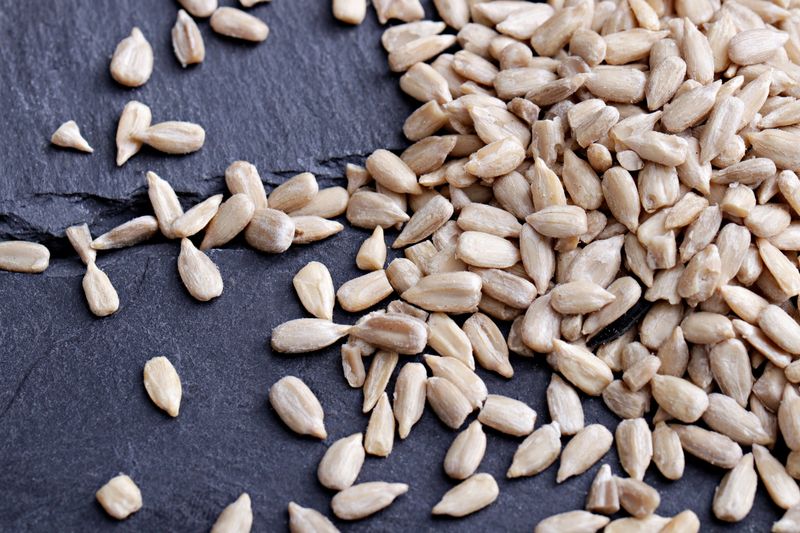
Sunflower hearts are basically the same seeds birds already love, except someone else has done the shelling for them. That small change saves birds precious energy during freezing weather, when every spare calorie matters for staying warm.
Without hulls, birds can eat faster and spend less time sitting exposed at the feeder on bitter mornings. Goldfinches and house finches gobble the soft chips, while Carolina wrens sometimes sneak in for a quick bite.
Take it from someone who spent years raking soggy hulls off a flower bed beside the deck every spring. Switching to hearts near my garden left the soil cleaner and kept sunflower shells from piling up around perennials.
Hearts usually cost more per bag, yet you pay only for food rather than shells birds toss aside. In my experience, a bag of hearts seems to last about as long as a heavier bag with hulls.
One downside is that hearts spoil faster because nothing protects the kernel from moisture once it gets wet. Use feeders with drainage holes or weather domes, and offer only what birds can finish within two days.
Hearts and chips also blend nicely into homemade suet or seed cakes for an extra energy boost. Smaller birds with weaker bills appreciate the soft pieces, especially when temperatures sink and wild seeds become scarce.
Check feeder ports for clumps after damp weather, since wet hearts can cake together and block the openings. A quick shake or rinse keeps the flow steady for hungry visitors arriving early in the morning.
8. Mealworms Bring Eastern Bluebirds Down From The Trees
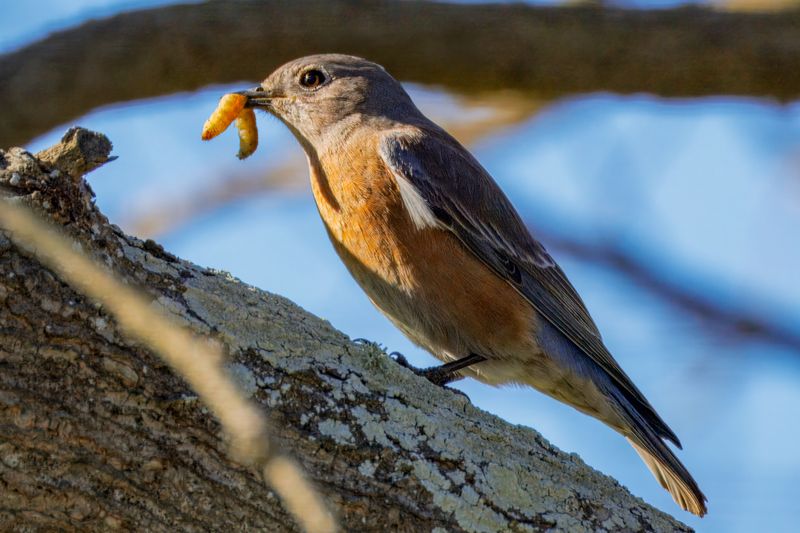
Plenty of people assume bluebirds fly south each fall, but many Eastern bluebirds stay put in Virginia through winter. They gather in small flocks and switch from insects toward berries when bugs grow scarce in the cold.
Mealworms, which are actually beetle larvae, offer the high protein these insect lovers miss during long freezing spells. A dish of mealworms can tempt bluebirds closer than almost anything else you might set out for them.
Here is what caught my attention the first time I tried them: wrens and chickadees arrived before any bluebirds. The bluebirds showed up a few days later, perched on a fence, and then dropped down one at a time.
Dried mealworms store easily in a pantry, while live ones need refrigeration and a bit more care at home. Soaking dried worms in warm water for a short while softens them and adds a little moisture for birds.
Use a shallow dish with smooth sides so the wiggly live ones cannot crawl away across the yard. Placing the dish near a perch helps bluebirds feel comfortable, since they like to scan the ground before landing.
Mealworms work best as a treat rather than a full diet, so offer modest amounts once or twice daily. Birds still need natural foods, and a measured portion keeps them foraging normally while helping them through bitter days.
Planting native winter berry shrubs such as winterberry holly gives bluebirds another reliable food source near your feeders. That combination of berries and mealworms can make your yard a regular stop for the whole flock.
9. Cracked Corn Feeds Mourning Doves Below The Feeders
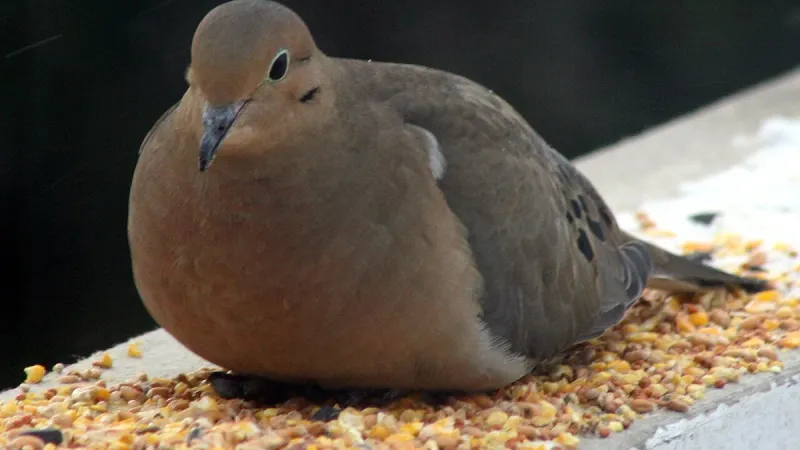
Mourning doves can stuff their crops with seeds remarkably fast, then fly off to digest in a sheltered tree. That clever trick lets them eat quickly and limit time spent exposed on open ground during harsh weather.
Cracked corn is a budget-friendly food that doves, juncos, and native sparrows will happily pick up near feeders. Northern cardinals sometimes join them, though corn offers less fat than sunflower and works best as a side dish.
For what it is worth, I learned to offer cracked corn in very small amounts after a messy first winter. Large piles drew big flocks of grackles and starlings, plus a few raccoons that showed up after dark.
Corn spoils easily when wet, and moldy corn can carry aflatoxins that are harmful to birds that eat it. Spread only what birds can finish in one day, and avoid scattering it on soggy ground or melting snow.
A low tray with mesh bottoms lets snowmelt drain away, which keeps the corn drier and safer to eat. Clean the tray every week or so, scraping off old bits that clump together during thaws and refreezes.
Many cheap seed blends rely heavily on corn and red millet, so check ingredient labels before buying mixes. Buying plain cracked corn separately lets you control the portion and avoid wasting bags of filler.
Doves and juncos feed most actively in early morning and late afternoon, so plan refills around those busy windows. A quick sprinkle before sunset gives them a final meal before another long Virginia night.