What Texas Law Says About Burning Leaves And Yard Waste
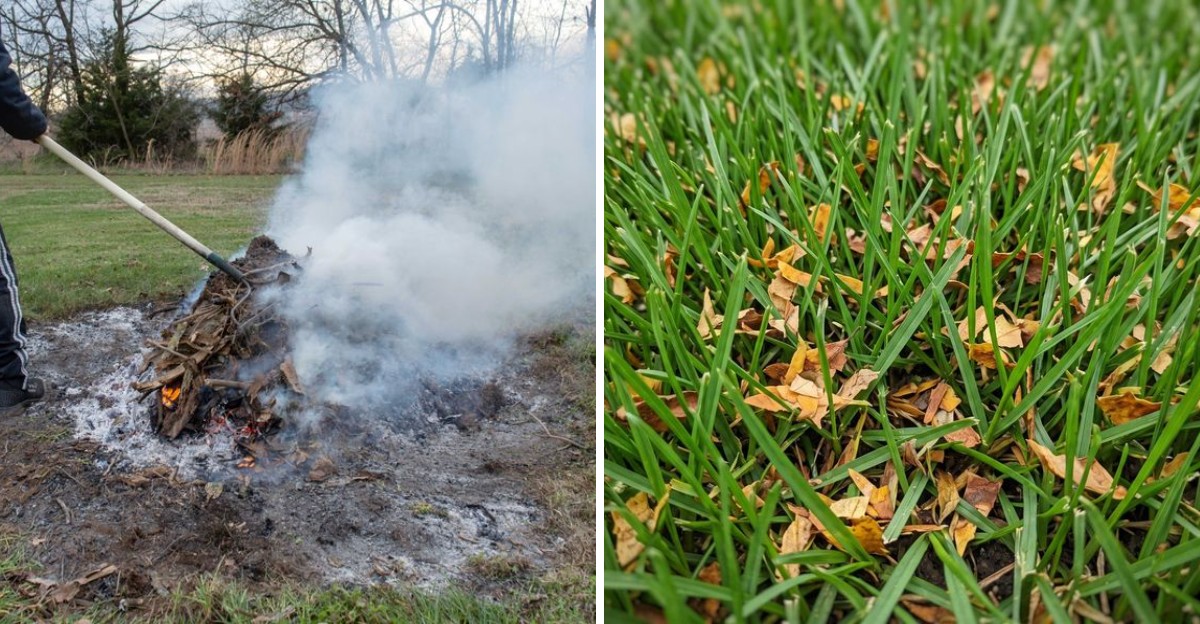
Under state rules, burning a pile of leaves can be illegal even on your own land, and the wind speed can decide it.
That surprised me the first time I read it. Fire rules usually bring to mind matches and dry grass, not weather forecasts. Yet the Texas rulebook really does care whether the breeze sits between 6 and 23 miles per hour.
I used to assume a big rural lot meant I could torch whatever I raked up. Nobody warned me that county lines, trash pickup service, and even my neighbor’s barn could change the answer. A friendly bonfire suddenly felt a lot more complicated.
You deserve clear answers before that rake pile turns into a fine of up to $500. The rules are not as scary as they sound once you see how they fit together.
1. That Pile Of Raked Leaves Starts Under A Statewide No
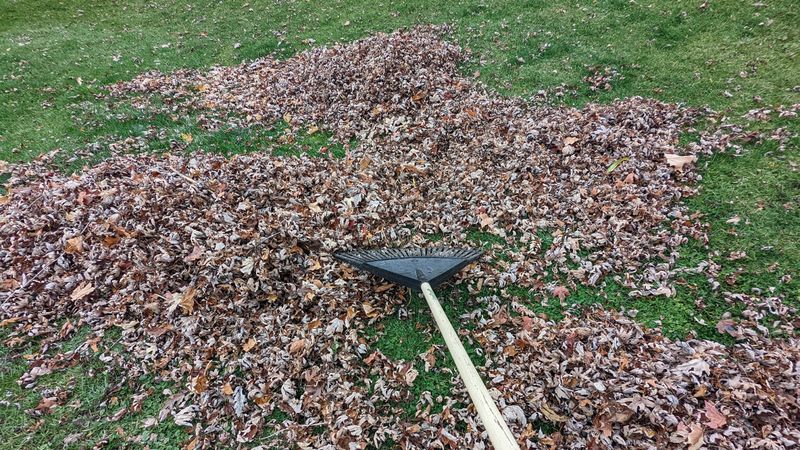
Most folks are surprised to hear it, but outdoor burning in Texas starts from a default of no. The Texas Commission on Environmental Quality, called TCEQ, writes the statewide Outdoor Burning Rule.
Under that rule, open burning is prohibited unless it fits a listed exception. The other path is written permission from the TCEQ executive director, which few homeowners ever need to request.
So why the strict starting point? Smoke from burning leaves carries fine particles that irritate lungs and drift into neighborhoods.
Big metro areas like Houston and Dallas already fight ozone and haze, and backyard smoke adds to the problem.
I find it helpful to picture the rule like a locked gate. The gate stays shut until you can show which key fits, and each key has its own fine print.
Those keys include burning plant growth where it fell, burning household waste in areas without trash pickup, and a few others for farms and land clearing.
Training fires and campfires for cooking or warmth have their own space in the rule too.
The takeaway feels simple. Before you strike a match, ask which exception covers your pile. If none of them fit, the answer stays no, no matter how big your yard is.
2. Leaves And Branch Trimmings Can Burn Where They Fell In Many Counties
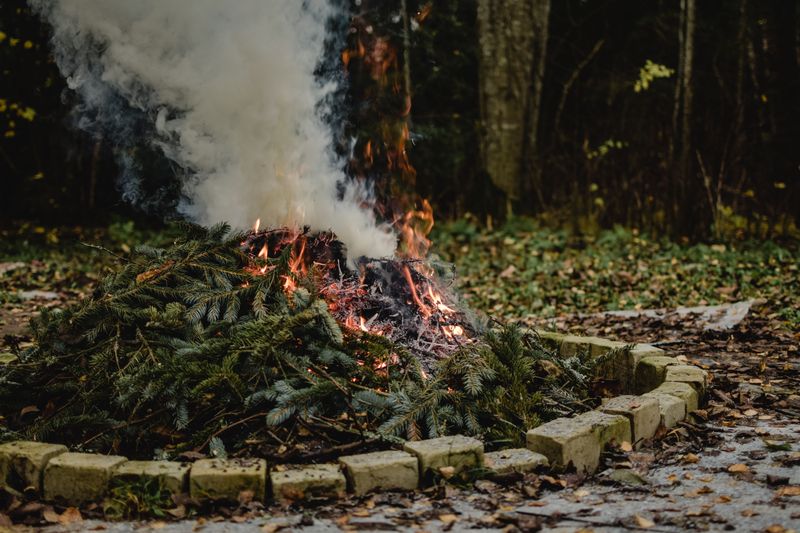
Here comes the part most gardeners want to hear. In many Texas counties, you may burn trees, brush, grass, leaves, branch trimmings, and other plant growth on the property where they grew.
The property owner, or someone the owner authorizes, can handle that burn. That covers the fallen pecan leaves, pruned crape myrtle limbs, and storm debris scattered across your lot.
Location matters a lot, though. This allowance mainly applies in counties that meet federal air quality standards, often called attainment counties. Much of rural West, Central, and East Texas falls into that group.
Nonattainment counties play by tighter rules. These include areas around Houston-Galveston-Brazoria, Dallas-Fort Worth, and El Paso, plus some nearby attainment counties named in the rule.
In those places, plant growth burning is mostly limited to land clearing, right-of-way upkeep, and canal or ditch maintenance. It also requires that no practical disposal option exists.
One more detail trips people up. Hauling leaves from town to burn on a rural lot does not fit this exception, since the waste must burn where it was generated.
Check your county’s air quality status with TCEQ first. That one quick look can save you a lot of guessing.
3. Your Burn Barrel Depends On Whether The Trash Truck Comes By
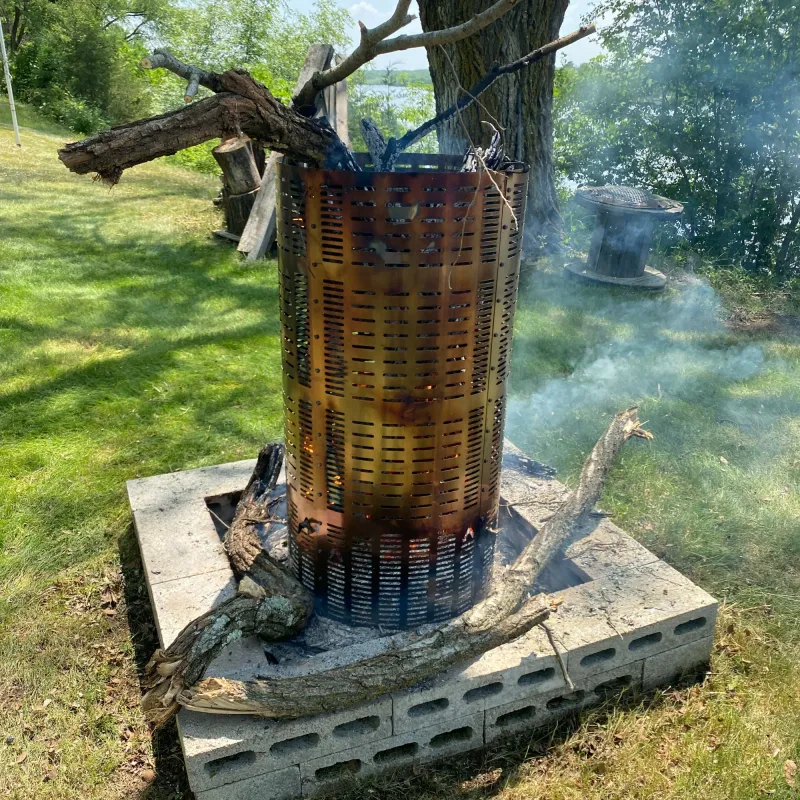
A rusty burn barrel behind the shed is a classic country sight. Whether yours is legal comes down to one question about trash service.
Texas allows household waste burning only when local government does not provide or authorize trash collection. The waste must also come from a home housing no more than three families.
Domestic waste covers more than you might expect. Kitchen garbage, untreated lumber, cardboard, paper packaging, clothing, grass, leaves, and branch trimmings all fit the definition.
Plenty of items stay off the list. Tires, treated lumber, furniture, appliances, construction debris, and anything with heavy oils or asphalt are not allowed.
Electrical insulation and rubber products are also banned. Burning them can release harmful fumes that hang around far longer than the fire.
Personally, I like a quick test before tossing anything in. If it came from a store shelf with chemicals, paint, or plastic coating, it belongs in the landfill instead.
Moving into an area with new trash service changes everything. Once pickup becomes available, that barrel exception generally no longer applies, so a call to your county is a smart step whenever services change.
4. Wind Speed And Daylight Hours Set The Rules For Brush Fires
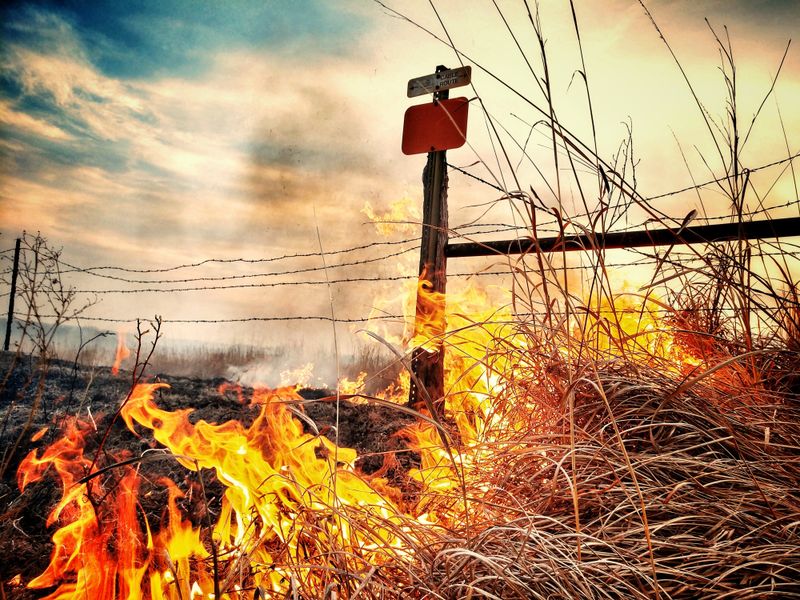
Who knew a weather app could count as a legal tool? Texas sets clear timing and wind rules for permitted outdoor burns.
Burning can start no earlier than one hour after sunrise. The fire must be out no later than one hour before sunset on the same day.
Wind gets its own rule. Burning is not allowed when wind speed is predicted to be under 6 miles per hour or over 23 miles per hour during the burn.
Each limit has a sensible reason. Calm air lets smoke settle low and drift into homes, while strong gusts can carry embers into dry grass.
Someone must stay with the fire the whole time. You need to be present or have a responsible person watching, plus ways to put it out quickly.
I keep a hose, a shovel, and a rake within easy reach. A small pile also burns faster and cleaner than one giant heap.
Spring in Texas often brings strong, gusty winds, so check the forecast before you start. Fall can bring calmer, foggy mornings, which call for patience until the air moves enough to lift smoke away.
5. Smoke Drifting Toward A Neighbor’s House Needs 300 Feet Of Space
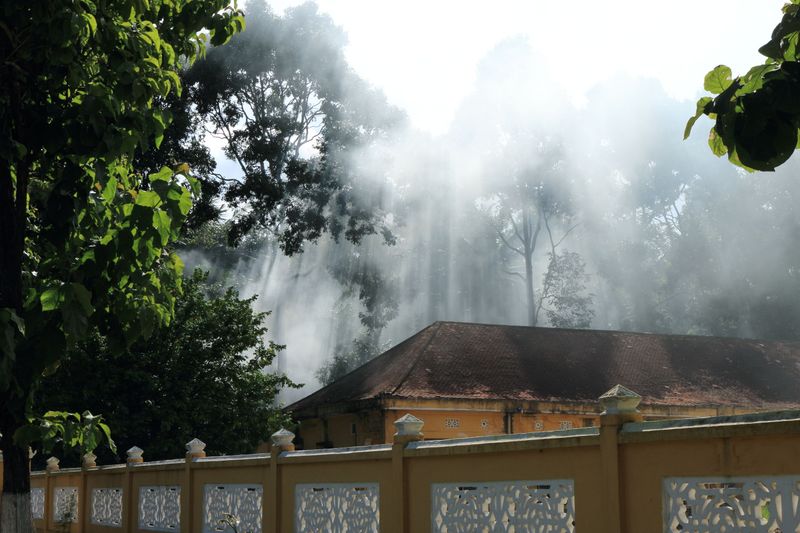
Good fences may make good neighbors, but distance matters more when smoke is involved. Texas requires a 300-foot buffer between your burn and sensitive receptors on nearby property.
That buffer applies downwind, since smoke travels with the breeze. A written okay from the neighboring owner or occupant can waive this requirement.
A sensitive receptor covers more than houses. Businesses, farm buildings, barns, and greenhouses all count under the rule.
Roads add another layer. If smoke could drift across a highway or road and limit visibility, you need flag persons posted to warn drivers.
Smoke also cannot create a nuisance. Even a fire that meets every other rule can draw a complaint if neighbors breathe it all afternoon.
I believe a quick chat goes a long way. Letting folks next door know your plan helps them close windows or bring in laundry.
Neighbors with asthma or young kids will especially appreciate the heads up. A friendly warning can turn a possible complaint into a simple thank you, and it keeps the peace far longer than any pile of ashes.
6. A County Burn Ban Sign Changes Everything Overnight
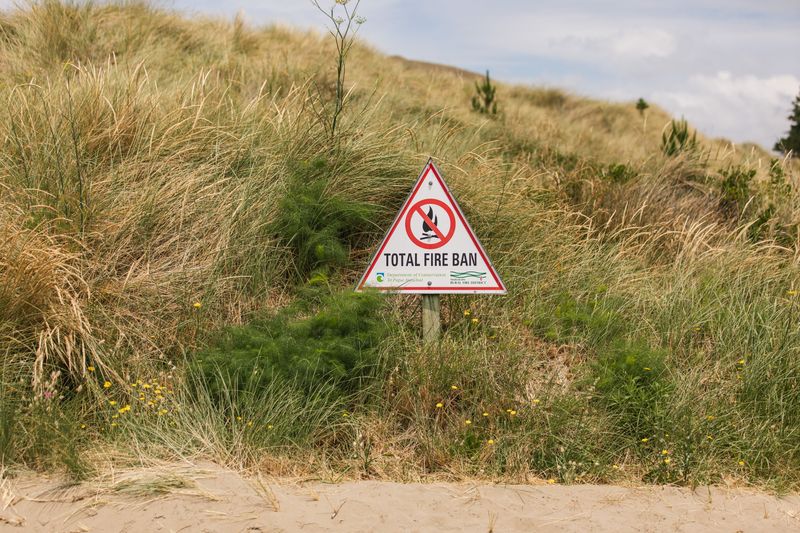
Dry summers can flip the script fast. A Texas county commissioners court can issue a burn ban when drought makes wildfires more likely.
During a ban, most outdoor burning is prohibited, including leaves and yard trimmings. Following every TCEQ rule does not help if your county has a ban in place.
Commissioners often use the Keetch-Byram Drought Index to judge conditions. Texas A&M Forest Service tracks these numbers and posts a statewide burn ban map.
Breaking a county burn ban is a Class C misdemeanor. The fine can reach up to $500, and you may face bigger costs if a fire spreads.
Some exceptions exist for things like prescribed burns by certified managers or certain fires for welding. Backyard leaf piles rarely qualify for those.
To my surprise, bans can start or end within days. A ban might last up to 90 days but can be lifted early after good rain.
Bookmark the Texas A&M Forest Service burn ban page on your phone. A thirty-second check before you light up beats a long talk with a deputy.
7. City Limits And Fire Marshals Often Add Stricter Rules
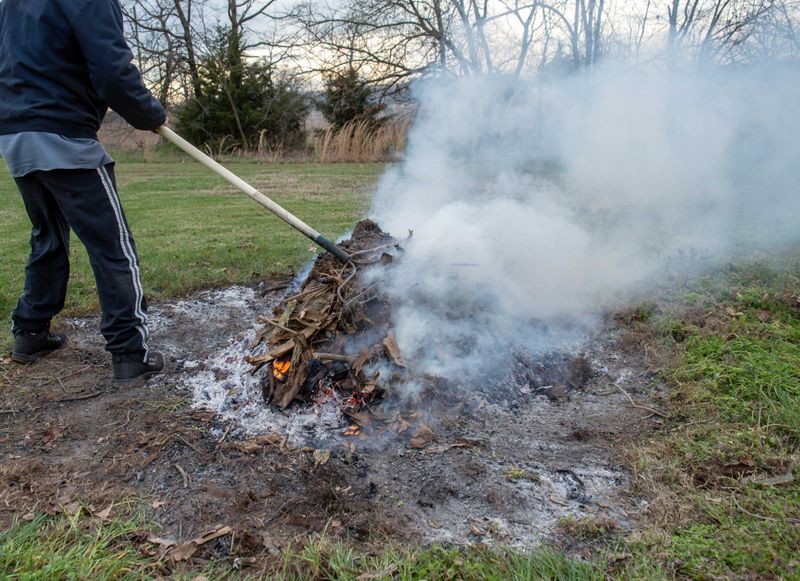
Living inside city limits brings a whole new layer of rules. Many Texas cities ban outdoor burning entirely, even when state law might allow it.
Cities like Austin, San Antonio, and Dallas generally prohibit open burning of yard waste within city limits. Smaller towns often follow suit through local ordinances.
Some counties and fire marshals also set their own requirements. That might mean a burn permit, a phone call before lighting, or limits on certain days.
State law works like a floor, not a ceiling. Local governments can make rules tougher, but they cannot make burning easier than TCEQ allows.
So a pile that passes every state test might still break a city ordinance. Fines and complaints can follow, even if the fire stays small.
Calling your fire department or county fire marshal is my favorite shortcut. They know the current rules and can tell you about permits or notification steps.
Homeowners associations may add rules too. Many HOA agreements ban open fires outright, so check those papers before planning a backyard burn in a subdivision.
8. Those Fallen Leaves Make Better Mulch And Compost Than Smoke
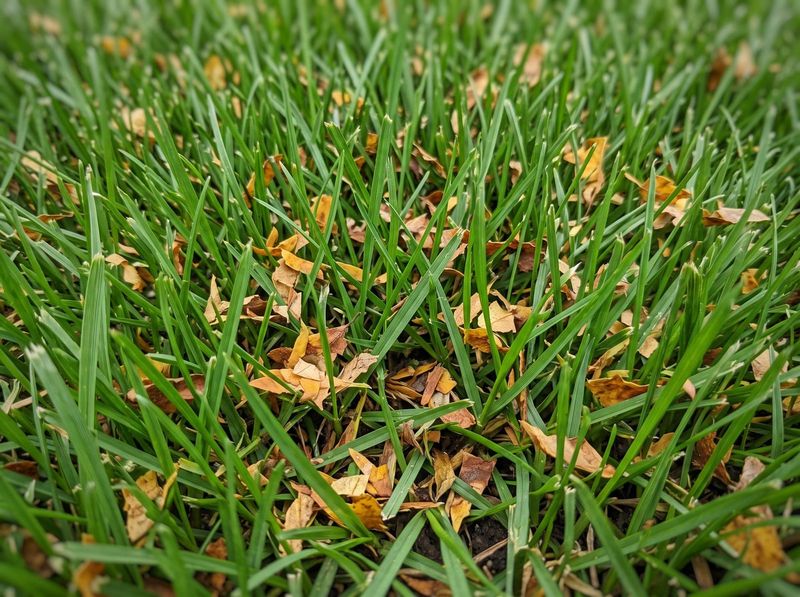
Honestly, the best burn pile might be the one you never light. Fallen leaves are free garden gold, packed with carbon that feeds soil life.
Texas A&M AgriLife Extension encourages composting and mulching over burning. Shredded leaves break down faster and help soil hold moisture during long Texas summers.
Running a mower over leaves on the lawn is the easiest trick. The small pieces settle between grass blades and return nutrients as they decay.
Spreading two to three inches of shredded leaves around shrubs and beds makes a handy mulch. It cools roots, slows weeds, and cuts down on watering.
A compost pile works great too. Mix brown leaves with green grass clippings or kitchen scraps, keep it damp, and turn it every few weeks.
Bigger branches can become brush piles for wildlife or get chipped into mulch. Many cities also offer curbside yard waste pickup or free drop-off sites.
You’ll love how your soil improves after a season or two. Skipping the fire also means skipping the smoke, the paperwork, and the worry about fines, which feels like a pretty sweet trade.