8 Things That Attract Rats Into Florida Palm Trees

A shaggy brown skirt of old fronds can hide a whole family of furry tenants high above your patio. Pest experts in Florida even use the tree as a nickname for these nimble and sneaky nighttime climbers.
They scurry up rough trunks with ease and balance on wires like tiny tightrope walkers after dark. Our mild Florida winters rarely slow them down, so the nighttime action keeps going through every single season.
For the longest time, I blamed squirrels for the chewed fruit scattered under my backyard palms. You might notice similar clues in your own yard, like soft scratching sounds or tiny droppings nearby.
What surprises me most is how many everyday garden habits quietly roll out a welcome mat for them. Your yard could be mailing out invitations tonight without you ever licking a stamp.
1. Shaggy Brown Palm Fronds Hide Rat Nests

Those droopy brown fronds hanging under a palm canopy look harmless, but they form a cozy hidden attic. Roof rats love that dry, shaded pocket because owls and hawks struggle to spot them inside it.
Scientists call this rat Rattus rattus, and locals often nickname it the palm rat for good reason. Nests usually sit high off the ground, tucked where old fronds overlap and trap a little warmth.
I like how simple the fix feels once you know what to look for up there. Trim off fronds that are fully brown, and leave the green ones alone so the palm stays healthy.
University of Florida experts warn against overpruning, since green fronds feed the tree and support new growth. Cutting into living fronds can weaken a palm and may invite nutrient problems that are hard to reverse.
Wear sturdy gloves and long sleeves, because surprised rats sometimes bolt out of a skirt during trimming. Some palms, like the Washingtonia, hold onto old fronds for years and build especially thick skirts.
Personally, I check my palms a few times each year and remove brown fronds before they pile up. For tall trees, a certified arborist with proper equipment is a much safer choice than a wobbly ladder.
You might notice fewer scratching sounds at night once that shaggy hideout is gone from the canopy. A clean trunk gives these climbers fewer places to rest, and that simple change matters a lot.
2. Ripe Palm Berries And Seeds Feed Hungry Rats

Clusters of orange queen palm fruit look like tiny dates, and rats treat them like a free snack bar. The sweet, fibrous pulp smells fruity on warm evenings, which draws hungry foragers straight up the trunk.
Many palms, including the queen palm and the cabbage palm, produce heavy bunches of fruit each year. Roof rats prefer fruits and seeds over most other foods, so these bunches are hard for them to ignore.
Fallen fruit creates a second buffet on the ground, where rats can feed under cover of darkness. Rotting piles also attract roaches and flies, which adds another unwanted layer to the whole problem.
I rake up dropped fruit every few days during heavy fruiting periods, and the difference feels noticeable. Bagging the fruit and placing it in a sealed bin keeps it from turning into a midnight meal.
You can also snip off flower stalks before they set fruit, which reduces the harvest rats depend on. Cut only the stalks and leave healthy green fronds in place, since they support the palm’s growth.
Queen palms are known for messy fruit drops that stain pavers and attract all kinds of hungry visitors. Choosing palms with smaller fruit loads near patios can save you a lot of cleanup work later.
I believe a little regular tidying beats any trap when it comes to cutting off this easy food. Fewer berries on the ground usually means fewer whiskered visitors sniffing around your trunks late at night.
3. Citrus And Mango Trees Tempt Rats Next Door
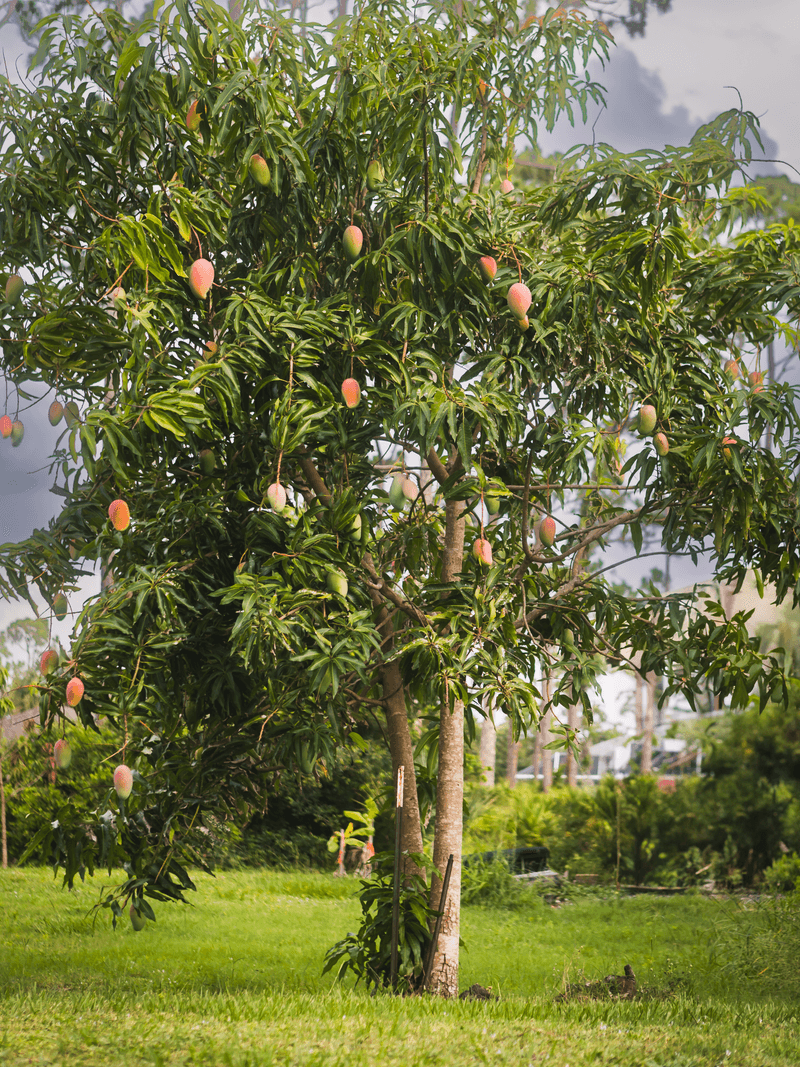
Finding an orange still hanging on the branch but scooped hollow like a cup is a classic clue. Roof rats often chew a small hole, then eat the pulp and leave the peel dangling behind.
That habit earned them nicknames like citrus rat and fruit rat across much of the state. Mangoes and avocados are popular targets too, especially when the fruit sits close to a palm trunk.
Rats nest in the palm, then hop over to the fruit tree for dinner without touching the ground. Overlapping branches create a handy aerial bridge, so spacing between trees matters more than you might expect.
I pick citrus as soon as it ripens and avoid letting extra fruit linger on the branches. Gather any fallen fruit daily, since a single soft mango can feed a rat for a whole night.
Pruning lower limbs so they sit a few feet above the ground can make climbing a little harder. Metal trunk guards, often called rat guards, can also help when branches do not touch neighboring trees or roofs.
Rat guards only work if every other route is blocked, so check for vines and touching limbs first. You might need to trim several branches back from fences to make that barrier truly effective.
Personally, I share plenty of fruit with friends to keep my trees from overflowing with ripe treats. Less leftover fruit means fewer reasons for rats to commute between your palm and your citrus tree.
4. Palm Fronds Touching Your Roof Create A Rat Bridge
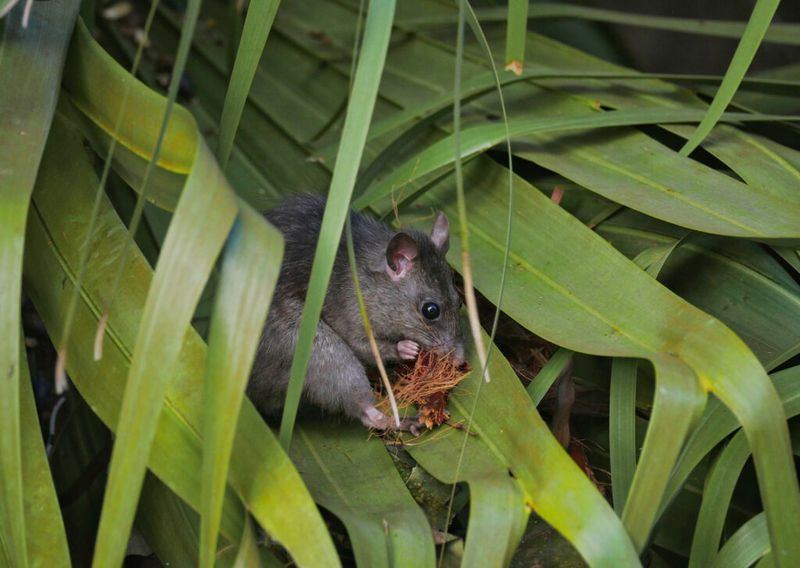
A palm frond brushing your gutter might sound peaceful in the breeze, but rats see a highway. Roof rats are skilled climbers that use fronds and utility lines to reach rooftops with ease.
Once they reach the roof, they search for gaps around soffits and vents to slip into attics. Adult roof rats can squeeze through surprisingly small openings, sometimes about the width of a quarter.
I walk around my house every few months and look for fronds touching the eaves or screen enclosures. Trimming palms and shrubs so they stay several feet away from the roofline cuts off that easy route.
Many pest experts suggest keeping branches about six feet from your home, since rats can leap short distances. That gap may not stop every climber, but it makes the trip a lot less convenient.
Planting new palms well away from the house now can save you from trimming headaches for years. Check the mature canopy width on the plant tag, since small palms can spread much wider over time.
You need to seal any openings you find with hardware cloth or metal flashing rather than soft materials. Rats can chew through plastic and foam quickly, so sturdy materials hold up much better in the long run.
I can’t imagine hearing scurrying in my attic at midnight, and a little trimming helps prevent it. A clear gap between the palm and the house protects both your roof and your peace of mind.
5. Bird Feeders And Pet Bowls Lure Rats At Night
That bowl of kibble left on the porch at night is basically a glowing dinner invitation for rats. They often hide in nearby palms by day, then climb down after dark to nibble whatever you left out.
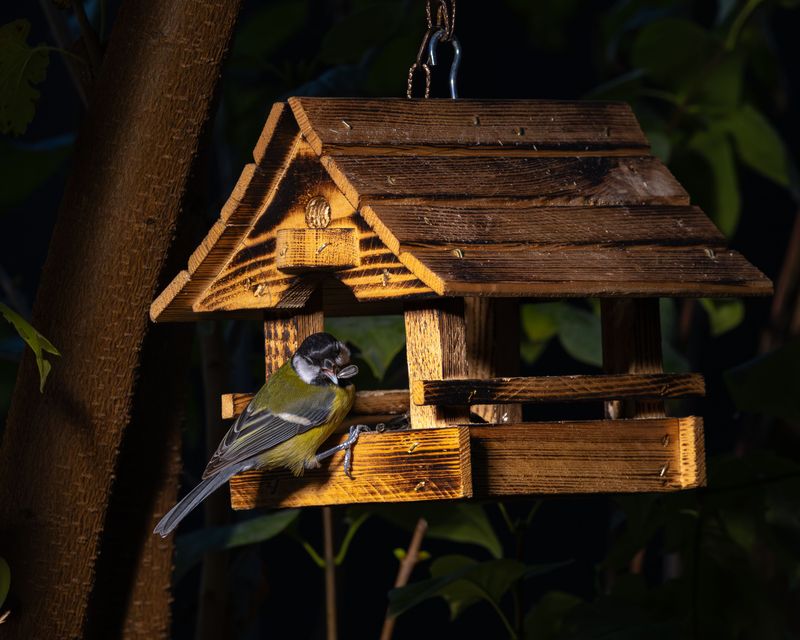
Bird feeders create a similar snack spot, because birds scatter seeds that land in the grass below. Sunflower seeds and millet are favorites, and rats can visit a messy feeder area night after night.
Personally, I bring pet food indoors before sunset and wash the bowls so no smell lingers outside. Storing kibble and birdseed in metal or heavy plastic containers with tight lids keeps curious noses out.
I also hang feeders away from palms and use trays that catch spilled seed before it hits the ground. Filling feeders with only what birds will eat in a day reduces leftovers that rats can find.
Water matters too, so empty pet water dishes and birdbaths that sit close to a nesting palm. Rats need regular water, and a dependable source nearby can make your yard feel like home.
You might notice small droppings or gnawed seed husks under feeders, which hint at nighttime visitors. Sweep up spilled seed in the morning before it can pile up and draw more attention.
I love feeding birds, but I have learned that tidy habits matter as much as the seed itself. A clean feeding area keeps the songbirds happy without turning your palm into a rodent apartment complex.
6. Open Garbage Cans And Compost Piles Feed Rodents

Rats have an impressive sense of smell, and a trash can with a cracked lid sends out signals. Food scraps and greasy wrappers are easy pickings for a hungry rat living in a nearby palm.
Roof rats in Florida stay active all year, so open garbage remains tempting in every month. Overflowing bins near patios or pool areas make the short trip from palm to trash even easier.
I use sturdy cans with tight lids and keep them on a hard surface away from my palms. Rinse out bins now and then, since lingering food residue can attract rats even when cans look empty.
Compost piles are wonderful for gardens, but meat and dairy scraps can attract rodents in a hurry. Stick to plant scraps like vegetable peels and yard trimmings to keep the pile less appealing.
Enclosed compost bins with secure lids and wire mesh bottoms make it much harder for rats to burrow. Turning the pile regularly also keeps it hot and busy, which discourages nesting inside the warm material.
You need to place compost bins away from palms and fences that rats use as travel routes. A little distance means rats have to cross open ground, where they feel exposed to predators.
Fruit and vegetable scraps from the kitchen are best kept in a sealed indoor container until collection day. That small habit keeps smells inside and gives foraging rats one less reason to linger near your trees.
7. Thick Shrubs And Climbing Vines Give Rats Cover

Rats are nervous travelers that prefer moving under leaves instead of crossing open lawns in plain view. Dense hedges and tangled vines near a palm work like covered hallways for their nightly errands.
English ivy is a well-known rat favorite, and thick ground covers can hide burrows and runways. Vines climbing a palm trunk also create an easy ladder straight up into the fronds above.
I thin my shrubs each year so I can see daylight through the branches and soil underneath. Keeping hedges trimmed a foot or so away from walls makes it harder for rats to hide.
Pull vines off palm trunks, because they give rats extra grip and a secret path to nests. Woodpiles and stacks of old pots near palms can offer similar shelter, so store them off the ground.
You might notice smooth trails through mulch or grass, which are often worn down by regular rat traffic. Greasy rub marks along walls and fences are another clue that rats are using the same paths repeatedly.
Opening up the landscape does not mean removing every plant, since birds and pollinators need cover too. Instead, aim for a tidier layout with breathing room between garden beds and the walls of your home.
I believe a well-spaced garden looks better anyway, and it makes spotting rat activity much easier. Owls and snakes also hunt more successfully when rats have fewer leafy hallways to hide inside.
8. Mild Florida Winters Let Rats Breed All Year

Northern gardeners get a cold snap that slows pests down, but our winters rarely offer that break. Rats here keep raising families through most of the year, especially in the warm southern counties.
A female roof rat can have several litters each year, often with five to eight pups each time. Young rats can start breeding within a few months, so a small group grows faster than you might expect.
What surprises me most is how fast one quiet palm nest can turn into a busy neighborhood colony. Catching the problem early makes control much simpler and usually far less expensive for most busy homeowners.
You need to keep up with prevention all year, not just during cooler months when rats seek shelter. Regular palm trimming and fruit cleanup work best as steady habits rather than occasional weekend projects.
Snap traps placed along walls or rafters are a common method recommended by University of Florida experts. Use covered trap stations outdoors so curious pets and helpful wildlife cannot reach them by accident.
Rodent poisons can harm owls and pets that eat affected rats, so many experts urge careful use. For heavy activity, a licensed pest control professional can identify entry points and suggest a safe plan.
Honestly, our endless sunshine makes gardening a joy here, even with a few uninvited climbers scurrying around. Staying alert year-round keeps your palms looking lovely and your home far less inviting to rats.