8 Warning Signs of Iguanas Moving Into Your Florida Yard
A chalky white tip on a dark dropping can reveal a scaly houseguest you have not even met yet. That pale cap is uric acid, and mammals rarely leave anything quite like it behind.
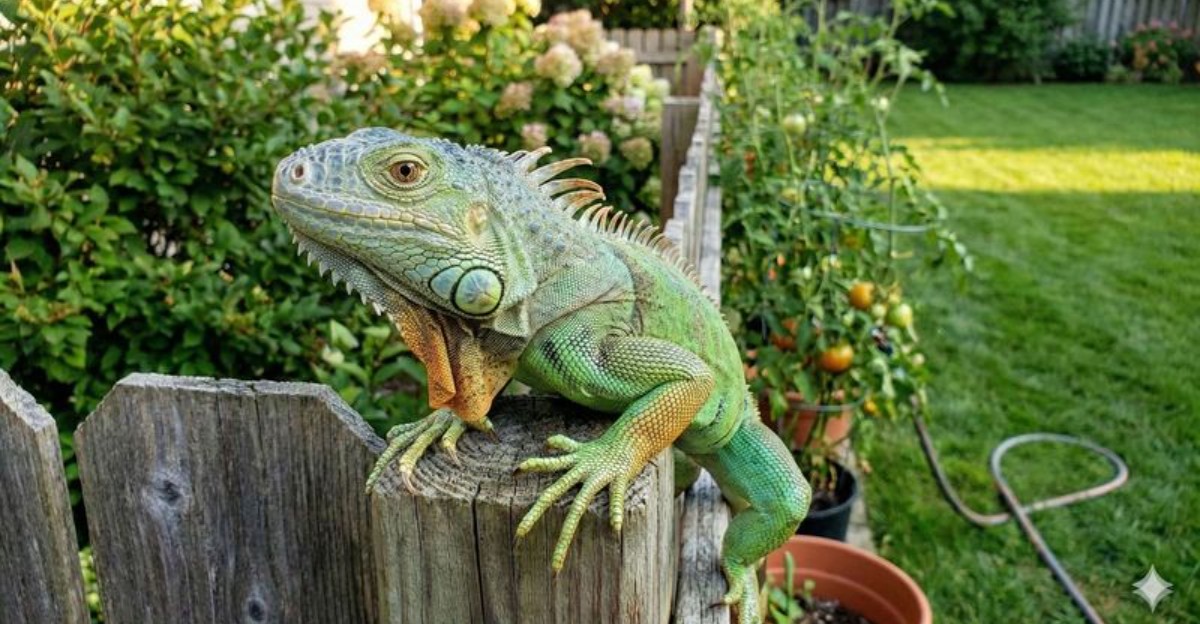
These reptiles arrived in Florida from Central and South America, mostly through the pet trade decades ago. Some adults stretch past five feet from nose to tail, and many are surprisingly fast swimmers.
I have to admit that my first clue was a hibiscus bush that looked nibbled down overnight. You might notice similar odd damage long before you ever catch the culprit sunning on your seawall.
What surprises me most is how many quiet clues these visitors leave around a typical South Florida yard. Would you recognize the hints if a large green lizard started treating your garden like home?
1. Ragged Hibiscus Leaves And Missing Blooms
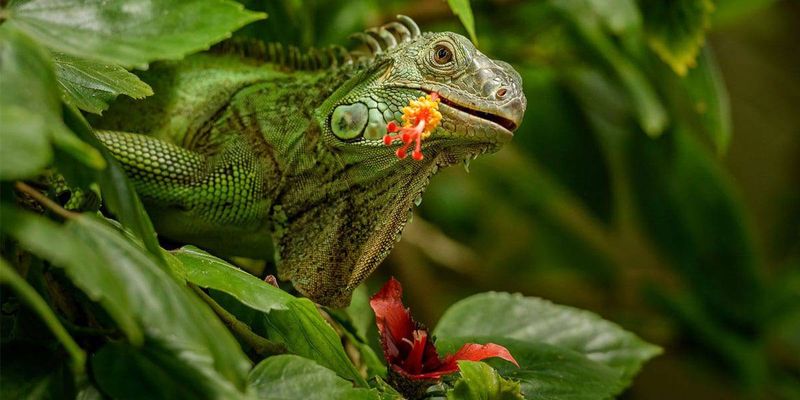
My bright red hibiscus once looked like someone had snipped it with dull scissors during a single sunny afternoon. Green iguanas are mostly plant eaters, and they adore tender leaves along with soft, colorful flowers in home gardens.
According to UF/IFAS Extension, favorite targets include hibiscus, roses, orchids, impatiens, and nickerbean, along with many fruits. You might also notice ripe mangoes, figs, or bananas vanishing from lower branches before you get a chance to pick them.
Insect damage usually looks like small holes or lacy leaves, but iguana bites tend to be larger and cleaner. Whole flowers and big leaf chunks often disappear at once, leaving bare stems that seem oddly trimmed by hand.
Personally, I check new growth first, since soft shoots and freshly planted annuals often vanish before tougher, older leaves. Squash, melons, and leafy greens in vegetable beds can also become an easy snack when the lizards feel safe nearby.
Planting choices make a real difference over time, so swapping a few favorites can reduce the daily buffet considerably. Extension lists suggest that crotons, citrus, and milkweed are less appealing to iguanas, although hungry individuals may still sample them.
Wire cages or netting around prized plants help a lot, especially while new transplants settle into the soil. I also pick ripe fruit promptly, since fallen mangoes and bananas can attract hungry reptiles back to the same spot again.
2. Two Tone Iguana Droppings On The Pool Deck
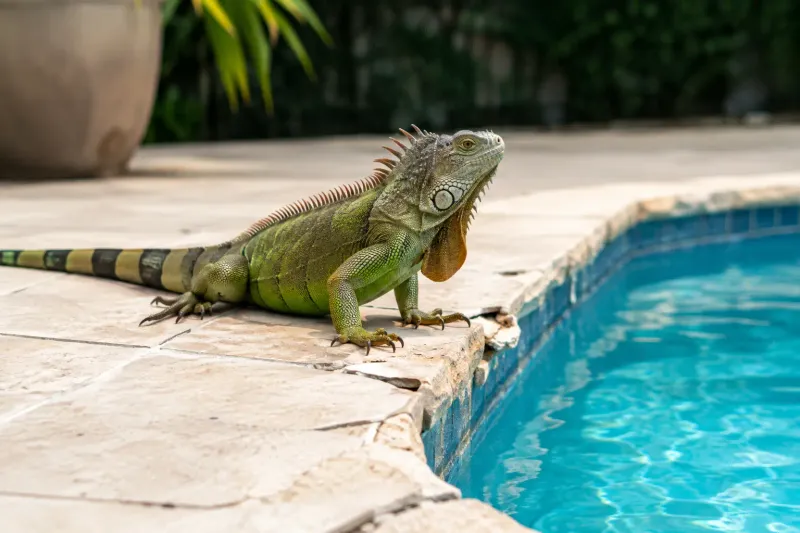
Nobody enjoys finding a surprise on the pool deck, yet those droppings can tell you exactly who has been visiting. Iguana waste is usually dark and log shaped, and it often ends with a chalky white tip of uric acid.
That pale cap is a classic reptile signature, since birds mix their whites differently and mammals mostly lack it entirely. You might even spot bits of leaves or seeds inside, which fits their mostly vegetarian diet very neatly.
Size varies with the animal, so small hatchlings leave tiny pellets while big adults leave surprisingly large piles behind. I have noticed that repeat deposits in the same corner usually point to a favorite basking or resting spot nearby.
Docks, seawalls, patios, and boat covers collect a lot of this mess because they warm quickly in the sun. Some homeowners even find droppings floating in their pools, since iguanas swim well and may defecate in the water.
Health matters here, because reptiles commonly carry Salmonella bacteria on their bodies and in their waste. Wear gloves while cleaning, scrub surfaces with soapy water, and keep children and pets away until everything is rinsed clean.
Prompt cleanup also protects your hardscape, since repeated deposits can leave stubborn stains on pale concrete and pavers. I keep a stiff brush near the pool for quick scrubbing, which saves me from tougher stain removal later.
3. Fresh Iguana Burrows Near Seawalls And Sidewalks
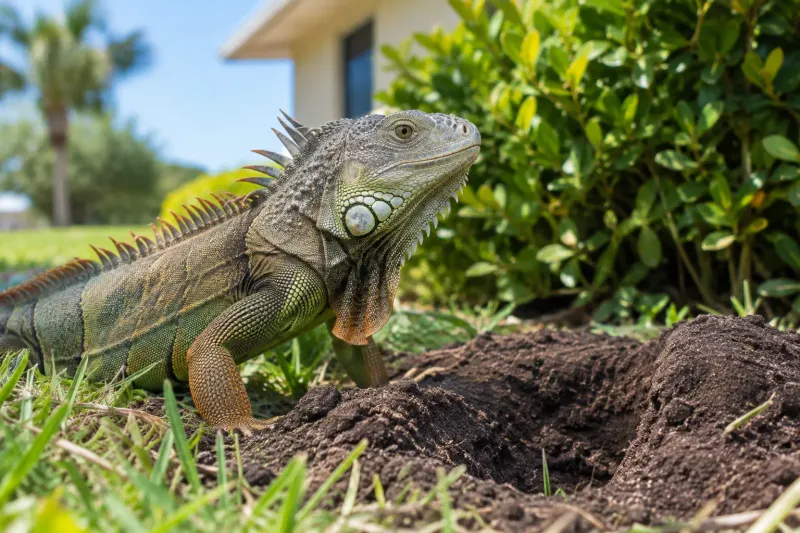
A neat oval hole beside your seawall might look harmless, but it can hide a surprisingly long tunnel underneath. Green iguanas dig burrows for shelter from heat, cold snaps, and predators, and they favor soft ground near water.
Canal banks, lake edges, and sandy fill under sidewalks are popular digging zones for these determined lizards. You might notice loose soil fanned out at the entrance, which usually means someone has been working there very recently.
UF/IFAS researchers report that some burrows reach several feet deep and run quite long underground. I was honestly stunned to learn that a few tunnels include more than one entrance, giving residents a quick escape route.
Size helps with identification, since iguana holes are usually wider than rodent openings and slightly flattened in shape. A worn path or smooth trail leading toward the hole suggests that the burrow is getting regular daily use.
Check spots near foundations, pool decks, and seawall caps, since erosion there can become expensive to repair. Filling inactive holes with soil or gravel during cooler months, when lizards are less active, can discourage reuse.
Personally, I walk the property edge every couple of weeks and note any new openings on my phone. Catching burrows early is far easier than repairing a sagging walkway or cracked slab after months of quiet digging.
4. Iguana Tracks And Tail Drag Marks In Sand
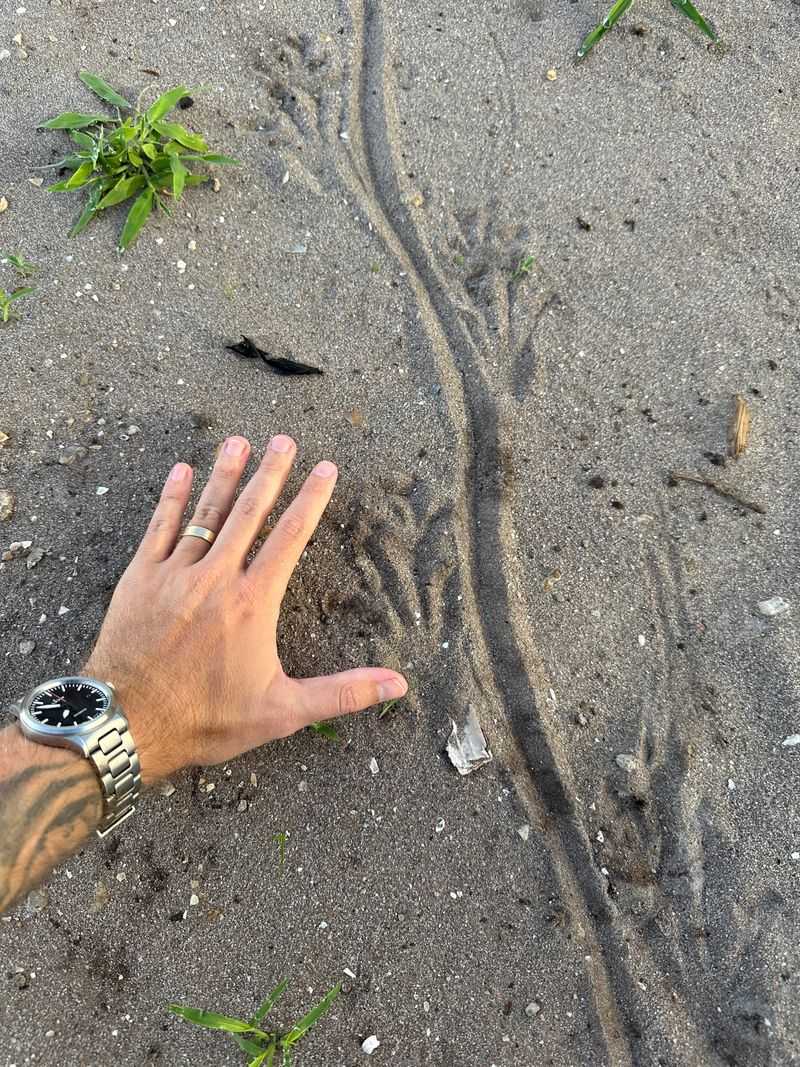
Sandy garden paths act like a guest book, and iguanas sign it with a very distinctive tail flourish. Look for clawed footprints on both sides of a long wavy line, which forms when the heavy tail drags behind.
Hind feet leave the longest prints, with slender toes that spread out and make the track look slightly lopsided. Some folks say these marks resemble tiny dinosaur footprints, and I honestly think that description fits them pretty well.
Mulched beds, sandy edges near seawalls, and dusty corners near air conditioning units often show the clearest prints. You might find the best tracks early in the morning, before sprinklers, foot traffic, or wind smooth everything over.
Following the trail can be surprisingly useful, since tracks often lead toward feeding areas or burrow openings. I once traced a line straight from my vegetable bed to a hole under the shed, which explained my missing squash.
Raking a smooth strip of sand near suspected entry points makes a simple tracking station for curious gardeners. Check it daily for a week, and you will quickly learn whether visits are rare or happening on a regular schedule.
Snapping photos next to a coin or ruler helps you compare prints over time and judge animal size. Pest professionals also appreciate those pictures, because they show travel routes and suggest where barriers or traps might work best.
5. Green Iguanas Basking On Docks And Rooftops
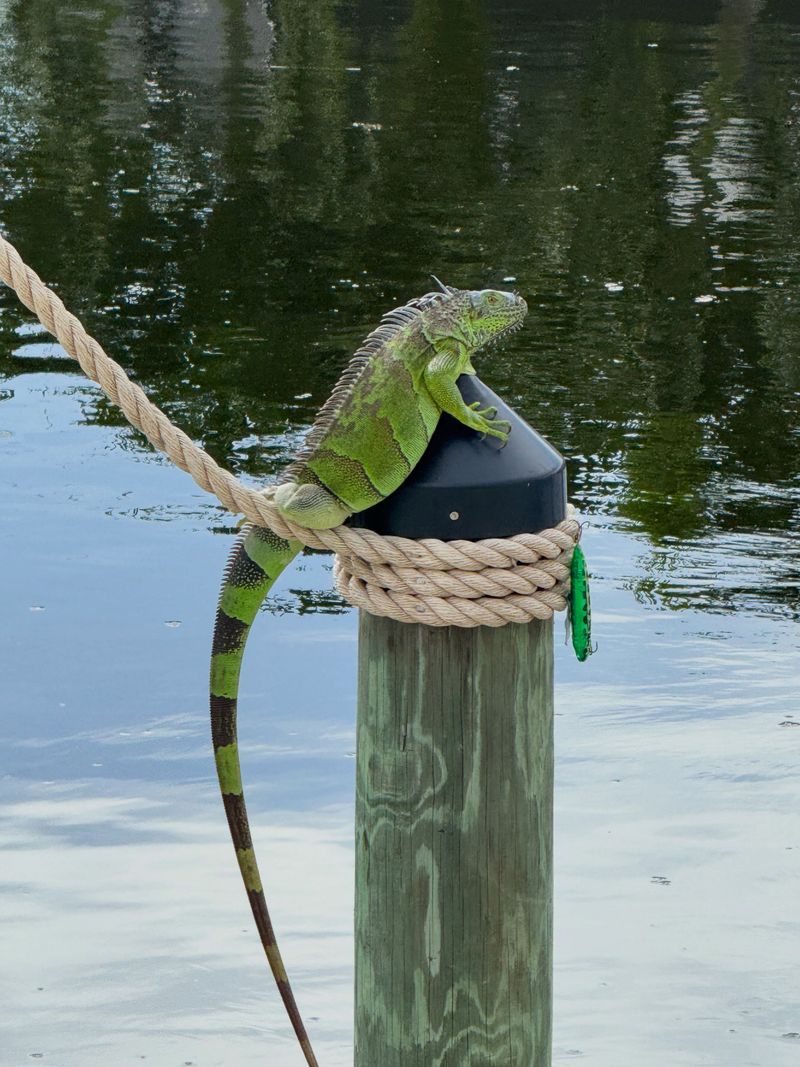
Morning coffee on the patio gets more interesting when a large lizard stretches across your dock like a sunbather. Green iguanas are active during the day, and they spend plenty of time soaking up warmth to manage body temperature.
Favorite basking spots include docks, seawalls, rooftops, and tree branches hanging over canals or ponds. I have noticed that the same animal often returns to one sunny perch, almost like it reserved that seat for itself.
Startle one, and it may drop from a branch into the water with a dramatic splash before swimming away. Their tails also work as quick whips when cornered, so I give larger adults plenty of room and avoid grabbing them.
One passing visitor is common in South Florida, but daily sightings in the same location suggest an established resident. Keeping a simple log of dates and spots helps you see patterns that a quick glance might easily miss.
Breeding season in spring often brings bolder behavior, with males showing orange tones and quick head bobbing displays. You might see more chasing and posturing then, which can make a once quiet yard feel suddenly busy with reptiles.
Trimming branches that overhang roofs and pools removes handy sunning platforms and easy access routes. Smooth metal sheet flashing around trunks can also help discourage climbing, according to guidance shared by UF/IFAS Extension specialists.
6. Cracked Patios And Sinking Pool Decks
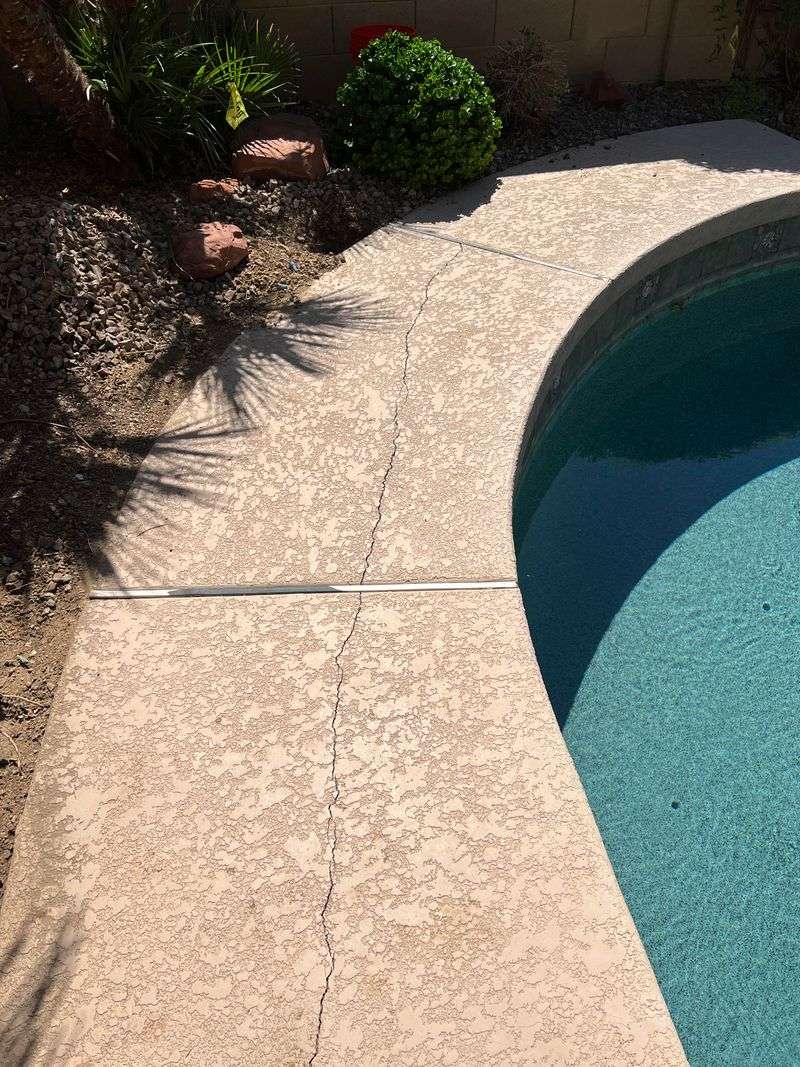
Hairline cracks in a patio rarely make anyone think about lizards, yet hidden tunnels can play a sneaky role. Iguana burrows remove supporting soil under slabs, and that missing fill can lead to sagging edges or new gaps.
Sandy fill around pool decks attracts digging females, especially when the ground stays warm and gets lots of sunshine. You might notice a small opening at the slab edge, while the real excavation quietly extends several feet underneath.
Seawalls face similar trouble, since burrowing can speed up erosion behind the wall along canals and lakes. UF/IFAS notes that this kind of damage can become costly, which is why early detection matters so much for waterfront owners.
I have to admit that a slightly wobbly paver once seemed like nothing until I spotted a tunnel right beside it. Pressing lightly on suspicious edges and listening for hollow sounds can reveal problems before they spread across your patio.
Repairs work best after the animals are gone, so confirm the burrow is inactive before filling or sealing anything. Licensed wildlife professionals can help with removal, since local rules and humane handling requirements may apply in your area.
Once the space is empty, packing gravel or soil tightly and adding buried wire mesh can discourage fresh digging. I also keep vegetation trimmed near slab edges, since dense cover gives iguanas a comfortable hiding place to start new tunnels.
7. Female Iguanas Digging Nests In Sunny Soil
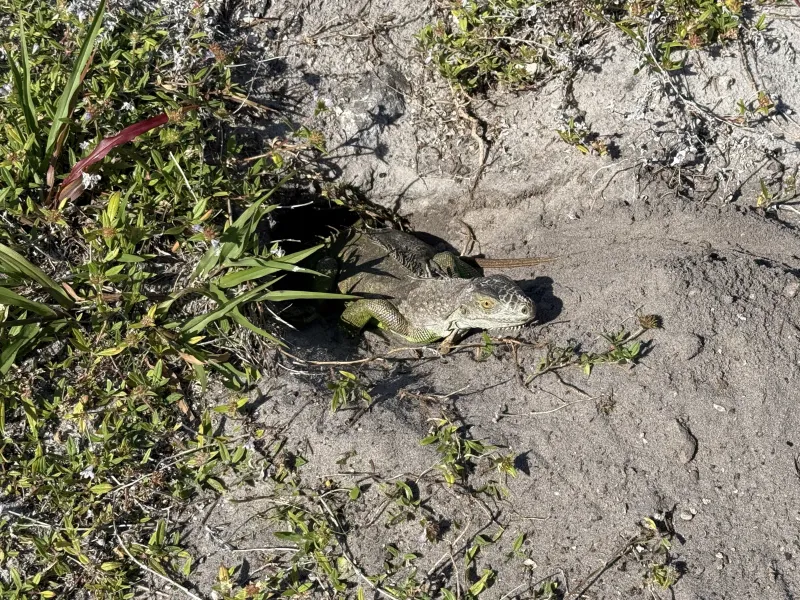
Spring digging in a sunny garden bed might belong to a female iguana preparing a nursery rather than a squirrel. Females excavate nest burrows in loose, warm soil, then lay their eggs inside a chamber below the surface.
UF/IFAS reports that nesting in South Florida usually happens in spring, with egg laying commonly reported around April and May. Clutches can be large, sometimes ranging from about a dozen to more than seventy eggs, depending on the female.
Eggs incubate underground for roughly two to three months before tiny green hatchlings dig their way out. You might notice small, fresh holes appearing in summer, which can signal that a hidden clutch has recently hatched nearby.
Canal banks, lake edges, and sandy spots beside seawalls are classic nesting areas because they stay warm and loose. I have also seen females favor mulched planters and raised beds, since those soft surfaces make digging much easier work.
Watching for a female repeatedly returning to one patch of soil can help you pinpoint a likely nest. Since iguanas are protected only by anti-cruelty laws in Florida, homeowners may remove them humanely, though hiring licensed help is often wiser.
Personally, I think addressing nests early matters most, because one successful clutch can bring dozens of new residents. Covering bare sunny soil with dense groundcover or hardware cloth can make your yard less tempting next nesting season.
8. Papery Shed Iguana Skin Caught On Fences
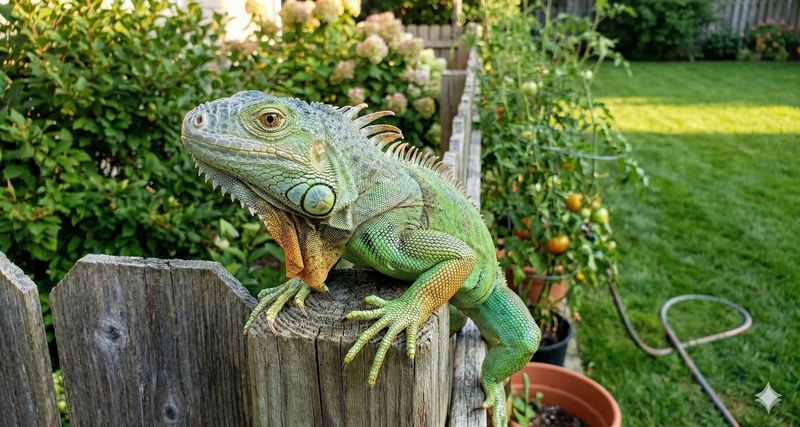
A crinkly, see-through scrap stuck on your fence might look like old plastic until you notice tiny scale patterns. Iguanas shed their skin in pieces as they grow, and those papery flakes often catch on rough surfaces nearby.
Unlike snakes, which often leave one long tube, lizards usually shed in patches that peel away over several days. You might find bits near basking spots, burrow openings, or shrubs where an iguana rubbed to loosen old skin.
Young iguanas grow quickly, so they tend to shed more often than full grown adults with slower growth. I find it fascinating that each little piece still shows scale outlines, like a delicate print of the animal itself.
Shed skin alone is not proof of a big problem, since other lizards like anoles also leave flakes behind. Larger pieces with coarse scales, however, point more toward iguanas, especially when droppings or burrows show up nearby too.
Gloves are a smart idea when collecting skins, since reptiles may carry Salmonella on surfaces they touch. Dropping finds into a bag for comparison photos can help a wildlife professional confirm what kind of reptile has visited.
Personally, I treat shed skin as a helpful supporting clue rather than the main piece of evidence. Combined with tracks, damaged plants, and fresh holes, it rounds out the picture and helps you decide on your next steps.