8 Easy Garden Projects California Families Can Do With Kids
A healthy pound of composting worms can munch through roughly half its weight in kitchen scraps every day. Kids usually squeal at that fact, and then they ask if they can feed the worms themselves.
In California, our long growing season gives families extra months to dig and snack in the backyard together. Even a sunny balcony or a single windowsill can turn into a tiny classroom with dirt under the fingernails.
Personally, I love how a bean sprouting in a jar can silence a room full of chatty kids. You might notice your pickiest eater suddenly begging to taste a cherry tomato they grew on their own.
None of these projects needs fancy tools or a big budget, just a bit of patience from the grown-ups. Which one will your California crew try first when the next sunny Saturday morning rolls around?
1. Build A Round Pizza Garden With Tomatoes And Basil
Kids rarely argue about vegetables once those vegetables become toppings on a pizza they helped grow themselves. I love how a round bed cut into slices makes the whole garden look like dinner from above.
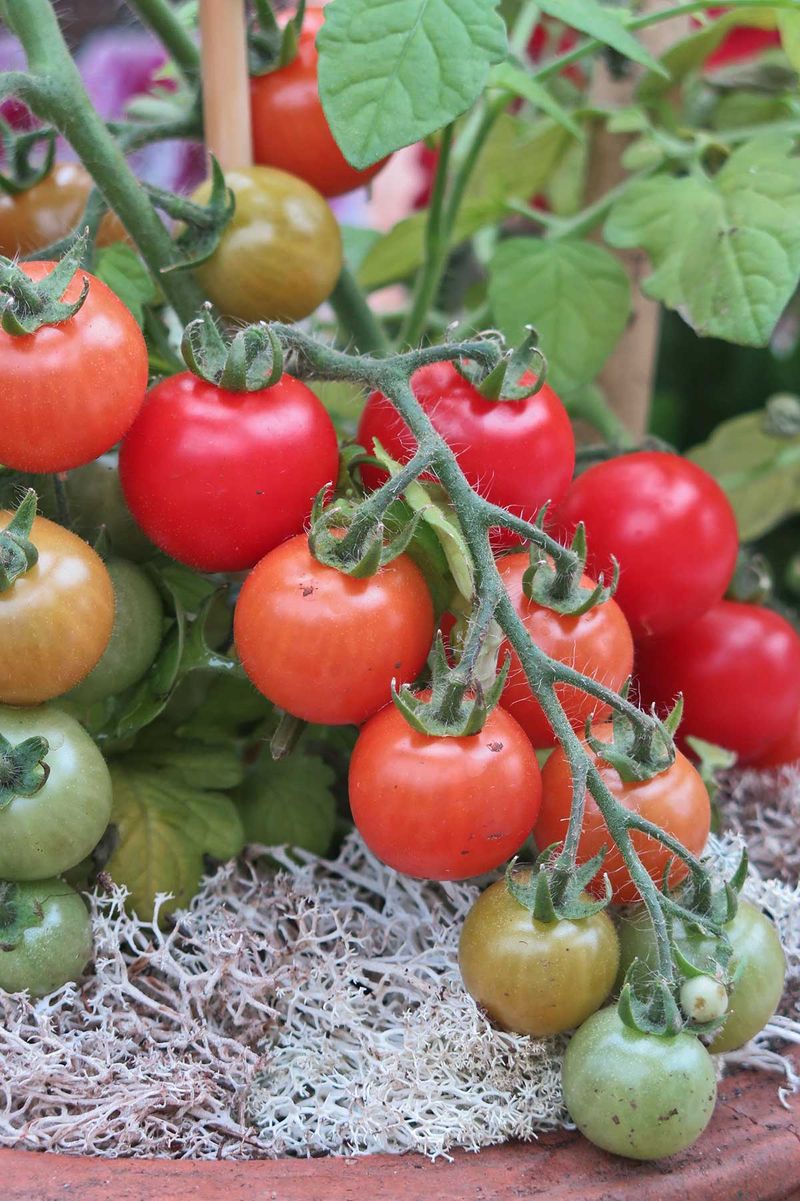
Cherry tomatoes such as Sungold or Sweet Million make the best starting point for young hands. They ripen quickly and fit perfectly into small mouths, so harvest time feels like a treasure hunt.
Pair those tomatoes with Genovese basil and Greek oregano, then add a sweet pepper plant if space allows. Each herb or vegetable gets its own wedge, and kids can label every slice with a homemade sign.
Tomatoes and basil crave warmth, needing six to eight hours of direct sun each day to thrive. Basil sulks below 50 degrees, so wait until nights stay mild before setting those tender seedlings outside.
Containers work well too, as long as each tomato gets a pot holding at least five gallons. Add a sturdy cage or stake early, because sprawling vines are much harder to tame later on.
Water deeply at the base of the plants instead of sprinkling the leaves from above. Oregano prefers drier soil once established, so plant it near the edge where it can bake happily in the heat.
Teach kids to ask an adult before tasting anything from any garden, even their own pizza patch. Then gather the harvest, roll out some dough, and let the little farmers handle the topping duties proudly.
2. Layer A Tiny Terrarium Inside A Glass Jar
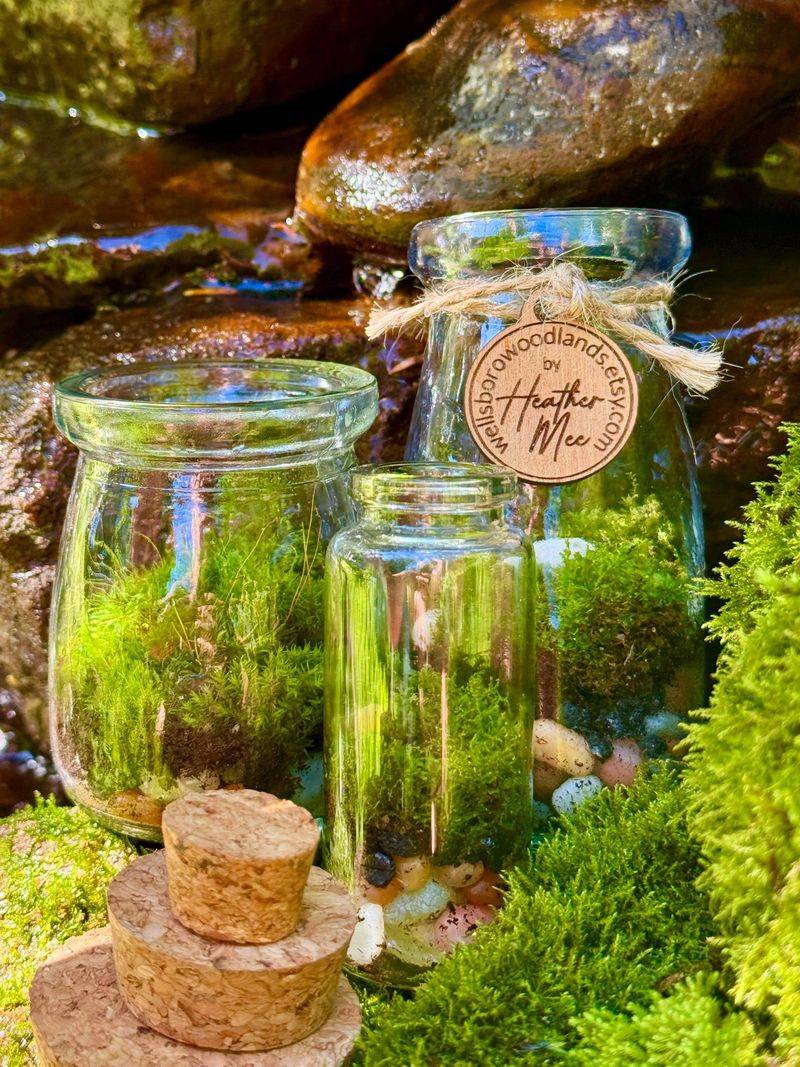
A sealed glass jar can make its own tiny rainstorm, with droplets forming on the lid every morning. You’re in for a big surprise when your kids start checking the weather inside their terrarium before breakfast.
Grab any clear container with a lid, then gather some pebbles and a bag of fresh potting soil. A thin layer of activated charcoal is optional, though it helps keep the little world smelling fresh.
Kids can spoon in the pebbles first for drainage, then add charcoal and soil on top. Chopsticks or kitchen tongs make handy planting tools for slipping tiny roots into place without crushing delicate leaves.
Closed jars suit humidity lovers like miniature ferns and the colorful nerve plant, with its striking veined leaves. Open bowls work better for succulents such as echeveria, which prefer dry air and gritty soil.
Set the finished terrarium in bright, indirect light, away from sunny windows that can overheat the glass quickly. A light misting settles the soil and starts the water cycle that kids can watch unfold daily.
Moisture rises from the soil, collects on the glass, then trickles back down like miniature rain showers. I believe that simple loop teaches evaporation and condensation better than most worksheets from a science textbook.
Stick with kid-safe plants such as peperomia or baby tears, especially if toddlers like to explore with their mouths. An adult should handle glass containers, and tiny toy dinosaurs make excellent residents for the finished scene.
3. Paint Bright Garden Rocks For Plant Markers
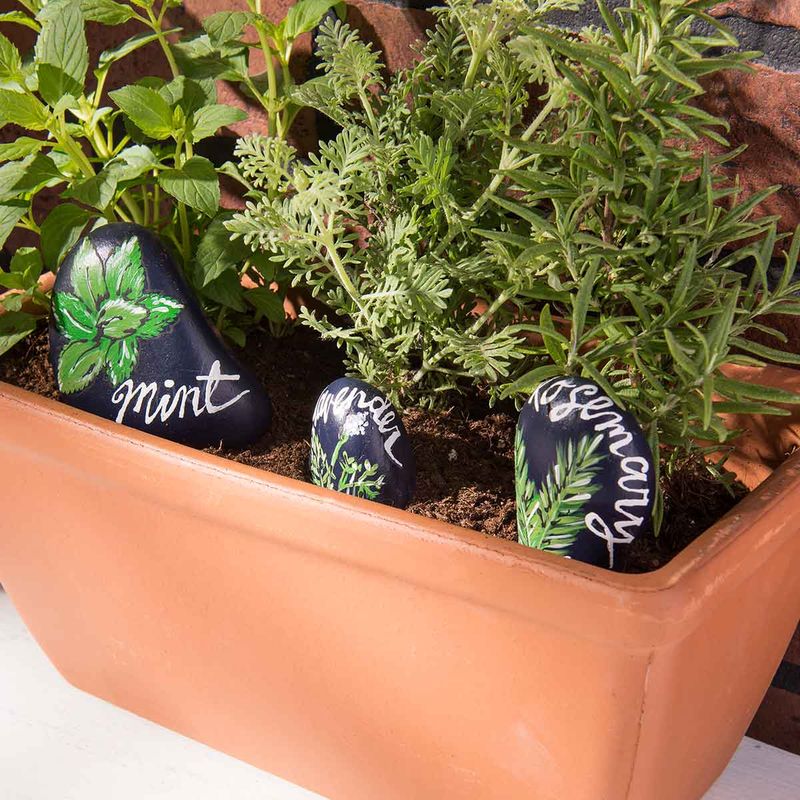
Plain gray stones can turn into ladybugs with one afternoon and a few colorful paint pens. I have to admit, my favorite plant markers are lumpy rocks with wobbly letters spelling out basil.
Look for smooth, fairly flat rocks, which give little artists the best surface for detailed designs. Scrub them with soapy water and let them dry fully, since dust and grime keep paint from sticking.
Water-based acrylic paint gives bright colors and cleans up easily from small hands and kitchen tables. Garden centers sell bags of smooth stones, which helps since many parks and beaches prohibit collecting rocks.
Kids can paint funny faces or the names of vegetables growing in the family garden beds. Painted markers help everyone remember where the carrots went after the tiny seedlings vanish beneath the leaves.
Let the paint dry for at least a full day before reaching for any sealer. Two or three thin coats of outdoor clear sealer protect the colors from strong sun and winter rain.
Spray sealers belong outside, where fresh air carries the fumes away from little noses quickly. Brush-on versions work well for younger kids, though an adult should still handle the final coat carefully.
Some families hide extra kindness rocks around the neighborhood with cheerful messages painted on the back. You might notice your kids grinning for days after someone finds one and posts a happy photo online.
4. Plant California Poppies And Milkweed For Pollinators
Monarch caterpillars eat only milkweed leaves, so planting the right kind can turn your yard into a butterfly nursery. Watching a striped caterpillar munch through a leaf is pure backyard television for curious kids.
Native narrowleaf milkweed and showy milkweed are the best choices for monarchs across California. Skip tropical milkweed, since experts link it to parasite problems for monarchs in mild coastal areas.
Bees and hummingbirds need food too, and native sages provide plenty of nectar through the warm months. Native buckwheat adds clusters of creamy blossoms that hum with tiny bees on sunny afternoons.
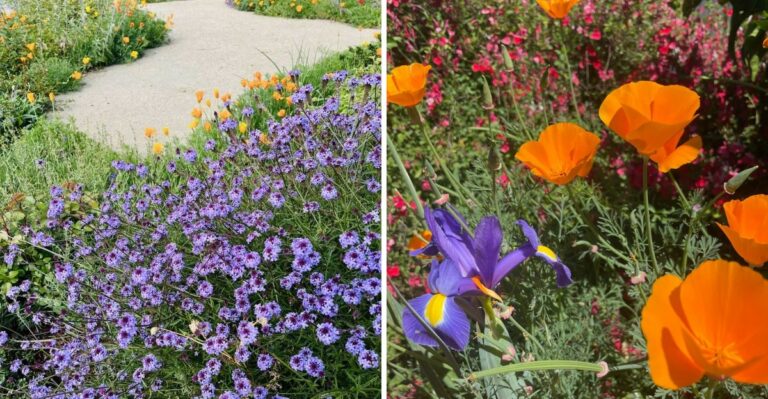
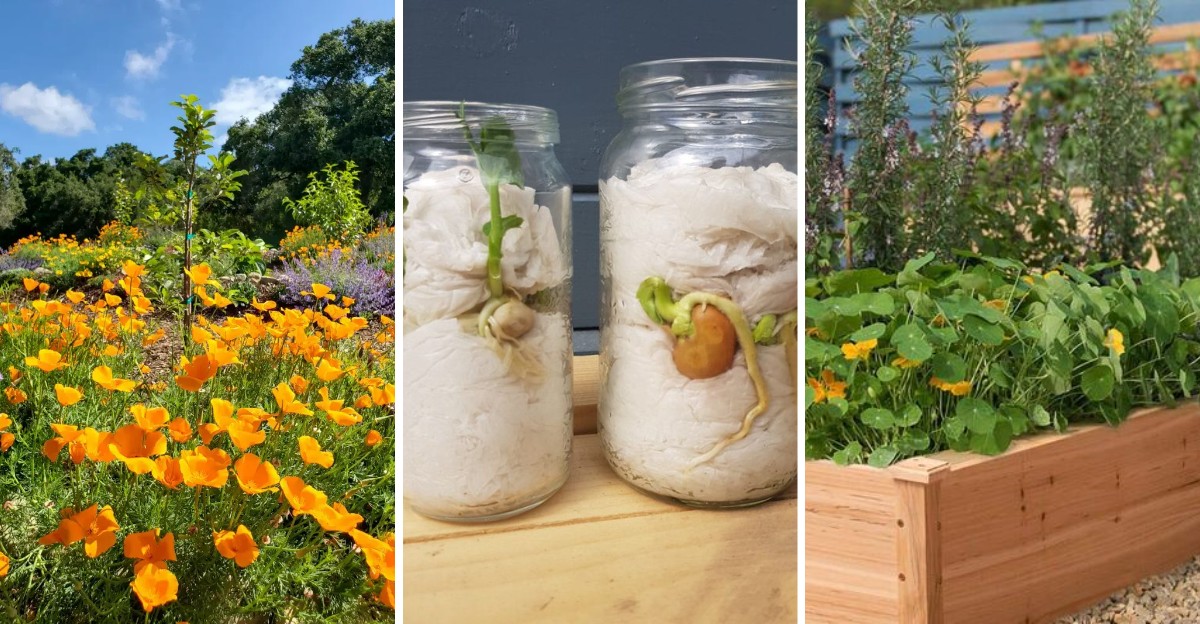
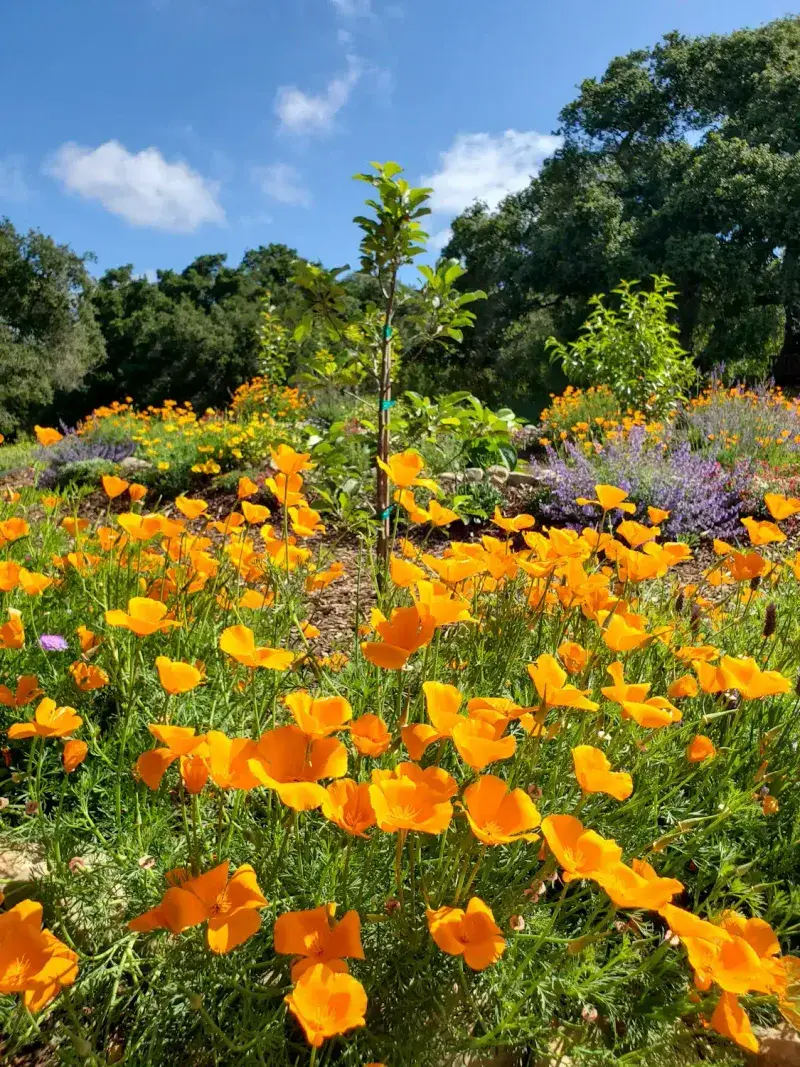
Bright orange poppies sprout easily from seed sown in fall, just before the winter rains arrive. Kids love scattering the tiny seeds by hand, then hunting for feathery green leaves a few weeks later.
Group plants in clusters of three or more so pollinators can spot them from the air. A shallow dish filled with water and a few stones gives thirsty bees a safe landing spot.
Pesticides harm these helpful visitors, so pick aphids off by hand or use a gentle soap spray instead. Remind kids to watch bees from a respectful distance rather than reaching out to touch them.
A simple garden journal turns every visit into a wildlife survey with drawings and dates. Personally, I think counting butterflies over a summer teaches more about nature than many field trips do.
5. Grow Towering Sunflowers And Measure Them Weekly
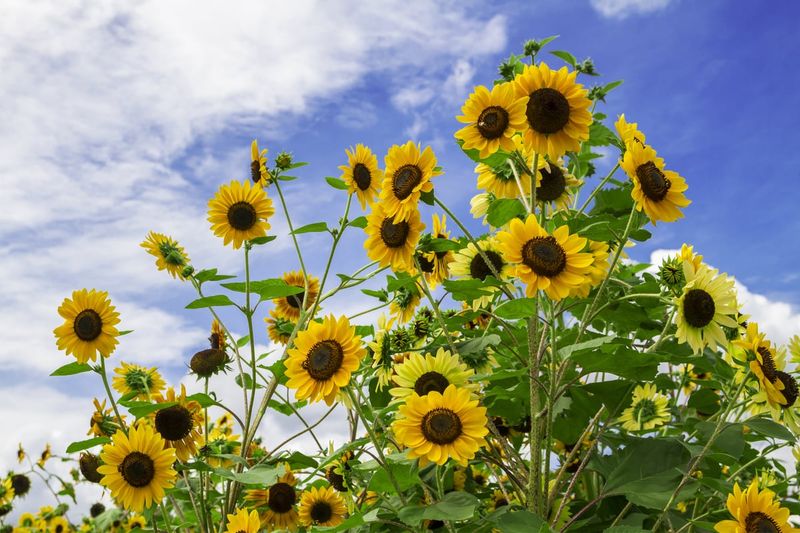
Mammoth sunflowers can shoot past ten feet tall in a single summer, towering over every grown-up in the yard. Kids get a real thrill standing beside a flower that started as a striped seed in their palm.
Choose a spot with at least six to eight hours of direct sun each day. Mix compost into the soil first, because these hungry giants grow fast and need plenty of nutrients.
The big seeds are easy for small fingers, so let kids press them one to two inches deep. Water regularly during the first month while young roots reach downward and anchor the growing stems.
Families with small patios can try Teddy Bear, a compact variety that fits nicely inside a large pot. Its fluffy golden blooms look like pom-poms and stay low enough for toddlers to sniff.
Young sunflowers track the sun from east to west, a habit scientists call heliotropism. Mature flower heads usually settle facing east, which gives kids a fun mystery to investigate with a compass.
Hang a measuring tape on the fence and record the height every week on a chart. Tall varieties may need a stake later, especially in windy areas where heavy heads can bend the stems.
Seeds are ready when the back of the head turns yellow and the petals drop away. Cover ripening heads with cheesecloth, or the neighborhood birds and squirrels will gladly harvest the snacks first.
6. Watch Bean Seeds Sprout In A Clear Jar
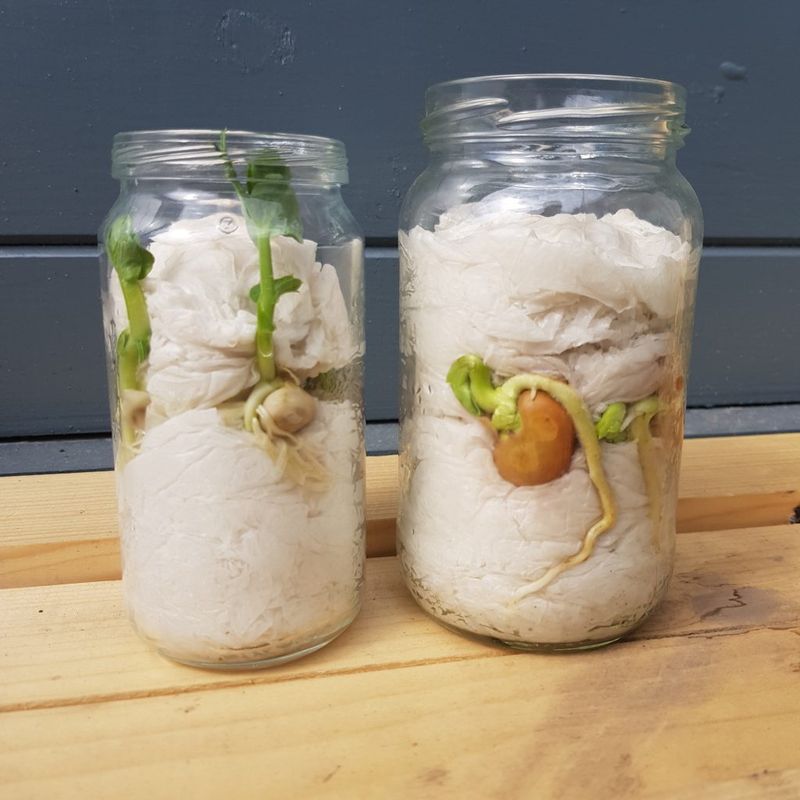
A dry lima bean can push out a tiny white root in just a day or two. Kids watching through clear glass get a front-row seat to something usually hidden underground.
Grab a clear jar and a few paper towels, then choose fast sprouters like lima beans or peas. Soaking the seeds overnight softens their tough coats and speeds up the whole process noticeably.
Line the jar with damp paper towels, then tuck the seeds between the towel and the glass. That way every root and shoot stays visible, and nobody needs to dig anything up to check progress.
Keep the towels moist with a spray bottle, misting once a day so they stay damp but not soggy. A warm spot with indirect light, such as a kitchen counter, works nicely for most beans.
Roots typically appear within one to three days, followed by curling shoots and small leaves within a week. I like how kids start predicting which bean will win the race, like little scientists making guesses.
Encourage drawings and measurements in a notebook, noting changes each morning before heading off to school. Once sprouts reach about two inches, they can move into a pot of soil for the next chapter.
Garden seeds are sometimes treated with chemicals, so these sprouts are for watching rather than eating. If your family wants edible sprouts, buy seeds sold specifically for sprouting and cook them before serving to children.
7. Build A Kid-Height Raised Garden Bed
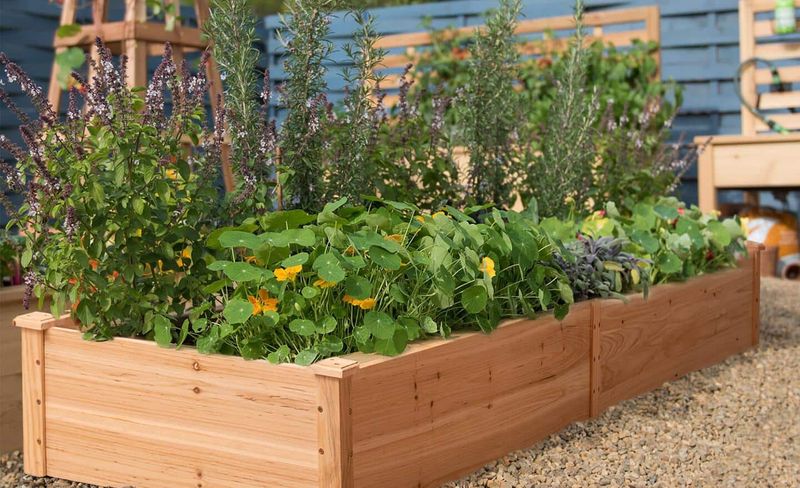
Little feet tend to trample anything they can’t see, which is why a raised bed works wonders with kids. Those clear wooden edges show everyone exactly where plants grow and where shoes belong.
Keep the bed no wider than four feet so kids can reach the middle without climbing inside. For preschoolers, two or three feet across feels even more manageable and keeps tiny arms from overstretching.
A height of twelve to eighteen inches lets young gardeners kneel comfortably while they plant and weed. Cedar and redwood resist rot naturally, which makes them popular choices for beds that hold food crops.
Skip pressure-treated lumber, since chemicals may leach into the soil where your vegetables grow. Galvanized metal kits are another sturdy option, and many snap together with very few tools required.
Adults should handle the saw and drill, while kids measure boards and mark lines with a pencil. Sanding rough corners smooth makes the finished bed safer for small hands that grab edges constantly.
Lots of California yards sit on heavy clay, which drains slowly and frustrates young roots. A raised bed filled with topsoil and plenty of compost gives plants a loose, fluffy home instead.
Lay cardboard on the bottom first if the bed sits over grass, which helps smother weeds below. Then hand the kids a trowel and let them claim a corner of the bed as their very own.
8. Start A Worm Bin Full Of Red Wigglers
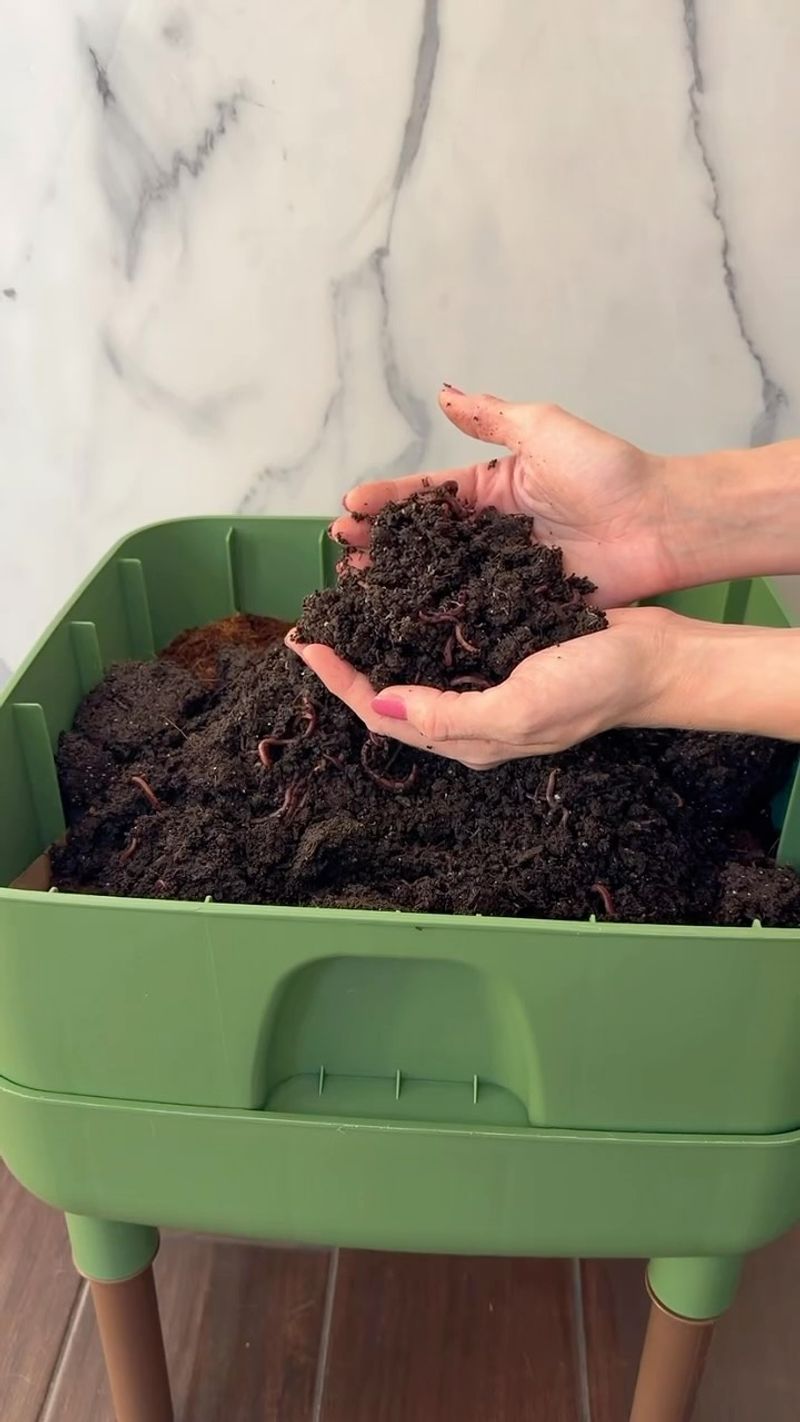
Red wigglers can munch through banana peels so fast that kids start saving scraps like treasure. I can’t imagine a better science lesson than lifting a lid and finding worms busily turning garbage into garden gold.
Start with an opaque plastic bin holding five to ten gallons, roughly ten to sixteen inches deep. An adult can drill small holes in the bottom and sides so air flows and extra water drains.
Kids love shredding black and white newspaper into strips, then misting it until it feels like a wrung-out sponge. A handful of garden soil adds grit, which helps the worms grind up their food.
Order red wiggler worms, known as Eisenia fetida, from a worm supplier rather than digging up earthworms. Regular garden earthworms prefer deep soil and rarely settle happily inside a crowded plastic bin.
Feed small amounts of fruit and vegetable scraps two or three times each week, burying them under the bedding. Coffee grounds and crushed eggshells work well, but skip meat and dairy, which attract pests and smell awful.
Keep the bin somewhere cool and shady, ideally between 55 and 78 degrees, out of direct sunlight. Garages and shady patios often work well, though summer heat waves may call for moving the bin indoors.
After three to six months, the dark crumbly castings are ready to feed your garden plants. Remind kids to wash their hands afterward and keep the wigglers in their bin rather than releasing them outdoors.