Indiana’s Comeback Predator Is Turning Up Where Residents Least Expect It
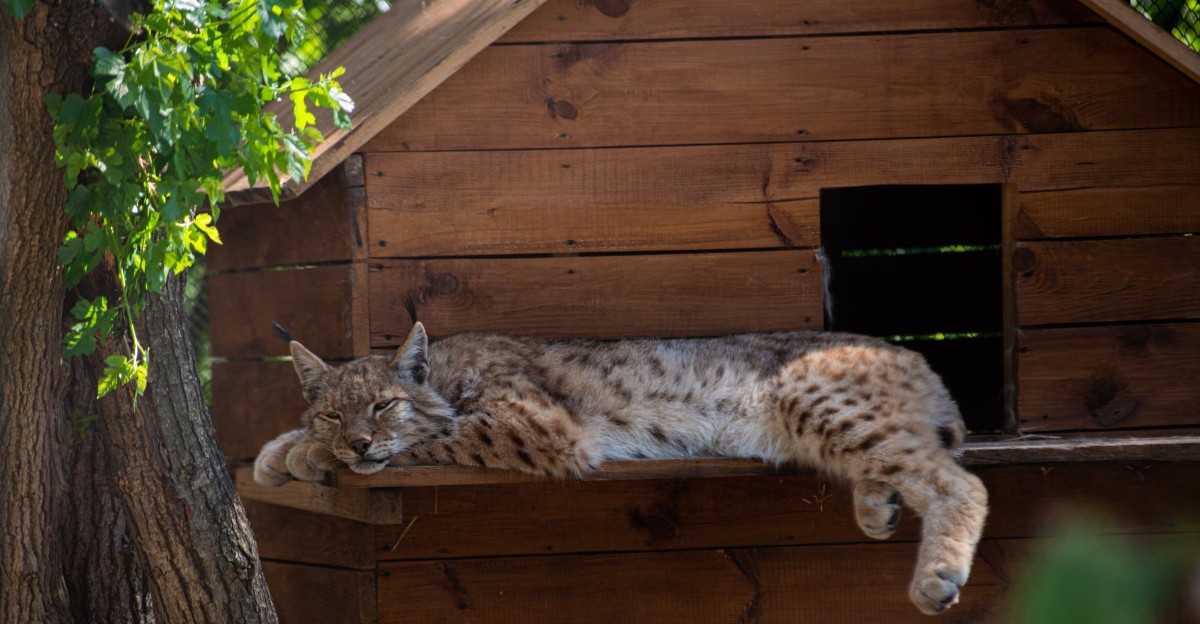
A wild cat with tufted ears and a stubby tail is now being reported in or near almost every county in Indiana.
Not going to lie, that stopped me cold. This cat was once so scarce here that it sat on the state’s endangered species list until 2005.
Now folks spot it on trail cameras, along creek edges, and even near subdivisions. Some people swear they saw an escaped house cat or a lost mountain lion, but the real answer is closer to home.
I’m the first to admit I used to picture this hunter deep in remote hill country. Truth is, it seems perfectly happy where woods meet lawns, fields, and gardens.
A secretive predator at the edge of your vegetable patch has a clear reason for being there, and it is rarely a reason to panic.
That Short-Tailed Wild Cat Has Been Quietly Moving Back Into Town
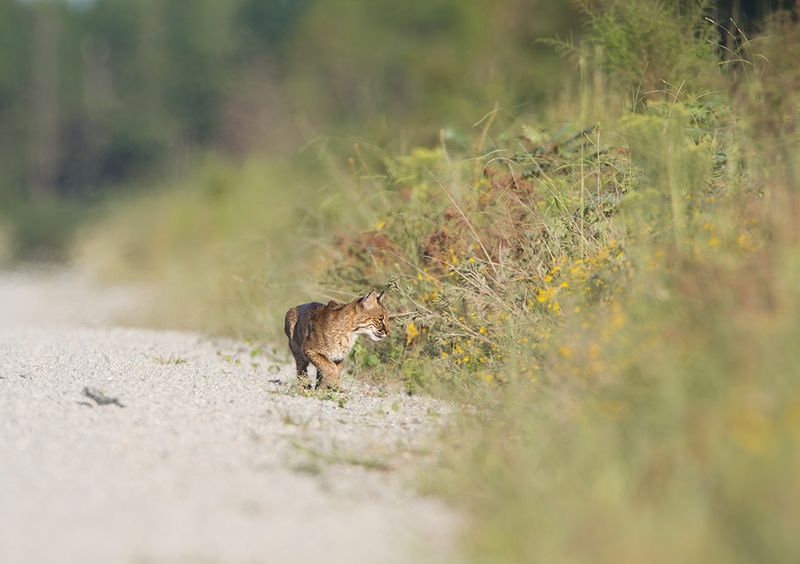
Bobcats are back, and they never really needed our permission. Indiana’s only native wild cat nearly vanished from the state by the early 1900s, mostly due to habitat loss and unregulated hunting.
Protection helped turn things around. The species came off the state endangered list in 2005, and reports have climbed steadily since. Southern Indiana’s rugged, wooded hills still hold many of them, but sightings now come in from central and northern counties too.
Why do they show up near homes? Young bobcats, especially males, leave their mothers and wander to find their own territory. Some travel many miles, following streams, wooded fencerows, and highway corridors right past neighborhoods.
Bobcats also love edges. A spot where forest meets a hayfield, a creek, or a large backyard offers cover for stalking plus plenty of small prey. Many rural and semi-rural Indiana properties fit that description perfectly.
So a bobcat near your garden is usually not lost or confused. It is often a healthy young cat moving through, or a resident animal checking a familiar hunting route. Keep a camera handy, because seeing one in daylight is still a rare treat for most Hoosiers.
Rabbits And Voles In Your Garden Are The Real Bobcat Magnet
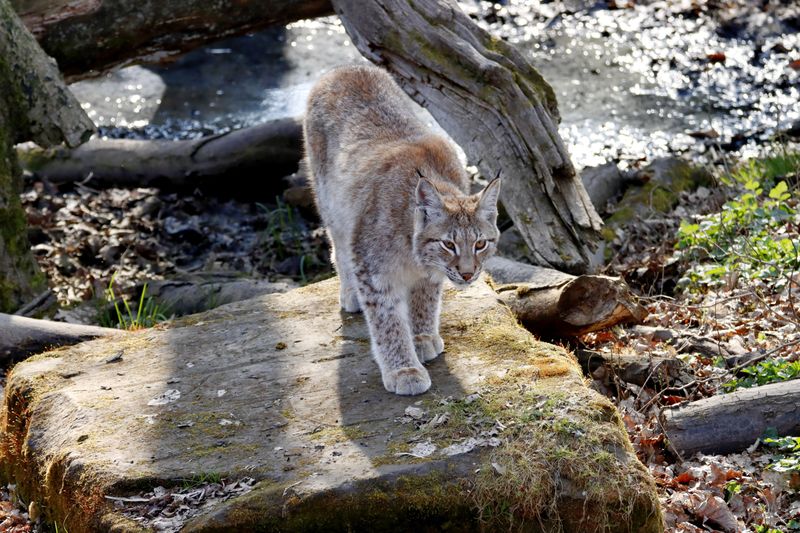
Follow the food, and you will usually find the bobcat. These cats are not after your tomatoes or your tulips. They are after the critters eating them.
Cottontail rabbits top the menu, along with mice, voles, squirrels, chipmunks, and the occasional bird. Bobcats will also take larger prey now and then, including young deer, but small mammals make up most meals.
Now think about a typical garden. Lush beds, brush piles, tall grass, and spilled birdseed can support a busy little population of rodents and rabbits. To a bobcat, that looks like a well-stocked pantry.
I learned this one the hard way after the voles moved into my mulched hosta bed. Within weeks, my trail camera caught more nighttime visitors than I expected, including a fox and a curious cat-shaped shadow.
The practical lesson is simple. If you want fewer predators passing through, cut back on the things that feed their prey. Clean up spilled seed under feeders, keep tall grass trimmed near the house, and fence vegetable beds against rabbits.
On the flip side, a bobcat patrolling the back acres can help keep rabbit and rodent numbers in check. Many gardeners quietly appreciate that free pest control.
Backyard Chickens Need A Sturdier Coop Than You Might Expect
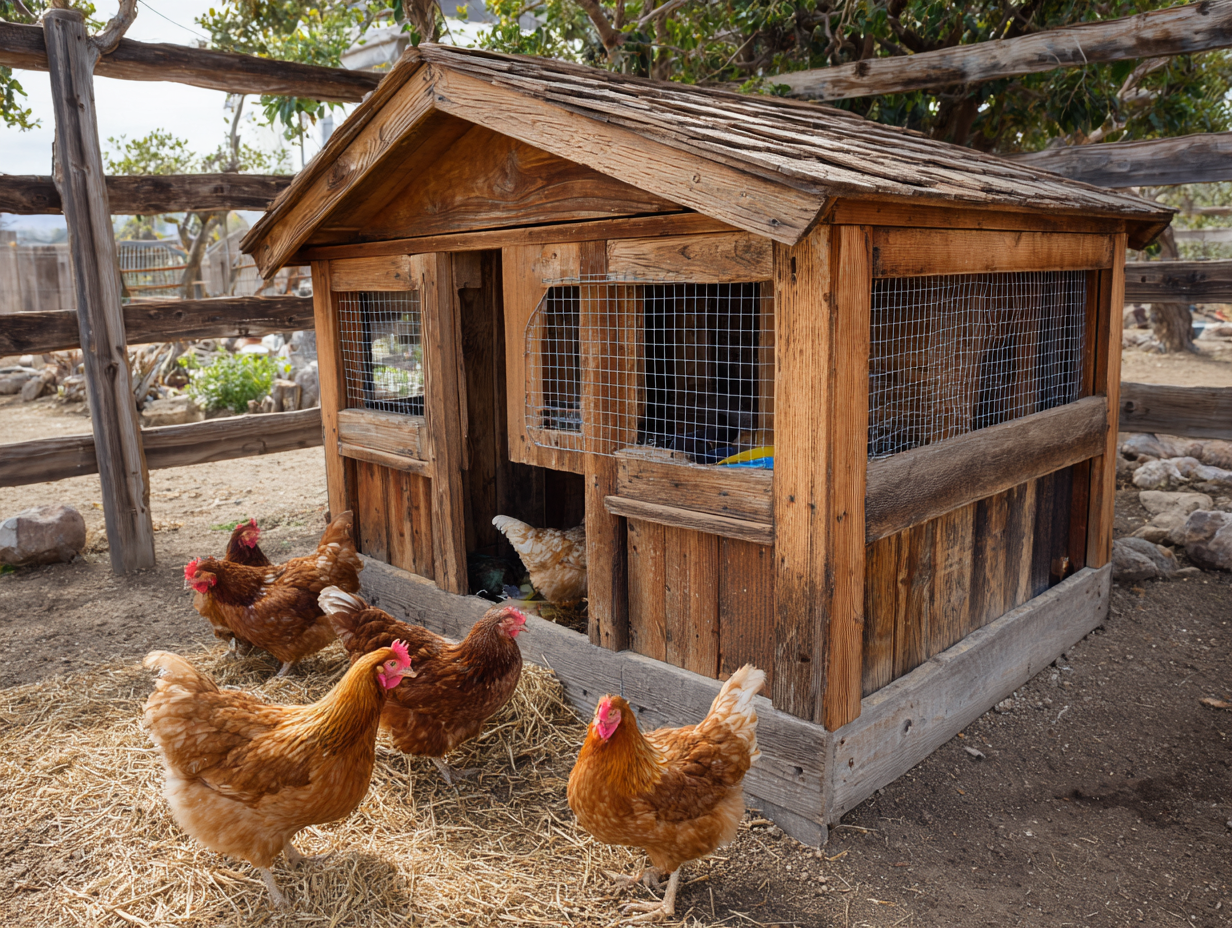
Ask Indiana wildlife officials about bobcat complaints, and poultry comes up first. Free-ranging chickens, ducks, and other small birds are easy targets for an opportunistic hunter.
Bobcats are excellent climbers and strong jumpers. A short fence or an open-topped run often will not stop one that has noticed your flock.
Fair warning, chicken wire is made to keep birds in, not to keep predators out. A determined cat, raccoon, or coyote can tear or push through it. Heavy-gauge welded wire or hardware cloth holds up far better.
Here are a few upgrades worth making:
Cover the top of the run completely. Bury wire about a foot deep or add an apron along the ground to stop diggers. Lock birds inside a closed coop from dusk until morning, since bobcats hunt mostly around dawn and dusk.
Motion-activated lights and a clean coop area also help. Remove spilled feed that draws rodents, because those rodents draw hunters.
Small livestock like rabbits in hutches or young goats deserve the same care. A little effort with stronger wire costs much less than replacing a flock, and it protects your birds from many predators besides bobcats.
Your Indoor Cat And Small Dog Are Safest Close To You
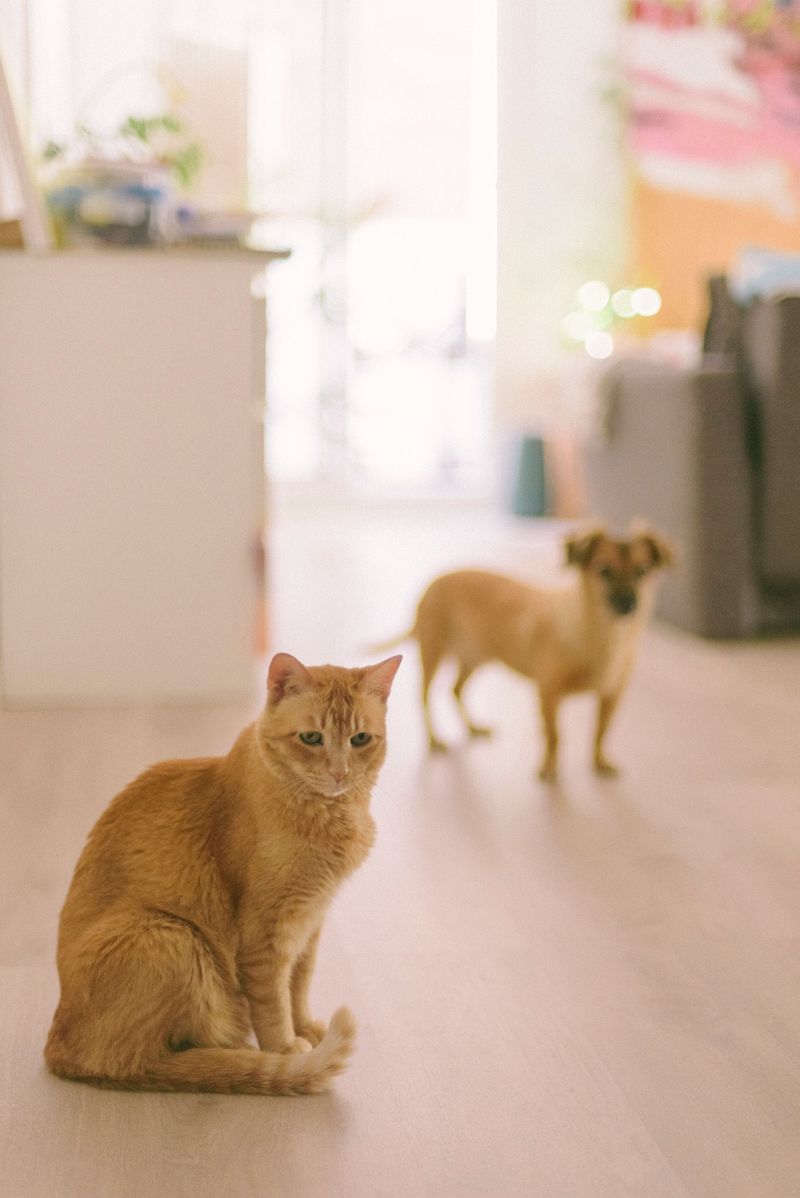
Pets are family, and nobody wants a scary surprise on the evening potty run. Bobcats rarely bother pets, but conflicts can happen, especially with outdoor cats and very small dogs.
The Indiana DNR recommends keeping cats indoors. That advice protects your cat from bobcats, coyotes, cars, and disease, and it also protects songbirds in your garden from your cat.
Dogs need a little thought too. A small dog left alone in the yard at night is far more exposed than one walking beside you on a leash.
Try these simple habits:
Go outside with small pets around dawn, dusk, and after dark. Turn on a porch light before opening the door. Feed pets indoors so bowls of kibble do not attract wildlife.
If you use a kennel or dog run, give it a secure roof. Bobcats can climb and leap surprisingly high.
Here is some perspective, though. Most bobcats want nothing to do with people or barking dogs. A cat that sees you coming will usually melt into the brush long before you notice it. Smart routines simply reduce the small chance of trouble without making your yard feel like a fortress.
Spotted A Bobcat By The Shed? Stay Calm And Give It Room
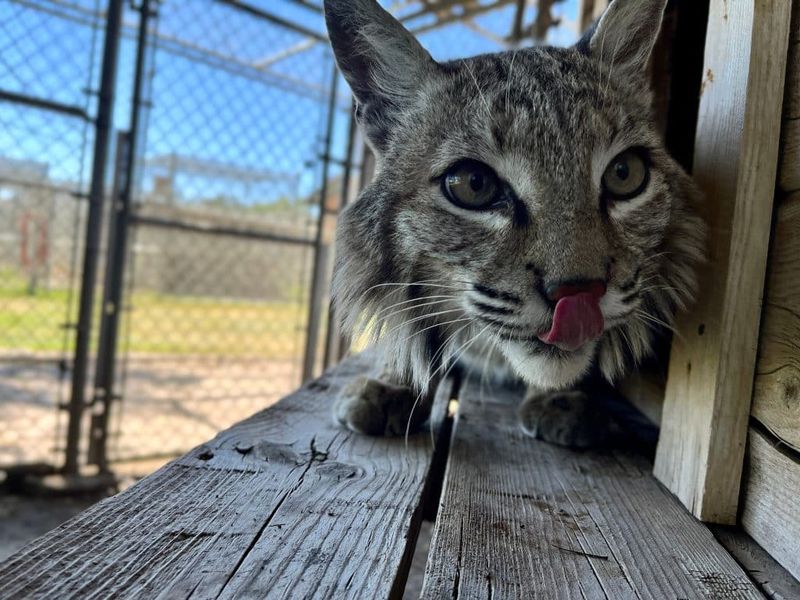
My heart honestly jumped the first time a bobcat crossed my path. It paused, stared at me for one long second, and then slipped away like smoke.
That reaction is typical. Bobcats are shy, and attacks on people are extremely rare. Most encounters end with the cat leaving on its own.
Still, a few steps help everyone stay safe:
Keep your distance and let the animal move off. Do not corner it, chase it, or try to get a closer photo. Make sure it has a clear path to leave.
If one lingers near your house, make it feel unwelcome. Yell, clap, bang a pot, or spray it with a garden hose. This hazing teaches the cat that your yard is not a comfortable place to hang around.
Never feed a bobcat, even by accident. Food handouts can make wild animals bolder and more likely to return.
A bobcat acting strangely, such as stumbling, appearing unusually tame, or acting aggressive, may be sick or injured. In that case, keep pets and kids inside and contact your local Indiana DNR district biologist or a licensed wildlife control operator for guidance.
Brush Piles And Thick Shrubs Near The House Invite Hidden Hunters
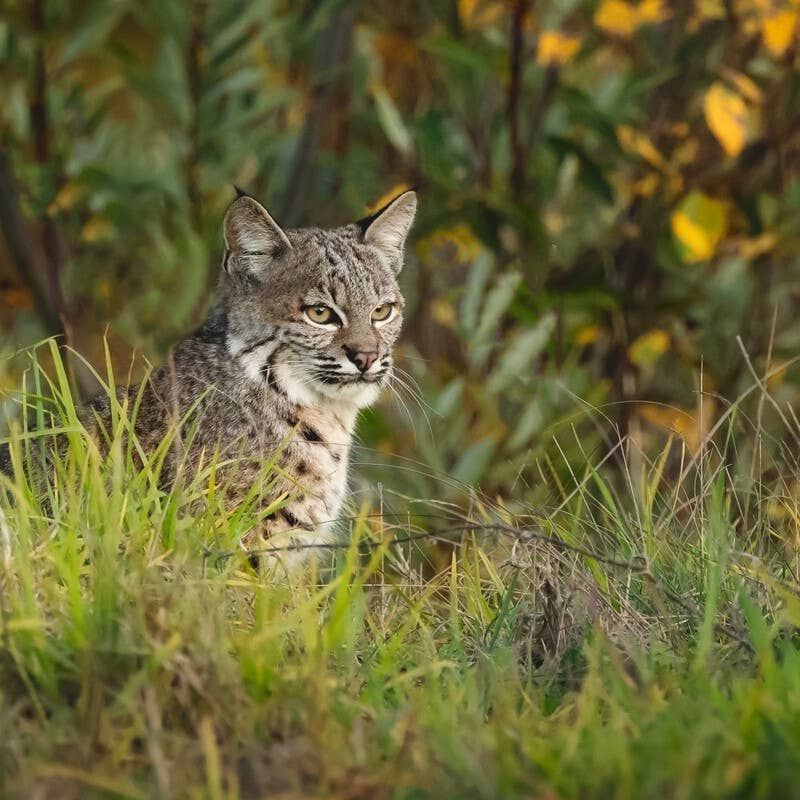
Cover is everything for a cat that hunts by ambush. Bobcats creep close using tall grass, shrubs, and log piles, then pounce in a quick burst.
That means the messy corners of your property matter more than you might guess. A brush pile next to the patio or a tangle of overgrown shrubs by the back door gives both prey and predator a perfect hideout.
You do not need to strip your landscape bare. Wildlife-friendly habitat is great for pollinators and birds. The goal is moving that habitat a comfortable distance away from where people and pets spend time.
A few practical tweaks:
Keep brush piles and woodpiles well away from the house, coops, and play areas. Trim low branches on shrubs near doors so animals cannot hide underneath. Mow a clear strip between the lawn and nearby woods.
Seal gaps under decks, porches, and sheds with sturdy wire. Those dark spaces attract rodents and can even tempt a predator looking for shelter.
Natives like coneflower, little bluestem, and serviceberry can still thrive in borders farther out. That way your garden keeps its wild charm without hosting a hidden hunting blind right beside your back steps.
Indiana’s First Bobcat Season In Decades Filled Up Fast
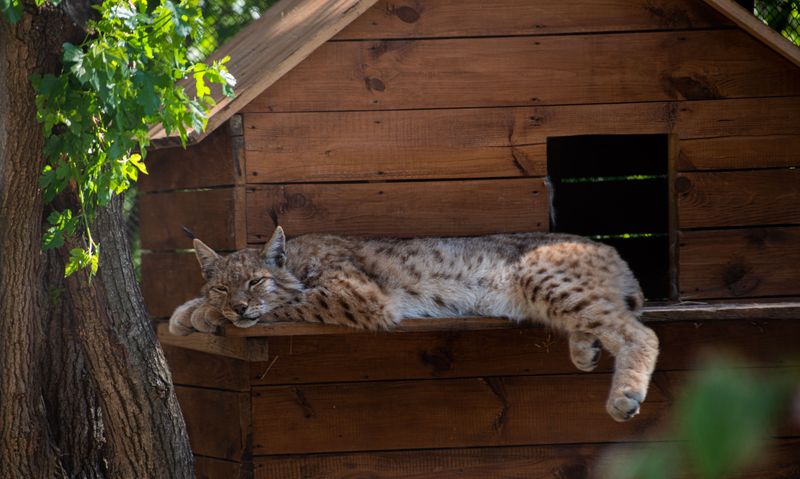
Talk about a sign of the times. In 2025, Indiana opened its first regulated bobcat trapping season in more than 50 years, limited to certain counties mostly in the southern part of the state.
The statewide quota was set at 250 bobcats, with a limit of one per licensed trapper. According to the Indiana DNR, the quota was reached in about four weeks, and the season closed early on December 6.
That speed tells biologists something useful. Bobcats are clearly well established in those southern counties. Harvest data, such as age and sex, will help the DNR track the population going forward.
The season stirred strong feelings. Some residents cheered it as proof of recovery, while others worried about the impact on a species that was so recently rare. Both sides agree careful monitoring matters.
Please note that bobcats remain protected outside of legal seasons and approved areas. Homeowners cannot simply trap or shoot one for wandering through. If a bobcat causes damage, contact the DNR about legal options or hire a licensed nuisance wildlife control operator.
Winter, with bare trees and tracks in fresh snow, is also a great time to spot evidence of these cats yourself.
Report Your Bobcat Sighting And Help Track The Comeback
Every backyard sighting adds a puzzle piece. For years, the Indiana DNR has asked people to report bobcat observations, and those reports helped map the cat’s return across the state.
You can join in easily. Snap a photo if you can do so safely, note the date and location, and submit it through the DNR’s wildlife sighting report page.
A trail camera is a fun way to learn who visits your garden after dark. Mount it about knee-high on a tree facing a path, creek crossing, or field edge. You might catch bobcats, foxes, raccoons, and deer on the same card.
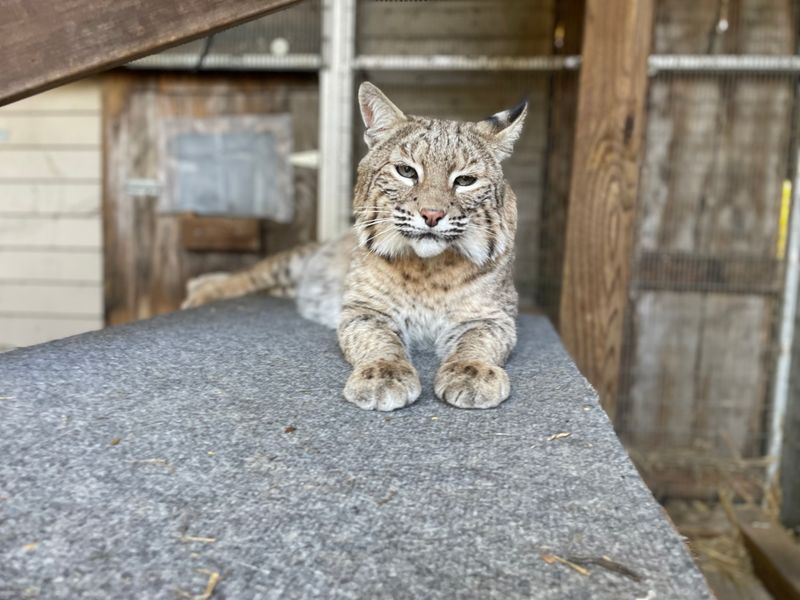
Learn to tell a bobcat from a house cat. Look for a short, bobbed tail with a black tip on top, spotted legs, longer legs overall, and small ear tufts. Bobcats are roughly two to three times the size of a typical house cat.
Remember, mountain lion reports in Indiana are very rarely confirmed, and many turn out to be bobcats or large tabbies.
Coexisting comes down to a few smart habits. Secure your coop, supervise small pets, tidy cover near the house, and enjoy the thrill of sharing your landscape with a true wild success story.