8 Tennessee Yard Habits To Start This Winter That Bring Lightning Bugs Back Next Summer
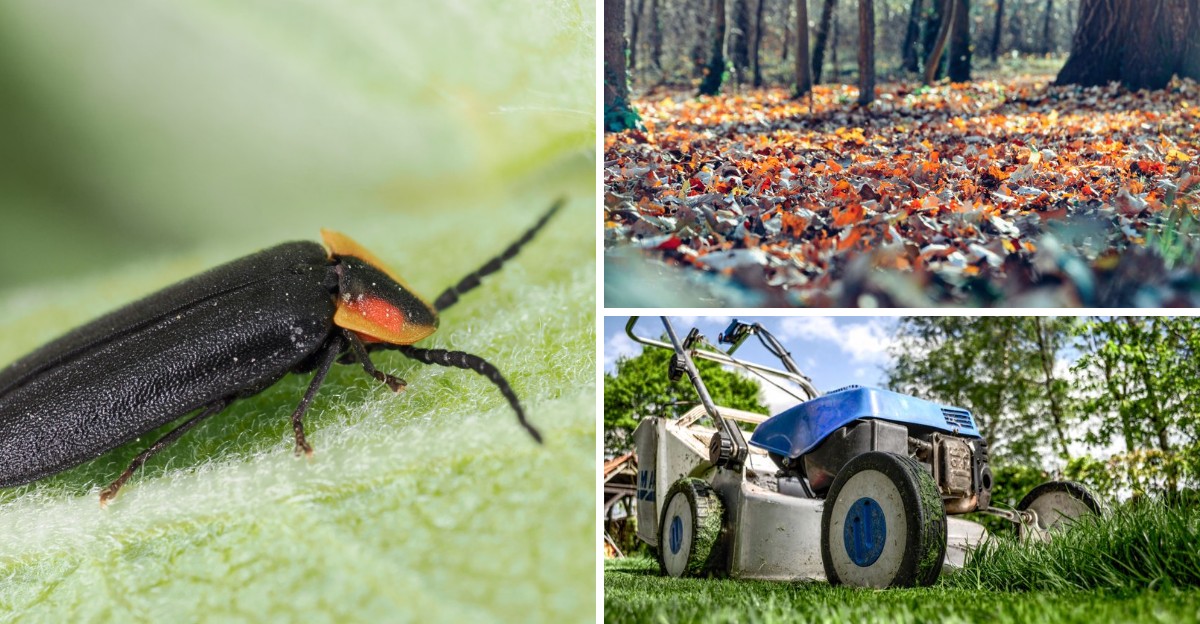
It is late November in Tennessee, the leaves are down, the evenings are dark by five, and the lightning bugs you watched last June are nowhere to be seen.
That is exactly the point. Right now, firefly larvae are curled up in damp soil and leaf litter beneath your feet, waiting out the cold, and the habits you choose over the next few weeks decide how many of them see spring.
Winter feels like the off-season for yard care, yet it is the most important season for fireflies, because they spend up to two years as larvae underground.
Nothing you do in July will rescue a yard that was stripped bare in December. Here are eight yard habits to start this winter, each simple enough to begin this week, that bring lightning bugs back to your Tennessee yard next summer.
1. Rethink Your Outdoor And Holiday Lighting

Bright outdoor lights are one of the biggest reasons fireflies disappear from yards. Male lightning bugs flash to attract females, and artificial light drowns out those signals.
Winter is the perfect time to fix the problem, because you are already deciding which lights to hang, replace, or remove.
Start with your permanent lighting. Swap unnecessary floodlights for motion-sensor fixtures that switch on only when needed, and choose warm-colored or amber bulbs over cool white or blue-toned LEDs.
Red-spectrum bulbs cause the least disruption to firefly signaling if you need a light that stays on.
Then look at your holiday display. Put every string of lights on a timer so they shut off by 10 or 11 p.m. instead of glowing until dawn.
Lights up in December will not hurt fireflies directly, since the adults are not flying, but the habit you build now is the one you will carry into June. Taking down permanent string lights or tangled strands before spring is far easier than doing it in May.
Finally, think about neighbors. Floodlights next door can spill into your yard, so consider planting dense native shrubs along the property line this winter.
Think of your backyard as a stage and fireflies as performers who need darkness to shine. The less competing light you have, the better the show.
2. Leave The Leaf Litter Right Where It Fell
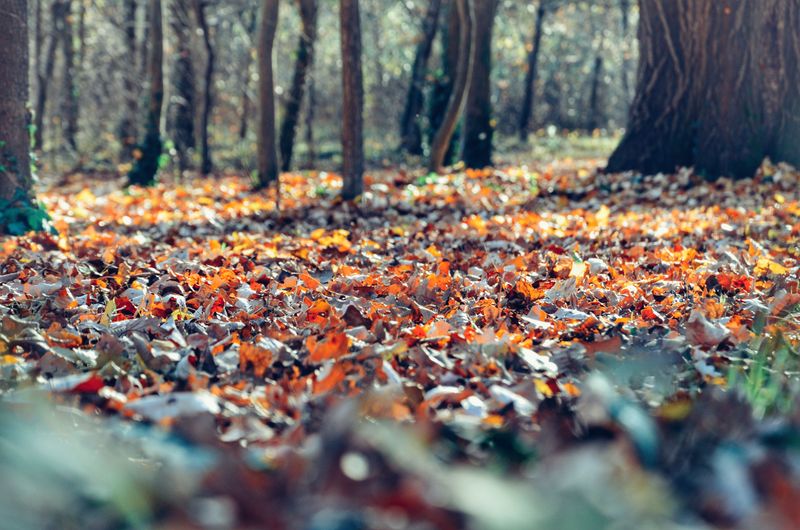
Raking every leaf off your lawn feels tidy, but it strips away a firefly nursery. Larvae spend up to two full years living and hunting in moist soil and leaf litter.
Those small, worm-like creatures need soft, damp ground beneath fallen leaves to survive the cold months and keep growing.
This is the single easiest winter habit to adopt, because it asks you to do less. Leave leaves under trees, along fences, and in garden beds.
They insulate the soil against hard freezes, feed earthworms and beetles, and hold moisture that larvae depend on.
You do not have to bury your whole yard. If a thick layer on the lawn bothers you, rake leaves off grass in the main viewing areas and pile them into borders, beneath shrubs, or in a back corner instead of bagging them for the curb.
A single undisturbed section gives larvae enough room to develop. Shredded leaves are another option.
Run your mower over them once to break them down, then let the pieces settle into the grass. Avoid leaf blowers where possible, since they scatter the larvae and strip the soil surface bare.
Leaf litter also helps the ground stay damp through dry Tennessee summers. Think of every autumn leaf as a slow-release gift to next June’s light show.
3. Skip The Pesticides And Herbicides, Even In Winter
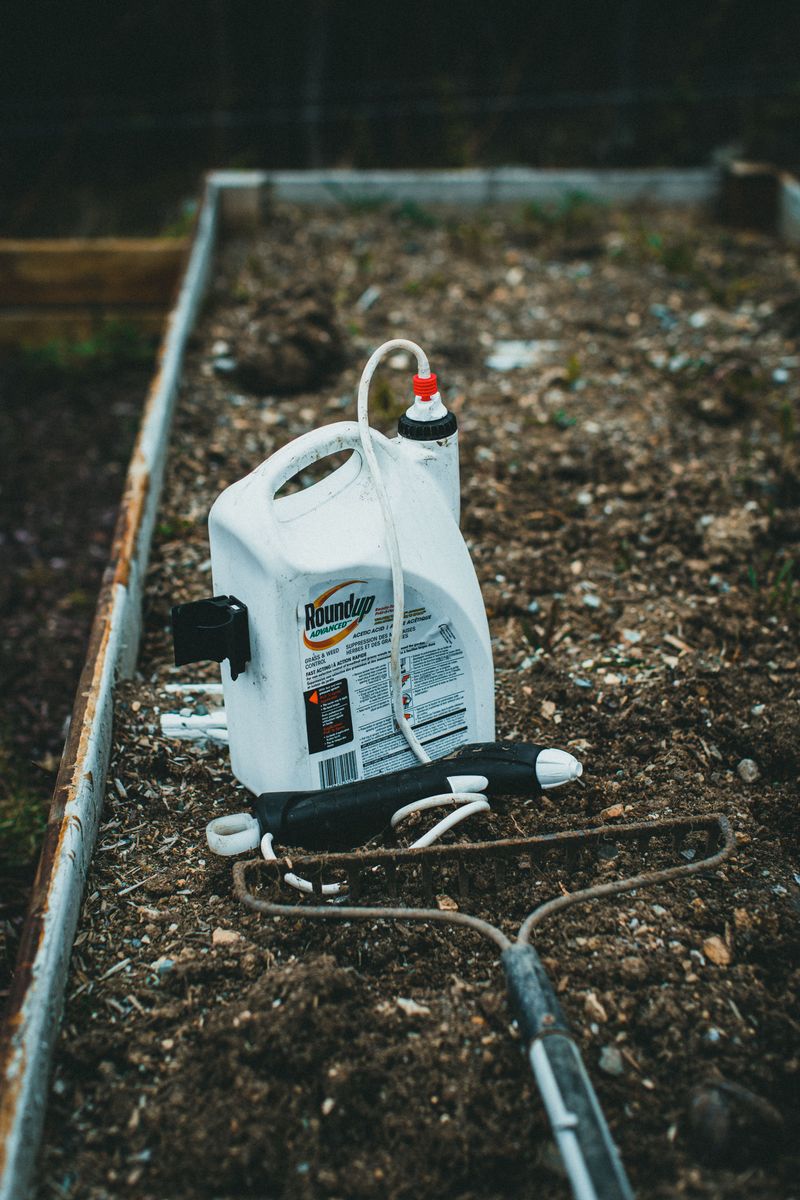
Pesticides do not target only the bugs you dislike. They move through the soil, water, and food chain, reaching firefly larvae long before those larvae ever glow.
Herbicides do similar damage by wiping out the ground-level plants that shelter eggs and larvae.
Late fall and winter are when many homeowners get tempted by weed-and-feed products, dormant-season sprays, and grub treatments.
Larvae are right there in the soil during these months, so anything you apply goes straight to them. A chemically clean yard is a much less hospitable place for beneficial insects.
Firefly larvae are predators that eat slugs, snails, and soft-bodied worms. When pesticides reduce that prey, larvae go hungry and fewer adults emerge each summer.
Use the quiet months to plan a chemical-free approach instead: clear unwanted weeds by hand on mild days when the ground is soft, and cover bare patches with mulch.
If you truly need a treatment, neem oil and insecticidal soaps are gentler options, though both can still affect beneficial insects at higher concentrations. Apply them only to affected plants, and only during daylight hours.
Many Tennessee gardeners find that once they stop spraying, natural predators like spiders and ground beetles take over pest control. Fireflies are a living signal that your outdoor space is healthy, and that signal is worth protecting.
4. Raise Your Mower Blade For The Last Cuts Of The Season
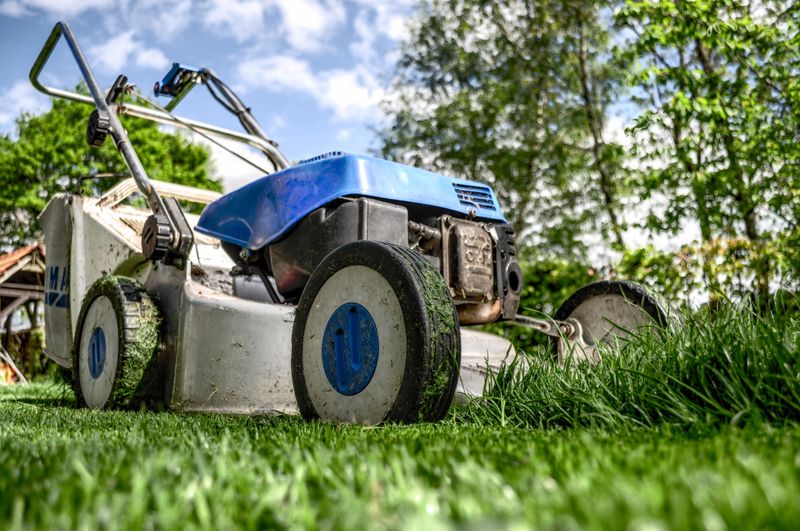
Most lawn care advice pushes homeowners toward a short, manicured cut. Fireflies prefer taller grass, where they rest, hide, and signal mates after sunset.
Adult lightning bugs spend their days low in vegetation, and grass kept at around four inches gives them cover, shade, and protection from predators.
In winter, your mower is nearly done for the year, which makes this the right time to build a better routine. Make your final cuts of the season at a higher setting, and stop mowing entirely once growth slows.
Longer grass going into winter shelters the soil surface and keeps the ground from drying out or compacting.
Before you put the mower away, mark a note on your calendar for spring. Plan to raise the blade by at least one notch when mowing resumes. It is a minor adjustment that costs nothing and takes no extra effort.
You can still keep a neat-looking yard. Designate a border, a slope, or a back section as a relaxed zone and mow it less often.
Some Tennessee homeowners mow every other week during peak firefly season, which lets adults emerge and mate before the blades come back through.
A yard that looks slightly wild at the edges is a yard that buzzes with life. Fireflies, bees, butterflies, and birds all respond to that extra inch of grass.
5. Plan And Build A Water Source While The Ground Is Soft
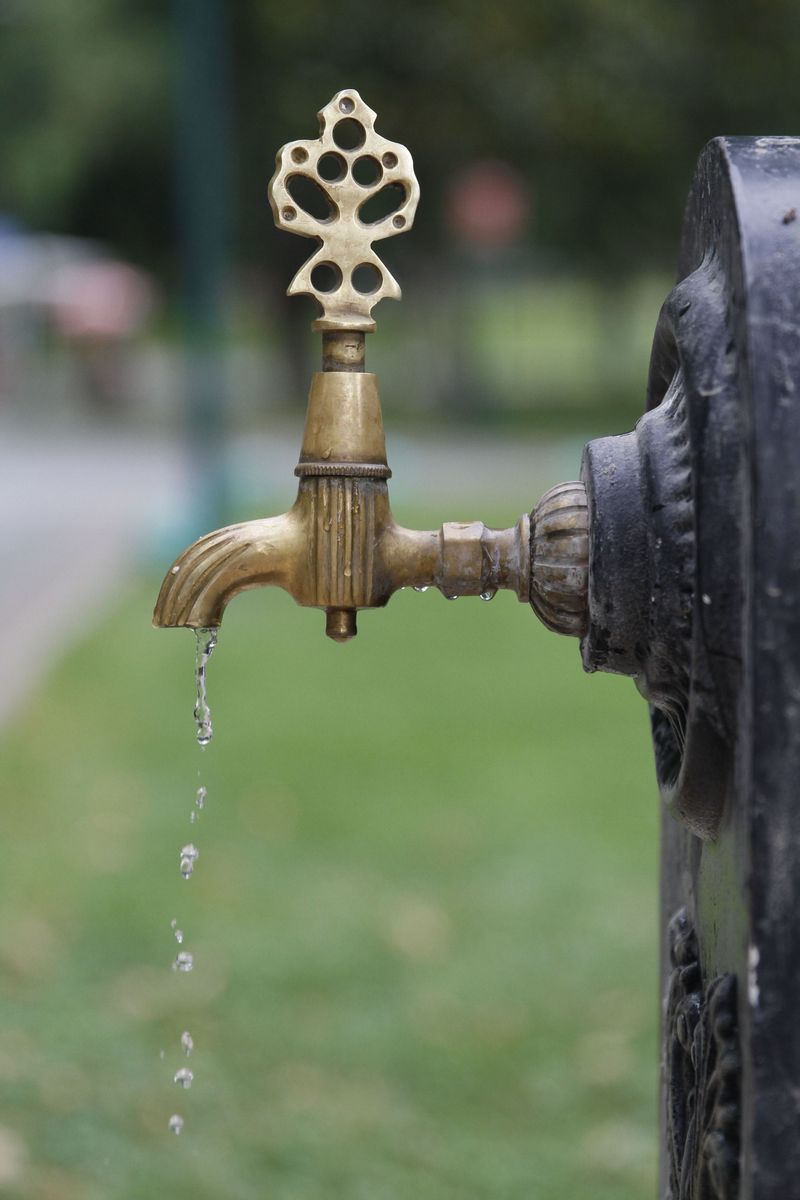
Fireflies love moisture, and yards with standing water tend to attract far more of them. Larvae develop in damp soil, and adults stay close to areas where humidity stays high. A water feature raises the moisture level of the surrounding air and ground.
Tennessee winters bring steady rain, which makes this the ideal season to see where water naturally collects in your yard. Walk the property after a storm and notice the low spots and runoff paths.
A rain garden is an excellent fit for those areas. These low-lying planted beds stay moist after storms and provide the soggy, organic environment firefly larvae thrive in.
Digging in winter, when the soil is workable and the plants are dormant, is far more pleasant than digging in July.
You do not need a full koi pond. A wide, shallow dish placed near the ground, or a small garden pond, makes a meaningful difference.
Place it near native plants or leaf litter, because fireflies want moisture and shelter close together.
When warm weather returns, keep the water fresh and refresh it every few days to avoid mosquito breeding. Moving water from a small pump or dripper discourages mosquitoes while still providing moisture.
Add even one small source before spring, and your yard will be ready when the evening light show begins.
6. Plant Native Trees And Shrubs During The Dormant Season
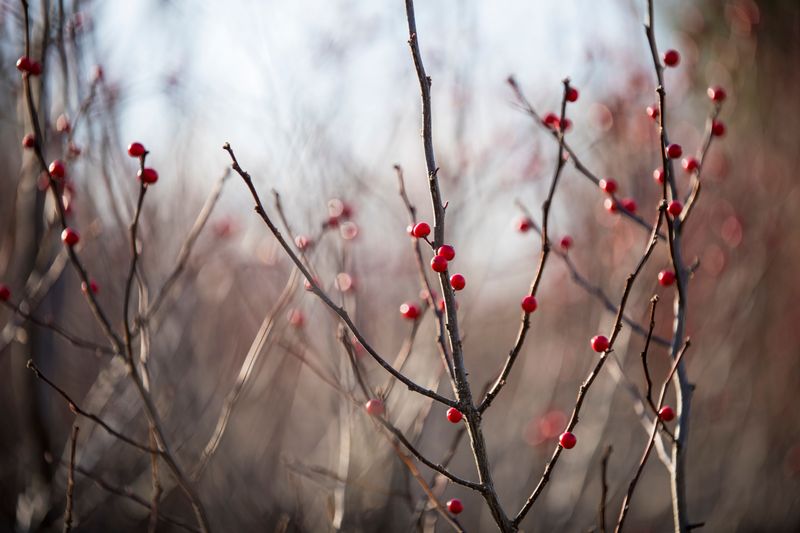
Native plants are the foundation of a firefly-friendly yard, and winter is the best planting window in Tennessee. From late fall through early spring, trees and shrubs are dormant, which means less transplant stress and stronger roots by the time summer arrives.
Trees like eastern red cedar, persimmon, and river birch create layered habitat that fireflies love. Understory shrubs such as spicebush, native azalea, and buttonbush add mid-level cover where adults rest during the day.
Dense native plantings also hold humidity close to the ground, where it matters most. Non-native ornamental plants often lack the insects, fungi, and organic matter that firefly larvae feed on indirectly.
Replacing even a few exotic shrubs with native alternatives meaningfully improves your yard’s ecological value.
Native trees also drop leaves that break down into rich, moist organic matter, creating the underground environment where larvae spend their first two years.
Plant near the edges of your property or along a fence line to maximize habitat without sacrificing lawn space.
Edge zones between open grass and dense shrubs are prime firefly territory. If you are planting along a boundary with a bright neighbor, you will also be blocking light pollution at the same time.
Not sure what to choose? A quick call to your county extension office opens up free local advice on species for your soil and light conditions.
Every native tree you plant this winter is a long-term promise to the fireflies that will light up your yard for decades.
7. Designate A Wild, Untrimmed Corner Before Spring
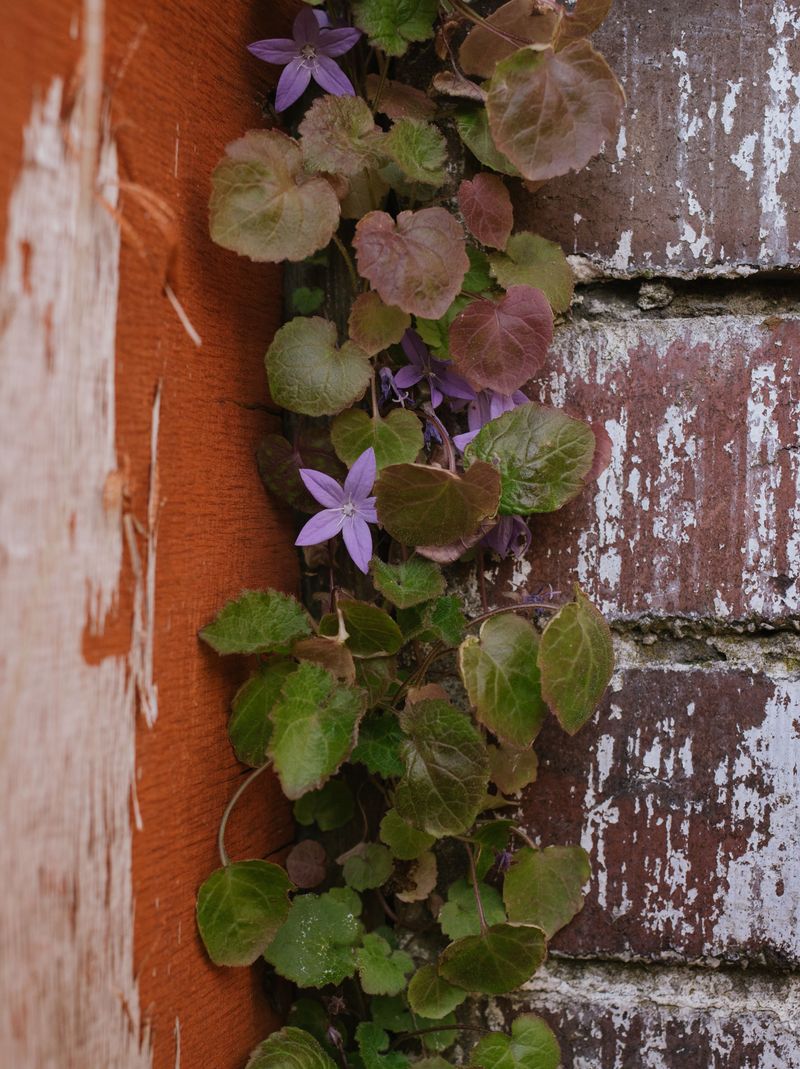
Not every inch of your yard needs to look like a golf course. Leaving a corner, a slope, or a back border wild and untrimmed creates a refuge fireflies flock to every summer.
Wild zones offer layered vegetation, accumulated organic matter, and reduced human disturbance, which together support the full life cycle from egg to adult.
Winter is the time to choose and claim that space. Walk your yard, pick the spot that gets the least foot traffic, and decide it is off-limits to trimmers and mowers.
Resist the urge to cut back every spent stem, since standing seed heads and hollow stalks shelter insects through the cold months and give birds winter food.
If the area is bare, plant tall native grasses like little bluestem or switchgrass while the ground is workable.
They add structure and shelter and need almost no maintenance after the first year. Scatter native wildflower seed in late winter, when freezing and thawing help the seeds settle into the soil.
Flowers attract pollinators that share habitat with fireflies. You can edge the wild zone neatly with a mown strip or simple border to signal to neighbors that it is deliberate.
A clean line around a naturalistic area communicates intention rather than neglect. Wild zones also cut down on mowing, watering, and trimming over the long run. That means more free summer evenings to enjoy the display you created.
8. Build Healthy Soil All Winter Long
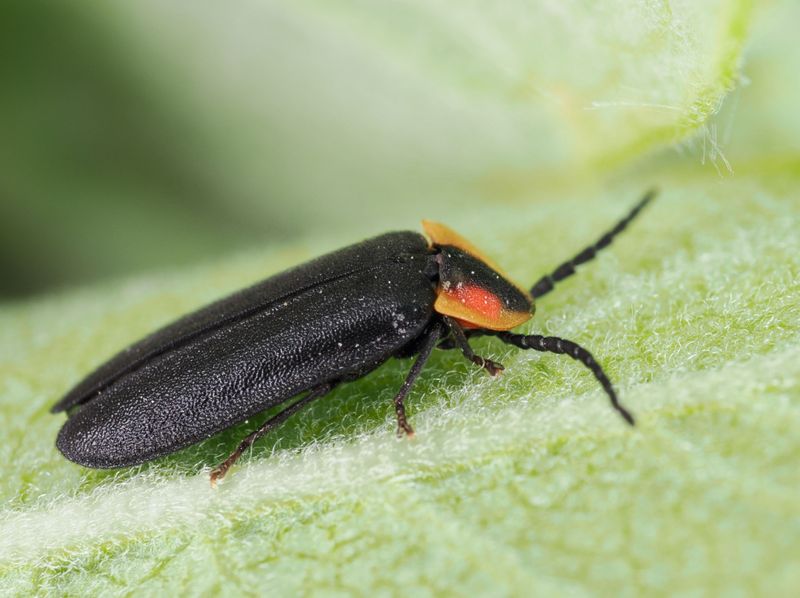
Healthy soil is the secret engine behind every firefly-friendly yard in Tennessee. Larvae live underground for up to two years, and the quality of that soil determines whether they survive long enough to glow.
Compacted, chemically treated soil lacks the microbes, fungi, and small prey organisms they depend on. Loose, living soil full of earthworms and organic matter is an ideal home.
Winter is a wonderful time to feed it. Spread finished compost across garden beds and work it lightly into the top few inches.
Avoid aggressive tilling, because deep tilling destroys fungal networks and brings larvae to the surface where birds can eat them.
Light surface scratching is enough to incorporate organic matter without wrecking what lives below.
Mulching around trees and shrubs with wood chips or shredded bark feeds soil organisms as it breaks down slowly.
That decomposing layer mimics the forest floor where fireflies naturally evolved. Keep mulch a few inches away from trunks, and spread it in a layer about two to three inches deep.
Leaf mold, worm castings, and aged manure all improve soil structure while feeding the microscopic life that supports larvae indirectly. Stay off wet, frozen, or saturated ground when possible to avoid compaction.
Building soil takes time, but each season compounds on the last. A yard with thriving soil is a yard with a future full of lightning bugs.