The One Thing California Japanese Maples Need Before The First Cold Snap
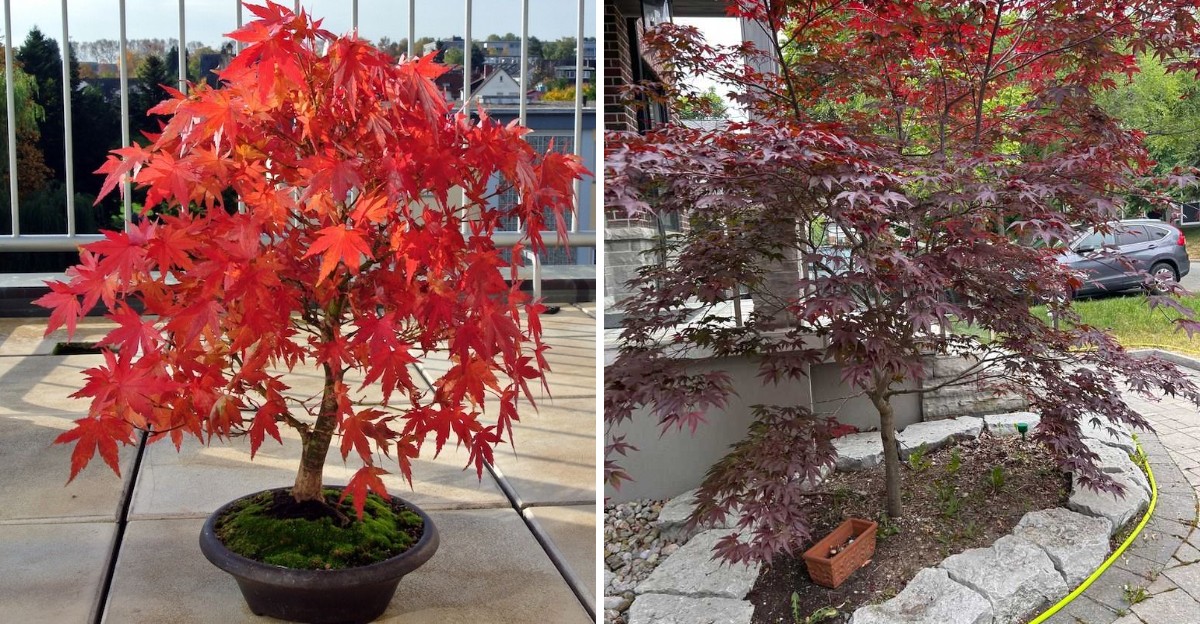
Japanese maples can lose their leaves in autumn and still need a good drink before winter settles in. Their fine feeder roots sit close to the soil surface, where dry ground and sudden temperature drops can put extra stress on the tree.
That makes late fall an easy time to overlook an important garden chore. The air feels damp, fallen leaves cover the ground, and a few chilly nights may seem like a sign to put the hose away.
I used to think winter watering was only for evergreens. These elegant trees changed my mind, especially during California’s long stretches without meaningful rain. A little attention to soil moisture can make a real difference.
Before the first cold snap, check what is happening beneath the canopy. The most helpful preparation starts at ground level, and it takes less effort than a major pruning session.
Clarify the California watering timingSoften the one-size-fits-all watering claim
Those Shallow Japanese Maple Roots Feel The Cold First
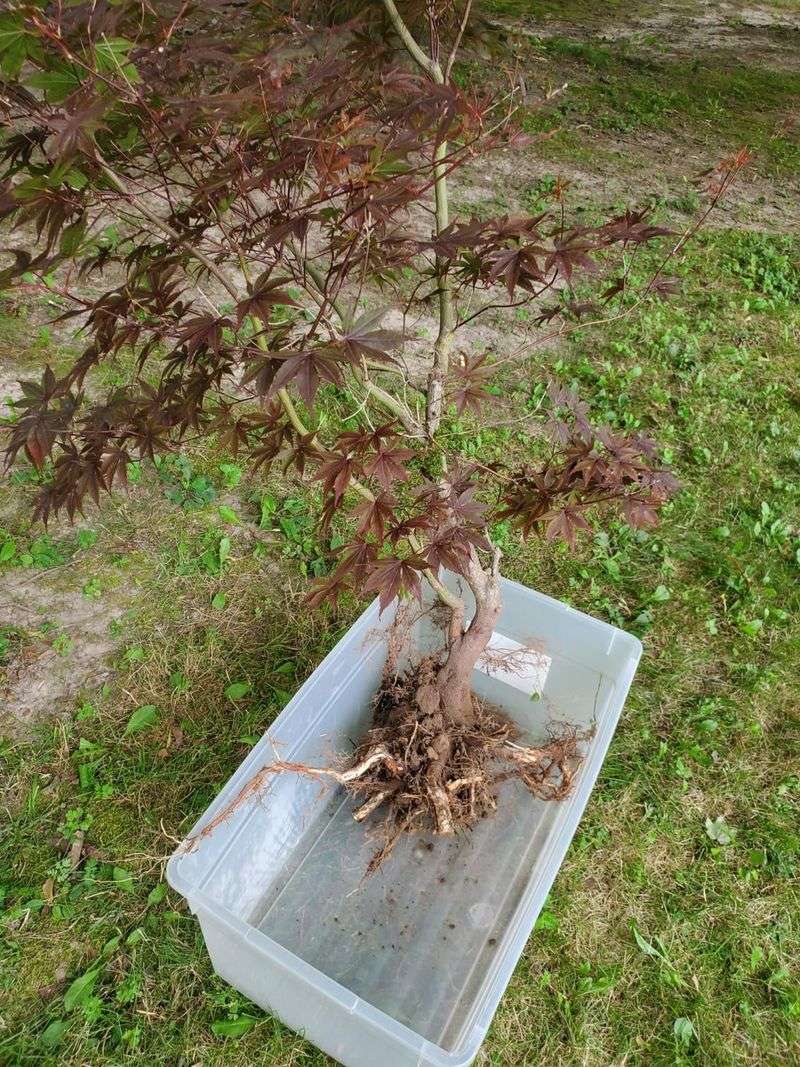
Dig gently near the base of a Japanese maple and you will find something surprising. Most of its feeder roots sit in the top foot or so of soil, spreading out like a lace doily.
That shallow layout works well in summer, when the tree drinks fast from rain and irrigation. Once nights get cold, though, those same roots sit closest to the chilly surface. They feel temperature swings long before the trunk or branches do.
Above ground, the tree looks calm after leaf drop. Underground, the roots are still working, taking up moisture to keep twigs and buds from drying out. When the soil is dry and cold at the same time, roots struggle to supply that water.
Gardeners often blame brittle, browning twigs in spring on frost alone. In many cases, dry roots heading into winter played a big part. Cold wind pulls moisture from bare branches, and thirsty roots cannot keep up.
I find this one fact changes how you look at the whole tree. The real action before a cold snap happens at ground level. Protecting those roots is where your effort pays off most, and the first step costs almost nothing.
A Slow, Deep Soak Around Your Maple Is The Big Answer
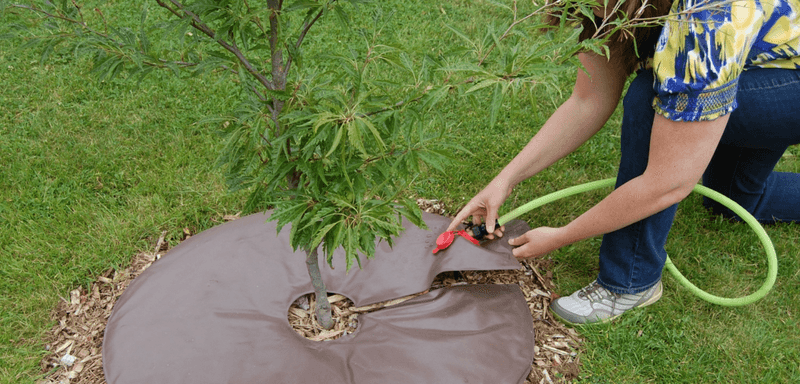
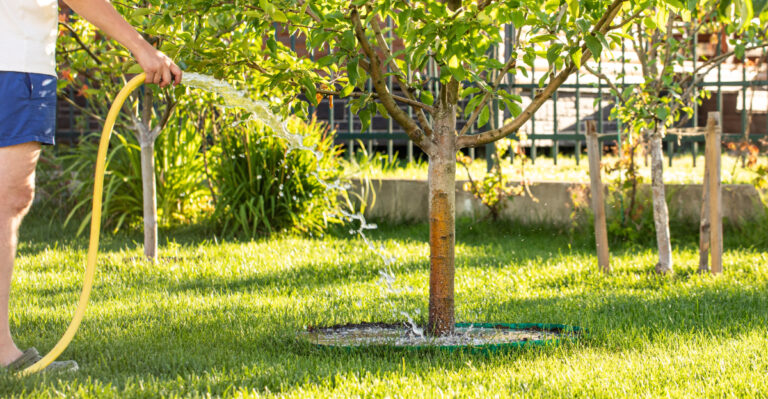
Grab the hose, turn it down to a trickle, and let it run. A deep, thorough watering in late fall, before the first hard frost, is the single most helpful thing you can give a Japanese maple.
Moist soil holds heat better than dry soil. It releases a little warmth overnight, which helps protect those tender roots. Well-hydrated roots also keep branches and buds from drying out during cold, windy stretches.
Aim to wet the soil 12 to 18 inches deep across the area under the canopy. A soaker hose or a slow drip for an hour or two usually works better than a quick spray. Check with a trowel afterward to see how far the water reached.
Timing matters too. Water a day or two before a forecast cold night, and do it early in the day so the surface is not soggy at sunset.
Avoid flooding the bed, though. Japanese maples dislike wet feet, and standing water can lead to root rot. Good drainage plus a deep soak is the winning combo. Personally, I mark my calendar for this job every November.
A Cozy Ring Of Mulch Keeps Maple Roots Snug
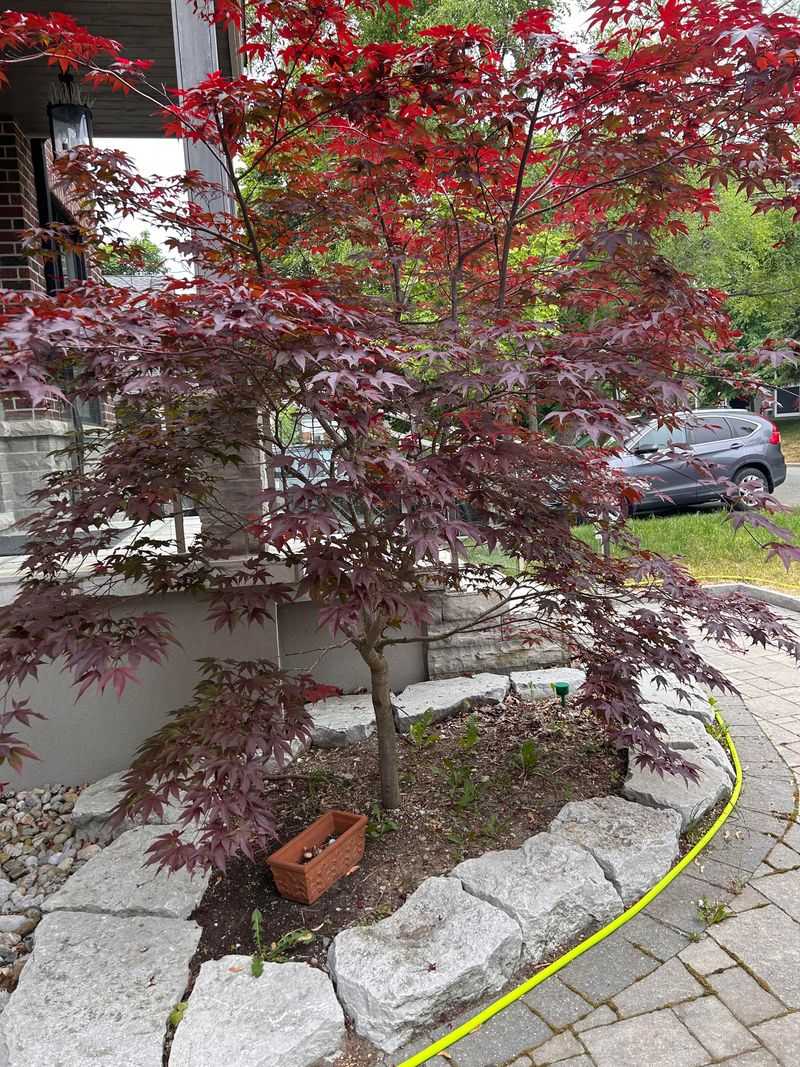
Once the soil is soaked, tuck it in like a sleepy kid. A 3 to 4 inch layer of organic mulch locks in that moisture and evens out soil temperatures.
Shredded bark, wood chips, compost, pine needles, or even fallen leaves work nicely. Spread it out to the drip line if you can, since that is where many feeder roots live.
One rule really matters. Keep mulch a few inches away from the trunk. Piling it against the bark traps moisture and invites rot, pests, and gnawing rodents. Think donut, not volcano.
Mulch does more than insulate. It slows evaporation, so your deep watering lasts longer between rains. It also breaks down over time and feeds the soil life that maples love.
Fun fact for leaf lovers: your maple’s own fallen leaves make decent mulch once shredded. Run them over with a mower and spread them back under the tree. It’s free, it’s local, and it returns nutrients right where they came from.
Top up the layer each fall, since mulch settles and decays through the year.
Potted Japanese Maples Need Extra Help On Chilly Nights
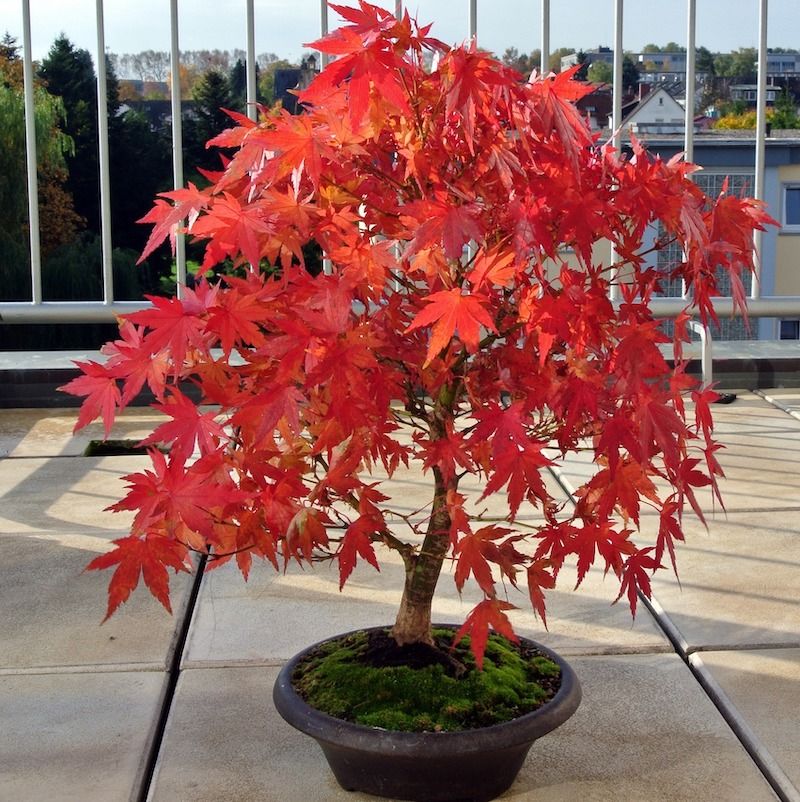
Container trees live a tougher life in winter. Their roots sit above ground, surrounded only by a thin pot wall, so cold air hits them from every side.
Roots are also less cold-hardy than branches. A potted maple can handle chilly air on top while its root ball struggles below.
Start with the same deep watering, letting excess drain from the bottom. Then wrap the pot itself in burlap or bubble wrap for extra insulation. Grouping several pots together also helps them share warmth.
When nights keep dipping below about 30 degrees, move the pot somewhere sheltered. An unheated garage, a covered porch, or a spot against a house wall works well. The tree still needs its cool winter rest, so skip the warm living room.
Raise the pot on feet to keep the drainage hole clear during rainy spells. Soggy, cold soil is a recipe for root trouble.
Check moisture every week or two. Pots dry out faster than ground soil, even in winter, especially in breezy weather. A quick finger test in the top couple of inches tells you if it is time for a drink.
Put The Fertilizer Bag Away By Late Summer
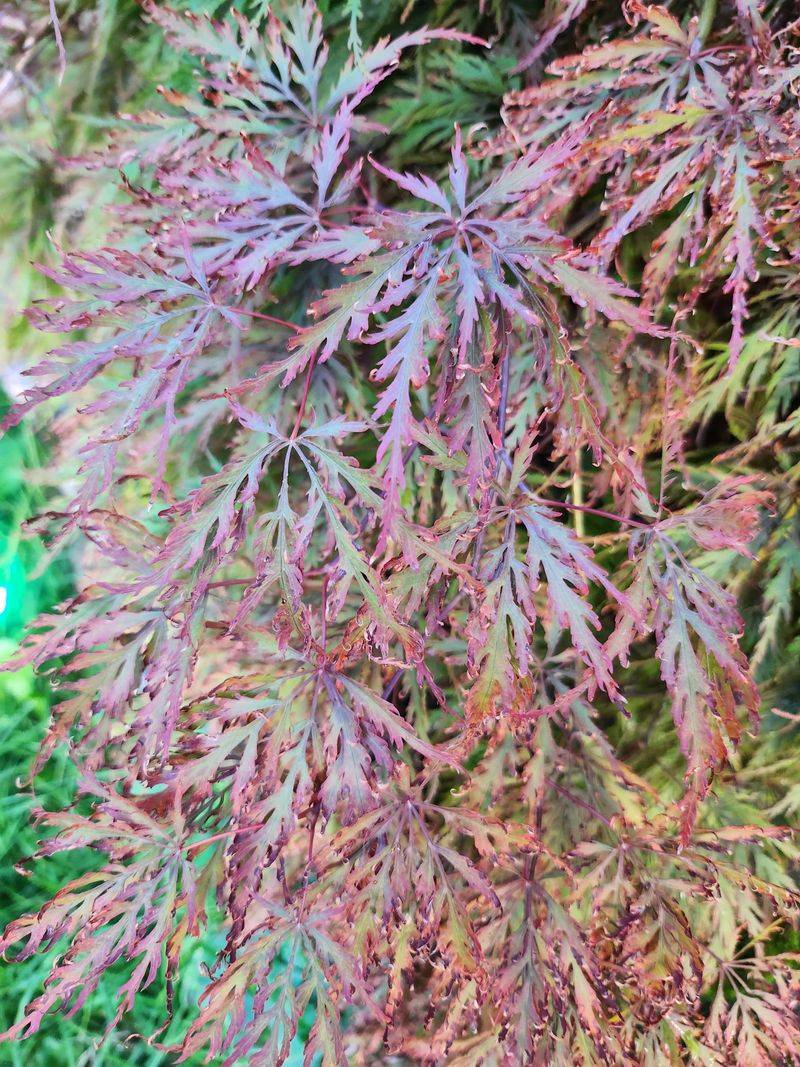
Sometimes the kindest thing you can do is nothing at all. Feeding a Japanese maple late in the season can backfire before the first cold snap.
Nitrogen pushes soft new shoots. Those tender stems have no time to harden before frost arrives, so they often blacken and shrivel on the first cold night. The tree then wastes energy repairing the damage in spring.
Most growers suggest stopping fertilizer by late summer, at least two months before your expected first frost. In many California valleys, that means wrapping up by August. Coastal gardens with mild falls follow a similar rule, since late growth is still tender.
Honestly, Japanese maples are light feeders. Many healthy trees do just fine with a layer of compost and mulch each year. Too much fertilizer can also lead to leaf scorch and weak, leggy growth.
If your tree looks pale in fall, resist the urge to grab the bag. Autumn color and leaf drop are normal. Save any feeding for early spring, when buds swell and the tree can use the boost wisely.
Hold Off On Big Japanese Maple Pruning Until Late Winter
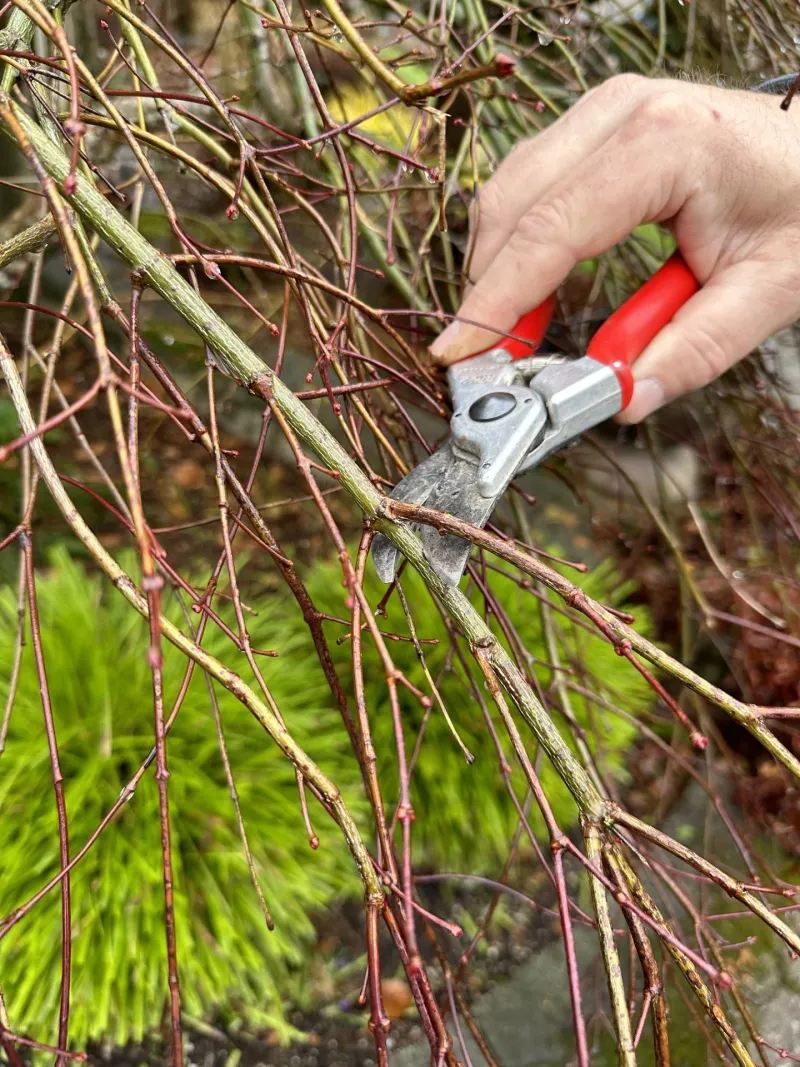
Those graceful branches can tempt you to start shaping in autumn. Put the loppers down for now.
Heavy fall pruning leaves fresh wounds right before cold weather. It can also trigger new growth that frost easily damages. Major cuts are best saved for late winter, when the tree is fully dormant and you can see its bare structure clearly.
Small tidy-ups are fine. Snip out broken, damaged, or clearly lifeless twigs before winter. Clean cuts just outside the branch collar heal best, so use sharp bypass pruners.
I love winter pruning on maples for another reason. Without leaves, the branch layout looks like a living sculpture, and choosing which limb to remove gets much easier. You spot crossing branches and awkward angles right away.
Wipe your tools with rubbing alcohol or a bleach solution between trees. This simple habit helps reduce the spread of diseases like verticillium wilt, which can affect maples.
Go slow and remove no more than about a fifth of the canopy in one year. Japanese maples look their best with a light, thoughtful touch.
Cold Winds And Winter Sun Can Sneak Up On Maple Bark
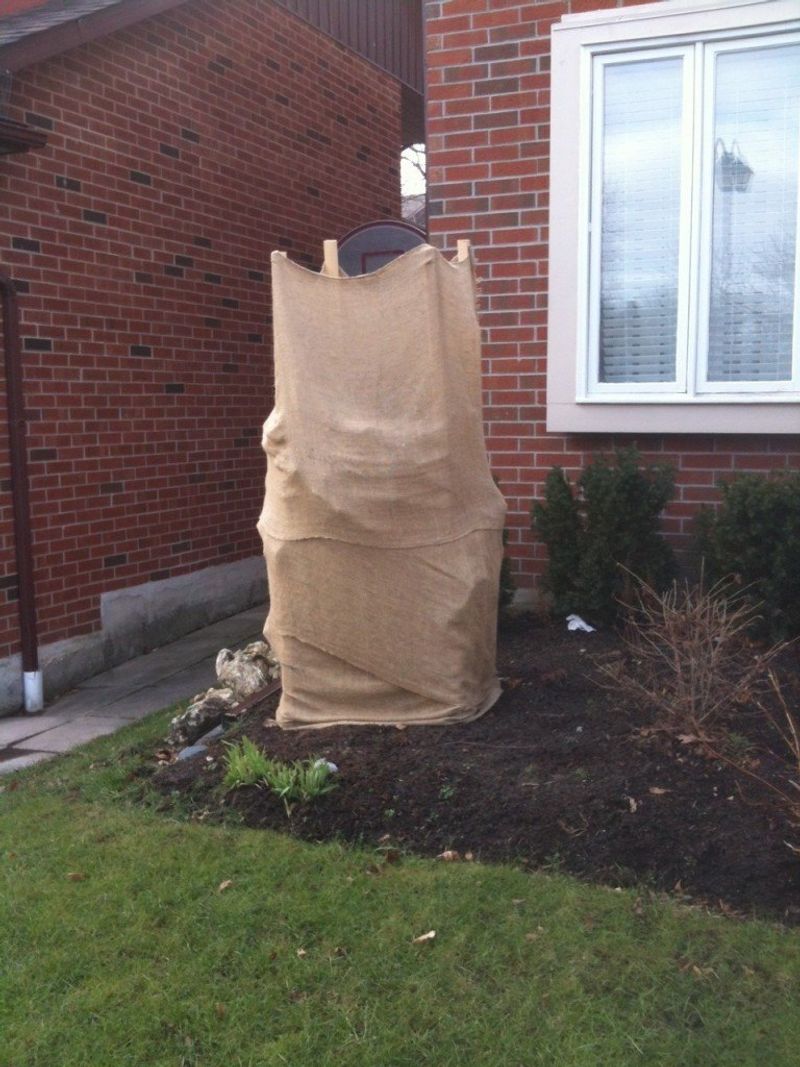
Wind is a sneaky thief in winter. It pulls moisture from bare twigs, and young Japanese maples feel it most.
California’s climate varies a lot, from foggy coasts to snowy Sierra foothills and windy inland valleys. Trees in exposed spots benefit from a burlap screen or loose wrap during strong winter winds. Keep it breathable and remove it once the harsh weather passes.
Thin, smooth maple bark can also suffer sunscald. Bright winter sun warms the trunk by day, then freezing nights chill it fast, which can crack the bark. A light tree wrap on young trunks helps in colder inland areas.
Placement makes a huge difference too. Planting near a house wall, fence, or larger evergreens shields maples from wind. Afternoon shade also protects leaves from summer scorch, especially in hot regions like the Central Valley.
A tree that comes through summer without stress heads into winter stronger. Fried leaves in August mean fewer stored resources for cold weather. Think of good placement as year-round protection that quietly pays off when the first frost arrives.