Don’t Prune Illinois Oak Trees Until You Read This
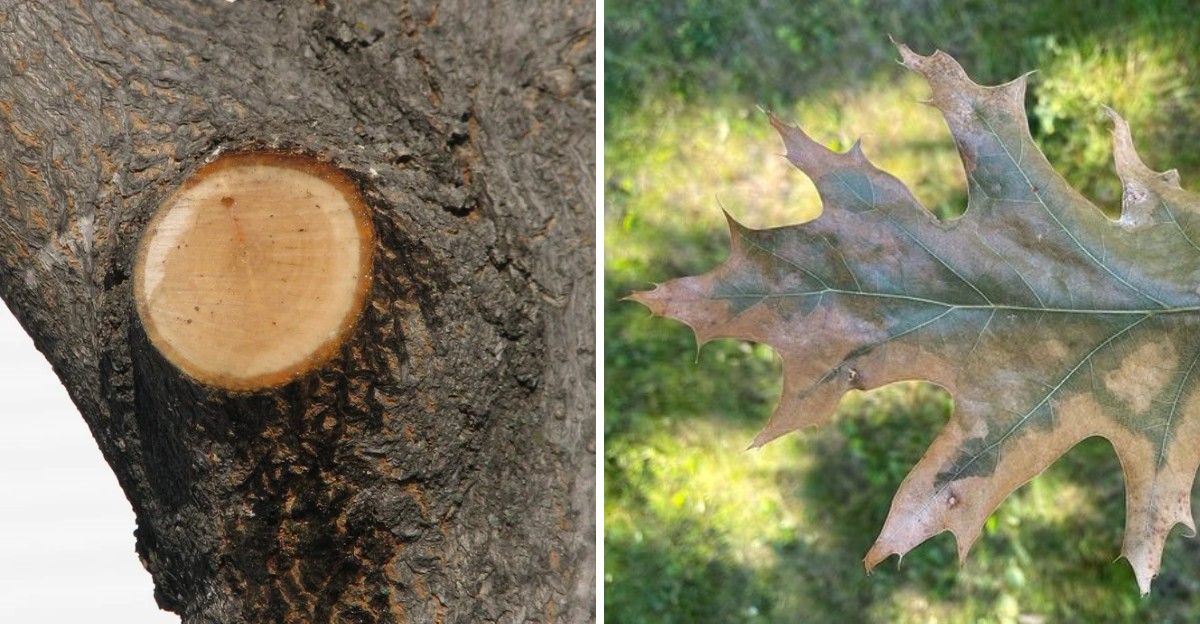
A single fresh cut on a healthy tree can attract tiny beetles from surprisingly far away. They follow the sweet smell of sap like kids follow an ice cream truck.
I learned this the hard way while watching a neighbor’s crew trim a big shade tree in Illinois one warm April afternoon. The cuts looked clean and neat.
A few small black beetles showed up within days, and I started reading everything I could find.
Turns out those bugs can carry spores of a fungus that clogs a tree’s water system from the inside. Some trees in Illinois decline within a single summer after one badly timed cut. Others hang on for years while the trouble spreads quietly underground.
You might own one of these giants without knowing how fragile it can be in spring. Timing is the difference between a thriving tree and a doomed one.
That Fresh Oak Branch Cut Sends Out a Signal
Sap beetles have a nose for trouble. A freshly cut oak limb releases a sweet, fermenting scent, and these tiny insects can pick it up quickly.
Most of them are smaller than a grain of rice. They belong to a group called nitidulid beetles, and they love feeding on oozing sap.
On their own, they cause little harm. The problem is what they might be carrying on their bodies.
Some of these beetles spend time on special fungal mats that form under the bark of infected oaks. Those mats smell fruity, which draws the beetles in. When they leave, sticky spores cling to their legs and backs.
Your fresh pruning wound becomes their next stop. In spring, oak wood is actively moving water, so spores dropped into a new cut can get pulled into the tree’s plumbing fast.
Research from university extension programs shows fresh wounds stay attractive to beetles for a limited time, which is why timing matters so much.
I used to think a clean cut was a safe cut. A tidy wound still smells like dinner to these beetles. The shape of the cut matters far less than the calendar date on which you make it.
Oak Wilt Fungus Is the Real Trouble Behind Those Beetles
Oak wilt is the name you want to remember. It is caused by a fungus called Bretziella fagacearum, and it has been found across much of Illinois.
Once spores land in a fresh wound, the fungus moves into the tree’s water-conducting tissue. The tree reacts by plugging its own vessels to block the invader. Sadly, that defense also blocks water from reaching the leaves, so the canopy starts to wilt.
Spread happens in two main ways. Beetles carry spores overland to fresh wounds, sometimes across long distances.
Underground, the fungus travels through root grafts, where roots of nearby oaks have fused together.
Root graft spread explains why you sometimes see a cluster of struggling oaks in one neighborhood or woodlot. One infected tree can pass the problem to its neighbors, especially oaks of the same group growing within about 50 feet of each other.
A fun fact surprised me during my reading. Oak wilt was first described in Wisconsin in the 1940s, so this is not a new mystery.
Scientists have studied it for decades, which means the advice on avoiding it is solid and well tested.
Winter Is When Your Oak Trees Welcome the Pruning Saw
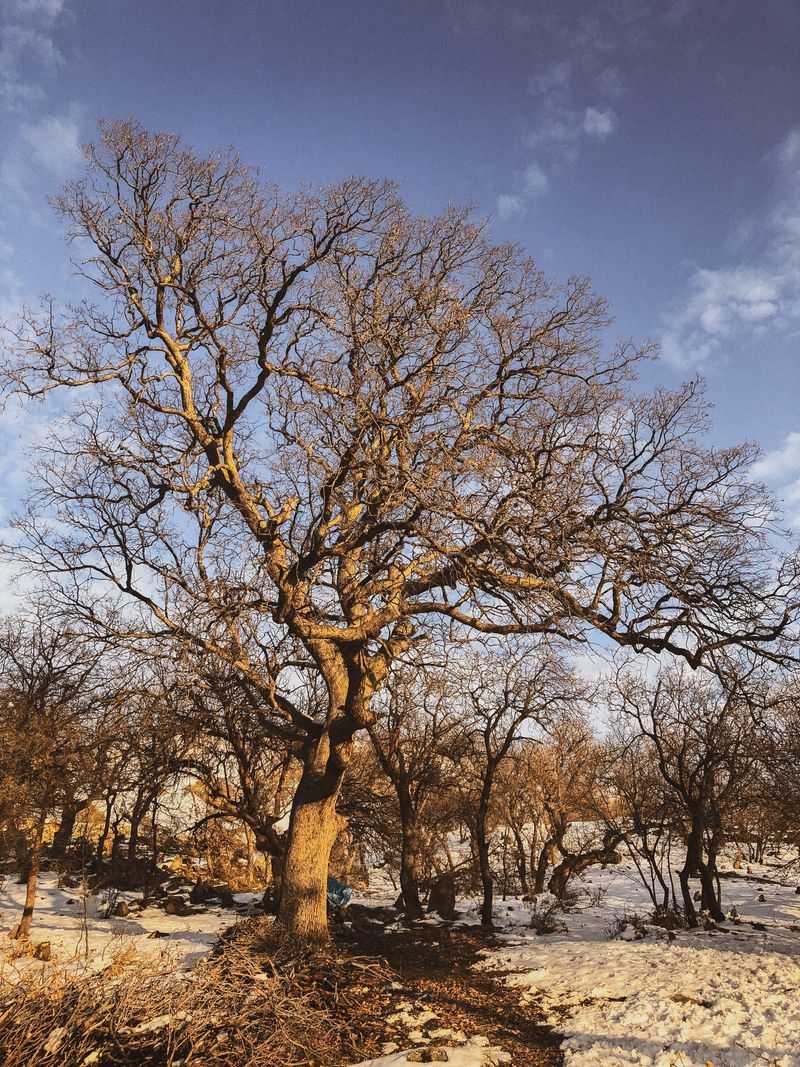
Cold weather is your best friend here. University of Illinois Extension recommends pruning oaks during the dormant season, roughly November through March.
During those months, the sap beetles are mostly inactive. The fungal mats that supply spores are also rare or not producing.
With no beetles and little sap movement, a fresh cut has a much lower chance of becoming an entry point.
Winter pruning has other perks too. Without leaves, you can see the branch structure clearly.
Crossing limbs, weak forks, and broken stubs stand out like lines on a map. Here is my favorite tip. Book your arborist early, ideally in fall.
Good tree crews fill their winter calendars quickly, and you want your oaks done well before the spring warmup.
Frozen ground can help as well. Heavy equipment does less damage to lawns and root zones when soil is firm. Just avoid working on bitterly cold days when wood can be brittle and harder to cut cleanly.
Once the buds start to swell, consider the safe window closed. If you miss it, waiting until next winter is usually the smartest choice for healthy, non-hazardous branches.
Spring and Early Summer Are Risky Months for Oak Pruning
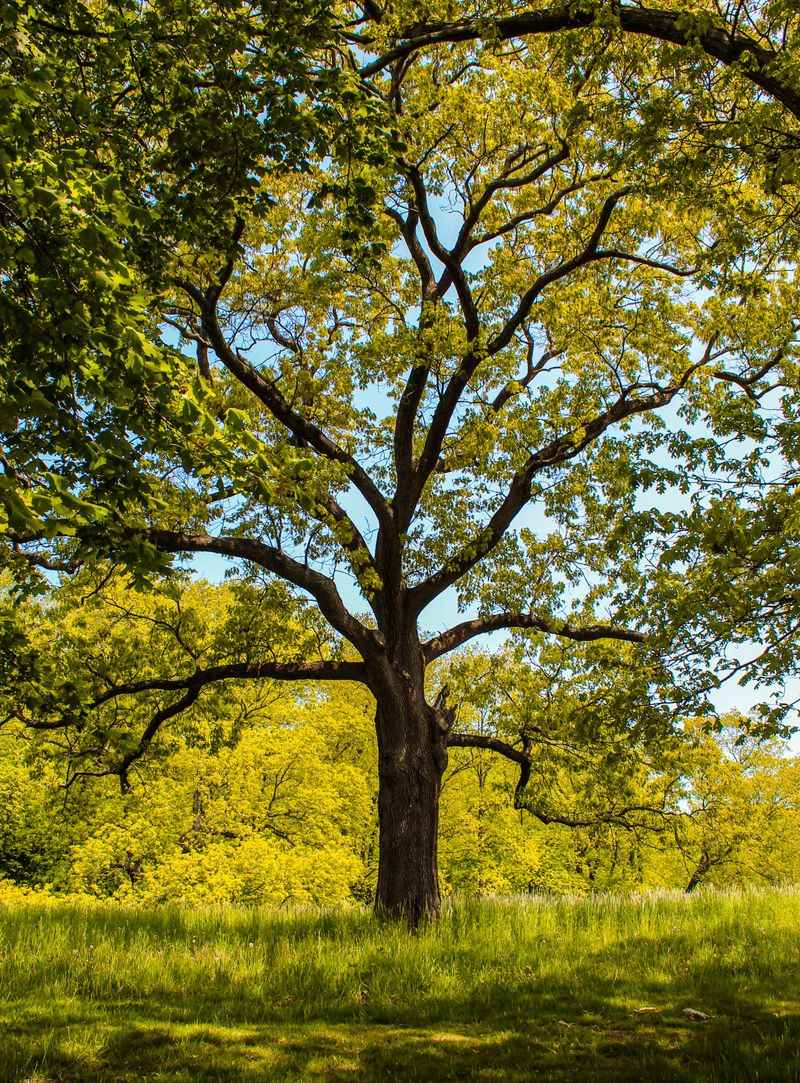
April through July is the danger zone. Illinois Extension and many arborists list this stretch as the highest-risk period for oak wilt spread by beetles.
Why then? Fungal mats form most often in spring, beetles are busy, and the tree’s new wood is actively moving water. All three conditions line up at once, which makes fresh wounds especially vulnerable.
Regional differences matter in a state this long. Southern Illinois warms up weeks before the Chicago area, so beetle activity can start earlier down south.
Some guidance suggests stopping oak pruning by early April in central and southern areas to stay on the safe side.
Plenty of cautious arborists extend the no-prune period further. The Illinois Department of Natural Resources and some municipalities recommend avoiding oak pruning from April through July, and some cities ask for a pause stretching into fall.
Check your town’s rules too, since some municipalities have local oak guidelines. My simple rule now is easy to remember.
If the leaves are out and the weather is warm, the saw stays in the garage. That habit has saved me a lot of worry.
Red Oaks and White Oaks Handle the Fungus Very Differently
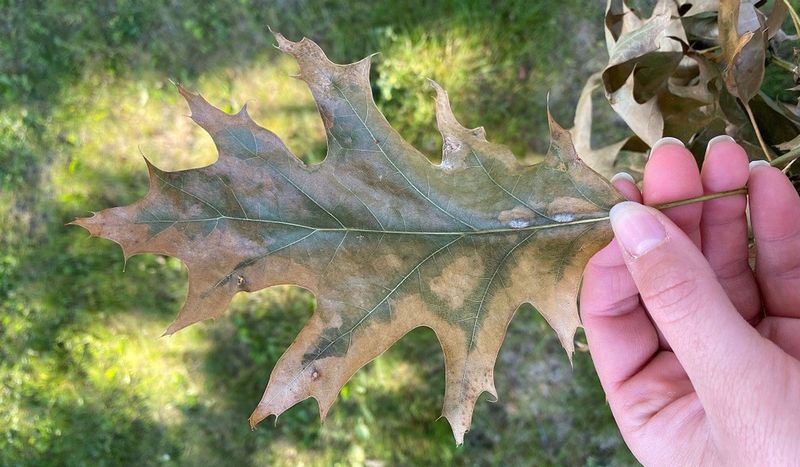
Leaf shape tells you a lot. Red oak group trees have pointed, bristle-tipped lobes, while white oak group trees have rounded lobes.
That difference matters with oak wilt. Red oaks, including northern red, black, and pin oaks, are highly susceptible.
Once infected, they often lose most of their leaves within a few weeks to a couple of months, and recovery is rare.
White oaks, bur oaks, and swamp white oaks are more resistant. They tend to decline slowly, sometimes one branch at a time over several years. Some even recover, especially with prompt care from a professional.
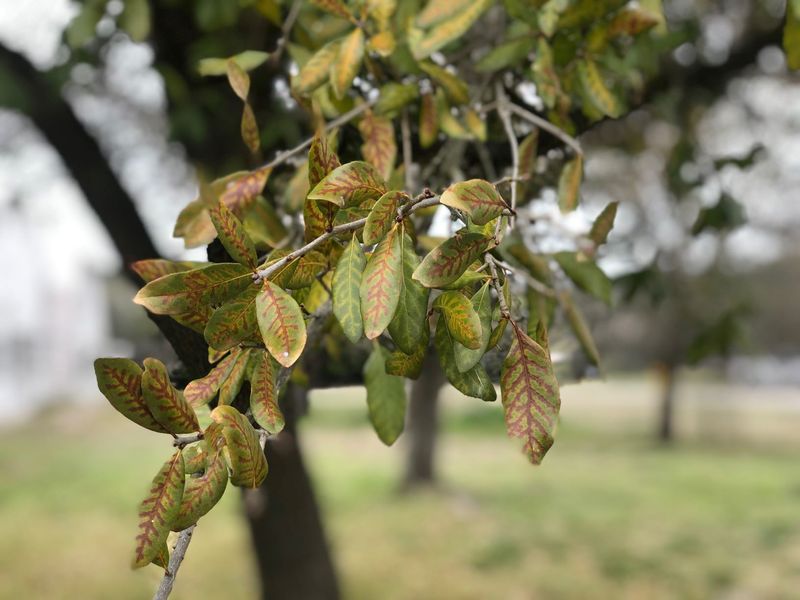
Symptoms can look different too. On red oaks, leaves often turn dull green, bronze, or tan from the tips and edges inward, then drop while still partly green. You might find a pile of these leaves on the lawn in midsummer, which is a big clue.
Knowing your tree type helps you plan. Red oaks deserve extra caution with timing, and nearby red oaks may share roots.
If you are unsure which kind you have, take a few leaves to your local extension office for help.
A Storm-Broken Oak Limb Needs Paint Right Away
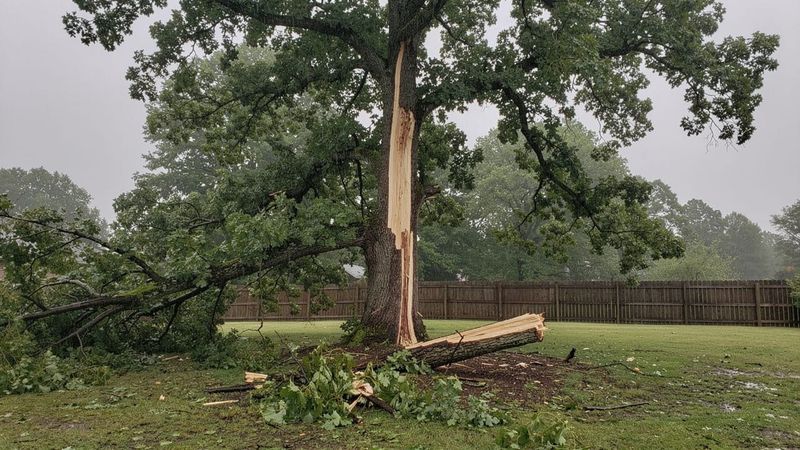
Storms do not check the calendar. A summer windstorm might snap an oak limb over your driveway, and leaving it hanging is not safe.
Hazard removal comes first. If a branch threatens people, cars, or your roof, have it removed, ideally by a certified arborist. Safety outweighs the timing rule.
Afterward, cover the fresh wound quickly. Extension experts suggest applying a thin coat of latex paint or a tree wound dressing right away. Many sources say within minutes, since beetles can find fresh cuts fast.
Oddly enough, oaks are a rare exception. For most trees, specialists advise skipping wound dressings because they can trap moisture and slow natural sealing.
With oaks during beetle season, the paint acts as a physical shield against spore-carrying insects.
Keep a small can of exterior latex paint and a cheap brush near your tools during spring and summer. I store mine in a labeled bucket so nobody grabs it for a craft project.
Paint also matters for other wounds. Lawn mower scrapes, string trimmer nicks, and construction damage can attract beetles too. Treat those injuries the same way during the warm months.
Clean Cuts at the Branch Collar Help Your Oak Heal

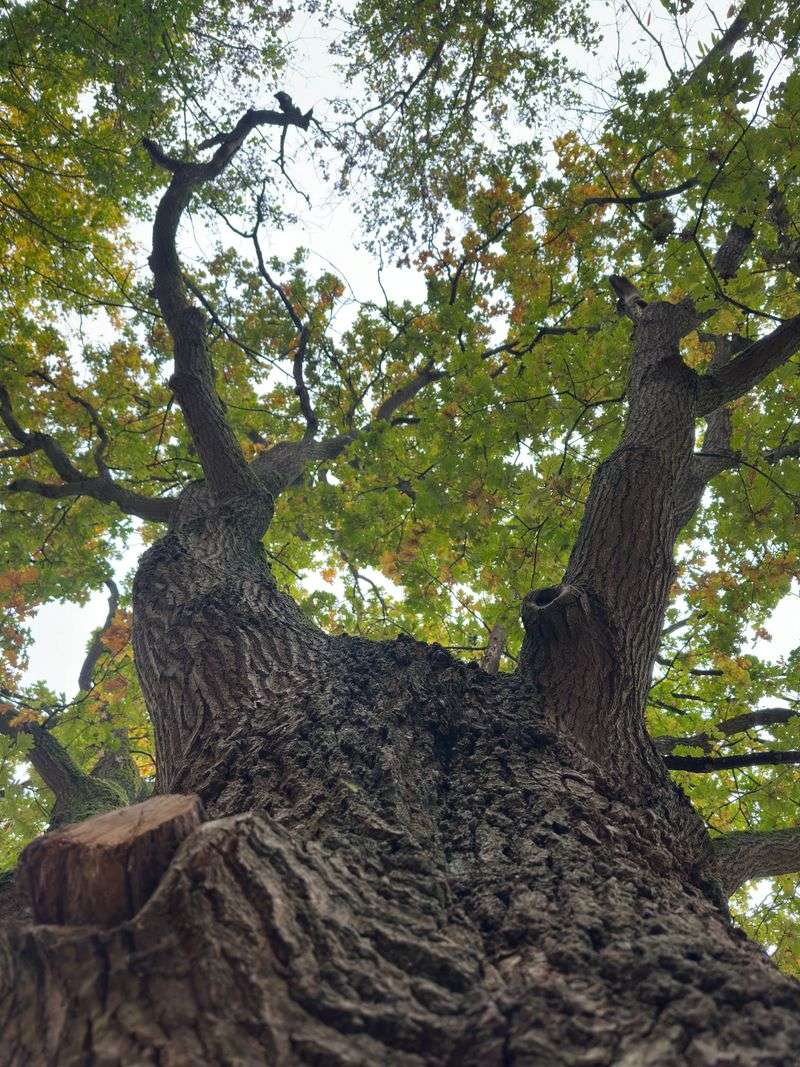
Good technique still counts after you pick the right season. Look for the branch collar, the slightly swollen ring where a limb joins the trunk.
Cut just outside that collar. Leaving it intact helps the tree seal the wound with new tissue. Cutting flush against the trunk removes those healing cells, while leaving a long stub invites decay.
For heavy limbs, use the three-cut method. Make an undercut a foot or so out, then a top cut a little farther out to drop the weight. Finish with a clean cut at the collar so bark does not tear down the trunk.
Go easy on the amount. Many arborists suggest removing no more than about 15 to 25 percent of the canopy in one year. Heavy pruning stresses oaks and can trigger weak sprouts.
Clean your saw and loppers between trees, especially if one tree looks unhealthy. Rubbing alcohol or a diluted bleach mix works, followed by drying and oiling the blades.
One quirky detail makes me smile. Oaks do not truly heal wounds like skin. Instead, they wall off damage, sealing it inside like a closed room.
A Certified Arborist Can Protect Your Oak Trees for Decades
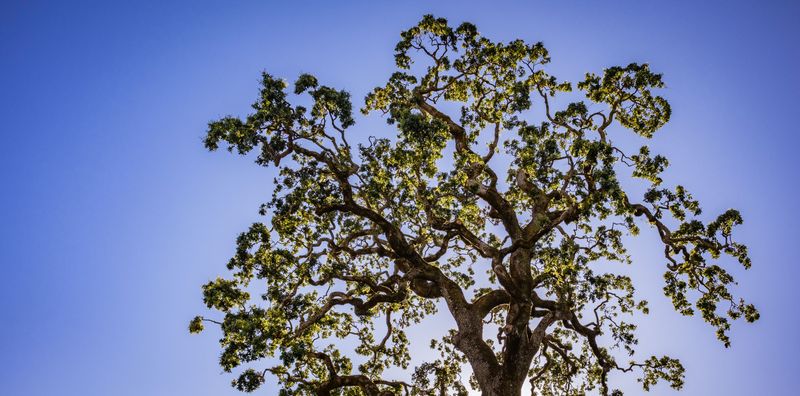
Some oaks in our yards are older than the houses beside them. Protecting a tree like that is worth a phone call to a pro.
Look for an ISA Certified Arborist. These professionals understand oak wilt timing, safe climbing, and proper cuts.
Ask them directly when they prune oaks, and be wary of anyone offering spring oak trimming without mentioning wound protection. Suspect oak wilt already? Do not guess.
Arborists can collect samples, and the University of Illinois Plant Clinic offers lab testing to confirm the problem, since other issues like bur oak blight or drought can look similar.
If oak wilt is confirmed, options may include root graft disruption with trenching, careful removal of infected trees, and fungicide injections for valuable white oaks. Firewood from infected oaks should not be moved to new areas.
My takeaway is simple and practical. Mark your calendar for winter pruning, keep paint handy for emergencies, and learn which oaks you own.
Small habits add up. Your choices this year can help those wide branches keep shading picnics, feeding squirrels, and hosting hundreds of caterpillar species that songbirds rely on for many years ahead.