10 Groundhog-Proof Plants for Ohio Gardens
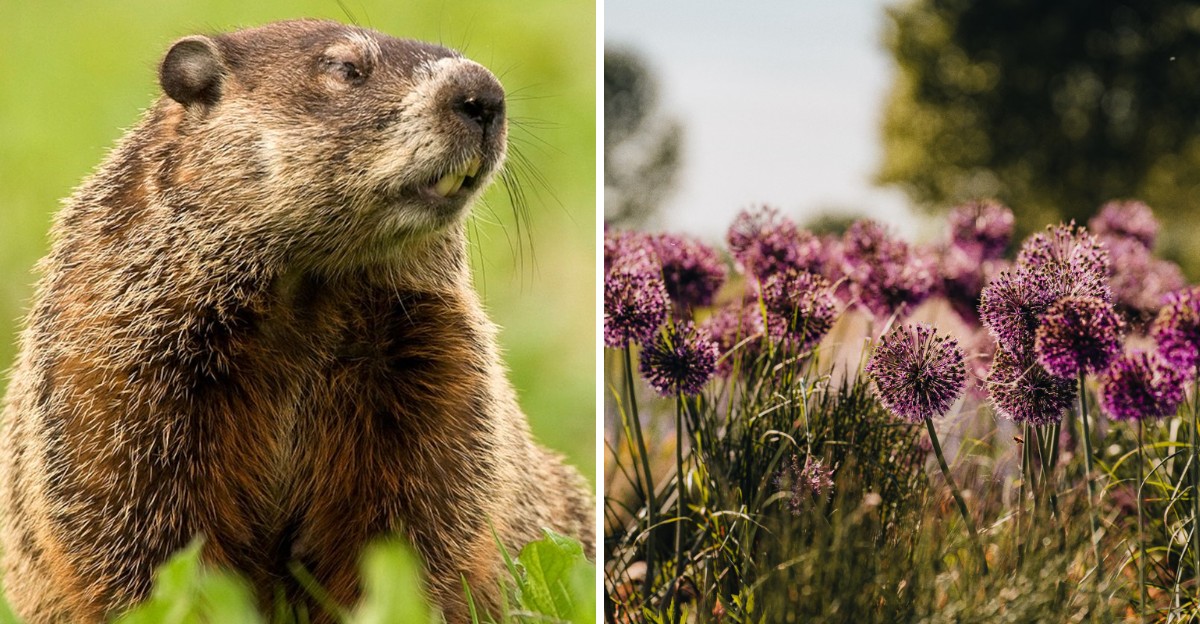
A single wild rodent can shift around 700 pounds of soil while digging just one burrow under your yard. That chubby excavator also climbs trees and swims well, so a short fence rarely slows it down for long.
Ohio gardeners know the sight of a furry brown body waddling off with a mouthful of tender beans. These hungry visitors can eat more than a pound of greens daily, mostly in early morning and evening.
I have to admit that my first lettuce patch lasted about four days before the neighborhood muncher found it. You might notice the damage starts low, with stems chewed clean and leaves gone almost overnight.
No plant offers perfect protection, but some smell or taste so unpleasant that these diggers mostly wander elsewhere. Which beautiful, tough choices can hold their ground in an Ohio yard and still make you smile?
1. English Lavender
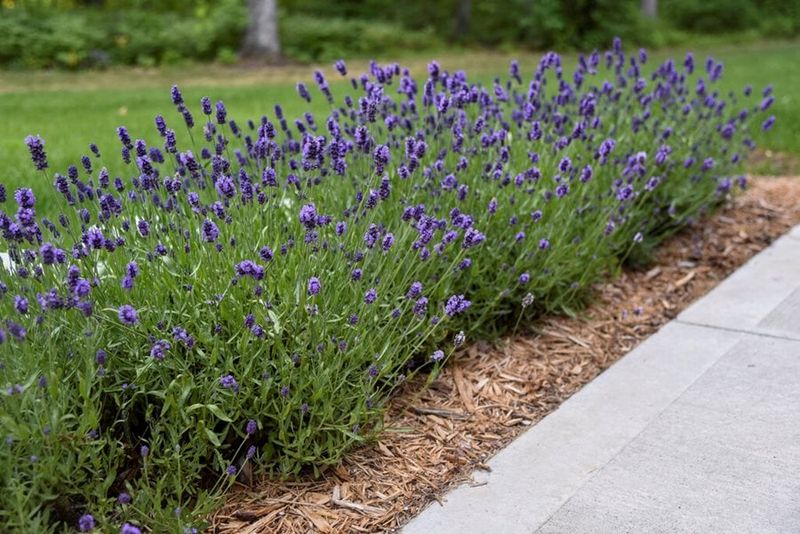
Brush your hand across a lavender bush and your fingers will smell sweet for the next hour or so. That same strong perfume comes from essential oils, and groundhogs seem to find it far too pushy for dinner.
English lavender, known to botanists as Lavandula angustifolia, is the hardiest type for our region. It handles USDA zones 5 through 9, which covers nearly every corner of the Buckeye State without much fuss.
Personally, I love tucking a few plants near the vegetable patch as a fragrant little guard line. The silvery leaves feel slightly tough, and that texture adds another reason hungry visitors usually move along quickly.
Plants typically grow one to three feet tall and wide, forming neat mounds with narrow, gray-green foliage. Purple or blue-violet flower spikes appear in summer and draw bees and butterflies from all over the neighborhood.
You need to give lavender at least six hours of direct sun every day for the best blooms. Poor or average soil works fine, but soggy ground causes the roots to rot during wet spring seasons.
Clay soil is common across much of the state, so raised beds or gravelly mounds help a lot here. Once established, lavender needs only occasional watering, which makes it a relaxed choice for busy gardeners.
Wait until new green growth appears in spring before trimming back the woody stems by about one third. Avoid cutting into old bare wood, because those sections often struggle to sprout fresh leaves again.
2. Daffodils
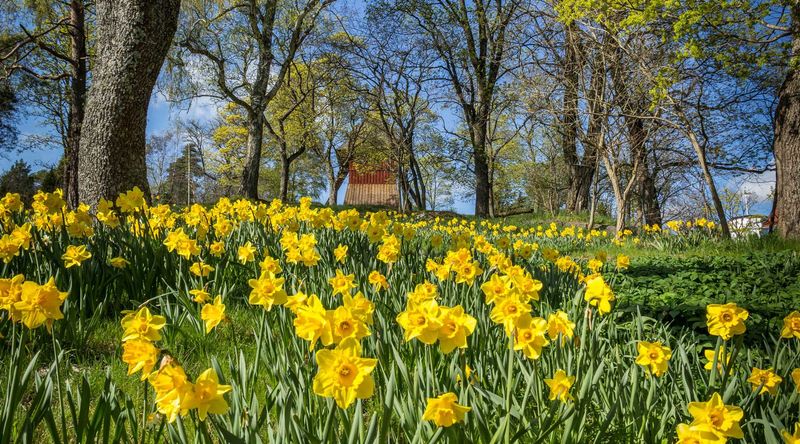
Nothing announces the end of winter in Ohio quite like a clump of sunny yellow trumpets nodding beside the driveway. Groundhogs wake up hungry around that same time, yet they almost reliably leave daffodils standing tall and untouched.
Every part of Narcissus contains bitter alkaloids such as lycorine, which irritate the mouths and stomachs of most animals. That chemical defense explains why rodents happily munch tulips but skip right past these cheerful spring flowers.
I believe daffodils are the easiest insurance policy a flower lover can plant in the ground each autumn. Bulbs go in during fall, roughly six inches deep, with the pointed end facing up toward the sky.
Depending on the variety, plants reach six to eighteen inches tall with flat, strap-shaped green leaves. Flowers come in yellow, white, orange, or soft peach, and many types carry a light, pleasant fragrance.
Full sun to partial shade suits them well, as long as the soil drains properly after heavy rain. They handle zones 3 through 9, so cold snaps rarely bother these tough little bulbs one bit.
Let the leaves stay green for about six weeks after blooming so the bulbs can store energy. Cutting foliage too early often leads to fewer flowers the following year, which feels like a sad trade.
Keep in mind that daffodils are toxic if eaten by people, dogs, or cats, so plant thoughtfully. Clumps slowly multiply over time, giving you bigger, brighter drifts with almost no extra effort from you.
3. Catmint
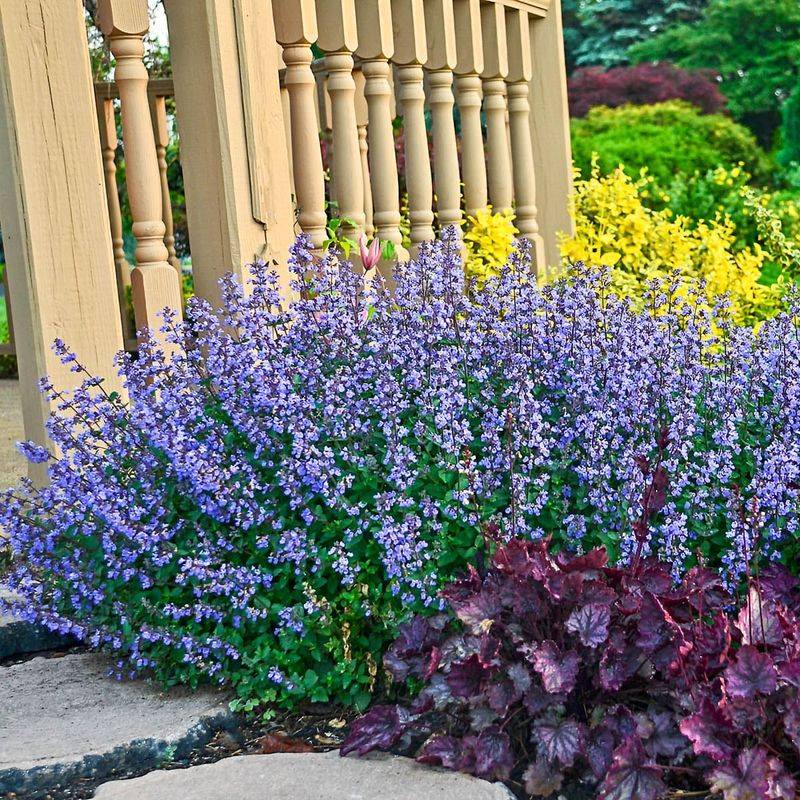
Your cat might roll around in it with pure joy, but groundhogs give catmint a firm pass. The fuzzy leaves release a minty, musky scent from a compound called nepetalactone whenever something brushes against them.
Nepeta x faassenii is the most common garden hybrid, and it grows happily in zones 3 through 8. Plants form soft, billowing mounds about one to three feet tall that spill gracefully over path edges.
What surprises me most is how long the lavender-blue flowers keep going from late spring into fall. Bees swarm the blooms all day, and I often catch myself just standing there watching the busy show.
Catmint thrives in full sun but tolerates a bit of afternoon shade in hotter, south-facing spots. Well-drained soil keeps it healthy, and established plants handle dry summer stretches without needing much extra water.
After the first big flush of flowers fades, shear the whole plant back by roughly half. A fresh wave of leaves and blooms usually returns within a few weeks, looking tidy again for summer.
Many popular varieties, such as Walker’s Low, produce little or no seed, so they rarely pop up where unwanted. That makes them friendly neighbors for smaller beds, borders, and spaces right beside your vegetable rows.
Try planting a ribbon of catmint along the outer edge of a garden as a fragrant buffer. You get soft color, happy pollinators, and fewer chewed stems in the beds tucked behind it.
4. Yarrow
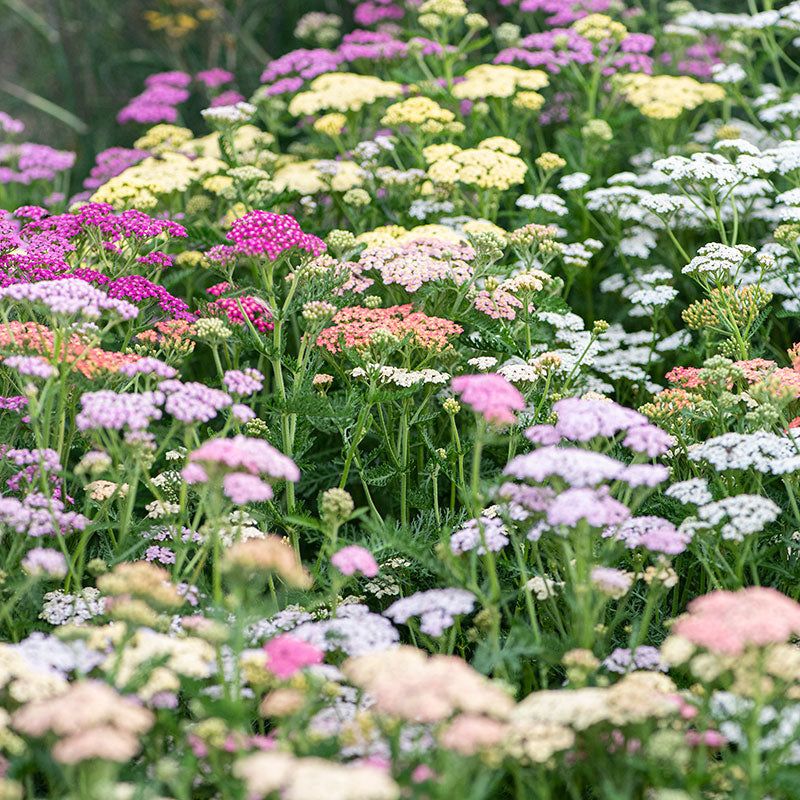
Feathery leaves that look like soft green fern fronds hide a surprisingly bitter flavor most animals avoid. Groundhogs nibble once, notice the strong herbal smell, and usually waddle away in search of tastier greens.
Common yarrow, Achillea millefolium, grows naturally across much of North America, including fields and roadsides throughout Ohio. Garden varieties come in white, yellow, pink, red, and soft apricot shades for plenty of color choices.
I like how the flat-topped flower clusters act like tiny landing pads for butterflies and helpful insects. Ladybugs and small wasps visit often, and many of them help control aphids on nearby plants all summer.
Plants generally grow one to three feet tall and bloom from early summer into fall. Full sun works best, and lean soil keeps stems sturdy instead of floppy and sprawling across the path.
You’re in for a big surprise if you pamper yarrow with rich compost and constant watering. Too much kindness makes it lanky, while dry, average soil keeps the plant compact and full of flowers.
Spreading roots can travel quickly, so give yarrow room or plant it where wandering is welcome. Dividing clumps every few years in spring keeps them vigorous and gives you free plants for friends.
Snip faded flower heads to encourage another round of blooms later in the season. The cut flowers also dry beautifully, holding their color for months in a simple vase on your kitchen table.
5. Russian Sage
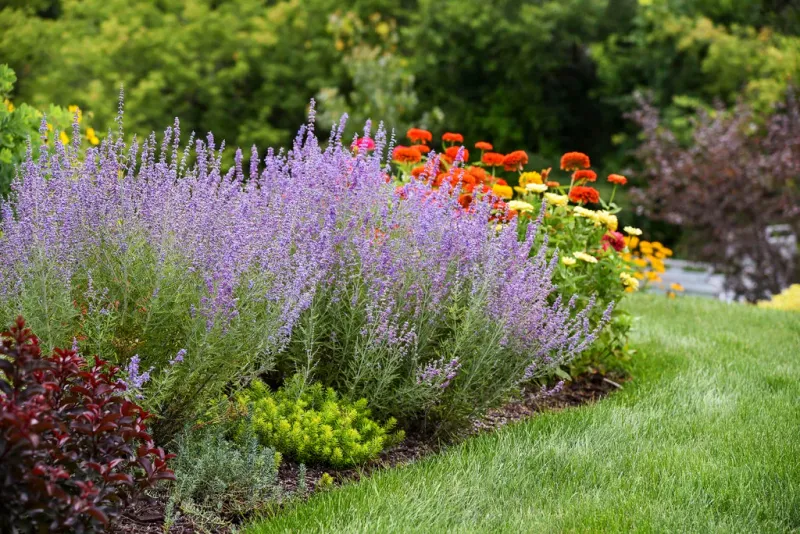
Silvery stems topped with hazy blue spires make Russian sage look like a cloud parked in the Ohio garden. Rub a leaf and you will smell something sharp and sage-like that groundhogs clearly dislike.
Botanists recently moved this plant from Perovskia atriplicifolia into the sage group as Salvia yangii. Garden centers still sell it under the older name, so do not let the label switch confuse you.
Honestly, I can’t imagine a late summer border without those airy lavender-blue flowers drifting in the breeze. Blooms run from midsummer well into fall, long after many other perennials have started looking tired.
Plants reach two to four feet tall and about as wide, so leave enough elbow room. The coarse, woody stems and pungent foliage give hungry groundhogs two good reasons to ignore this tough perennial.
Full sun is a must, since shaded plants tend to flop over and bloom poorly. Well-drained soil suits it best, and established clumps handle hot, dry spells with very little extra watering.
Leave the silvery stems standing through winter for interest, then cut them back in early spring. Trim to about six to twelve inches once you spot fresh green buds forming low on the stems.
Russian sage handles zones 5 through 9, making it reliable through most cold winters in our region. Pair it with coneflowers or ornamental grasses for a relaxed, prairie-style look that buzzes with bees.
6. Ornamental Alliums
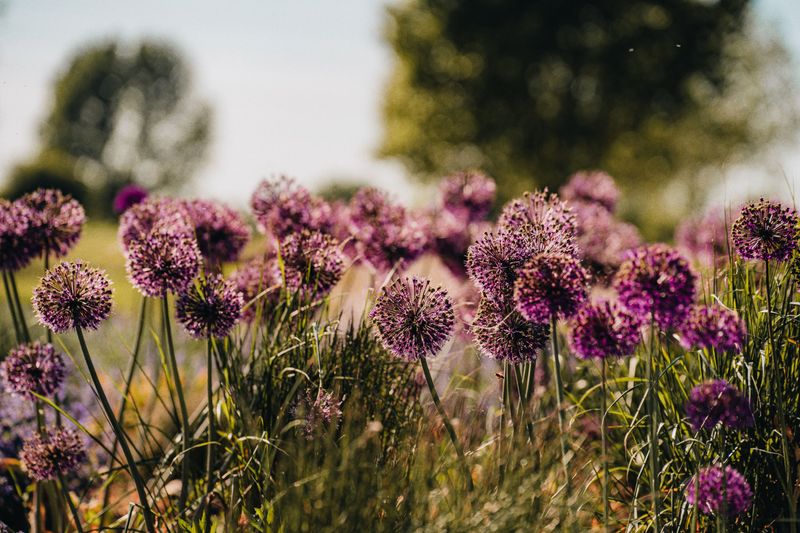
Big purple pom-poms bobbing on tall stems look like something out of a children’s storybook. Underneath that playful charm sits a strong onion smell, and groundhogs seem to want nothing to do with it.
Alliums belong to the same family as garlic, onions, and chives, all packed with sulfur compounds. Those pungent chemicals give the plants their bite and help keep many chewing critters away from your beds.
I love how ornamental types like Globemaster and Purple Sensation add drama with almost zero effort. Heights range from about one foot to four feet, so you can mix short and tall varieties together.
Plant bulbs in fall, roughly two to three times as deep as the bulb is tall. Most bloom from late spring into early summer, filling the gap between daffodils and summer perennials quite nicely.
Full sun and well-drained soil keep alliums happy, since soggy ground can cause bulbs to rot. Water during long dry spells in spring, then let them rest once the foliage starts yellowing naturally.
Leaves often turn brown while flowers are still blooming, which can look a little messy. Tuck the bulbs behind bushy perennials like catmint so the fading leaves stay hidden from view.
Chives are an edible allium that work well too, adding a groundhog-unfriendly herb to the vegetable patch. Bees adore the round blooms, and the dried seed heads look striking left standing into summer.
7. French Marigolds
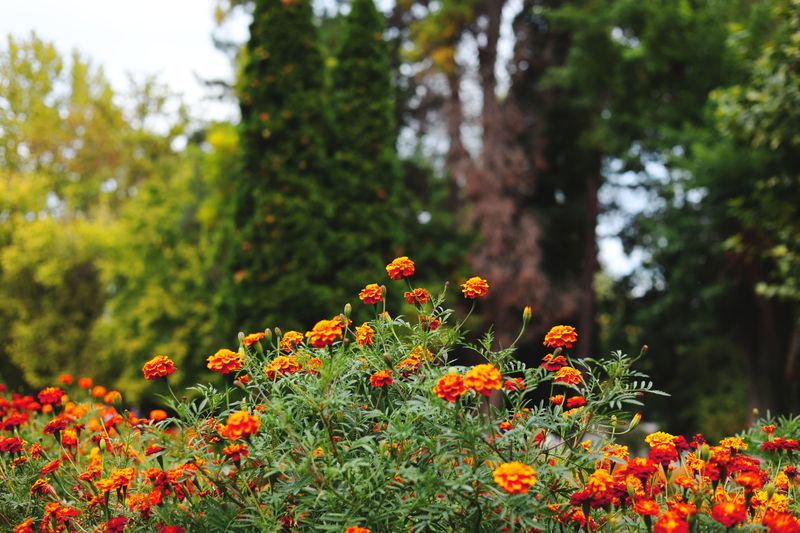
Grandma probably planted marigolds around her tomatoes, and she may have known something clever. The foliage gives off a sharp, peppery scent that many garden pests, including some groundhogs, find seriously off-putting.
French marigolds, Tagetes patula, stay compact at about six to twelve inches tall with bushy growth. Their blooms come in fiery orange, golden yellow, and rusty red, often with charming bicolor patterns too.
Being annuals, marigolds grow from seed to flower in one season, so winter hardiness is not a concern. Sow seeds or set out transplants after your last spring frost, usually from late April into May here.
I have to admit these flowers feel almost too easy, yet they reward you all summer long. Full sun and average soil work great, and you only need to water when the top inch feels dry.
Research shows marigold roots release compounds that can reduce certain harmful nematodes in the soil. That bonus works best when you grow them densely for a full season before planting vegetables there.
Results against groundhogs vary, so think of marigolds as one helpful layer rather than a magic shield. A thick border around lettuce or beans still adds smell, color, and a cheerful barrier together.
Pinch off faded blooms every few days to keep fresh flowers coming until the first fall frost. Save a few dried flower heads at season’s end, and you will have free seeds next spring.
8. Purple Coneflower
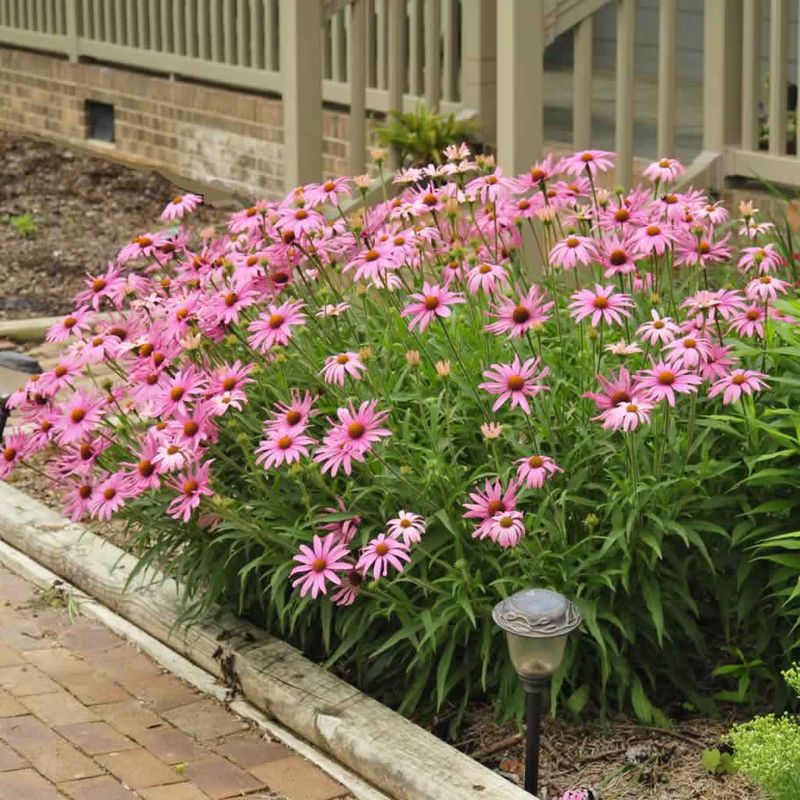
Spiky orange cones surrounded by drooping pink petals give this native flower a look all its own. Goldfinches love pecking at the seed heads in fall, turning your garden into a bird-watching spot.
Purple coneflower, Echinacea purpurea, grows wild in prairies and open woods across eastern North America. It handles zones 3 through 9 easily, so cold winters and hot summers rarely slow it down.
The stems and leaves feel rough and slightly hairy, which makes them less appealing to many grazing animals. Most reports list coneflower as groundhog resistant, although young spring shoots occasionally get a curious nibble.
I believe protecting new plants for their first few weeks makes a big difference over time. A simple wire cage around fresh transplants gives them time to toughen up before you remove it later.
Mature plants reach two to four feet tall and about one to two feet wide. Blooms open in early summer and keep coming into fall, feeding butterflies, bees, and other busy pollinators.
Full sun works best, though light afternoon shade is fine in hotter spots. Coneflowers tolerate poor soil and dry spells once established, which suits gardeners who forget the hose now and then.
Leave some faded flowers standing through winter so birds can enjoy the seeds. A few seedlings may sprout nearby in spring, giving you bonus plants to move or share with friends.
9. Bleeding Heart
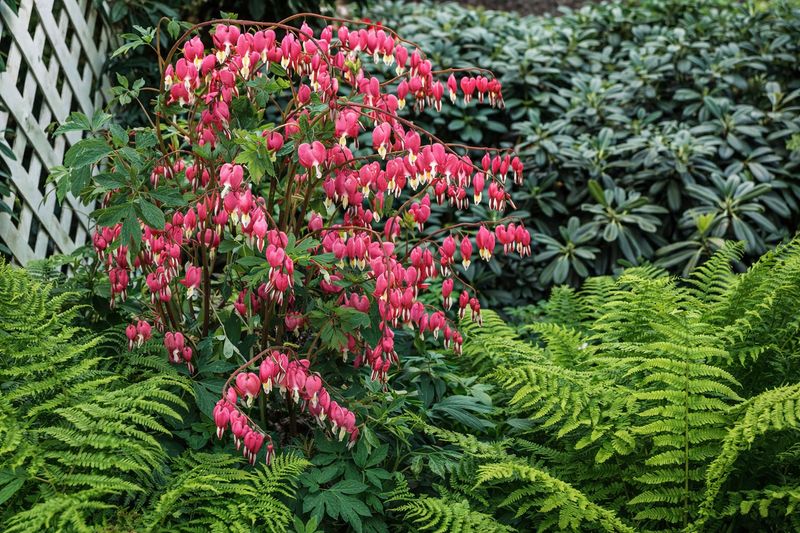
Rows of tiny pink hearts dangle from arching stems like charms on a delicate bracelet. Shady corners rarely look this romantic, and groundhogs tend to leave the whole plant alone, which feels like a gift.
Old-fashioned bleeding heart now carries the scientific name Lamprocapnos spectabilis, replacing the older Dicentra label. The plant contains alkaloids that make it unpalatable, and it is toxic to pets and people if eaten.
I love how this classic perennial brightens the darker parts of the yard in spring. Flowers appear from April into May, usually in pink with white tips, though pure white forms exist too.
Plants grow about two to three feet tall and wide, with soft, lacy foliage. They thrive in zones 3 through 9 and fit beautifully beneath trees or along a north-facing wall.
Partial to full shade keeps the leaves fresh, especially during hot afternoons. Rich, moist soil with plenty of compost helps, but water should drain well so the roots do not stay soggy.
You might notice the foliage yellowing and disappearing by midsummer, especially during dry weather. That summer rest is normal, so mark the spot and plant hostas or ferns nearby to fill the gap.
Bleeding heart also resists deer and rabbits, making it a handy choice for wildlife-heavy neighborhoods. Pair it with daffodils for a cheerful, low-worry spring show that keeps chewing critters guessing.
10. Threadleaf Coreopsis
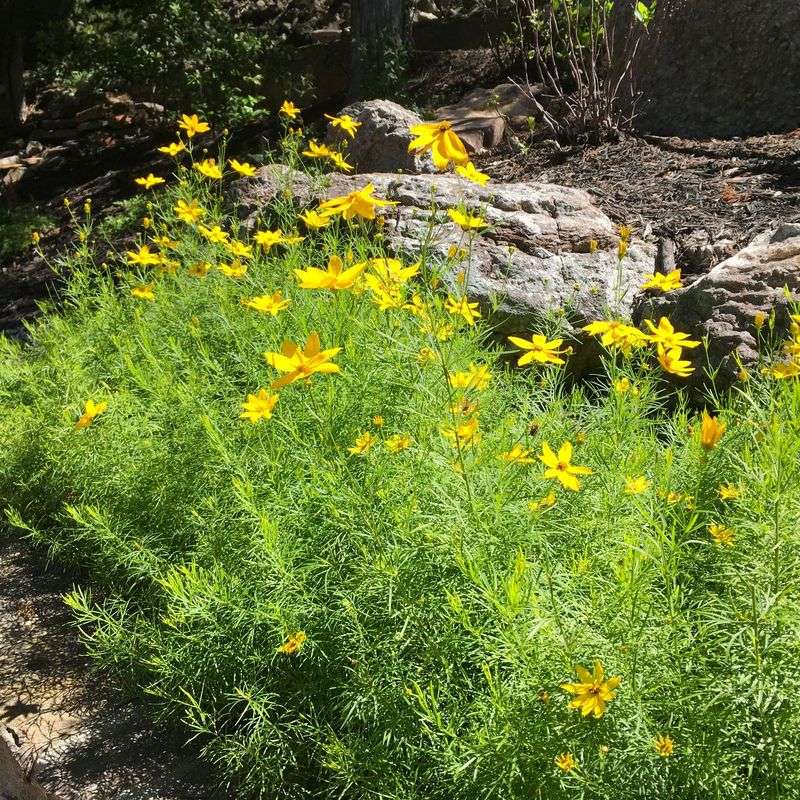
Hundreds of buttery yellow stars sparkle above foliage so fine it looks like green mist. Gardeners often call coreopsis tickseed, because its small seeds resemble tiny ticks, a funny name for such a pretty plant.
Threadleaf coreopsis, Coreopsis verticillata, is native to the eastern United States and hardy in zones 3 through 9. Groundhogs, rabbits, and deer generally skip it, likely because the plant simply does not taste appealing.
Personally, I think coreopsis ranks among the most forgiving flowers you can grow. It handles poor, sandy, or rocky soil with good drainage, and summer heat barely seems to bother it.
Most varieties grow one to two and a half feet tall and spread slowly into tidy clumps. Moonbeam, a pale lemon type, remains a long-time favorite, while Zagreb offers a brighter golden yellow.
Plant it in full sun, since shade leads to floppy stems and fewer blooms. Flowers typically appear from early summer into late summer, often continuing into early fall with a little care.
Shear the plant lightly once blooms slow down, removing the faded flower heads. A fresh round of color usually follows, and trimming also reduces unwanted seedlings popping up around your beds.
Bees and butterflies visit often, adding motion and life to sunny borders. Plant a few clumps near Ohio vegetable beds, and you may enjoy steady color while groundhogs search for snacks elsewhere.