Who Is Responsible When Neighbor’s Tree Roots Damage Your Texas Foundation
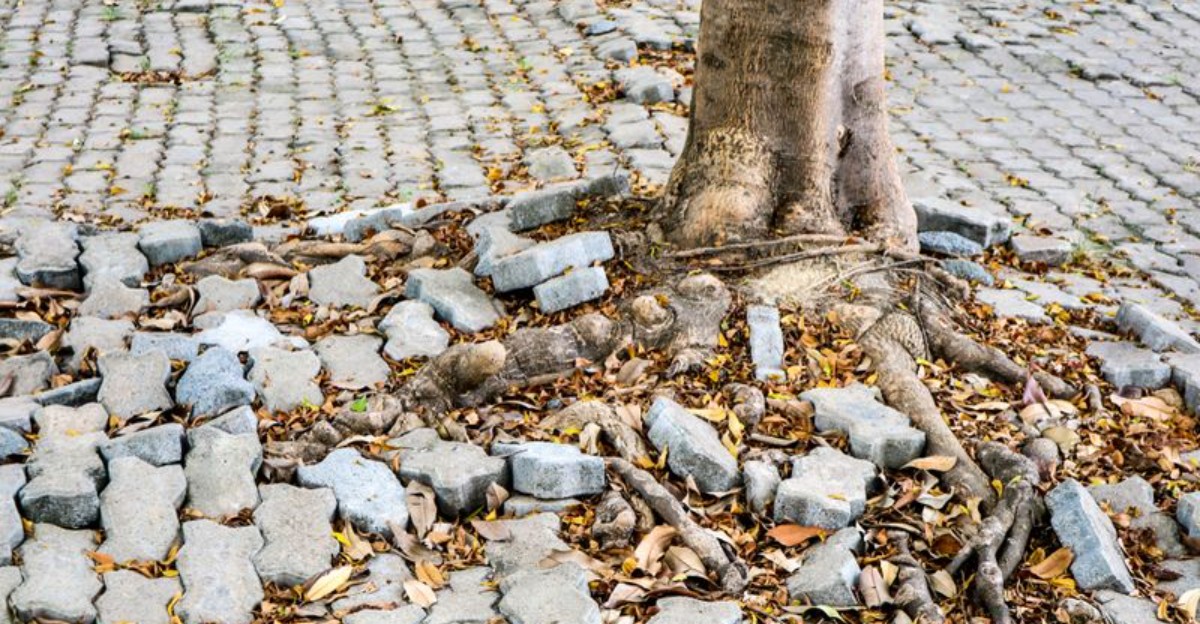
A single large tree can pull well over a hundred gallons of water from the ground on a hot summer day. Much of that thirst happens out of sight, right under the soil you walk on.
I used to blame every new wall crack on old age and bad luck. Then I learned how much clay soil shrinks when something drinks it dry, and I started eyeing the giant shade tree next door very differently.
In Texas, neighbors fight over this more often than you would guess. The law here offers a surprising mix of rights, limits, and homework for both sides. Lots of folks guess wrong about who pays.
So when a neighbor’s roots wander under your slab, who carries the bill? The answer depends on a few details most homeowners rarely check, and one of them could change your next move.
1. That Property Line Under Your Oak Roots Matters More Than You Expect
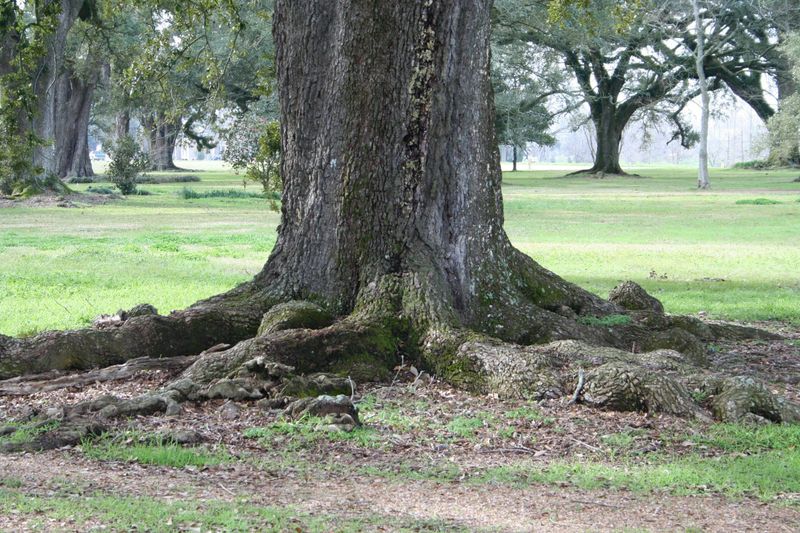
Old Texas common law hands you a tool most homeowners have never heard of. Courts call it the self-help rule, and it lets you trim roots and branches from a neighbor’s tree that cross onto your land.
You can cut those roots back to your property line without asking permission first. The catch is simple but important.
You usually pay for the work yourself, since the tree is legally treated as part of your neighbor’s property and the encroachment alone is not automatically their fault.
Personally, I find that a little unfair at first glance, but it makes sense once you think about it.
Trees grow naturally, and Texas courts generally do not punish an owner just because roots wandered. Responsibility usually shifts only when there is real negligence or significant harm, which later sections cover.
Before you grab a shovel, confirm where the line truly sits. Fences are often placed a foot or two off the true boundary.
A recent survey or your plat map from the county appraisal district can save you from cutting roots on the wrong side. Knowing that line is the foundation, pun intended, for every decision that follows.
2. Trimming Those Roots Comes With a Big Responsibility to the Tree
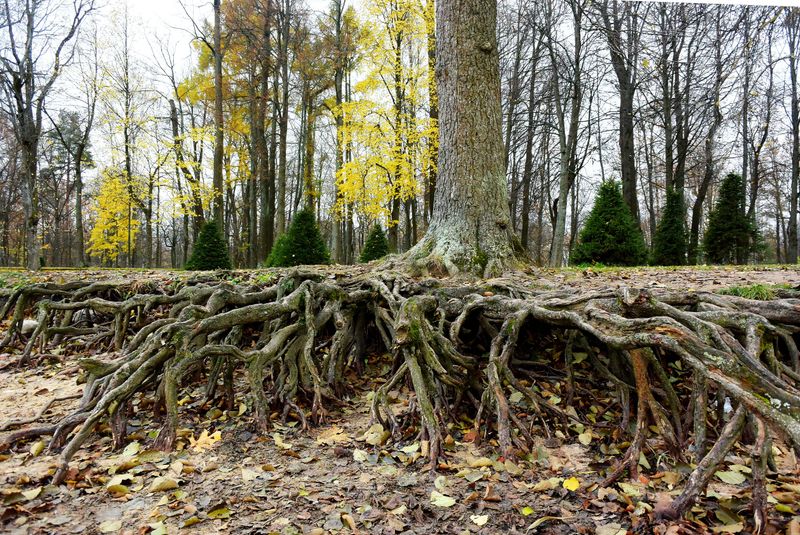
Here comes the twist that trips up plenty of eager homeowners. Your right to trim roots ends where serious harm to the tree begins.
Cutting large structural roots can make a tree unstable or push it into a steep decline. If your trimming causes the tree to fail or topple, your neighbor may be able to seek damages from you.
In Texas, tree damage claims can include the value of the tree itself, and mature shade trees are often worth thousands of dollars.
That is why I strongly suggest hiring an ISA certified arborist before any digging. A pro can map which roots are safe to cut and which ones anchor the tree.
Many arborists follow a rough rule of avoiding cuts within a distance of several times the trunk diameter.
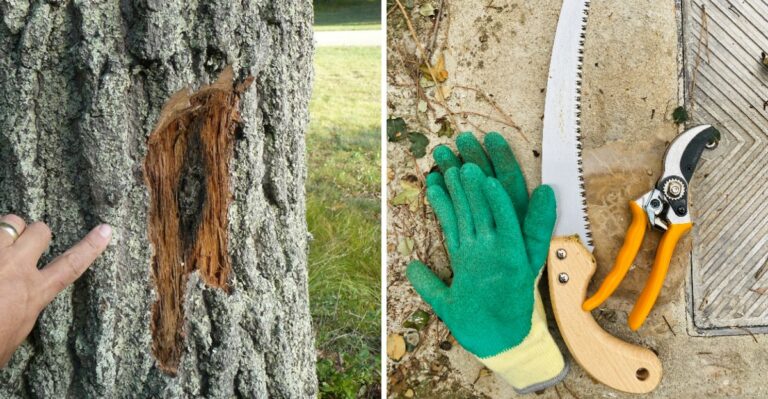
Clean cuts with a root saw also heal better than ragged tears from a backhoe. Timing helps too, since pruning during cooler months puts less stress on the tree than mid-August heat.
Stay on your side of the line the whole time. Stepping onto your neighbor’s yard to dig, without permission, can count as trespass and create a second legal headache you never wanted.
3. When Roots Crack Your Slab, Your Neighbor May Owe You
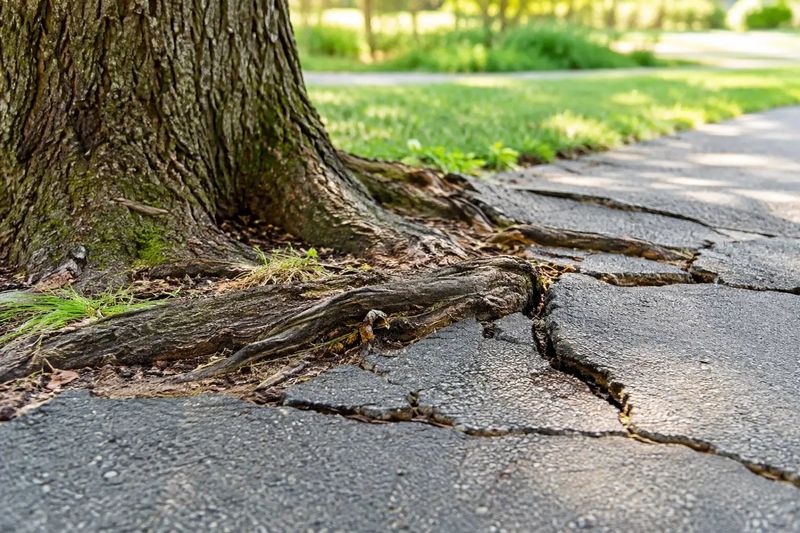
Picture-perfect shade turns into a real dispute once a foundation starts splitting. Texas law can treat serious root damage as a private nuisance or as negligence, and that is when your neighbor may become responsible.
A nuisance means a substantial, unreasonable interference with using and enjoying your property.
A few roots under your lawn will not qualify. Heaved slabs, broken pipes, or major structural repairs are the kind of harm that gets a judge’s attention.
Negligence claims often turn on what the owner knew. If you told your neighbor in writing about the problem and they ignored it, your case gets stronger.
Dead or diseased trees that the owner should have noticed can also raise liability.
Proof matters more than anything. You will usually need a structural engineer’s report and an arborist’s opinion linking the roots to the damage, since dry clay can crack slabs with no tree nearby.
Check your homeowner’s insurance policy too. Many standard policies exclude earth movement and gradual root damage, so coverage is often limited.
Small claims, or justice court, handles disputes up to 20,000 dollars in Texas. Larger repairs usually call for a real estate attorney.
4. Thirsty Roots and Shrinking Clay Soil Are a Sneaky Combo
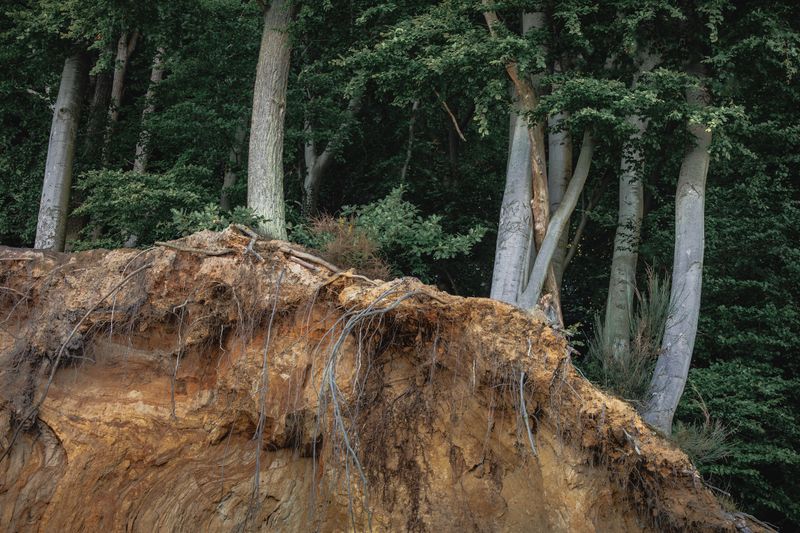
Roots rarely punch through concrete like a cartoon villain. The real trouble in much of this state hides in the dirt itself.
Large parts of central and north Texas, including the Blackland Prairie around Dallas and Austin, sit on expansive clay.
That soil swells when wet and shrinks hard when dry. Some clays can change volume dramatically, and that movement lifts and drops a slab unevenly.
Trees speed up the drying. A big tree acts like a giant straw, pulling moisture from under one corner of your house while the other side stays damp.
Uneven support leads to cracks in brick, sticking doors, and gaps around windows.
Believe it or not, removing a large tree can also cause trouble. The soil may slowly swell back once the roots stop drinking, which engineers call heave.
Not every crack comes from a tree, though. Plumbing leaks, poor drainage, and normal settling are common causes too. That is why an engineer’s inspection is worth the fee before blaming anyone.
Sandier soils in East Texas and parts of the Gulf Coast behave differently, so your local soil type shapes the whole story.
5. A Friendly Chat Over the Backyard Fence Comes First

Lawsuits are slow, pricey, and awkward when you share a mailbox row. A calm conversation fixes more root problems than most people expect.
Start by sharing what you have seen. Photos of cracks, notes on when they appeared, and any engineer findings help your neighbor understand without feeling attacked. Many owners have no idea their tree is causing trouble.
Offer options instead of demands. You might split the cost of an arborist, agree on root pruning, or install a barrier together. Some neighbors will even consider removing a struggling tree if they hear the facts.
After the talk, follow up with a short, polite letter or email that sums up what you discussed. That paper trail matters if things go sideways later, because written notice can support a negligence claim.
If talks stall, Texas has community dispute resolution centers in many counties. Mediation there is often low cost or free, and a neutral person can help you both reach a fair deal.
Check HOA rules as well. Some associations have tree policies or can help referee. Honestly, keeping a good neighbor is worth a little patience and a cup of sweet tea.
6. An Underground Root Barrier Can Steer Roots Away From Your House
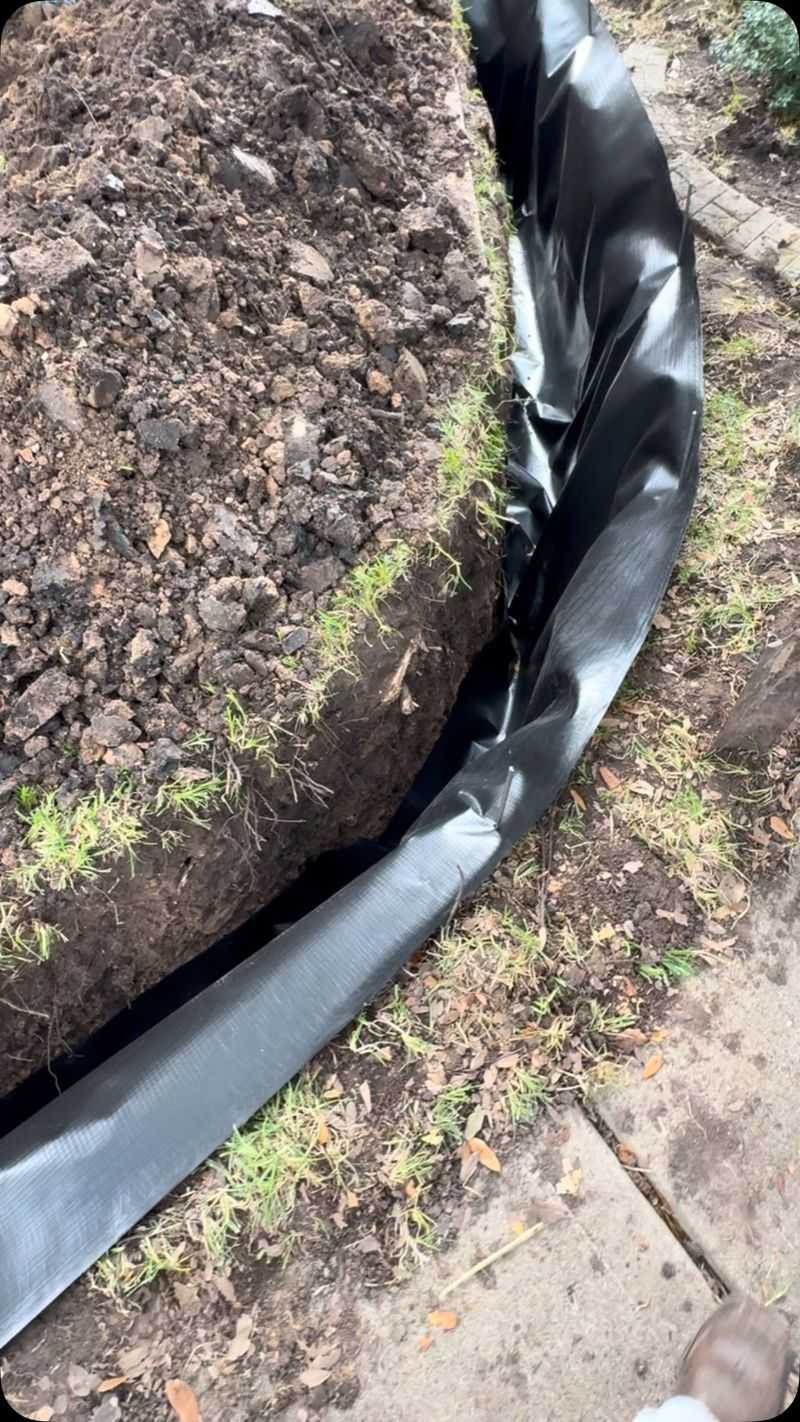
Some fixes work quietly for decades, and root barriers are one of them. These tough panels, usually made of high-density plastic, go vertically into a trench between the tree and your foundation.
Instead of cutting the tree off, a barrier redirects roots downward and away. Many installations run about 24 to 36 inches deep, though foundation pros in clay areas sometimes go deeper.
The trench is often dug along your side of the property line, so you stay within your own rights.
A barrier works best as prevention or early treatment. It will not reverse damage already done, and roots already under your slab may need careful pruning first.
Costs vary with length, depth, and soil. Expect a professional install to run from several hundred to a few thousand dollars. That still looks small next to foundation repair bills, which often climb well past five figures.
Ask your arborist to check that the trench will not sever major anchor roots. A barrier dug too close to the trunk can cause the very harm you are trying to avoid. Done right, you keep the shade and lose the worry.
7. A Soaker Hose Along Your Foundation Helps in Hot, Dry Summers
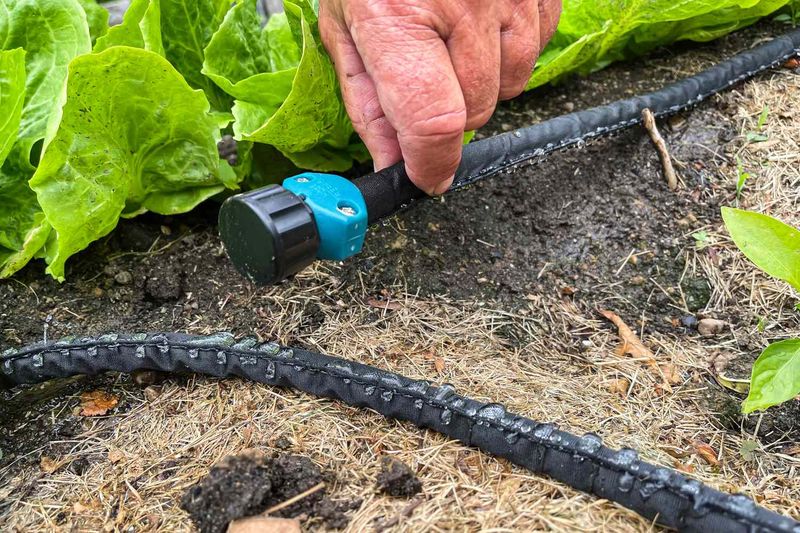
Summer droughts here can turn backyard clay as hard as brick. Steady watering around your foundation is one of the simplest ways to calm the swelling and shrinking cycle.
Texas A&M AgriLife and many foundation engineers suggest keeping soil moisture fairly even near the slab.
Lay a soaker hose roughly 12 to 18 inches out from the foundation, not right against it. Water slowly so it soaks in rather than pooling.
Consistency beats volume. A timer helps you run the hose a few times a week during dry stretches, then back off after heavy rain. Soggy soil can cause its own problems, so aim for damp, not muddy.
Moist soil also gives thirsty tree roots less reason to hunt under your slab. It will not stop a big tree on its own, but it shrinks the moisture gap that drives cracking.
Watch your local watering rules. Many cities, including San Antonio and Austin, have drought stages that limit irrigation days, though foundation watering with soaker hoses is often allowed with conditions.
Add a layer of mulch on top, and you will hold that moisture even longer.
8. Choose Foundation-Friendly Plants Like Yaupon Holly for Next Time
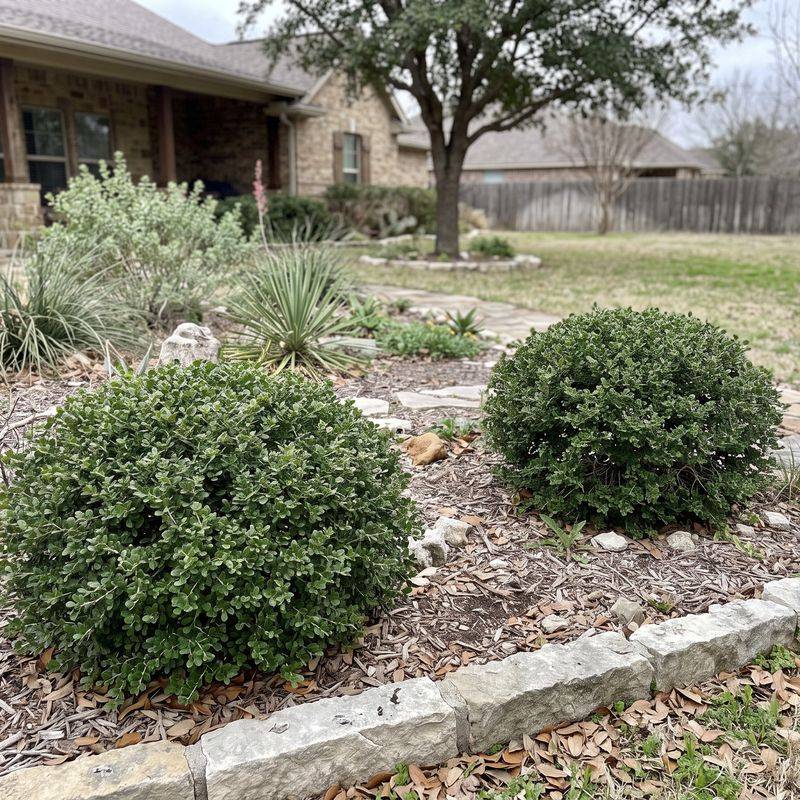
Every big root fight starts with a tree planted in the wrong spot years ago. Smart choices today keep the next owner, or your future self, out of court.
Large trees such as live oaks, pecans, cottonwoods, and willows spread wide, thirsty root systems.
Many arborists recommend planting big shade trees at least 20 feet from a foundation, and farther in heavy clay. Cottonwoods and willows are notorious water seekers, so give them lots of room or skip them near homes.
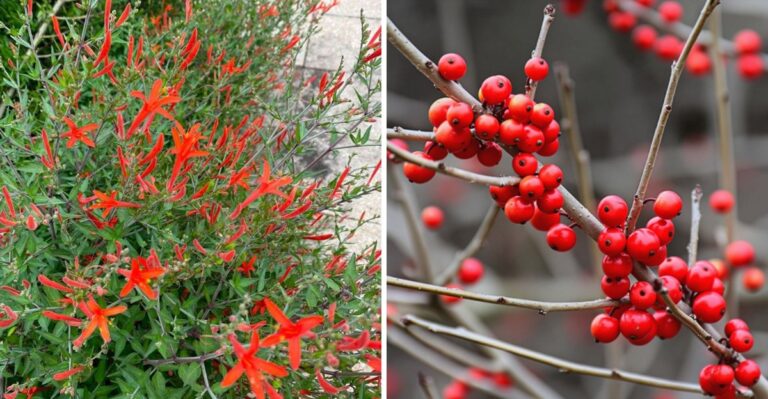
Closer to the house, smaller natives shine. Yaupon holly, Mexican plum, Texas redbud, and desert willow stay modest in size and handle local heat well. They bring flowers, berries, and birds without pulling as much water from under your slab.
Check the Texas A&M Forest Service and your county extension office for tree lists suited to your region. Plants that thrive in Houston humidity may struggle in the Panhandle.
My takeaway is simple. Know your line, document problems, talk first, and get expert opinions before cutting or suing. Then plant the right tree in the right place, and your foundation will thank you for decades.