Plants Texans Should Cover Before The Next Hard Freeze
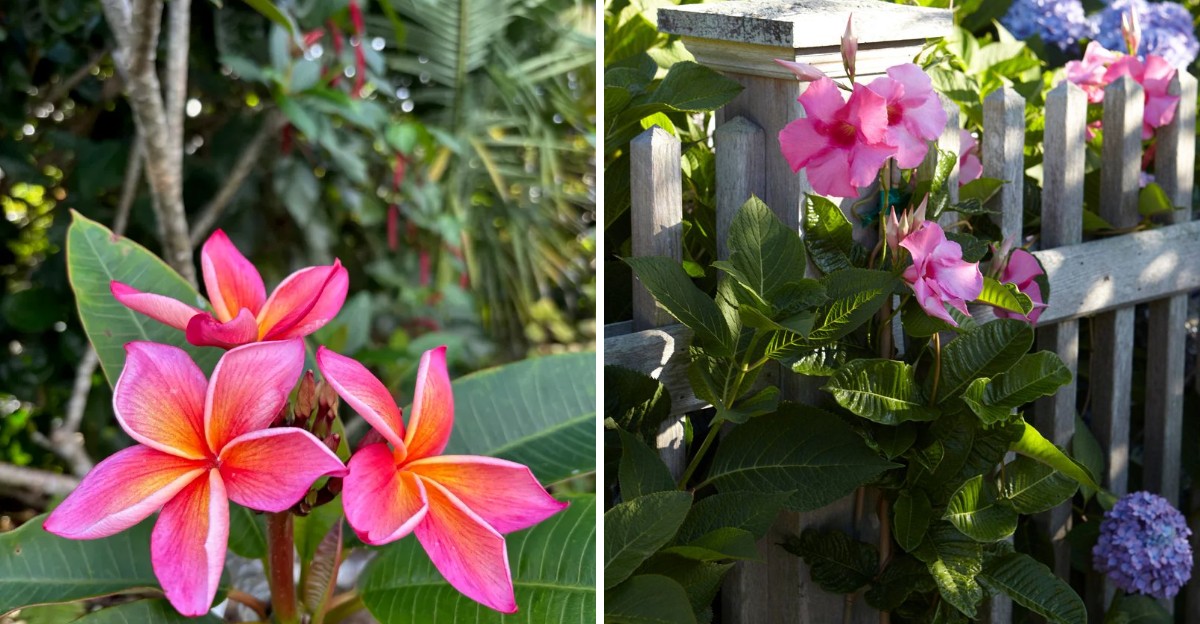
Back in February 2021, snow blanketed Houston palm trees while Dallas shivered at two degrees below zero. Whole hedges of tropical beauties turned brown overnight, and gardeners across Texas spent that spring pulling out crispy stems.
Believe it or not, many of our favorite yard plants come from places where frost rarely shows up. Their leaves hold lots of water, and ice crystals can rupture those cells in a single cold night.
I have to admit that I once lost a gorgeous potted beauty because I trusted a mild forecast. A blue norther rolled into Texas that evening, and the temperature dropped about thirty degrees before breakfast.
Grab your gloves, because a few old sheets and some smart timing can save a surprising number of plants. Which tender treasures in your yard deserve a cozy blanket the next time that cold front rolls in?
1. Citrus Trees
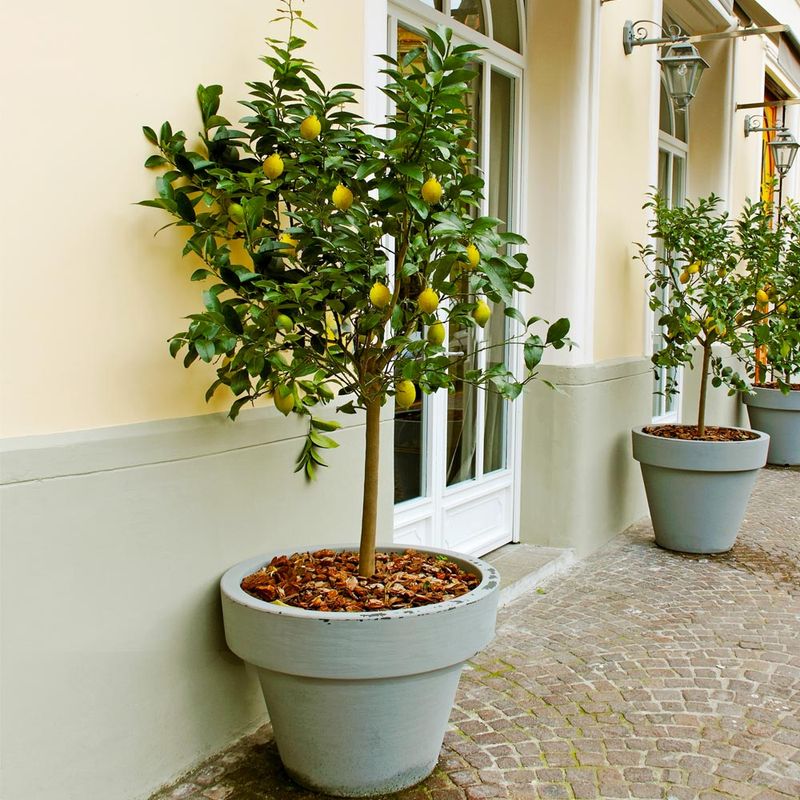
Few things smell sweeter than a Meyer lemon in bloom, yet that fragrant tree is a cold weakling.
Citrus comes from subtropical regions, and young trees suffer serious harm when temperatures sink into the mid twenties.
Satsumas and kumquats handle chilly nights better than limes or lemons, which struggle near the freezing mark. I love how knowing your variety helps you decide which tree needs the most fuss before a freeze.
Water the soil deeply a day or two ahead, since moist ground holds and releases heat better than dry dirt. That stored warmth rises slowly through the night and helps protect the lower branches and trunk.
Drape frost cloth or a thick blanket over the canopy, letting the fabric reach all the way to the ground. Pin the edges down with bricks or rocks so the heat from the soil stays trapped underneath.
Keep plastic off the leaves, because direct contact passes the cold straight through and damages the tender foliage.
Old incandescent holiday lights strung under the cover add gentle warmth, while newer LED strands give off very little.
Wrapping the trunk of a young tree with foam pipe insulation or burlap can also protect the graft union. If the top freezes back, a healthy graft means the tree can regrow the same tasty fruit.
Pull the covers off once daytime temperatures climb above freezing so the leaves can soak up sunshine. Personally, I wait a few weeks before pruning, because damaged wood shows itself clearly once spring growth begins.
2. Bougainvillea

Those papery hot pink petals on bougainvillea are not flowers at all, but colorful leaves called bracts. The real blooms are tiny white tubes hiding in the middle, which still makes me grin every summer.
This South American vine loves blazing heat, but a light frost can strip off its leaves overnight. Temperatures in the upper twenties for several hours can damage the stems and sometimes reach the roots.
Potted bougainvillea is the easy case, since you can roll it into a garage or sunroom before sunset. Keep the soil on the dry side indoors, because soggy roots in cool rooms invite rot.
For plants growing in the ground, spread three or four inches of mulch over the root zone early. That layer acts like a fluffy comforter and helps the roots survive even if the top growth suffers.
When a hard freeze is forecast, cover the whole plant with breathable frost cloth that touches the soil. Watch those thorns while you work, because bougainvillea grabs fabric and bare skin with equal enthusiasm.
Remove the covers once the cold passes so trapped moisture does not encourage fungus on the stems. Sunlight and fresh air help the plant recover faster than anything else you could offer it.
If branches turn brown and brittle, resist pruning until nights stay reliably above forty degrees in spring. I have watched plenty of frozen bougainvilleas push fresh shoots from the base once the soil warms up.
3. Tropical Hibiscus
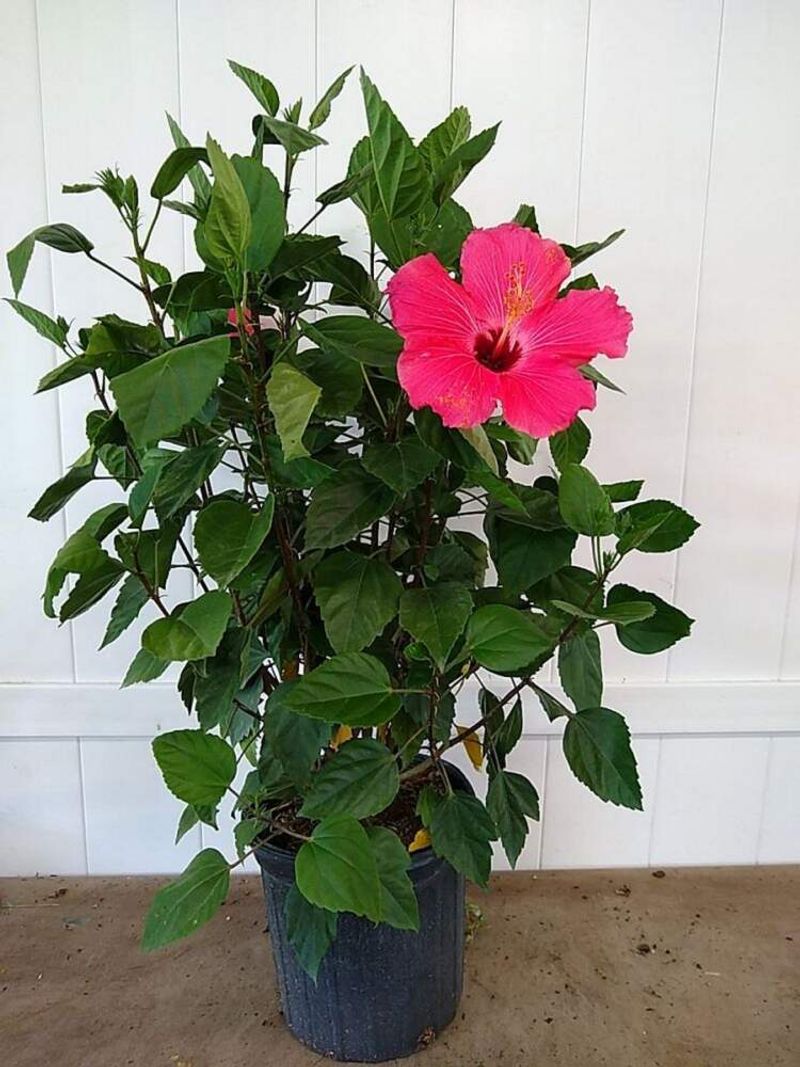
Blooms the size of a salad plate make tropical hibiscus the showiest guest at any summer patio party. Each flower usually lasts just one day, so the plant keeps pumping out fresh buds all season long.
Hibiscus rosa-sinensis comes from tropical Asia, and it starts sulking once nighttime temperatures drop below fifty degrees. Do not confuse it with hardy hibiscus or Texas star hibiscus, which return happily from their roots.
Glossy dark leaves and flowers in shades like coral or sunny yellow usually point to the tropical type. You can often find the exact variety name printed on the nursery tag if you saved it.
Potted plants should move indoors to a bright window, where they may drop a few leaves while adjusting. Water less often during winter, and check under the leaves for whiteflies or aphids hitching a ride inside.
In-ground hibiscus needs a thick blanket of mulch around the base to shield the crown and roots. Aggie horticulture experts suggest trimming the plant back first, then piling mulch six to eight inches deep.
Before a hard freeze, cover the remaining plant with frost cloth or an old bedsheet reaching the ground. A string of incandescent lights tucked underneath adds a few precious degrees on the coldest nights.
I truly believe patience matters most afterward, because brown stems often hide healthy tissue near the base. Scratch the bark gently with a fingernail, and green underneath means that section is still alive.
4. Plumeria
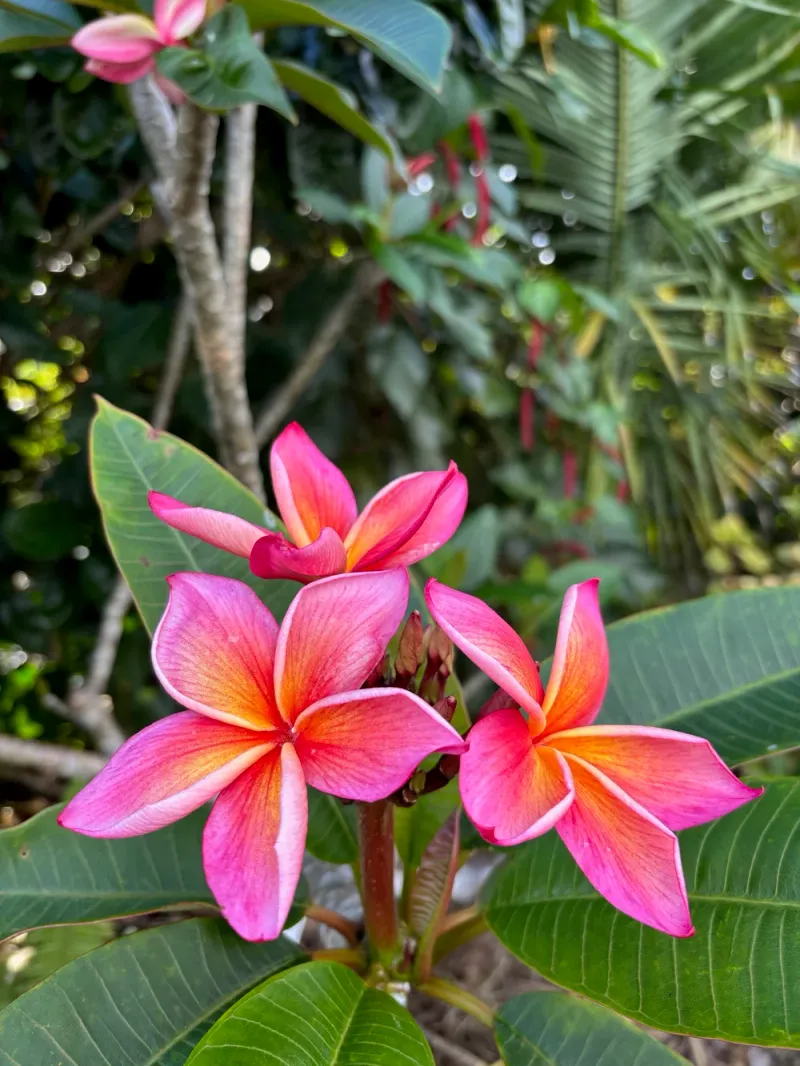
One sniff of plumeria and you are mentally on a Hawaiian beach, wearing a lei and sipping coconut water.
Funny enough, this sweet-smelling tree actually comes from tropical America and the Caribbean rather than Hawaii.
Plumeria stems are thick and full of water, so freezing temperatures can turn them mushy in one night. Even cool, wet weather in the forties can lead to rot, especially in soil that stays soggy.
Most growers here keep plumeria in containers, which makes the winter shuffle much easier on your back. A lightweight plastic pot beats a heavy ceramic one when you need to move it in a hurry.
Once nights settle into the forties, stop watering and let the plant slip into its winter rest. The leaves usually yellow and fall on their own, though you can snip them off to speed things along.
Store the dormant plant in a garage or closet where temperatures stay above freezing all winter long. Dormant plumerias need little or no light and almost no water until warm weather returns in spring.
Ground-planted specimens can be dug up and stored bare-root, a trick many plumeria collectors use each fall. Brush off the loose soil, then lean the plant upright in a dry, sheltered corner of the garage.
Nobody warned me how weird a bare plumeria looks propped in the garage, like a pile of gray sticks. Those odd sticks wake up with fresh leaves and fragrant flowers once you return them outdoors in spring.
5. Tender Succulents
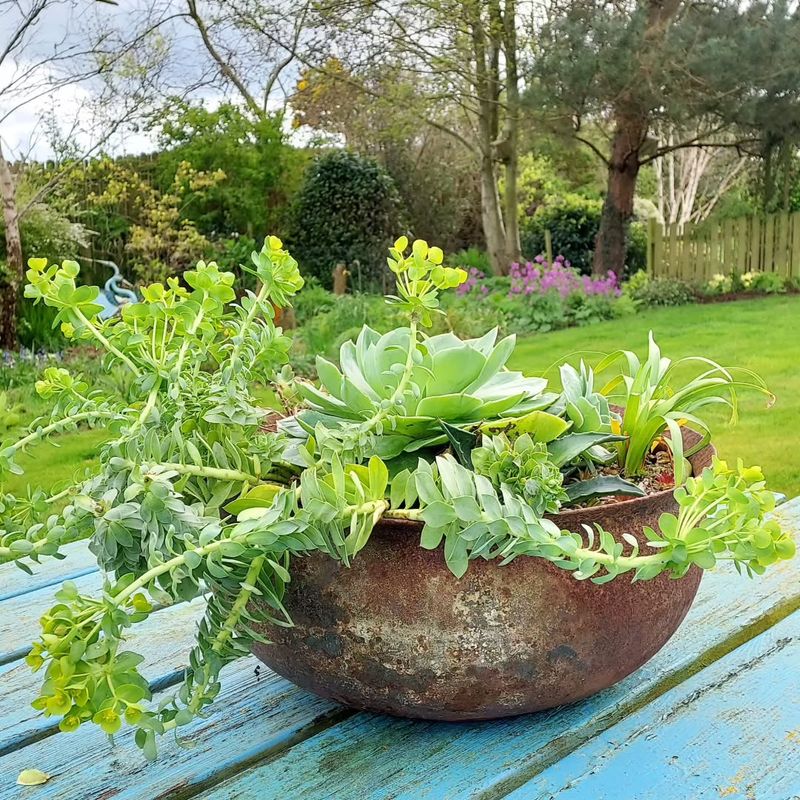
Succulents look tough enough to survive anything, yet many popular ones turn to mush after one icy night. Their plump leaves are basically little water balloons, and frozen water expands enough to burst the cells inside.
Echeverias and jade plants are common tender types that struggle once temperatures dip below the freezing mark. The foxtail agave, Agave attenuata, is another softie that suffers badly in a typical hard freeze.
Meanwhile, native picks like many yuccas and some agaves shrug off cold that would flatten their tropical cousins. Take a closer look at your plant tags, because the species name tells you which ones need help.
Potted succulents are simple to rescue, so carry them indoors to a sunny window or a bright garage. Skip watering right before bringing them in, since dry plants handle cold stress better than soggy ones.
For succulents planted in beds, good drainage matters a lot, because wet soil makes freeze damage much worse. Gravel mulch around the base helps water drain away from the crown instead of pooling there.
Cover in-ground plants with frost cloth before sunset, and use stakes or buckets to keep fabric off the leaves. Small rosettes fit nicely under an upside-down pot or cardboard box anchored with a brick on top.
Uncover everything the next morning once temperatures rise, because trapped sunshine can cook succulents surprisingly fast.
If some leaves turn translucent, wait a week before trimming, since the center often stays healthy and regrows.
6. Mandevilla
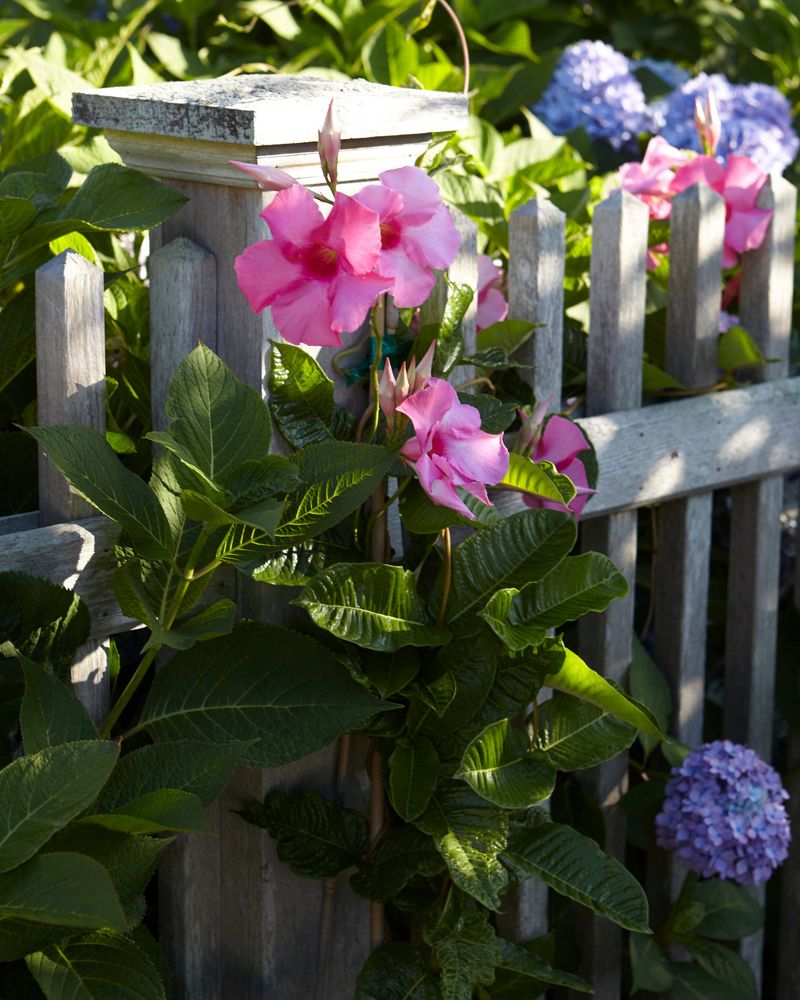
Big pink trumpets climbing a mailbox post make mandevilla the vine everybody asks about at the garden center. I can’t imagine a sunny porch without one, but this beauty has zero patience for frosty weather.
Mandevilla comes from tropical Central and South America, and it starts struggling when nights fall below fifty degrees.
A true freeze usually ruins the leaves and stems, so most gardeners treat it as a tender container plant.
Bring potted vines inside before the first cold snap, ideally when night temperatures still hover in the fifties. Hose off the foliage first, because spider mites and mealybugs love sneaking indoors on tropical plants.
A bright, sunny window keeps mandevilla growing slowly, though expect some yellow leaves while it settles in. Let the top inch of soil dry out between waterings, since cool indoor roots rot easily.
Short on window space, you can cut the vines back to about a foot tall and let the plant rest. A garage or basement that stays above freezing works well, as long as you water lightly every few weeks.
Vines planted in the ground along the coast can sometimes ride out a brief chill under heavy frost cloth. Mulch the base well, because mandevilla has tuberous roots that may resprout if the top growth freezes.
You might notice smaller blooms on the first flush next spring, and that is fine for a vine bouncing back. Give it warm nights and steady fertilizer, and those famous trumpets return in full swing by early summer.
7. Banana Plants
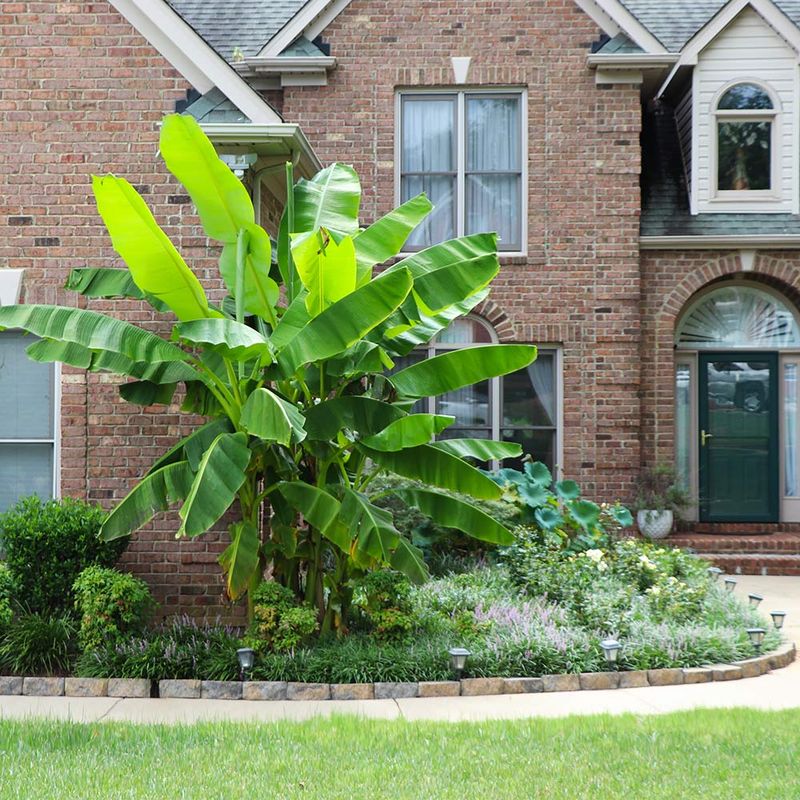
Banana plants look like trees, but botanically they are giant herbs with trunks made of tightly rolled leaves. Those huge paddle leaves give any backyard instant jungle vibes, and I love how they rustle on breezy afternoons.
Light frost scorches the foliage brown, and temperatures in the mid to upper twenties often freeze the trunk.
The underground rhizome survives much colder weather, which explains why bananas pop back up in many Texas yards.
Fruit is a bigger challenge, since most bananas need roughly a year of warm growth before they produce bunches.
Protecting the trunk through winter gives you a real shot at homegrown bananas the following season.
Cold-hardy picks like Musa basjoo handle chilly winters far better, though they rarely ripen tasty fruit here. Popular edible types like Dwarf Cavendish need extra help, especially when a blue norther comes roaring through.
Before a hard freeze, pile a thick mound of mulch or straw around the base of each stalk. Some gardeners wrap the trunks with burlap or old blankets, then add a frost cloth over the top.
Potted dwarf bananas can roll into a bright garage, where they will happily sit out the coldest weeks. Water them sparingly while they rest, because cool soil and soggy roots quickly lead to rot.
After a freeze, wait until spring growth appears before cutting mushy trunks down to firm, healthy tissue. To my surprise, my own patch bounced back taller than ever after one rough winter in the garden.