Should You Break Up Circling Roots On A Container-Grown Tree Before Planting In North Carolina?
A tree can slowly choke itself with its own roots. Arborists find it all the time, years after planting, when a healthy-looking maple suddenly thins out and leans.
I learned the hard way that nursery pots hide a lot. My first redbud looked perfect on the lot. Under the soil, its roots were wound around like a garden hose stuffed in a bucket.
Truth is, most of us never peek. We pop the tree out, drop it in the hole, and hope for shade by next summer. That works until it does not, sometimes ten or fifteen years later.
North Carolina clay makes the problem trickier, because roots already hesitate to leave soft potting mix for heavy native soil. What you do with those roots before planting matters more than most gardeners realize.
That Tangled Root Ball Is Hiding A Slow Problem
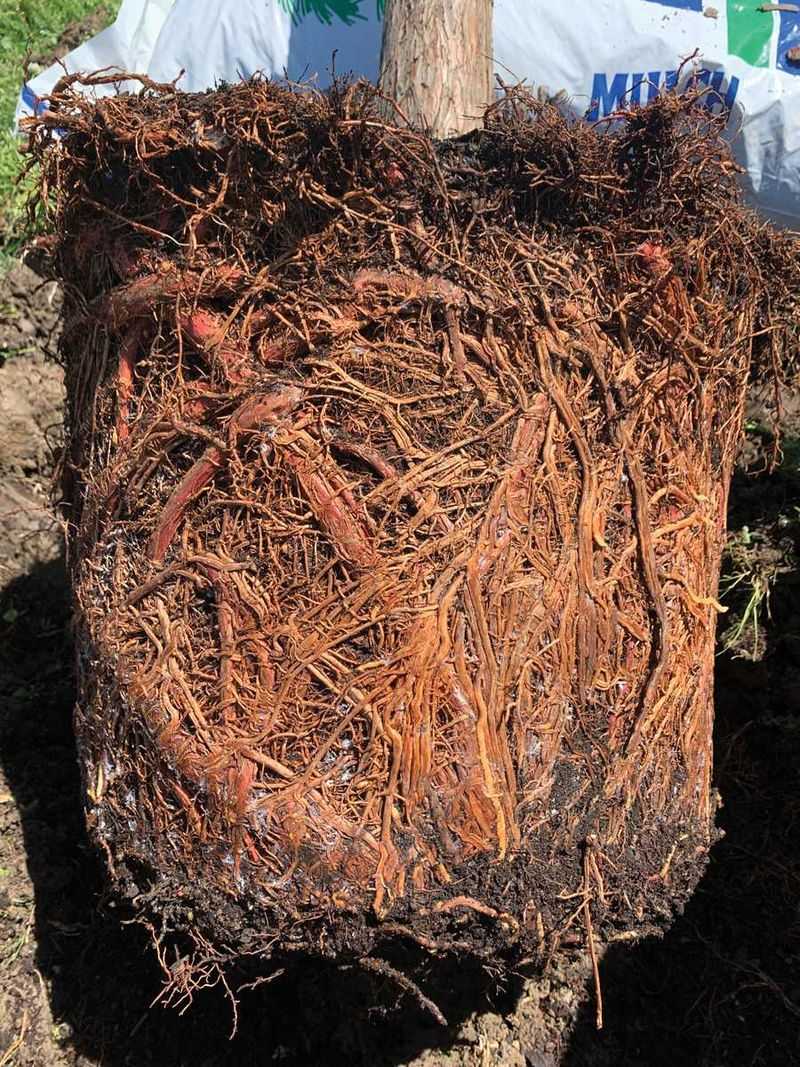
Plastic pots are smooth, and roots are explorers. When a growing root hits that wall, it turns and keeps going, lap after lap, until the pot looks like a ball of yarn.
Trouble is, roots remember that shape. Once planted, many keep circling instead of heading out into the yard. Some studies from university researchers show these roots can stay in their spiral for years.
Over time, a circling root can wrap around the trunk or a main root. As both thicken, the root squeezes the tissue that carries water and food. Arborists call this a girdling root, and it can quietly weaken a tree for a decade before anyone notices.
Warning signs often show up late. You might see a thin canopy, small leaves, early fall color, or a trunk that goes straight into the ground like a telephone pole with no flare.
Some trees also become unstable. A root system that never spread out gives poor anchoring, which matters during summer storms and hurricane remnants.
So the real question is not whether those roots matter. They clearly do. The question is what to do about them before the tree goes into the ground.
Yes, Grab The Knife And Fix Those Circling Roots
Short answer? Yes. Extension specialists, including those at NC State, recommend correcting circling roots at planting instead of leaving them alone.
Many gardeners worry that cutting roots will shock the tree. Not going to lie, I worried too. But a clean cut on a circling root usually triggers new roots to grow outward from the cut, right where you want them.
Leaving the spiral in place is the bigger risk. A small root you trim today is far easier to deal with than a thick girdling root strangling the trunk fifteen years from now. Fixing it later often means hiring an arborist, and sometimes the damage cannot be undone.
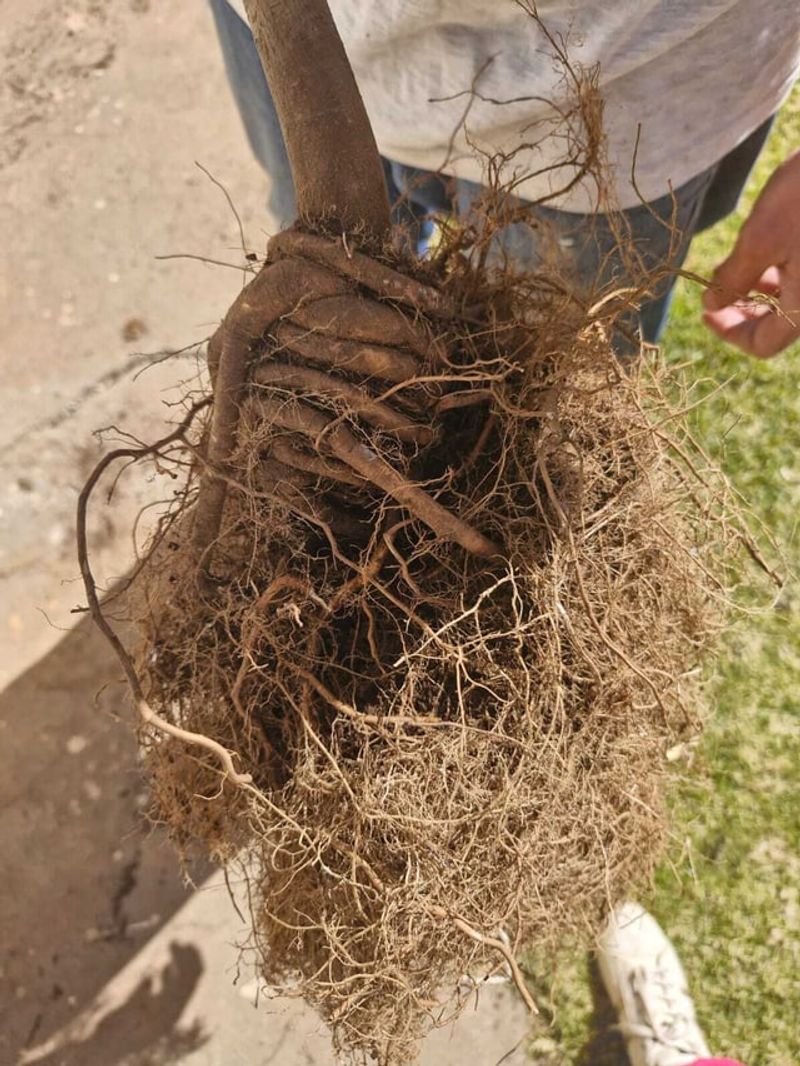
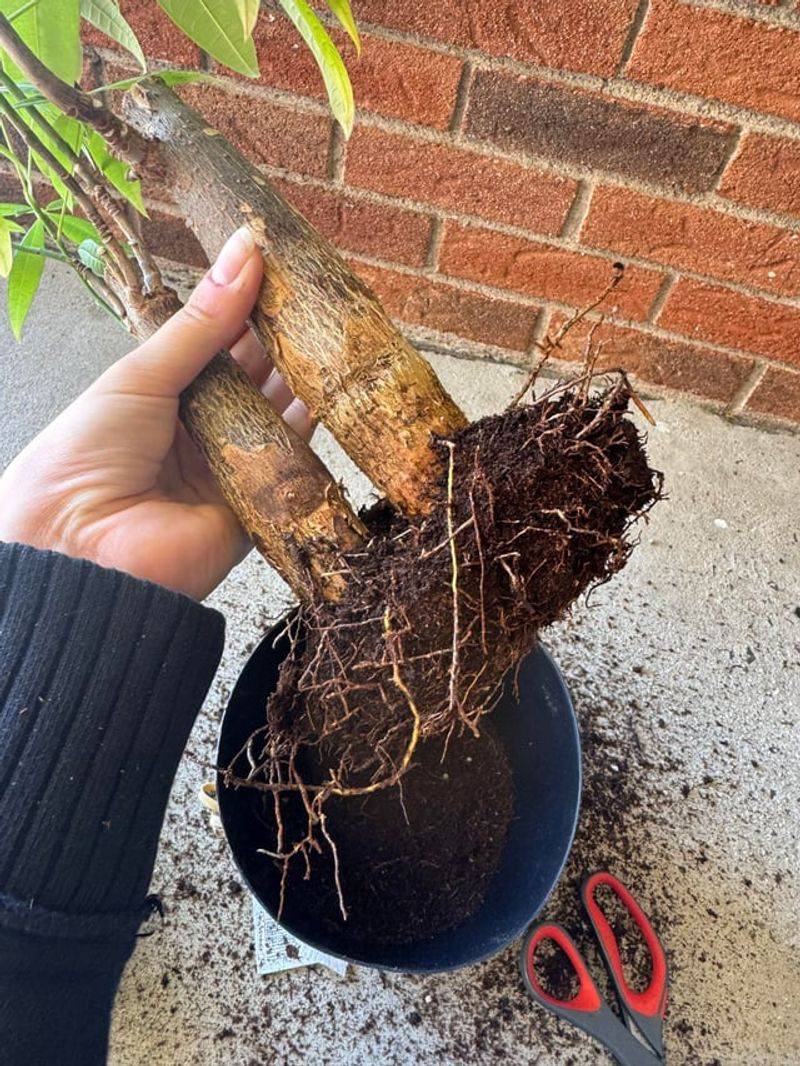
Small, lightly rooted trees may need only gentle teasing with your fingers. Pull the outer roots loose and spread them out like spokes on a wheel.
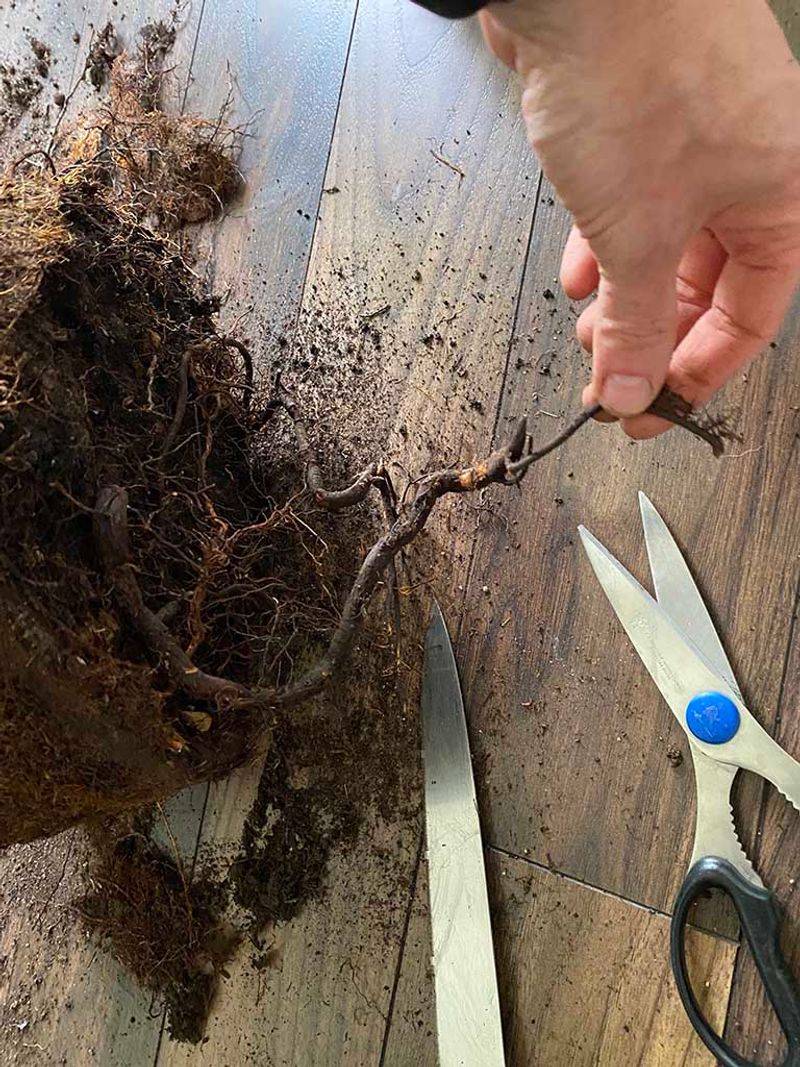
Heavily pot-bound trees need firmer work. Thick woody roots that circle tightly will not straighten by hand, so cutting becomes the practical choice.
Think of it as a one-time fix that costs you ten minutes. Your tree gets a fresh start, and you avoid a problem that might otherwise stay hidden until it is too late to correct easily.
Shaving The Outer Inch Of The Root Ball Works Surprisingly Well
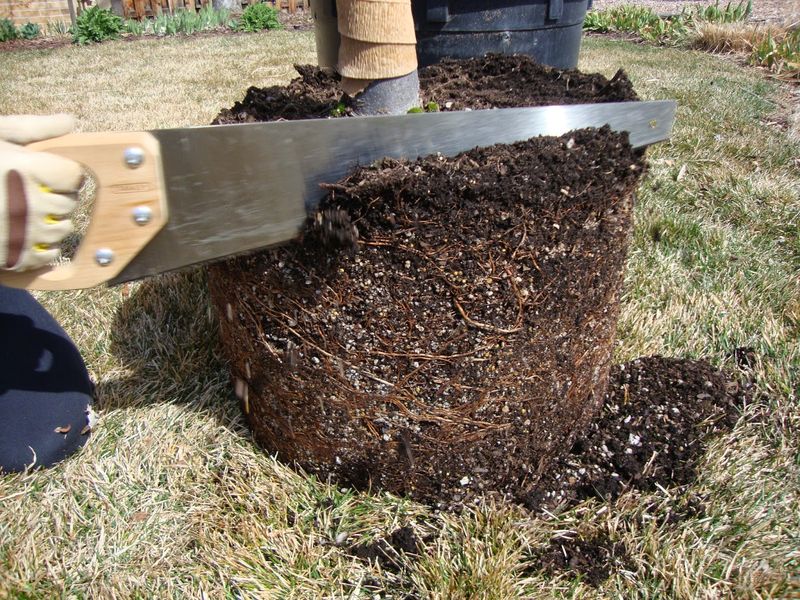
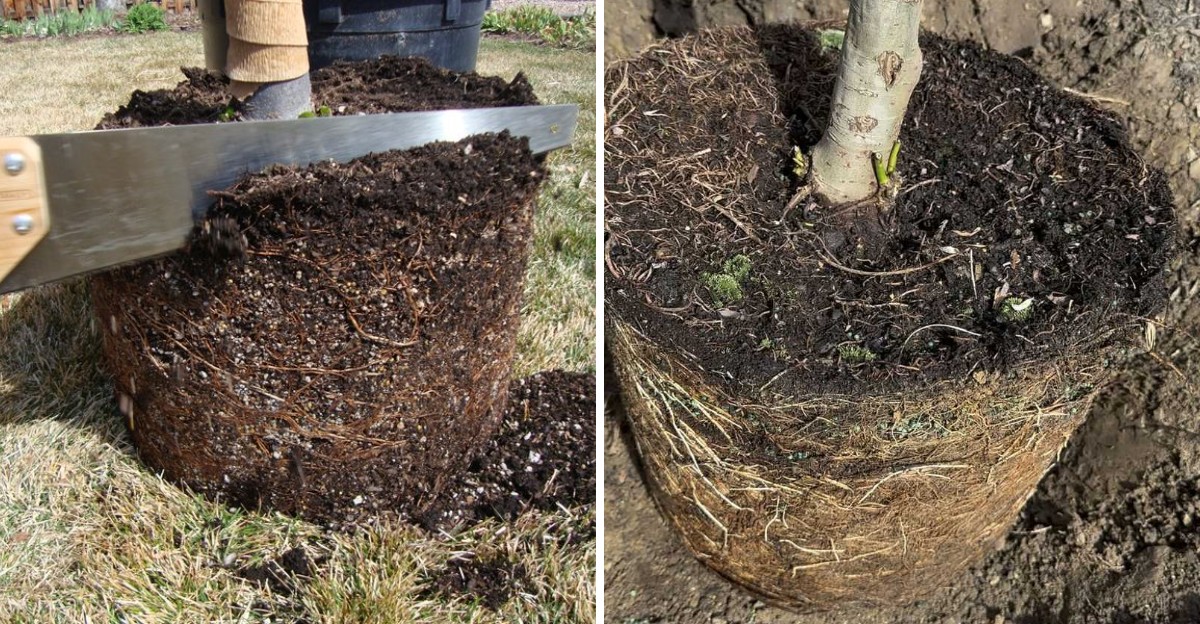
Researchers have tested a method called root ball shaving, and the results are impressive. You slice off the outer inch or so of roots on all sides with a sharp saw or knife, plus a thin layer from the bottom.
Sounds harsh, right? Studies from the University of Florida found that shaved trees often grew more roots outward and had fewer circling roots later, with little long-term harm to growth.
Box-cutting is another option. You trim the round ball into a square shape, cutting through every circling root along the edges.
A gentler method is slicing. Make three or four vertical cuts about an inch deep down the sides, then score the bottom with an X. This works best for mildly root-bound plants.
Whatever method you pick, use a clean, sharp tool. Ragged tears heal slowly, while crisp cuts encourage fast new growth.
Work quickly and keep the roots moist. Shade the root ball and plant right away so tender root tips do not dry out in the sun or wind.
I tried shaving on a pot-bound oak last fall. By spring, new white roots were already pushing into the surrounding soil.
Dig Down Until You Find The Trunk Flare
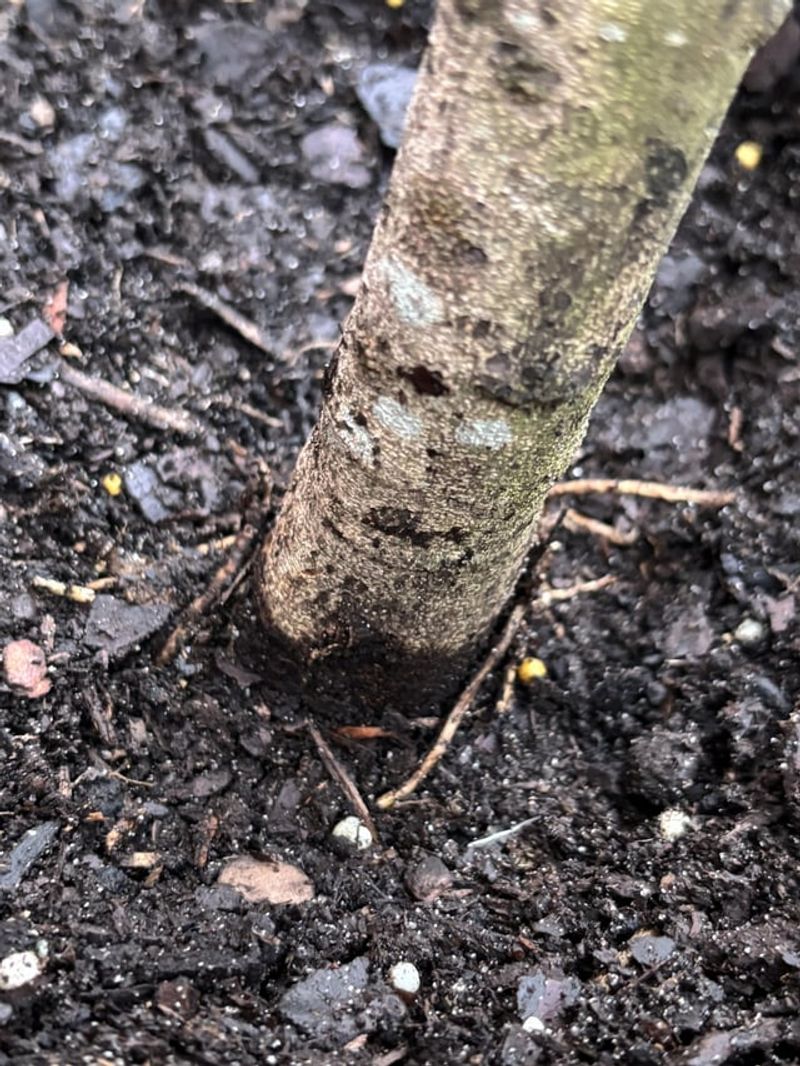
Here is something nurseries rarely mention. Many container trees arrive with extra soil piled over the top roots, sometimes several inches deep.
The trunk flare is where the trunk widens and the main roots begin. It should sit at or slightly above ground level after planting. If it ends up buried, roots can run short of oxygen, and new circling roots often form close to the trunk.
Before planting, brush away the top soil with your fingers until you find the first main root. You may be surprised how far down it sits.
While you are there, look for roots crossing over the top of others or wrapping the trunk. Snip those off now, since they are the ones most likely to cause girdling later.
Dig the planting hole no deeper than the root ball, measured from the flare down. Make it two to three times wider, though, because roots spread sideways much more than they grow down.
In heavy clay, setting the tree an inch or two high helps with drainage. Soil tends to settle, and a slightly high tree handles that better than one planted too deep.
Red Clay Soil Makes Root Escape A Little Harder
Anyone who has gardened in the Piedmont knows the feel of that sticky red clay. It holds nutrients well, but it can be tough for young roots to break into.
Container mixes are light and fluffy. When roots meet dense clay, they may prefer to stay put, circling inside the soft mix like it is a cozy room. Correcting circling roots gives them a nudge outward.
Rough up the sides of your planting hole, especially if you used a shovel that left them slick and glazed. A garden fork works great for scratching the walls.
NC State Extension generally advises against filling the hole with lots of compost or potting soil. Backfilling with the native soil you removed encourages roots to keep growing into the surrounding ground.
Coastal Plain gardeners deal with sandy soil instead, which drains fast and dries out quickly. Mountain gardeners may face rocky ground and shallow topsoil.
Each region has its quirks, but the root advice stays the same. Loosen or cut circling roots, then let the tree grow into the soil it will live in for decades.
Fall Planting Gives Trimmed Roots A Head Start
Every fall, I get the planting itch, and for good reason. In North Carolina, fall is widely considered the best time to plant trees.
Cool air means less stress on leaves, while warm soil keeps roots growing well into the season. Trees planted from October through early December can build new roots before summer heat arrives.
That timing pairs nicely with root correction. Freshly trimmed roots need time to regrow, and fall gives them months of mild weather to do it.
Late winter and early spring work too, as long as the ground is not frozen or soggy. Spring-planted trees just need closer watering attention as temperatures climb.
Summer planting is the toughest choice. Hot days and dry spells can push a newly cut root system too hard, so heavier root pruning is best saved for cooler months.
Mountain gardeners may face earlier frozen ground than folks near the coast. Watch your local forecast and aim for a mild stretch.
Fun fact: roots of many trees keep growing in winter whenever soil stays above about 40 degrees, even when branches look asleep.
Slow Watering And A Mulch Ring Help New Roots Settle In
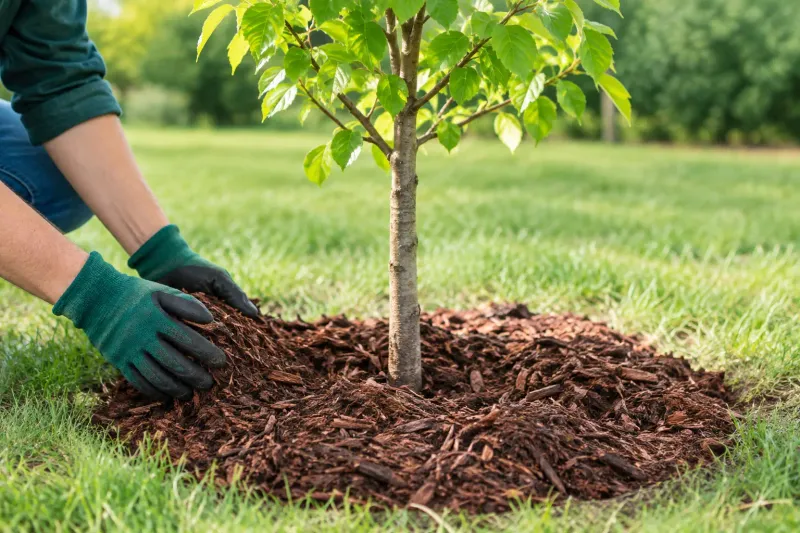
Trust me on this one, the watering after planting matters as much as the cutting. A root-pruned tree has less root to drink with for a while.
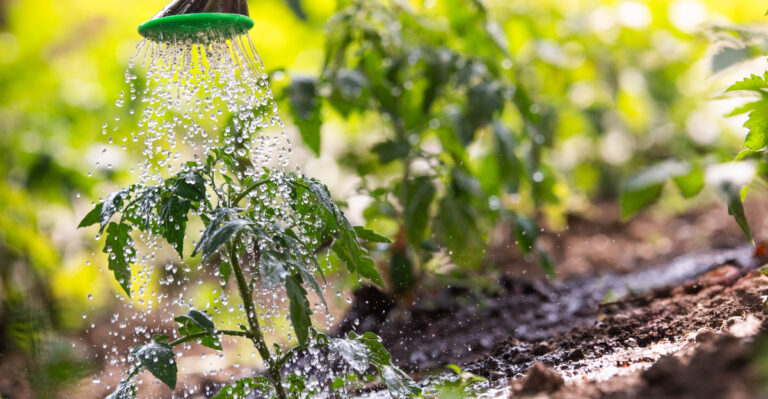
Water deeply right after planting so soil settles around the roots. After that, check soil moisture a couple of times a week during the first year, especially in dry spells.
A slow trickle from a hose for several minutes works better than a quick splash. You want water soaking the root ball and the soil just beyond it.
Keep an eye on the original root ball. Potting mix can dry out faster than the clay around it, even when the surface looks damp.
Spread two to three inches of mulch in a wide ring around the tree. Keep it a few inches away from the trunk, because mulch piled against bark invites rot and pests.
Skip the mulch volcano you see in parking lots. Those tall cones can encourage roots to grow up into the mulch and circle the trunk again.
Hold off on heavy fertilizer during the first season, too. Roots need time and moisture more than a nutrient boost.
Check The Roots Before You Even Buy That Potted Tree
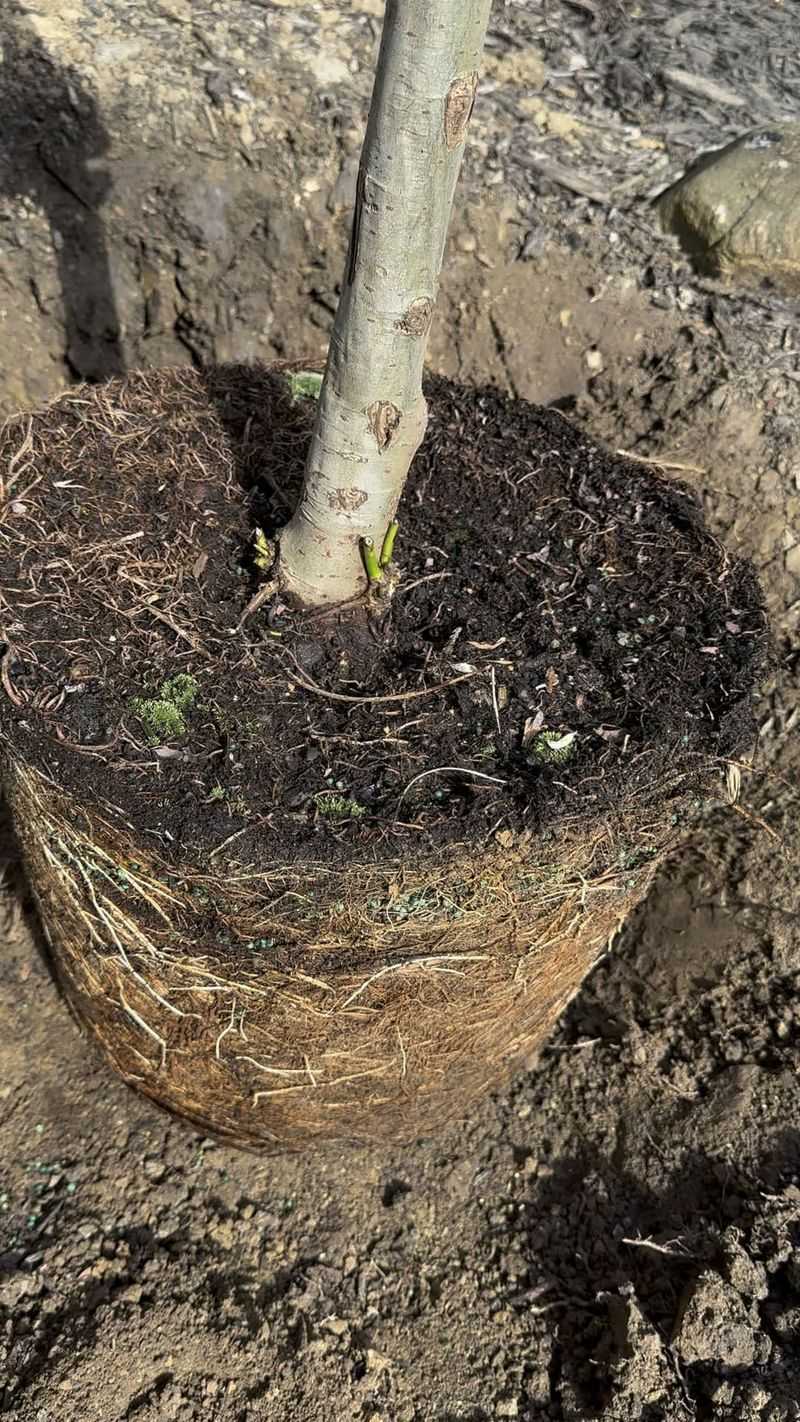
The easiest fix happens at the garden center. Guilty as charged, I used to pick trees by leaves alone.
Ask if you can slide the tree out of its pot for a quick look. Most nurseries will not mind. Healthy roots should fill the pot without forming thick, woody coils around the outside.
Watch for roots poking out of drainage holes or a tree that seems oddly large for its container. Both suggest it has been in that pot a long time.
Smaller trees often establish faster than big ones. A modest tree with good roots can catch up to a larger pot-bound one within a few years.
Some nurseries now use air-pruning pots or containers with ridges that redirect roots downward. These often produce better root systems.
Pick native or well-adapted trees too, like redbud, serviceberry, or willow oak. Healthy roots plus the right species is a strong combo.
So should you break up circling roots? Absolutely worth it, but checking first means less cutting later. A few minutes of inspection now can give you a sturdy shade tree that thrives for generations.