The Yard Chore That’s Spreading Creeping Charlie Across Your Ohio Lawn
A single snipped stem with one leaf node can sprout roots and start a brand-new plant. That tiny trick lets one stubborn lawn weed hitch a ride every time you head outside for a routine chore.
I love a freshly trimmed yard as much as anyone. Still, I had to laugh at myself when I learned one of my weekly habits was quietly helping a green invader move across the grass.
Ohio lawns give this plant plenty of what it craves. Big shade trees, damp soil, and thin turf make it feel right at home from Cincinnati to Cleveland.
You probably do this chore without a second thought. You can roll your eyes, but that harmless-looking job might be the best taxi service this weed has ever had.
1. That Whirring Mower Blade Might Be Giving Ground Ivy a Lift
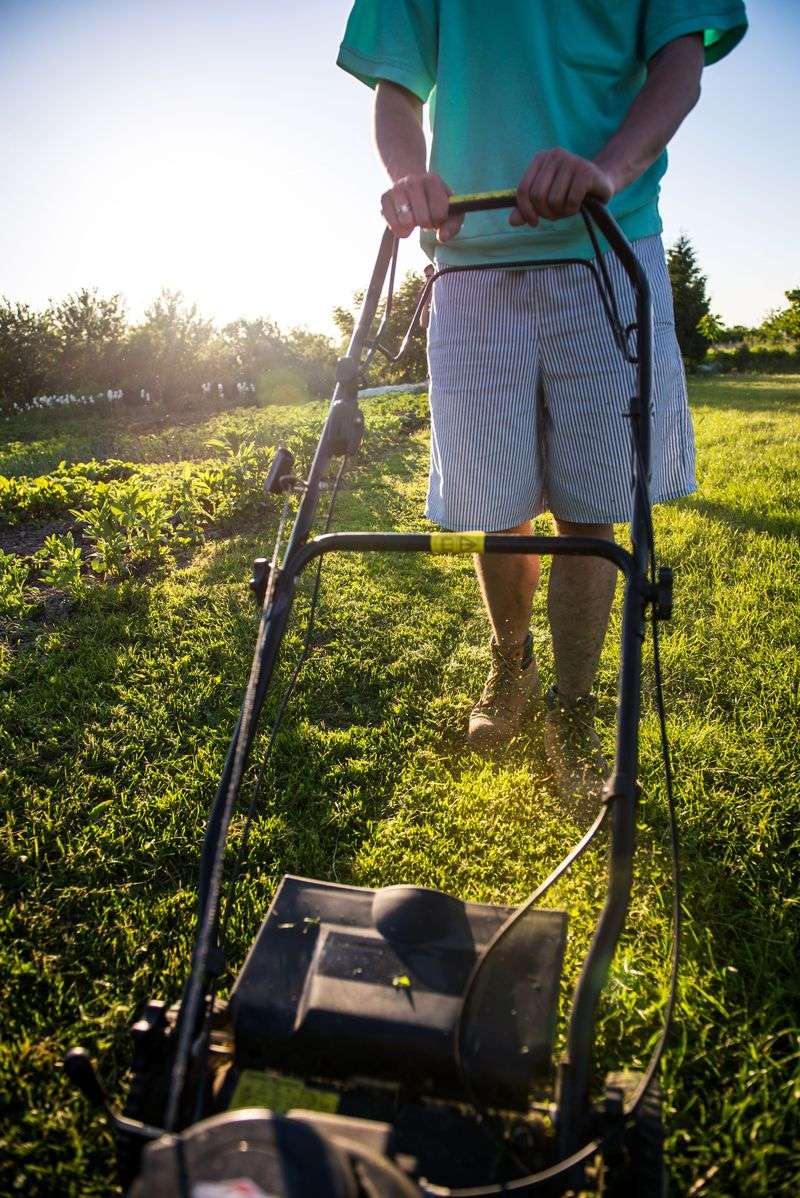
Mowing is the chore in question, and I know that stings a little. Creeping Charlie, also called ground ivy, spreads mostly by long runners called stolons that crawl along the soil surface.
Each runner has small joints called nodes. Wherever a node touches moist soil, it can push out roots and start a fresh plant.
A mower blade slices those runners into short pieces, and some of those pieces land in new spots.
Now add the discharge chute. Clippings get tossed several feet across the yard, and the mower wheels can drag bits from one patch to another.
A weed that once stayed in a shady corner can slowly show up along the sunny edges too.
To be fair, mowing is only part of the picture. University extension experts point out that the plant also creeps on its own and spreads by seed.
Mowing simply gives it extra chances to move.
You do not need to stop mowing. You just need to mow a little smarter, which the next sections cover.
Small changes in how you handle infested areas can slow this weed down more than you might expect.
2. Bag Those Creeping Charlie Clippings Before They Find New Soil
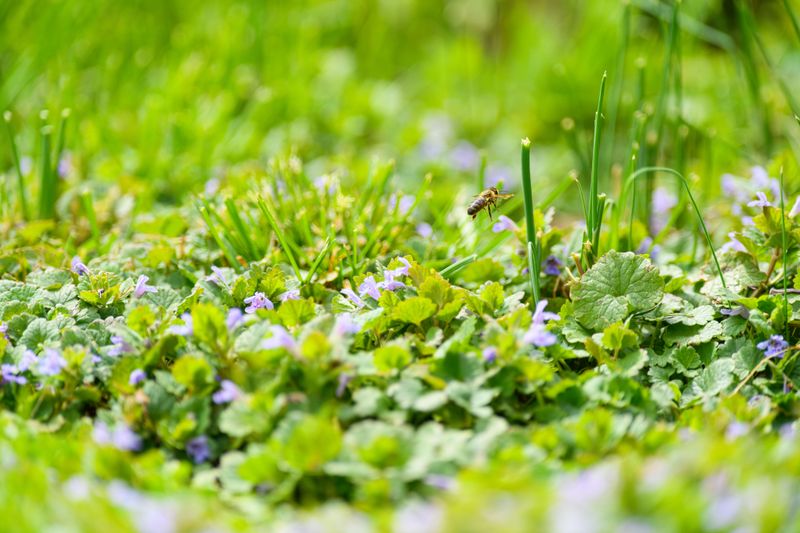
Here is my favorite quick fix, and it costs almost nothing. When you mow a patch thick with creeping Charlie, switch your mower to bagging mode for that section.
Bagging catches most of those chopped runners before they hit the ground. Fewer fragments scattered around means fewer chances for new rooting.
I like to mow the clean parts of the lawn first, then finish with the weedy areas so I am not carrying bits into healthy turf.
Once you finish, give the mower deck and wheels a quick brush off. Little pieces tend to cling there and fall off later in a different part of the yard.
A stiff brush or leaf blower works fine.
Where should the clippings go? Skip the backyard compost pile unless it heats up well, since a cool pile may let stems survive.
Many Ohio communities collect yard waste, so check your local pickup schedule or drop-off site.
For the rest of your lawn, leaving clippings in place is still great for soil health. Grass clippings return nutrients to the ground.
The goal is simply to keep weedy pieces from traveling, not to give up mulching everywhere.
3. Scalloped Leaves and Square Stems Give Creeping Charlie Away
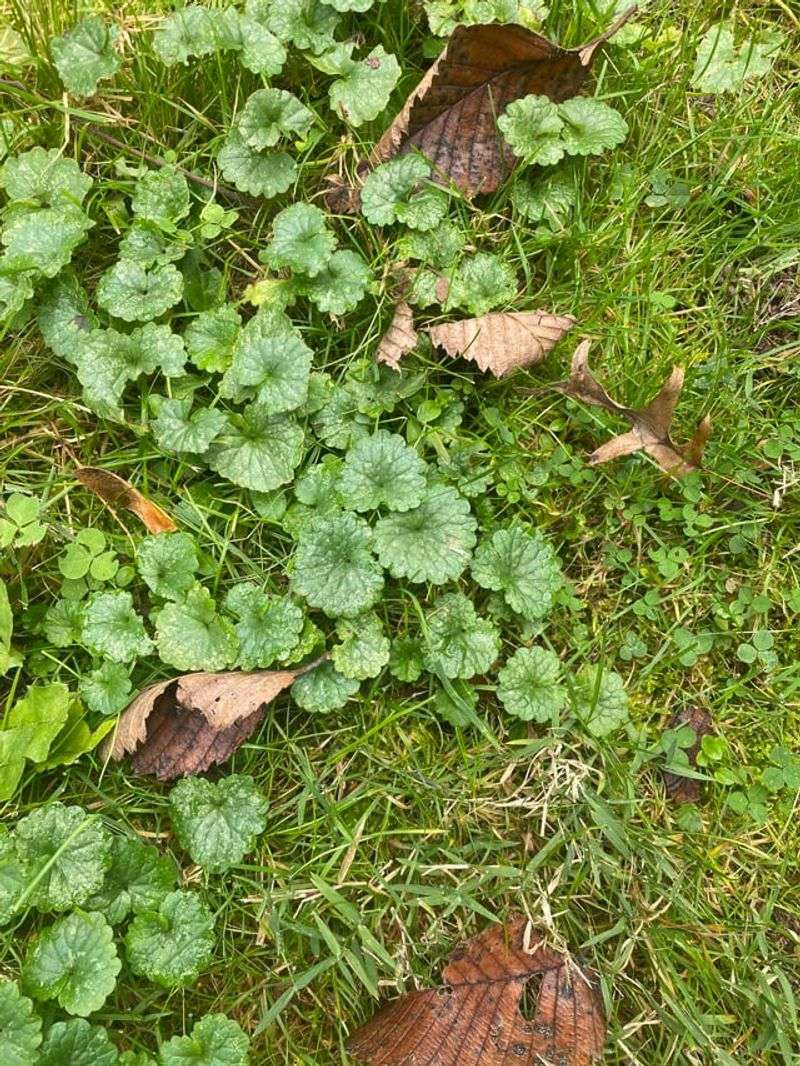
Before changing your routine, make sure you are dealing with the right plant. A few lookalikes, such as violets and henbit, share space with it in Ohio lawns.
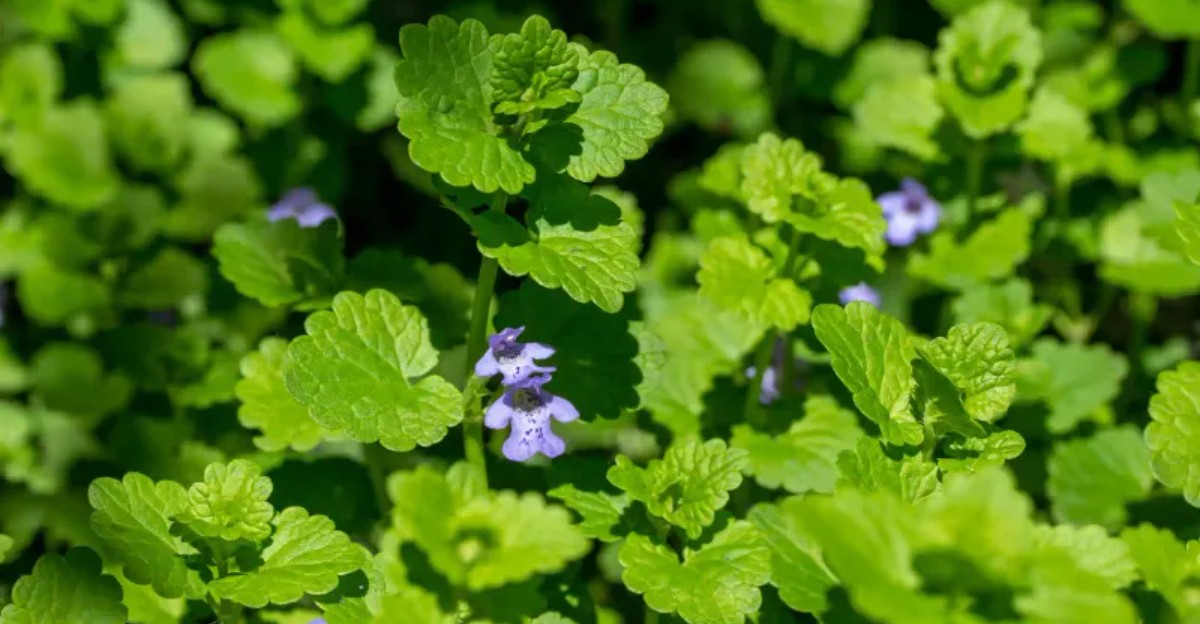
Creeping Charlie grows in low mats of bright green leaves. The leaves are round to kidney shaped with rounded, scalloped edges, and they sit in pairs across from each other on the stem.
Roll a stem between your fingers and you should feel four distinct sides.
That square stem is a family trait. Ground ivy belongs to the mint family, and crushing a few leaves releases a strong, minty, slightly musky smell.
I always give a suspicious patch the sniff test.
In spring, look for small purple to blue funnel-shaped flowers along the stems. They usually bloom from April into June, depending on where you live in the state.
Fun fact for history fans. Early European settlers brought this plant to North America on purpose, using it as a medicinal herb and for flavoring.
Long ago, people even used it in brewing. Its cheerful flowers seem harmless, but those roots at every node tell the real story.
4. Shady Corners Under Big Ohio Trees Are Ground Ivy Hot Spots
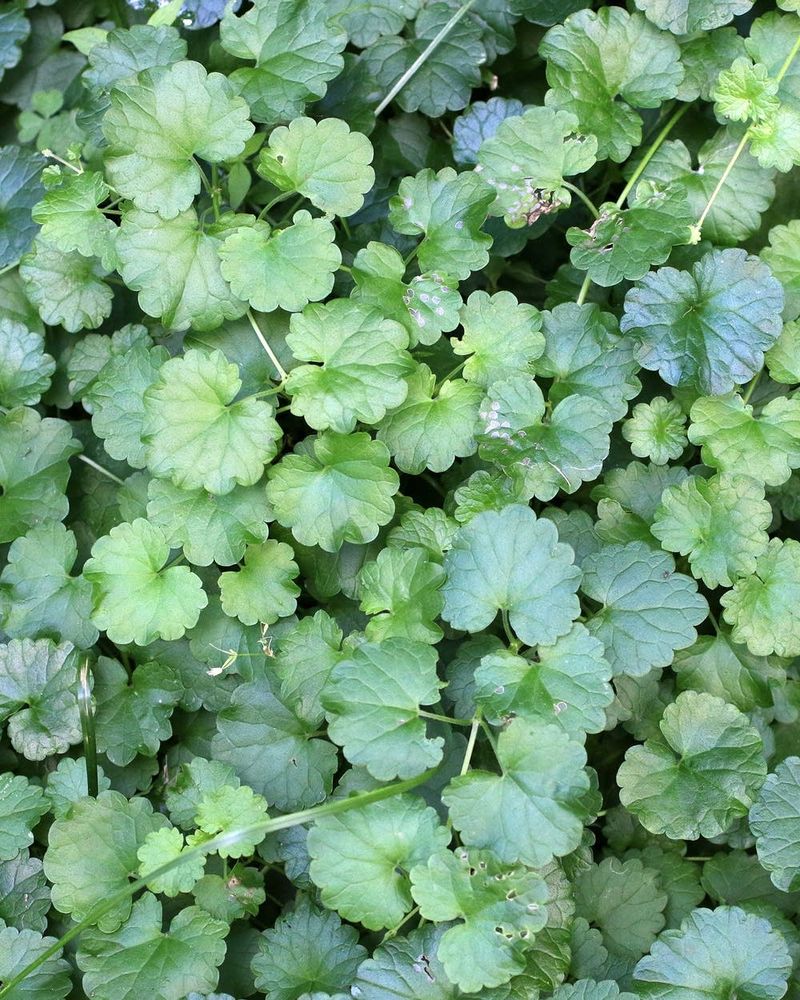
Walk around your yard and note where the green mats are thickest. Chances are good they hug the shady side of the house or sit under a mature maple or oak.
Ground ivy loves moist, shady ground where turfgrass struggles. Most cool-season lawn grasses need several hours of sun to stay thick.
When shade thins them out, the weed fills every open gap with its runners.
Soggy soil adds to the problem. Spots near downspouts, low areas that hold water, and heavy clay that stays wet are prime territory.
Many Ohio yards sit on clay soils that compact easily, which also weakens grass roots.
That said, this plant is not picky. Ohio State University Extension notes it can grow in sun as well, especially where turf is already thin or poorly fed.
Knowing these hot spots helps you plan. Those zones are where bagging clippings matters most, and where improving conditions pays off fastest.
Personally, I treat the shady areas as a separate project from the rest of the lawn, because what works in full sun often falls short under a dense canopy.
5. Fall Herbicide Timing Hits Creeping Charlie Where It Counts
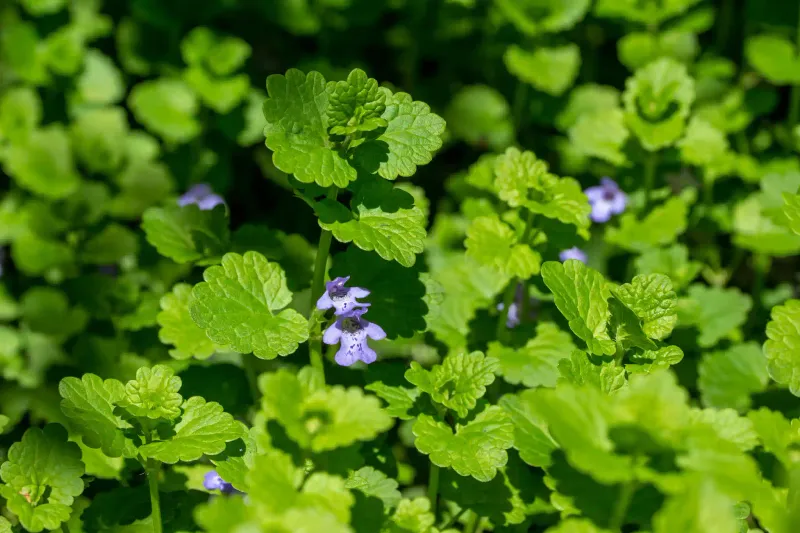
Timing can make or break your weed control results. Extension specialists across the Midwest agree that fall is the best season to treat creeping Charlie.
In autumn, perennial weeds move sugars down into their roots to prepare for winter. A systemic herbicide applied then travels along with those sugars, reaching deeper into the plant.
In Ohio, mid September through October usually works well, while the weed is still green and growing.
Product choice matters too. Ground ivy shrugs off plain 2,4-D fairly well.
Look for broadleaf products that contain triclopyr or dicamba, often sold in combination mixes. These tend to give much better control.
One round rarely finishes the job. A second application about three to four weeks later can improve results a lot, and heavy infestations may need treatment for a couple of seasons.
Read every label carefully before you spray. Follow the rates, avoid windy days, and keep products away from garden beds, ornamental plants, and the root zones of trees.
If you plan to overseed, check the label for how long to wait after spraying before putting down new grass seed.
6. Raise Your Mower Deck and Let Thick Grass Crowd Out the Vines
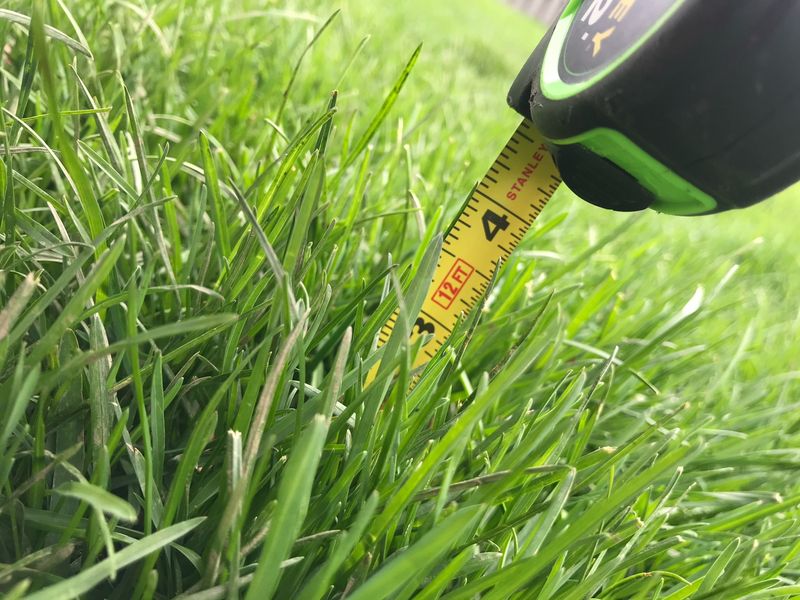
Funny enough, the same chore that spreads this weed can also help fight it. The trick is all in the height setting.
Mowing too short stresses grass and opens gaps for creeping Charlie to slide in. Set your mower to around 3 to 3.5 inches for most Ohio lawns of Kentucky bluegrass, tall fescue, and perennial ryegrass.
Taller grass shades the soil and grows deeper roots.
A good rule is to remove no more than one third of the blade at each mowing. Keep blades sharp, too.
Dull blades shred grass tips, which weakens the plant and slows its recovery.
Feeding matters as well. Ohio State University Extension recommends most lawn fertilizer in fall, when cool-season grasses build roots and store energy.
A thick, well-fed lawn leaves little room for runners to find bare soil.
Think of it as building a living fence. Thin turf is an open door, but dense grass forces the weed to fight for every inch.
Combined with bagging clippings in weedy areas, a higher mowing height turns your weekly chore from a problem into part of the solution.
7. Pull Small Ground Ivy Patches Gently and Grab Every Runner
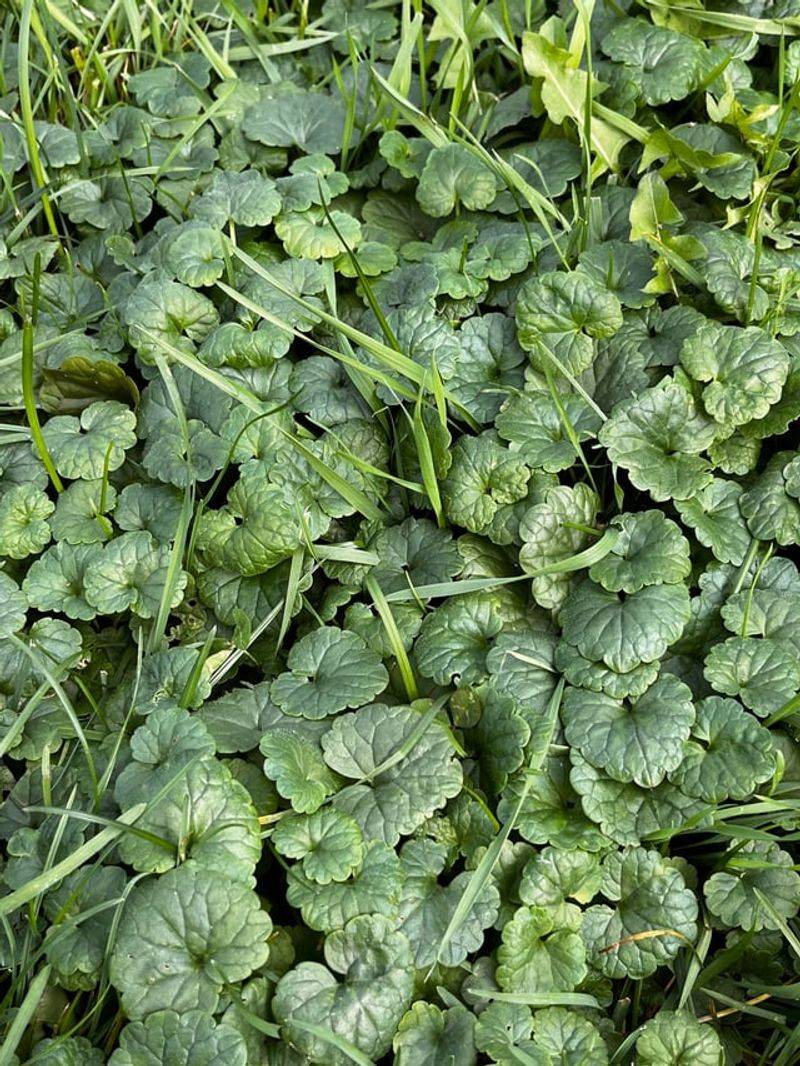
Got just a small patch near the patio? Hand pulling can work, as long as you are patient and thorough.
The best time is after a soaking rain, when the soil is soft. Grab a runner near its base and pull slowly, following it along the ground.
You will often lift a long chain of stems with little roots at each node.
Watch out for snapped pieces. Any bit you leave behind can root again, which is why rushed pulling sometimes makes patches worse.
I keep a bucket right beside me and drop every fragment in as I go.
Check back every week or two. New sprouts are easy to spot and simple to pull while they are tiny.
Over a season, repeat visits can clear a modest area.
For bigger sections, some gardeners cover the patch with cardboard or an opaque tarp for several weeks to block light. That method also affects any grass underneath, so plan to reseed afterward.
For small spots, though, steady hand work is cheap, chemical free, and oddly satisfying.
8. Overseed Thin Turf and Fix Soggy Soil to Keep Creeping Charlie Out
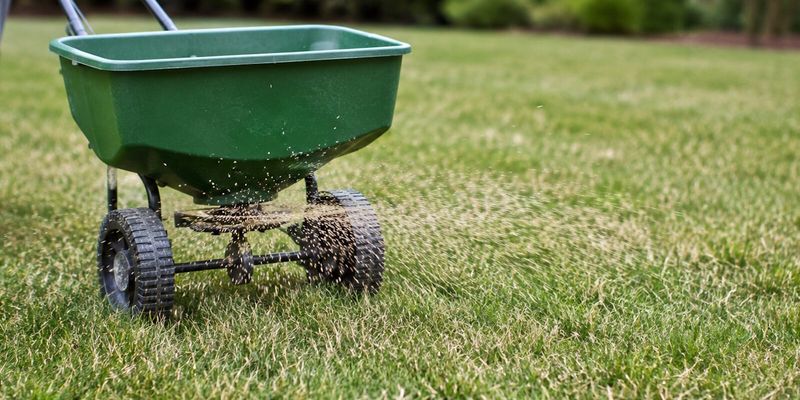
Lasting results come from changing the conditions this weed loves. Spraying and pulling help, but a healthier lawn keeps the problem from returning.
Start with light. Thinning lower branches on large trees lets more sun reach the grass.
For tree work on big limbs, a certified arborist is a smart call. In deep shade, choose shade-tolerant grass like fine fescues, or consider a shade-loving native groundcover bed instead of fighting for turf.
Next, tackle compaction and drainage. Core aeration in early fall loosens tight clay and helps water soak in.
Redirecting downspouts away from soggy spots can make a big difference.
Then overseed. Late August through September is prime seeding time across most of Ohio, since warm soil and cool air help new grass establish.
Fill thin areas so runners find no open ground.
My takeaway is simple. Keep mowing, but bag clippings from weedy patches, mow high, treat in fall, and thicken your turf.
Creeping Charlie may never fully vanish, yet with these steady habits, your lawn can hold its ground season after season.