9 Shrubs to Plant Instead of Ixora in Florida’s Alkaline Soil
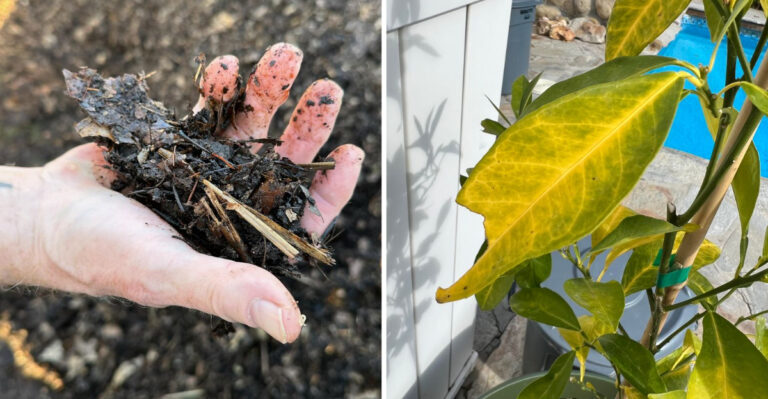
Plenty of the prettiest flowering hedges in South Florida turn yellow because the ground beneath them is ancient seafloor. That crushed limestone and shell can push soil pH above 7.5, which locks iron away from hungry roots.
One popular red-flowered shrub suffers badly here, showing pale leaves with green veins that scream iron deficiency.
Gardeners often pour on chelated iron and acid fertilizer, yet the yellowing usually returns within a single season.
My patience ran out after years of that battle, so I switched plants instead of fighting the dirt. You might notice your neighbors doing the same thing, sprinkling supplements every spring with mixed results.
Florida actually offers tough shrubs that shrug off chalky soil and still bring bright color and busy butterflies. You’re going to love how a few easygoing swaps can light up that sunny spot by your front door without a single bag of iron.
1. Firebush
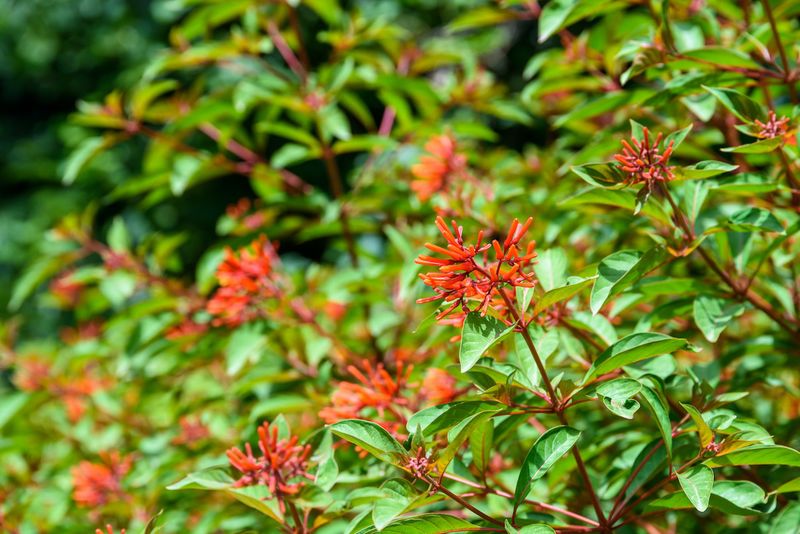
Hummingbirds treat firebush like a drive-through diner, zipping between its glowing orange-red tubes all summer long. I love how the clusters keep coming, with blooms that light up a hedge from spring until fall.
Native Hamelia patens grows across Florida and handles both acidic and alkaline ground without sulking or turning pale. Most plants reach six to twelve feet tall, so give them room or prune them back in late winter.
Full sun brings the heaviest flowering, though a few hours of afternoon shade still produces a respectable show. Once roots settle in, the shrub tolerates dry spells, but deep watering during long droughts keeps it lush.
Cold snaps can knock it back in northern and central counties, leaving bare brown stems after a hard freeze. You need patience here, because healthy roots usually push fresh shoots once warm weather returns in spring.
Butterflies like zebra longwings and sulphurs visit constantly, so plant it where you can watch from a window. Small berries ripen from green to red to glossy black, and many songbirds snap them up quickly.
Shop carefully, since some nurseries sell a compact non-native form often labeled African or dwarf firebush instead. Ask for the native species by its scientific name, and check the tag before carrying anything home.
Personally, I think a row of firebush beats any fussy hedge for color and wildlife on limestone soil. Skip heavy fertilizer, because too much feeding produces leafy growth with fewer flowers than you would expect.
2. Coontie
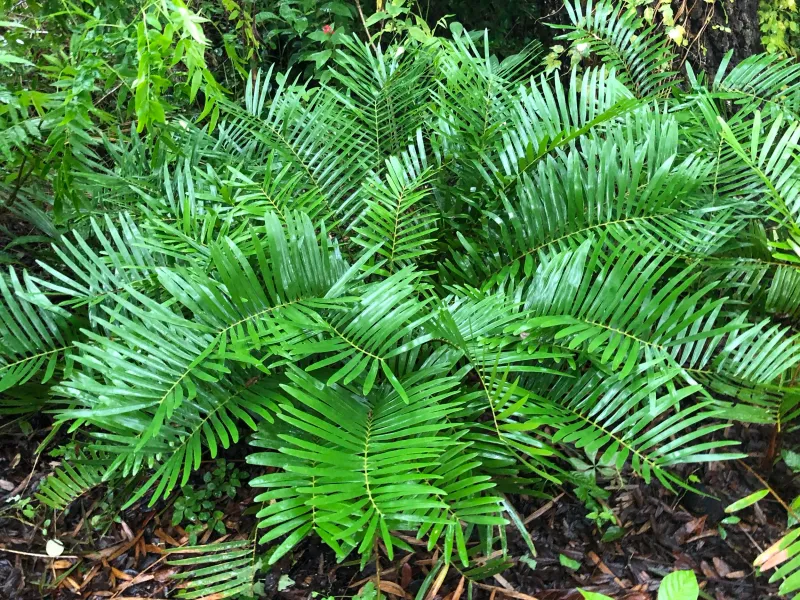
Tucked low and fern-like, coontie is actually a cycad whose ancestors shared the planet with dinosaurs. Its stiff, glossy leaflets look almost prehistoric, and I can’t imagine a tougher groundcover shrub for chalky yards.
Zamia integrifolia grows naturally across the state and thrives in sandy, alkaline soil with excellent drainage. Most clumps stay two to three feet tall, spreading slowly into neat mounds about four feet wide.
Shade or sun both work, though plants in brighter spots grow tighter and show lighter green foliage. Soggy ground causes trouble, so avoid low spots where rainwater sits for hours after summer afternoon storms.
Here comes the fun part, because coontie is the only native larval host for the rare atala butterfly. Those velvety black caterpillars with red spots may munch the leaves, but the plant usually regrows nicely.
Plants are either male or female, and females form chunky cones that split open to reveal orange seeds. Expect slow growth, so buying a larger container plant saves you years of waiting for a full look.
Every part of the plant is toxic if eaten, which matters a lot for curious dogs and toddlers. Seeds pose the biggest concern, so collect them promptly whenever a female cone starts splitting open in your bed.
Water new plantings regularly for the first few months, then let natural rainfall handle most of the work. Coontie also tolerates moderate salt spray, so beachside gardeners can tuck it near walkways and patios.
3. Simpson’s Stopper
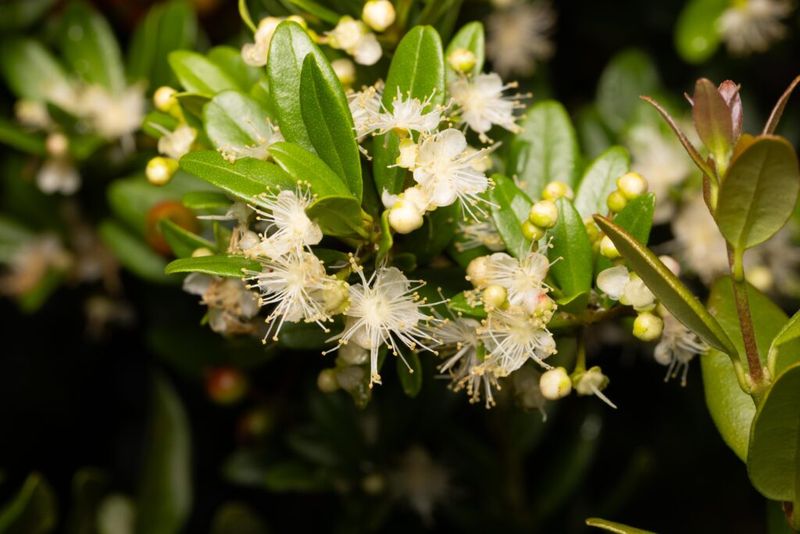
Crush a single leaf of Simpson’s stopper and you get a spicy citrus scent that lingers on your fingers. I love how this humble native turns a plain hedge into something you want to touch every visit.
Myrcianthes fragrans handles alkaline soil and salty breezes with ease, which makes it a favorite near the coast. Size varies widely, from five feet as a clipped shrub to roughly twenty feet as a small tree.
Peeling reddish bark reveals smooth coppery patches underneath, adding interest even during months when nothing is blooming at all. You might notice older trunks look almost polished, especially after rain darkens the colors for a while.
Fluffy white flowers appear mostly in late spring and summer, looking like tiny puffballs with a sweet fragrance. Bees love them, and the orange to red berries that follow attract hungry mockingbirds and cardinals quickly.
Full sun produces the densest growth, while partial shade gives a looser, more natural shape that some prefer. Established plants rarely need irrigation, though a deep soak during long spring droughts keeps leaves glossy.
Cold tolerance reaches into zone 9b, and it performs best in central and southern parts of the state. Gardeners farther north should plant it near a south-facing wall for a little extra winter warmth and protection.
Prune lightly after flowering if you want a formal hedge, though heavy shearing reduces the berry crop. Personally, I let mine grow a bit shaggy, because the birds reward that choice every single summer.
4. Green Buttonwood
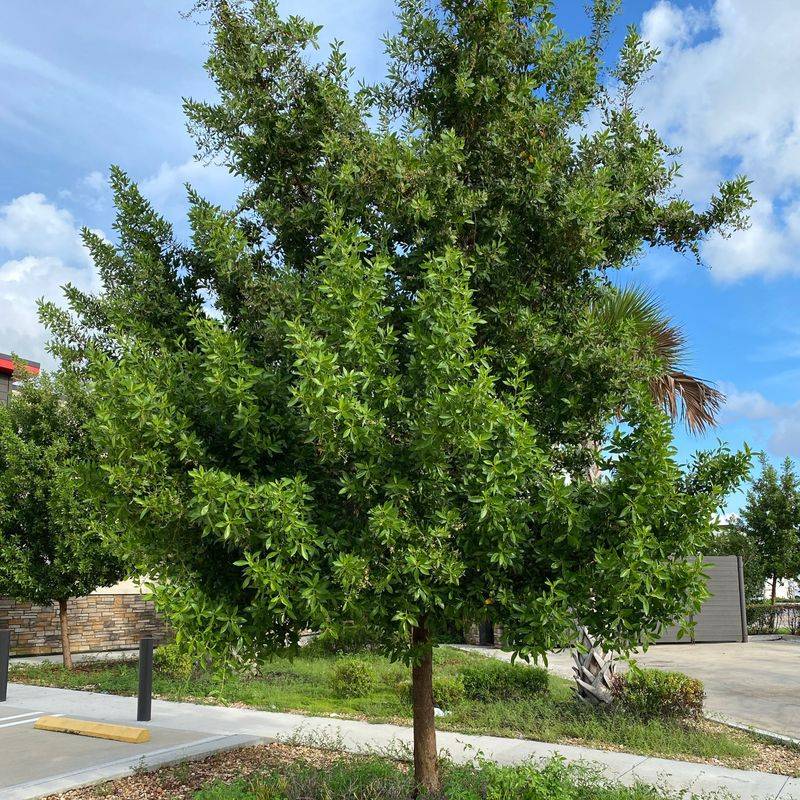
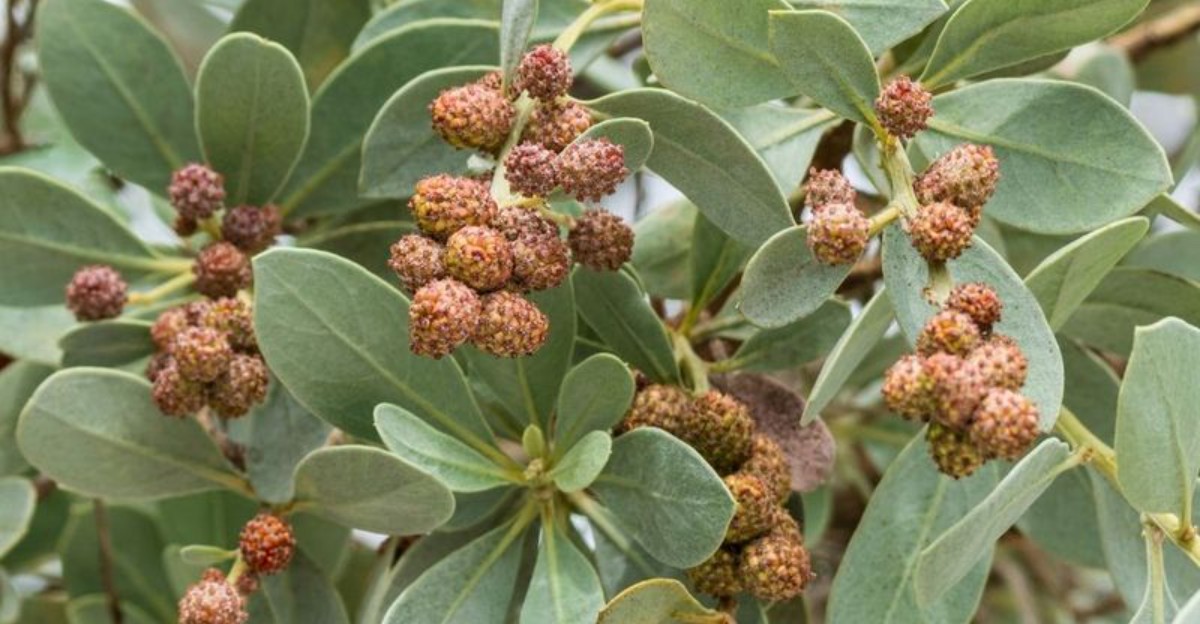
Salt water splashing over its roots barely bothers green buttonwood, a Florida native that grows naturally along mangrove edges. That toughness makes it one of the most forgiving hedge plants for limestone and coral rock yards.
Conocarpus erectus can become a forty-foot tree, but regular trimming keeps it a dense hedge around four to twelve feet. Narrow, smooth green leaves create a clean backdrop, and older trunks develop rugged, scaly bark with real character.
Cold limits where it thrives, since this plant prefers zones 10b and 11 in the southern tip and Keys. Gardeners in cooler regions should treat it as risky, because frost can brown the foliage quickly.
Soil type hardly matters, because buttonwood handles sandy fill and heavy alkaline clay without much complaint at all. Surprisingly, it also tolerates both drought and occasional flooding, which suits yards that swing between extremes.
Give it full sun for the thickest growth, since shade tends to stretch branches and thin the canopy. Flowers are tiny greenish buttons, and the round reddish-brown fruits explain how the plant got its name.
Wildlife benefits come mostly from shelter, as songbirds tuck nests into the dense branches of mature hedges. The tantalus sphinx moth also uses buttonwood as a larval host, so chewed leaves may have a story.
I believe this shrub earns its spot anywhere ixora once struggled near the coast or pool deck. Water it regularly during the first few months, then let it fend for itself through most dry seasons.
5. Silver Buttonwood
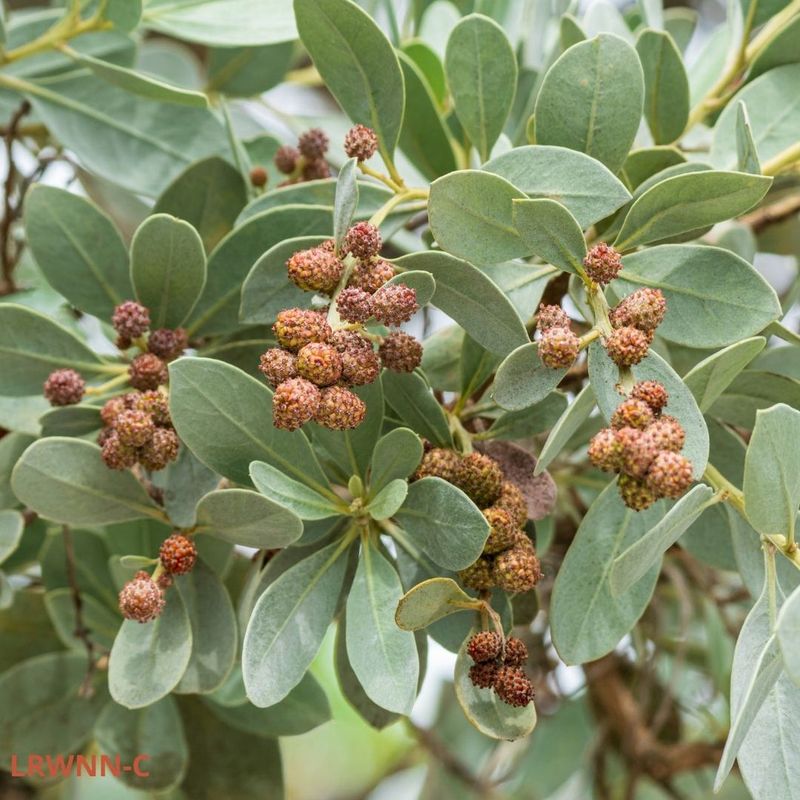
Sunlight bouncing off silver buttonwood leaves can make a whole hedge shimmer like brushed metal at noon. Fine silky hairs create that soft glow, and I have to admit I touch the leaves constantly.
Botanists list it as Conocarpus erectus var. sericeus, a silvery form of the green buttonwood native to coastal areas. It handles alkaline soil and strong salt spray with impressive calm, making it a seaside landscaping favorite.
Full sun is critical, because shade causes the foliage to fade toward a duller gray-green over time. Plant it in the brightest spot you have, ideally where reflected light from pavement adds extra intensity.
Untrimmed plants often reach fifteen to twenty feet with a low-branching, multi-trunk shape that looks wonderfully sculptural. Regular pruning keeps it shorter, and it takes shearing well if you prefer a crisp formal edge.
Like its green cousin, this plant prefers frost-free gardens in zones 10b and 11 down south. Colder spots risk winter damage, so northern gardeners may want to choose another silvery native instead.
Drought rarely fazes it after establishment, which makes it ideal for busy Florida homeowners who forget the hose. Watch for sooty mold or scale insects occasionally, and treat with horticultural oil if leaves turn sticky.
You’re in for a big surprise when that silver foliage glows under the moon on a summer evening. Pair it with dark green shrubs nearby, and the contrast makes both plants look even more dramatic.
6. American Beautyberry
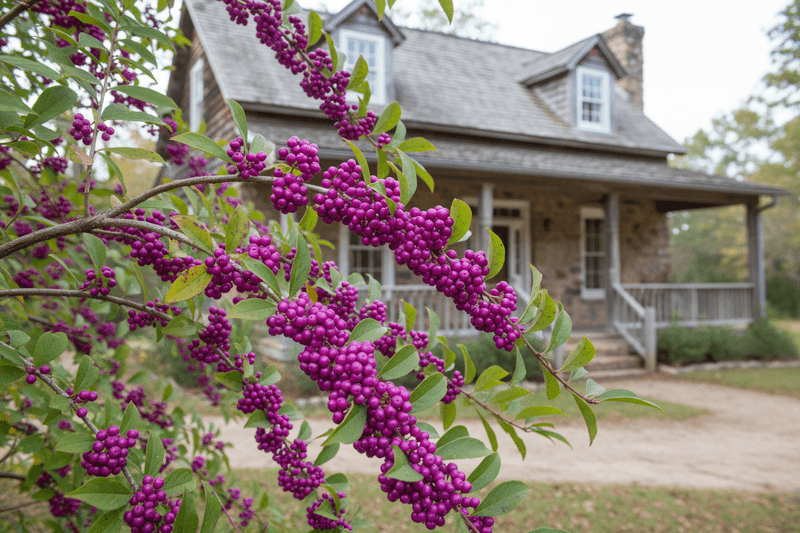
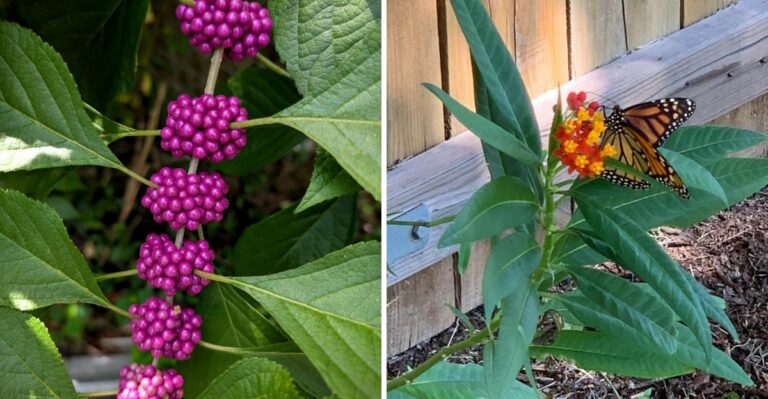
Neon purple berries wrapped tightly around bare stems look almost fake, yet American beautyberry produces them naturally. I love how they appear in late summer and often linger into winter, when color feels scarce.
Callicarpa americana grows statewide and tolerates slightly alkaline soil, though it may struggle on extremely high-pH pure limestone rock. Adding compost at planting time helps, and a layer of mulch keeps roots cooler and moisture steady.
Expect a loose, arching shrub about three to eight feet tall, with a similar spread over time. Leaves drop in cooler regions during winter, while southern plants may hold some foliage year round.
Small pink flowers open in late spring and early summer, drawing bees and butterflies to the clusters. Birds like mockingbirds and brown thrashers later gobble the berries, especially once other food runs low.
Full sun produces the heaviest berry crop, though partial shade still gives you a respectable purple show. Water regularly during the first season, then provide deep drinks only during long dry spells in spring.
Did you know crushed leaves contain compounds that USDA researchers found can repel mosquitoes in lab tests? Older Southern folk tradition involved rubbing the leaves on skin, though modern repellents remain more reliable.
Prune hard in late winter if plants get leggy, since berries form on the current season’s growth. Personally, I think a beautyberry beside the porch makes every autumn walk feel a little more magical.
7. Oleander
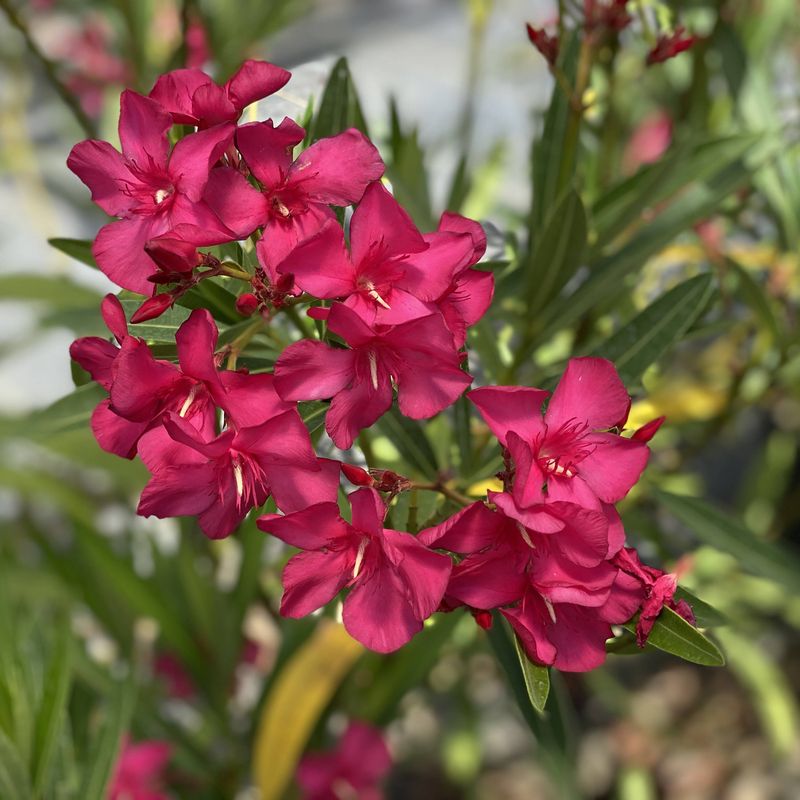
Few shrubs shrug off salty breezes and chalky soil quite like oleander, a Mediterranean classic in coastal neighborhoods. Its flower clusters come in pink, red, white, and soft salmon, blooming generously from spring into fall.
Nerium oleander actually prefers alkaline ground, which makes it one of the easiest swaps for limestone yards. Full sun keeps plants dense and flowering, while shady spots produce lanky stems with far fewer blooms.
Before you plant one, know that every part of oleander is highly poisonous to people and pets. Keep it away from play areas and dog runs, and wear gloves whenever you prune the branches.
Avoid burning the clippings, because smoke from the wood can cause serious health problems for anyone nearby. Bag them for yard waste pickup instead, and wash your hands thoroughly after handling any cut stems.
Standard plants can reach ten to eighteen feet, so dwarf varieties suit small yards and foundation beds better. It is non-native but not listed as invasive, which gives gardeners a reasonable option where other shrubs fail.
Watch for bright orange oleander caterpillars, which can strip leaves quickly during warm months in southern counties. Hand-pick them or prune infested tips, since the plant usually bounces back with fresh growth soon afterward.
I believe oleander works best for adults-only spaces like sunny side yards or roadside screening hedges. If kids or pets share your garden, one of the native choices on this list may suit better.
8. Podocarpus
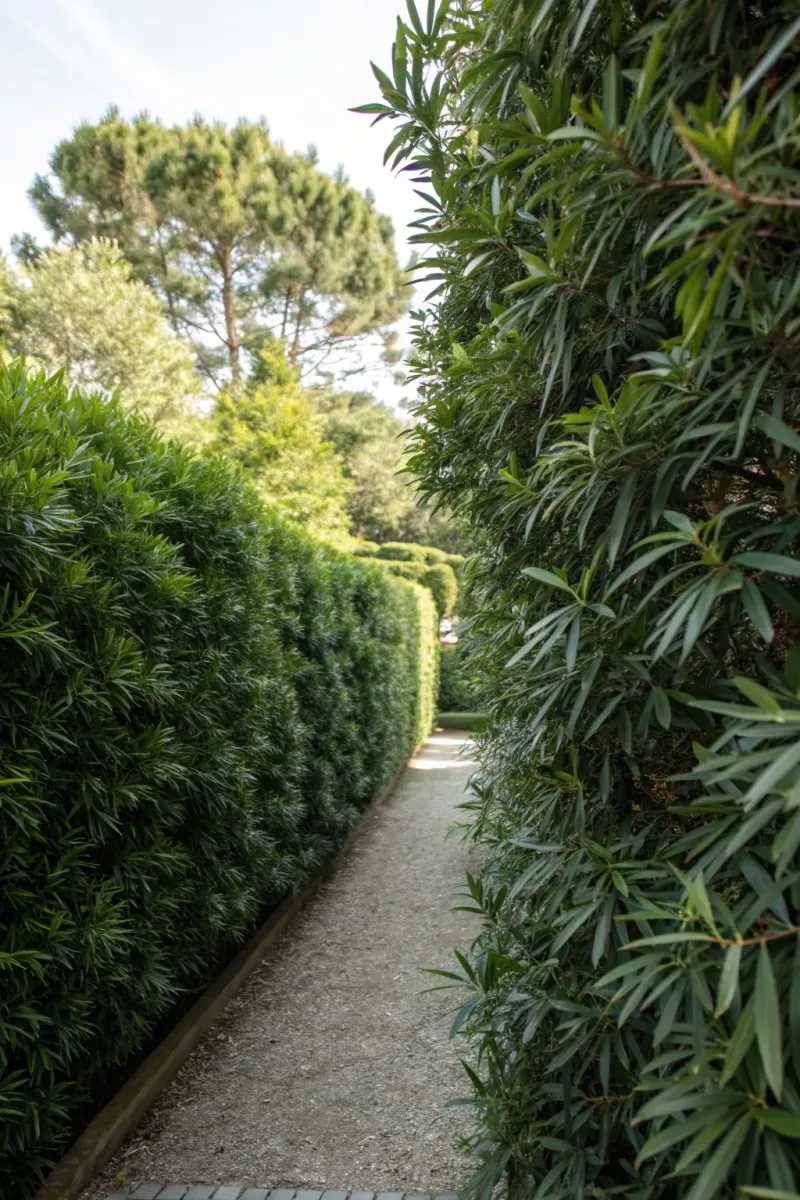
Clipped into tidy walls or soft columns, podocarpus has become a go-to hedge along countless suburban driveways. I like how its narrow, strap-shaped leaves give a fine texture that looks polished without much fuss.
Podocarpus macrophyllus, often called yew pine, adapts to sandy and alkaline soils better than many hedge plants. It tolerates salt well too, so coastal gardeners use it as a windbreak near the beach.
Some dwarf cultivars like Pringles may show yellow leaves on very alkaline soil, so watch them closely. A slow-release fertilizer with micronutrients often helps, and full-size forms usually handle high pH with fewer problems.
Sun or shade both work, which makes it handy for those tricky spots beside tall fences or buildings. Growth slows in deep shade, though, and plants become more open instead of thick and compact.
Native to Asia, podocarpus is not considered invasive here, and it has shown little tendency to spread. Female plants may form small fleshy purple fruits that birds enjoy, though flowers stay small and inconspicuous.
Leaves and seeds are mildly toxic if eaten, so discourage pets from chewing on low branches or fallen fruit. Deer usually ignore it, which helps gardeners in rural areas where hungry browsers wander through yards.
Shear new growth in spring and early summer to keep hedges dense from top to bottom over time. Trim the top slightly narrower than the base, so sunlight reaches lower branches and prevents thinning.
9. Saw Palmetto
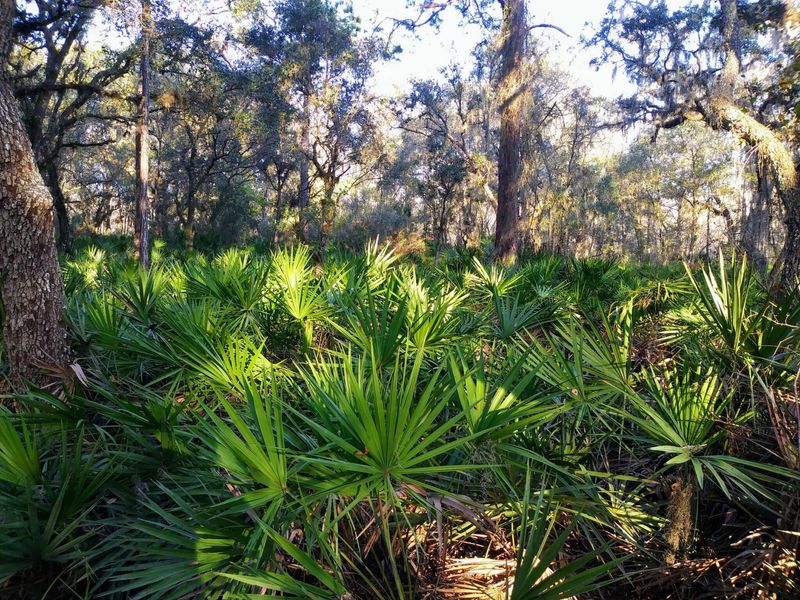
Walk through almost any pine flatwood and you’ll spot saw palmetto, a scrubby native palm whose clumps can live for centuries. Those fan-shaped fronds come in green or silvery blue, and the silver form looks stunning in sunny beds.
Serenoa repens handles calcareous soil without trouble, so even rocky limestone yards in the south suit it surprisingly well. Most clumps grow three to ten feet tall and wide, with trunks that often creep along the ground.
Watch your hands, because the leaf stems carry sharp teeth that inspired the saw part of its name. Plant it away from narrow walkways, and wear sturdy gloves whenever you remove old brown fronds.
Fragrant creamy flowers appear in spring and buzz with bees, including those producing the region’s famous palmetto honey. Shiny blue-black fruits follow, feeding bears, deer, raccoons, and many birds across the state’s wild lands.
Growth is slow, so buy the largest container you can afford if you want an instant natural look. Nursery-grown plants transplant far better than wild-dug clumps, which rarely recover after being pulled from their roots.
Full sun to partial shade works well, but deep shade leads to sparse fronds and very little flowering. Water new plants regularly for several months, then let rainfall handle things except during severe droughts.
Personally, I think saw palmetto brings a wild, native feel that no clipped hedge can quite copy. Mix it with coontie or firebush, and you’ve built a tough bed that laughs at alkaline soil.