This Mouse-Sized Florida Animal Has a Venomous Bite, and It May Be Living Under Your Mulch
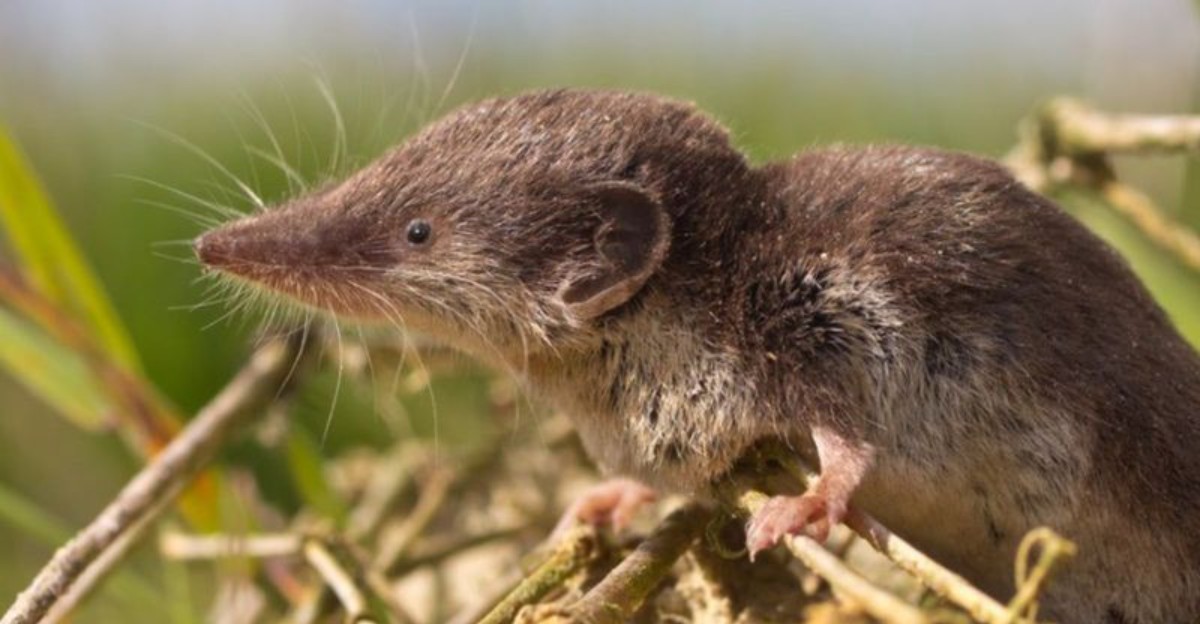
A few mammals on Earth make venom, and one of them may be hunting under your flower bed tonight. Its spit carries a toxin strong enough to stun a beetle or a slug in seconds.
I was amazed to learn this tiny hunter lives across most of Florida. It weighs about as much as two quarters.
It also has to eat almost nonstop, or it quickly runs out of energy.
You have probably walked right past one without noticing. It stays hidden in leaf litter, loose soil, and that cozy mulch you spread every spring.
Personally, I find that both a little creepy and pretty wonderful.
So what does this secret neighbor look like, and should you worry about that bite?
The answers are more reassuring, and far more interesting, than you might expect.
1. That Pointy-Nosed Mouse in Your Mulch Is Something Else
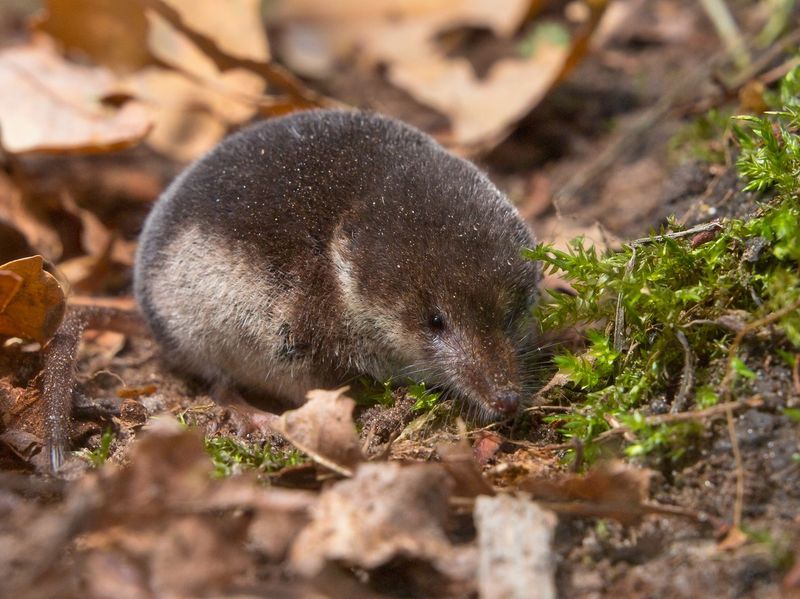
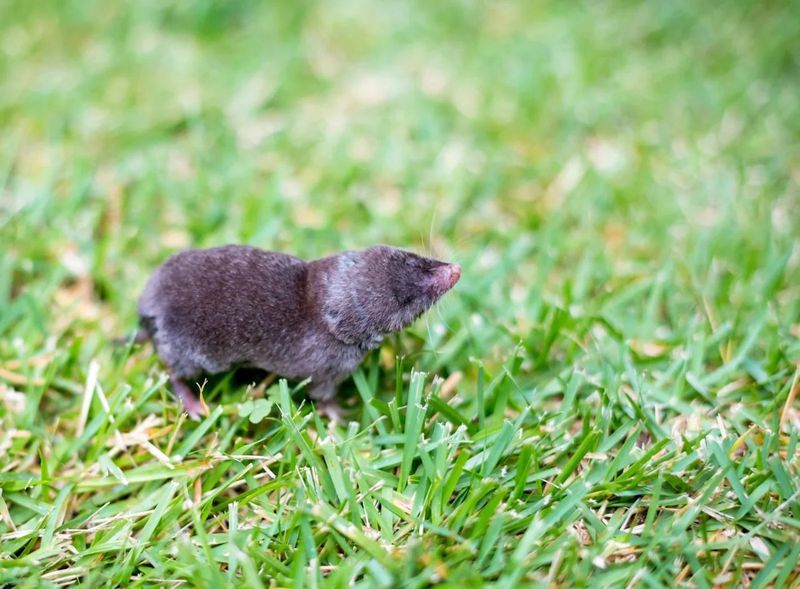
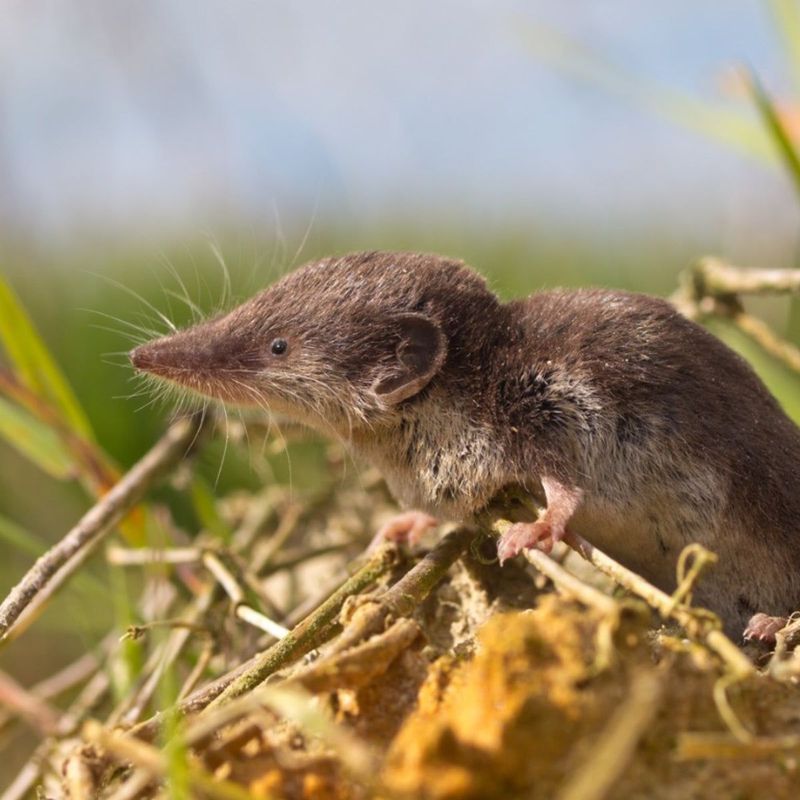
Take a closer look at the next tiny gray critter that zips past your shrubs. If its nose is long and pointed, with tiny eyes and almost hidden ears, you just met a shrew, not a mouse.
The most common one in Florida gardens is the southern short-tailed shrew, Blarina carolinensis. It grows about 3 to 4 inches long, including a stubby tail under an inch.
Its fur is soft, dark gray, and almost velvet-like.
Shrews are not rodents at all. They belong to a group of insect-eaters, closer in family terms to moles than to mice.
Mice have big ears, large dark eyes, and front teeth made for gnawing seeds.
A shrew has small, sharp teeth with reddish-brown tips. That color comes from iron in the tooth enamel, which helps the teeth resist wear.
It is one of the easiest clues if you ever find one your cat brought home.
Florida also has a couple of other shrew species, like the least shrew. The least shrew is even smaller, with brownish fur.
Still, the short-tailed shrew is the one famous for its venom, so it gets the spotlight here.
2. The Short-Tailed Shrew Bite Packs Real Venom

Here is the part that surprises almost everyone. Short-tailed shrews make venom in glands under their lower jaw.
It flows along grooves in their teeth when they bite.
Scientists found the key toxin in the related northern short-tailed shrew. It is a protein called blarina toxin, similar to enzymes known as kallikreins.
In small prey, it causes paralysis and drops blood pressure, so the shrew can handle animals close to its own size.
Researchers believe the southern species uses venom the same way. That lets it tackle slugs, big beetles, and even small salamanders.
Some shrews store paralyzed insects for later, like a living snack pantry.
So how worried should you be? Not very.
People who have been bitten usually describe burning pain and some swelling around the bite for a few days.
No serious human cases are on record in medical reports I could find. The venom is built for tiny prey, and a shrew delivers only a small dose.
I would call it a memorable sting, not a medical emergency, though you should still treat any wild animal bite with care.
3. Garden Gloves Keep Shrew Bites Off Your Hands
Picking one up is pretty much the only way most people get bitten. Shrews do not chase people.
They bite when grabbed, trapped, or pinned under a hand.
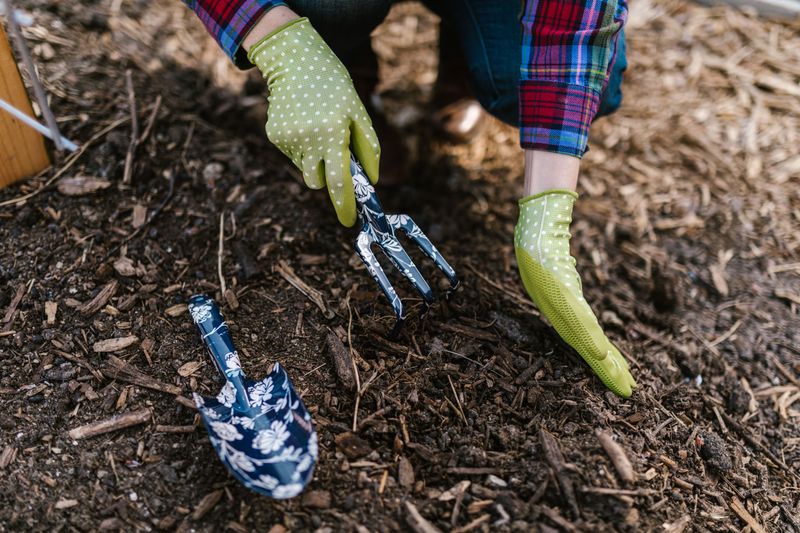
That makes prevention simple. Wear sturdy gloves when you dig into thick mulch, pull leaf piles, or move boards and stepping stones.
Leather or thick coated gloves work better than thin cotton.
If you uncover a shrew, give it a second to run. They are fast and usually vanish into the nearest tunnel.
Please do not try to catch one barehanded to show the kids.
Got bitten anyway? Wash the spot well with soap and running water.
A cold pack can ease the burning, and an over-the-counter pain reliever may help.
Call your doctor if redness spreads, swelling grows, or you see signs of infection. Any wild animal bite can carry germs.
Rabies in shrews is very rare, but a doctor or your county health department can tell you if follow-up is needed.
Pets face similar risks. Curious dogs sometimes get a sore lip from a shrew.
Most cats pounce on them but rarely eat them, thanks to a musky scent.
4. Thick Mulch and Leaf Litter Make Perfect Shrew Housing
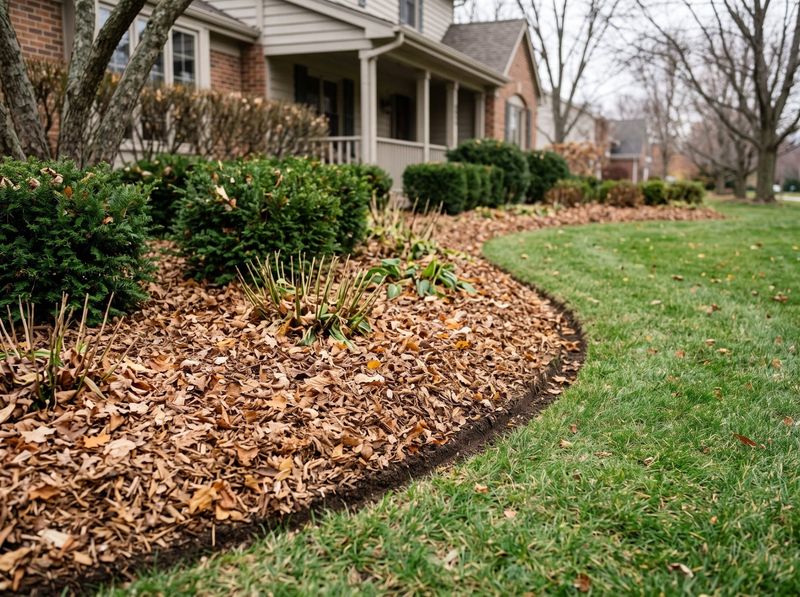
Mulch is basically a five-star hotel for a shrew. It stays damp, cool, and full of bugs, which is everything this little hunter wants.
Southern short-tailed shrews live through nearly all of Florida, though not in the Keys. In the wild, they favor moist woods, brushy edges, and grassy fields.
Our yards copy those spots surprisingly well.
Shrews dig shallow runways through loose soil and leaf litter. They also borrow tunnels made by moles and other small animals.
A thick mulch layer gives them cover from hawks, owls, and snakes overhead.
They build nests of shredded leaves and grass under logs, stumps, or rocks. Summer rains in Florida keep these spots moist, which helps the earthworms and insects shrews depend on.
If your garden has shady beds, a compost pile, and lots of leaf cover, odds are decent a shrew visits. That is not a sign of a messy yard.
It usually means your soil is alive and full of small creatures.
I think of it as a compliment from nature. Healthy soil feeds the bugs, and the bugs feed the shrew.
5. Tiny Tunnels and a Musky Smell Give Shrews Away
Most of us will rarely see a shrew in daylight. They move fast, stay low, and hunt both day and night.
Still, they leave clues.
Look for narrow runways and holes about an inch wide in mulch or loose soil. These can look a lot like vole or mole signs.
You may also notice small piles of soil near rocks, logs, or the edge of a bed.
Listen too. Shrews make high-pitched twitters and clicks.
Short-tailed shrews even use a simple form of echolocation, sending out ultrasonic clicks to sense their surroundings.
Then there is the smell. Shrews have scent glands that give off a strong musky odor.
Many predators find them unpleasant to eat, which is why cats often leave them on the doorstep.
Their need for food is wild. A shrew may eat roughly its own body weight or more each day.
Without food for just a few hours, it can quickly weaken.
One fun way to confirm a visitor is a trail camera aimed low at a mulch bed. Night clips can show a blur of gray zipping by.
6. Slug-Hungry Shrews Can Be a Gardener’s Quiet Helper
Slugs chewing your hostas? Cutworms toppling your seedlings?
A shrew may be on your side.
Short-tailed shrews eat insects, beetle grubs, caterpillars, slugs, snails, centipedes, and spiders. They also eat earthworms, which is the one downside for compost lovers.
Now and then they take tiny frogs or baby mice.
Because they need so much food, a single shrew covers a lot of ground every day. That steady hunting helps keep pest numbers lower without sprays.
I like that they work the hidden spaces we cannot easily reach. They patrol under mulch, along the base of shrubs, and deep in leaf piles where many pests hide.
Shrews also rarely harm plants. They do not gnaw bulbs, bark, or roots the way voles and rats do.
If a plant is being chewed from below, look for another culprit first.
To keep shrews helping, cut back on broad insecticides and slug bait. Those products reduce their food and can harm wildlife that eat poisoned prey.
A mix of native plants, leaf cover, and healthy soil gives these hunters plenty to do.
7. Keep Shrews Outdoors With a Few Easy Yard Tweaks
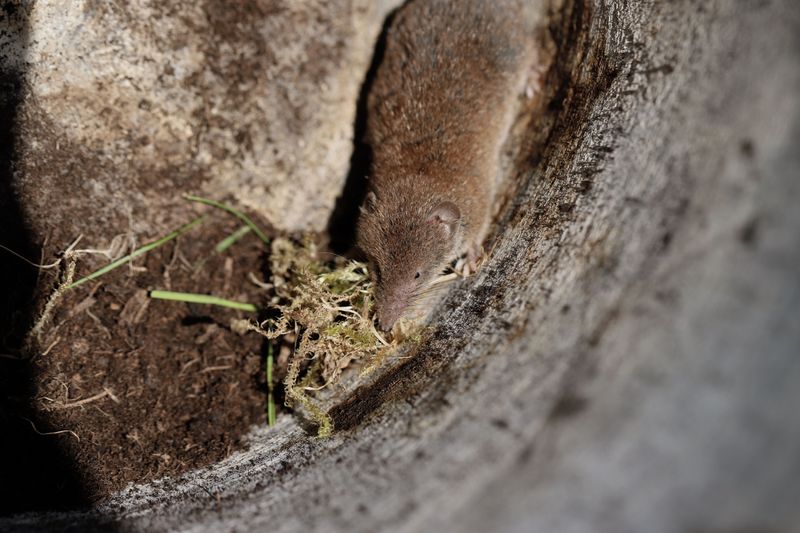
Living alongside shrews works best when they stay in the garden. Once in a while, one wanders into a garage or a house, usually by accident.
Start at the foundation. Keep mulch pulled back a few inches from walls, and consider a strip of gravel against the house.
That also helps limit termites, which Florida homeowners know too well.
Next, seal gaps around pipes, doors, and vents. Shrews can squeeze through small openings, so use steel wool, caulk, or hardware cloth.
Door sweeps on garages help a lot.
Store firewood, boards, and bags of mulch away from the house. Those piles offer shelter close to your walls.
If a shrew does get inside, open a nearby door and give it a clear path out. You can also gently cover it with a container while wearing gloves, slide cardboard underneath, and release it outside.
Shrews are not protected as game animals, but poisons are a poor choice. They put pets and owls at risk.
If you have a real ongoing problem indoors, a licensed wildlife control company can handle it humanely.