Why Florida Gardeners Should Put Down The Pruners In November
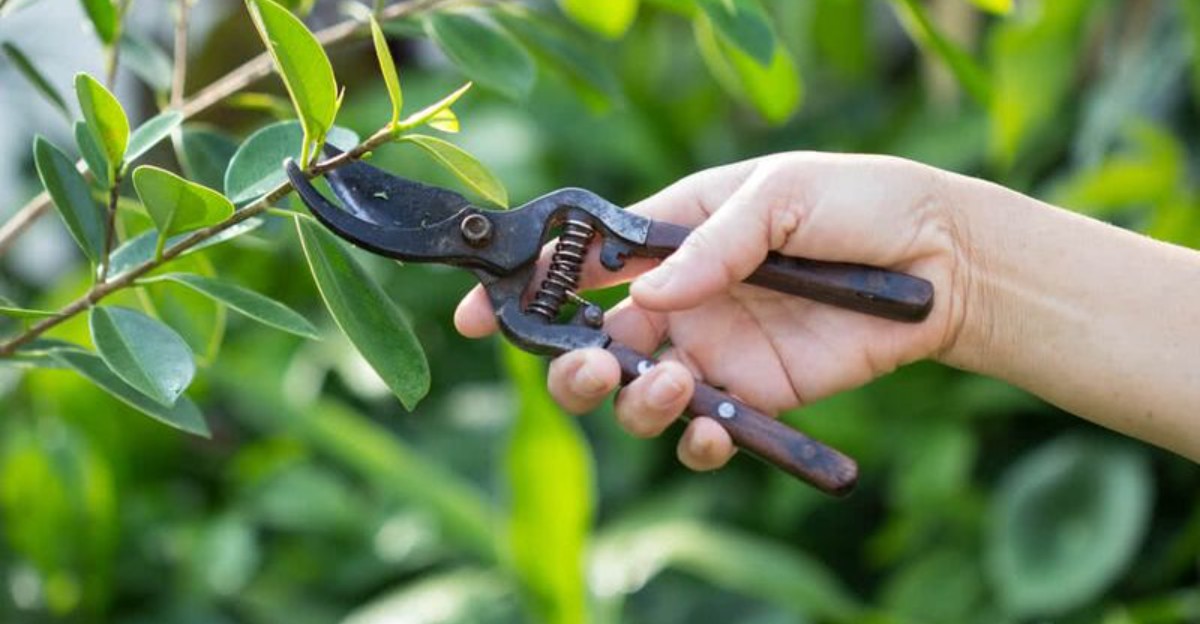
Your pruners are itching for something to do, and November is the month to say no.
The weather feels perfect for yard work, cool enough to sweat less and sunny enough to enjoy it. Plenty of Florida gardeners march out with shears in hand, certain they’re getting ahead of winter.
A few weeks later, the plants look like they lost a fight.
Some cuts pay off right away. Others set off a chain reaction that shows up at the worst possible moment, when a cold snap catches fresh growth with nothing to protect it.
A short list of plants deserves a hall pass. Another list deserves a firm hands-off sign.
Tuck the shears back in the shed and read up first. The yard can wait a few weeks.
1. Seed Heads Are Still Feeding Wildlife
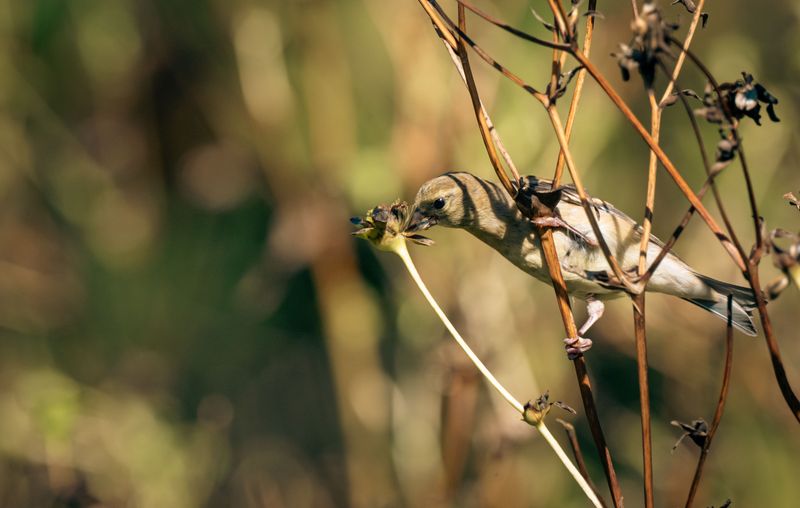
Picture a bright red cardinal clinging to a dry coneflower, pecking away like it found a snack bar. That scruffy seed head you wanted to snip off is actually lunch.
Birds such as cardinals, sparrows, and goldfinches lean on these seeds when the weather cools. The seeds are packed with fats, oils, and protein that give small birds the energy they need.
Other food sources get harder to find as the season shifts. Your garden can fill that gap without you buying a single bag of birdseed.
Dried stalks do even more good. Native bees and some butterflies tuck themselves inside hollow stems or hide among old leaves to rest through winter.
Cutting everything back removes those cozy hiding spots. A tidy bed may look nice for a week, but it leaves helpful insects with fewer places to shelter.
Good plants to leave standing include black-eyed Susans, coneflowers, blanket flowers, and native sunflowers. Many native grasses also hold seeds that birds enjoy picking through.
Want the bed to look cared for anyway? Trim a neat edge along the path and leave the middle a bit wild, which tells neighbors the mess is on purpose.
Grab a chair and a cup of coffee near a window. Watching birds visit your seed heads may become your favorite part of the cool season.
2. Pruning Can Push Out Tender Growth Right Before A Freeze
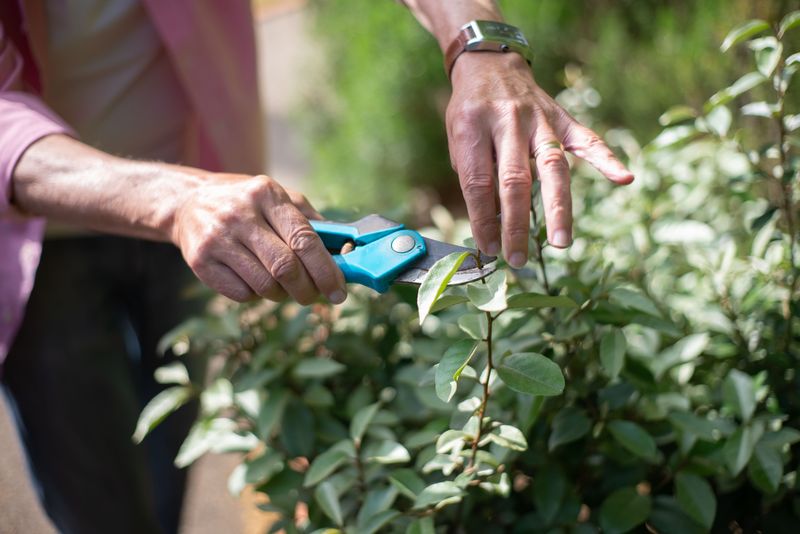
Plants are a lot like teenagers. Tell them to do something, and they respond in ways you did not plan for.
A fresh cut sends a signal to a shrub that says grow, grow, grow. Within a few weeks, soft green shoots pop out where you snipped.
That new growth is thin, juicy, and tender. It has not had time to toughen up, which gardeners call hardening off.
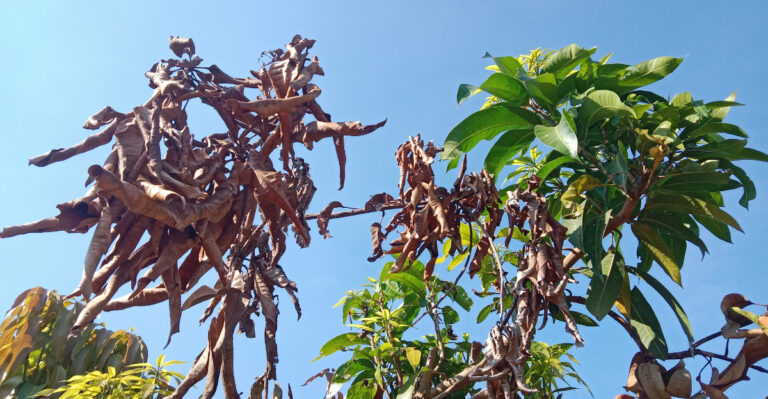
Florida weather can flip fast in late fall and winter. One cold snap can turn those bright new shoots brown and limp overnight.
The damage does not stop at the tips. Pruning at the wrong time can remove healthy wood and expose the growing layer under the bark to later freezes.
Plant experts suggest waiting until the threat of frost has passed. In most of the state, that means late winter or early spring, depending on where you live.
Your Florida Garden Changes Every Week. Your Plan Should Too.
Gardening in Florida changes quickly throughout the season. Every Friday you’ll receive a simple weekly plan showing exactly what to plant, prune, fertilize, harvest, and protect so you never miss the right timing.
North Florida gardeners usually wait the longest. South Florida yards may warm up sooner, but a surprise chill can still sneak in.
So what can you do with that restless energy? Rake leaves into beds as mulch, clean and sharpen your tools, and sketch out your spring plans.
Your shrubs will rest calmly through winter. Come spring, they will be ready to grow strong when the weather finally cooperates.
3. Evergreen Shrubs And Trees Should Wait Until Late Winter
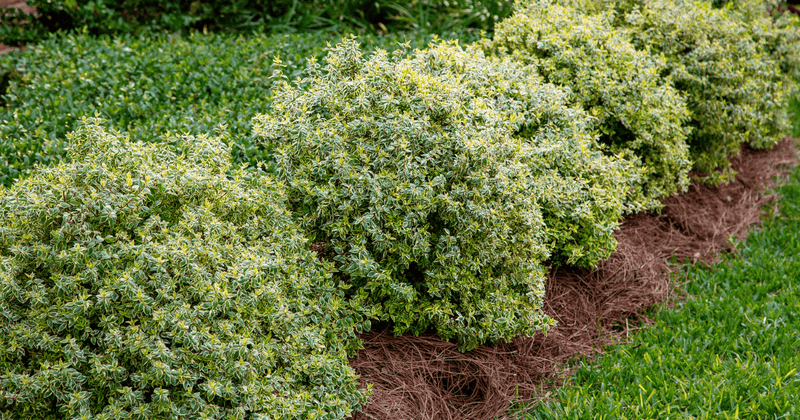
Timing is everything, and evergreens are no exception. Hedges like viburnum, podocarpus, and holly stay green all year, so it feels like any month should work.
The truth is a little different. Most evergreen shrubs and trees in the state respond best to pruning in late winter or early spring.
That window comes right before the plant starts its next big growth push. Cuts made then heal quickly as fresh energy flows through the branches.
Fall pruning creates a problem. It nudges the plant to send out new leaves that are not ready for chilly nights.
Those leaves can burn or curl if a cold front rolls through. Then you end up with a hedge that looks worse than before you trimmed it.
Waiting also lowers stress on the plant. A shrub that is resting handles a haircut much better when spring is close.
Here is a handy trick for remembering. Mark your calendar for around Valentine’s Day in Central Florida, a bit later up north, and a bit earlier down south.
Until then, let the hedge look a little shaggy. A few stray branches will not hurt anyone, and they may even give small birds a place to perch.
Patience now means a fuller, healthier shape later. Your evergreens will reward you with thick, glossy growth when the time is right.
4. Spring Bloomers Have Already Set Next Year’s Flower Buds
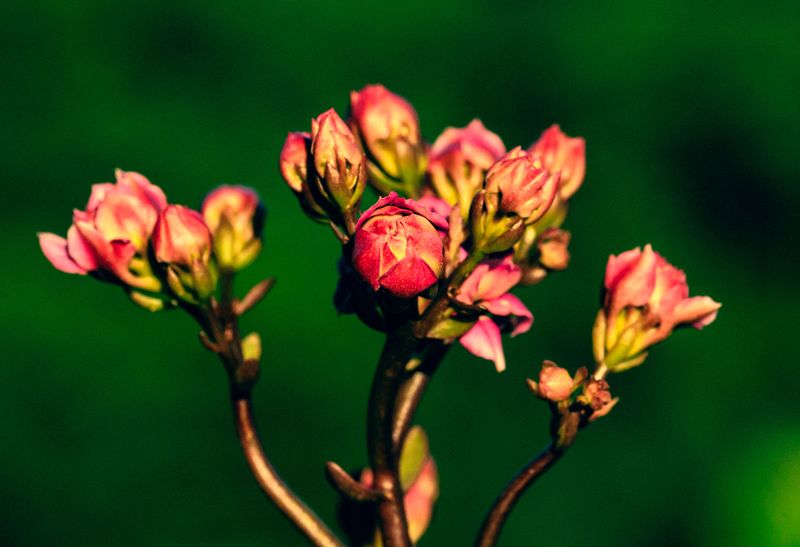
Hidden in plain sight, next spring’s flower show is already packed and ready. Azaleas and dogwoods spent summer and fall building their buds.
Look closely at an azalea branch right now. You may spot small, fat buds at the tips that look like tiny closed fists.
Those buds form on what gardeners call old wood. That simply means last season’s branches carry this coming spring’s flowers.
Snip those tips in November and you snip off the blooms too. You might get a green shrub with very few flowers come March.
Plenty of gardeners have learned this the hard way. They trim in fall, then wonder why the neighbor’s azaleas look like a pink cloud while theirs stay plain.
The best time to prune spring bloomers is right after they finish flowering. That usually lands in late spring or early summer.
Pruning then gives the plant months to grow and set new buds. It is a simple swap that keeps the color coming year after year.
Fun fact: The state has native azaleas too. Species like the Florida flame azalea glow in bright orange and draw in hummingbirds and butterflies.
So step away from the azaleas this month. Let those little buds sleep, and get ready for a burst of color when spring warms things up.
5. Gardenias Are Holding Next Year’s Blooms Too
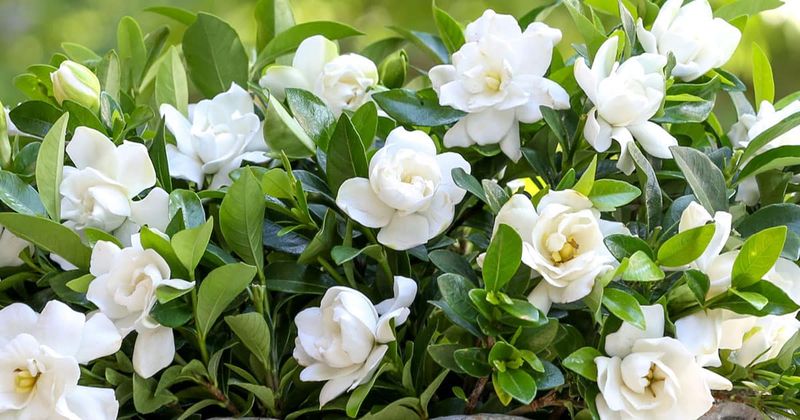
Ask anyone who grew up in the South about gardenias, and you will likely hear a story about that sweet smell drifting through an open window. It is a scent people hold onto for years.
To keep that magic coming, your gardenia needs its buds. Gardenias form next year’s flower buds during late summer and fall.
By November, those buds are already sitting on the branches. A quick trim now could clip away a big share of your spring and summer flowers.
Even light shaping can do harm. You might reduce how many blooms show up, and the ones left may be smaller.
The smart move is to prune right after the main bloom season ends. In our state, that usually means late spring or early summer.
Pruning at that point lets new stems grow all summer. Those stems then set fresh buds that open the following year.
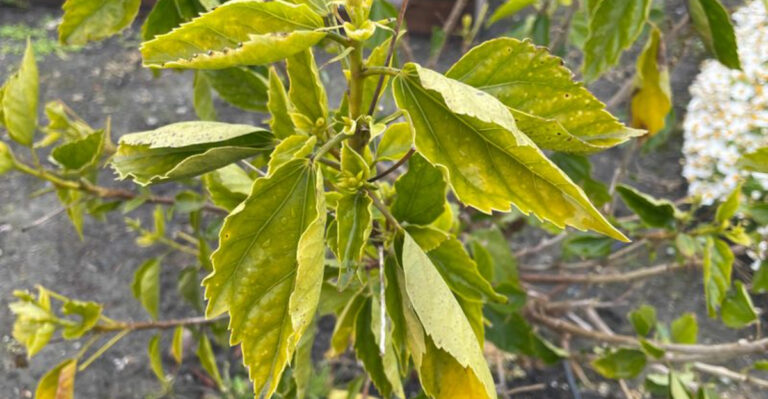
Meanwhile, give your gardenia some easy care. Check for yellow leaves, which can mean the soil needs a bit more acid, and keep a layer of mulch around the base.
Watch for sooty mold or whiteflies too. A gentle spray of water or insecticidal soap can help keep pests in check.
Leave the shears in the shed for now. Your nose will be glad you did when those creamy white flowers open.
6. Ornamental Grasses Should Stand Until Spring Growth Starts
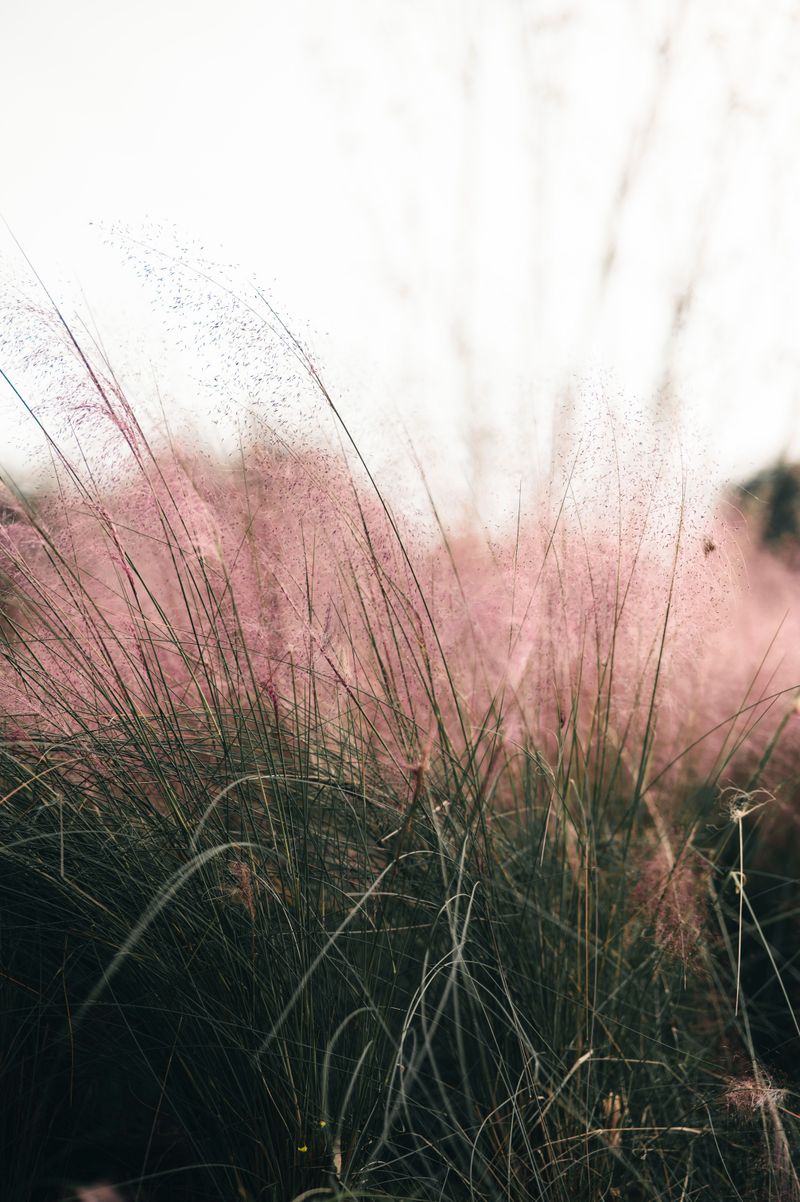
Few sights beat pink muhly grass catching the late afternoon sun. Those fluffy plumes look like cotton candy floating over the garden.
Ornamental grasses add shape and motion to a winter yard. They sway in the breeze and give your beds texture when many flowers have quieted down.
Beauty is only part of the story. The old leaves act like a warm blanket for the crown, which is the center where new growth starts.
That natural cover helps guard the crown against frost. It also gives small creatures like lizards, insects, and ground birds a place to hide.
So when should you cut them back? Aim for late winter or early spring, right before new green shoots peek out.
Timing changes across the state. North and Central gardeners usually trim in February or March, while South Florida folks may go in January or February.
When the day comes, tie the grass into a bundle with twine first. Then cut a few inches above the ground, and cleanup becomes much easier.
Wear gloves and long sleeves for the job. Some grasses have sharp edges that can leave little paper-cut scratches on your arms.
Until then, enjoy the show. Those swaying plumes are doing real work for your garden all season long.
7. Old Stems Help Shield Tropical Plants From The Cold
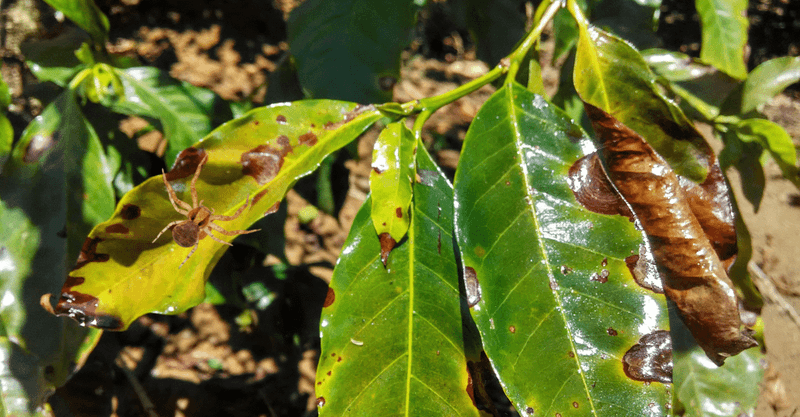
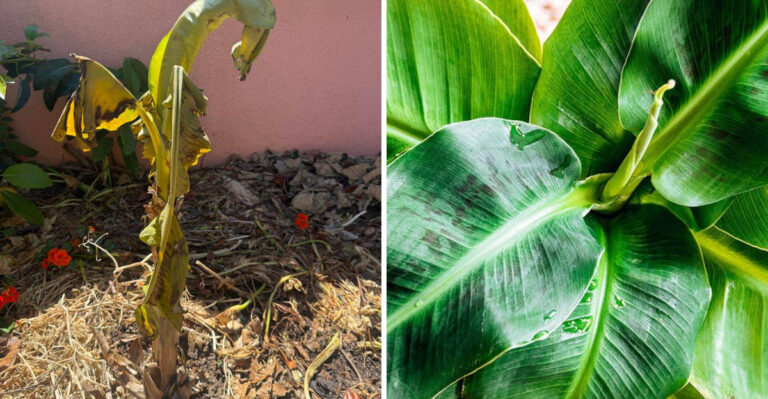
Brown, droopy leaves after a cold night can make any gardener wince. The first instinct is to grab the clippers and clean it all up.
Hold that thought, though. Those ugly stems and leaves are working like a coat for your tropical plants.
Plants like hibiscus, firespike, ixora, and bird of paradise do not handle cold well. When a chill hits, the outer leaves take the worst of it.
Underneath, the growing points and healthy tissue are often fine. The damaged layer on top helps protect them from the next cold front.
Cutting off that cover too soon leaves the tender parts open to the weather. A second freeze could then reach deeper into the plant.
Experts suggest waiting until early spring to prune. By then, the risk of frost has passed and you can see fresh green growth.
That new growth works like a map. It shows you exactly where healthy wood begins, so you only remove what truly needs to go.
A quick scratch test can help too. Gently scrape a stem with your fingernail, and green under the bark means that section is still alive and well.
Yes, the yard may look rough for a few weeks. Think of it as your plants wearing their winter pajamas until spring.
8. Late Winter Is The Better Time For Crape Myrtles
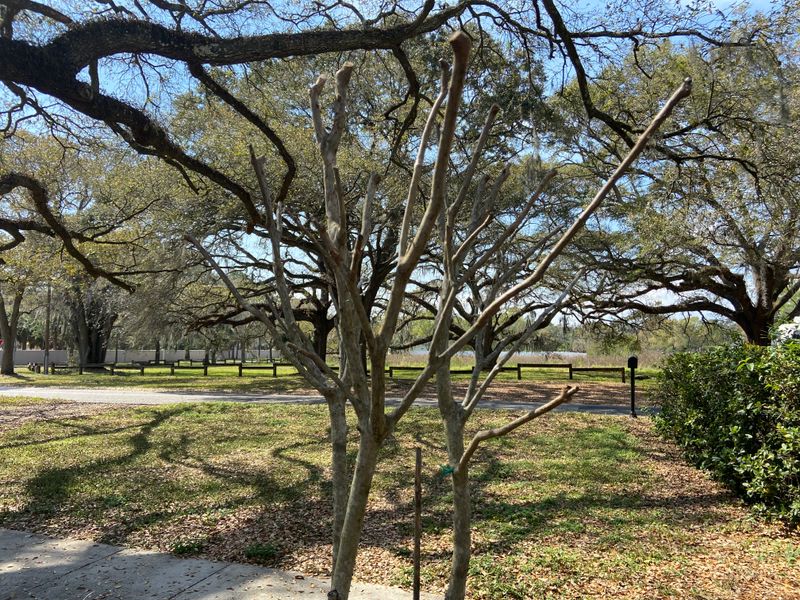
Drive through almost any Florida neighborhood and you will spot crape myrtles. In summer, they burst with pink, purple, red, and white flowers.
Here is the key fact about these trees. Crape myrtles bloom on new wood, which means the flowers form on fresh growth from the current season.
That makes late winter to very early spring the sweet spot for pruning. Trimming right before new growth starts gives the tree time to push out strong branches.
Those branches then load up with summer blooms. Fall pruning offers no real benefit and leaves bare stubs to stare at all winter.
A word about crape murder. That is the silly nickname for chopping crape myrtles down to ugly knobs each year.
Heavy topping can lead to weak, skinny shoots that flop under the weight of flowers. It also hides the lovely shape and peeling bark these trees are known for.
A lighter touch works far better. Remove crossing branches, small suckers at the base, and any growth heading into the center of the tree.
Fun fact: crape myrtle bark peels away in patches, revealing shades of tan, cinnamon, and gray. It is one of the best winter features in a Southern yard.
So let your crape myrtle rest this month. A careful trim in late winter sets the stage for a summer full of color.
9. Storm-Damaged Branches Are The Exception
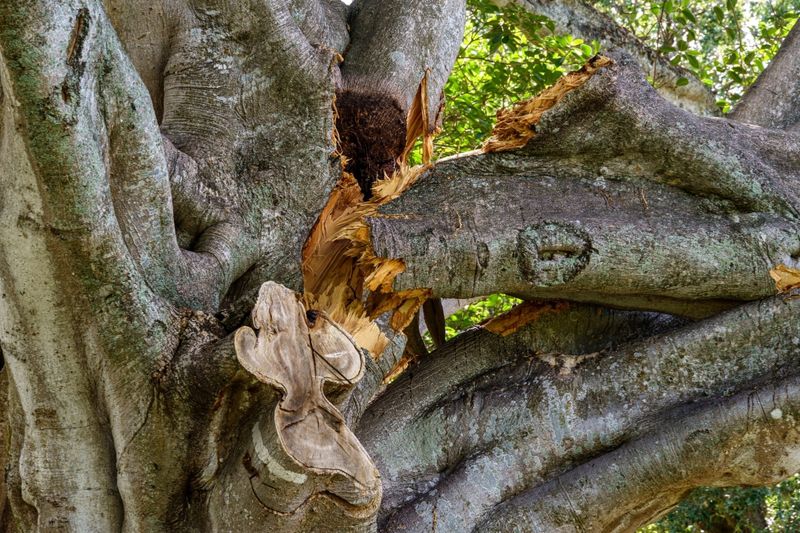
Every rule has a loophole, and this is the big one. Broken or hanging branches after a storm should come down no matter what month it is.
Florida knows storms well. Late hurricanes and strong fall fronts can leave cracked limbs dangling over roofs, cars, and walkways.
Those branches are a real safety risk. They can fall without warning and hurt someone or damage property.
Fast cleanup helps the tree too. Torn wood can invite pests and decay, so a clean cut gives the tree a better shot at healing.
Make each cut carefully. Trim back to a healthy side branch, or cut just outside the collar where the branch meets the trunk.
Skip flush cuts that slice into the trunk itself. Also avoid leaving long stubs, since they heal poorly and can rot.
For large limbs, use the three-cut method. Make a small undercut first, then remove the weight, and finish with a final neat cut near the collar.
Know your limits though. Big branches, high limbs, or anything near power lines call for a certified arborist with the right gear.
Keep a first aid kit and sturdy gloves nearby whenever you work. Safety comes first, and the rest of your garden can keep resting until spring.