The Plants Florida Gardeners Should Stop Pruning Once September Arrives

Grab your pruning shears too soon and you could cut away next spring’s best blooms before they even form. Certain shrubs across Florida yards are already storing reserves for a display worth protecting.
Timing shifts fast as fall settles into the air, though your instinct to trim still runs on summer habits. Nothing about early September looks urgent from your porch, yet everything beneath the soil is rushing toward next year’s growth.
Roots and buds are working overtime under the surface, banking exactly what they’ll need months from now. Snip the wrong branch this week and you erase that hidden effort in a single careless cut.
Gardeners across Florida who miss this window often spend next spring wondering why their yard fell flat. Even your grandmother’s old rule about pruning stops making sense this time of year.
1. Hibiscus Shrubs Should Skip Their September Haircut

Few shrubs say Florida quite like a hibiscus covered in dinner-plate blooms. That flower show comes from fresh growth, which is exactly why September trimming backfires.
Cutting now pushes out soft, juicy shoots that have no time to toughen up. When the first real cool front slides down the peninsula in late fall, those tender tips take the hit.
There is a second reason to sit on your hands. September sits in the busiest stretch of hurricane season, and a freshly cut shrub answers with whippy branches that catch wind like little sails.
Hold off and your plant keeps its sturdy, woody frame through storm weather. Mature stems bend and shrug instead of snapping.
Save real shaping for spring, once nights stay reliably warm, usually March or early April in most of the state. Tropical hibiscus bounces back quickly then, and blooms follow within weeks.
Between now and then, limit yourself to picking off spent flowers and clipping the odd broken twig. That much the plant hardly notices.
Feeding matters too, so pick a fertilizer with plenty of potassium and go light on nitrogen this time of year. Too much nitrogen acts a lot like pruning, pushing lush leaves at the worst moment.
Quick bit of trivia: most hibiscus flowers last a single day, then drop while still looking fresh. Float one in a bowl of water and it holds that color until evening, which beats a trip to the compost pile.
2. Bougainvillea Vines Prefer Their Shears Put Away By September

Ask anyone who has wrestled a bougainvillea and they will show you the scars first. Those thorns are reason enough for caution, but timing matters even more right now.
Color on this vine comes from papery bracts that form on growth which has had time to firm up. Shear in September and you remove the very stems that were about to put on a fall show.
Storm season adds another wrinkle. A vine cut back hard responds with long, floppy canes, and those canes act like ropes in high wind, tugging at trellises and gutters.
Left alone, older wood holds its shape and stays tucked against the fence where you trained it. That sturdy structure is your friend from now through late fall.
Your Florida Garden Changes Every Week. Your Plan Should Too.
Gardening in Florida changes quickly throughout the season. Every Friday you’ll receive a simple weekly plan showing exactly what to plant, prune, fertilize, harvest, and protect so you never miss the right timing.
Bougainvillea also flowers best when it feels a little stress from drier soil and cooler nights. Fresh cuts plus generous watering flip the plant into leaf mode instead of flower mode.
Circle spring on the calendar for serious shaping, ideally right after a bloom cycle winds down. You can also nip one wayward tip in early summer without losing much color.
For containers, snug roots actually encourage flowering, so resist the urge to repot into something huge while you are at it.
Odd fact worth sharing at a cookout: those bright pink and purple parts are modified leaves, and the real flowers are the tiny white trumpets in the middle. Guests rarely believe it until they lean in for a closer look.
3. Gardenia Bushes Quietly Set Their Buds Before September

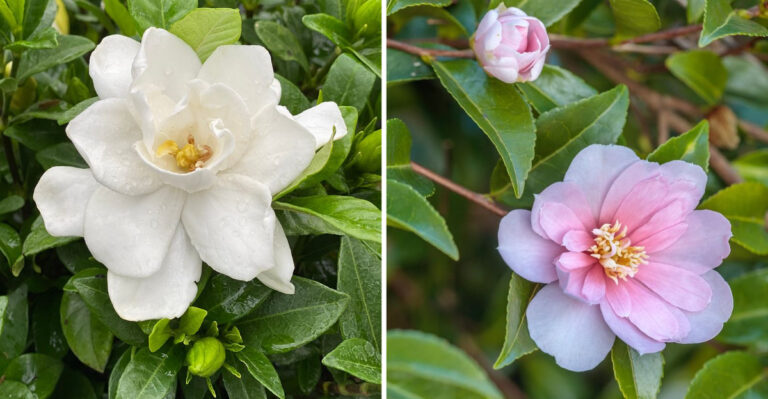
That perfume drifting across a warm evening starts months before the first flower opens. By early fall, a gardenia has already tucked next spring’s buds along its stems.
Prune in September and you snip off blooms you have not even met yet. The shrub looks neater for a few weeks, then May shows up with disappointing gaps.
The safe window sits right after the last flowers fade in early summer, usually June. Shape it then, and the plant gets all of July and August to build fresh buds.
What you can still handle in September is basic housekeeping. Pull out crossing twigs that rub each other raw, and clip anything broken or clearly struggling.
Watch below the graft line too, since many Florida gardenias grow on a tougher rootstock. Shoots springing from under that swollen knuckle can go whenever you spot them.
Whiteflies adore this shrub and leave sticky honeydew that turns leaves black with sooty mold. Rinsing leaf undersides with a strong hose spray helps far more than trimming ever will.
Keep soil slightly acidic and mulched, and offer iron if leaves turn yellow between green veins. Happy roots do more for bloom count than any amount of shaping.
A bit of history for you: gardenias were named after Alexander Garden, an eighteenth century doctor and plant collector based in Charleston. He got the honor without ever growing one himself, which feels like the botanical version of a participation trophy.
4. Azaleas Build Next Spring’s Flowers All Through September

North Florida springs run on azaleas, and those flower displays are planned way in advance. By late summer, the buds for March are already parked on the branch tips.
A September haircut removes them without ceremony. The bush greens up nicely, then sulks through spring while the neighbor’s yard glows pink.
Timing here is simple once you learn it. Prune within about four to six weeks after the flowers fade, which usually means April or very early May.
Miss that window and the smartest move is patience. One shaggy season beats a lost bloom season.
Repeat-blooming types such as Encore azaleas bend the rules a little, since they flower more than once a year. Even so, heavy cutting this month trades away the fall round of color you paid for.
Something you can safely do is remove a stray branch shooting straight up above the canopy. One clean cut back to a side branch keeps the outline neat without touching the bud-loaded tips.
Mulch matters more than shears anyway. Azalea roots run shallow, so two or three inches of pine straw keeps them cool and steady through hot spells.
Watch for lace bugs, which leave leaves looking speckled and washed out on top. Checking undersides now saves you frustration later.
Fun note: azaleas are technically rhododendrons, botanically speaking. Bring that up at the garden center and watch someone reach for their phone to check.
5. Citrus Trees Do Much Better Without September Trimming

Backyard citrus in Florida lives a tense life, and every fresh flush of leaves is an open invitation. Tiny insects and leaf-mining larvae hunt down that tender new growth like it is a buffet.
Pruning in September triggers exactly that kind of flush. The tree spends energy on soft leaves while it should be sizing up fruit for winter.
Greening disease spreads through psyllids that feed on young shoots, so fewer flushes at the wrong time means fewer chances for trouble. Skipping the shears is honestly a pest strategy dressed up as laziness.
Fruit is another consideration. Cutting branches now can toss out oranges, grapefruit, or satsumas that were weeks from being worth eating.
Late winter into early spring, after freeze risk passes and before the big bloom, is the sensible time for structure work. Open the center a bit, take out crossing limbs, and step back.
Two jobs stay fair game year round. Remove sprouts coming from below the graft union, and cut away limbs that have snapped in a storm.
Keep the lower skirt of the canopy an inch or two off the ground so ants and soil splash have a harder time reaching leaves. That small habit pays off.
Worth knowing: most Florida dooryard trees are two plants in one, a tasty top grafted onto a hardy root. Let those rootstock suckers take over and you may end up harvesting sour fruit nobody wants.
6. Camellias Guard Fat Flower Buds Right Through September

Run your hand along a camellia in September and you can feel the buds already, round and firm as marbles. Those knobs are the whole reason people plant this shrub.
Clipping now sends the winter show straight to the yard waste bin. Sasanqua types start opening in October, so the loss shows up almost immediately.
Camellias set buds during summer, which puts the pruning window right after flowering ends. For most Florida gardens that means late winter or early spring, depending on the variety.
The plant grows slowly anyway, so it rarely demands much shaping. A branch here or there is usually the whole job.
If a limb is broken or rubbing badly, go ahead and take it out carefully. Cut back to a side branch rather than leaving a stub sticking out.
Tea scale is the pest to watch, showing up as white and brown specks on leaf undersides with yellow blotching on top. Horticultural oil applied thoroughly, including under the leaves, keeps it in check.
Thinning buds is different from pruning, and it can help. Pinching a few extra buds off a crowded cluster gives the remaining flowers room to open larger.
Here is something neat: camellia relatives give us actual tea, since the leaves of Camellia sinensis fill your cup every morning. Your ornamental cousin out front is basically the fancy branch of the family that skipped the job entirely.
7. Poinsettias Stop Getting Pinched Once September Starts

Landscape poinsettias in Florida are basically shrubs, and by summer they can shoot up taller than the mailbox. Gardeners keep them bushy by pinching the tips every few weeks, right up until the calendar flips.
Labor Day is the traditional cutoff. After that, hands off, because the plant starts building the flower structures that eventually color up those famous bracts.
Pinch in September or October and you delay or erase the December display. Green leaves are fine, but green leaves are not why anyone grows this thing.
Color depends on long nights, roughly twelve hours of solid darkness once fall settles in. That is why placement matters as much as pruning.
A porch light, streetlamp, or motion sensor shining on the plant each evening can hold back the color change. Moving a potted one to a darker corner solves the problem.
Outdoor plants in the ground appreciate a spot with morning sun and shelter from cold wind. Mulch the roots and avoid heavy nitrogen from here on out.
Once the bracts have finished their run in late winter, that is your moment for real cutting back. Trim hard then, and start the pinching routine again in spring.
Fun bit of background: the plant is native to Mexico and got its common name from Joel Poinsett, an American diplomat who mailed cuttings home in the 1820s. Two centuries later, the whole holiday aisle still runs on his souvenir.
8. Crape Myrtles Keep Their Branches Well Past September

Somewhere in your neighborhood, a crape myrtle has been chopped into knuckly stumps, and everyone pretends that is normal. September is a fine month to break the cycle by doing nothing at all.
Cuts made now wake the tree up when it should be winding down. Soft shoots appear just as cooler nights arrive, and those shoots stay flimsy through winter.
Storm risk adds to the argument. Those quick, weak sprouts tear away easily, leaving ragged wounds where the trunk was smooth.
The right time for shaping is late winter, usually February, before buds swell. Aim to remove crossing limbs, low sprouts, and anything growing back toward the center.
Topping a healthy trunk creates thick clusters of skinny branches that flop under the weight of flowers. Selective thinning gives you the same tidy look with better structure.
Seed heads left on the tree do no harm and feed finches through the cool months. Snipping them in September mostly just tires you out.
Suckers popping up at the base can be pulled or clipped any time, since they steal energy from the main trunks. Grab them low and close.
Something to appreciate while you leave the tree alone: the bark peels in fall to reveal cinnamon and gray patches underneath. That mottled trunk is the best part of winter in the yard, and a bad pruning job hides it for years.