What Arizona Law Says About a Neighbor’s Palm Fronds Falling Into Your Yard
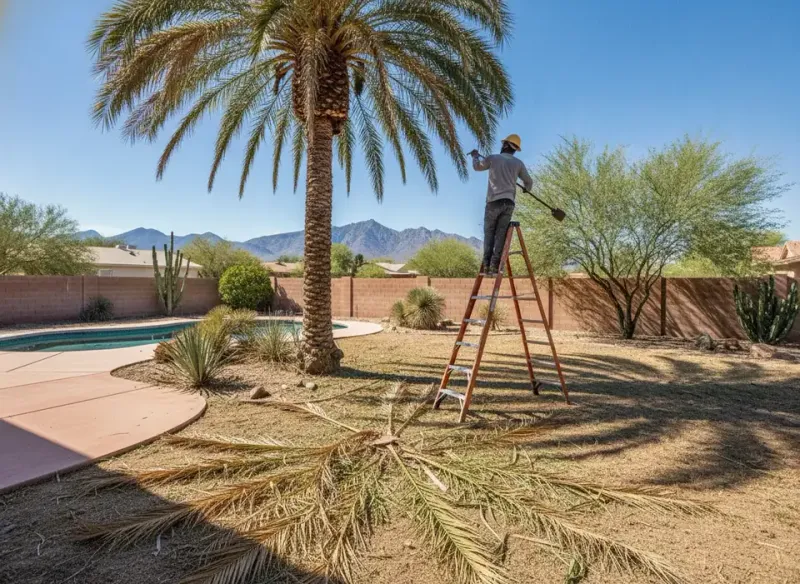
A fallen palm frond alone does not decide who must clean it up or pay for damage in Arizona. The sources reviewed do not set one automatic statewide rule for that situation.
The answer shifts with the facts, like whether the frond is loose, still attached, or part of a known hazard. Local rules and private agreements can matter too, so a few quick checks can save you a lot of frustration.
A Fallen Frond Does Not Decide Who Pays
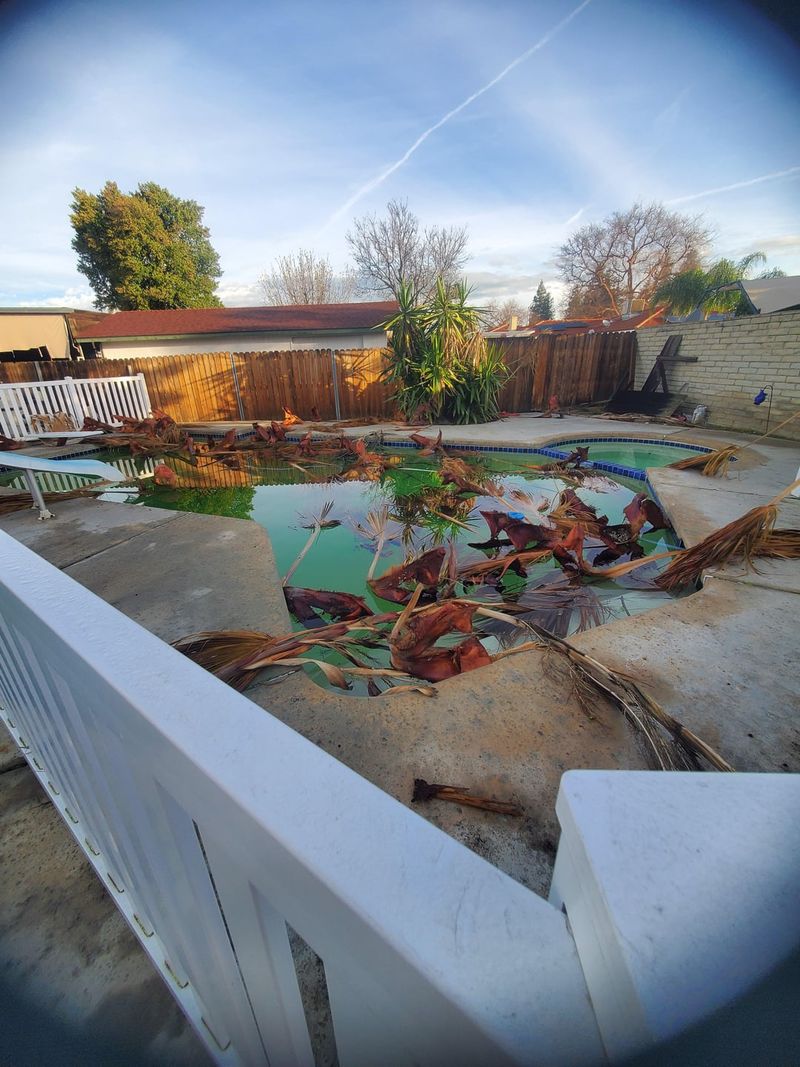
A frond on your side of the fence feels like your neighbor’s problem. The Arizona sources reviewed do not set a statewide automatic rule that says who must remove a naturally fallen frond or pay for its effects.
The details change the picture. A loose frond that dropped on its own is different from one still attached and hanging across the boundary.
It is also different from a palm with a known hazard, or a palm covered by a local maintenance rule.
Even Mesa’s city guidance on neighbors’ trees treats encroaching trees and falling plant debris as mostly civil matters between neighbors. Court cases such as Carver v.
Salt River Valley Water Users’ Association look at tree hazards, but that case involved a tree falling onto a public highway, so it does not settle every private-yard dispute.
The next sections walk through each of those situations one at a time. Think of them as questions to ask before you decide what to do.
What Changes When a Frond Still Hangs Over the Line?
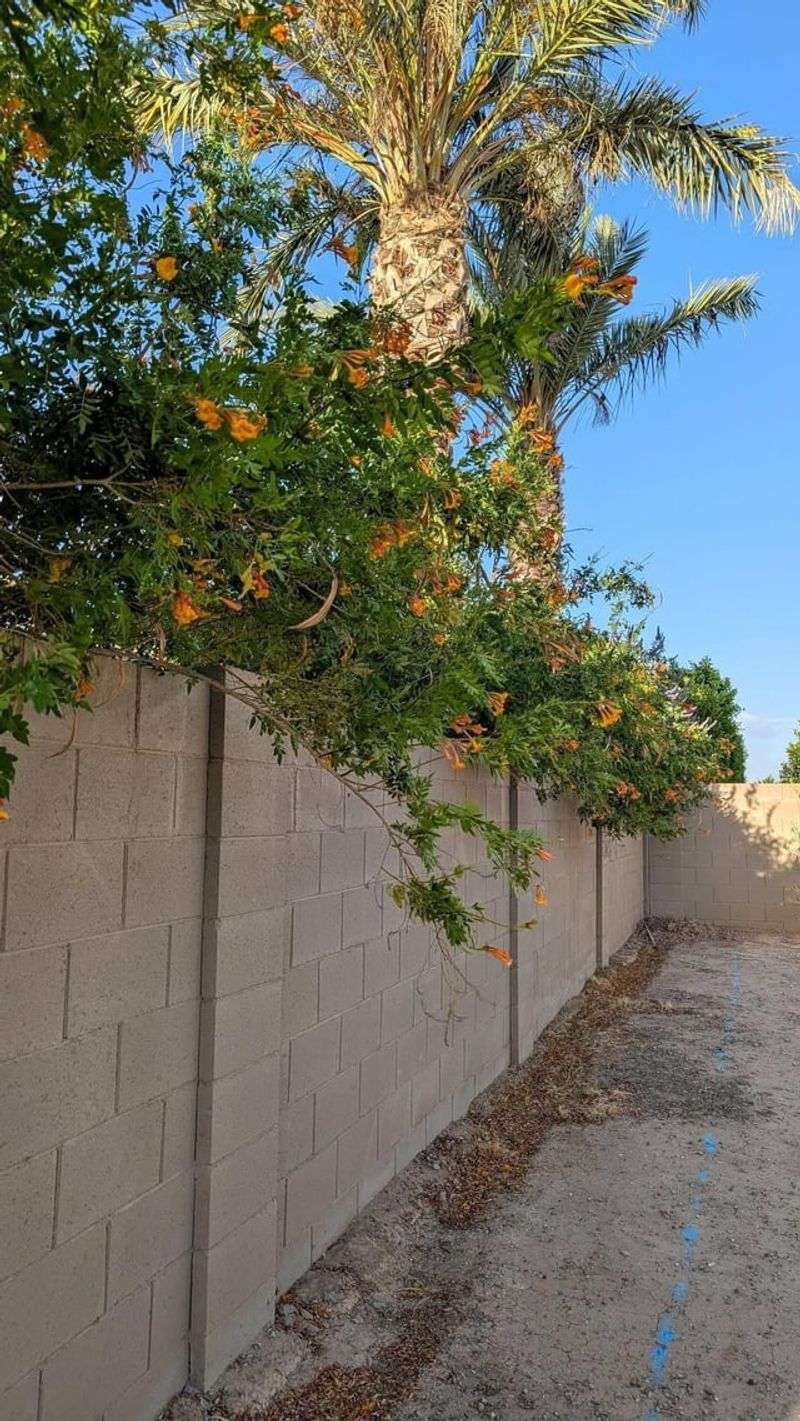
A frond that is still attached and reaching across the boundary raises a different question than one lying on the ground. Arizona’s Cannon v.
Dunn was a case about eucalyptus roots, and the court recognized a common-law right to cut intruding growth at the property line.
That is not a free pass to trim any overhanging palm frond. The court also treated damages or an injunction as a separate matter that requires actual, sensible, or substantial injury.
Cutting can also harm the palm or require stepping onto the neighbor’s land, which creates its own problems.
For everyday use, Mesa’s practical guidance is a helpful model. Talk with your neighbor first, ask permission before acting, respect the boundary, avoid damaging their tree, and write down anything you agree on.
That is municipal advice, not a court ruling on the exact limits of self-help.
A Known Hazard Changes the Liability Analysis
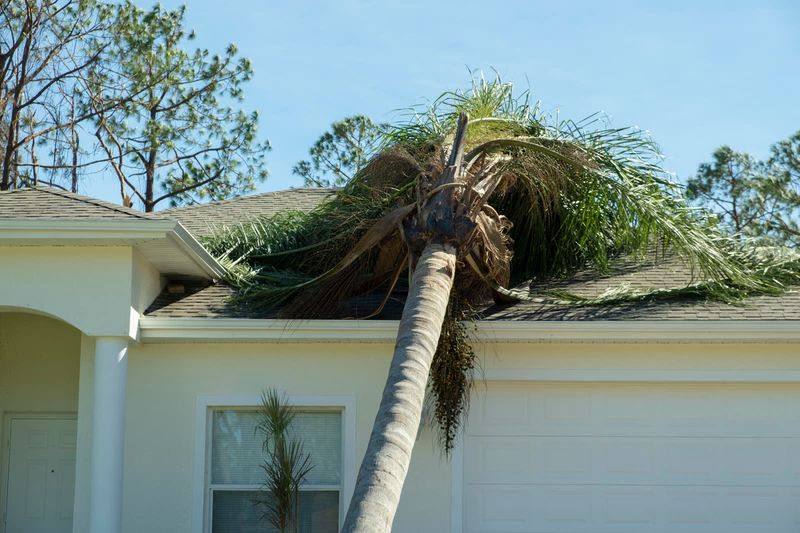
Routine debris cleanup is one thing. A known dangerous condition is another.
If a palm has a specific, obvious problem and the owner was told about it, that history can matter when a frond causes injury or damage.
The Arizona Supreme Court’s Carver decision discusses notice and evidence about a hazardous tree. It involved a tree falling onto a public highway, so it does not decide every private-yard injury or property-damage claim.
A fall or a repair bill does not by itself prove the palm owner is automatically liable. Courts look at what was known or should have been known, and what the facts show.
Clues that may matter include a leaning trunk, a cracked crown, or fronds hanging loose after a storm. If you spot something like that, note it carefully and keep your records.
Is Ordinary Debris a Nuisance?
Calling something a nuisance sounds like a shortcut, but Arizona sets a demanding bar. A recent Court of Appeals opinion, Pavlak v.
Funk, states the general private-nuisance standard. It requires substantial, intentional, and unreasonable interference that causes significant harm.
That case was about a building-envelope dispute, not palm debris, so it gives the general test rather than a palm-specific answer. Slight inconvenience or petty annoyance is not enough under that standard.
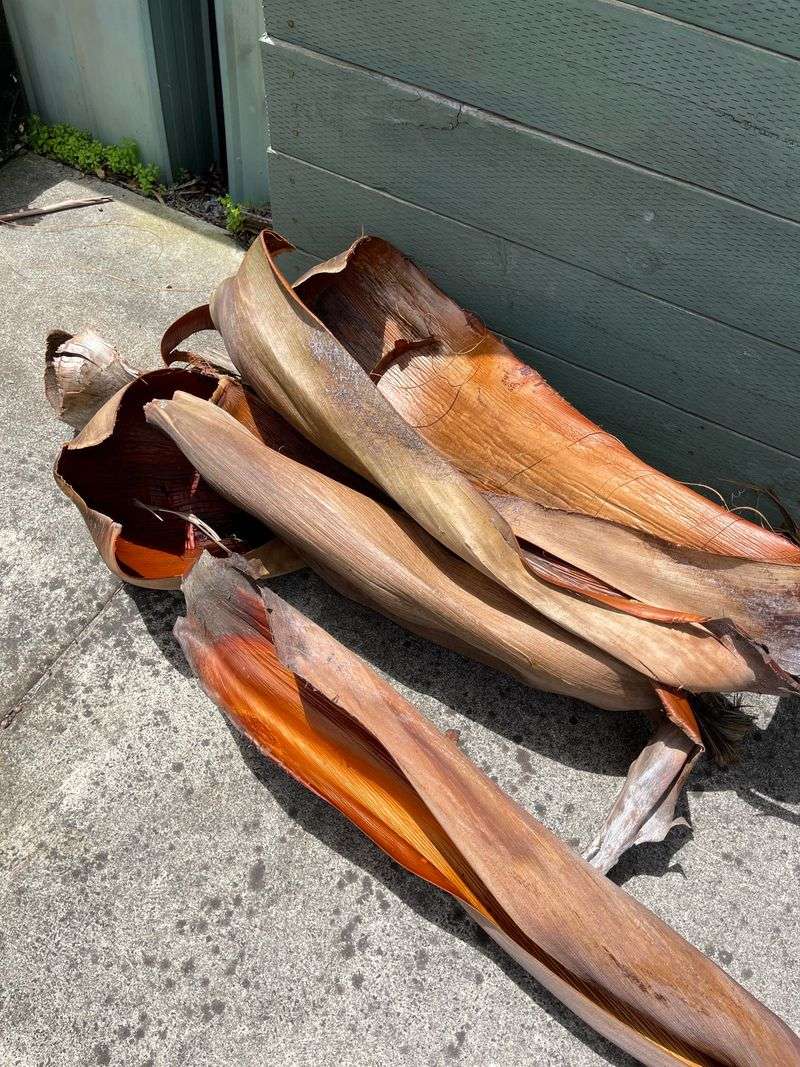
So a few fronds on the lawn after a windy night probably feels like an annoyance, not necessarily a legal nuisance. Ask yourself how often it happens, how much harm results, and whether anything blocks safe use of your yard.
No one can predict an outcome from a general rule, so treat this as a way to sort inconvenience from serious problems.
City Palm Rules Are Not Statewide Rules
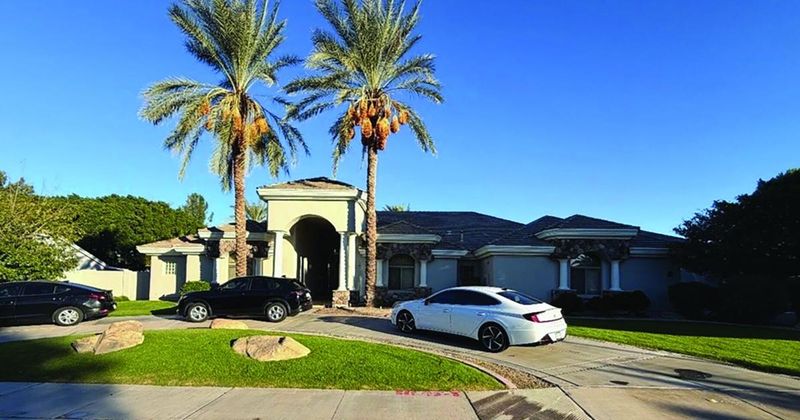
Cities can regulate palm upkeep on the property where the palm grows. Those rules vary, and they do not automatically say who must pick up a frond after it lands next door.
Tempe’s excessive palm fronds guidance describes dead or dry fronds on landscaping visible from public property. It names fronds more than eight feet below the lowest living frond, or fronds longer than five feet and closer than eight feet to the ground.
Phoenix is a different example. A Phoenix code-enforcement record cites code 39-7D and dry palm fronds, but a single enforcement case is an example, not a full statement of current thresholds.
Check the official Phoenix code text before relying on any number.
None of this is statewide law. Look up your own city’s rules, or call code compliance, to learn what applies where you live.
Who Controls the Palm or the Yard?
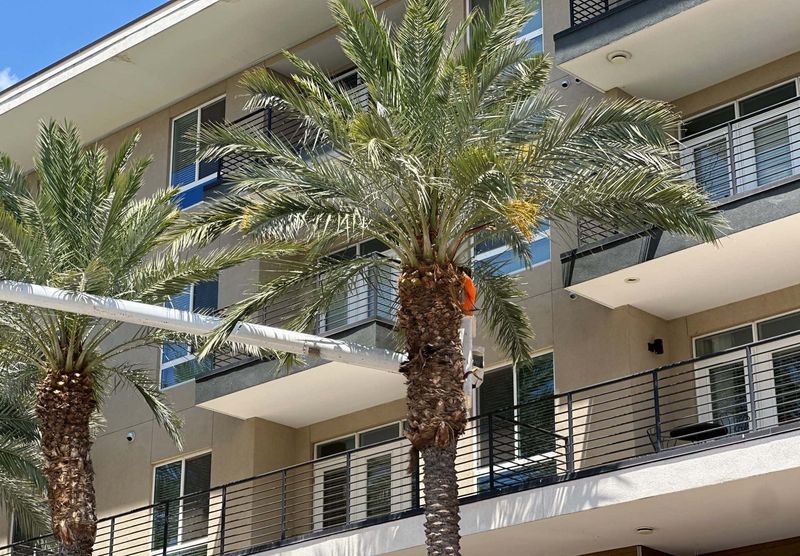
Before you knock on a door, figure out who actually controls the palm. A homeowners association, landlord, or lease might handle landscaping, and a private agreement could spell out who maintains what.
Also check whether the palm sits on shared property, public land, or association common ground. Any of those can change who you should contact about maintenance.
Mesa’s neighbor guidance suggests checking with an HOA when it may maintain the landscape. That is practical city advice, not a statewide rule or a decision about liability.
Renters may find the right contact is a property manager instead of the neighbor. A quick look at your lease, covenants, or property records can save an awkward conversation.
Document the Problem and Choose a Safe Next Step
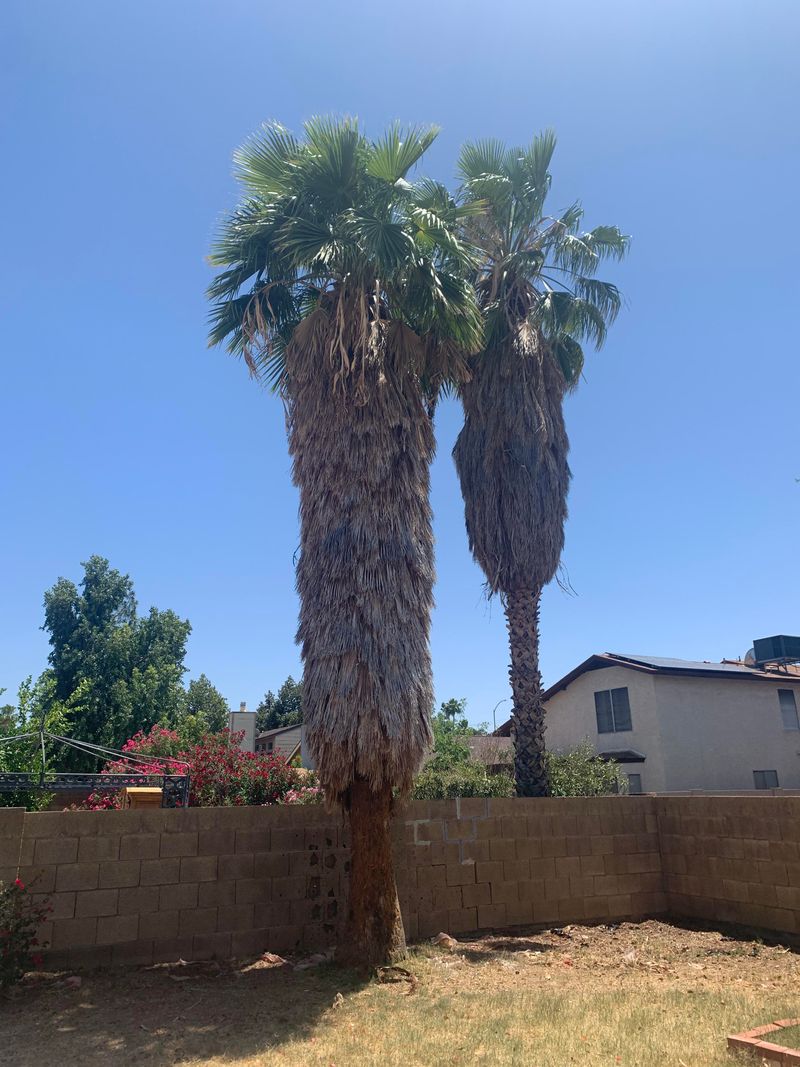
Start with photos of the palm and the fallen material, and jot down dates and any damage. If you see a specific apparent hazard, tell the owner in writing.
If a local code may apply, contact the city. These are practical steps, not legal guarantees.
Stay safe while you do it. Do not climb the palm, work from a ladder beneath unstable fronds, use spikes, or prune near power lines.
University of Arizona Extension palm guidance advises against removing green living fronds and warns that over-pruning can weaken palms.
Extension also recommends a certified arborist for large palms, and its page on hiring a tree expert explains what to look for. That is safety advice, not a legal duty to hire one.
If damage is major or injury risk is serious, talk to your insurer, a qualified arborist, or an Arizona attorney. A good paper trail is the best head start you can give them.