9 Florida Plants and Cuttings You Can Turn Into Holiday Decor for Free
Early colonists once boiled tiny gray berries for hours just to skim off enough wax for a single fragrant candle. That patient holiday tradition started with a humble shrub that still grows wild across Florida today.
You might be surprised by how much festive material is hiding along your fence line right now. Glossy leaves, silver fronds, and bright berries are often waiting for clippers instead of a checkout line.
I never get tired of walking my yard in December and spotting free garland material in every corner.
The way I see it, store-bought plastic greenery cannot compete with the real scent of fresh-cut branches.
There are a few rules worth knowing, because some native plants have legal protections and wildlife value. So which Florida natives can you snip, gather, and craft with this season while staying responsible?
1. Southern Magnolia
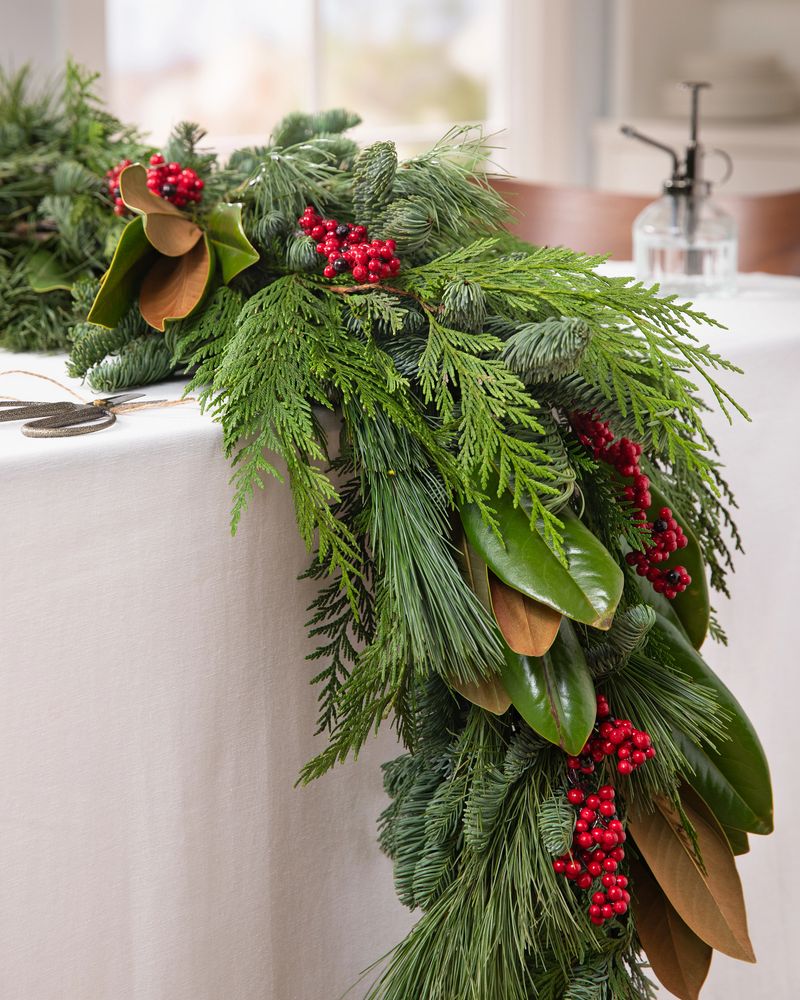
Flip a magnolia leaf over and you will find a fuzzy, rust-colored underside that feels almost like suede. That two-tone look is why designers pay serious money for magnolia wreaths that you can make for free.
Southern Magnolia, or Magnolia grandiflora, is a native evergreen that keeps its big leathery leaves all year long. The leaves often stretch five to ten inches, so a handful of branches covers a wreath frame quickly.
I like to alternate leaves so some show green tops and others flash their brown backs for contrast. You can also tuck the woody seed cones, which reveal bright red seeds in fall, into centerpieces and swags.
Use sharp clippers and make angled cuts so the tree heals cleanly after you finish your harvest. Fresh-cut stems placed in water and misted now and then usually stay green for about one to two weeks.
Want your leaves to last past New Year’s Day without curling up into little brown tubes? A glycerin soak of one part glycerin to two parts hot water for several days keeps leaves flexible.
Some crafters brush Mod Podge on both sides of each leaf and let them dry overnight in one flat layer. Even naturally dried leaves turn a soft brown but hold their shape well enough for rustic garlands.
Fallen cones under the tree are easy pickings, so check the ground before you even reach for clippers. A quick shake outdoors removes stray bugs before those cones come inside to sit on your dining table.
2. American Holly
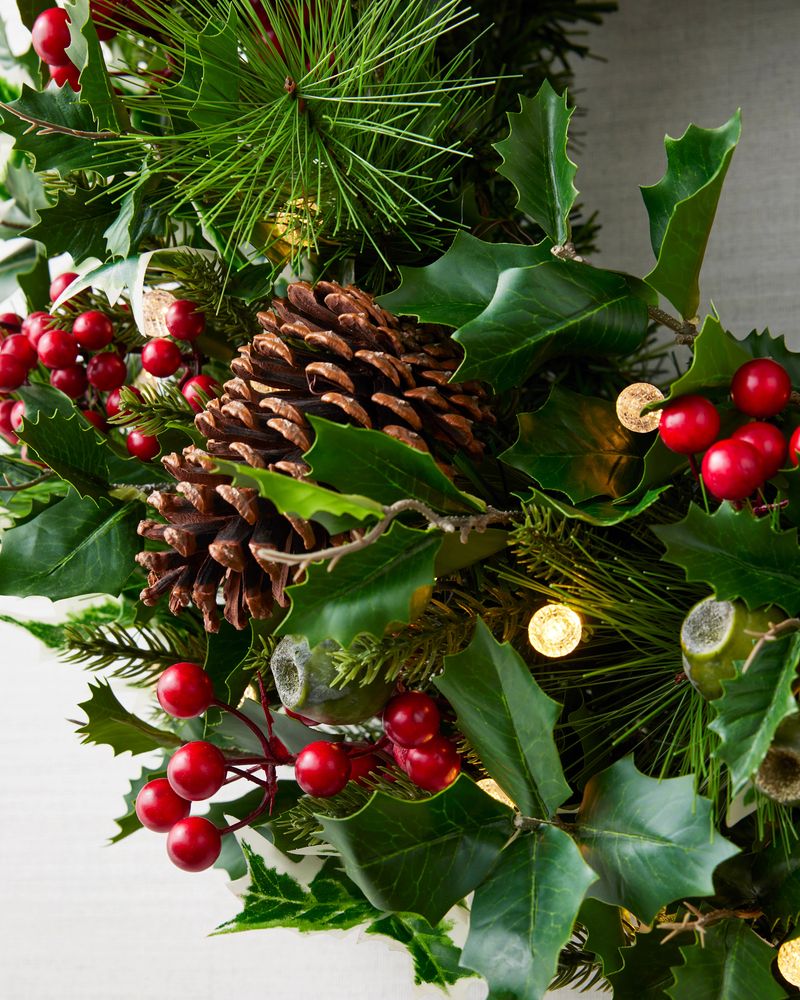
Long before anyone sold plastic holly picks, people called this tree Christmas Holly and Yule Holly for good reason. Those glossy spiny leaves and scarlet berries practically shout December without any extra help from you.
American Holly, or Ilex opaca, grows naturally in hammocks and moist rich soils across northern and central parts of the state. The berries ripen around September and October, then often hang on through winter like built-in ornaments.
Here’s something worth knowing before you go looking for berries on every holly tree in the neighborhood. Only female trees produce fruit, and they need a male holly growing nearby to get pollinated properly.
Clip branches thoughtfully, since new leaf buds form at the cut points and the tree fills back in. I usually take a few stems from different sides so the tree keeps its natural, balanced shape.
Keep cut branches in water and away from heat vents or sunny windows to slow down drying. For wreaths and garlands, an anti-desiccant spray can help the foliage hold moisture a bit longer indoors.
Please be careful with the berries, because they contain saponins that can upset stomachs in people and pets. Vomiting and diarrhea are common symptoms, so keep arrangements high above curious kids, dogs, and cats.
Birds, squirrels, and deer depend on these berries during cooler months, so leave plenty on the tree. Wearing gloves while you work also saves your fingers from those sharp little leaf points.
3. Longleaf Pine
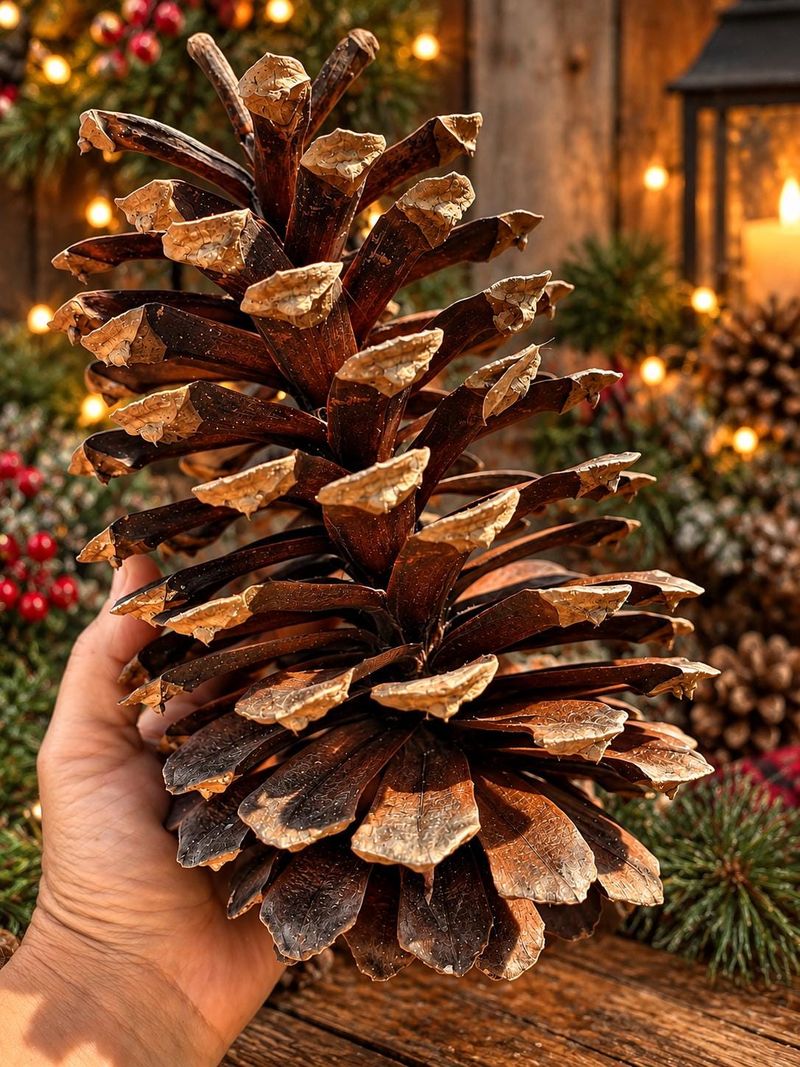
Some longleaf pine needles grow more than a foot long, which makes ordinary pine needles look like toothpicks. Pair them with cones that often reach six to eight inches, and you have dramatic decor waiting outside.
Longleaf Pine, or Pinus palustris, thrives in sandhills and flatwoods across northern and central parts of the state. Its needles grow in bundles of three, and the cones mature in fall before dropping to the ground.
I love lining a mantel with these chunky cones because they look impressive without any paint at all. Of course, a little gold spray or glitter turns them into ornaments that feel downright fancy.
Fallen needles turn brown but keep their length, so they work nicely for braided garlands and rustic swags. You can tie small bundles with twine and tuck them around candles that run on batteries.
Before cones come indoors, give them a cleaning and a low bake to chase out any hitchhiking insects. Afterward, store them somewhere cool and dry, and they will look good for many holidays to come.
Stick to gathering fallen cones and needles on your own property or anywhere collection is clearly allowed. National Forests set personal limits, and longleaf habitat is the focus of serious restoration work statewide.
You might notice cones opening wider indoors and closing slightly on humid days near an open door. That gentle movement is completely normal and simply shows how the scales respond to changing moisture.
4. Red Bay
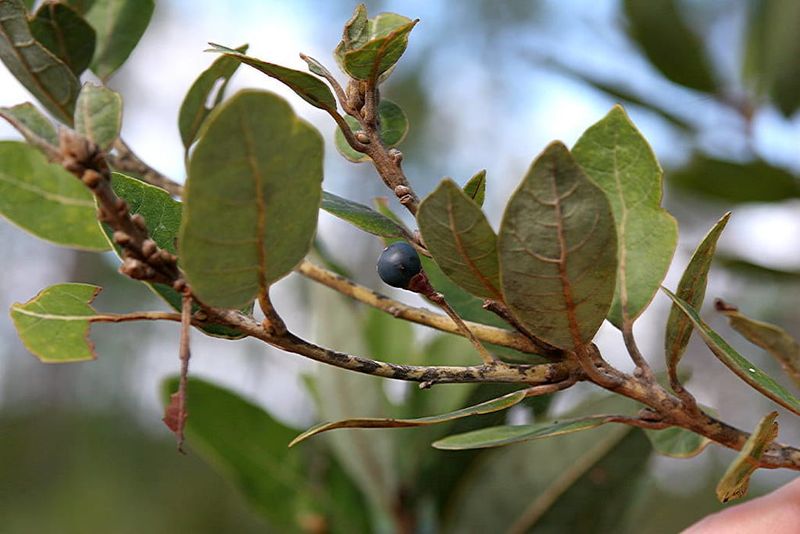
Crush a single red bay leaf between your fingers and a spicy, almost peppery aroma fills the air. That scent alone makes this native tree a sneaky favorite for anyone who loves fragrant holiday greenery.
Red Bay, known as Persea borbonia, grows in coastal woodlands, hammocks, and sandy spots across much of the state. Its glossy leaves measure three to six inches long and usually show paler grayish undersides.
I find it fascinating that a plant this plain at a distance can smell so festive up close. A simple wreath of red bay leaves hung near the kitchen makes the whole room feel warmer.
Choose older, darker, unblemished leaves, and avoid taking more than about ten percent of the foliage. Freshly cut branches in a wreath often stay attractive for roughly two weeks with a light misting.
Here’s what caught my attention while researching this one, and it matters for anyone with red bay nearby. Laurel wilt disease, spread by a non-native ambrosia beetle, has caused major declines in red bay populations.
That makes gentle harvesting especially important, so trim lightly from healthy trees and leave struggling ones alone. Deer and turkeys eat the dark fruits, and several swallowtail butterflies use the leaves as larval food.
Treat red bay as decor only, since it should not be confused with culinary bay laurel from the spice aisle. Enjoy the color and fragrance, and skip tossing these leaves into your holiday soup pot.
5. Saw Palmetto
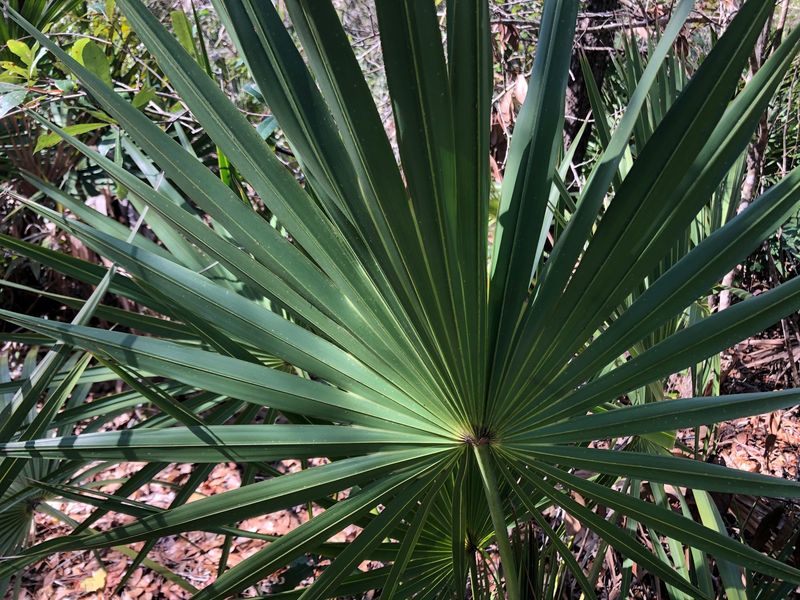
Spray a palmetto frond with gold paint and it suddenly looks like a giant sunburst ornament for your tree. Southern decorators have used gilded palmettos for years, and the effect feels both tropical and elegant.
Saw Palmetto, or Serenoa repens, is a low clumping palm with fan-shaped leaves and stems that often creep sideways. On the east coast, you might find silvery blue forms that look frosty without any paint at all.
The name comes from small saw-like teeth along the leaf stems, and they can scratch hands quickly. Heavy gloves are a must, and long sleeves help too when you reach into a dense clump.
Only take fronds that have fully browned or fallen, since green and yellowing fronds still feed the plant. Brown fronds paint beautifully, and you can also fold leaves into rosettes for textured wreath accents.
Saw palmetto is listed as a commercially exploited plant, and harvesting berries usually requires a state permit. Homeowners may gather berries from up to two plants on their own property for personal use only.
You might want to think twice about wandering into wild palmetto thickets in search of perfect fronds. Eastern diamondback rattlesnakes often shelter underneath, so stick to plants in your own landscaped yard.
A dry frond lasts for months once painted, which makes this one of the most budget-friendly projects here. Hang a few behind a mirror or tuck them into a big vase for a striking coastal look.
6. Spanish Moss
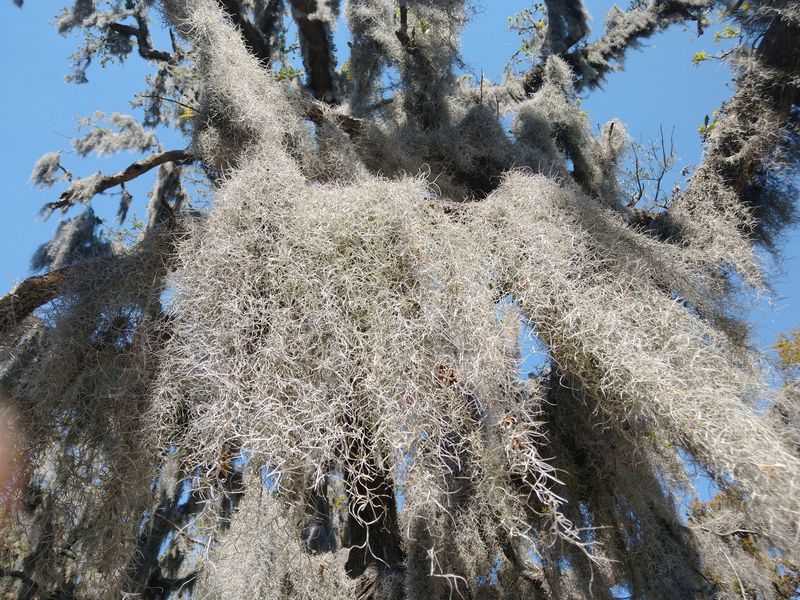
Spanish moss is neither Spanish nor a true moss, which is a fun fact to share at holiday parties. This silvery native is actually a bromeliad, related to pineapples, that pulls moisture straight from the air.
Known as Tillandsia usneoides, it drapes from oaks across the state in strands that can reach twenty feet. It looks gray and brittle when dry, then turns greenish after a good soaking rain passes through.
I can see why decorators love it for filling lanterns, wrapping wreaths, and softening mantel arrangements. A loose tangle around a glass cloche gives any display a dreamy, old-Southern feeling in minutes.
Collecting Spanish moss for personal use is generally allowed, but your own trees make the best source. Leave the moss in parks and preserves, where birds like the northern parula use it for nesting.
Fallen moss on the ground can harbor chiggers, so pull strands from branches whenever you can reach them. Before bringing any inside, bake it at around 200 degrees for about thirty minutes to clear out pests.
Dry moss catches fire easily, so use battery candles and keep it well away from fireplaces and hot bulbs. Fluff it by hand over a drop cloth, then secure strands with floral pins or thin wire.
Don’t be surprised if you notice heavy moss on struggling trees, since thinning canopies let in more sunlight. The moss is not a parasite, so it is not stealing nutrients from your oaks.
7. Coral Greenbrier
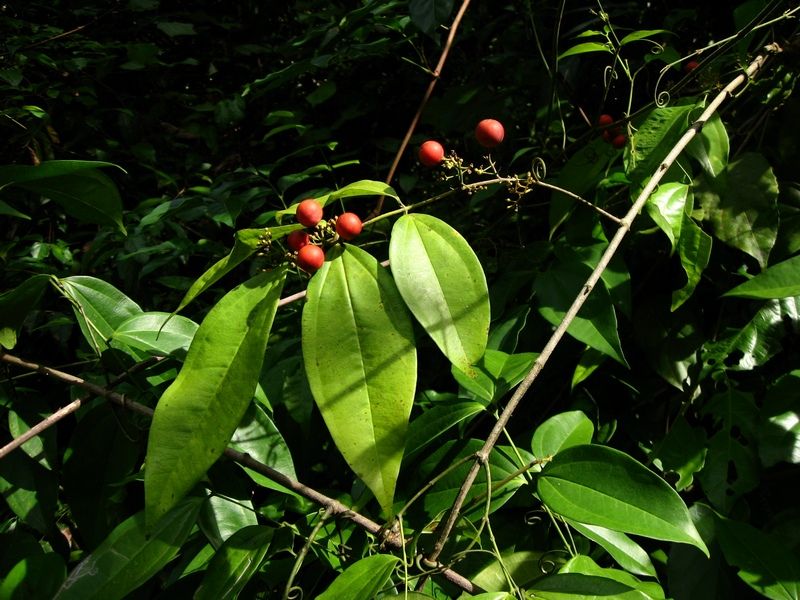
Most gardeners grumble about greenbrier, but florists happily pay for smilax garlands every wedding and holiday season. The same twining vine snagging your sleeves might be the most graceful garland material on your property.
Smilax species are native woody vines that climb with curly tendrils through woods, swamps, hammocks, and dunes. Coral greenbrier, Smilax walteri, shows off coral red berries in fall and winter after its leaves drop.
Other species carry glossy evergreen leaves and berries ranging from reddish to purplish black in loose clusters. I love draping a long strand across a doorway, because it falls with natural movement plastic garland lacks.
Most kinds have sharp prickles, so thick gloves are essential, and careful pruners will save some frustration. Watch for poison ivy tangled in the same thickets, since the two often grow side by side.
Cut vines dry out quickly, so soak strands in cool water for an hour or two first. After that, store them somewhere cool and mist them often until you finish hanging your decorations.
Skip eating the berries, even though one species is sometimes listed as edible to people and wildlife. Misidentification is easy with so many look-alike species, so keep the fruit strictly decorative this season.
Here’s a bonus for tidy yards, since greenbrier can smother shrubs if nobody ever trims it back. Harvesting a few strands for decor helps keep this vigorous native in check without much extra work.
8. American Beautyberry
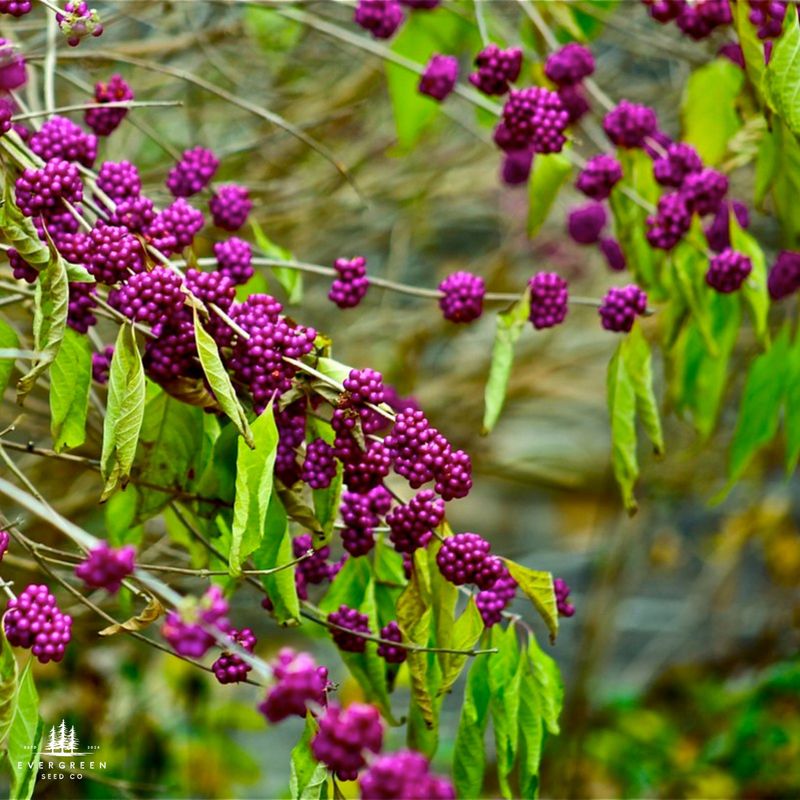
Magenta is not a color most people expect from a wild shrub, yet beautyberry pulls it off effortlessly. Those glossy berry clusters wrap tightly around each stem, almost like someone threaded beads along the branches.
American Beautyberry, or Callicarpa americana, grows naturally in pinelands, hammocks, and woodland edges throughout the state. The berries color up in late summer and early fall, often lingering well after the leaves drop.
I’m always surprised by how modern these branches look in a plain glass vase on the kitchen counter. Pair them with magnolia leaves or pine needles, and the purple practically glows against the dark green.
Cut branches once the berries reach full color, usually around October, for the brightest and longest-lasting display. Pruning the shrub in late winter encourages bushier growth and more fruit the following year.
Leave a generous share of berries on every plant, since birds and small mammals rely on them in cooler months. Mockingbirds and other songbirds will thank you by visiting the yard all season long.
Beautyberry is not considered toxic to people or pets, which makes it friendlier than holly around curious dogs. Raw berries taste rather astringent, but some folks cook them into jelly with plenty of sugar.
Crushed leaves also contain compounds that may help repel mosquitoes, according to university research on the plant. You might find yourself rubbing a leaf on your arm during your next evening walk.
9. Wax Myrtle
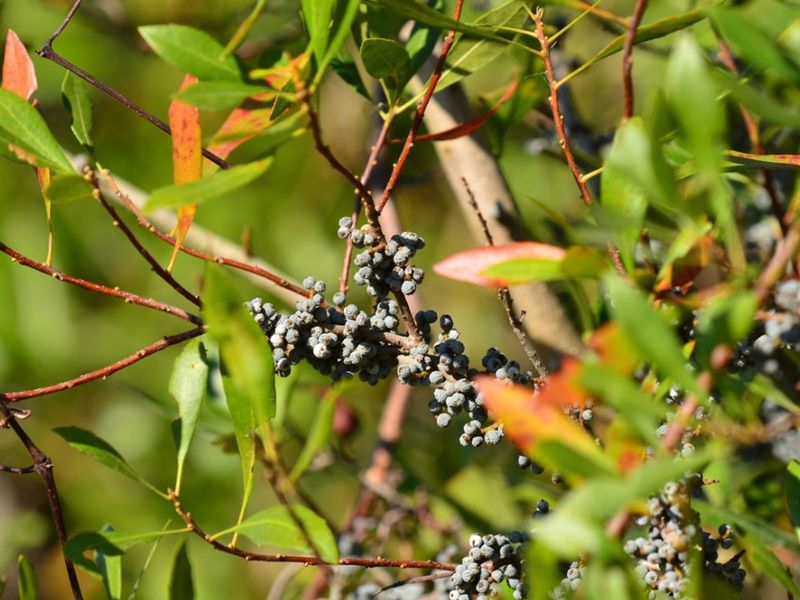
Colonial families boiled these tiny grayish berries to skim off wax for fragrant bayberry candles at Christmas. Today you can skip the boiling and simply clip berry-covered branches for a soft, frosty-looking wreath.
Wax Myrtle, or Morella cerifera, is a native evergreen shrub growing almost everywhere from coastal dunes to swamps. Its narrow olive leaves release a spicy scent when crushed, which makes indoor arrangements smell wonderfully fresh.
The pale blue berries form tight clusters along the stems and often hang on through the winter months. Only female plants carry fruit, so check a few shrubs before you decide your plant is a dud.
Wax myrtle handles heavy pruning, so taking branches in fall or winter rarely bothers a healthy shrub. It also spreads by root suckers, and trimming those stray shoots gives you even more free material.
I could be wrong, but I think the silvery berries look like a light dusting of frost. Tuck them beside red holly or magenta beautyberry, and the muted color helps brighter berries really stand out.
Leave plenty of fruit behind for yellow-rumped warblers, Carolina wrens, and other birds that feast on it in winter. Your yard will stay lively with feathered visitors long after your decorations come down.
The foliage contains flammable aromatic compounds, so keep arrangements away from candles, fireplaces, and heaters. Wax myrtle is generally considered non-toxic to pets, though nibbling large amounts may still upset a stomach.