7 Garden Jobs Worth Tackling Over Thanksgiving Weekend in North Carolina
Tree roots in Piedmont soil often keep growing into December, even while the branches above look bare and sleepy. That hidden underground hustle is why late November ranks as one of the smartest planting windows in North Carolina.
Cooler air lowers transplant stress, while fall rains often handle some of the watering for you. Meanwhile, the bugs and weeds that pestered your beds all summer have mostly packed up and gone quiet.
I love the long weekend after the big meal, when the house is full and the yard is calm. A few hours outside with a rake feels better to me than another nap on the couch.
You may be surprised how much work in North Carolina gardens pays off right now instead of in spring.
1. Tuck Daffodil And Tulip Bulbs Into Cool Soil
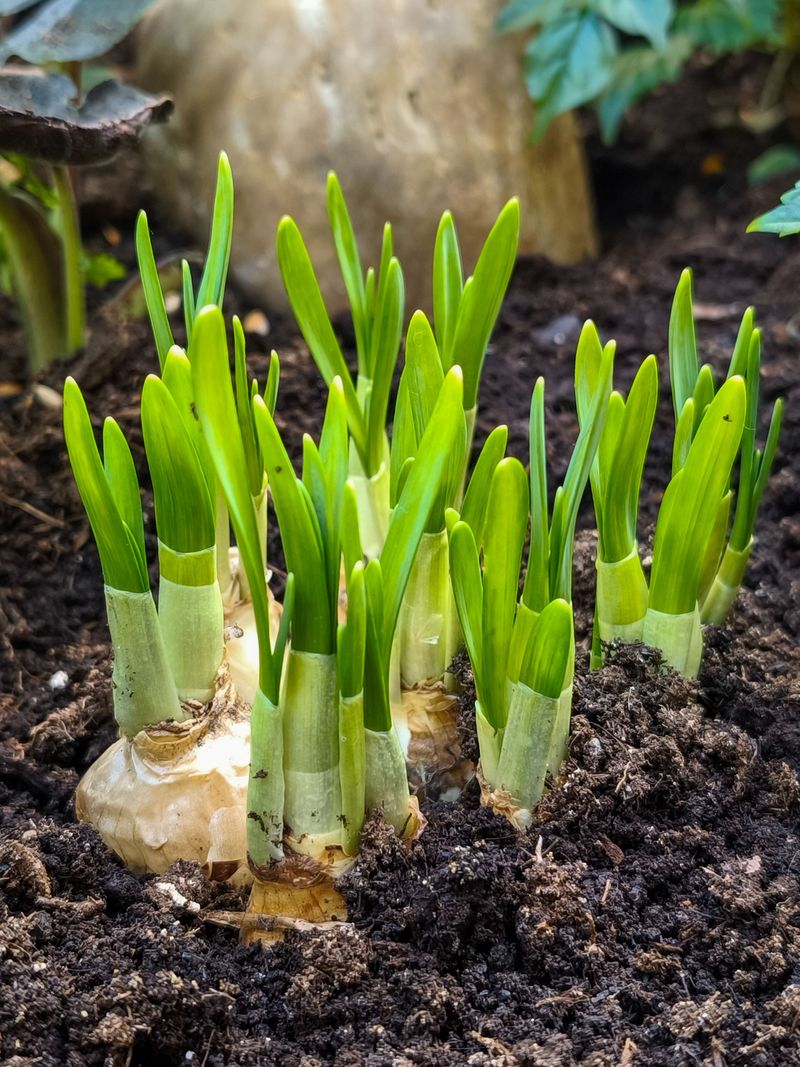
Daffodil bulbs contain a natural compound that squirrels and deer usually find too bitter to eat. I plant extra every fall for that reason, since my tulips tend to vanish into furry little bellies.
Spring bulbs need a long chilly rest underground before they can produce those cheerful blooms next March and April. Planting them over the holiday weekend gives them plenty of cold time to wake up right on schedule.
Extension experts in North Carolina say bulbs can go in from September until mid-January if the ground stays workable. Late November sits right in the sweet spot, especially for tulips that prefer soil below about 60 degrees.
Dig each hole about two or three times as deep as the bulb is tall, pointy end facing up. Grouping bulbs in clusters of ten or more looks far more natural than planting them in stiff single rows.
Good drainage matters a lot, because bulbs sitting in soggy clay can rot before they ever send up leaves. Mixing compost into heavy red clay helps water move away from the bulbs and gives roots easier growing room.
Tulips often act like annuals in our warm Southern climate, so many gardeners treat them as one-season treats. Daffodils and crocus are more dependable here, returning year after year with very little help from you.
After planting, give the bed a deep drink of water to settle the soil around each bulb. Then mark the spot with a small stake so you remember where those spring surprises are hiding.
2. Plant A Redbud Or Holly While Roots Can Still Grow
Fall planting feels backward at first, yet new shrubs settled now often outgrow ones planted next April. The secret sits underground, where warm soil lets roots spread quietly while the tops rest through winter.
By the time summer heat arrives, a fall-planted tree already has a sturdy root system ready to find water. Spring-planted trees have to grow roots and leaves at the same time, which puts them under more stress.
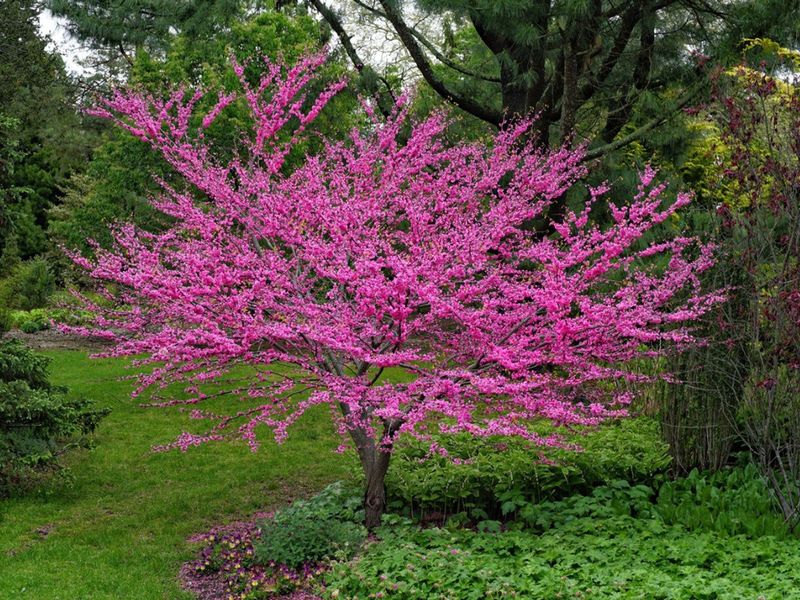
In my yard, an Eastern redbud planted one November bloomed pink along its bare branches two springs later. Native hollies and oaks make fine choices too, and nurseries frequently mark down their stock this time of year.
Dig the hole two or three times wider than the root ball, but no deeper than the ball itself. Set the plant so the top of its root flare sits level with or slightly above the ground.
Gently loosen circling roots with your fingers before planting, since tangled roots can keep growing in a tight spiral. Backfill with the soil you dug out, because heavy amendments can create a soggy pocket around the roots.
Cool weather fools many people into skipping the hose, but new plantings still need regular water all winter. Check the soil weekly, and give a slow soaking whenever it feels dry two inches down.
Skip the fertilizer for now, since pushing tender new growth before a freeze can cause more harm than good. Let the roots do their quiet work, and save the feeding for when spring leaves start to appear.
3. Spread A Fresh Layer Of Pine Straw Mulch
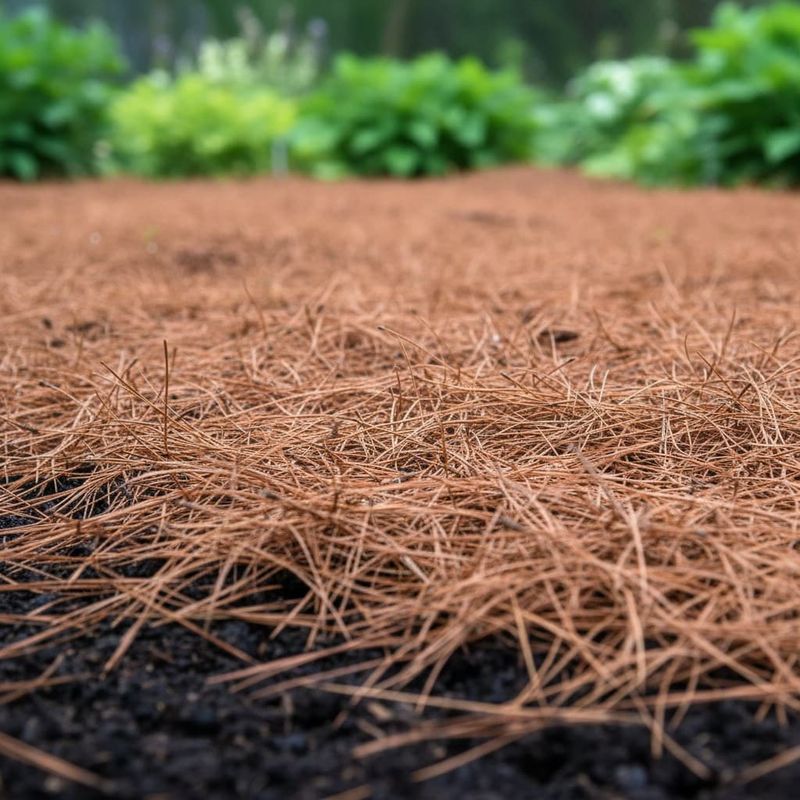
Pine straw is so popular in the Carolinas that some landowners earn steady income raking longleaf needles to sell. I love the warm, piney smell that rises from a fresh bale when you first cut the twine.
Late fall is a great time to refresh mulch, since the layer you spread last spring has probably thinned out. A new blanket helps hold soil moisture and evens out the temperature swings that stress roots in winter.
Our winters often bounce between freezing nights and sunny afternoons in the sixties, which can heave shallow roots upward. Mulch acts like a cozy quilt, slowing those swings so plants stay much more comfortable underground.
Aim for a layer about two to three inches deep across your beds, and resist the urge to pile more. Too much mulch can block air and water from reaching roots, especially in heavy clay soils.
Those tall mulch volcanoes around tree trunks look tidy, but they trap moisture against the bark and invite rot. They also give voles and mice a snug hiding place right next to tender stems they like to chew.
Pull mulch back a few inches from trunks and stems, leaving a small ring of bare soil around each one. Shredded hardwood bark works nicely too, so pick whichever material fits your style and your budget.
Perennial beds also love a top-dressing of compost, which feeds soil life slowly over the cold months. By spring, earthworms will have pulled much of it down where the roots can reach it easily.
4. Leave Coneflower Seed Heads Standing For Hungry Finches
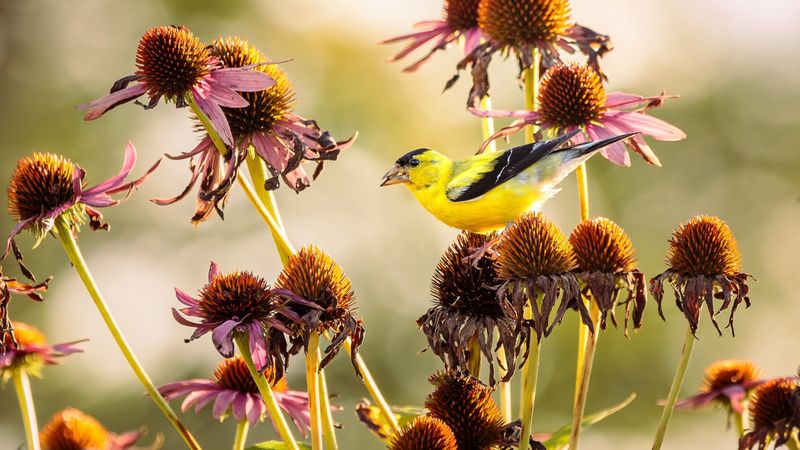
American goldfinches love picking seeds from coneflower heads, clinging upside down like tiny acrobats in winter coats. Watching them from my kitchen window is one of my favorite reasons to clean up the garden less.
Fall cleanup works best when you think like an editor, keeping the useful parts and trimming the problems. Hollow stems and seed heads give birds food and offer beneficial insects a safe place to spend winter.
Some native bees actually nest inside old pithy stems, then chew their way out when spring warms up. Leaving black-eyed Susans and native grasses standing also adds texture to a bed that might look bare otherwise.
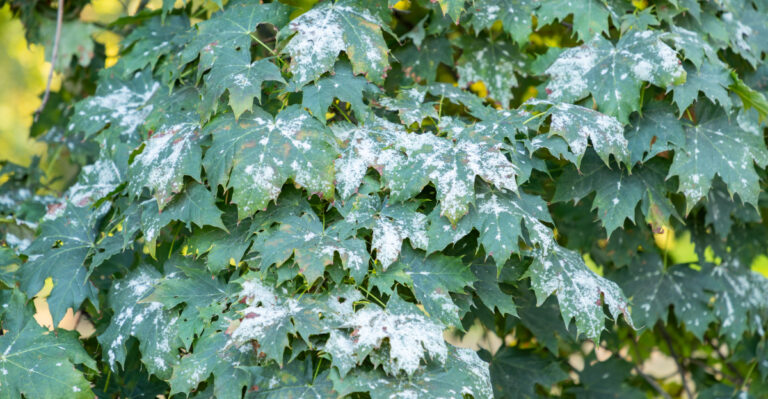
Not everything should stay, though, especially plants that battled leaf spots or mildew during the summer months. Diseased leaves and stems can shelter fungal spores over winter, so bag them instead of adding them to compost.
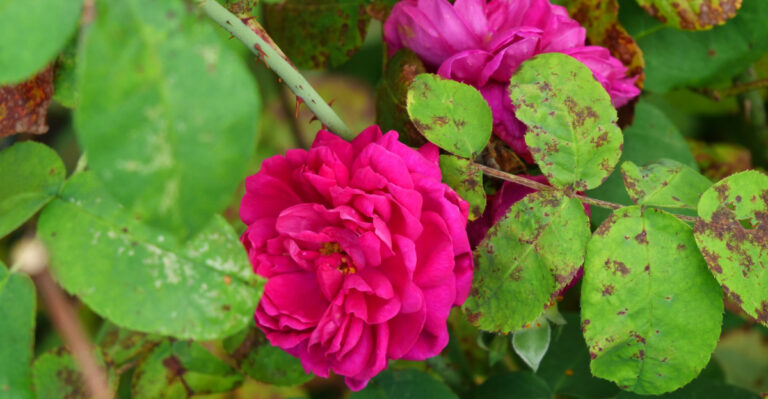
Rose beds deserve extra attention here, because black spot often returns when infected leaves stay on the ground. Rake up fallen rose leaves carefully, and pull any spotted ones still clinging to the canes.
Garden mums can be cut back to the ground once their blooms have faded and turned brown. Spent annuals like summer zinnias can come out too, making room for pansies or a fresh layer of mulch.
Pull any lingering weeds before they drop seeds, since one henbit plant can sprinkle hundreds across your beds. A little tidying now, balanced with some wild leftovers, gives you a healthier garden and happier backyard birds.
5. Drain Garden Hoses And Cover Tender Plants Before A Freeze
Water expands by about nine percent when it freezes, which is plenty to split a hose or crack a faucet. I learned that lesson the hard way one January, staring at a sad trickle leaking from my cracked spigot.
Disconnect hoses from outdoor faucets this weekend, then stretch them out on a slope so the water drains away. Coil them loosely and store them in a garage or shed, where they will last many more seasons.
Hard freezes can arrive suddenly across North Carolina in late November, especially in the mountains and upper Piedmont.
Tropical container plants like hibiscus and mandevilla should come indoors now if they haven’t already, since nights below about 50 degrees can stress them.
Before bringing them inside, check the leaves and soil for hitchhiking pests like aphids or spider mites. A gentle rinse with the hose, done before you drain it, can send many of those pests packing.
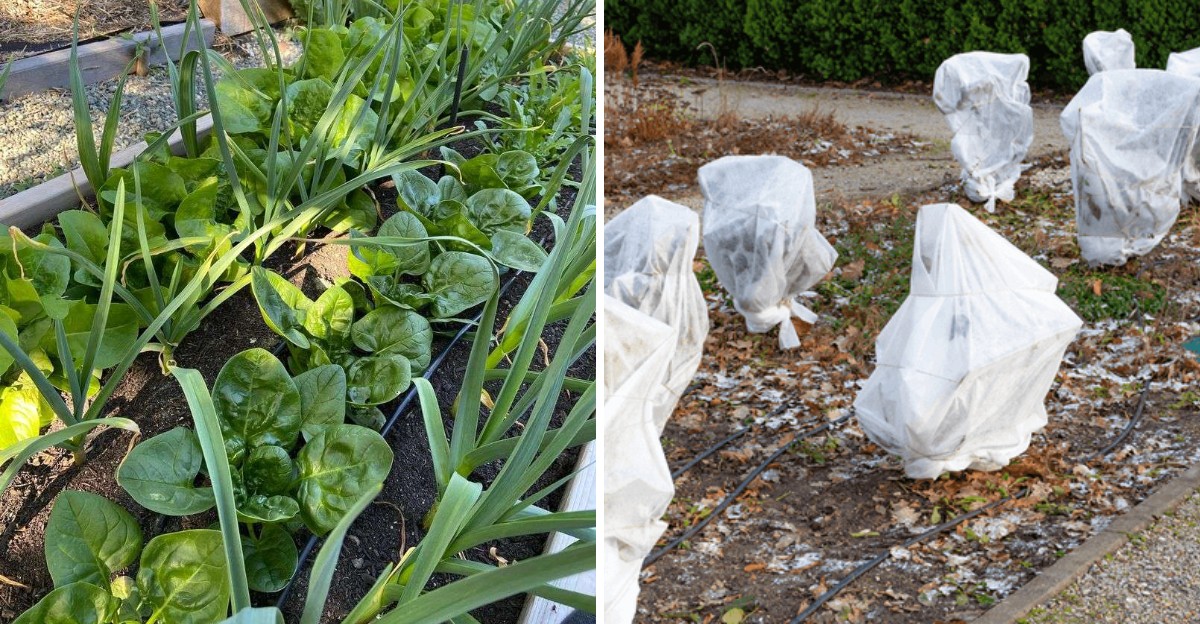
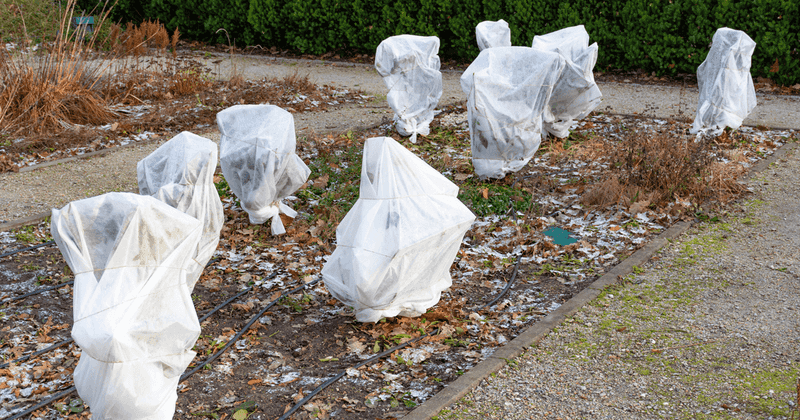
For plants staying outdoors, keep frost cloth or old bedsheets handy for those surprise cold nights. Drape covers all the way to the ground, since warmth rising from the soil is what keeps plants protected.
Plastic sheeting touching the leaves can actually make cold damage worse, so choose breathable fabric whenever you can. Remove the covers the next morning once temperatures climb, so plants do not overheat under the sun.
Watering dry soil a day before a freeze helps too, because moist ground holds heat better than dusty soil. Coastal gardeners growing citrus in the ground should follow that trick and keep covers ready for chilly forecasts.
6. Sow Spinach And Plant Garlic In The Vegetable Bed
Collards actually taste sweeter after a frost, because cold weather prompts the leaves to convert starches into sugars. That tasty bit of plant chemistry is a big reason I keep my vegetable garden going all winter.
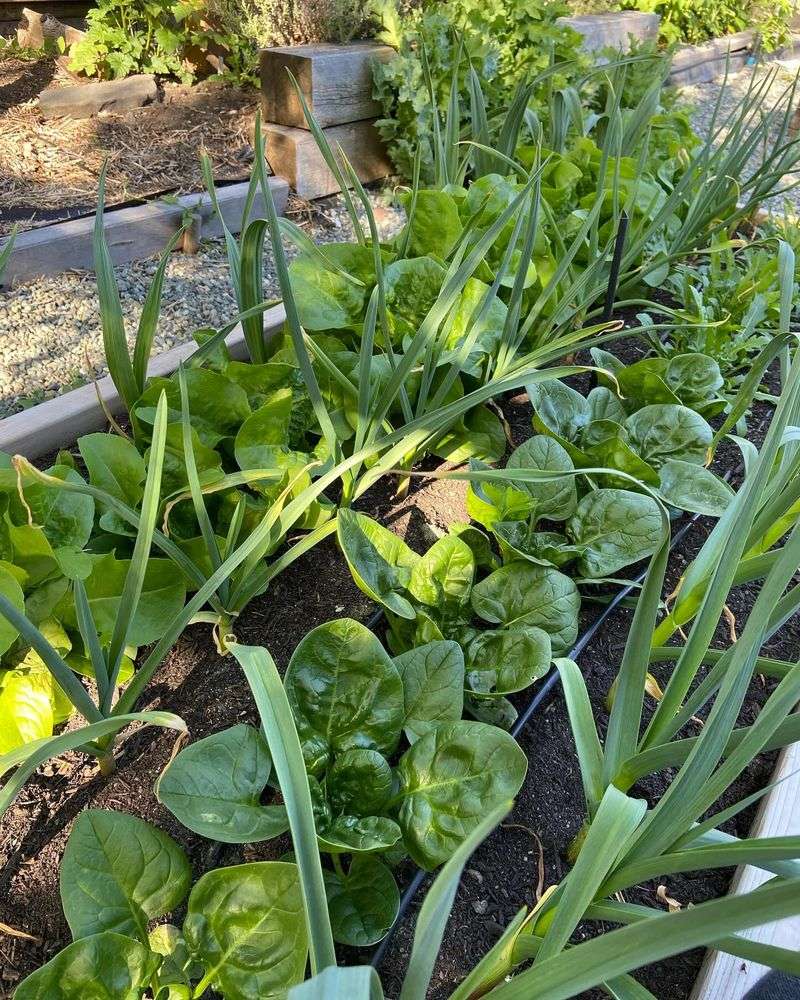
Our mild late fall stretches the planting season, so hardy crops can still go in over the holiday weekend. Garlic tops my list, since cloves planted in November grow roots now and form full bulbs by early summer.
Separate the bulb into individual cloves and push each one about two inches deep, pointed end facing upward. Space cloves roughly six inches apart, then cover the row with straw to keep weeds down.
Spinach seeds sown now may give you a few tender leaves before winter and a strong surge in early spring. Leaf lettuce handles chilly weather surprisingly well, though it appreciates a little extra protection on the coldest nights.
Green onion sets can be planted through November in many parts of North Carolina, especially the warmer east. Hardy herbs like parsley and cilantro also do well in cool weather, often outperforming their spring plantings.
A simple row cover or homemade cold frame can raise the temperature around tender greens by several degrees. I built mine from an old window and some scrap boards, and it works beautifully for lettuce.
Prop the lid open on sunny afternoons, since a closed frame can heat up quickly and scorch your greens. Close it again before sunset to trap the day’s warmth for the long chilly night ahead.
7. Rake Fallen Leaves Off The Lawn And Order A Soil Test

A mature oak can drop many thousands of leaves each autumn, and every one seems to land on my lawn. Those crunchy piles look charming at first, yet thick mats left too long can smother the grass underneath.
Matted leaves block sunlight and hold moisture against the turf, which can encourage disease and thin patches. Running a mower over light layers shreds them into small bits that break down quickly and feed the soil.
Heavier piles should be raked or bagged, then added to your compost bin as valuable brown material. I stash a few bags behind the shed, because shredded leaves make wonderful mulch for spring vegetable beds.
Tall fescue lawns are still growing now, so keep mowing as needed and water during dry spells. Fescue owners can also follow extension advice on late fall feeding, ideally guided by actual soil test results.
Warm-season grasses like Bermuda and zoysia are heading into winter dormancy, turning a soft tan color. Skip high-nitrogen fertilizer on these lawns now, since it pushes tender growth that cold weather can easily damage.
Soil testing through the North Carolina Department of Agriculture is free for residents for most of the year. A small fee usually kicks in during the busy winter months, so mailing samples before December saves money.
Free sample boxes are available at your local Cooperative Extension office, and the instructions are easy to follow. Your results will show exactly what your lawn and garden need, so spring shopping becomes much simpler.