The Knockout Rose Mistake Ohio Gardeners Make Before Winter
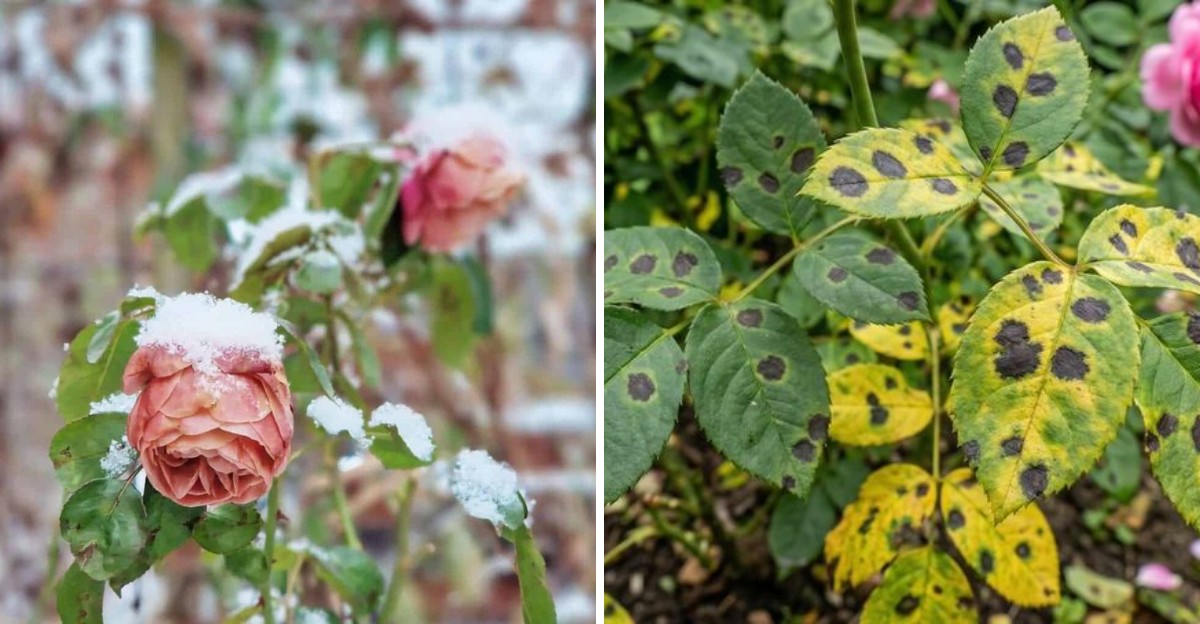
A rose bush can push out fresh red shoots in late October, only to watch them turn black after one hard freeze. I have seen it happen in my own yard, and it stings every time.
The culprit is usually a kind gesture from the gardener. A little extra food or a fall haircut feels helpful, yet it sends the wrong signal at the worst moment.
The plant reads it as a wake-up call instead of a bedtime story.
Here in Ohio, winters swing from mild thaws to bitter cold snaps. That roller coaster makes soft new growth a real liability.
I really admire how these tough shrubs shrug off so much, but they still have their limits.
Which well-meaning habit trips up so many of us every fall? The answer might be sitting in your garden shed right now.
That Bag Of Rose Food In Your Shed Could Be The Problem
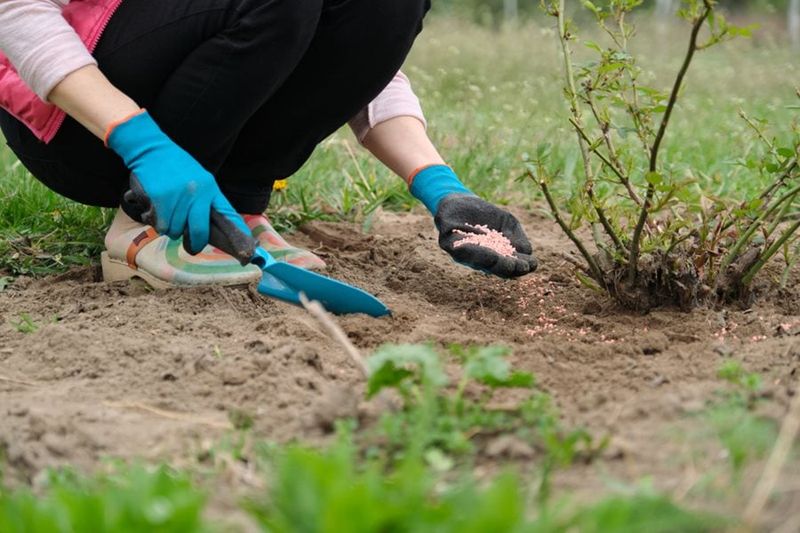
Late-season fertilizer is the big mistake, and it catches plenty of caring gardeners off guard. Feeding Knockout roses in fall, especially with a nitrogen-heavy product, tells the shrub to keep growing.
That is the opposite of what it needs as days get shorter.
Nitrogen fuels leafy, green growth. When roses get a dose in September or October, they often respond with soft shoots and tender leaves.
Those new stems have no time to toughen up before the first hard freeze arrives.
Most rose experts and extension guides suggest a simple cutoff. In colder regions, stop fertilizing by mid to late August.
That gives the plant several weeks to slow down and shift its energy toward roots and stored reserves.
I like to mark the date on my calendar so I do not forget in a burst of summer enthusiasm. If you use a slow-release product, remember it keeps feeding for weeks or even months.
Apply it early in the season so it runs out before fall.
Leftover fertilizer can wait until spring. Store it in a dry spot with the bag sealed tight.
Your roses will thank you with healthier canes when the weather warms again next year.
Tender Red Rose Shoots Are Easy Targets For Frost
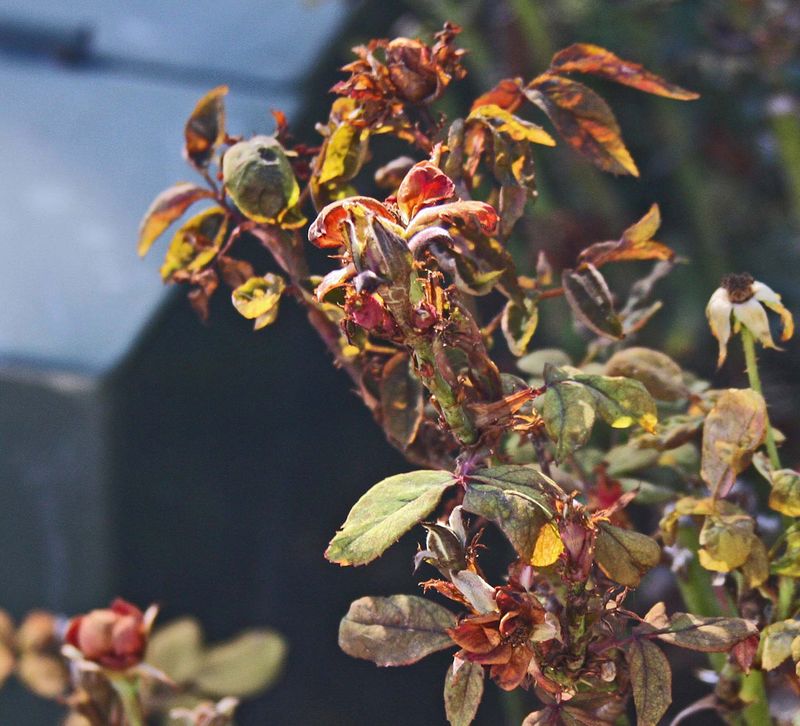
Fresh rose growth has a reddish, glossy look that seems full of promise. In late fall, though, that soft tissue is like a sweater made of tissue paper.
One cold night can leave it limp and blackened.
Plants go through a process called hardening off, or acclimation, as fall arrives. Shorter days and cooler temperatures signal the cells to build cold tolerance.
Water moves out of the cells, and the canes become woody and tougher.
New growth that appears late skips much of that preparation. It holds more water, so ice crystals form easily and rupture the cells.
The damage can spread down into the cane and leave entry points for disease.
Knockout roses are rated hardy to about USDA Zone 5, which covers most of the state. That hardiness assumes the plant has properly settled into dormancy.
A shrub still pushing soft shoots in November is far more exposed.
You can help by keeping things calm in fall. Skip fertilizer, avoid heavy pruning, and let the plant slow down naturally.
A few spent blooms left in place may even form hips, which also signals the shrub to rest.
Put Those Pruning Shears Away Until Forsythia Blooms
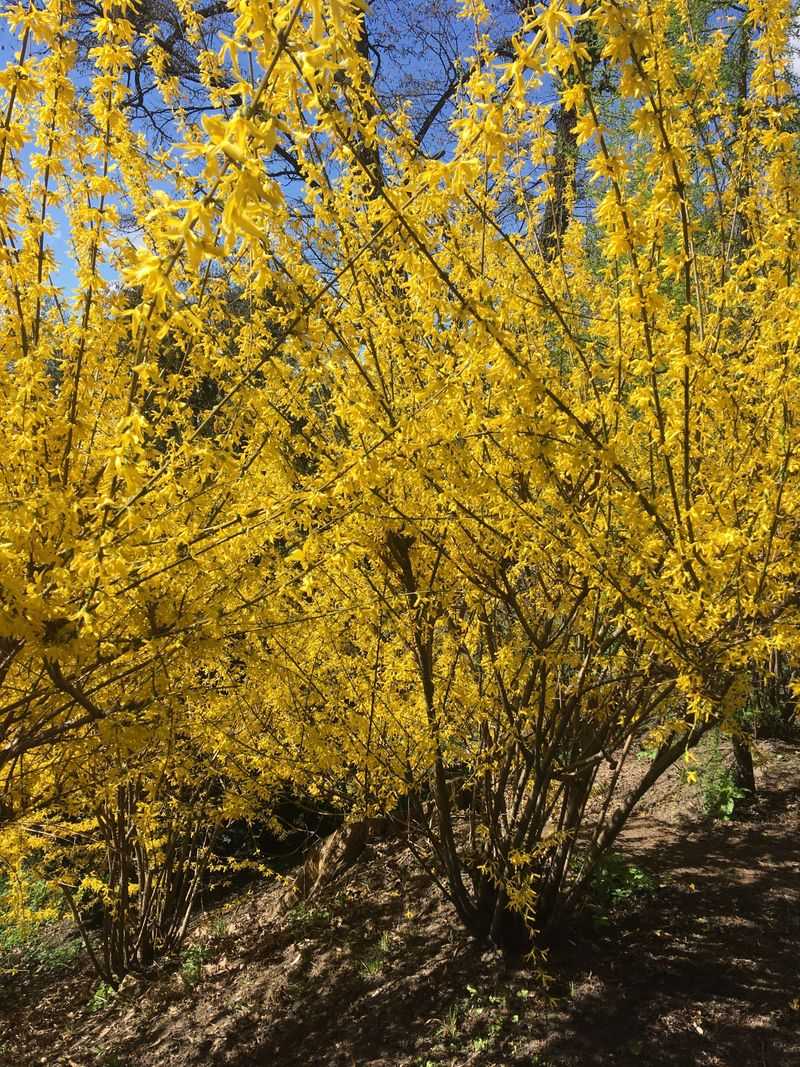
Spring is the right season for serious Knockout rose pruning, and forsythia gives you a handy clue. Many rose growers wait until those bright yellow shrubs bloom.
In Ohio, that usually lands from late March to mid-April.
Cutting hard in fall works a lot like late feeding. Pruning stimulates buds below the cut to wake up.
Any shoots that sprout during a warm spell will face freezing nights soon after.
Fall cuts also leave open wounds through winter. Cold can cause canes to dry and shrink back from those cuts.
You may end up removing even more wood in spring than you planned.
A light tidy is fine before winter. Trim a few long canes that might whip around in strong winds or snap under heavy snow.
Remove any obviously broken or diseased stems too.
When spring arrives, Knockouts handle bold pruning well. Many gardeners cut them back by about one-third to one-half, shaping the plant as they go.
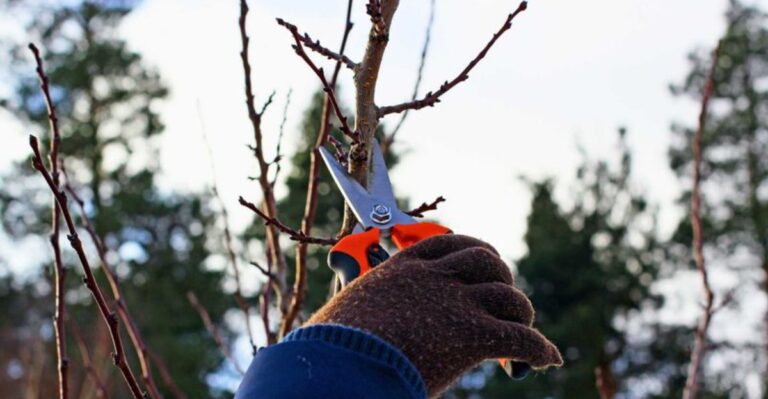
Clean, sharp bypass pruners make neat cuts that heal fast. Waiting those extra months often brings a fuller, bloom-packed shrub by early summer.
Wait For Frozen Ground Before Mulching Around Rose Bushes
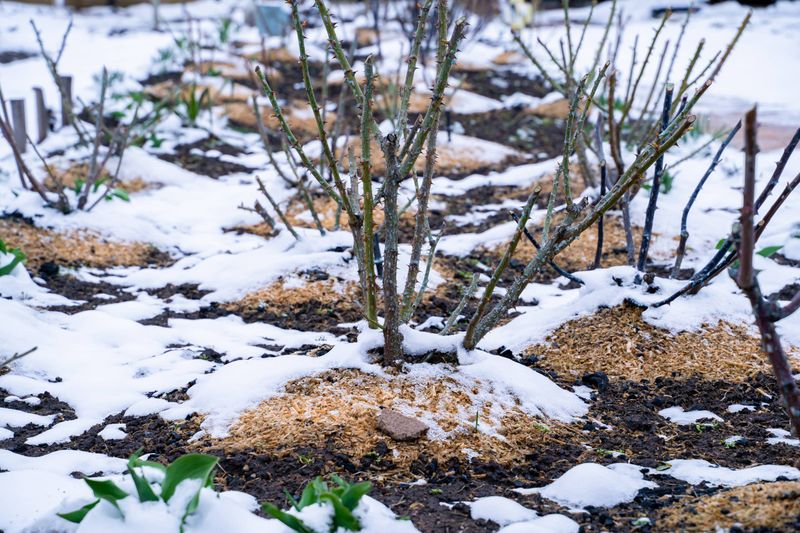
Mulch feels like a cozy blanket, so it is tempting to pile it on early. Timing matters a lot, though.
Mulching too soon can keep the soil warm and delay dormancy.
A better plan is to wait until after a few hard frosts. In much of Ohio, that means late November or early December.
The goal is to keep the soil steadily cold, not to keep it warm.
Winter mulch helps prevent the freeze-and-thaw cycles that heave soil and stress roots. Ohio winters are famous for those swings, with a sunny 50-degree day followed by a single-digit night.
A steady layer evens things out.
Spread about 2 to 3 inches of shredded bark, compost, or shredded leaves around the base. Keep the material a couple of inches away from the crown and canes.
Mulch piled against stems can hold moisture and invite rot or hungry rodents.
Knockouts grown on their own roots tend to recover even if the top suffers. Still, protecting the root zone gives you a head start.
In spring, pull mulch back gradually as new growth appears and the soil begins to warm.
A Deep Drink For Your Roses Before The Ground Freezes
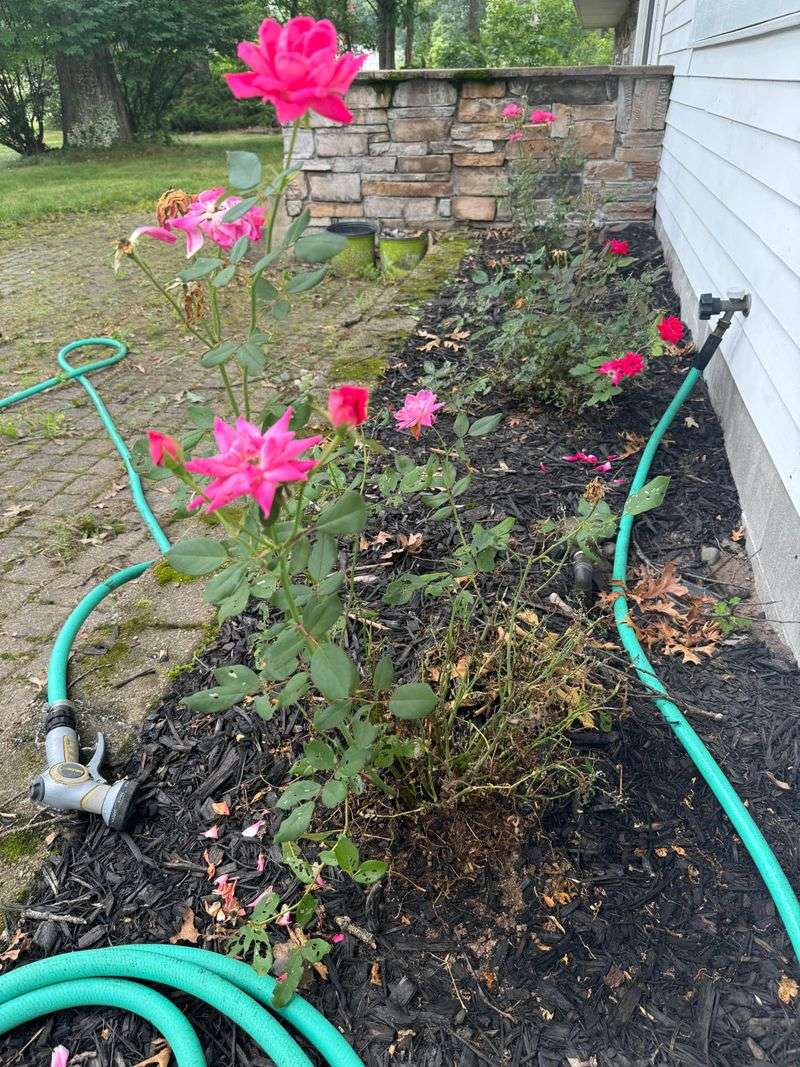
Fall droughts sneak up on Ohio more often than people expect. Cooler air hides how dry the soil can get.
A thirsty rose heads into winter already stressed.
Roots keep working until the ground freezes. Moist soil also holds heat better than dry soil, which helps protect roots on frigid nights.
Dry canes lose moisture to winter winds and can suffer from desiccation.
Check the soil before you water. Push a finger about two inches deep near the base of the shrub.
If it feels dry, give the plant a slow, deep soak.
Aim for roughly one inch of water per week when rain is scarce. A soaker hose or a gentle trickle from a regular hose works well.
Water in the morning so the soil can absorb it before nighttime cold.
Do not overdo it, either. Soggy, poorly drained soil can lead to root problems over winter.
Once the ground is frozen solid, put the hose away and drain it so it does not crack. A well-hydrated shrub enters dormancy calmer and stronger.
Black Spot Leaves Under Rose Bushes Deserve A Good Raking
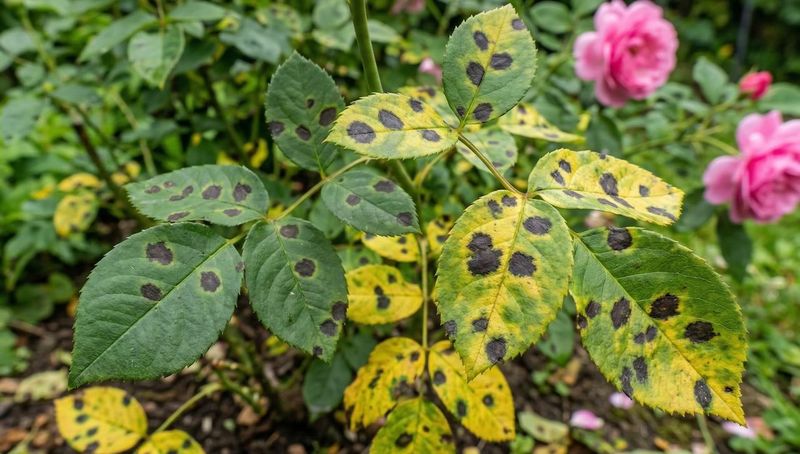
Knockouts earned their reputation for strong disease resistance when they hit the market in 2000. Resistant does not mean immune, especially in humid Ohio summers.
Black spot and other fungal problems can still show up.
Fungal spores often spend the winter on fallen leaves. When spring rains splash, those spores bounce back onto fresh foliage.
The cycle starts all over again.
A fall cleanup breaks that chain. Rake fallen rose leaves from around the shrub and pick off any spotted leaves still hanging on.
Bag diseased material or toss it in the trash rather than your compost pile.
Most home compost piles do not get hot enough to reliably neutralize fungal spores. Healthy leaves from other trees are another story.
They can go into compost or become mulch later once the ground freezes.
Clean your pruners too after cutting any diseased canes. A wipe with a diluted household disinfectant works well.
I find this chore oddly satisfying on a crisp November afternoon. It takes less than an hour and pays off with cleaner leaves in June.
Northern Ohio Rose Beds Face A Tougher Winter Than Southern Ones
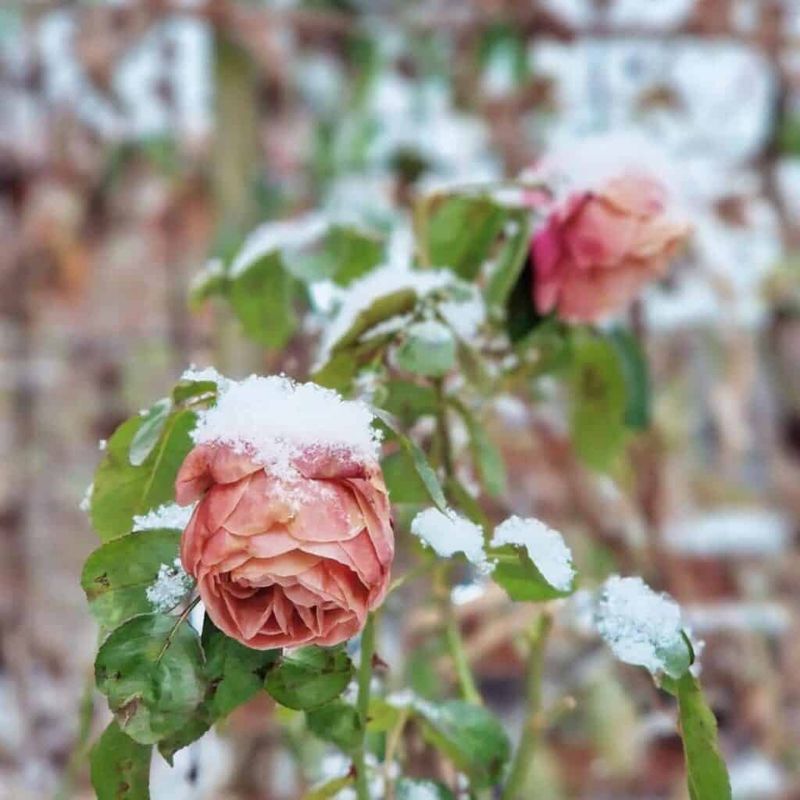
Ohio spans several USDA hardiness zones, mostly 5b through 6b, with a small pocket of 7a along the Ohio River. That spread changes how much winter protection your roses need.
A Cleveland garden and a Cincinnati garden are not playing the same game.
Northern and northeastern areas often see colder lows and lake-effect snow. Snow actually works as a natural insulator for roots.
The trouble comes with wind, ice, and sudden temperature plunges.
Gardeners in colder pockets may want slightly thicker mulch and extra attention to watering in fall. Shrubs planted in windy, exposed spots can benefit from a simple burlap screen.
Avoid wrapping plastic directly around the plant, since it can trap heat and moisture.
Southern Ohio gardens tend to get more winter thaws. Those warm spells can tempt plants to stir early.
Here, waiting on mulch and skipping late feeding matters even more.
Check your exact zone on the USDA Plant Hardiness Zone Map, which was updated in 2023. Many Ohio spots shifted half a zone warmer.
Even so, a single harsh January can still test your shrubs.
Healthy Knockout Roses Next Spring Start With A Calm Fall
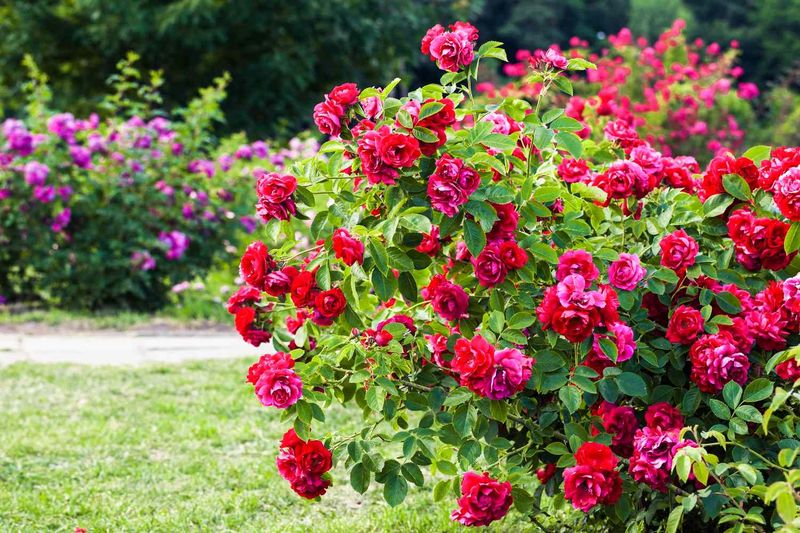
Patience is the best gift you can give these shrubs in autumn. Doing less, at the right time, often brings better results than doing more.
That mindset shift changed how I treat my own rose beds.
Keep a simple fall checklist. Stop fertilizing by late August.
Skip heavy pruning, and only trim broken or extra-long canes.
Water deeply during dry spells until the ground freezes. Rake away fallen and diseased leaves.
Add mulch after a few hard frosts, keeping it clear of the crown.
Some cane damage can still happen after a rough winter. That is normal, and Knockouts usually bounce back with vigor.
Wait for new buds in spring, then cut any brown, brittle canes down to healthy green wood.
Once the forsythia blooms, give the shrub its main pruning and its first feeding of the year. Before long, those familiar clusters of blooms will return and keep coming in waves through summer.
A quiet, thoughtful fall routine sets the stage for that show. Your future self, standing beside a shrub loaded with color, will be glad you held back.