The Protected Nibbler Eating Your Illinois Tulips Is Legally Untouchable Unless The Damage Is Truly Severe
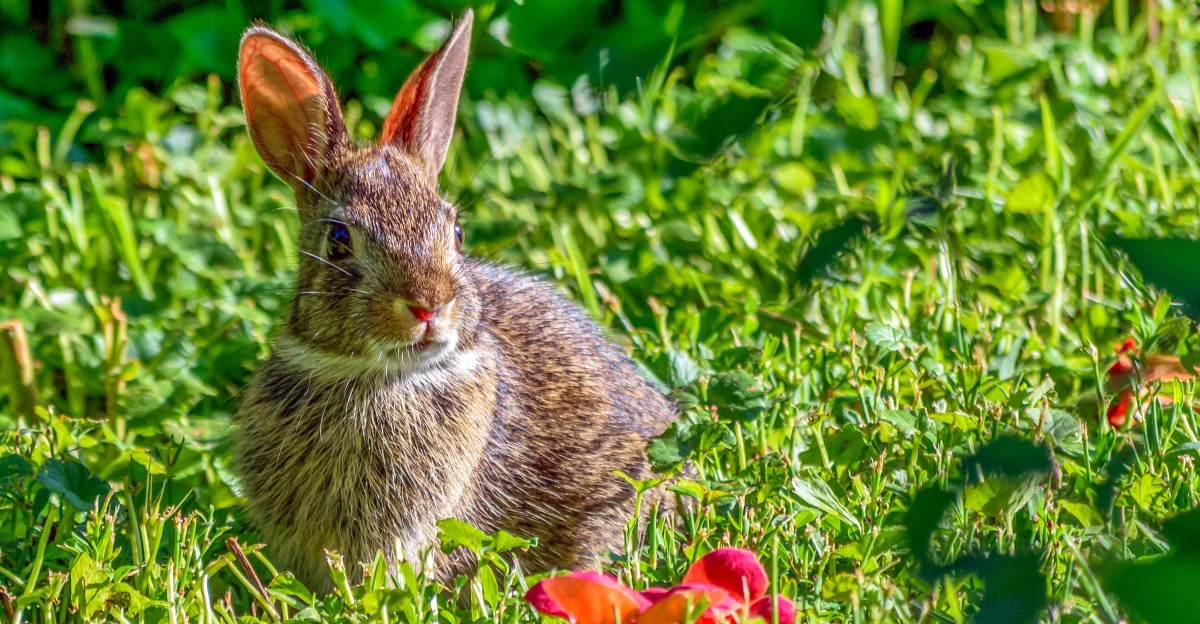
The furry bandit snipping your tulip buds at dawn has more legal protection than the tulips do. It clips stems at a tidy angle, like a tiny pair of pruning shears.
Still, you can’t trap it and haul it away on a whim, not in Illinois. I learned this after losing a whole row of red tulips in one night. My first instinct was revenge. A quick call to a wildlife expert gave me a reality check about state rules here in Illinois.
The law draws a line between annoying and seriously damaging. Most backyard nibbling falls on the annoying side, which means fences, smart planting, and patience become your best tools.
Know where that line sits, and you’ll find you have far more control than you think. Your tulips don’t have to lose.
That Neat Angled Snip On Your Tulip Stem Points To One Suspect
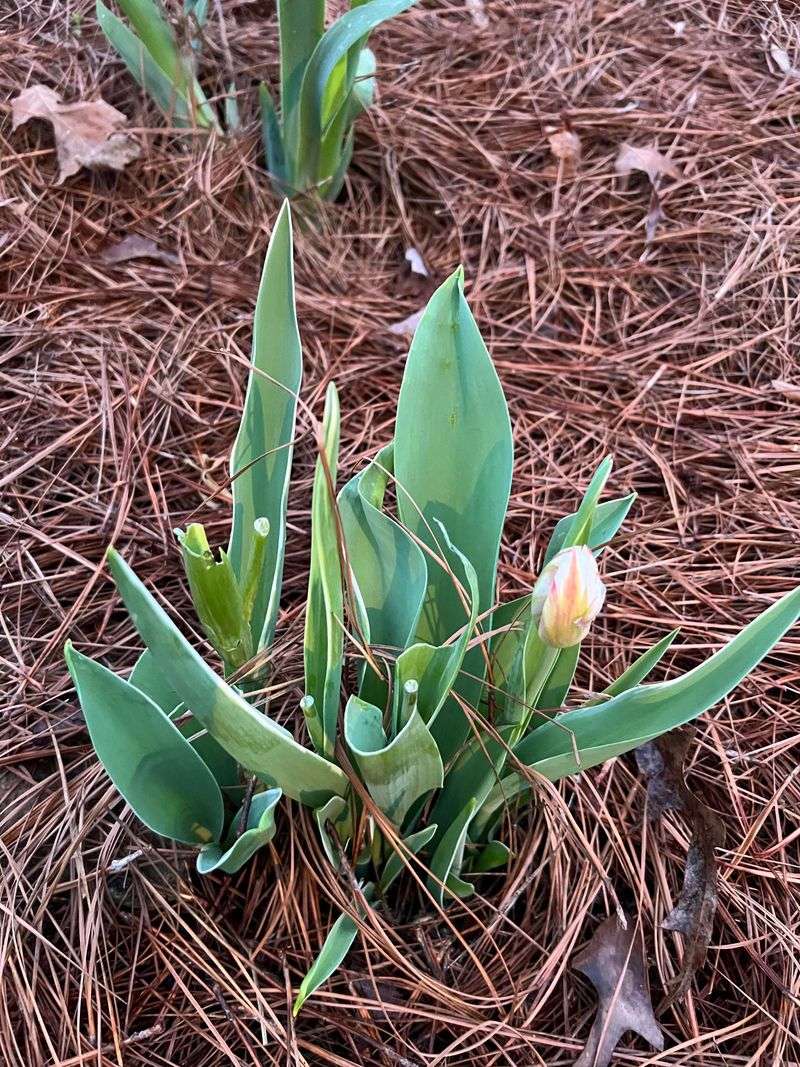
Morning coffee in hand, I once found six tulip buds lying on the mulch like dropped lipsticks. The stems were sliced at a clean, sharp angle, almost as if someone had used garden snips.
That tidy 45-degree cut is the classic calling card of the eastern cottontail. Rabbits have sharp front teeth that slice through soft stems in one bite.
Deer leave a ragged, torn edge instead, since they lack upper front teeth and rip plants as they pull.
Look closer and you may find more clues. Rabbit droppings are small, round, and about the size of a pea, often scattered near the damage.
Feeding usually happens at dusk, overnight, and early morning, so you rarely catch the culprit in the act.
Height tells a story too. Rabbits mostly feed within about two feet of the ground, while deer browse much higher.
Squirrels are another suspect, but they tend to dig up bulbs in fall or chew off blooms and leave them scattered.
Getting the identity right matters more than you might guess. The rules, the fence height, and the repellent you choose all depend on who is eating. Spend a few minutes playing detective before you spend money on solutions.
Those Cottontails Are Covered By The Illinois Wildlife Code
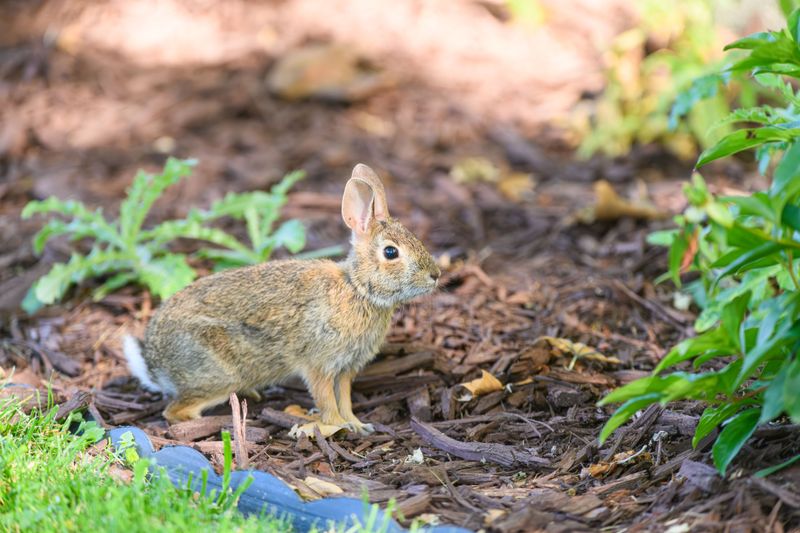
Cute, fluffy, and legally shielded, the cottontail sits in a category many gardeners overlook. Under the Illinois Wildlife Code, the eastern cottontail is classified as a game species. That label means the state manages it, much like squirrels, pheasants, and quail.
Game status comes with rules. Rabbits can be hunted only during the set season, which runs through fall and winter, and only with a valid hunting license. Spring, when tulips are at their tastiest, falls outside that window.
Even during season, most suburban and city yards are poor places to hunt. Many towns ban discharging firearms or bows near homes, and local ordinances can be stricter than state law. Chicago and many suburbs have their own rules about wildlife and trapping.
So what does protection really mean for you? It means you cannot simply trap, harm, or remove a rabbit outside of legal channels because it ate your flowers. Breaking these rules can lead to fines, which feels like a bad trade for a few blooms.
Protection does not mean you are powerless, though. Fencing, repellents, and smarter plant choices are all fair game, and they often work better than removal anyway. More rabbits tend to move in when one leaves.
Nibbled Tulip Leaves Rarely Qualify For A Removal Permit
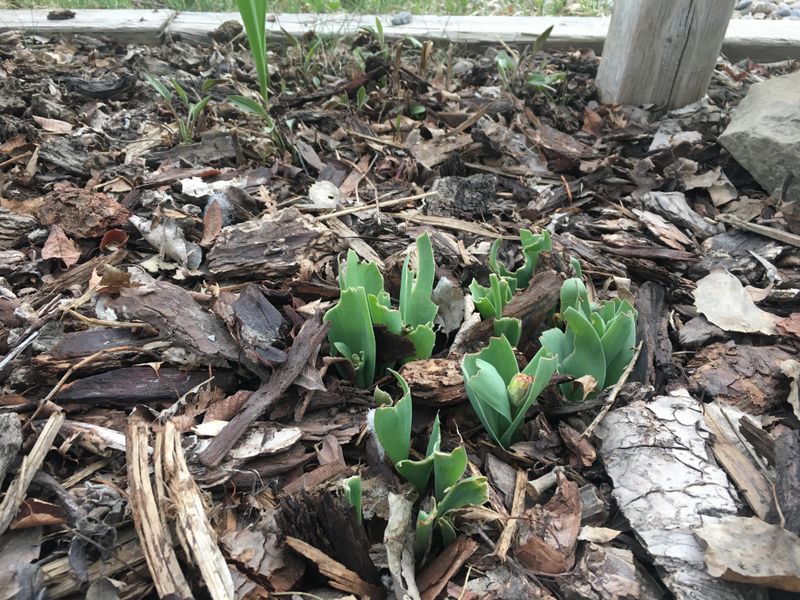
A friend of mine called the state about her chewed tulips and got a polite, firm answer. A few eaten flowers do not justify a removal permit. Her reaction was a mix of disbelief and grudging respect.
The Illinois Department of Natural Resources handles Nuisance Animal Removal Permits, often called NARPs.
These permits are meant for wildlife causing substantial property damage or a real threat to health and safety. A rabbit snacking on spring bulbs usually counts as an inconvenience instead.
Wildlife Illinois, a resource tied to state experts, says much the same thing. Animals simply eating plants or wandering through a yard generally do not meet the bar.
Serious damage might look like widespread losses to a commercial nursery, an orchard, or a large planting you depend on for income.
Licensed nuisance wildlife control operators can handle many permitted removals, and they know the paperwork. Hiring one does not erase the damage standard, however. They still have to follow the same state rules.
Keep notes and photos if the problem grows. Dated pictures, a count of lost plants, and a list of methods you already tried make any future conversation with wildlife officials far more productive. Good records also help you see whether your fixes are working.
A Buried Chicken Wire Fence Keeps Bunnies Out Of Tulip Beds
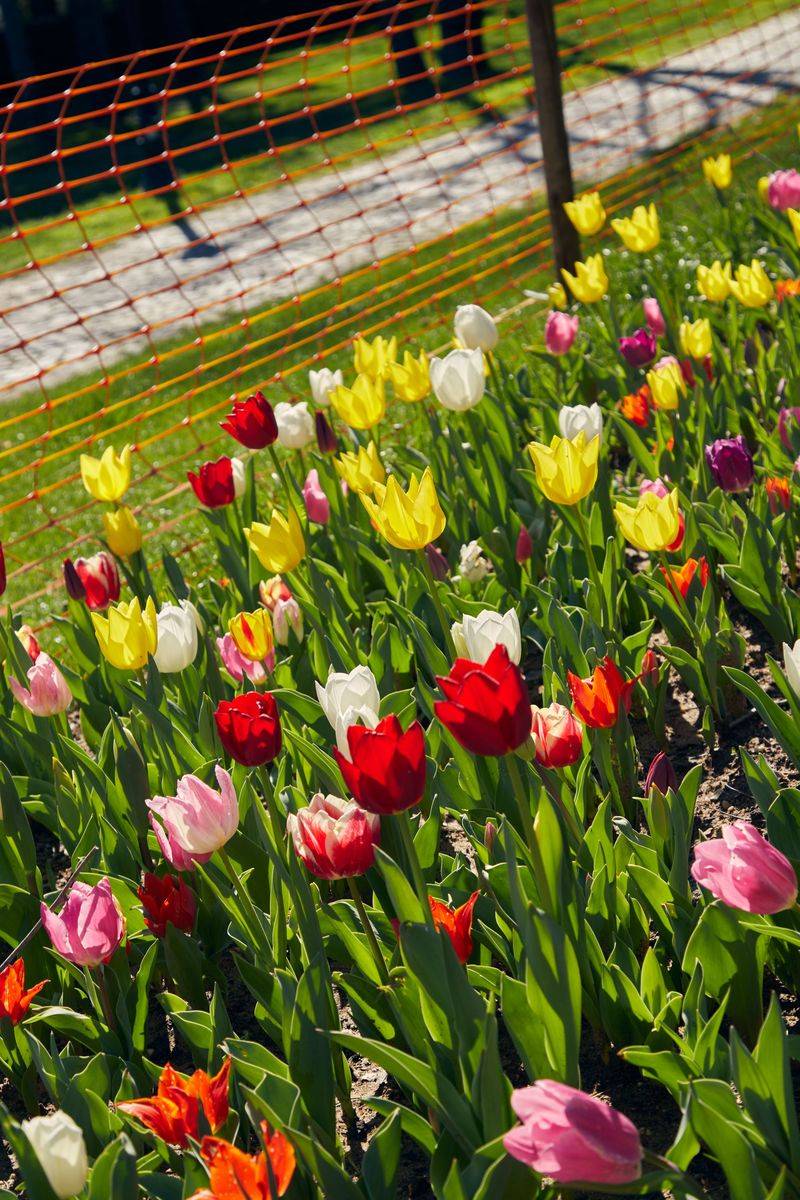
Chicken wire might be the least glamorous garden tool you own, yet nothing beats it for stopping rabbits. A low fence around a tulip bed does more than any spray or trick I have tested.
University of Illinois Extension and other wildlife experts suggest a fence at least 2 feet tall. Use mesh with openings of 1 inch or smaller, since young rabbits can slip through surprisingly small gaps. Hardware cloth works too and lasts longer.
Burying the bottom edge is the step people skip. Sink it 3 to 6 inches into the soil, or bend it outward in an L shape along the ground, so rabbits cannot squeeze or scrape their way under. Pin the edges with landscape staples for extra security.
For a less visible option, lay chicken wire flat over newly planted bulbs in fall, then cover it with mulch. Shoots poke through the holes, and rabbits find it hard to reach the tender base. Small cages over individual clumps work nicely in mixed borders.
Install fencing early, before shoots emerge in late winter or early spring. Rabbits learn feeding routes quickly, and breaking a habit is harder than preventing one. Deer are a separate challenge, needing much taller barriers.
Rabbit Repellent Sprays Work Best When You Reapply Them Often
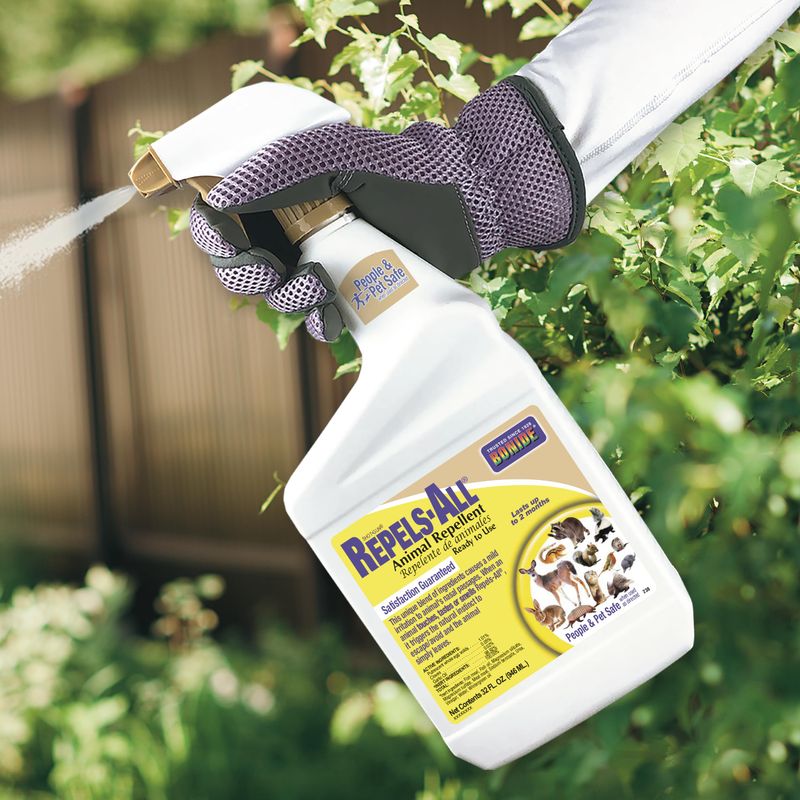
Spraying a repellent once and walking away is a little like brushing your teeth once a month. The idea is right, but the follow-through is where results happen.
Most rabbit repellents rely on bad taste or scary smells. Taste products often contain bitter compounds or hot pepper, while odor products may use putrescent egg, garlic, or predator scents. Rabbits learn to avoid treated plants after a sample or a sniff.
Reapplication is the real secret. Rain washes many products away, and new leaves grow untreated, so plan to spray again every week or two and after heavy storms. Check the label first, since some products should not be used on edible plants.
Rotating between two different types can help too. Animals sometimes grow used to one scent, especially when food is scarce in early spring. Switching keeps them guessing.
A few homemade tricks get a lot of buzz online, like scattered hair or soap shavings. Results tend to be spotty and short-lived.
Commercial products tested for rabbits usually perform more reliably, and pairing any repellent with fencing works best of all.
Treat repellents as one layer, not the whole plan. Start as soon as shoots break the soil, because the youngest growth is the most tempting.
Daffodils And Alliums Leave Hungry Rabbits Uninterested

Daffodils are the quiet heroes of the spring garden. Rabbits and deer mostly leave them alone, and the reason is chemistry.
Daffodil bulbs, leaves, and flowers contain lycorine and other bitter alkaloids that animals find unpleasant. One taste is usually enough to send a rabbit elsewhere. Tulips, in contrast, are like candy to them.
Other bulbs earn similar respect from hungry critters. Ornamental alliums carry an oniony scent, while hyacinths, grape hyacinths, snowdrops, and fritillaries also tend to be passed over. No plant is fully rabbit-proof, but these come close in most yards.
Try planting a ring of daffodils around a tulip cluster. Some gardeners say this border helps, though evidence is mixed, so pair it with fencing for treasured tulips. Containers on a porch or deck also put tulips out of easy reach.
Fall is planting time for these bulbs in most of the state. Northern gardeners often plant in late September through October, while southern areas can stretch into November. Aim to get bulbs in the ground about six weeks before it freezes hard.
Replacing a few tulips each year with tougher choices takes pressure off the whole bed. You still get bright color, with far fewer morning surprises.
Trapping And Relocating A Cottontail Comes With Strings Attached

Trapping a rabbit and driving it to a nearby forest preserve sounds kind and simple. In reality, it raises legal and practical problems that most gardeners do not expect.
Live-trapping a protected species generally requires a permit in Illinois unless you are a licensed trapper in season. Releasing wildlife on someone else’s land, including public parks and preserves, typically needs permission from the landowner or agency.
Many forest preserve districts do not allow it. Relocation is also hard on the animal. Moved rabbits land in unfamiliar territory without known hiding spots, often facing new predators and competition.
Wildlife experts report that many relocated animals struggle to survive. Spring adds another twist. Cottontails often nest in shallow, fur-lined hollows right in lawns and flower beds.
Take a mother away, and her tiny babies are left on their own. Found a nest? Leave it alone, keep pets and mowers away, and mark the spot.
The young leave the nest within about three weeks, and the mother usually visits only at dawn and dusk to feed them.
Your energy pays off more when spent on exclusion. Block gaps under decks and sheds after any young have moved on, and clear brush piles that offer cover near tulip beds.
Calling IDNR Makes Sense When Rabbit Damage Turns Serious
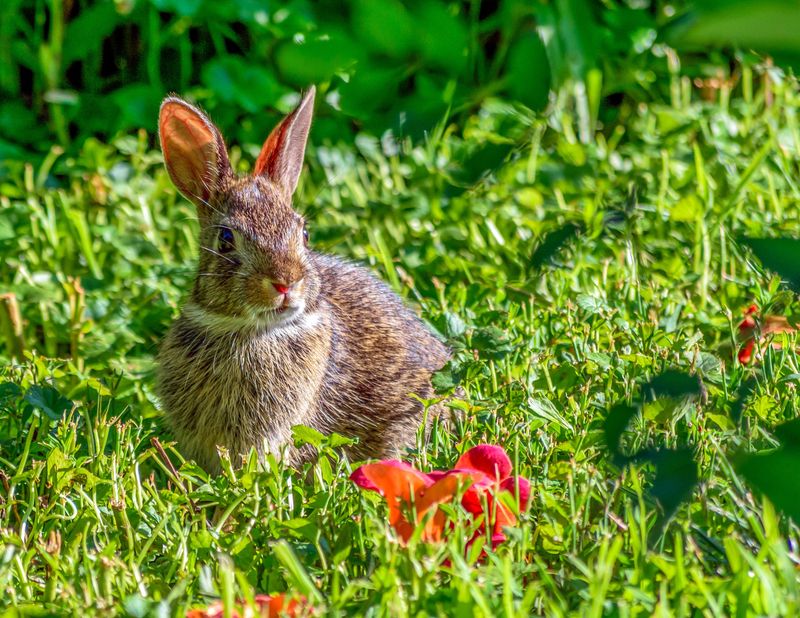
Persistence earns you options. If fences, repellents, and smarter planting all fail and losses keep climbing, contact the Illinois Department of Natural Resources or a licensed nuisance wildlife control operator.
Be ready to describe the damage clearly. Officials will want to know what is being eaten, how much, how long it has gone on, and what you already tried. Photos and dated notes make this conversation easier.
Check local rules too. Your city, county, or homeowners association may have its own limits on trapping and wildlife control, and those can be stricter than state law. A quick call to your village office can save a headache.
For most home gardeners, the answer will be coexistence with better defenses. That may feel frustrating, but cottontails are part of a healthy ecosystem. Hawks, owls, foxes, and coyotes depend on them, which helps balance local wildlife.
My own tulip bed now sits behind a low wire fence tucked between rows of daffodils. Losses dropped to almost nothing, and I enjoy watching the rabbits nibble clover in the lawn instead.
Clover is a fine trade, honestly. Plan this fall’s bulb order with protection in mind. A little prep now means a full, bright show next spring.