9 Best Florida Flowers to Plant in Winter for Color Through Spring
Some of the brightest flower beds in Florida get planted around Thanksgiving, while northern gardens sit frozen under snow. Our cool, sunny months are actually prime time for blooms that wilt and sulk in the summer heat.
Many popular bedding flowers here behave like seasonal guests, arriving in fall and leaving once May turns steamy. University of Florida experts call them cool-season annuals, and they handle light frost far better than most people expect.
I have to admit, my favorite part is walking outside on a chilly January morning to fresh petals. You get months of color with less watering and far less sweating than summer gardening usually demands.
Some of these picks even smell sweet, and a couple taste good enough to sprinkle on a salad.
Which ones deserve a sunny spot in your beds before the spring heat sneaks back in?
1. Pansies
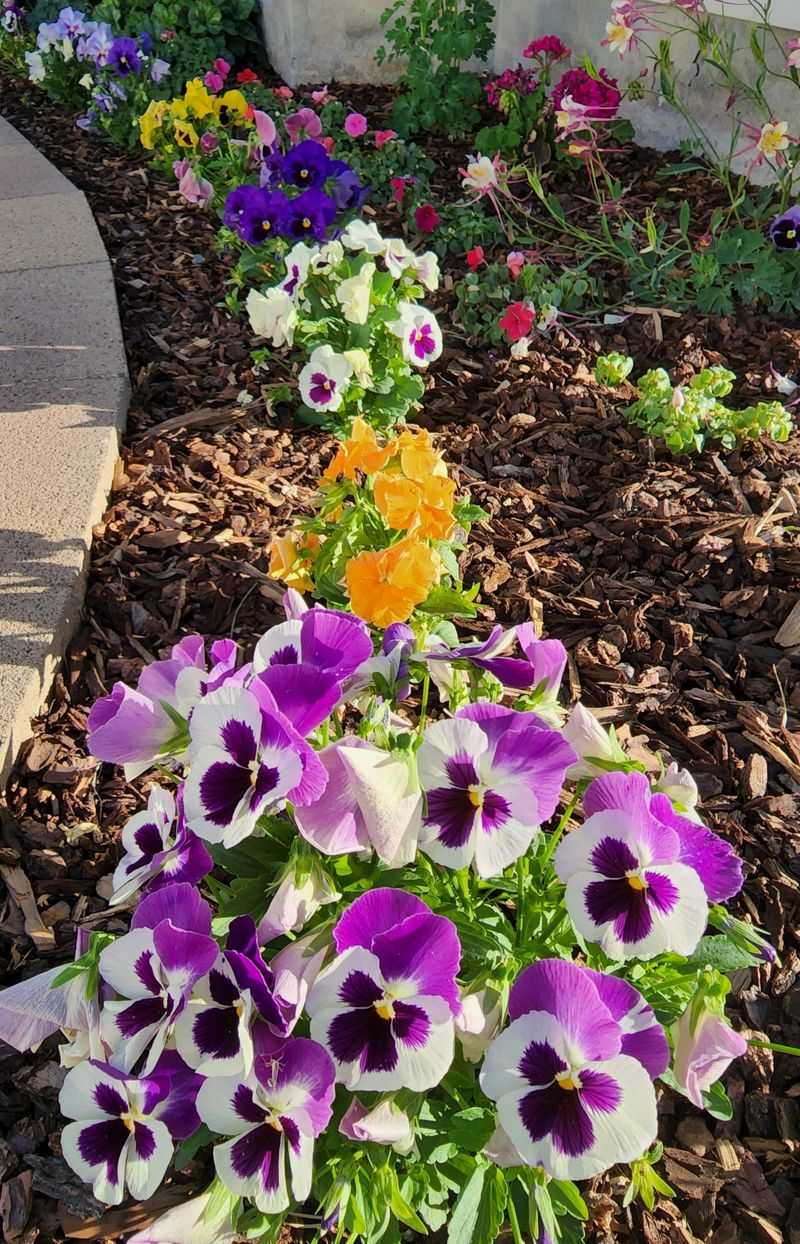
Those little flower faces look like they are winking at you, and kids in my yard name every single one. Pansies, or Viola x wittrockiana, shrug off chilly nights that send tender plants like impatiens into a sulk.
Across North and Central regions, October through December is the sweet spot for setting out young transplants. South gardeners do better waiting until late November or December, once nights finally cool down for good.
Give them four to six hours of sun each day, plus loose soil mixed with plenty of compost. Personally, I like morning sun best, because afternoon shade keeps blooms fresh as warm spring days return.
Water about twice a week after they settle in, keeping the roots moist but not soggy or puddled. A light feeding with slow-release fertilizer at planting time keeps the flower show going for months.
Pinch off faded blooms every few days, and you will notice fresh buds popping up almost right away. Seed pods steal energy from new flowers, so a quick snip keeps plants focused on making more color.
Fun fact, pansy petals are edible and look adorable pressed onto cookies or scattered across a green salad. Just skip any plants treated with garden chemicals, and buy from growers who label flowers safe for eating.
Expect these cheerful faces to fade once steady heat arrives in late April or early May. I treat that moment as a friendly reminder to swap in heat lovers for the long summer ahead.
2. Snapdragons
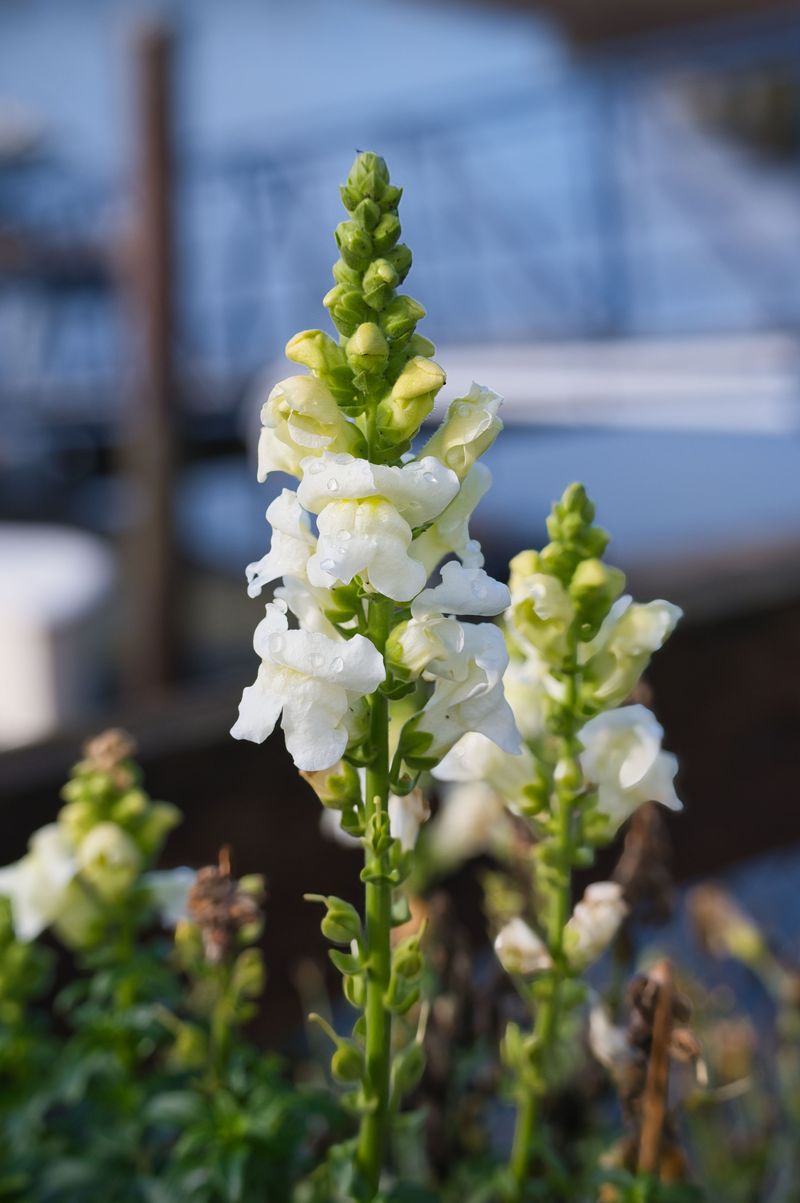
Squeeze a snapdragon blossom gently on the sides, and the little dragon mouth pops open like a puppet. I still do this every winter, and I have caught plenty of grown adults sneaking a try too.
Snapdragons, known to botanists as Antirrhinum majus, love the cool, bright days that winter brings to the Sunshine State. Tall varieties can reach three feet, while dwarf types stay under a foot for edging beds and pots.
Plant them in fall or early winter in full sun with rich, well-drained soil that does not stay soggy. Space transplants about ten inches apart so air can move freely and help prevent leaf diseases.
Tall kinds tend to flop after heavy rain, so slip a thin stake beside each plant early on. You will thank yourself when windy Florida cold fronts roll through and the flower spikes stay standing proud.
Pinching the tip of young plants encourages side branches, which means more flower spikes later in the season. Once a spike fades, cut it back to a leaf pair and watch a fresh one form.
Bumblebees are strong enough to push open those closed blossoms and reach the nectar tucked inside. I love watching them wiggle in headfirst, then back out dusted with pollen like tiny powdered donuts.
Snapdragons also make wonderful cut flowers, often lasting a week or more in a clean vase indoors. Cut stems when the bottom few flowers have opened, and the upper buds will keep blooming on your table.
3. Petunias
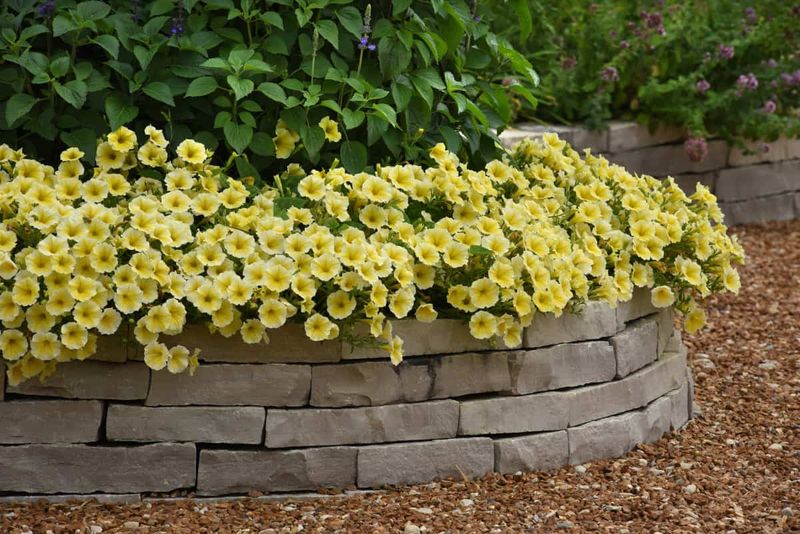
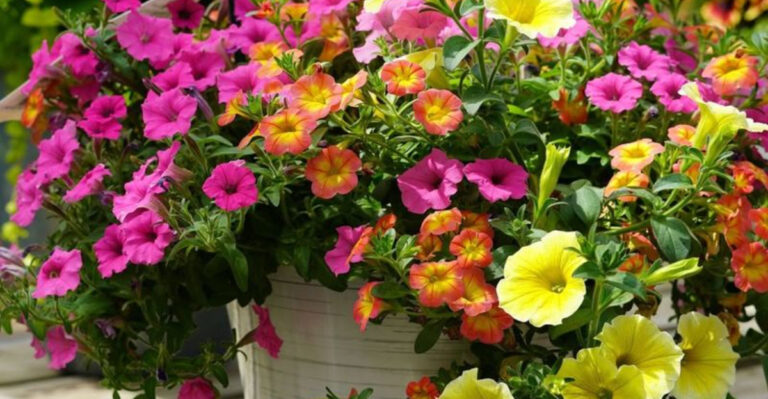
Petunias sulk through a humid summer here, but cool weather turns them into flower machines that barely stop. I was honestly shocked the first time mine stayed covered in blooms straight through a February cold snap.
UF/IFAS recommends treating these tender perennials as winter annuals, planting them in October or November in most regions. Down south, December planting works nicely, and the color often lasts until warm weather returns in spring.
Give your petunias at least six hours of direct sun, or they get leggy and stop flowering so heavily. Well-drained soil matters a lot, since soggy roots invite rot during those rare rainy winter stretches.
Spreading types like the Wave series can cover several feet of ground or spill gracefully over a hanging basket. Compact mounding kinds fit tidy borders, so pick the style that matches the space you want filled.
Water deeply when the top inch of soil feels dry, which may mean once a week during cool months. Containers dry faster, so check those pots more often, especially on breezy days after a cold front passes.
Some petunias release a soft sweet scent in the evening, especially the older purple and white varieties. You might notice it most on still nights when you walk past the porch with a cup of tea.
When stems stretch out by midwinter, trim them back by about a third to spark bushy new growth. A dose of balanced fertilizer afterward helps them bounce back fast and keeps the flowers coming through April.
4. Sweet Alyssum
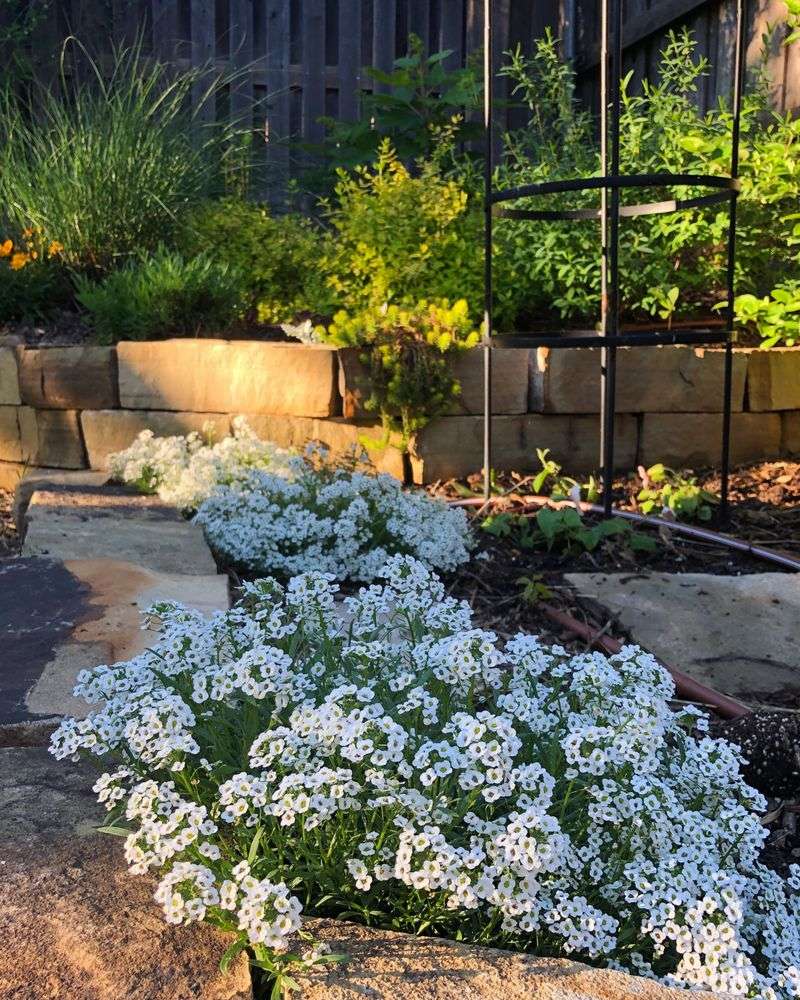
Kneel down next to a patch of sweet alyssum, and you will catch a scent that smells like warm honey. Those tiny clustered flowers look like lace spilling over the edge of a bed or a clay pot.
Lobularia maritima stays low, usually under a foot tall, which makes it a charming edging plant or groundcover. White is the classic color, though pink and purple selections also show up at many garden centers each fall.
Plant it in fall and winter in full sun, though a little afternoon shade helps once spring warms up. Loose, well-drained soil keeps the shallow roots happy, especially in sandy yards that drain quickly after rain.
I like tucking it under taller flowers like snapdragons, where it fills empty gaps and hides bare soil nicely. It also softens the edges of window boxes and hanging baskets with a frothy, trailing look.
Small bees and hoverflies visit the blooms often, and young hoverfly larvae help control aphids on nearby plants. That makes alyssum a sweet little helper in vegetable gardens, not just a pretty face in the flower bed.
If plants look ragged midseason, shear them back by about half with clean scissors and water them well. Within a couple of weeks, you should see a fresh flush of flowers covering the trimmed mounds again.
Regular light feeding keeps them blooming, but too much fertilizer can push leafy growth instead of flowers. Once summer humidity settles in, alyssum usually fades, so enjoy every fragrant week while the cool season lasts.
5. Dianthus
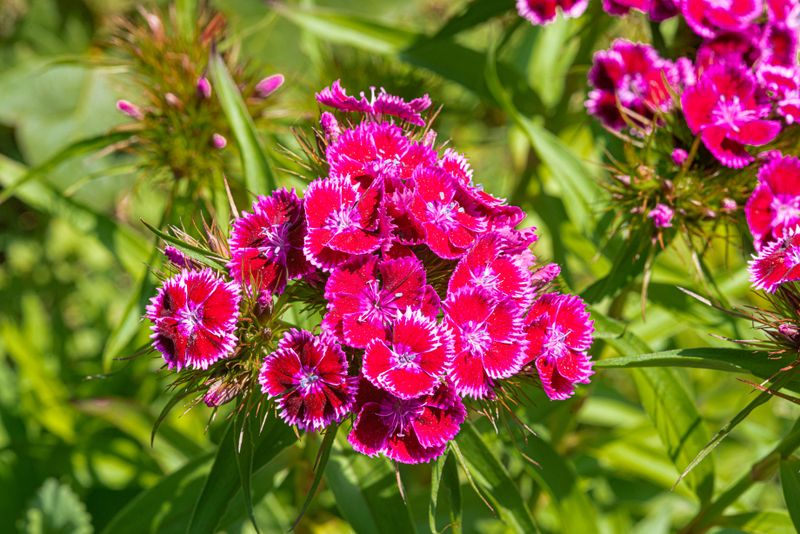
Dianthus blooms look like someone trimmed their petal edges with pinking shears, giving each flower a frilly, playful outline. That jagged edge actually explains the nickname pinks, which refers to the fringed cut rather than the color.
UF/IFAS lists dianthus among reliable cool-season annuals, and plants handle light frosts with surprisingly little fuss. Set out transplants from October through February, depending on whether you garden up north or farther south.
Most garden types, often sold as Dianthus chinensis or hybrids, stay compact at six to twelve inches tall. Their grayish green leaves look tidy even between flower flushes, which I appreciate in a front border.
Full sun gives the best blooming, though plants will tolerate a little afternoon shade later in spring. You need well-drained soil, because soggy ground causes crown rot faster than almost anything else these plants face.
Some varieties carry a light spicy scent that reminds many people of cloves, so sniff before you buy. I like planting a few near a walkway, where brushing past them releases a pleasant whiff now and then.
Snip off faded flower clusters regularly, and the plants respond with new buds for weeks on end. A sprinkle of slow-release fertilizer at planting time is usually plenty for a full season of color.
Butterflies stop by the flat open flowers, especially on warm sunny afternoons in late winter and early spring. Pair dianthus with sweet alyssum in a container, and you get a cute mix of frills and fluff.
6. Calendula
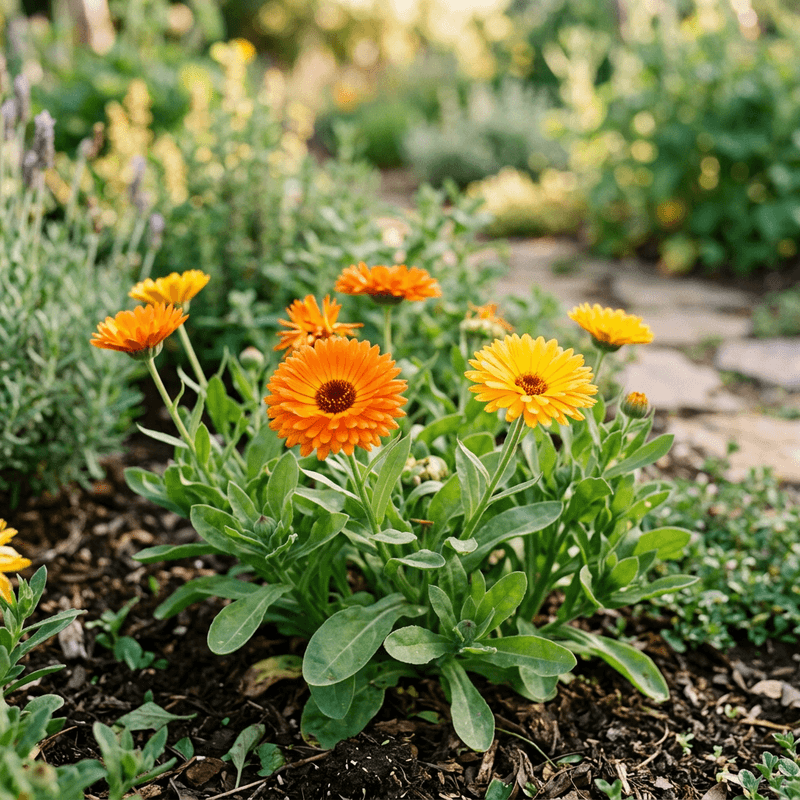
Centuries ago, people in Europe tossed calendula petals into soups and stews, earning it the nickname pot marigold. Those bright orange and golden blooms still taste a little peppery, and they look fantastic on a salad.
Calendula officinalis is not a true marigold, even though the common name suggests a close family connection. Both belong to the large daisy family, but they come from separate genera with different growing habits.
Here in the Southeast, calendula is a classic cool-season flower that struggles once summer heat arrives. Sow seeds or set out transplants from fall through winter, and blooms usually keep coming into spring.
Full sun and average, well-drained soil suit it nicely, so it rarely needs fancy amendments or heavy feeding. Personally, I scatter seeds right in the vegetable garden, where the flowers brighten up rows of lettuce and kale.
Seeds are large, curved, and easy for kids to handle, which makes calendula a great first planting project. Press them about a quarter inch deep, keep the soil moist, and seedlings often appear within ten days.
Pick flowers often, because regular harvesting encourages the plant to keep pushing out new buds all season. Bees and other helpful insects love the open flower centers, especially when few other blooms are around.
Watch for powdery mildew on leaves during damp stretches, and give plants enough space for good airflow. If you eat the petals, grow them without pesticides and pull them gently from fully open, fresh flowers.
7. Nasturtiums
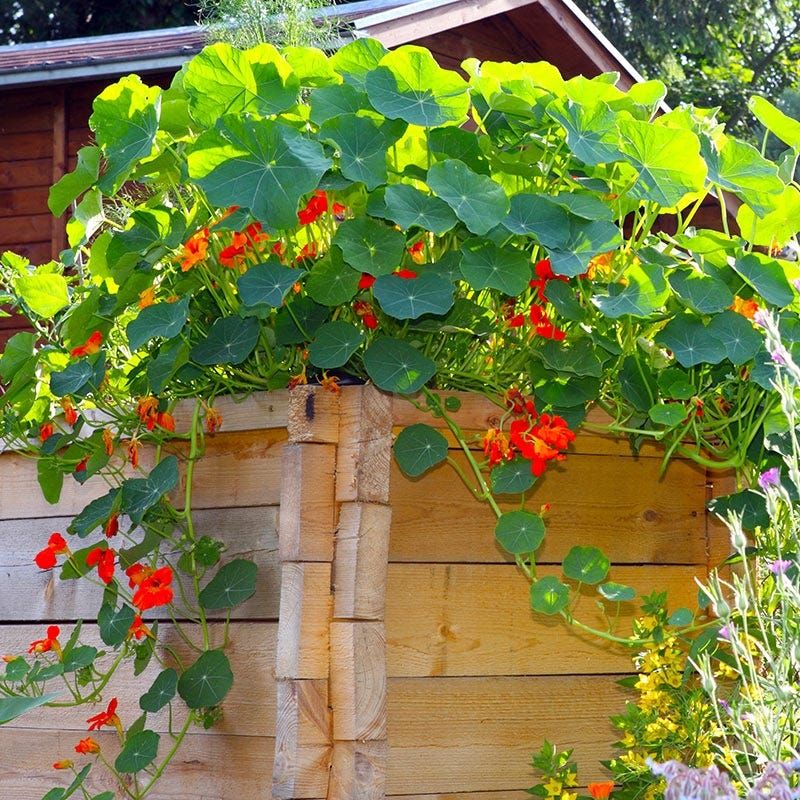
Nasturtium leaves look like tiny lily pads, and raindrops bead up on them like little rolling marbles. I can stand by the garden for a silly amount of time just watching water slide right off.
Tropaeolum majus loves cool weather, so fall and winter planting gives it the best shot at strong flowering. Seeds are big and wrinkled, and soaking them overnight before planting can help them sprout a bit faster.
Plant seeds about half an inch deep directly where you want them, since seedlings dislike being moved around. Full sun works best in winter, though a bit of afternoon shade helps as spring temperatures start climbing.
You’re in for a surprise here, because poor, lean soil often produces more flowers than rich ground does. Heavy fertilizer tends to create lots of leaves with only a few blooms hiding underneath the foliage.
Both the flowers and leaves are edible, with a peppery bite similar to watercress or radish. I love tossing the bright orange and red blooms over a salad when friends come over for lunch.
Trailing types spill nicely from hanging baskets, while bushy dwarf kinds suit containers and the front of borders. Some climbing varieties can scramble up a small trellis, adding vertical color to a tight garden corner.
Aphids sometimes cluster on the stems, so check undersides of leaves and spray them off with water. Light frost can damage nasturtiums, so cover young plants on the coldest nights to keep them looking fresh.
8. Camellias
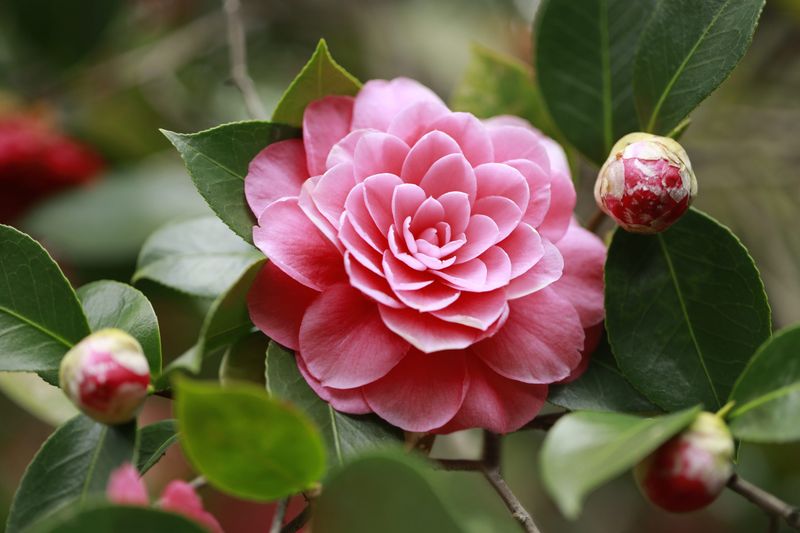
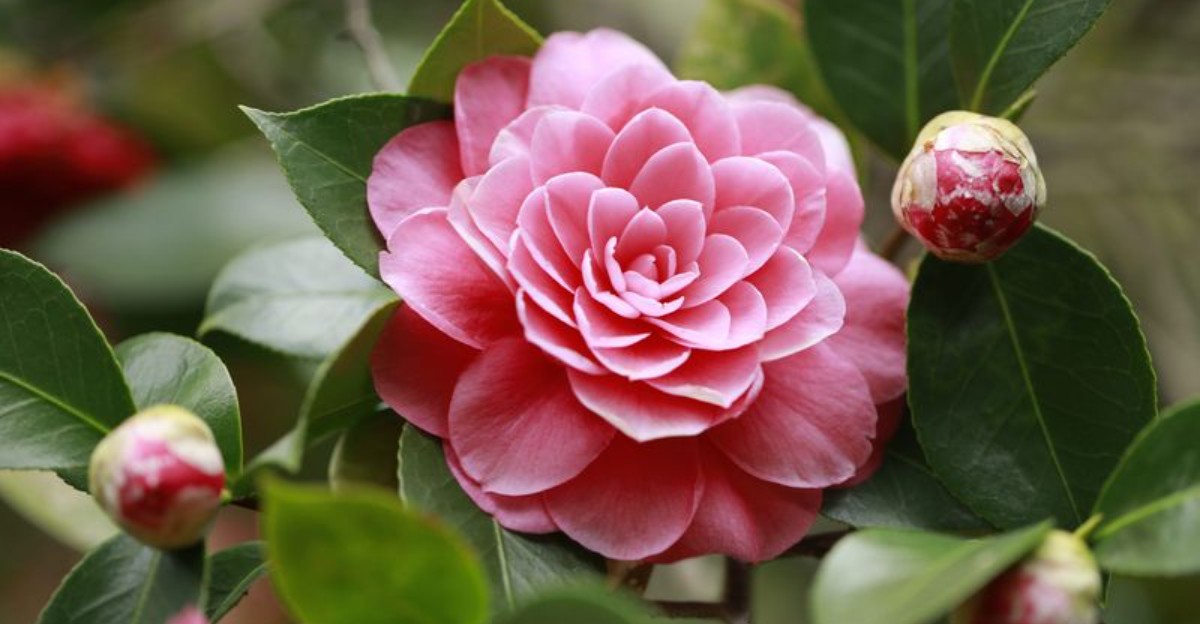
Camellias open their biggest, showiest flowers right when most shrubs are resting, which feels like a winter magic trick. Some blossoms reach four or five inches across, with layered petals that look almost too perfect to be real.
Two main types rule southern gardens, and they take turns flowering from fall through early spring each year. Camellia sasanqua usually starts in fall, while Camellia japonica often peaks in midwinter and continues into March.
Camellias grow best in North and Central Florida, since they need some winter chill and struggle in the far south. Winter is an excellent planting time, because cool weather lets roots settle before the stress of summer heat.
Choose a spot with dappled or filtered shade, especially protection from harsh afternoon sun that can scorch leaves. They prefer acidic, well-drained soil enriched with organic matter, so skip spots near concrete foundations that raise soil pH.
Plant the root ball slightly high, with the top an inch or so above the surrounding soil. Deep planting is a common reason camellias struggle, since buried stems and roots can develop rot over time.
These slow growers can live for decades, and some old shrubs in historic southern gardens are over a century old. I believe a single well-placed camellia can become a family heirloom that grandkids still admire someday.
Water regularly the first year, then mostly during dry spells, and spread mulch to keep roots cool and moist. Prune lightly right after flowering ends, since next season’s flower buds start forming by late spring and summer.
9. Gerbera Daisies
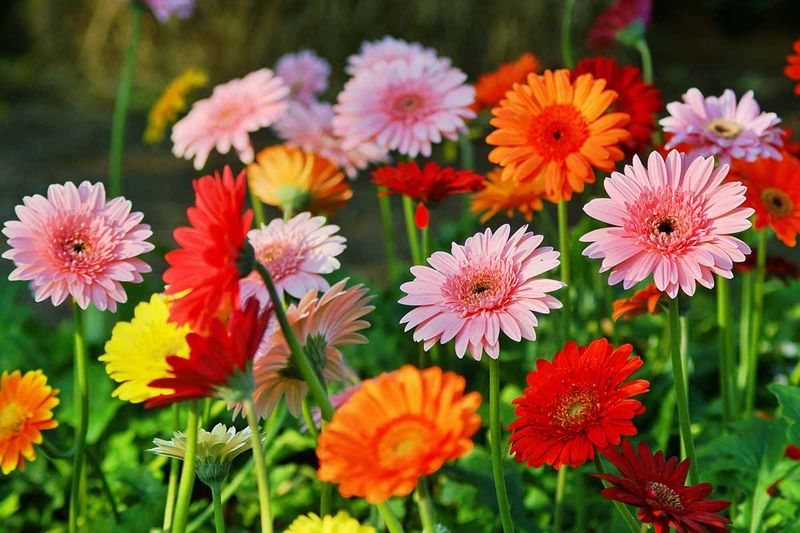
Gerbera blooms can stretch about five inches wide, and they sit on bare stems like bright lollipops in the garden. I can’t walk past a gerbera bed without smiling, even on a gray, drizzly morning in February.
Gerbera jamesonii originally comes from South Africa, where wild plants grow in sunny grasslands with sharp drainage. Breeders turned that wild flower into the dazzling hybrids you see today in nearly every color except blue.
Gerberas are perennial in zones 9 through 11, so most of Florida can enjoy them for several seasons. Farther north, a hard freeze can damage the crowns, so cover plants on frosty nights or grow them in pots.
Plant the crown slightly above the soil line, because a buried crown often leads to rot and weak growth. Morning sun with some afternoon shade keeps flowers fresh, especially as spring sunshine grows stronger in April.
Sandy, well-drained soil mixed with compost suits them well, and good air movement helps prevent fungal leaf spots. Water deeply about once a week, letting the top inch of soil dry before you water again.
Try to water the soil instead of the leaves, since wet foliage invites powdery mildew during cool, humid weather. Early morning watering gives any splashed leaves plenty of time to dry before evening temperatures drop.
Cut finished flower stems all the way down at the base to keep the plant tidy and blooming. Gerberas also make long-lasting cut flowers, so snip a few for a cheerful vase on your kitchen counter.