Why Georgia Live Oaks Start Dropping So Many Acorns In Fall
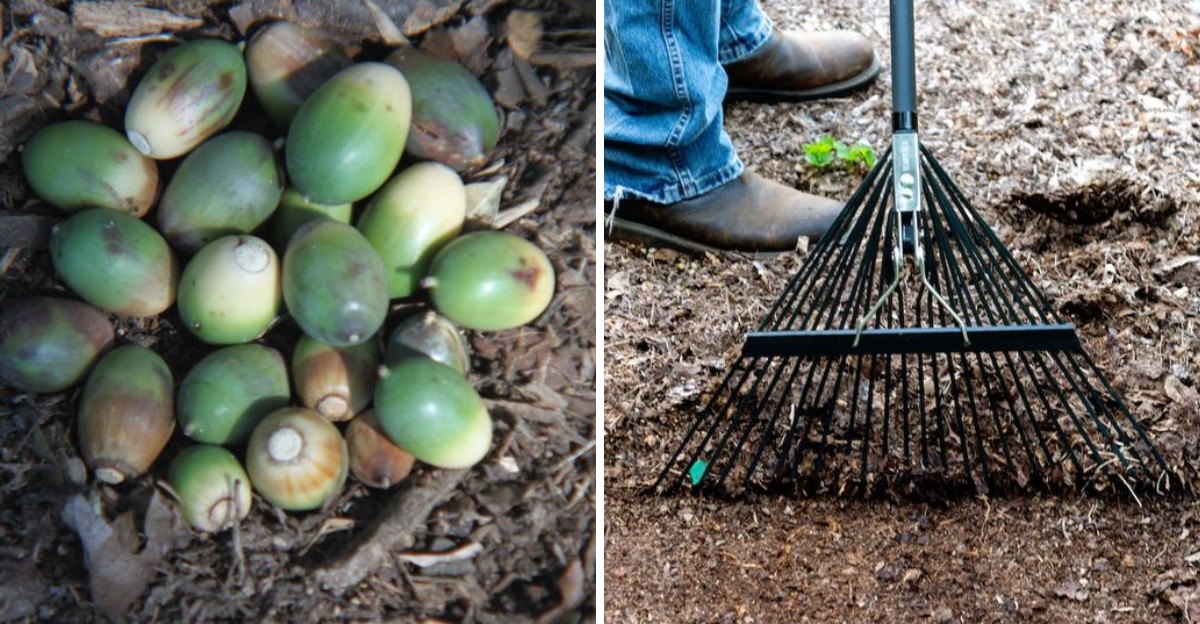
One large oak can drop thousands of acorns in one good autumn. Some years, that number climbs so high it feels like the tree is showing off.
I noticed it first with my shoes. Every step on the patio came with a crunch, and the squirrels looked busier than shoppers at a holiday sale.
Here in Georgia, our evergreen giants stay leafy all winter, so the sudden carpet of little brown nuts catches many of us off guard. You sweep in the morning, and by lunch the ground is covered again.
I believe there is real method behind the mess. The tree is not random or confused, and the reason ties into weather, wildlife, and some clever survival math.
What tells a tree to let go of so many seeds at once, and why do some years feel so much heavier than others?
1. That Carpet Of Live Oak Acorns Has A Pattern Behind It
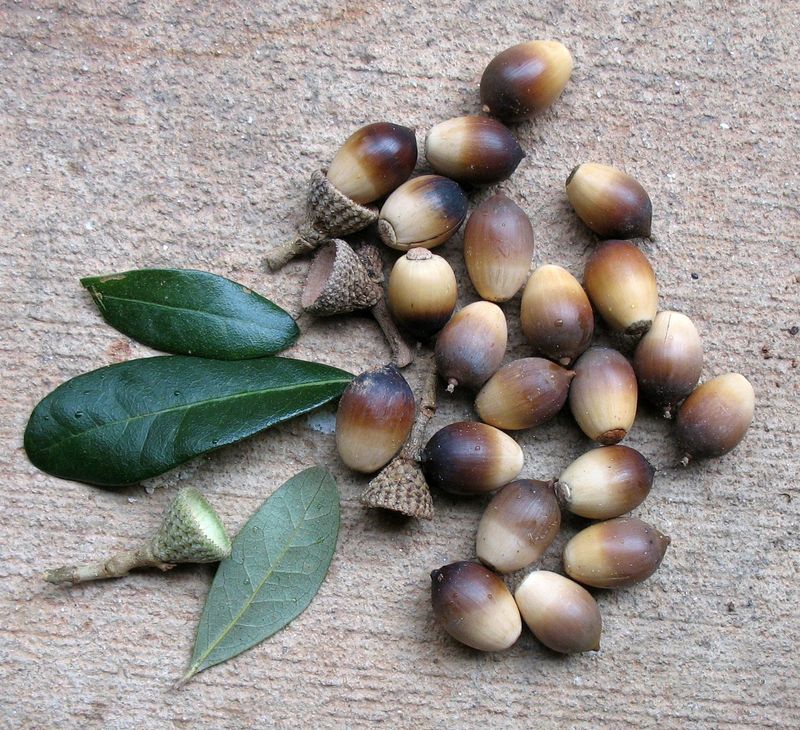
Live oak acorns ripen in a single season. The tiny flowers open in spring, and by early to mid fall the slender, dark brown nuts are ready to let go.
Once an acorn matures, a thin layer of cells forms where its cap meets the twig. That layer weakens the connection, so a breeze, a squirrel, or plain gravity finishes the job.
Since thousands ripen in the same few weeks, they rain down together instead of trickling out all year.
Across most of Georgia, the heaviest drop runs from about September into December. Coastal trees near Savannah and the barrier islands often start a little earlier than trees farther inland, such as around Macon.
Personally, I find this timing kind of brilliant. Cooler soil and fall rains give fallen acorns a real shot at sprouting, and live oak acorns often germinate soon after they land rather than waiting for spring.
So the big drop is mostly a calendar thing. A ripe acorn sitting on a branch does the tree no good.
One on moist ground, tucked under leaves or buried by a jay, has a chance to become the next shady giant on your street.
2. Some Years Bring A Bumper Crop Called A Mast Year
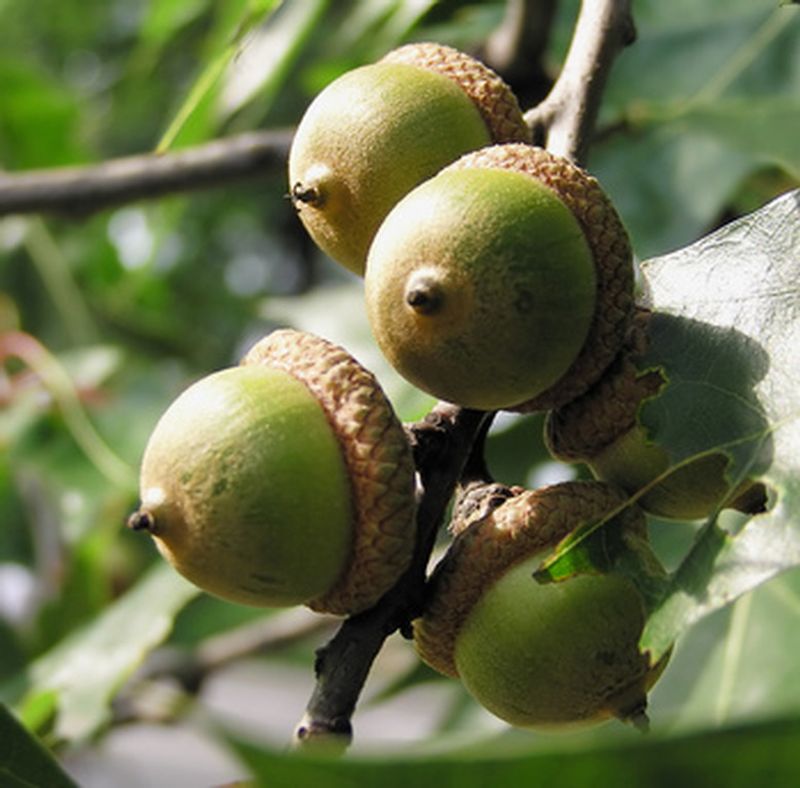
Foresters have a name for those over-the-top autumns. They call them mast years, and oaks across a wide area often produce heavy crops at roughly the same time.
In a mast year, the branches can be so loaded that sidewalks turn into marble tracks. In between, many oaks produce a light crop, and some produce very few acorns at all.
Extension specialists note that good crops tend to come every few years, though the gap varies a lot from tree to tree and place to place.
You might feel like your tree went wild out of nowhere. In truth, your neighbors’ oaks and the ones in the local park are probably doing the same thing.
Scientists still debate exactly how oaks line up their timing. Shared weather is one strong clue, since trees in the same region experience the same spring rains, frosts, and dry spells.
Stored energy inside each tree also plays a role.
I like thinking of a mast year across Georgia as a community event rather than a single tree acting strange. Look around your neighborhood this fall.
If every oak seems generous, you are likely seeing that big shared rhythm in action.
3. Hungry Squirrels And Blue Jays Can Only Eat So Many Acorns
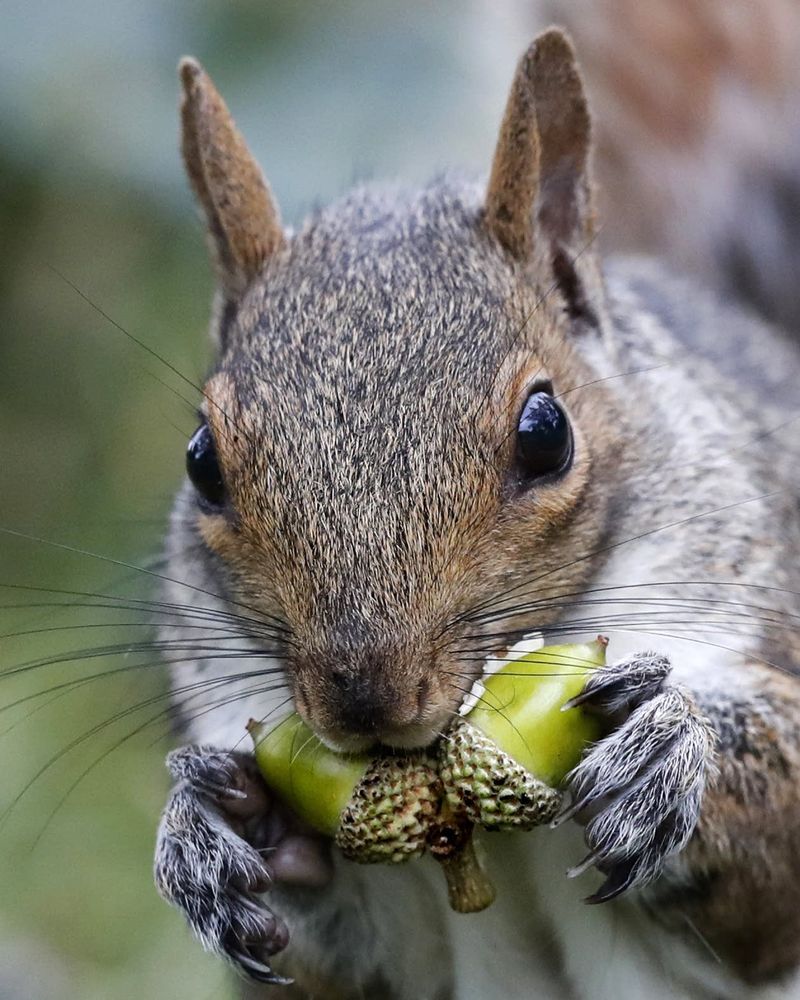
Ever watch a gray squirrel carry acorns in its mouth and then bury them all over your flower beds?
That frantic little gardener is part of the oak’s plan.
Researchers describe a theory called predator satiation. When trees release far more acorns than animals can eat, plenty are left over to sprout.
In lean years, wildlife may eat nearly every nut, but a flood of acorns overwhelms the appetite of deer, squirrels, turkeys, and birds.
The burying habit helps too. Squirrels and blue jays stash acorns for later and then forget a good share of them.
Those forgotten snacks often end up planted at just the right depth.
Fun fact: a single blue jay can carry several acorns at once, holding some in its throat pouch. Studies on jays suggest they have helped spread oaks across large landscapes over thousands of years.
So the next time you spot a lone oak seedling in a strange corner of your Georgia yard, you can probably thank a forgetful critter. You may want to pull those sprouts from garden beds early, though.
Young oaks grow deep taproots fast, and they get stubborn to remove after a season or two.
4. Spring Weather Around Those Tiny Oak Flowers Sets Up The Fall Show
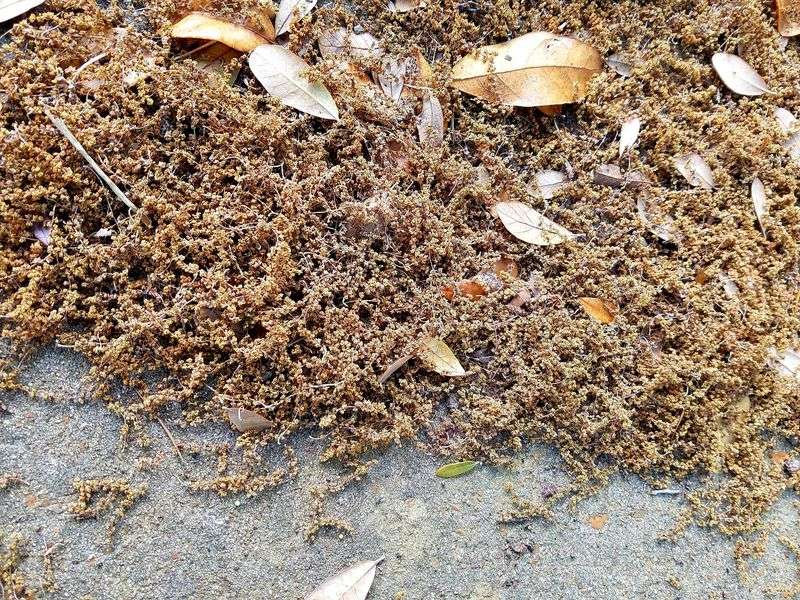
Long before any acorn hits your driveway, the story begins with dangling yellow-green catkins in early spring. Those are the male flowers, and they shed clouds of pollen that coat cars across the state.
The female flowers are tiny and easy to miss. Wind carries pollen to them, and successful pollination turns them into acorns over the following months.
Because live oaks finish their acorns in one season, this spring’s weather matters a great deal for this fall’s crop.
A late freeze can damage those delicate flowers. Heavy, steady rain during peak bloom may also wash pollen out of the air.
On the other hand, mild, fairly dry bloom weather followed by decent summer moisture often lines up well for a strong harvest.
I find it oddly satisfying to connect the dots between Georgia’s spring pollen and fall acorns. If you remember a gentle spring with that yellow pollen everywhere, a crunchy autumn is a reasonable guess.
Try jotting down a quick note each spring about frost and bloom weather. Over a few years, your own backyard record may help you predict which falls will keep your rake busy and which will be easy.
5. Red Oaks And Water Oaks Run On A Slower Acorn Clock
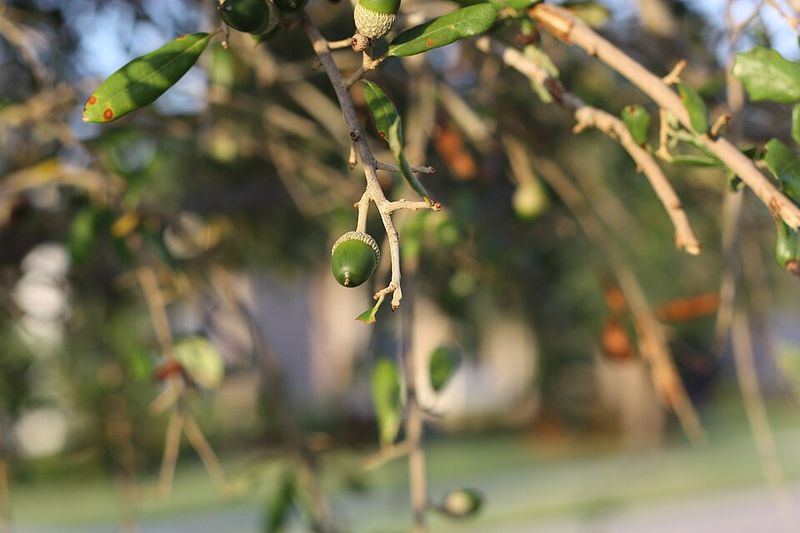
Not every oak in Georgia yards plays by live oak rules. Southern yards often mix several kinds, and they do not share the same timeline.
Oaks generally fall into two groups. The white oak group, which includes live oaks, matures acorns in one growing season.
Most of the red oak group, such as water oak, willow oak, laurel oak, and southern red oak, needs about two seasons.
That difference explains a common head-scratcher. Your live oak might bury the patio while the water oak next door stays quiet, or the reverse.
A rough spring can trim one group’s crop without touching acorns that were already halfway grown on the other.
You can usually tell them apart with a quick look. Live oak acorns are small, slim, and dark, often nearly black at the tip, held in a deep cap.
Water oak acorns tend to be rounder with a shallow, saucer-like cap.
Wildlife notices the difference too. White oak group acorns are usually lower in bitter tannins, so deer and squirrels often eat them first.
Red oak acorns keep better and get saved for later in winter, which spreads the food supply out nicely.
6. A Heavy Acorn Year Leaves Your Oak Catching Its Breath
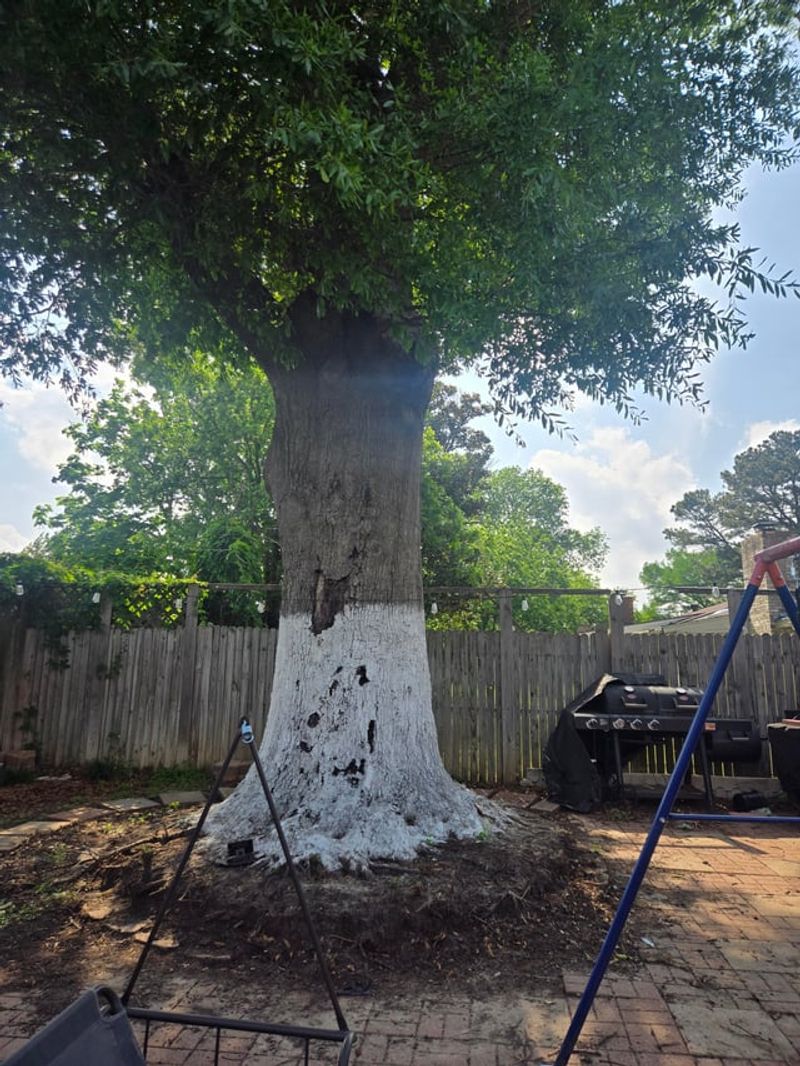
Making a mountain of acorns is hard work for a tree. Each nut is packed with starches and fats, and every bit of that energy comes from the leaves and stored reserves.
After a bumper crop, many oaks produce a much lighter one the next year. Researchers believe trees need time to rebuild their stored energy, much like you need a rest day after moving furniture all weekend.
That pause also helps keep acorn-eating animal numbers in check, which sets up the next big surprise.
A light acorn year in Georgia is usually no cause for worry. Your tree is simply resting.
You can help it recover with a few easy habits. Water deeply during long fall dry spells, especially for younger trees.
Spread a ring of mulch two to three inches deep, keeping it a few inches away from the trunk.
Avoid piling soil over the roots or parking vehicles under the canopy, since packed soil makes it tough for roots to breathe. I also skip heavy fertilizer, because healthy, established live oaks rarely need it.
A little patience and gentle care set the stage for another generous show down the road.
7. Green Acorns Falling Early Can Signal A Stressed Oak
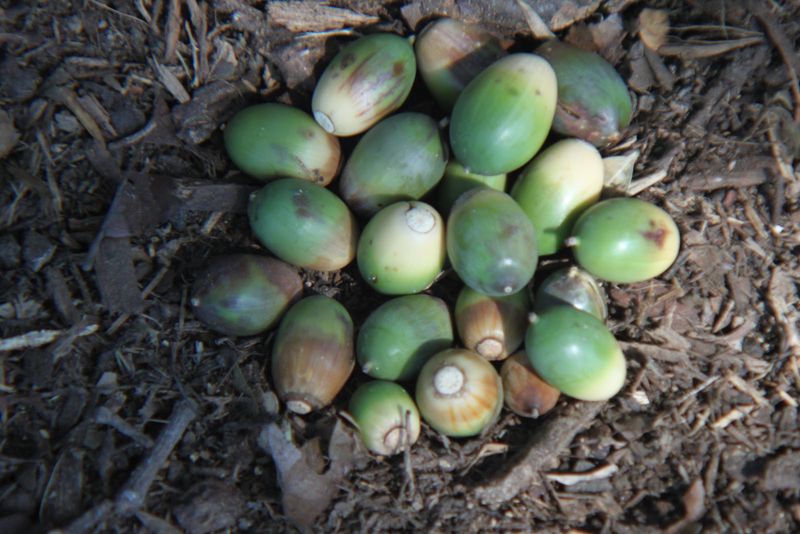
Brown, glossy acorns in October are right on schedule. Green ones bouncing off your car in midsummer tell a different story.
Oaks may shed unripe acorns when they run short on resources. Drought, extreme heat, root damage from construction, and compacted soil are common triggers.
Insects can play a part too, since acorn weevils and gall-forming wasps often cause nuts to fall early.
Take a closer look at a few fallen green acorns. A tiny round hole often means a weevil larva has chewed its way out.
Odd lumps or bumps may point to galls, which look strange but rarely threaten a healthy tree.
Some early acorn drop is normal for Georgia oaks, so try not to panic over a handful. Pay attention if you also see thinning leaves or summer browning.
Watering deeply during dry stretches is the simplest fix you control. Soak the area under the outer canopy slowly, rather than spraying the trunk.
If symptoms keep piling up, call an ISA certified arborist for a proper checkup. A trained eye can spot problems like root injury or disease well before you would notice them yourself.
8. Turn That Pile Of Fallen Acorns Into A Wildlife Win
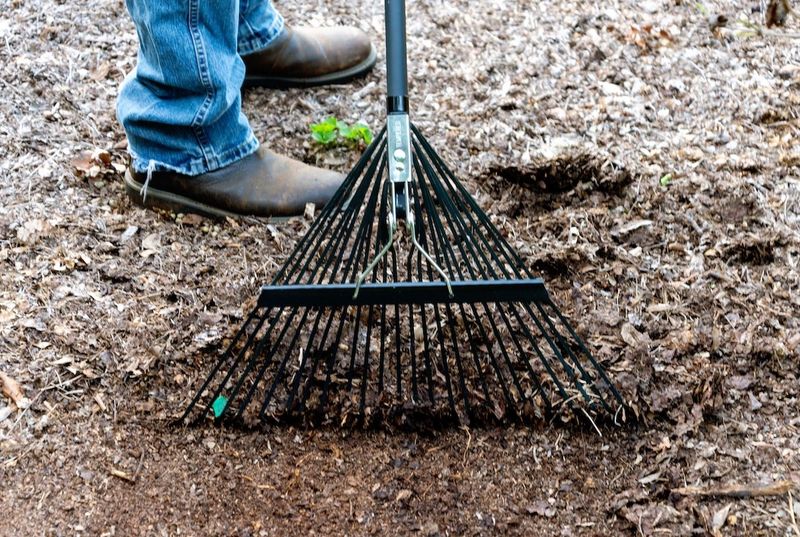
Raking acorns may not be anyone’s favorite chore, but those nuts feed a whole parade of neighbors. White-tailed deer, wild turkeys, wood ducks, squirrels, raccoons, and even black bears in the north Georgia mountains rely on acorns to fatten up for winter.
You can balance a neat yard with a wildlife-friendly one. Clear acorns from walkways, steps, and patios, where they roll like ball bearings and cause slips.
Leave some under shrubs or in a natural corner where critters can find them.
A few tools make life easier. Rolling nut gatherers with wire cages pick up acorns fast without bending over.
A leaf blower works well on hard surfaces, and a mower with a bagger handles lighter lawn coverage.
Skip feeding piles of acorns to pets. Raw acorns contain tannins that can upset the stomachs of dogs and horses.
Collected acorns can go in the compost in small amounts, though they break down slowly. I like to think of my fall raking as a trade with the oak.
It gives me shade all summer, and I keep a little patch wild for the animals that help plant the next generation.