These Are The Florida Native Grasses That Replace St. Augustine Lawn And Actually Improve With Less Water
St. Augustine lawn is thirsty, and Florida summers do not make that any easier to manage.
Sandy soil dries out fast between irrigation cycles, fertilizer needs stack up through the growing season, and sections of the yard that nobody actually uses still demand the same water and attention as everything else.
It adds up quickly. Native ornamental grasses are a practical and increasingly popular alternative for those low-traffic areas where traditional turf is more trouble than it is worth.
Borders, swales, slopes, open beds, these are exactly the kinds of spots where native grasses settle in, need far less input once established, and handle Florida’s heat and dry spells without constant intervention.
If part of your yard is consuming resources without giving anything back, this is a swap worth seriously considering.
1. Muhly Grass Works In Sunny Lawn Replacements
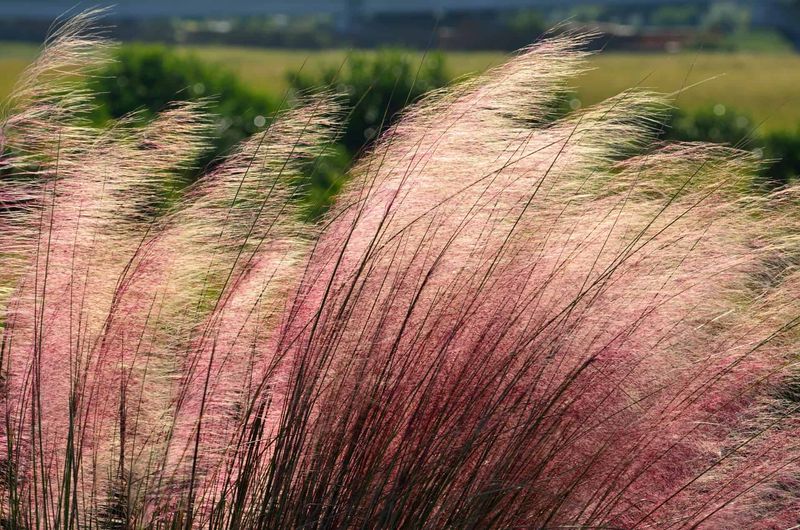
Few ornamental grasses put on a show quite like muhly grass does during Florida’s fall season.
When the feathery pink and purple plumes emerge in late September and October, a mass planting can transform a flat, sun-baked lawn edge into something that looks genuinely striking.
For homeowners tired of watering a section of St. Augustine that never quite fills in, this could be a rewarding swap.
Muhly grass is native to Florida and grows well in full sun with sandy, well-drained soil. Once established, it can handle both drought and brief flooding, which is a useful quality in a state where rainfall swings between extremes.
It tends to stay around two to three feet tall and spreads gradually into tidy clumps rather than aggressive patches.
Because muhly grass is not a walkable turfgrass, it works best in areas of the yard that do not need to function as active lawn.
Think of it as a replacement for low-use turf zones, sunny borders along driveways, or open beds where mowing has always felt like a chore.
Planting it in groups of three or more creates a natural, flowing effect that single plants rarely achieve.
Maintenance is minimal compared to St. Augustine. Muhly grass generally does not need regular fertilizer, and irrigation needs drop significantly after the first growing season.
Cutting it back once a year in late winter keeps the clumps looking tidy. Site conditions across Florida vary, so checking with a local nursery about spacing and regional timing is a good idea.
2. Elliot’s Lovegrass Handles Dry Hot Spots
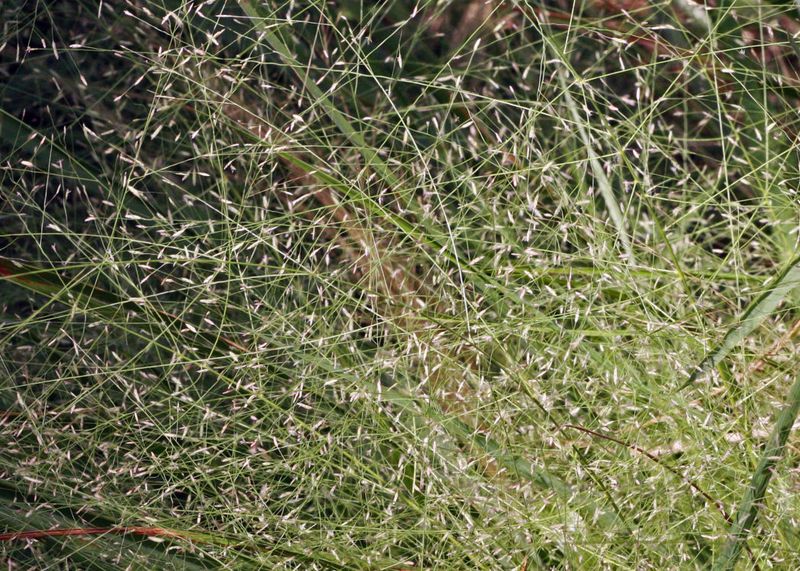
Patches of lawn that sit in full sun, drain fast, and seem to dry out no matter how often the irrigation runs are some of the hardest spots to maintain in a Florida yard.
St. Augustine tends to thin out and yellow in these areas, leaving homeowners in a frustrating cycle of watering, patching, and hoping.
Elliot’s lovegrass offers a different approach for exactly these kinds of spots.
Native to Florida and much of the Southeast, Elliot’s lovegrass is a warm-season bunch grass that handles heat and dry conditions with ease once it gets established.
Your Florida Garden Changes Every Week. Your Plan Should Too.
Gardening in Florida changes quickly throughout the season. Every Friday you’ll receive a simple weekly plan showing exactly what to plant, prune, fertilize, harvest, and protect so you never miss the right timing.
Its fine, arching blades give it a soft, cloud-like texture, and the delicate seed heads that appear in late summer add quiet visual interest without demanding attention.
It tends to grow two to three feet tall and wide, forming graceful clumps that look natural in open beds.
This grass is not suited for areas where people walk or play regularly. It shines in low-use turf zones, dry sunny slopes, or wide open borders where a lower-water planting makes practical sense.
Homeowners replacing sections of lawn in drier parts of their property will find it adjusts well after the first season with minimal supplemental water.
Soil preparation matters more than many people expect. Elliot’s lovegrass prefers well-drained, sandy, or loamy soil and may struggle in compacted or poorly drained areas.
Across Florida, regional conditions like soil type, rainfall patterns, and sun exposure can vary considerably, so local nursery advice is worth seeking before planting. Fertilizer is rarely needed once plants are settled in.
3. Sand Cordgrass Fits Large Sunny Areas
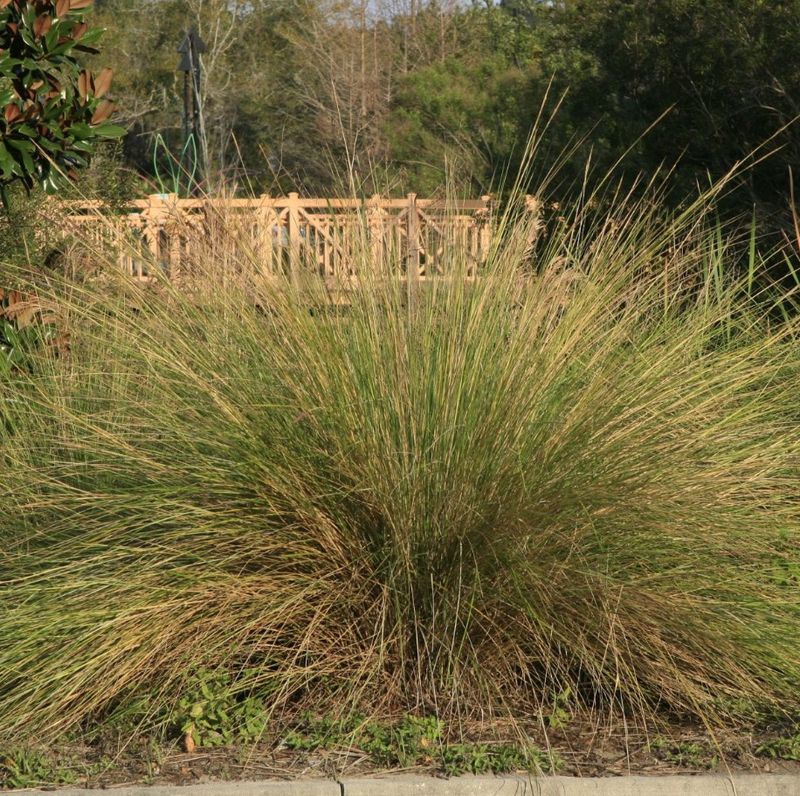
Scale matters a lot when choosing a lawn replacement grass, and sand cordgrass is one that genuinely needs room to breathe. Growing three to six feet tall with stiff, upright blades and a bold texture, it is not the right fit for a small side yard or a narrow border strip.
But in a broad, open, sunny area where St. Augustine has always been a high-maintenance headache, sand cordgrass can fill space in a way that feels natural and purposeful.
Sand cordgrass is native to Florida’s coastal and inland landscapes, and it brings strong drought tolerance to the table once established. It handles full sun well and tends to stay healthy in sandy soils that other plants find challenging.
Its coarse texture and height give it a presence that smaller ornamental grasses cannot match, making it useful for large naturalistic beds, open slopes, or wide sunny margins along fences and property lines.
Because of its size, sand cordgrass is better suited for replacing broad sections of low-use lawn rather than small patches. It is not a walkable turf substitute and should be planted with enough space to expand without crowding pathways or structures.
Planting in clusters rather than single specimens tends to create a more cohesive, natural appearance.
Maintenance requirements are modest compared to St. Augustine turf. Irrigation needs drop after establishment, and fertilizer is generally not required.
Cutting back in late winter helps keep clumps looking fresh going into spring. Site conditions across Florida can vary by region, drainage, and soil type, so consulting a local extension office or native plant nursery before planting is a smart step.
4. Sea Oats Suits Sandy Coastal Yards
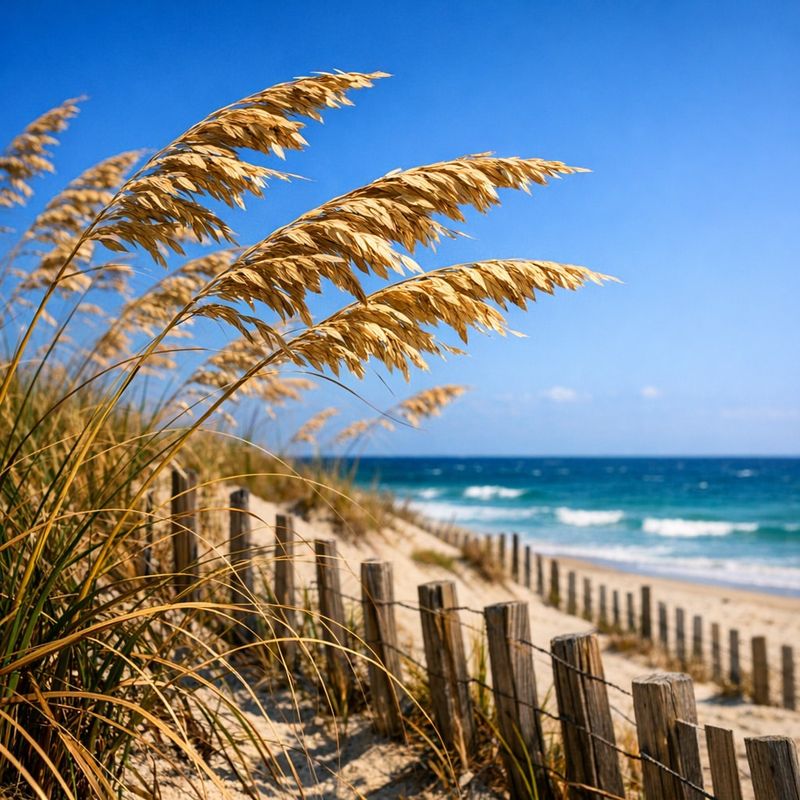
Coastal yards come with a specific set of challenges that most lawn grasses handle poorly. Salt spray, shifting sandy soil, intense reflected heat, and strong winds can stress St. Augustine into thin, patchy coverage that requires constant attention.
Sea oats, on the other hand, are built for exactly these conditions and have been stabilizing Florida’s coastal landscapes long before anyone planted a single sod roll.
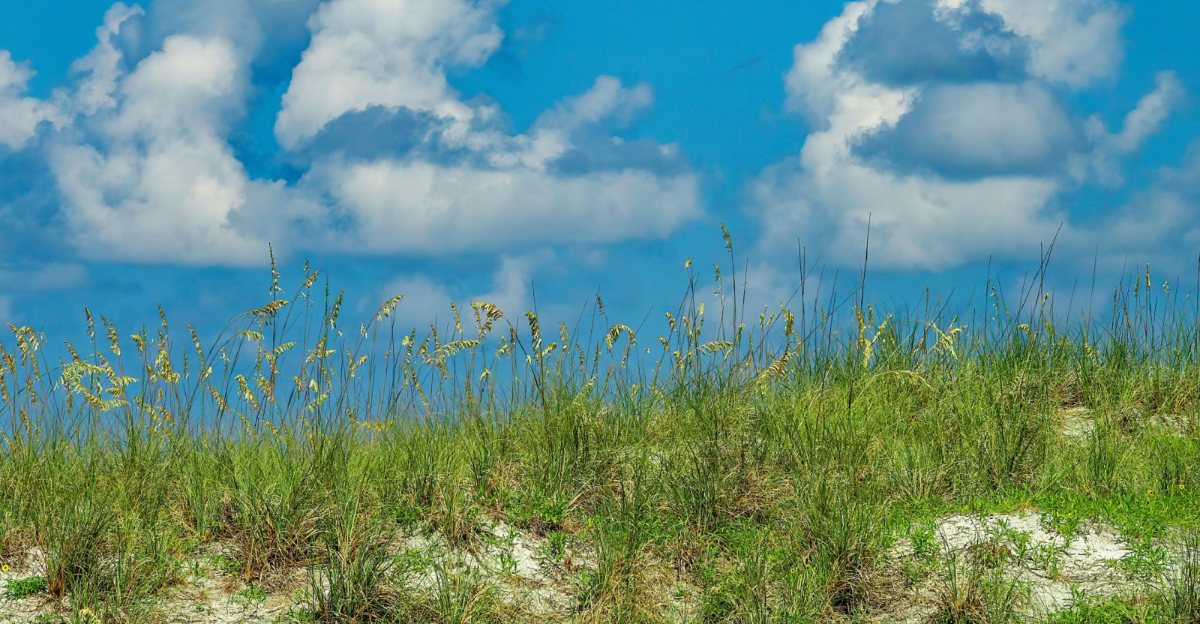
Sea oats are native to Florida’s coastal dunes and sandy shorelines, and their tolerance for salt, wind, and dry sandy soil makes them a natural choice for coastal home landscapes.
The distinctive drooping seed heads that appear in summer give the plant a graceful, recognizable look that fits well in beachy, naturalistic yard designs.
Plants typically grow two to four feet tall and spread gradually through rhizomes, which helps them anchor loose sandy soil over time.
One important point worth knowing before planting: sea oats collected from natural dunes or protected coastal areas are legally protected in Florida.
Always source plants from licensed native plant nurseries to make sure you are working with nursery-grown stock.
Planting responsibly keeps natural populations healthy and avoids legal issues.
Sea oats work best in low-use areas of coastal yards rather than as a walkable lawn replacement. They fit well along sunny sandy borders, open beds near the coast, or areas where St. Augustine has consistently struggled with salt exposure and poor soil.
Because coastal conditions vary widely across Florida, checking with a local nursery about site suitability before planting is a worthwhile step.
5. Fakahatchee Grass Works In Moist Areas
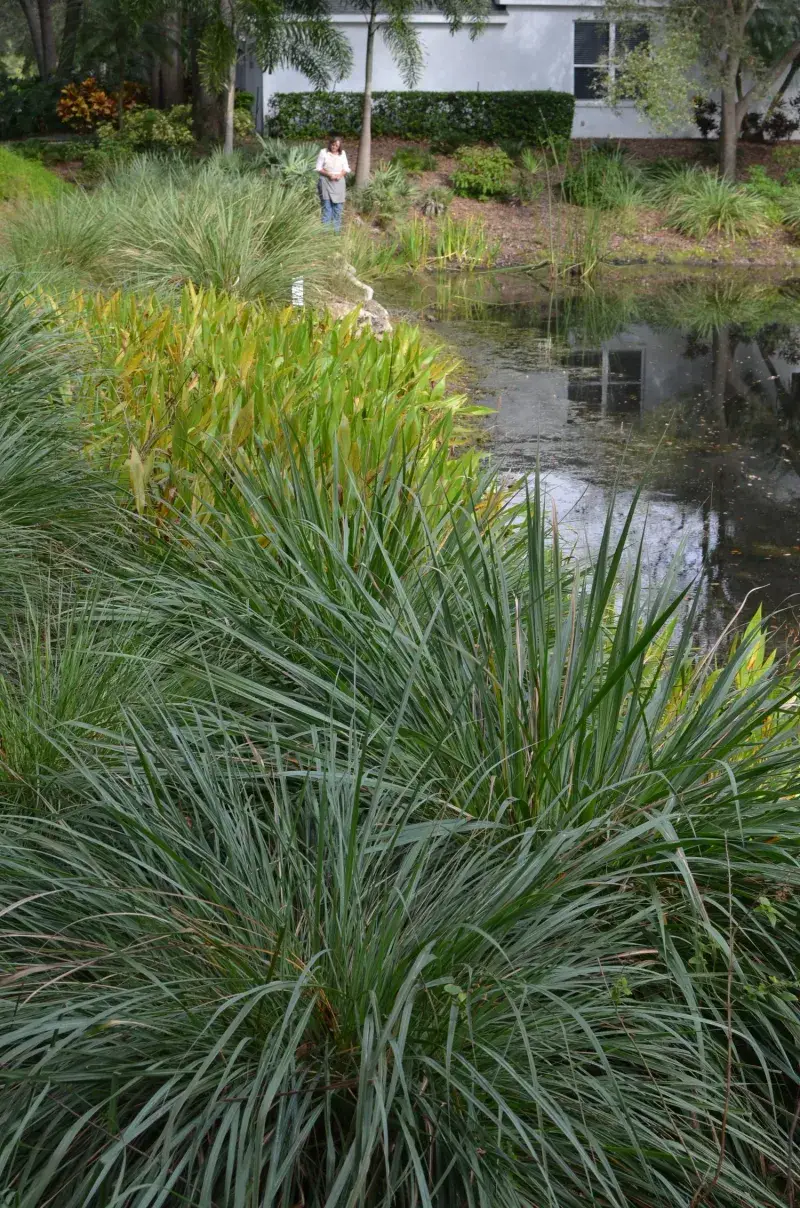
Not every corner of a Florida yard drains quickly.
Low spots, areas near downspouts, and landscape pockets that collect water during heavy summer rains can be genuinely difficult to keep planted with St. Augustine, which tends to thin out or develop fungal issues when soil stays wet for too long.
Fakahatchee grass handles these conditions more comfortably than most ornamental grasses.
Named after the Fakahatchee Strand in South Florida, this native grass is a bold, clumping species with long, arching dark green blades that can reach three to five feet in height and spread.
It brings a lush, tropical feel to the landscape and works well in larger beds where its size can be appreciated without crowding smaller plants.
In moist areas and rain garden edges, it tends to settle in and grow steadily with minimal fuss.
Fakahatchee grass has moderate drought tolerance once established, but it generally performs better in sites that receive regular moisture or occasional flooding.
Homeowners replacing sections of St. Augustine in low-lying, poorly drained, or frequently wet areas of the yard may find it adapts well where other grasses would struggle.
It is not a walkable turf substitute and is better used as an ornamental mass planting or landscape anchor in larger beds.
Maintenance is fairly straightforward. Irrigation needs vary depending on site conditions, and plants in consistently moist areas may need little to no supplemental watering after establishment.
Removing older, tattered blades in late winter helps keep the clumps looking tidy. Site conditions vary across Florida, so factoring in regional rainfall, soil drainage, and sun exposure before planting is always a good practice.
6. River Oats Fits Shade And Rain Gardens
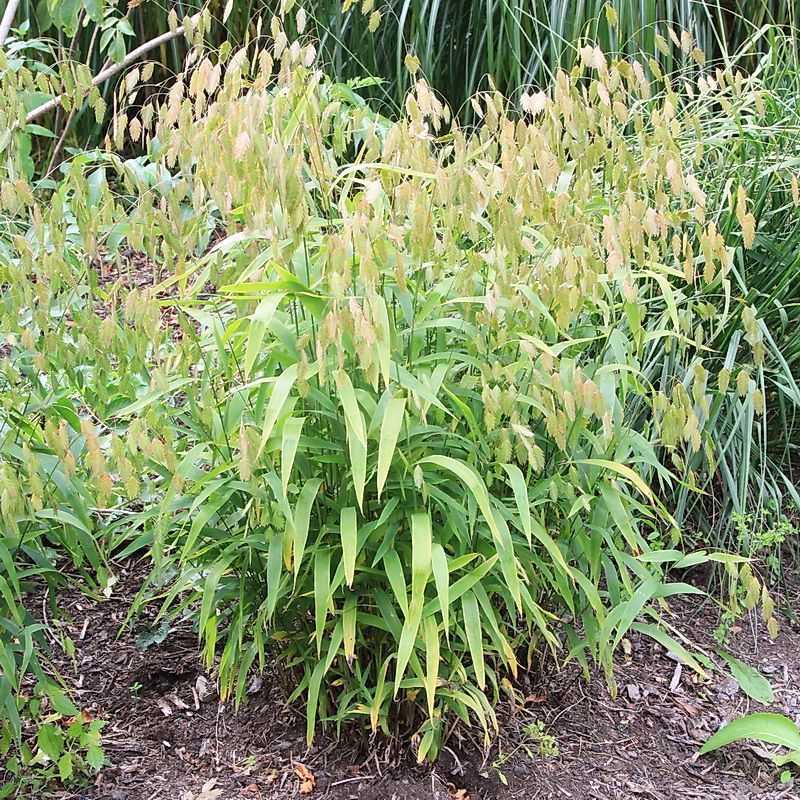
Shaded spots in Florida yards are tricky. St. Augustine can handle light shade, but in areas under tree canopies or along north-facing slopes where sunlight is limited and soil stays moist, it often thins out and becomes patchy no matter how carefully it is maintained.
River oats step in where standard lawn grass tends to give up.
River oats are a native woodland grass found naturally along shaded stream banks, slopes, and forest edges across Florida and much of the eastern United States.
What makes them stand out visually are the flat, dangling seed heads that resemble tiny oat clusters and catch light beautifully as they sway on arching stems.
The overall plant grows roughly two to three feet tall and brings a gentle, woodland texture to shaded or semi-shaded spaces.
This grass fits well in rain garden edges, moist slopes, shaded borders, and low spots that receive filtered light.
It is not the strongest choice for a dry, full-sun lawn replacement, and homeowners in hot, exposed areas of the yard may find it struggles without consistent moisture and some protection from the afternoon sun.
Its real value is in shadier or damp spots where St. Augustine has always been a challenge.
River oats spread gradually through seeds and rhizomes, which can be a plus in areas where ground cover is needed but should be monitored in smaller, more formal beds. Irrigation needs are generally low in naturally moist or shaded sites.
Across Florida, conditions vary by region and season, so observing your specific site before planting will help you decide if river oats are the right fit.