What It Really Means When Javelinas Visit Your Texas Yard
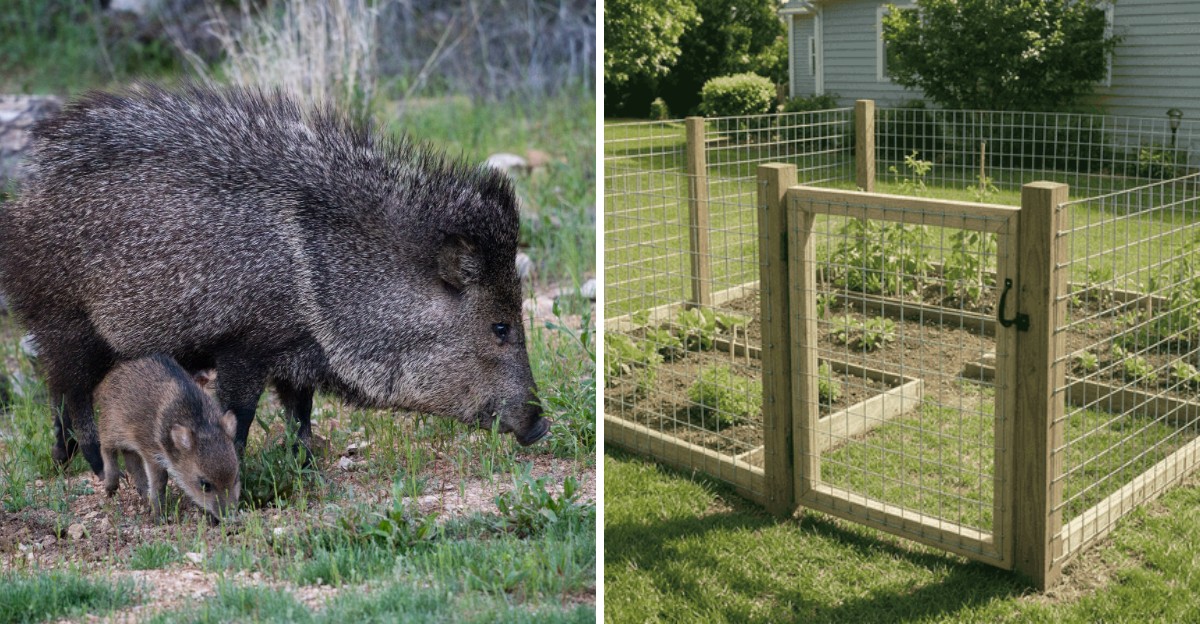
Those bristly visitors rooting through your flower bed split from true pigs about 40 million years ago. They look like hogs, smell like skunks, and act like a tight-knit family with a group plan.
Believe it or not, they can barely see you from across a football field. Their noses do the heavy lifting, sniffing out a buried bulb or a spilled scoop of birdseed with ease.
I used to blame armadillos for every torn-up patch of mulch. Then I found neat little hoofprints and caught a whiff of musk that hung in the air all morning. Nobody warned me that Texas suburbs could host a herd of native desert grazers.
So why did they pick your yard over the one next door? The answer says a lot about your garden, your trash cans, and the wild land quietly shrinking around you.
1. Those Bristly Night Visitors Are Telling You Something About Your Yard
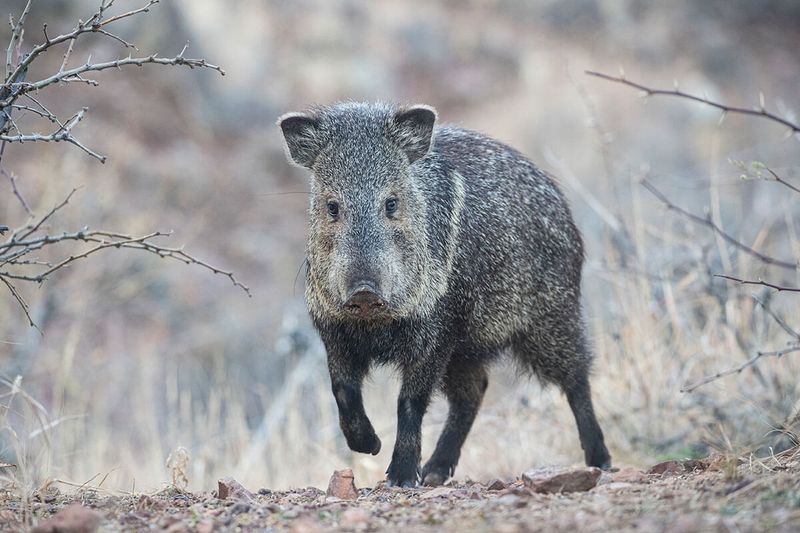
A javelina herd rarely wanders in by accident. These animals follow their noses, and something in your yard smelled worth the trip.
Most visits point to an easy meal. Fallen fruit, pet food left on the porch, birdseed under the feeder, and open trash bags are top draws.
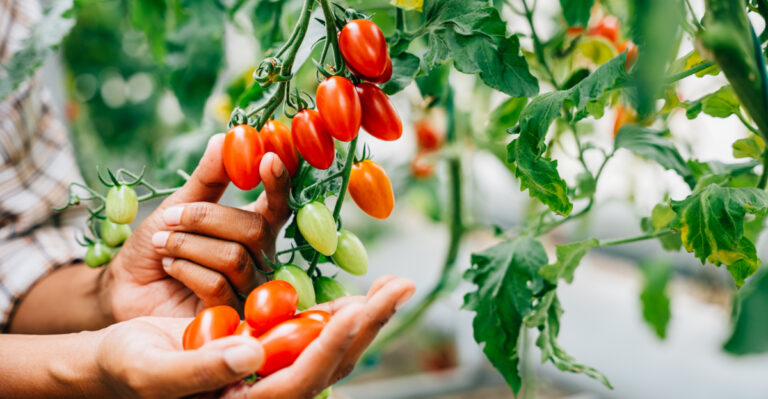
Fresh green shoots, tender bulbs, and vegetable seedlings like cilantro, cabbage, tomatoes, and peppers also make the menu.
Rich, well-fertilized soil is another clue. Javelinas root a couple of inches down hunting grubs, insects, and juicy roots, so a healthy bed can look like a buffet to them.
Leaky drip lines may also attract them, since they sometimes chew tubing for moisture.
Shelter counts too. A dense hedge or an open crawl space under the house offers a shady, quiet spot to rest during hot days.
There is a bigger picture worth knowing. Texas Parks and Wildlife notes that land development keeps nibbling into brushland, pushing herds closer to neighborhoods. Your yard may simply sit on an old travel route that now has houses on it.
So a visit is not a judgment on your gardening. It is a signal that food, water, or cover is available, and that you can change the message.
2. Stop Feeding Javelinas and the Herd Loses Interest
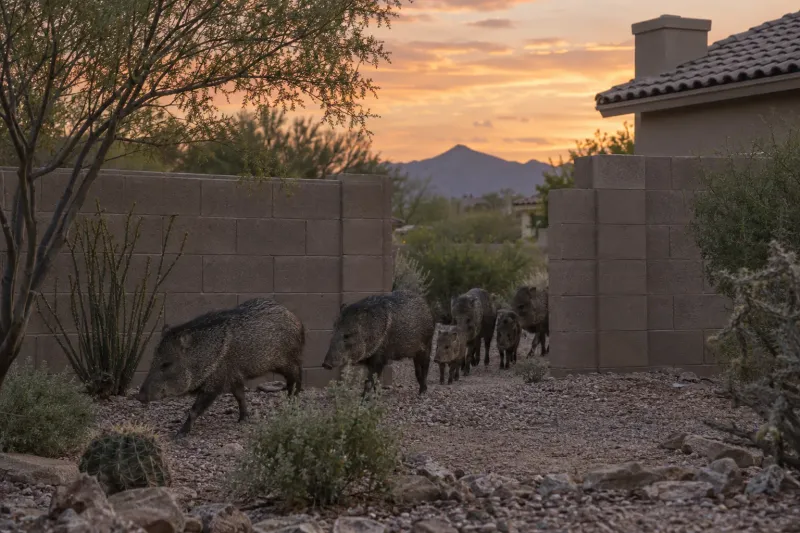
Hands down, the biggest fix costs almost nothing. Wildlife experts agree that feeding javelinas, on purpose or by accident, is the main reason they become backyard regulars.
Start with your garbage. Use cans with locking lids and store them in a garage or shed when you can. A single split bag can teach a herd to check your driveway every night.
Next, bring pet bowls inside. If your dog or cat eats outdoors, pick up leftovers right away. Kibble smells amazing to a hungry javelina.
Fruit trees need daily attention. Gather fallen peaches, citrus, or figs every morning before the scent builds. Bird feeders also leak seed, so add a catch tray underneath to keep spills off the ground.
Personally, I keep a small bucket by the back door just for fruit pickup. It turned a chore into a two-minute habit.
Once the easy calories vanish, many herds move along on their own. They are practical animals that spend energy where the payoff is best.
Remove the payoff, and your yard drops lower on their nightly tour. Pair this step with the barriers ahead for the strongest results.
3. A Sturdy Garden Fence With a Buried Apron Keeps Javelinas Out
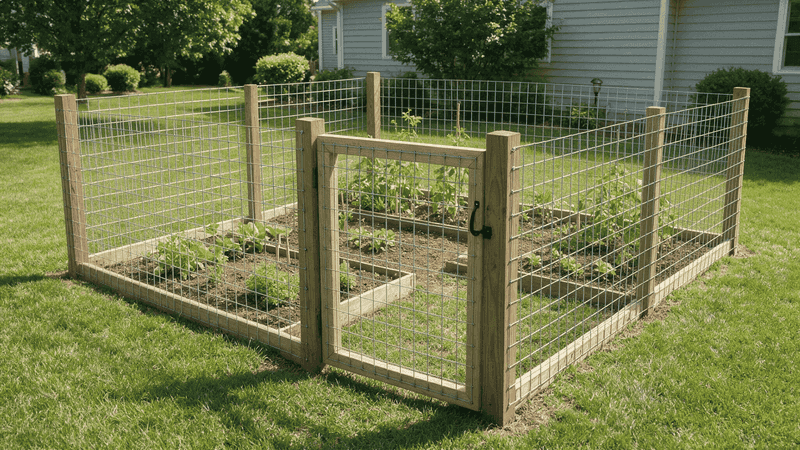
Fencing is where you win the long game. Javelinas are strong, persistent, and great at finding weak spots, so a flimsy barrier will not hold them for long.
Aim for a fence at least 3 to 4 feet tall around vegetable beds, fruit trees, and prized plantings. Because these animals push and dig, stop them below ground too.
Bury the bottom about 12 inches deep, or lay a wire mesh apron that extends a couple of feet outward and pin it with landscape staples.
Electric fencing works well for bigger areas. A low-voltage strand set 8 to 10 inches off the ground meets their sensitive snouts, and a second strand above adds backup. One zap usually teaches a lasting lesson.
Check your existing walls and gates. Close any gap wider than about 4 inches, and make sure gates latch firmly. A herd will test every inch of your boundary.
For single plants, wire cages help protect young trees, agaves, and aloes. Poultry wire laid at or just below the soil surface keeps snouts out of flower beds.
You will love how much calmer mornings feel once the digging stops.
4. Keep Your Dog Close When a Javelina Herd Is Nearby
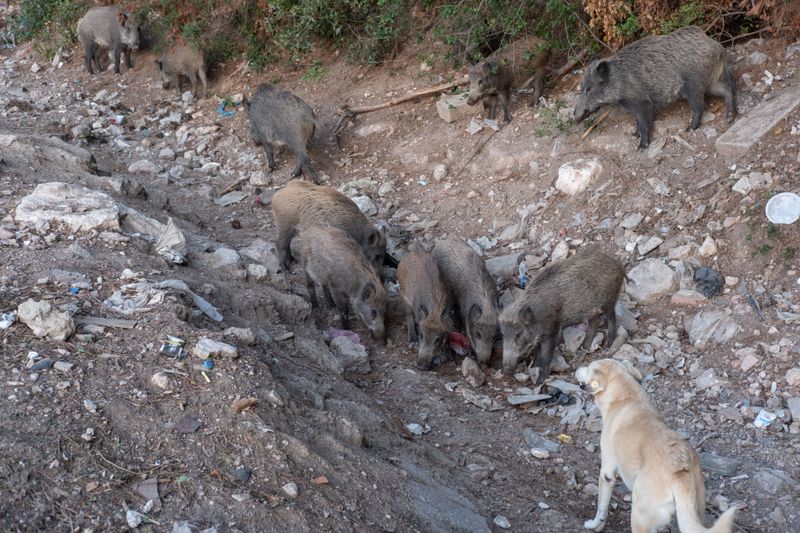
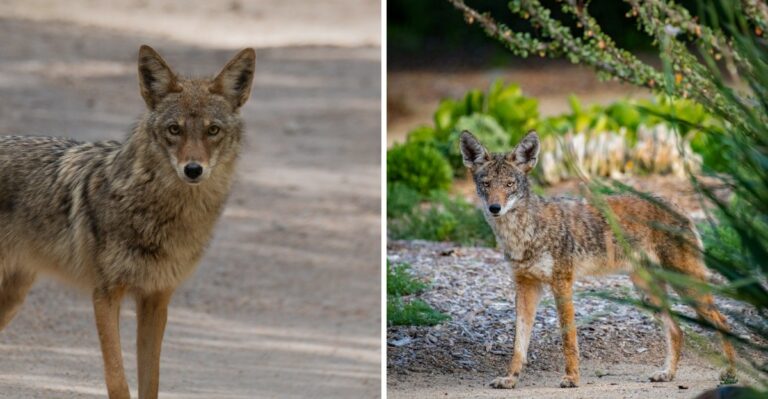
Dog owners, this section matters most. Javelinas see dogs much like they see coyotes, which are one of their natural predators.
When a dog charges or barks at a herd, the javelinas may fight back hard. Their canine teeth are razor sharp, and several animals can join in at once. Dogs have suffered serious injuries in these clashes, and some have not survived.
Keep dogs leashed on walks in javelina country, especially at dawn, dusk, and after dark. Before letting your pup out at night, flip on the yard lights and take a quick look. A few seconds of checking can spare a costly vet visit.
Watch for warning signs. An agitated javelina may pop its teeth loudly, open its mouth wide, and raise the bristles along its mane to look bigger. Those are clear signals to back away.
For people, the risk is low. Javelinas usually retreat unless startled, cornered, or protecting their group.
Their poor eyesight means they may not notice you until you are close, so speak up and give them space. Calm distance keeps both your family and the herd safer.
5. Prickly Pear Pads Are a Javelina Favorite for a Reason
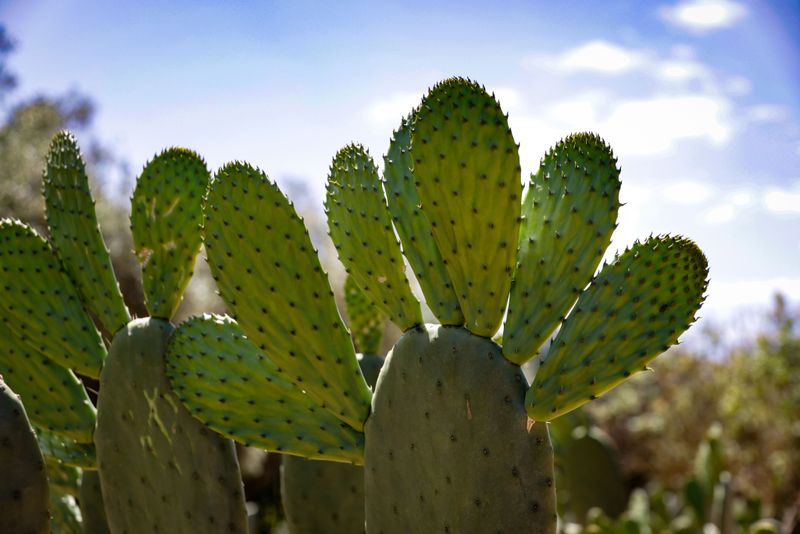
Spines? No problem. Javelinas munch prickly pear pads like we snack on celery, and this cactus forms a huge share of their natural diet.
The pads hold plenty of moisture. During dry spells, javelinas can get most of their water from succulent plants, which helps them thrive in the Trans-Pecos and South Texas Brush Country.
Mesquite beans, sotol, lechuguilla, acorns, roots, grasses, and tubers round out the wild menu.
That diet explains a lot about backyard behavior. When droughts shrink natural food, herds roam wider and test neighborhoods for anything green and juicy.
A watered lawn or a lush flower bed stands out in a parched landscape.
Here is a fun twist for cactus lovers. If you grow prickly pear in your yard, expect nibble marks. Cage young plants or place them inside fenced areas if you want them looking tidy.
Javelinas are mostly plant eaters, yet they are opportunists too. They will try insects, eggs, and leftovers when the chance appears.
Knowing what they crave helps you guess where they will strike next. Protect the juiciest, most tender plants first, and you will cut down on surprise damage.
6. Rooted Up Lawns and Chewed Drip Lines Point to Peccary Snouts
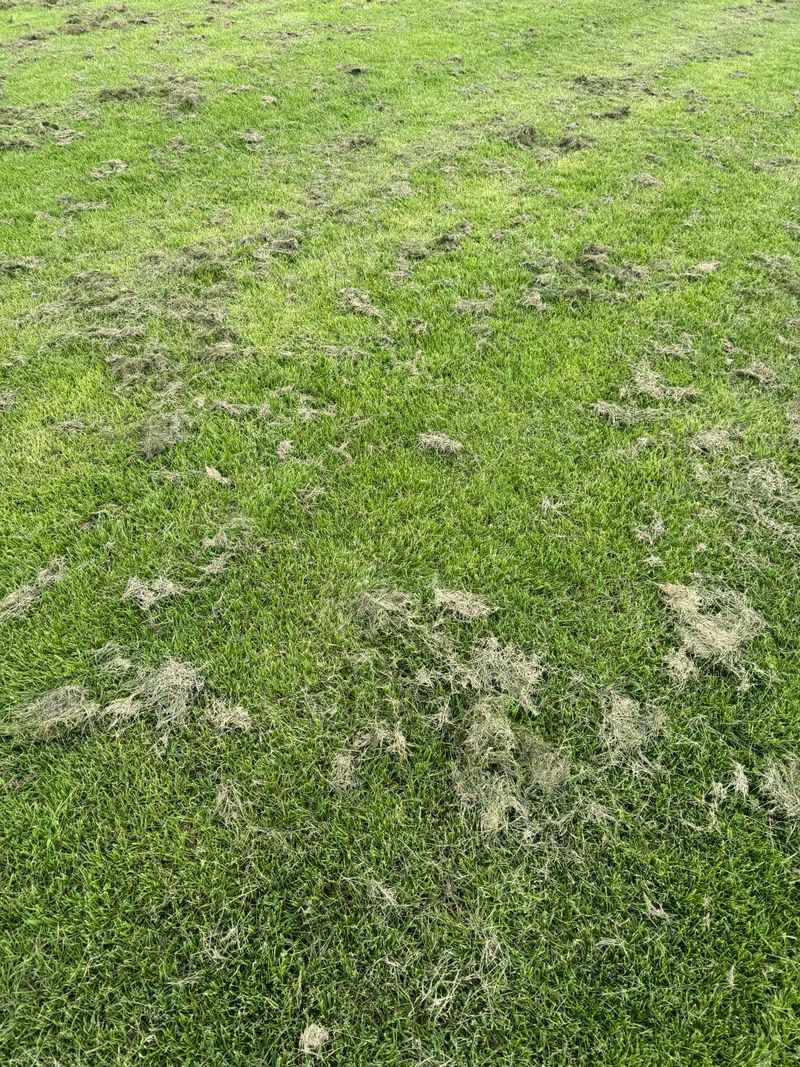
Torn turf at sunrise can send any gardener into detective mode. Armadillos, feral hogs, and javelinas all dig, so clues matter.
Javelina rooting is usually shallow, often no deeper than a couple of inches. You may see scraped patches in mulch, flipped sod, and uprooted bulbs. Small hoofprints with two pointed toes are a strong hint.
Feral hogs are much larger and tend to plow deeper, leaving wide, messy trenches. Armadillos make neat, cone-shaped holes a few inches across. Comparing the pattern helps you choose the right fix.
Your nose can help too. Javelinas release a strong, skunk-like musk from a gland near the rump to mark territory and bond with the herd. If the yard smells funky after a visit, that is a big clue.
Check irrigation as well. Chewed drip tubing and damaged sprinkler heads show up often, since thirsty animals go after moisture. Repair leaks quickly, because puddles invite repeat trips.
A motion camera is a smart, low-cost tool for confirmation. One night of footage can tell you who is visiting, how many show up, and what hour they arrive. Then you can plan your defense with real facts.
7. Motion Sprinklers and Strong Scented Herbs Can Nudge Javelinas Along
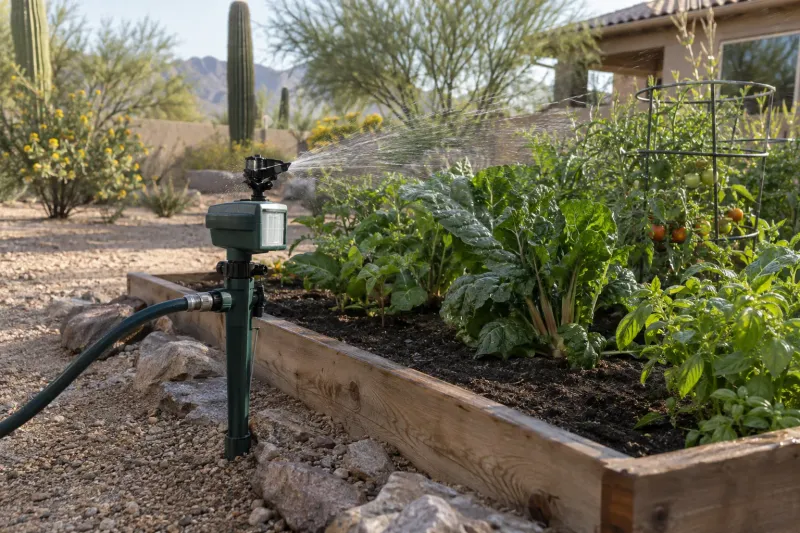
Surprise works wonders on animals that rely on their noses and ears. Startling deterrents can make your yard feel less welcoming without harming anyone.
Motion-activated sprinklers and lights are popular picks. A sudden blast of water or a flash of light often sends a herd trotting off. Wind chimes and dangling aluminum pie pans add noise, and some homeowners try ultrasonic devices too.
Scent repellents are another layer. Predator urine products, especially mountain lion urine, can trigger an instinctive fear response, and coyote urine may also help.
Reapply after rain or watering, and rotate products so the herd does not get used to one smell.
Fragrant herbs make a pleasant border. Rosemary, lavender, sage, thyme, oregano, and basil have strong aromas that may discourage snooping snouts. Grow mint in containers, since it spreads aggressively in beds.
I truly believe the trick is mixing methods. A sprinkler alone may lose its punch, but pair it with secure trash, fencing, and scent rotation, and the message gets loud and clear.
Remember, these tools work best as backup. Removing food and blocking access still do the heavy lifting.
8. Living Alongside Native Texas Javelinas Takes Patience and Consistency
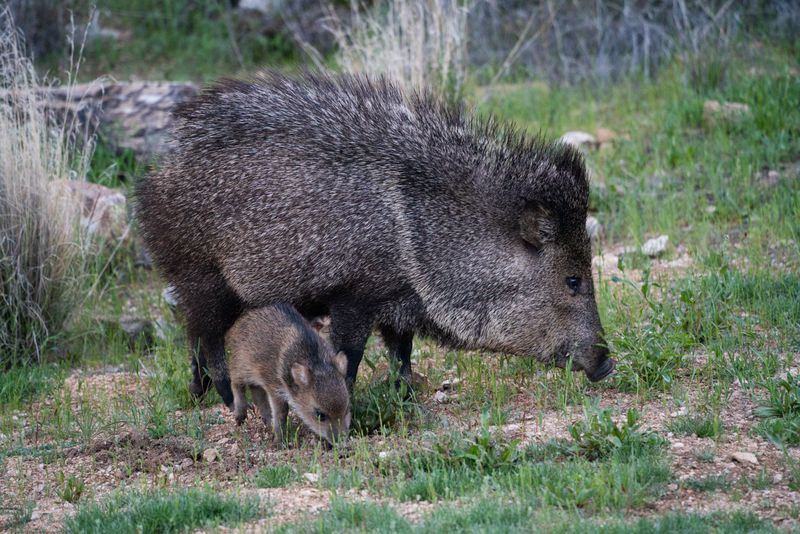
Patience pays off with these clever natives. Herds follow familiar routes, so expect several weeks of steady effort before their habits shift.
Javelinas, also called collared peccaries, have lived across Texas brushlands, desert grasslands, and oak-juniper hills for a long time.
They travel in bands that often number 10 to 20 animals, chatting with grunts, barks, and woofs. Watching them from a distance can be a treat.
Still, you have rights and options. Javelinas are a game animal in Texas, with hunting seasons in certain counties, a license requirement, and a bag limit of two per license year.
City firearm rules often override that, so most suburban homeowners should not go that route.
For stubborn problems, call your local Texas Parks and Wildlife biologist or game warden. They can offer advice tailored to your area. If a herd shows up while you are outside, loud noises usually send it away.
Also keep an eye out for fleas and ticks, which these animals can carry. Check pets after outdoor time.
Your next step is simple. Walk the yard tonight, spot the attractants, and fix one thing. Small changes add up to peaceful mornings.