This Underrated Texas Perennial Can Replace A Thirsty Lawn Strip
A scrappy little plant that many people pull as a weed can feed the caterpillars of at least three butterfly species. I found that fact by accident, and it changed how I looked at the baked strip of dirt by my curb.
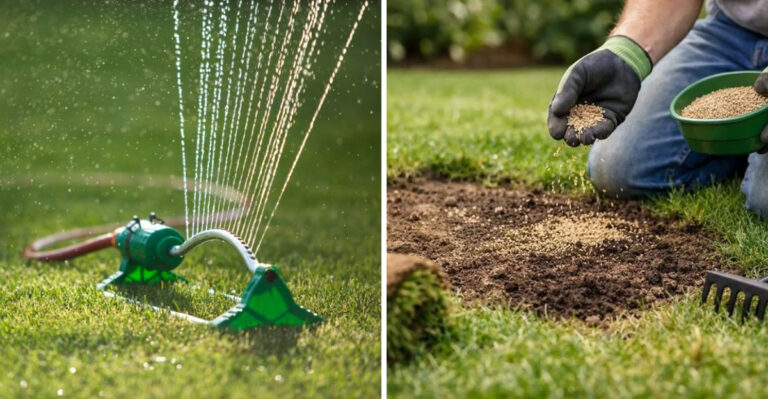
That narrow hellstrip between sidewalk and street is unforgiving. Pavement throws heat back at it, cars pack the soil, and sprinklers waste water on concrete. Turfgrass in Texas often struggles there, no matter how much you pamper it.
The plant I am talking about stays low, spreads on its own, and shrugs off drought. It also handles clay, caliche, and even short floods, which makes it a natural fit for Texas yards.
Tiny blooms show up for months and pull in bees like a porch light pulls in moths. You probably walk past it on roadsides without a second glance.
Let it take over that thirsty strip, and the hellstrip stops being a problem and starts working for you.
That Weedy Little Mat By The Curb Deserves A Second Look
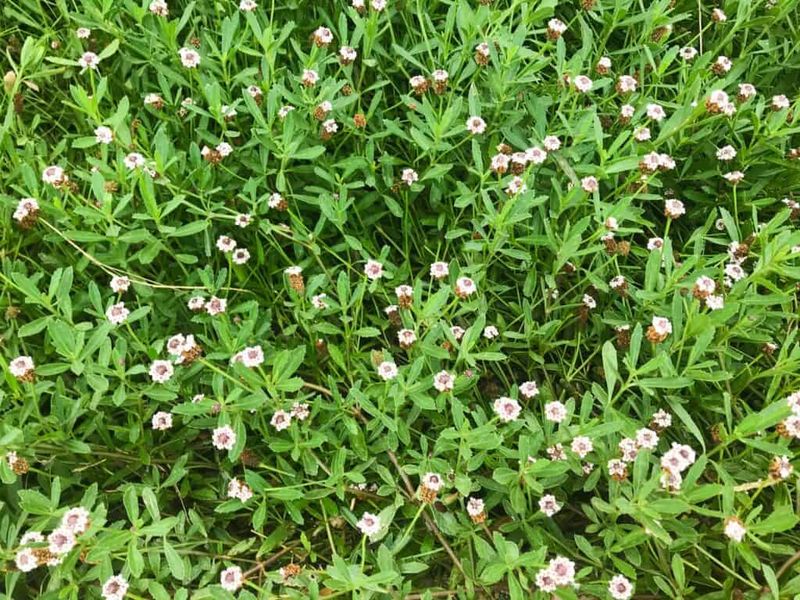
Plenty of Texans have yanked this plant out of flower beds without knowing its name. Frogfruit, sold as Phyla nodiflora and often called Texas frogfruit or turkey tangle, is a native perennial that grows wild across much of the South.
For years it carried the weed label. It pops up in ditches, pastures, and lawns, so people assumed it was a pest.
Native plant groups, including the Lady Bird Johnson Wildflower Center and Texas Master Gardeners, now list it as a strong pick for tough, low spots.
So why the change of heart? Gardeners started noticing that frogfruit stays green and blooming in places where grass gives up. It hugs the ground, asks for little water once settled, and invites wildlife in.
The name has a fun mystery behind it. Nobody seems fully sure where frogfruit came from, though some say it grows near ponds where frogs hang out. That idea fits, because the plant handles wet ground surprisingly well.
If you have it sneaking into your yard already, consider leaving a patch alone. Watch it through one summer. You may find that the plant you called a weed was quietly doing the job you wanted grass to do.
Frogfruit Stems Root As They Crawl Across Bare Soil
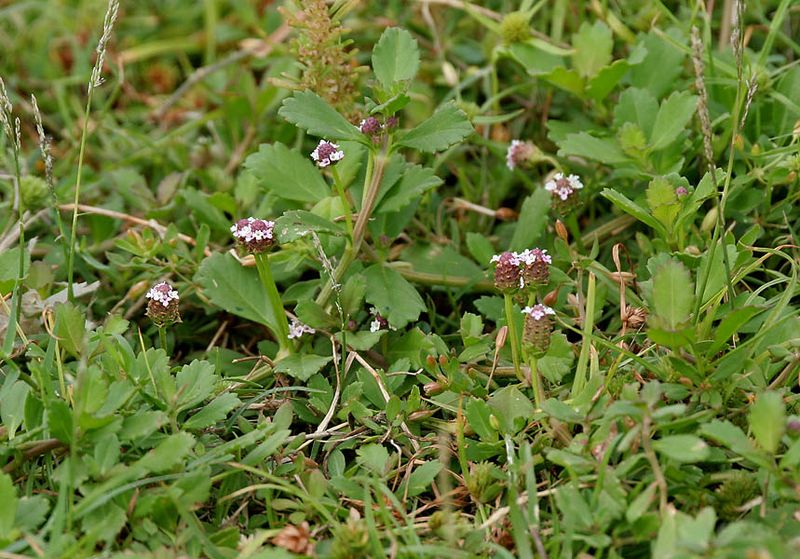
Here is how one small plant turns a bare hellstrip into a green carpet. Frogfruit sends out creeping stems, called stolons, that lie flat on the soil. Wherever a stem touches dirt, it can grow new roots.
Most plants stay between 1 and 6 inches tall. A single plant may spread a few feet across, and a group of plugs fills in much faster than you might expect. That low height means you skip the weekly mowing routine that grass demands.
To replace a lawn strip, start by removing the existing turf. Loosen the top few inches of soil, but skip heavy amendments. Plant small plugs about 12 to 18 inches apart in spring, after your last frost.
Water every few days for the first several weeks so roots can settle. After that, cut back slowly. By the end of the first growing season, many strips look mostly covered.
Mulch with a thin layer of shredded wood between plugs while they fill in. Keep it pulled back from the stems so runners can touch soil. That small detail helps them root faster and close gaps sooner.
Sun-Baked Pavement Heat Barely Fazes This Native Groundcover
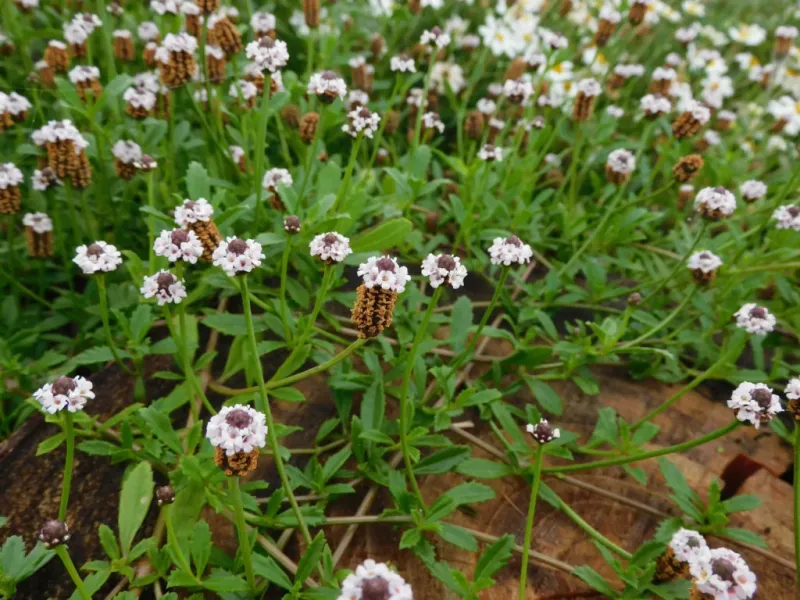
Hot concrete can push surface temperatures well past the air temperature on a July afternoon. Grass along the curb feels every degree of it. Frogfruit, though, evolved in Texas heat and handles it with surprising calm.
Once established, this perennial needs little extra water. Texas A and M AgriLife and native plant sources describe it as drought tolerant. In a long dry spell, a deep soak every couple of weeks usually keeps it looking decent.
Soil is another bonus. Frogfruit grows in sand, loam, clay, caliche, and limestone-based ground. It can even tolerate some salty soil, which helps near streets.
Full sun gives the most flowers, but partial shade works too. Under trees, you may see fewer blooms and a looser mat. That tradeoff is fine for many shady parkways.
Watch for one quirk in extreme drought. Leaves may thin out and look tired, especially with no rain for weeks. A single good watering often perks it back up within days, so do not panic.
Compared to St. Augustine grass, which can need about an inch of water a week in summer, the savings add up fast. Your water bill will notice the difference.
Tiny Lollipop Blooms Keep Bees And Butterflies Busy
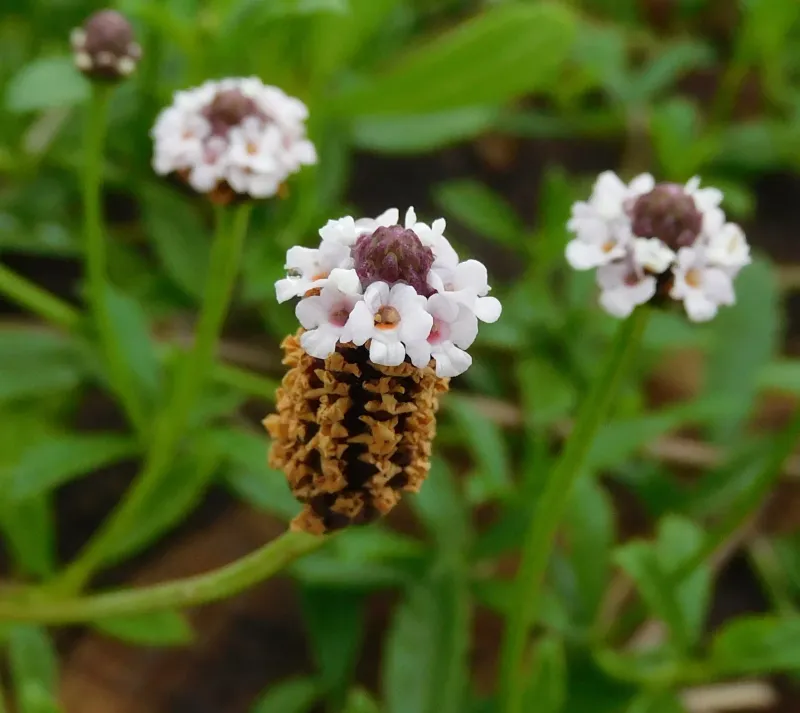
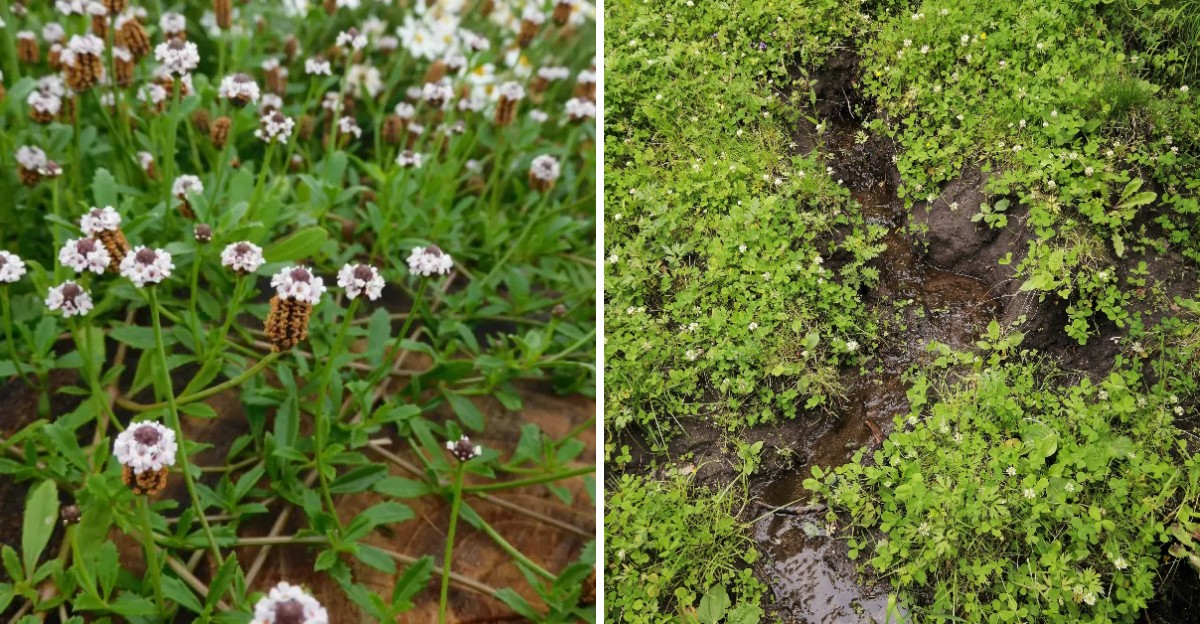
Kneel down by a blooming patch and you will see why folks call these flowers lollipops. Each little head is a round purple center circled by a ring of tiny white petals. They sit on short stalks just above the leaves.
Blooming often runs from late spring into fall, roughly May through October. In warm parts of South Texas, flowers can show up even longer.
That long season matters for pollinators that need steady food. Bees love it. Small native bees, honeybees, wasps, and butterflies all visit for nectar. On a sunny morning, a frogfruit strip can hum with activity.
The bigger story sits on the leaves. Frogfruit is a host plant for the caterpillars of the Phaon crescent, white peacock, and common buckeye butterflies. Without host plants, those butterflies cannot raise the next generation.
So when you see chewed leaves, smile instead of reaching for spray. The plant bounces back quickly, and you are raising butterflies for free.
Pesticides are best skipped on this strip altogether. Even products labeled gentle can harm caterpillars and bees. Let birds and beneficial insects handle the minor pests instead.
Soggy Spots And Storm Runoff Suit Frogfruit Just Fine
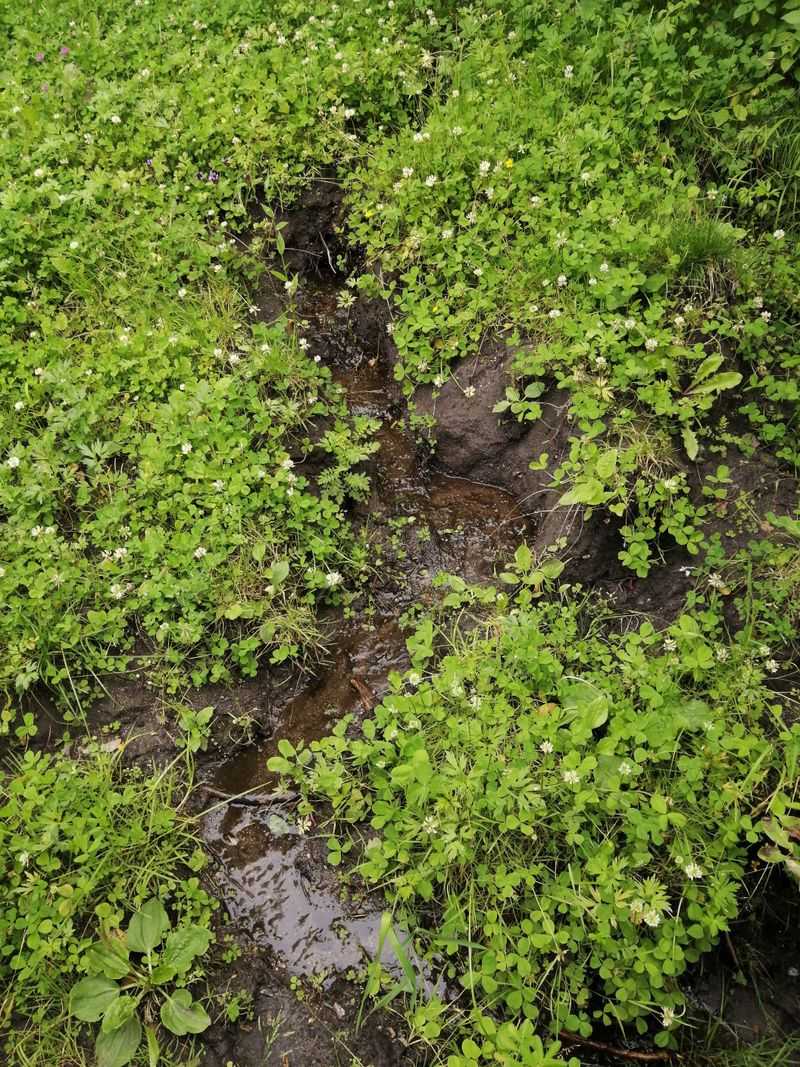
Texas weather loves extremes. A strip can bake for six weeks and then sit underwater after a big thunderstorm. Many drought plants rot in that second scenario.
Frogfruit handles both. It grows naturally along creek banks, pond edges, and low ditches. Short periods of standing water or even brief flooding usually do not bother it much.
That makes it a smart choice for rain gardens and swales. If your curb strip collects runoff from the street or driveway, this plant can soak up some of that water. Its roots also help hold soil in place.
Erosion control is a real perk. On gentle slopes and banks, the dense mat slows water down and keeps dirt from washing into the gutter. Over time, roots knit the ground together.
I would still avoid spots that stay swampy for weeks. Constant saturation can weaken most plants, even tough ones. Brief floods followed by drying out is the sweet spot.
For heavy clay that drains slowly, frogfruit is often a better bet than many classic xeriscape plants. Pairing drought tolerance with flood tolerance is rare, and it makes this native unusually forgiving.
Put The Lawn Mower Away While Frogfruit Is Flowering
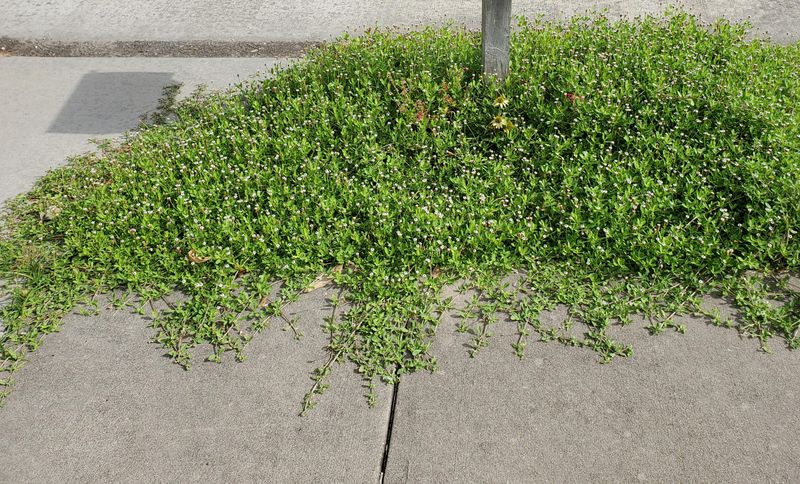
Low maintenance is the whole point of swapping out grass. Frogfruit lives up to that promise better than most groundcovers. Once it fills in, your main job is enjoying it.
Mowing is optional. Some gardeners run a mower on its highest setting once or twice a year to tidy things up.
Try to do that before or after peak bloom, since cutting flowers removes food for pollinators and caterpillars.
Edging matters more than mowing. Frogfruit will happily creep onto sidewalks or into nearby beds. A quick trim with hand shears or a string trimmer every few weeks in summer keeps lines crisp.
Skip the fertilizer. This native grows well in lean soil, and feeding it often helps weeds more than the frogfruit. Save your money for something else.
Winter brings a change. In colder parts of North Texas and the Panhandle, the plant may go dormant and turn brown or reddish after a hard freeze. Along the coast and in the Rio Grande Valley, it often stays semi-evergreen.
Leave the dormant mat in place through winter. It protects soil and shelters insects until fresh green growth returns in spring.
Snip A Rooted Runner And Grow Free Frogfruit Plants
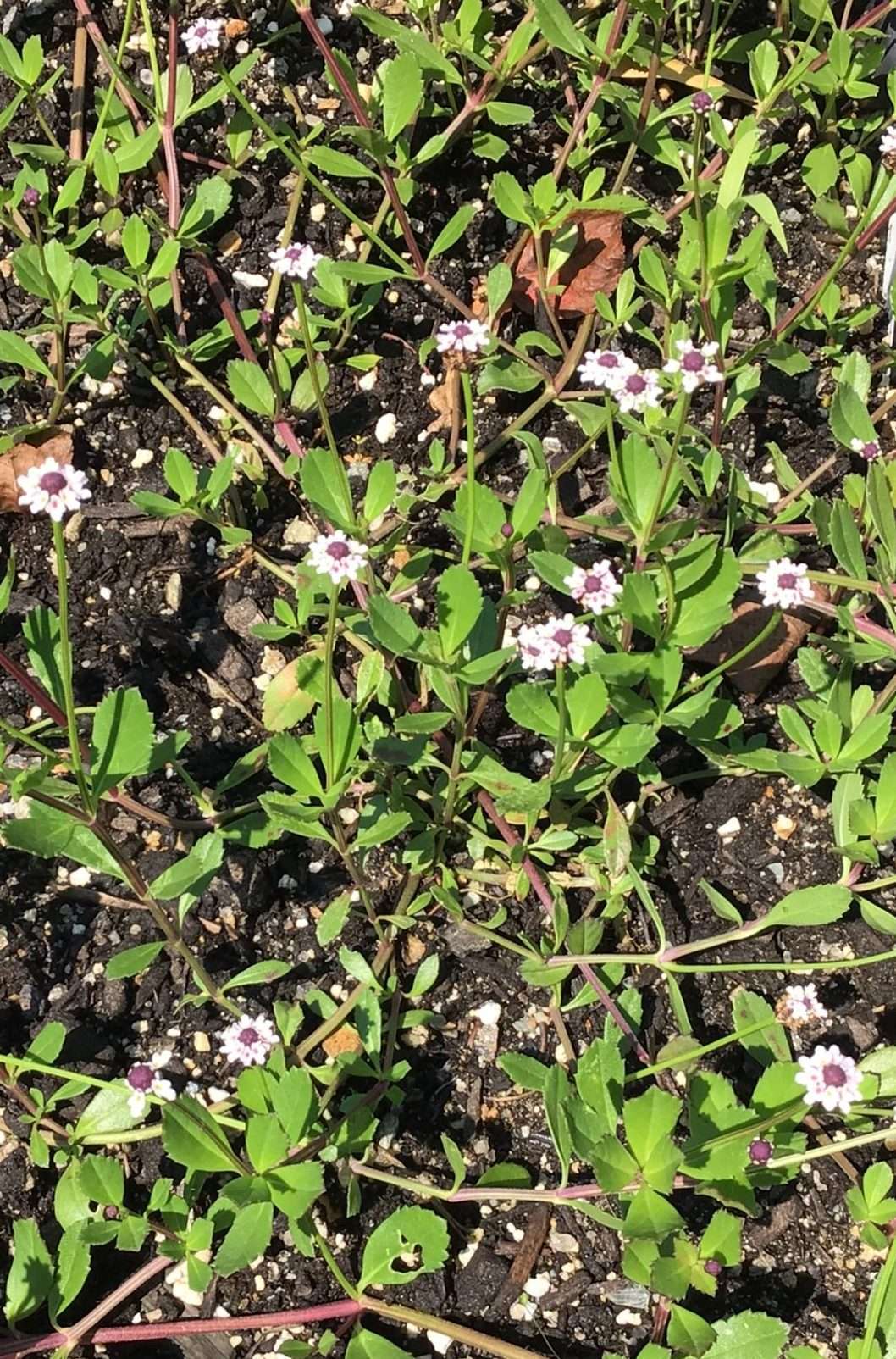
My favorite trick costs nothing at all. Frogfruit makes new roots along its runners, so every patch is basically a free plant nursery.
Find a stem that has already rooted into the soil. Snip it a few inches on either side of the roots with clean pruners. Gently lift it with a trowel to keep the little root ball intact.
Tuck the piece into its new spot and press the soil firmly. Water it well and keep it moist for a couple of weeks. Spring and early fall are the best times, since summer heat can stress new transplants.
Unrooted stem cuttings also work. Push a 4 to 6 inch piece into moist potting mix and keep it in bright shade. Roots usually form in a few weeks.
Seeds are possible but slower and less predictable. Most home gardeners have better luck with plugs and cuttings.
Ask around before buying flats. Native plant societies, plant swaps, and neighbors with a patch often share runners happily.
Buying just a few nursery plugs and multiplying them can fill a long curb strip on a tiny budget.
Stepping Stones Help Your Frogfruit Strip Handle Foot Traffic
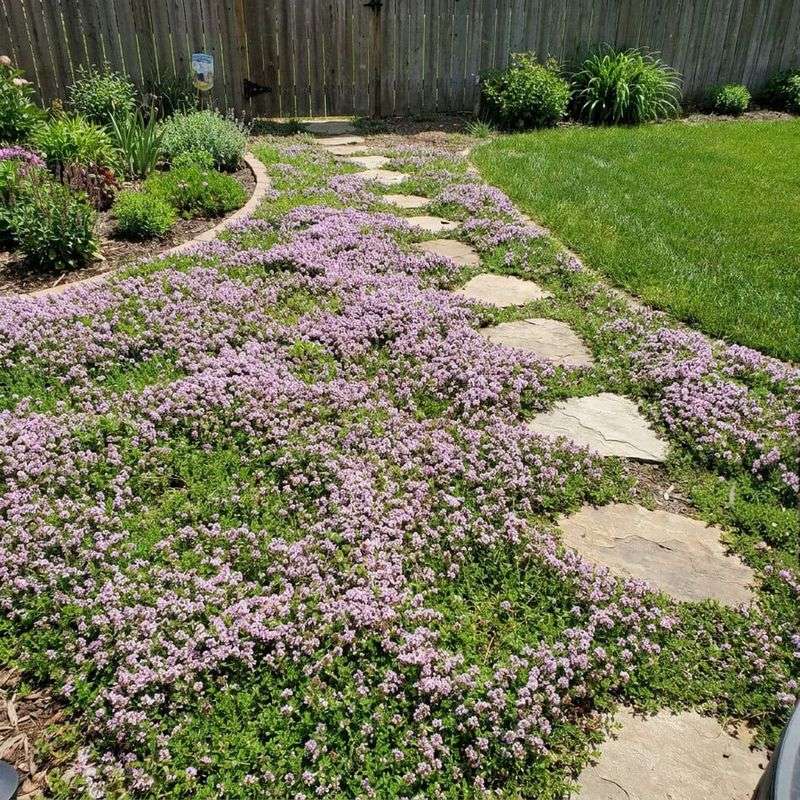
Before you rip out every blade of grass, think about who walks on that strip. Frogfruit tolerates light foot traffic, but it is not a soccer field. Heavy daily use can thin it out.
A simple fix works wonders. Lay a few flat stepping stones where people cross from the car to the sidewalk or mailbox. The frogfruit will creep between them and soften the edges beautifully.
Check your city and HOA rules too. Some Texas cities regulate what grows in parkways, especially height near corners where drivers need clear views. Frogfruit stays low, so it usually fits, but a quick look at local code saves headaches.
Many cities, including Austin and San Antonio, have offered water-saving rebates for replacing turf with approved landscapes. Programs change, so check with your local water utility before you start digging.
Start small if you feel unsure. Convert a ten-foot section this spring and watch how it does through summer. You will learn how much water it needs in your exact spot.
By next year, you may want to convert the whole strip. Less watering, almost no mowing, and a buzzing butterfly nursery make a pretty convincing trade.