The Best Palms For Texas With A Tropical Look And Better Cold Tolerance
Few plants say “vacation” quite like a palm tree. A couple of swaying fronds by the pool or patio can make a Texas backyard feel like a beach resort, even if the nearest coastline is hours away.
But not every palm is built for Texas winters. Many of the palms sold at big-box stores come from truly tropical places, where freezing temperatures are almost unheard of.
They may look great for a few years, then take a serious hit during a hard freeze. In much of the state, especially North and Central Texas, that’s a costly risk.
Thankfully, some palms are far tougher than they look. They handle cold snaps, icy winds, and sudden temperature drops much better, while still delivering that lush, tropical feel.
Choosing the right one means you can enjoy island style in your yard without crossing your fingers every winter.
1. Dwarf Palmetto
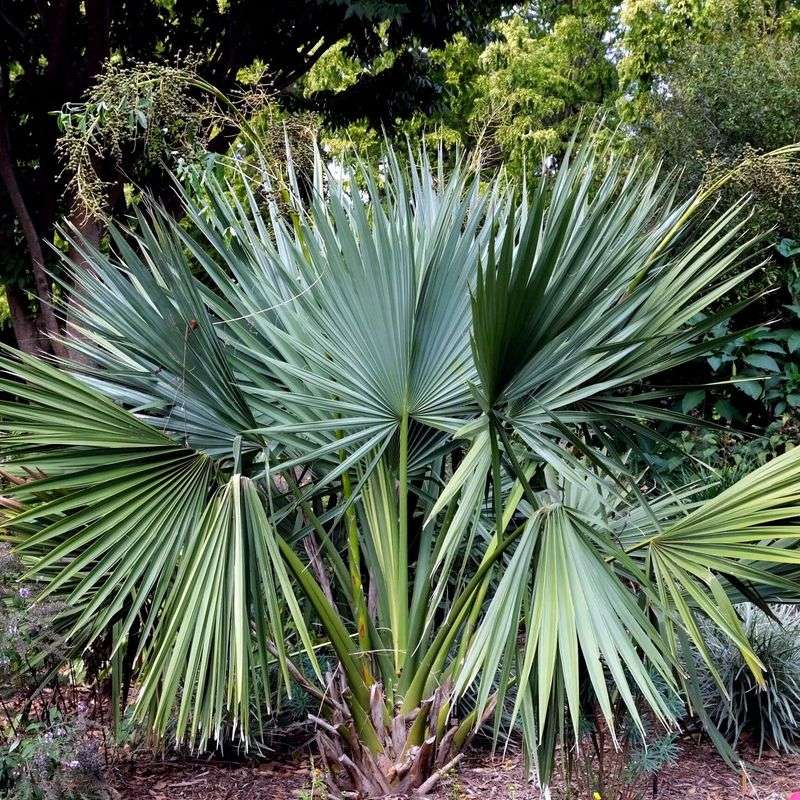
Long before anyone planted palms on purpose, the dwarf palmetto was already growing wild in Texas river bottoms. It has been here for thousands of years. That history tells you just how tough it really is.
Dwarf palmetto stays low to the ground and usually has no trunk you can see. Its stiff, fan-shaped leaves pop up from the soil like big green hands.
Most plants reach about four to six feet tall and wide, so they fit nicely into flower beds and borders.
Cold is not a big problem for this palm. It can handle temperatures down to around zero degrees Fahrenheit once it settles in. That makes it one of the few palms that can thrive in North Texas, including the Dallas and Fort Worth area.
Shade is another place where it shines. Many palms sulk without full sun, but dwarf palmetto is happy under tall trees. It also does well in wet, heavy clay soil that drowns other plants.
Planting tips are simple. Dig a hole about twice as wide as the root ball and water it deeply for the first summer. After that, it can handle dry spells on its own.
Patience matters with this palm. It grows slowly, sometimes adding just a few leaves each year. The upside is that it rarely needs trimming, and you can just snip off old brown leaves when they show up.
Fun fact: the Brazos River area was once full of these palms, and early settlers used the leaves to make roofs and baskets. Planting one connects your yard to real Texas history.
2. Needle Palm
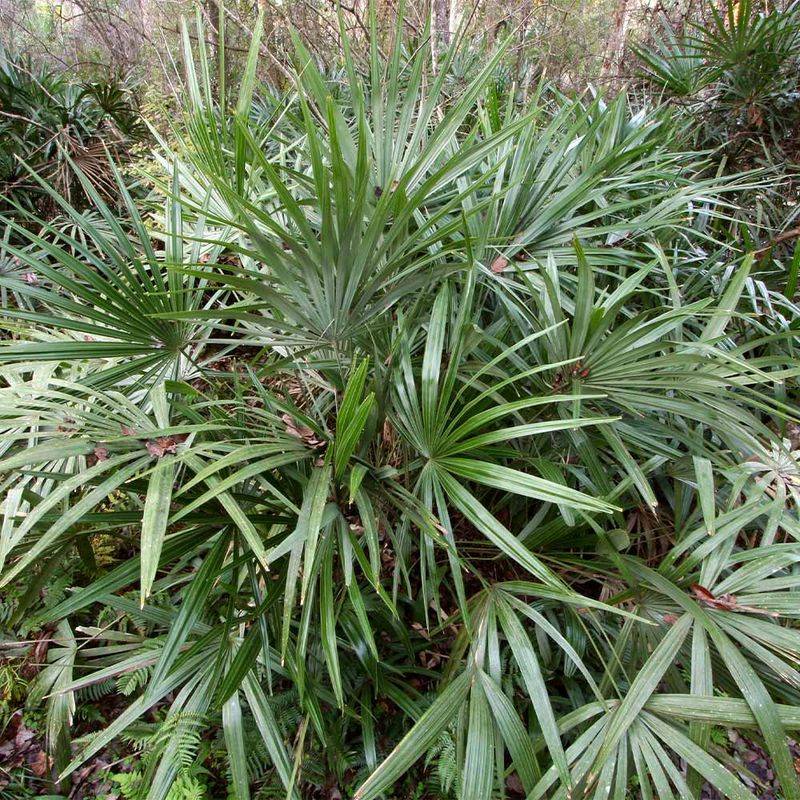
Ask palm collectors to name the toughest palm on Earth, and many will say the needle palm. Some plants have shrugged off temperatures well below zero. For a plant that looks so tropical, that is pretty amazing.
Needle palm grows in a low, bushy clump. Its shiny, dark green fan leaves create a full, leafy look. Over many years, it may reach about six to eight feet tall and just as wide.
Watch your hands, though. Long, sharp needles poke out around the base of the plant. Those spikes protect it from hungry animals, but they can also stab a careless gardener.
Your Texas Garden Changes Every Week. Your Plan Should Too.
Gardening in Texas changes quickly throughout the season. Every Friday you’ll receive a simple weekly plan showing exactly what to plant, prune, fertilize, harvest, and protect so you never miss the right timing.
Because of the needles, placement is key. Keep it away from walkways, play areas, and spots where pets like to run. A back corner of the yard or a shady bed near a fence works great.
Light needs are easy to meet. Needle palm loves shade to part sun and can get scorched leaves in harsh, all-day Texas sun. Morning sun with afternoon shade is the sweet spot.
Soil should drain well but stay a little moist. Add some compost when planting, and water once a week during hot, dry months. A layer of mulch helps keep roots cool in summer and cozy in winter.
Growth is slow, so buy the biggest plant your budget allows. Wear thick gloves when you handle it.
Once it settles in, needle palm becomes a low-care plant that gives you jungle vibes even in places where winter bites hard.
3. Texas Sabal Palm
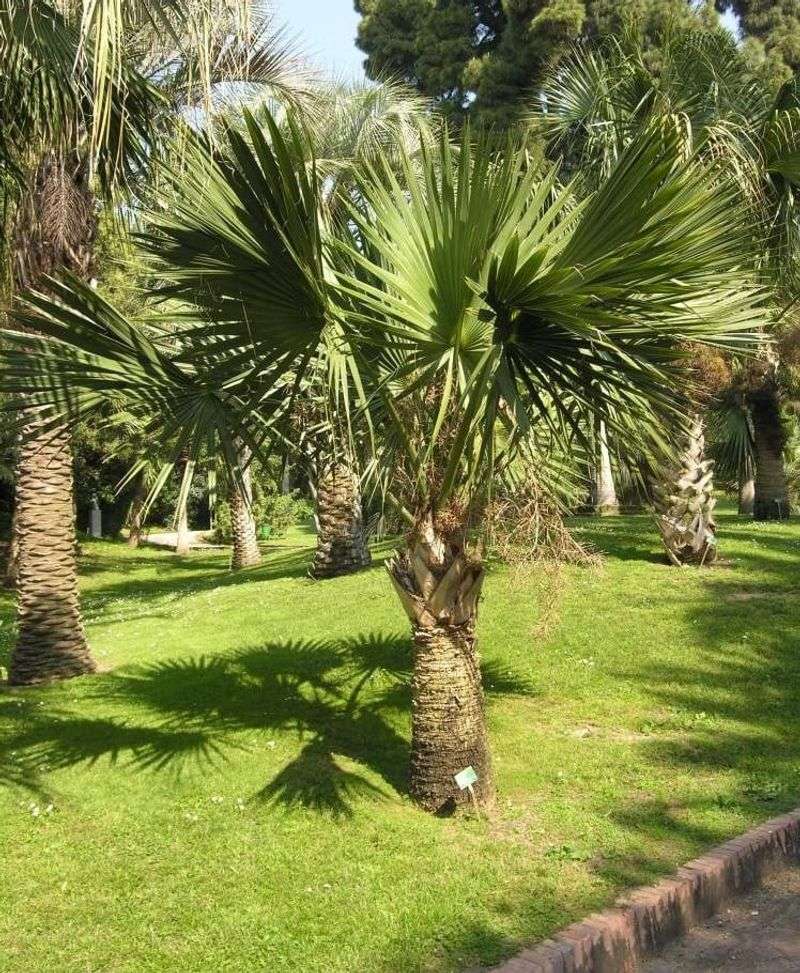
Down in the Rio Grande Valley, a few groves of wild Texas sabal palms still stand near Brownsville.
These native trees once covered thousands of acres along the river. Today, gardeners across the state plant them to bring home a piece of that heritage.
Texas sabal palm grows a thick, sturdy trunk. On top sits a crown of huge, fan-shaped leaves that can stretch several feet across. Mature trees often reach thirty to forty feet tall, so give them room.
Heat does not scare this palm at all. It can handle blazing summers and long dry spells once it is established. That makes it a smart pick for folks who want a tall palm without constant watering.
Winter is where it beats many tall palms. It can usually take temperatures in the mid to upper teens without serious harm. South Texas, Central Texas, and the Hill Country are all good places to plant one.
Plant it in full sun for the best growth. During the first year, water deeply about twice a week in summer. After that, you can cut back a lot.
Young trees grow slowly while they build a strong root system. Do not worry if it looks like nothing is happening for a while. Once the trunk starts forming, things speed up.
Here is a handy trick. Leave the old leaf bases, called boots, on the trunk for extra protection in winter. You can trim dry leaves, but avoid cutting green ones, since the palm uses them for food.
4. Windmill Palm
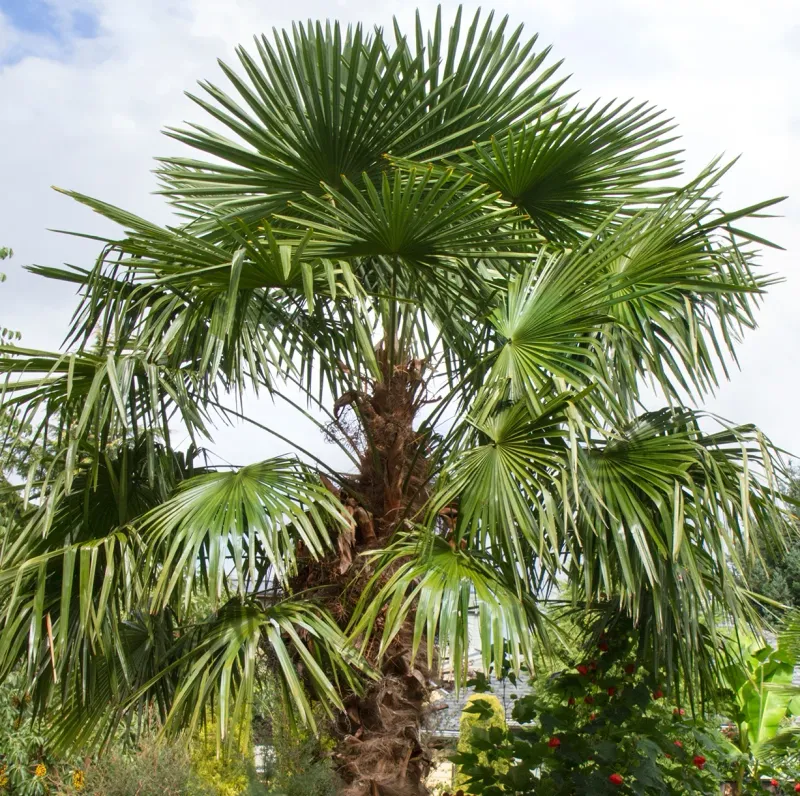
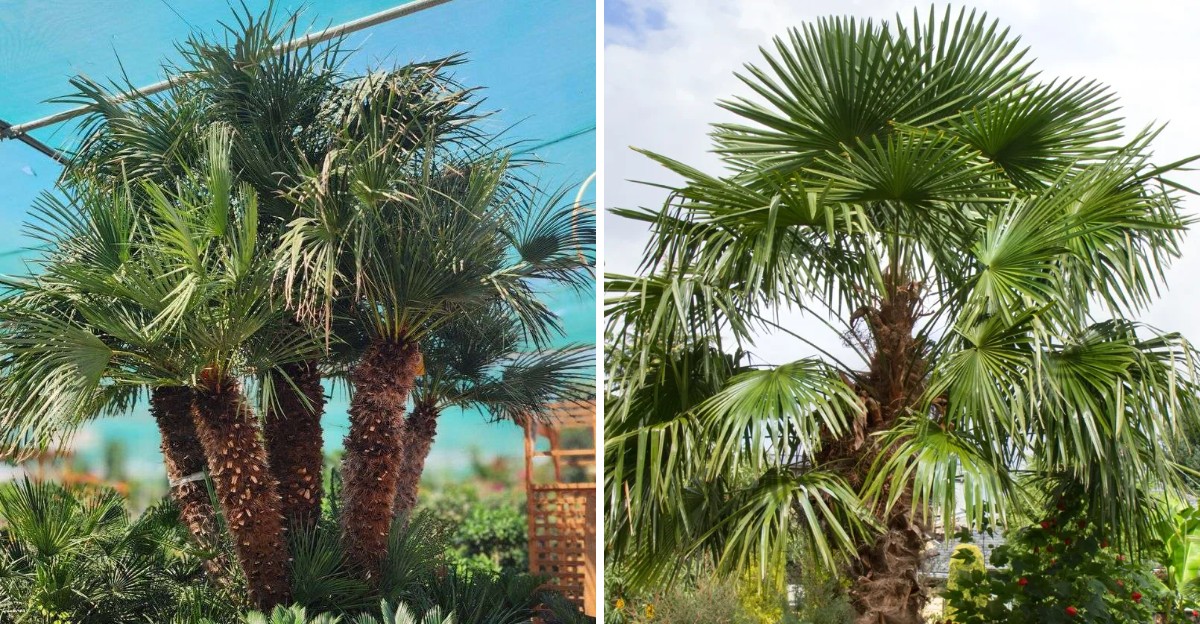
Picture a palm wearing a cozy sweater, and you have the windmill palm. Its single trunk is wrapped in brown, hairy fibers that look almost furry. Kids love to touch it, and adults love how unique it looks.
Originally from the mountains of China, windmill palm is used to chilly weather. It can often survive temperatures near five to ten degrees Fahrenheit. That makes it one of the hardiest palms with a real trunk.
On top, round fan-shaped leaves spread out like the blades of an old windmill. That is where the name comes from. Most trees stay slim and reach about ten to twenty feet tall, which works well in smaller yards.
Location matters a lot here. Strong winter winds can shred the leaves and dry them out. Planting near a wall, fence, or house gives it a helpful windbreak.
Texas afternoon sun can also be rough on this palm. Leaves may turn yellow or crispy if they bake all day. An east-facing spot with morning sun and afternoon shade keeps it looking fresh.
Good drainage is a must. Soggy roots in cold weather cause trouble fast. If you have heavy clay, plant it on a slight mound or mix in some expanded shale.
Water regularly in summer, especially during the first few years. Feed it with a palm fertilizer in spring. With a little care, windmill palm brings an Asian garden charm that holds up when the cold fronts roll through.
5. Pindo Palm
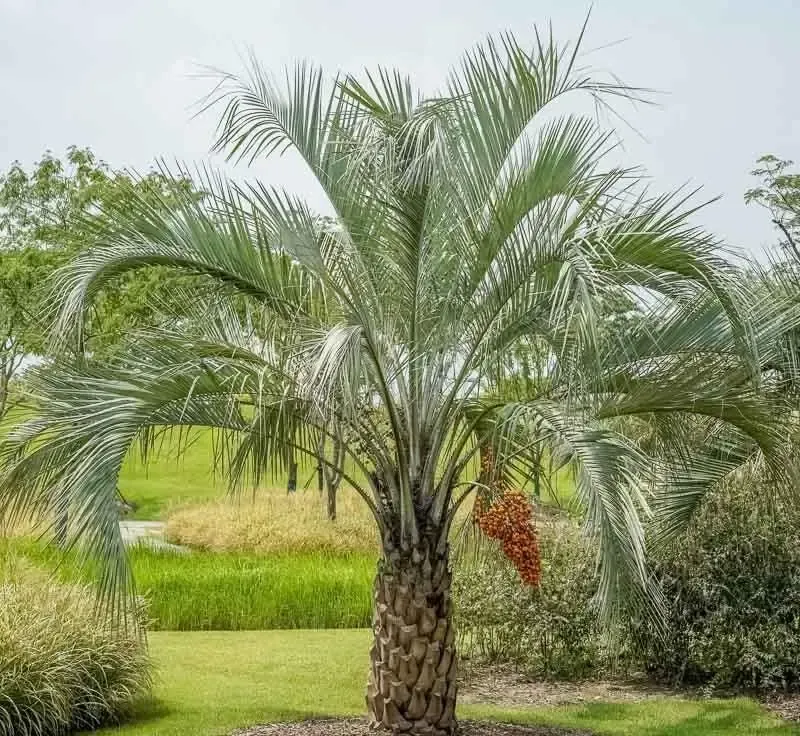
Grandma might have made jelly from strawberries, but some Southern families made it from pindo palm fruit. That is why this tree is often called the jelly palm. It gives you good looks and a tasty treat.
Pindo palm has long, arching fronds that look like soft feathers. Their color is a cool blue-gray that stands out against green lawns. The fronds curve back toward the trunk, giving the tree a relaxed, beachy shape.
Cold tolerance is solid. Most pindo palms can handle temperatures down to around ten to fifteen degrees. Central Texas, the Coastal Bend, and the Houston area are all good spots for one.
Each summer, clusters of small orange fruits hang below the leaves. They taste like a mix of pineapple, apricot, and banana. You can eat them fresh, but watch out for the hard seed inside.
The fruit can get messy, though. Fallen fruit attracts bees and stains sidewalks. Plant it away from patios and driveways, or pick the fruit before it drops.
Give your pindo palm full sun to part shade. It likes soil that drains well and does fine in sandy ground. Water deeply every week or two during dry summers.
Growth is slow to moderate, and the tree usually tops out around fifteen to twenty feet. Its thick trunk is covered in old leaf stubs that some people trim for a cleaner look.
Either way, this palm offers a classic tropical feel plus a reason to break out the jelly jars.
6. Mediterranean Fan Palm
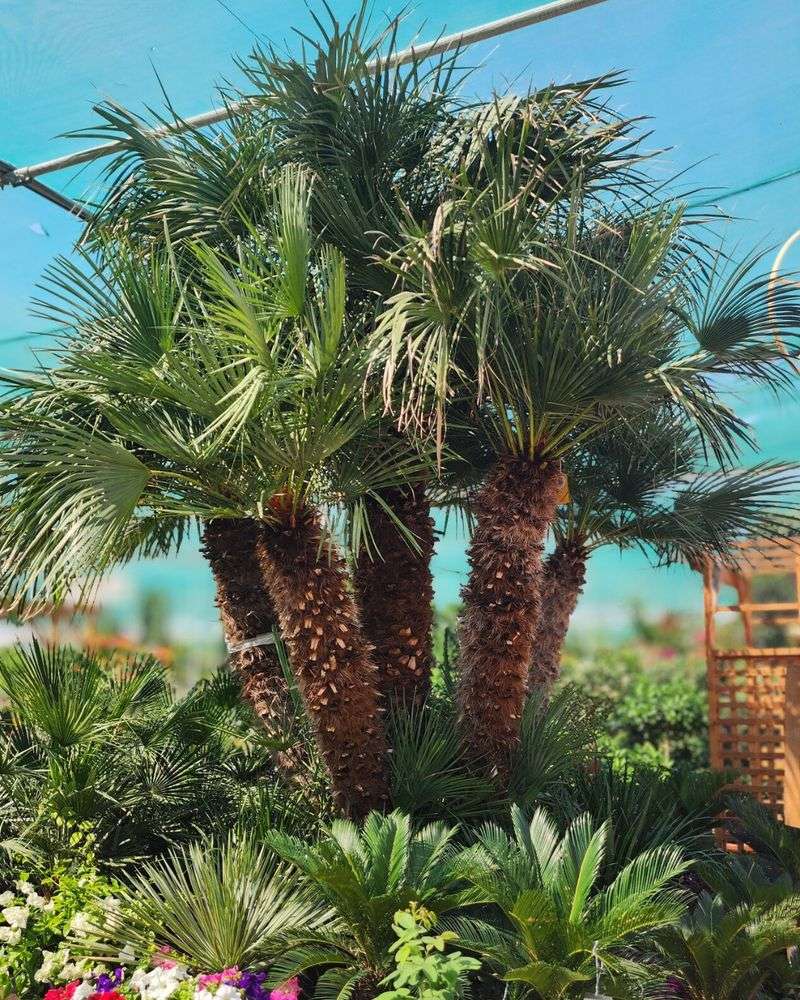
Short on space? You can still enjoy a palm. The Mediterranean fan palm is a slow grower that fits nicely into small yards, patios, and even large pots.
Native to southern Europe and North Africa, this palm grows in clumps with several trunks. Its fan-shaped leaves range from bright green to a silvery blue-green. The blue types look especially striking next to dark mulch or stone.
Slow growth is a big perk. A plant might take many years to reach eight to ten feet tall. That means less pruning and less worry about it outgrowing its spot.
Drought is no big deal for this palm. Once it is settled, it can go a long time between waterings. That is welcome news in Texas, where summer water bills climb fast.
Cold handling is also impressive for its size. It can usually take temperatures around ten to fifteen degrees. In colder parts of the state, growing it in a container lets you roll it into a garage during hard freezes.
For container growing, choose a pot with drainage holes and use a fast-draining cactus or palm mix. Water when the top two inches of soil feel dry. Feed it lightly in spring and summer.
Wear gloves when trimming, since the leaf stems have small teeth along the edges. You can also thin out extra trunks to shape it into more of a tree form. With some creative pruning, this palm looks like living sculpture on your porch.
7. California Fan Palm
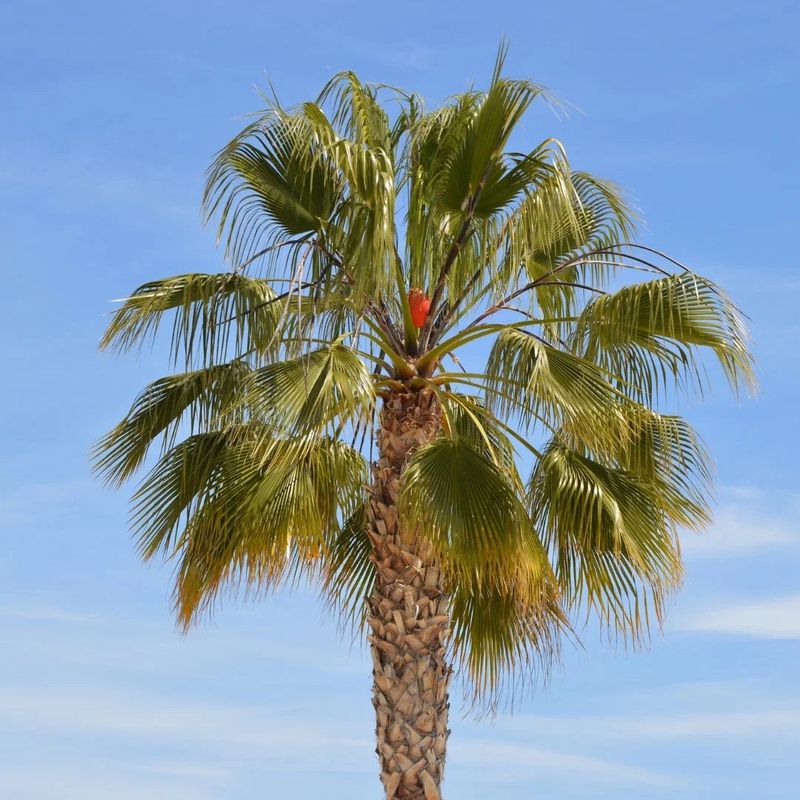
Drive through Palm Springs, and you will see rows of towering fan palms. Many of those are California fan palms. The same bold look can work beautifully in parts of Texas too.
California fan palm grows a thick, heavy trunk that looks strong and solid. On top, giant fan-shaped leaves can stretch up to six feet wide. The overall effect is part desert, part tropical resort.
Many people mix it up with the Mexican fan palm. The Mexican type is taller and skinnier, and it often gets hurt badly in Texas freezes. The California fan palm is tougher and can usually handle temperatures down to the low teens.
West Texas is a great match for it. Dry air, hot sun, and well-drained soil make it feel right at home. Central Texas gardeners also have good luck, especially in sunny, open spots.
Plan for its size before you plant. It can reach forty to sixty feet tall over time, with a wide crown. Keep it away from power lines and give it plenty of space from buildings.
Watering is simple. Deep, weekly drinks during the first summer help it settle in. After that, it handles drought well, though extra water in very hot months keeps it greener.
Fun fact: if you never trim it, dry leaves hang down and form a shaggy skirt around the trunk.
Some folks love that wild look, while others prefer to cut it away. Either way, this palm makes a big, unforgettable statement in any Texas landscape.