What to Do in the First Minutes If a Rattlesnake Bites You While Clearing Brush in Arizona
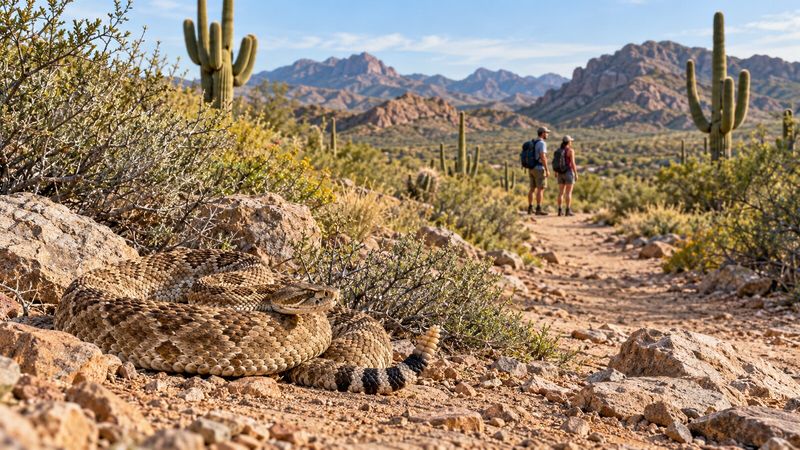
If a rattlesnake bites you while you clear brush in Arizona, get away from the snake and call 911 right away. Do not wait to see if swelling starts.
Some bites are dry, meaning no venom was injected, but nobody can tell that in the field. Here are the calm, practical steps for those first minutes, plus the common moves that can make things worse.
Move Away From the Snake
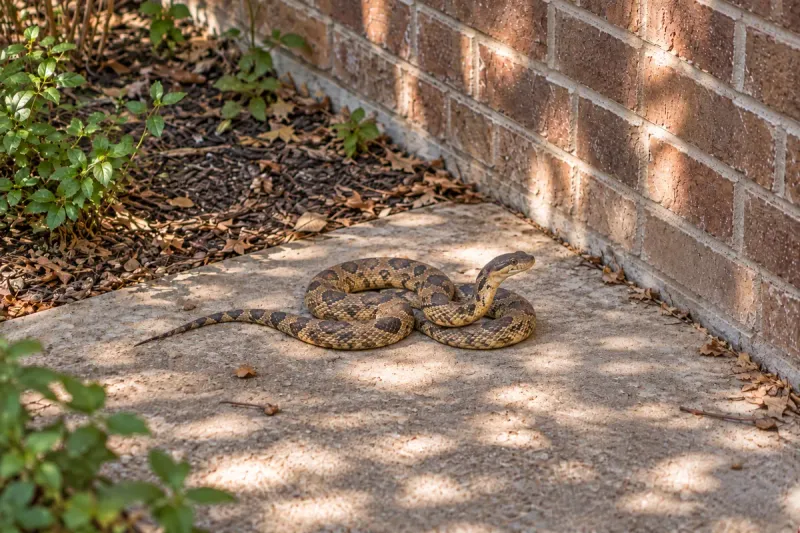
The moment you feel a sharp strike or hear a rattle, stop what you are doing and step away. Walk several big steps back from the brush pile, rake, or rock where the snake was.
Distance keeps you from getting bitten a second time, and that comes before anything else on the list.
Helpers should do the same. Stay out of striking range and keep kids and pets back too.
Do not poke at the brush to find the snake, and do not try to catch it, handle it, or kill it. Many bites happen when people try exactly that.
Knowing what kind of snake it was is not required. Arizona Poison and Drug Information Center guidance says identification is not necessary for treatment, and the care is the same no matter which Arizona rattlesnake was involved.
Once you are clear of the area, the next job is getting help on the way.
If you are not sure whether you were bitten, treat it as a bite anyway. A scratch from a thorn can feel similar in the moment.
It is much better to be checked and told all is well than to guess wrong. CDC guidance for outdoor workers likewise stresses getting emergency medical attention as soon as possible.
Call 911; Don’t Drive Yourself
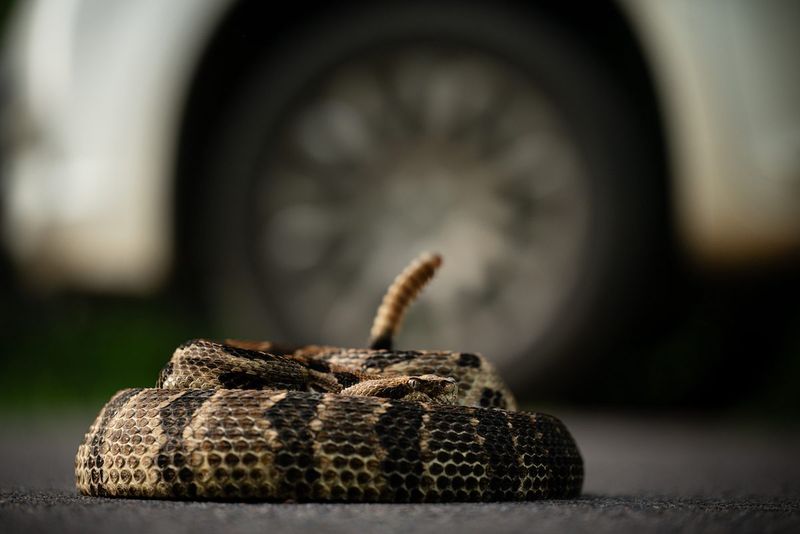
Call 911 as soon as you are clear of the snake. Put the phone on speaker so your hands are free, give your exact location, and say that a rattlesnake bite is suspected.
Then follow whatever the dispatcher tells you, since they can tailor instructions to your situation.
The bitten person should not drive. CDC guidance says not to drive yourself because a bite can cause dizziness or loss of consciousness.
Emergency crews can also give supportive care on the way, which the American Heart Association and American Red Cross first aid guidelines note as a benefit of EMS transport.
You may see a bite card that says to call 911 or drive. Treat 911 as the default.
A companion driving the person is different from the bitten person driving, and a dispatcher may sometimes direct you to do that.
If you are alone on foot with no signal, walk only as far as needed to reach a vehicle or cell service. Arizona’s poison center bite card allows this, but it is not a reason to hurry or exert yourself more than you must.
Keep the Person Still and the Limb at Heart Level
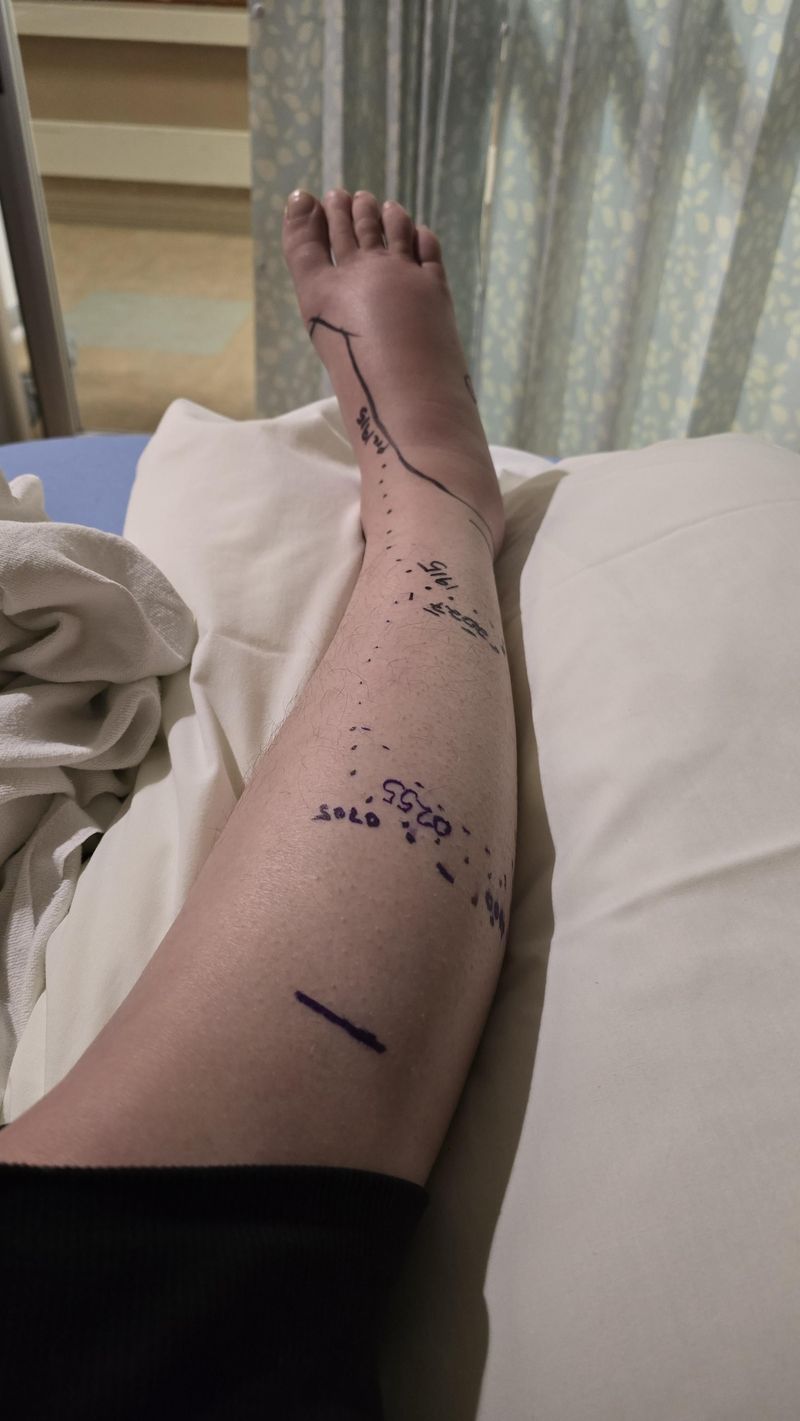
Once help is called, help the bitten person sit or lie down in a safe, comfortable spot. Calm talk matters.
Panic raises the heart rate, so slow, steady words and a quiet tone go a long way while you wait.
Keep activity low. Arizona’s bite card says to reduce activity and hold the bitten limb level with the heart.
If it is practical, loosely support the arm or leg there with a pillow, a folded jacket, or a helper’s hands. Do not wrap it tight, and do not worry about getting the position perfect.
Staying still does not mean staying put when travel is needed. If you are stranded without signal, walking to a vehicle or to a spot with service is fine.
Go slowly and take breaks, and let others carry gear.
You may read that the limb should be raised higher during hospital care. Guidance such as the 2026 Wilderness Medical Society guideline treats that as a decision for clinicians in the emergency department.
For field first aid, heart level is the simple goal when you can manage it.
Remove Tight Items and Cover the Bite
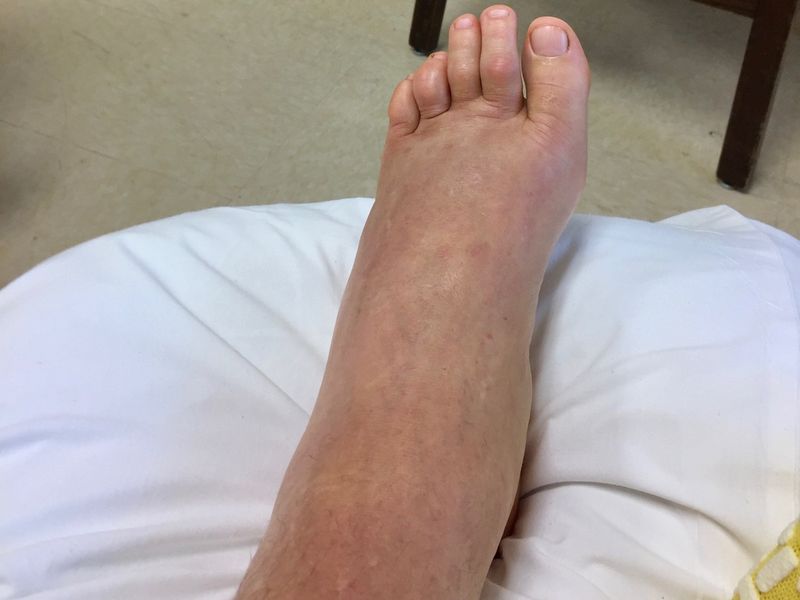
Swelling can build around a bite, so take off anything snug near it before that happens. Rings, watches, bracelets, tight sleeves, and even shoes can become hard to remove later.
Slide them off gently and set them aside.
Keep this step quick. Calling for help and getting the person settled come first, and removal is something a second person can do while the first stays on the phone.
Cut clothing only if it cannot be eased off, and never at the wound itself.
Then give the bite a simple cleanup. CDC guidance recommends washing the area with soap and water and covering it with a clean, dry dressing while you wait for transport.
If water is not handy, skip the washing and just cover it.
Do not rub the area or press on it hard. Keep the dressing loose enough that it is not squeezing the limb.
Arizona Poison and Drug Information Center also advises getting to a medical facility right away, so none of these small steps should delay that.
Avoid Remedies That Can Cause Harm
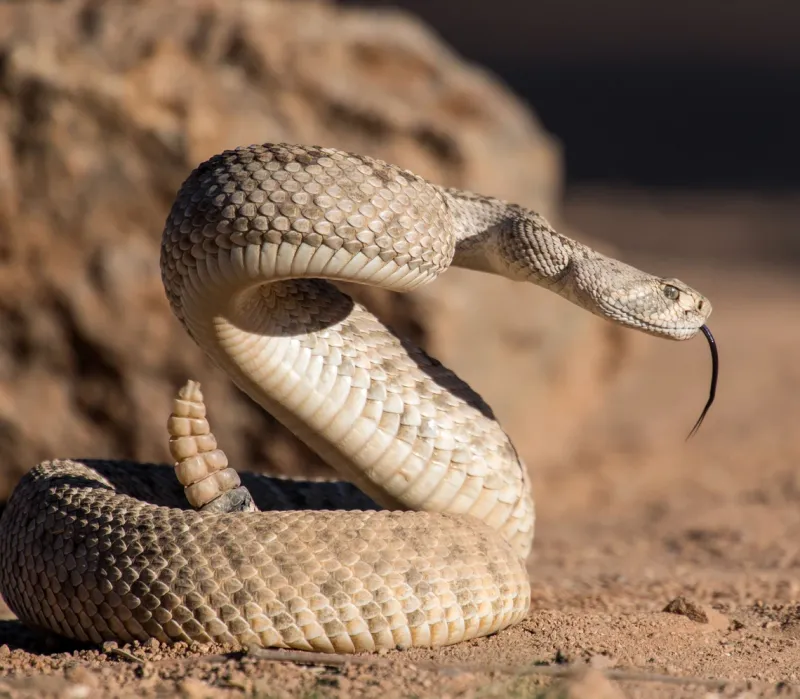
Movies make this part tempting, but home remedies do not help. Skip ice, tourniquets, tight bandages, suction devices, and cutting the wound.
Also skip electric shock, folk remedies, and alcohol.
The 2024 first aid guidelines from the American Heart Association and American Red Cross and the 2026 Wilderness Medical Society guideline both point out that these methods have no demonstrated benefit for North American pit viper bites. Some can cause harm, such as tissue injury from a tight band or a deeper wound from a cut.
A cutting or sucking attempt also eats up time. That time is better spent on the phone with 911 or on the way to care.
Alcohol does not help either, and it can cloud the picture for the medical team.
If you feel the urge to do something, put it toward the useful tasks: stay calm, keep the limb still, and remove tight items. Arizona Poison and Drug Information Center says to go to a medical facility immediately, and that is where treatment happens.
A Snake Photo Is Optional
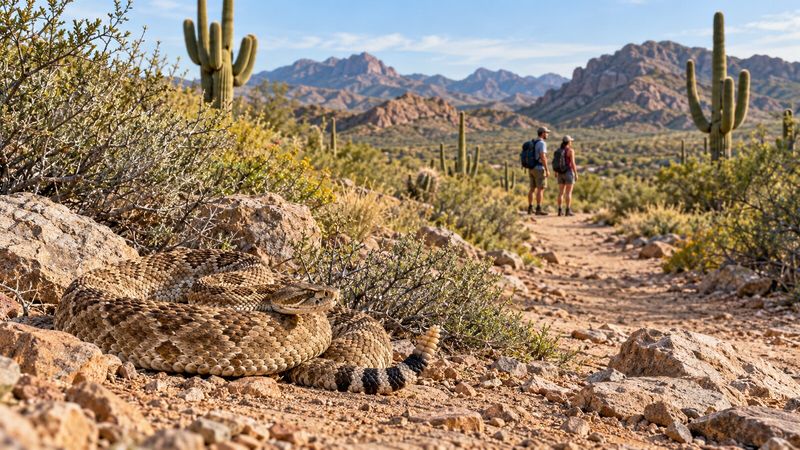
After a bite, many people want to know exactly what bit them. You do not need to.
Arizona Poison and Drug Information Center says identification is not necessary for treatment.
A photo is optional. CDC guidance allows one only if you can take it from a safe distance without delaying care.
If the snake is out of sight, skip it. Never go closer, and never carry the snake along.
Poison control can be a useful extra resource while you wait or travel. The national line is 1-800-222-1222, and the Arizona rattlesnake bite card also lists 520-626-6016 for Arizona-specific help, as shown on the bite information card.
Remember that these numbers add to emergency care and do not replace it. Call 911 first, and get evaluated in person.
A phone call cannot examine a bite.
Get Medical Care Without Waiting for Symptoms
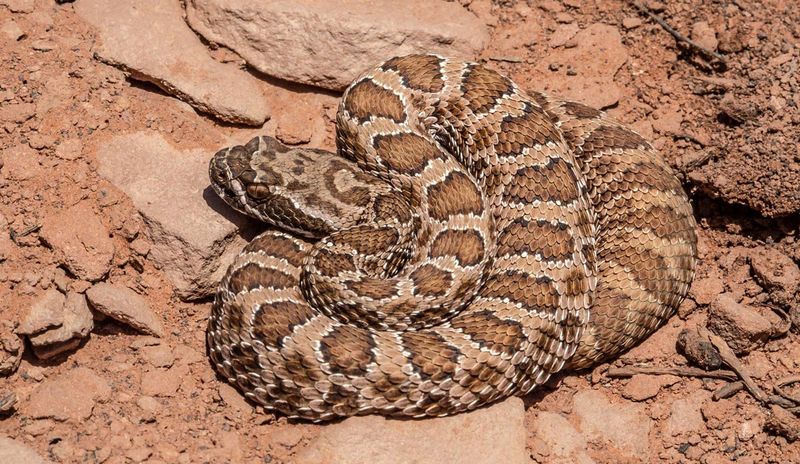
Some people feel fine at first and assume the bite was nothing. That is a risky guess.
A bite can be dry, but no one can safely tell that in the field, so get checked even if nothing seems wrong yet.
Symptoms and severity vary from person to person. Poison Control notes that deaths from rattlesnake bites are extremely rare, yet it still stresses prompt evaluation.
The goal is calm speed, not panic.
At the hospital, clinicians look at the bite and the person’s condition and decide on treatment. Antivenom is a hospital medicine, and whether it is needed is their call.
Not every bite requires it, and first aid in the yard cannot replace it, as the American Heart Association and American Red Cross guidelines make clear.
No checklist can promise a perfect outcome, but fast action gives professionals the best chance to help. Get away, call 911, and let the experts take it from there.
A few quiet minutes of doing the right things beat any amount of guessing.