What to Do If an Eastern Diamondback Bites You While Clearing Florida Palmetto Brush
Some of the largest venomous snakes in North America can top seven feet long and weigh more than ten pounds. One of them might be resting under the fan-shaped fronds you plan to cut this weekend.
Palmetto thickets stay shady and cool, and they are packed with rabbits, rats, and gopher tortoise burrows. I can’t imagine a better hideout for a patient ambush hunter with diamond-patterned skin.
Here in Florida, those dense stands cover pinelands, scrub, and plenty of suburban backyard edges. I love clearing brush on a crisp morning, but I have learned to respect what might be coiled inside it.
You need a plan before your loppers ever touch a frond.
Most bites happen when a hand or foot lands somewhere a person could not see. What actually helps in those first frantic minutes, and which old tricks belong in the trash?
That Jolt in the Palmetto Fronds Might Not Be a Thorn
Saw palmetto stems carry little saw-toothed edges, so a scratch while clearing brush feels pretty normal. A rattlesnake bite feels different.
People often describe a hard, sudden strike followed by burning pain that builds fast.
Look for one or two puncture marks on your hand, wrist, ankle, or shin. Swelling and a deep, spreading ache usually show up within minutes.
Some people also notice tingling or a strange metallic taste in their mouth.
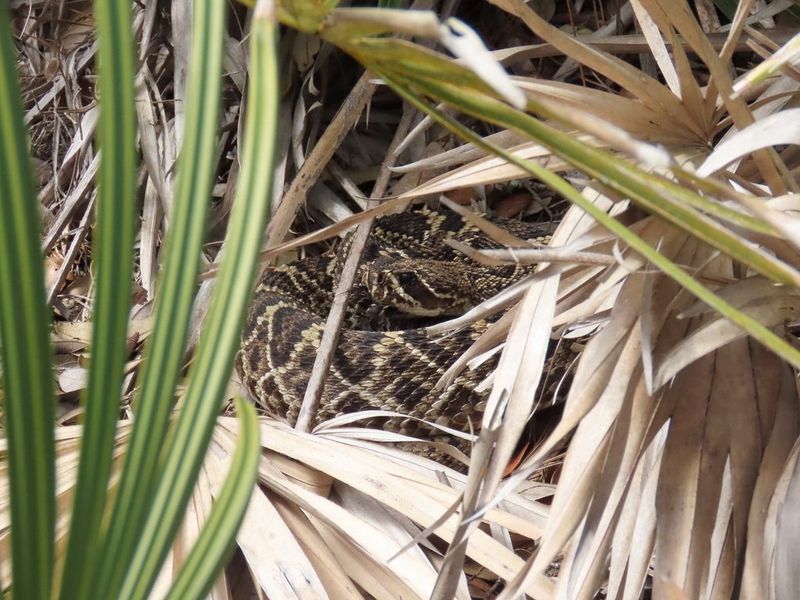
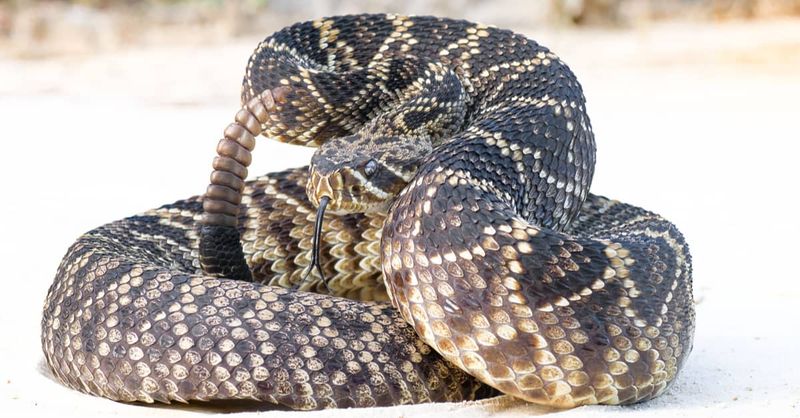
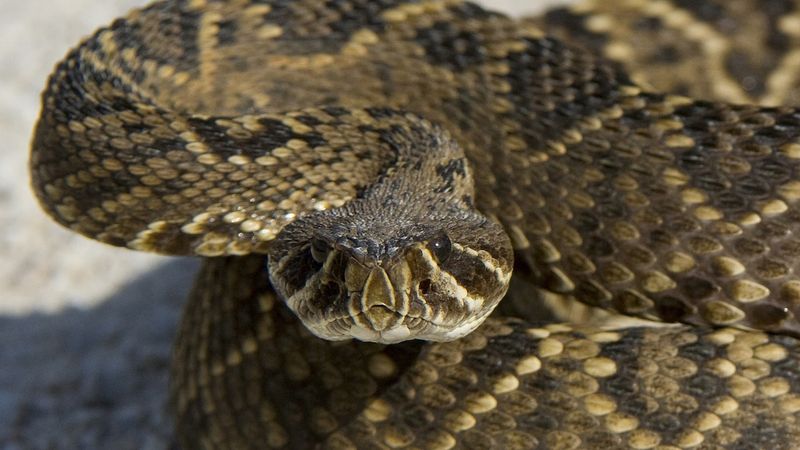
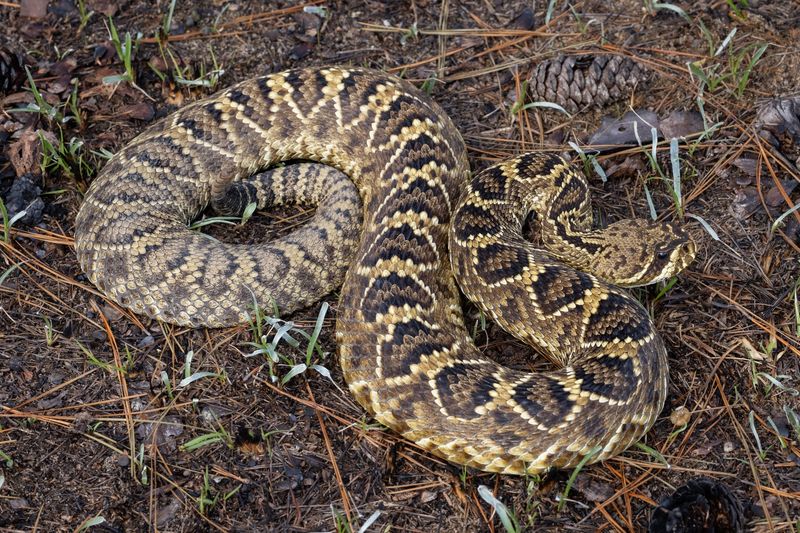
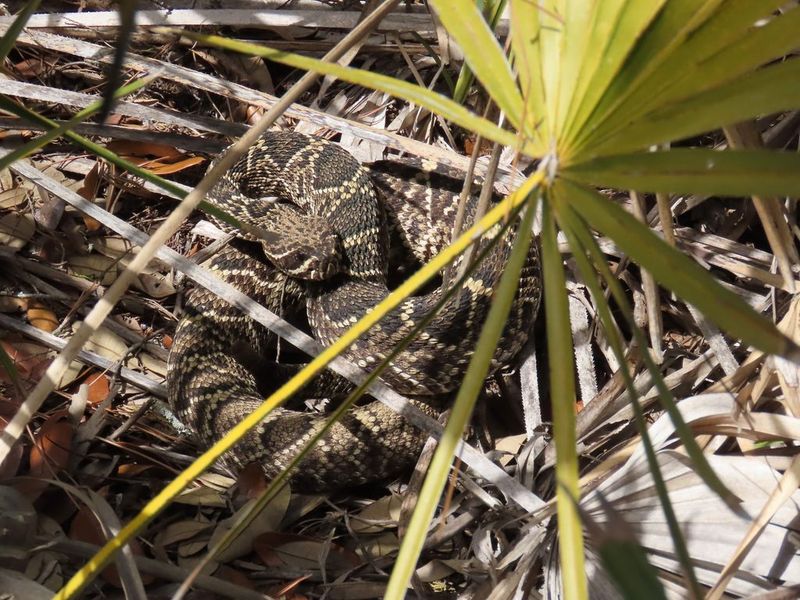
Eastern diamondbacks are heavy-bodied snakes with dark diamonds outlined in cream along their backs. They also have a pale stripe running from the eye toward the jaw.
Their camouflage blends right into fallen palmetto fronds and pine needles.
These snakes usually rely on staying still and hidden. Many will rattle as a warning, but some stay quiet if they think they have not been spotted.
A reaching hand can surprise one before it ever buzzes.
So treat any mystery strike inside palmetto brush seriously, even if you never saw a snake. Roughly a quarter of pit viper bites are dry bites with little or no venom.
You still cannot tell the difference on your own, and only a medical team can sort it out.
Step Away From the Rattlesnake and Call 911 Right Away

Distance comes first. A diamondback can strike roughly a third to half of its body length, so take several calm steps back until you are well out of range.
Leave the snake alone. Plenty of bites happen when people try to catch, move, or hit a snake after the first strike.
A clear photo from a safe spot is fine, but skip it if the snake is moving or hidden.
Next, call 911 without waiting for symptoms. Swelling and pain can take a little time to ramp up, and hospital care works best when it starts early.
Tell the dispatcher you were bitten by a possible rattlesnake and give clear directions to your spot.
The Florida Poison Information Center is reachable at 1-800-222-1222 any time. Staff there can coach you and help guide the hospital team, but they do not replace an ambulance.
Try not to drive yourself. Dizziness, nausea, or fainting can hit without much warning.
If help is far away, have someone else drive you to the nearest emergency room. Then focus on slow breathing while you wait, since staying calm keeps your heart rate down.
Rings, Watches, and Tight Gloves Need to Come Off Fast
Swelling from a diamondback bite can be dramatic. A hand might puff up so much that a wedding ring turns into a painful clamp within the hour.
Take off rings, watches, and bracelets on the bitten arm right away. Loosen boot laces, ankle bracelets, or snug socks if the bite is on your leg.
Tight work gloves and sleeves can come off or be loosened too.
Once that is done, keep the bitten limb still. Rest it in a comfortable spot at about heart level.
Older advice said to hold it far below the heart, but many experts now say a neutral position works best.
A pen is surprisingly handy here. Draw a line at the edge of the swelling and write the time next to it.
Add a new line every 15 minutes or so, which helps doctors see how quickly things are spreading.
Also jot down when the bite happened and what the snake looked like, if you know. You can gently wash the area with soap and water and cover it loosely with a clean cloth.
After that, sit tight and save your energy for the ride.
Skip the Tourniquet, Pocket Knife, and Suction Kit
Old cowboy movies did us no favors. That scene where someone slices an X over the bite and sucks out venom looks bold, but it causes real harm.
Cutting the wound adds tissue damage and raises infection risk. Suction devices sold in camping stores remove little to no venom, according to medical research.
They can also bruise skin that is already under attack.
Tourniquets are another big no. Cutting off blood flow can trap venom in one spot and increase the odds of serious tissue loss. Tight pressure wraps used for some snakes overseas are also not recommended for rattlesnake bites in the United States.
Ice and heat packs belong on the skip list too. Cold can worsen local tissue injury, and heat offers no benefit.
Electric shock, a strange folk remedy that still pops up online, has been shown to do nothing helpful.
Pain relievers like ibuprofen and aspirin may affect bleeding, so avoid them unless a doctor says otherwise. Skip home remedies, herbal pastes, and anything else applied to the bite.
Simple beats clever every time with snake bites. Your job is to stay still, stay calm, and reach the hospital.
Antivenom at the Hospital Does the Heavy Lifting
Real treatment happens in the emergency room, and modern medicine is very good at it. Doctors in Florida see pit viper bites regularly, so most ER teams know the drill.
Expect blood tests first. Diamondback venom often disrupts clotting and can lower platelet counts.
Staff will also watch your blood pressure, check the swelling lines you drew, and ask about your symptoms.
If the bite shows signs of envenomation, you will likely receive antivenom through an IV. Two products, CroFab and Anavip, are approved in the U.S. for rattlesnake bites.
Several vials are common, and more may follow if swelling keeps advancing.
Fun fact for the curious gardener. CroFab is made with help from sheep, while Anavip comes from horses.
Both work by binding to venom proteins so your body can clear them.
Many people stay at least a day for observation. Antivenom works best when given early, which explains all the urgency in the first steps.
With prompt care, serious outcomes from rattlesnake bites in the United States are rare. That reassurance matters when you are lying on a stretcher wondering what comes next.
Healing From a Diamondback Bite Can Take Weeks
Going home does not mean you are done. Recovery from a significant diamondback bite often takes weeks, and sometimes a few months.
One sneaky issue is called recurrent coagulopathy. Clotting problems can return days after you leave the hospital, so follow-up blood tests matter a lot.
Call your doctor quickly if you notice unusual bruising, bleeding gums, or blood in your urine.
Skip heavy yard work for a while, even if you feel restless. A small cut from a pruning saw could bleed more than expected during this stage.
Your doctor will tell you when it is safe to pick up tools again.
Stiffness and lingering swelling are common, especially with hand bites. Physical therapy can help restore grip strength and finger movement.
Gentle exercises at home often speed things along.
The emotional side counts too. Plenty of people feel jumpy around tall grass or brush after a bite, and that reaction is normal.
Talking it through with friends, family, or a counselor can help. Taking small steps back into your garden, maybe starting with open beds, helps rebuild confidence one task at a time.
Snake Boots and Long Tools Make Palmetto Work Safer
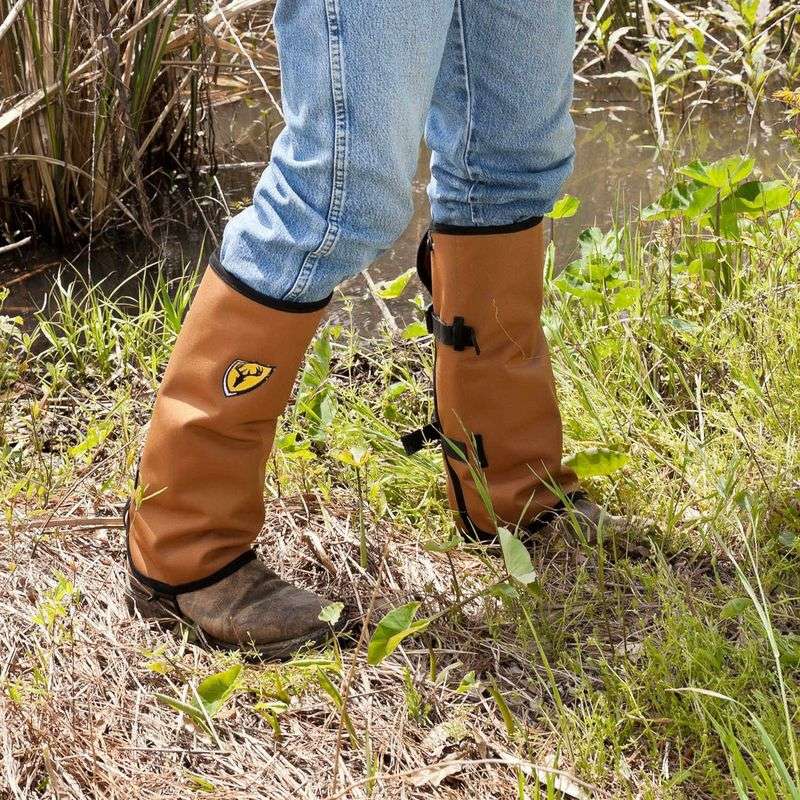
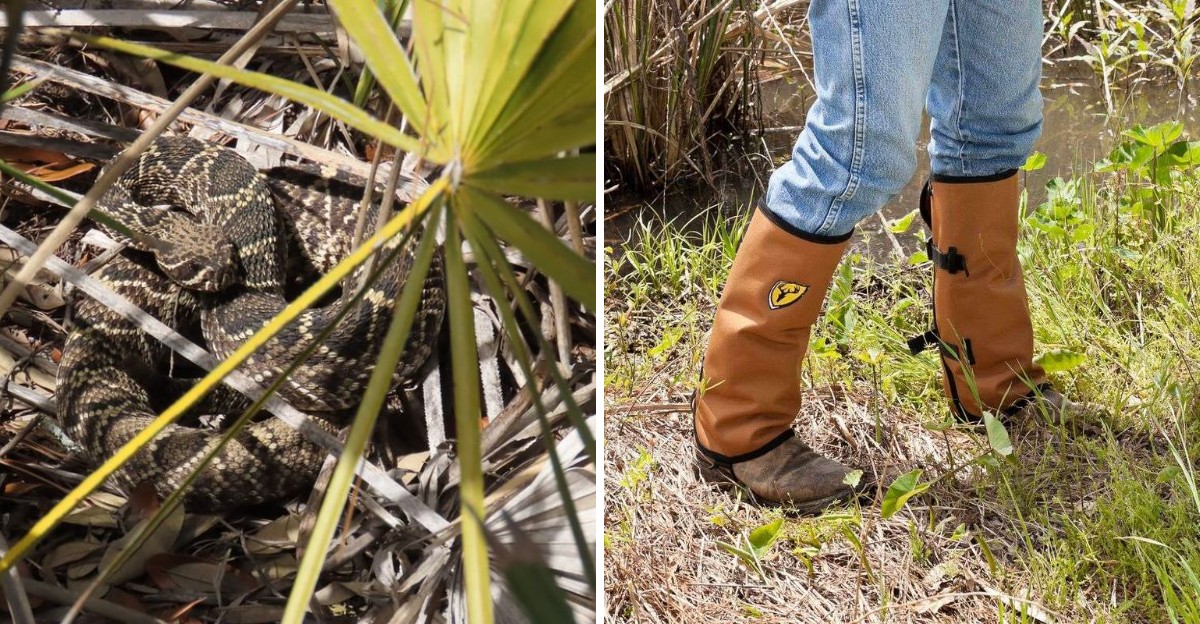
My favorite piece of palmetto-clearing gear costs less than a nice dinner out. A pair of snake gaiters strapped over jeans covers the shins, where many leg bites land.
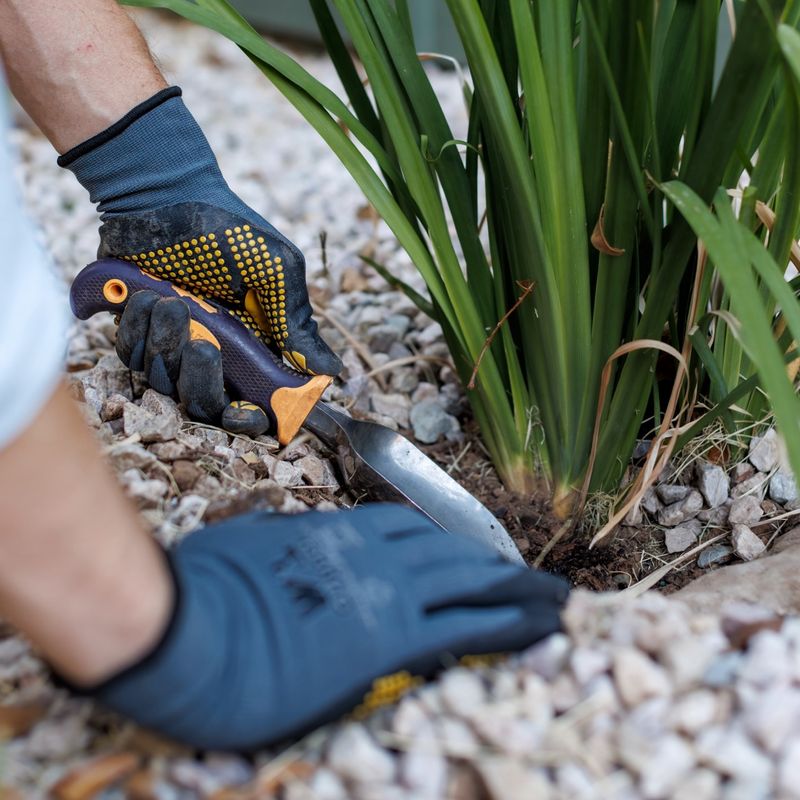
Tall snake boots offer even more coverage if you clear brush often. Pair them with long, thick pants and heavy leather work gloves.
Gloves alone will not stop every fang, but they help with palmetto teeth too.
Tools matter as much as clothing. Use a long-handled rake or hoe to pull fronds aside before stepping or reaching in.
Loppers with long handles keep your hands farther from the base of each clump.
Work slowly and look before every move. Poke debris piles first, then pause and listen for a rattle.
Lift logs and boards by the far side so they shield you.
Timing helps as well. In Florida, diamondbacks are active much of the year, with more movement in spring and fall.
On hot summer days, they tend to roam in cooler mornings and evenings, so midday work in full sun may mean fewer encounters. Always bring a charged phone and tell someone where you will be working.
A Tidy Yard Gives Diamondbacks Less Reason to Visit
Rattlesnakes go where the food and shelter are. Fewer rats and fewer hiding spots usually mean fewer surprise visitors.
Keep grass mowed and trim shrubs up off the ground so you can see underneath. Remove brush piles, old lumber, and scrap metal near the house.
Stack firewood on a raised rack, well away from walls and doors.
Rodents are the main draw. Store birdseed, pet food, and chicken feed in sealed metal bins.
Clean up fallen fruit and spilled seed under feeders regularly.
Gopher tortoise burrows deserve a special note. Many snakes use them for shelter, but the tortoises are a protected species in Florida.
Leave burrows alone and give them space while you work.
Diamondbacks also play a useful role by eating rats and mice, and they have declined across much of their range. If you spot one, back away and let it move on.
Most will leave if left undisturbed. For a snake near your home, contact a licensed wildlife trapper rather than handling it yourself.
Respect and a little planning let you enjoy your yard with fewer close calls.