That Fast, Many-Legged Bug In Your Nevada Garage Is Mostly Harmless And Helpful
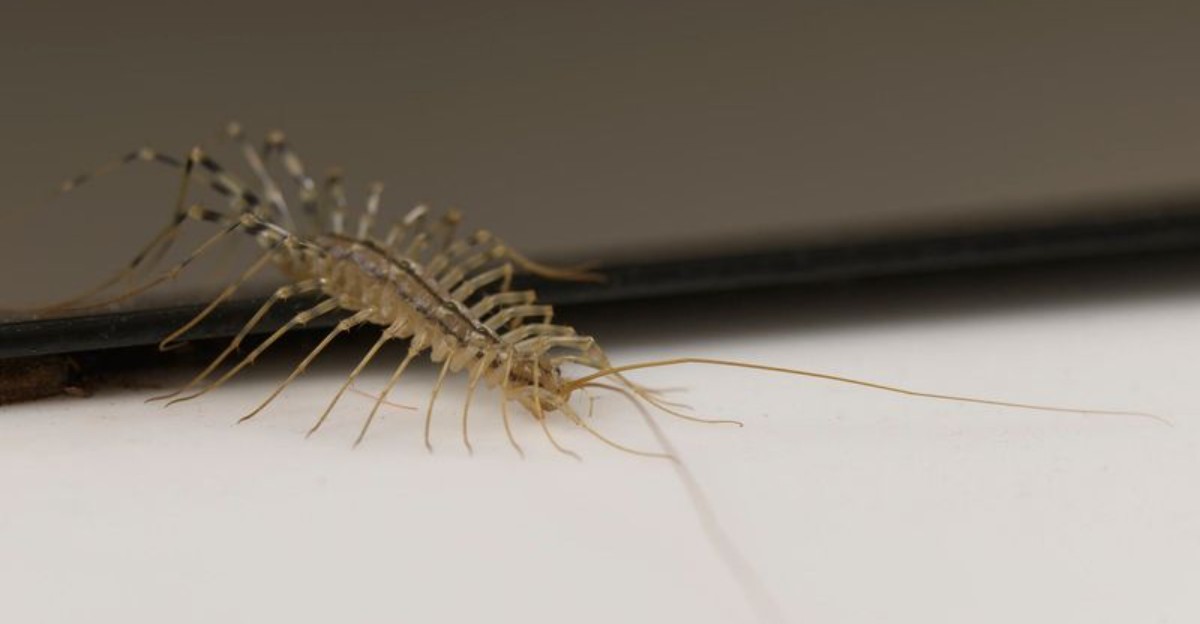
It has 30 legs, and the back pair can be longer than its whole body. That stretch helps it sprint across a garage floor faster than most of us can grab a shoe.
I met one at midnight next to my potting bench in Nevada. It froze, twitched two long antennae, and slipped behind a bag of compost before I could blink.
Homes and garages all over Nevada host this speedy hunter, from damp Reno basements to cool Las Vegas laundry rooms. You might notice it only after dark, when the rest of the house goes quiet.
It’s a minimal threat to your family, and it works the night shift for free. Before you reach for the shoe or the spray, you’ll want to know why.
That Leggy Garage Sprinter Carries a Tiny Secret Weapon
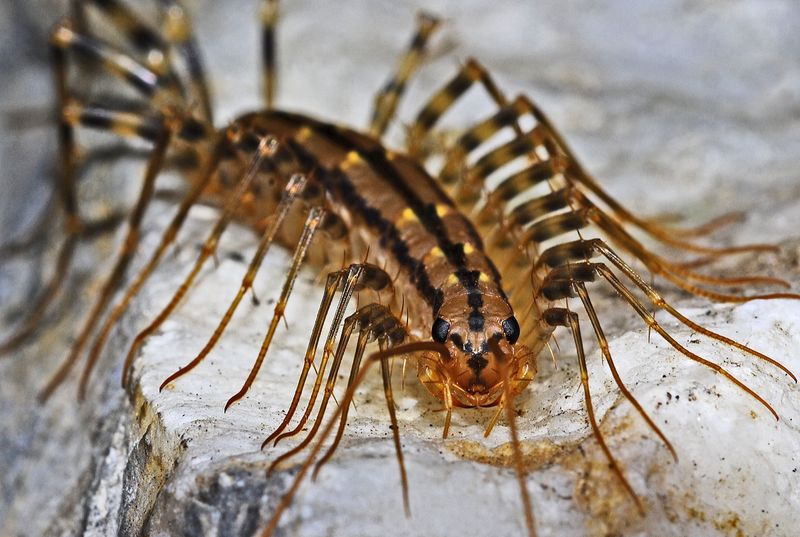
Meet the house centipede, known to scientists as Scutigera coleoptrata. It wears a yellowish-gray body with three dark stripes running down its back, plus 15 pairs of very long legs.
Those legs explain the shock factor. University extension experts say it can zip across floors, climb walls, and even run along ceilings with ease.
The secret weapon sits up front. Its first pair of legs evolved into hollow, venom-carrying fangs called forcipules, which it uses to stop prey in its tracks.
So yes, the creature racing past your recycling bins is venomous. That word sounds scary, but venom alone does not make an animal a real danger to people.
The long antennae act like feelers in the dark. The centipede taps and sweeps the ground, sensing movement and smells to find its next meal.
Fun fact for your next garden club chat: centipedes are not insects at all. They belong to a separate group of arthropods called Chilopoda, which means lip-foot.
Knowing what you are looking at is the first step. Once you recognize the stripes and the fringe of legs, you can stop guessing and start deciding how you feel about your new roommate.
A House Centipede Bite Feels More Like a Bee Sting Than a Disaster
Let me put your mind at ease right away. Penn State Extension reports that bites from house centipedes are rare, and their small jaws often cannot even break human skin.
When a bite does happen, it usually comes from someone pressing the bug against bare skin. Folks who grab one by accident or roll onto one in bed are the usual victims.
The feeling gets compared to a bee sting. You might see a red welt, a little swelling, or a patch of numbness that fades on its own.
Extension specialists describe these effects as localized and temporary. The bite is not considered medically significant for most healthy people or pets.
Simple first aid works well. Wash the spot with soap and water, then add a cold pack to calm the sting.
Keep an eye out for unusual reactions, though. Anyone with strong allergies to stings, or symptoms that spread or worsen, should call a doctor.
House centipedes are also not known to spread diseases to people or animals. So the danger part of the story is real but small, mostly a matter of a sore finger and a bruised ego.
Cockroaches and Silverfish Have Good Reason to Fear This Hunter
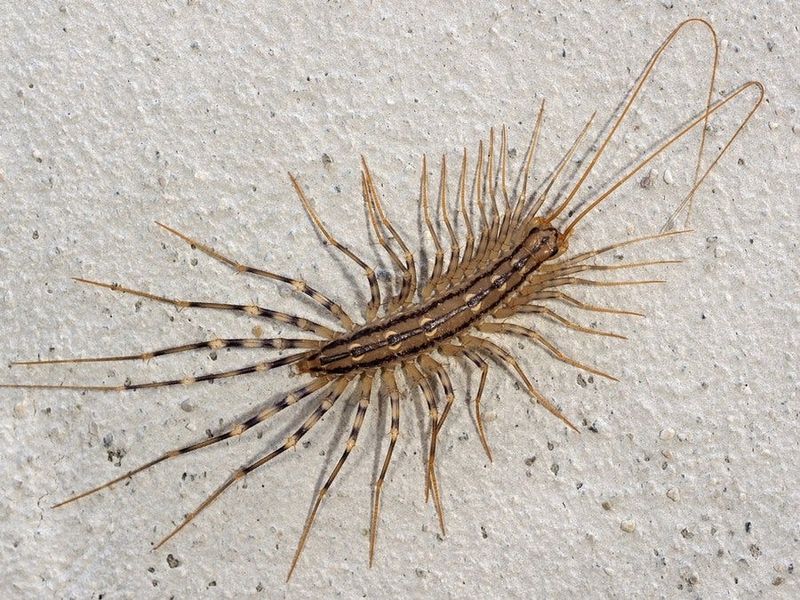
Here comes the helpful half of the story, and it is a big one. House centipedes eat many of the pests gardeners and homeowners dislike most.
USDA and university sources list cockroaches, termites, silverfish, spiders, flies, crickets, and carpet beetle larvae on the menu. Penn State Extension notes they are especially good at reducing silverfish and carpet beetle larvae.
Their hunting style is fascinating to watch. Some centipedes lasso prey with their legs, wrap it up, and deliver a quick dose of venom.
They work the night shift too. While you sleep, they patrol baseboards, storage shelves, and the gap under your garage door.
In a Nevada garage full of seed packets, cardboard boxes, and stored bulbs, that patrol matters. Silverfish chew paper and cardboard, while carpet beetle larvae nibble natural fabrics and stored goods.
Spotting one centipede often hints at a bigger story. It probably came for the food, so its presence can signal a cockroach or silverfish problem you have not noticed yet.
I started treating my occasional centipede sighting like a free inspection report. Its appetite tells me where the real trouble may hide.
Damp Corners Near Your Water Heater Roll Out the Welcome Mat

Dry desert air outside does not mean dry spots indoors. Centipedes lose moisture easily, so they hunt for the dampest corners they can find across Nevada.
In many homes, that means bathrooms, laundry rooms, crawl spaces, and garages. Leaky water heaters, sweaty pipes, and evaporative coolers can all create a humid little oasis.
Las Vegas homes with swamp coolers often see extra humidity near vents and drains. Northern Nevada areas like Reno and Carson City may have cooler basements and crawl spaces that hold moisture longer.
Outdoors, centipedes hide under rocks, leaf litter, mulch, and woodpiles. Those spots stay cool and moist during hot afternoons.
Take a flashlight tour of your garage some evening. Check under storage bins, behind the dryer, and around floor drains for damp patches.
A small dehumidifier or a fixed drip can make a huge difference. Mop up standing water, run the bathroom fan, and keep the area under sinks dry.
I found my moisture hot spot behind a dripping utility tub. One washer later, my centipede visits dropped sharply, and so did the silverfish they were chasing. Plenty of Nevada homeowners could see the same result from one small repair.
Night Walks to the Garage Explain Why You Keep Spotting Them
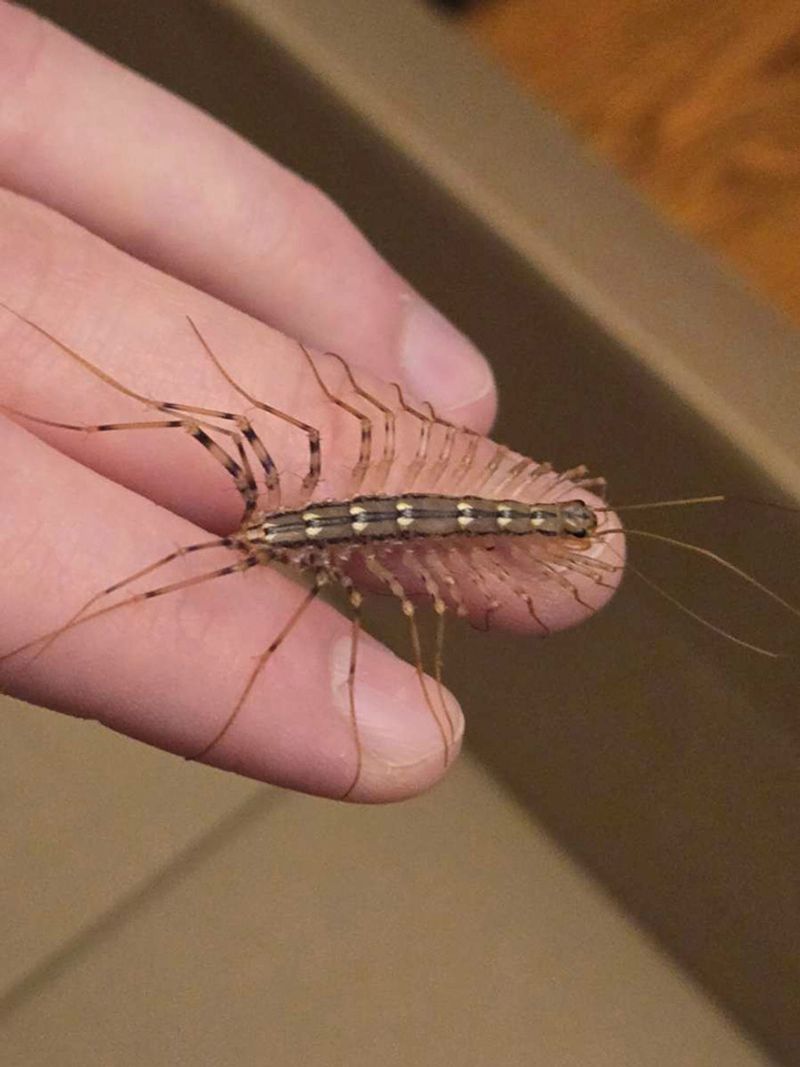
Ever notice that these bugs show up when you flip on the light for a late snack? That timing is no accident.
House centipedes are nocturnal. University of Kentucky entomologists describe them as most active at night, when they roam for prey.
During the day, they tuck themselves into cracks, behind boxes, or under clutter. Light and sudden movement send them racing for cover.
That sudden dash is a big reason they feel scary. Something fast, leggy, and unexpected triggers our startle reflex long before our brain catches up.
Seasons play a part too. Many people notice more activity indoors when outdoor conditions turn harsh, such as scorching summer days or chilly winter nights in northern Nevada.
They can also survive long stretches without food. A single centipede might live quietly in your garage for weeks between meals.
House centipedes can live for several years, with some sources citing lifespans of three to seven years. So the same lanky visitor you saw last spring may still be hanging around.
Next time one appears, try watching for a moment. Its smooth, ripple-like gait is one of the strangest sights in the backyard world.
Squashing Every Centipede Can Backfire on Your Pest Plan
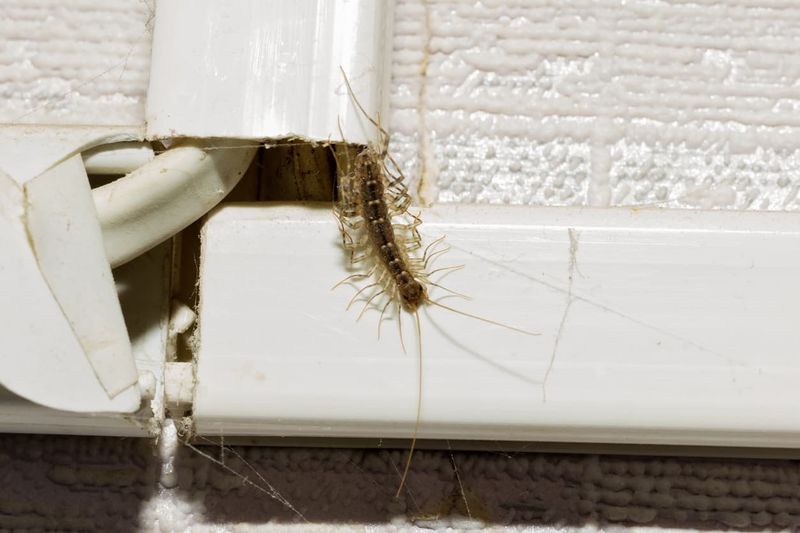
Grabbing a shoe feels natural. Still, smacking every house centipede you see may leave more roaches, silverfish, and spiders for you to deal with.
Many extension specialists consider these centipedes beneficial. They act like built-in pest control that does not need batteries or refills.
A gentler option works great. Slide a clear jar over the centipede, slip a stiff card underneath, and carry it outdoors to a shady rock pile far from your door.
Wear gloves if you feel nervous. A centipede has no interest in biting, but handling it barehanded raises the odds of a pinch.
Sprays offer limited help. If centipedes are around, the real issue is often moisture and an existing insect population, not the centipede alone.
Broad insecticide use can also harm beneficial bugs in your garden beds. Lady beetles, ground beetles, and pollinators deserve a break too.
My rule is simple. In the garage or yard, they stay, and in the bedroom, they get a polite ride outside.
You can set your own comfort line. Just know the little hunter is likely doing more good than harm.
Sealing Cracks Around Garage Doors Keeps Leggy Visitors Outside
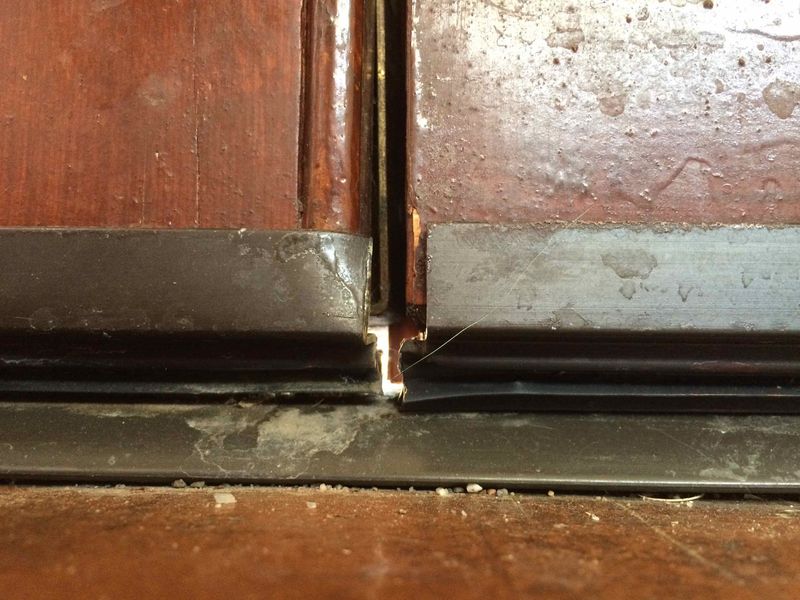
Prevention feels a lot like good garden housekeeping. A few weekend chores can cut down both centipedes and the bugs they chase.
Start with entry points. Caulk gaps around windows and pipes, and add fresh weatherstripping or a sweep at the bottom of the garage door.
Next, tackle clutter. Store seed packets, bulbs, and gardening supplies in sealed plastic bins rather than soggy cardboard boxes.
Move firewood, stacked pots, and bags of mulch away from your foundation. Those piles create cool hiding spots right next to your walls.
Outdoors, pull leaf litter and heavy mulch back a few inches from the house. In desert landscapes, rock mulch near walls can stay drier than organic mulch.
Check drip irrigation too. A leaky emitter beside the foundation can keep soil damp all summer, drawing in insects and the predators that follow.
Sticky traps in corners can reveal what is wandering through. They show whether you have centipedes, roaches, or both.
Simple steps like these address the root cause. Fewer damp hideouts and fewer prey insects mean fewer surprise sprints across your floor.
A Single House Centipede Might Be the Best Bug Report You Get
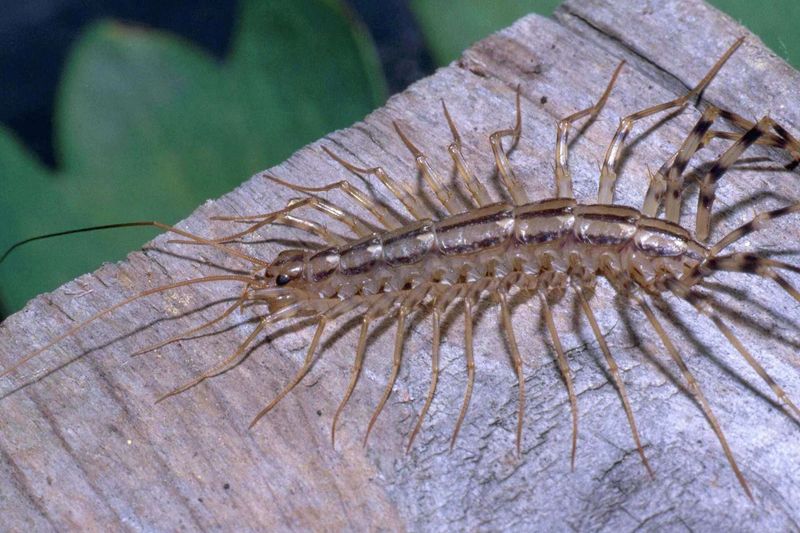
After all my late-night encounters, I see this bug in a new light. It looks like a horror movie extra, but it behaves more like a quiet groundskeeper.
The danger side is real but modest. A rare bite may sting and swell for a short time, with serious reactions being unusual.
The helpful side carries more weight. Centipedes reduce household pests like silverfish, cockroaches, and carpet beetle larvae without chemicals.
Treat each sighting as a clue. One centipede now and then is normal, while many may point to moisture or a larger insect problem.
If you see a lot of them, check for leaks, clutter, and prey insects first. A licensed pest professional can help if problems persist after you clean and dry things out.
Talk with your local University of Nevada, Reno Extension office for regional advice. Their staff can help identify bugs and suggest safe control steps.
Share what you learn with family, especially kids who scream at every leggy shadow. A little knowledge turns fear into fascination.
My garage still hosts the occasional sprinter. These days, I just nod and let it get back to work.